
Wellness
Simple & Affordable Self-Care Habits That Truly Make a Difference


Self-care has been heavily marketed as something you buy. Expensive skincare, luxury retreats, planned routines. But most research and long-running lifestyle reporting point to something simpler: the habits that improve daily wellbeing are often basic, repeatable, and inexpensive. They work not because they’re trendy, but because they stabilise how the body and mind function over time. The habits below aren’t extreme. That’s exactly why they matter.
Health publications frequently focus on eight hours of sleep, but sleep researchers consistently emphasise timing over perfection. Going to bed and waking up at roughly the same hour every day regulates the body clock. Even small improvements in consistency reduce daytime fatigue, mood swings, and stress sensitivity. This doesn’t require blackout curtains or supplements. It starts with a fixed wake-up time. When the wake-up time is stable, the body adjusts naturally. People who struggle with sleep often try to control the night; experts suggest controlling the morning instead.

Photo Credit – Google
Exposure to natural daylight within the first hour of waking influences hormone balance, alertness, and emotional regulation. This isn’t wellness folklore. It’s a basic biological response tied to circadian rhythm. Ten to fifteen minutes outdoors is enough. No workout required. A short walk, sitting by a window with direct light, or stepping outside before commuting already signals the brain to switch from the body’s sleep state to daytime focus. Over time, this improves sleep quality at night and stabilises energy levels during the day. It’s one of the cheapest mental resets available.

Photo Credit – Google
Wellness coverage increasingly highlights a shift in fitness advice: consistency beats intensity. Many people abandon exercise plans because they require too much time. Short, frequent movements address that issue. Three to five minutes of stretching, walking, or bodyweight movement several times a day improves circulation and reduces mental fatigue. Office workers who take movement breaks report better concentration and lower stress compared to those who wait for a single gym session that often gets skipped. This isn’t about replacing workouts. It’s about preventing the physical stagnation that builds tension in the body. Small interruptions in sitting patterns protect posture, joints, and attention span.
Even mild dehydration affects concentration, memory, and irritability. Several lifestyle and health publications have noted how often fatigue is mistaken for hunger or stress when the body simply needs fluids. The solution isn’t complicated: keep water visible. People drink more when water is within reach. A bottle on a desk is more effective than a reminder app. Habit design works better than discipline. Tea, infused water, and diluted juice count. The goal is steady intake, not strict rules.

Constant notification exposure increases stress hormones and fragments focus. Many modern wellness articles now treat digital hygiene the same way earlier generations treated diet or exercise: it’s foundational. A simple rule makes a measurable difference: no phone use for the first 20 minutes after waking and the last 20 minutes before sleep. This protects mental transitions. Morning attention stays internal instead of reactive. Evening wind-down becomes easier, improving sleep onset. Another effective boundary is disabling non-essential notifications. Most alerts are optional. Reducing interruptions restores a sense of control over time.
Self-care is often framed as solitude, but long-term studies on wellbeing consistently point to social connection as a protective factor against anxiety and burnout. This doesn’t require deep conversations every day. Even a check-in message, a brief call, or a shared walk counts. Regular light contact maintains emotional stability in ways isolation cannot. People underestimate how much mood regulation happens socially. Even minimal connection acts as a reset.
Unfinished thoughts accumulate when the day ends without closure. A two-minute written reset helps. Listing what needs attention tomorrow and writing down unresolved concerns reduces rumination. Articles on productivity often highlight this as a performance tool, but it doubles as emotional maintenance. The brain relaxes when it knows information is stored somewhere reliable.

Photo Credit – Google
None of these practices are extreme because biology doesn’t respond to extremes. It responds to repetition. Trends in lifestyle coverage change yearly, but the underlying advice remains steady: regulate sleep, move often, drink fluids, protect attention, seek light, maintain connection. The effectiveness comes from accumulation. Each habit is small enough to repeat without resistance. When repeated daily, they reshape energy, mood, and resilience more reliably than occasional big efforts. Self-care that lasts isn’t impressive. It’s sustainable. And sustainability is what produces visible change.














Turmeric has been used in traditional health practices for centuries. Curcumin, one of its main active compounds, could help with several health conditions. Here are some reasons taking Turmeric could help your health.
Helps Reduce Joint Pain
Turmeric has been studied for its potential to reduce joint pain. This is particularly in people with knee problems. Research believes that curcumin improves physical function in some people. A review of clinical trials found that turmeric preparations were associated with improvements in knee pain.
May Reduce Inflammation

Photo: Getty Images
Curcumin has anti-inflammatory properties that have attracted considerable scientific interest. It may affect several biological processes involved in inflammation. This is one reason researchers are investigating its potential role in conditions linked to inflammation.
Eases Muscle Soreness
Turmeric may also have a role in exercise recovery. Some studies have examined curcumin supplements as a way to reduce muscle soreness. The findings suggest that it may relieve muscle damage. More research is still needed to determine the right dose.
Read Also: The Health Benefits of Rooibos Tea You Should Know
Provides Antioxidant Effects

Photo: Getty Images
Turmeric contains compounds with antioxidant properties. This protects cells from oxidative stress. This condition happens when free radicals are more than what the body can cope with.
Supports Metabolic Health
There are studies that have linked turmeric with better metabolic health. Scientists have looked at how it supports blood glucose and cholesterol. Results show improvement in some while others show inconsistency.
Good for Liver
Turmeric has been studied for its possible effects on those with fatty liver disease. A study found that turmeric extract was protective against serious liver damage.
Aids Oral Health

Photo: Getty Images
Turmeric antimicrobial properties have been linked to oral health. Studies have explored its effects on gum inflammation and several oral conditions. The results are promising, however, turmeric should not replace brushing and dental treatment.
Helps Beautify The Skin
Turmeric supports healthier looking skin through its anti-inflammatory properties and how it helps with hyperpigmentation. Curcumin is also used in some skincare products to improve overall skin health.

A poor night’s sleep can affect your concentration, mood and energy the following day. Stress, screen time, caffeine and an inconsistent sleep routine can all contribute to disrupted sleep, but your diet may also influence how well you rest.
No single food can guarantee better sleep. However, research suggests that certain nutrients and dietary patterns may support the body’s normal sleep processes. Foods providing nutrients such as magnesium, tryptophan and omega-3 fatty acids can form part of a balanced diet that supports healthy sleep.
Kiwi
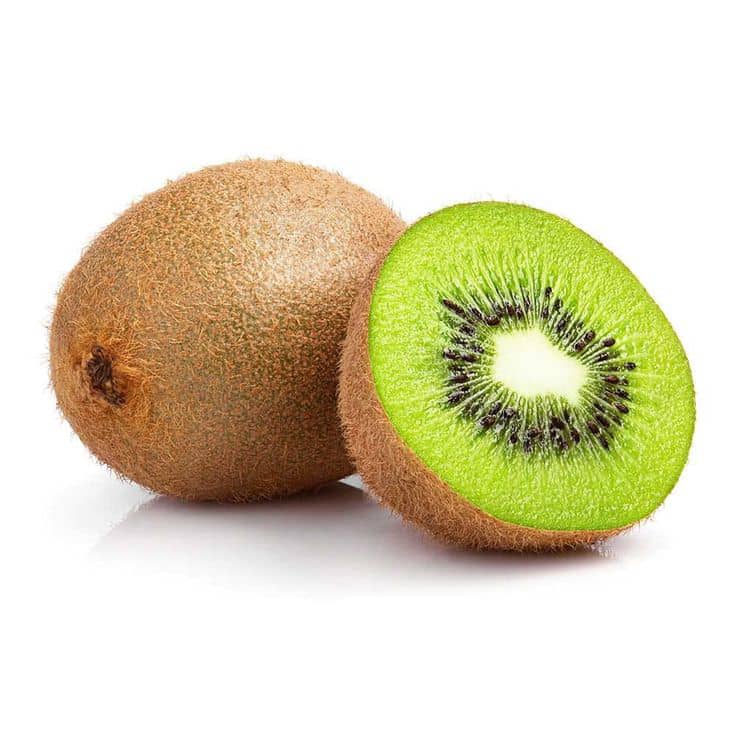
Photo – Pinterest
Small studies suggest that kiwifruit may improve some measures of sleep. It provides folate and vitamin C, while limited research has linked regular kiwifruit consumption with longer sleep and better perceived sleep quality.
The evidence is still limited, so kiwifruit should be viewed as part of a balanced diet rather than a treatment for sleep problems.
Tart cherries

Photo – Pinterest
Tart cherries, particularly Montmorency cherries, contain naturally occurring melatonin, a hormone involved in regulating the sleep-wake cycle. Some small clinical studies have reported improvements in sleep duration or quality after consuming tart cherry products, but more research is needed.
If you choose tart cherry juice, an unsweetened option can help limit added sugar.
Almonds and other nuts
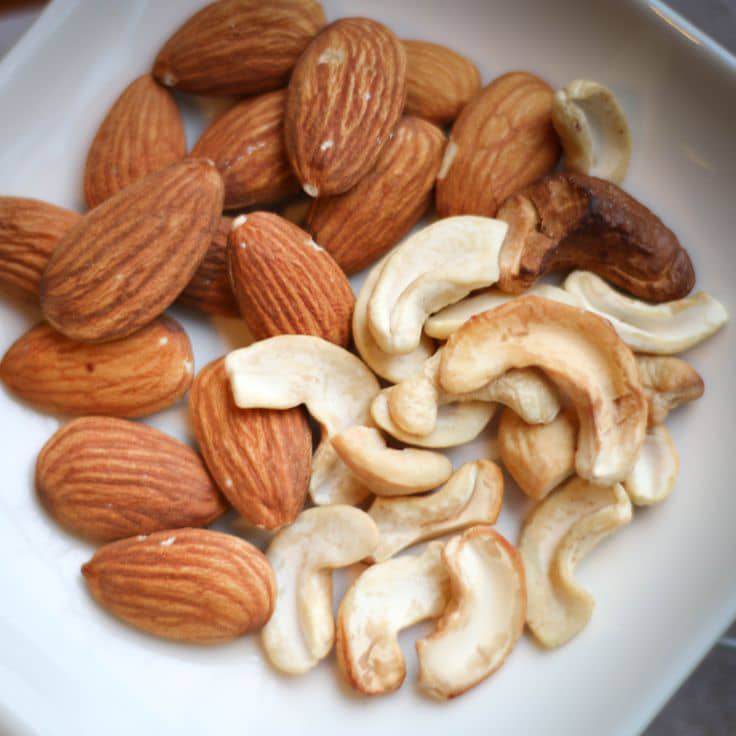
Photo – Pinterest
Almonds are a source of magnesium, a mineral involved in normal muscle and nerve function. Magnesium is also being studied for its potential role in sleep, although research on magnesium supplementation and sleep remains mixed.
Walnuts and pistachios can also contribute useful nutrients, including healthy fats and protein. A moderate serving is enough, particularly if you are eating them close to bedtime.
Oats

Photo – Pinterest
Oats provide carbohydrates, fibre and tryptophan. Tryptophan is an amino acid involved in the production of compounds such as serotonin and melatonin.
A small bowl of porridge can be an option earlier in the evening, especially when paired with fruit, yoghurt or nuts. If hunger is likely to disrupt your sleep, a small, balanced snack may be more appropriate than a large meal.
Eggs

Photo – Pinterest
Eggs provide protein and tryptophan, making them a source of nutrients involved in normal bodily functions. They can also be included in an evening meal without requiring a particularly heavy dish.
Bananas

Photo – Pinterest
Bananas contain potassium, magnesium, vitamin B6 and tryptophan. Vitamin B6 is involved in normal metabolism, while magnesium and potassium support normal muscle and nerve function.
A banana can be a convenient light snack if hunger tends to interfere with your bedtime routine.
Oily fish

Photo – Pinterest
Salmon, sardines and other oily fish provide omega-3 fatty acids and vitamin D. Both nutrients have been studied in relation to sleep, although research has not established that eating oily fish produces an immediate improvement in sleep.
The evidence supports including oily fish as part of an overall healthy diet, rather than treating it as a specific bedtime remedy.
Yoghurt and milk

Photo – Pinterest
Dairy foods provide protein, calcium and tryptophan. They can be included as part of a balanced diet, although there is not enough evidence to suggest that milk or yoghurt alone will significantly improve sleep.
Plain yoghurt can provide protein and tryptophan without requiring a large evening meal.
Pumpkin seeds
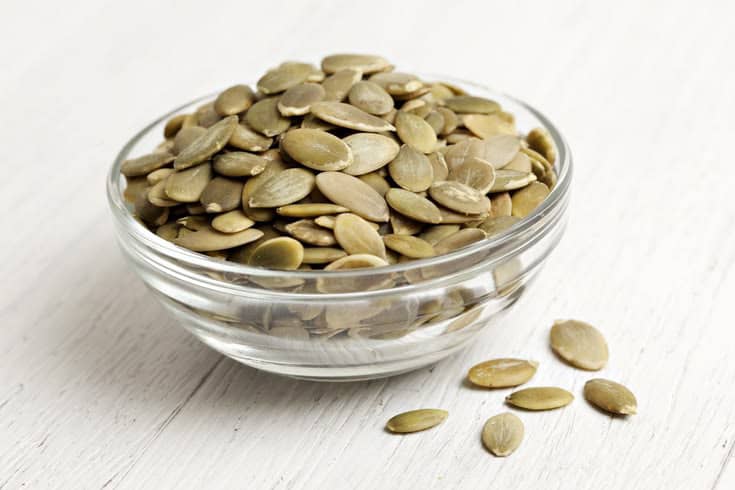
Photo – Pinterest
Pumpkin seeds are a source of magnesium, zinc and tryptophan. They can be added to meals such as porridge or yoghurt, or eaten in a moderate portion as a snack.
Eating these foods regularly is different from expecting a single snack to significantly change your sleep. Overall dietary habits are more important than relying on one ingredient.
Your overall routine still matters
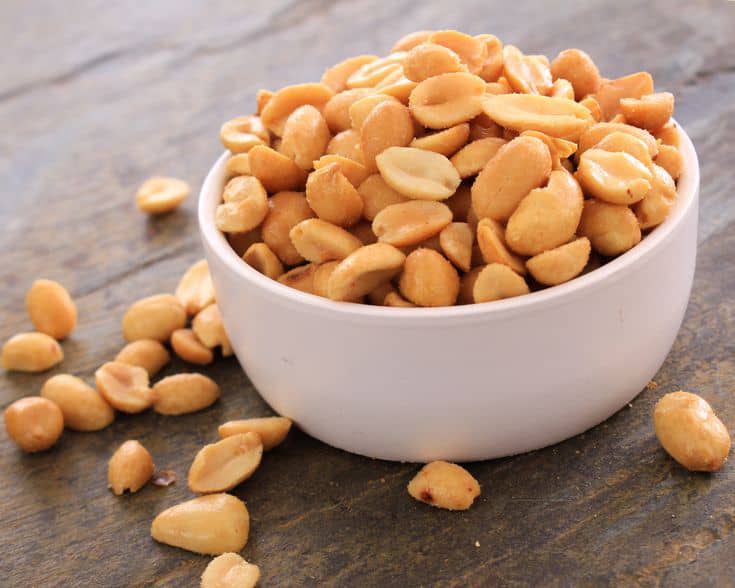
Photo – Pinterest
Changing your diet is unlikely to compensate for habits that consistently interfere with sleep. Caffeine later in the day, alcohol, very heavy meals and large amounts of sugary food can make it harder to get a good night’s rest.
Meal timing can also matter. A large meal close to bedtime may cause digestive discomfort or worsen reflux for some people. If you need something to eat in the evening, a lighter option may be more comfortable.
Ultimately, foods such as fruit, whole grains, nuts, seeds, dairy, eggs and oily fish can contribute nutrients associated with healthy sleep. They work best as part of a balanced diet and a consistent sleep routine, not as quick fixes for persistent sleep problems.
If poor sleep continues regularly despite changes to your routine, it is worth speaking to a healthcare professional to identify the underlying cause.

If you notice that your appetite increases in the days before your period, you are not imagining it. Food cravings and increased appetite can occur during the luteal phase, the part of the menstrual cycle between ovulation and the start of your next period. They are also recognised symptoms of premenstrual syndrome (PMS).
Your body may need more energy

Photo: Pinterest
Research suggests that energy intake can increase during the luteal phase. Hormonal fluctuations during this part of the cycle may affect appetite, hunger and feelings of fullness.
That does not mean everyone needs to eat significantly more before their period. However, feeling hungrier than usual during this phase is not unusual.
Why the cravings can feel specific

Photo: Pinterest
It is not only the amount of food that can change. Many people notice stronger cravings for sweet or carbohydrate-rich foods before their period.
Mood and the brain’s reward system may contribute. Fatigue, irritability, anxiety and low mood can also occur with PMS, potentially making highly palatable foods more appealing.
Researchers use the term hedonic hunger to describe the desire to eat for pleasure or reward rather than because of physical hunger. A 2025 study of 150 women found an association between PMS, greater hedonic hunger, food cravings and higher energy intake. The findings show a relationship, however, rather than proving that PMS directly causes these changes.
There is still more to learn

Photo: Pinterest
Scientists are continuing to investigate how the menstrual cycle affects appetite. Insulin sensitivity and appetite-regulating hormones such as ghrelin and leptin have all been studied as possible contributors.
One small study suggested that brain insulin sensitivity may vary across the menstrual cycle, but larger studies are needed before this can be used to explain premenstrual cravings.
So, if you find yourself reaching for chocolate or wanting a larger meal before your period, there may be several factors involved: hormonal changes, energy requirements, mood and the way your brain responds to rewarding foods.
How to handle the extra hunger

Photo: Pinterest
Rather than trying to ignore your appetite, pay attention to when it changes. Balanced meals containing protein, fibre-rich carbohydrates and healthy fats can help keep you satisfied, while having a planned snack available can prevent you from becoming excessively hungry.
You do not need to completely avoid foods you enjoy. A craving does not automatically mean that your body is deficient in a particular nutrient, either.
Tracking your appetite alongside your menstrual cycle for a few months can help you identify your own pattern. You may find that the increased hunger appears at roughly the same point each month.
An increase in appetite before your period can be a normal part of the menstrual cycle. But if you regularly experience episodes of binge eating, feel unable to control your eating or find these changes significantly distressing, speak to a healthcare professional instead of assuming they are simply PMS.


Everything You Missed From The Luxurious Marble Circus’ Evophoria Weekend in Johannesburg

Tyla Goes Bold in Mowalola Snakeskin at the 2026 VMAs

Bryoni Govender Brings South African Style to Jaipur




-

 Netflix3 months ago
6 Netflix Shows and Films You Definitely Need to Watch this Week
-

 Celebrity Bios3 months ago
How Gugu Gumede Became One of South Africa’s Most Recognisable TV Stars
-

 Wellness3 months ago
How to Build Muscle with the Right Meal Plan
-

 Events3 months ago
Events to Look Forward to in South Africa This July
-

 Miss South Africa3 months ago
Miss South Africa 2026 Reveals Its Semifinal Judging Panel
-

 TV3 months ago
Married at First Sight Mzansi Returns as Season 3 Premieres on Sunday
-

 Gift Ideas3 months ago
5 Thoughtful Anniversary Gift Ideas
-

 Music3 months ago
Beyoncé Releases ‘Morning Dew (Donk)’ in Surprise Release