
Beauty
The Best Zinc Supplements,According to Dietitian


When people start suffering from frequent colds, slow-healing cuts, poor appetite, or even changes in taste, it can be linked to a lack of enough zinc. It supports immune defenses, skin repair, hormones, and metabolism. When levels drop, the effects show up in everyday life. Choosing the right zinc supplements is one way to improve your health condition.
Zinc Picolinate
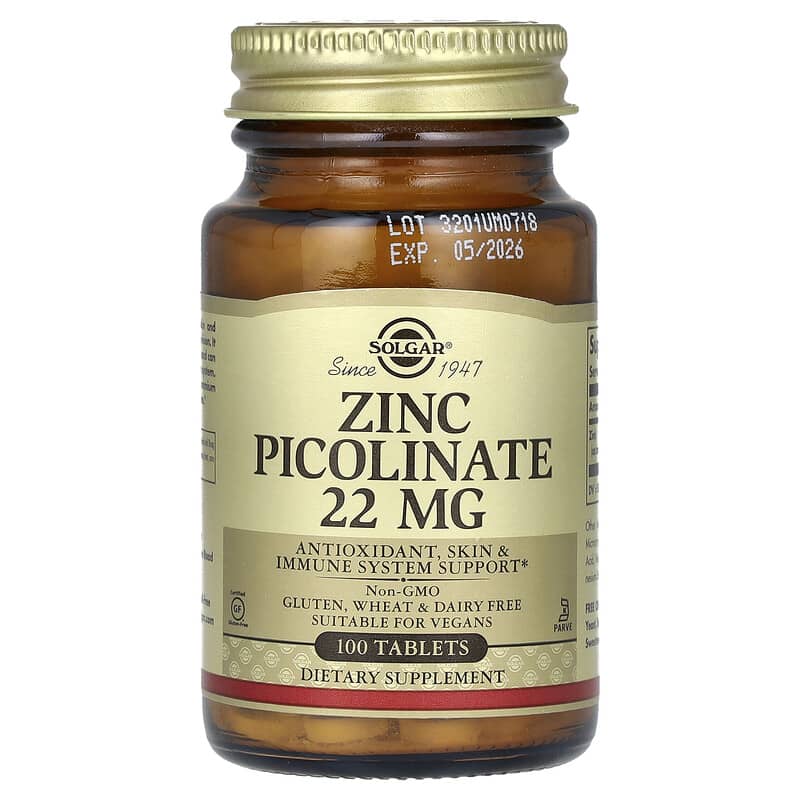
Zinc Picolinate: Yu Pharmacy
Zinc picolinate is one of the best supplements around. It is bound to picolinic acid, which helps the body absorb zinc more efficiently. It is generally effective at moderate doses, especially for people who may not absorb minerals well.
Zinc Citrate
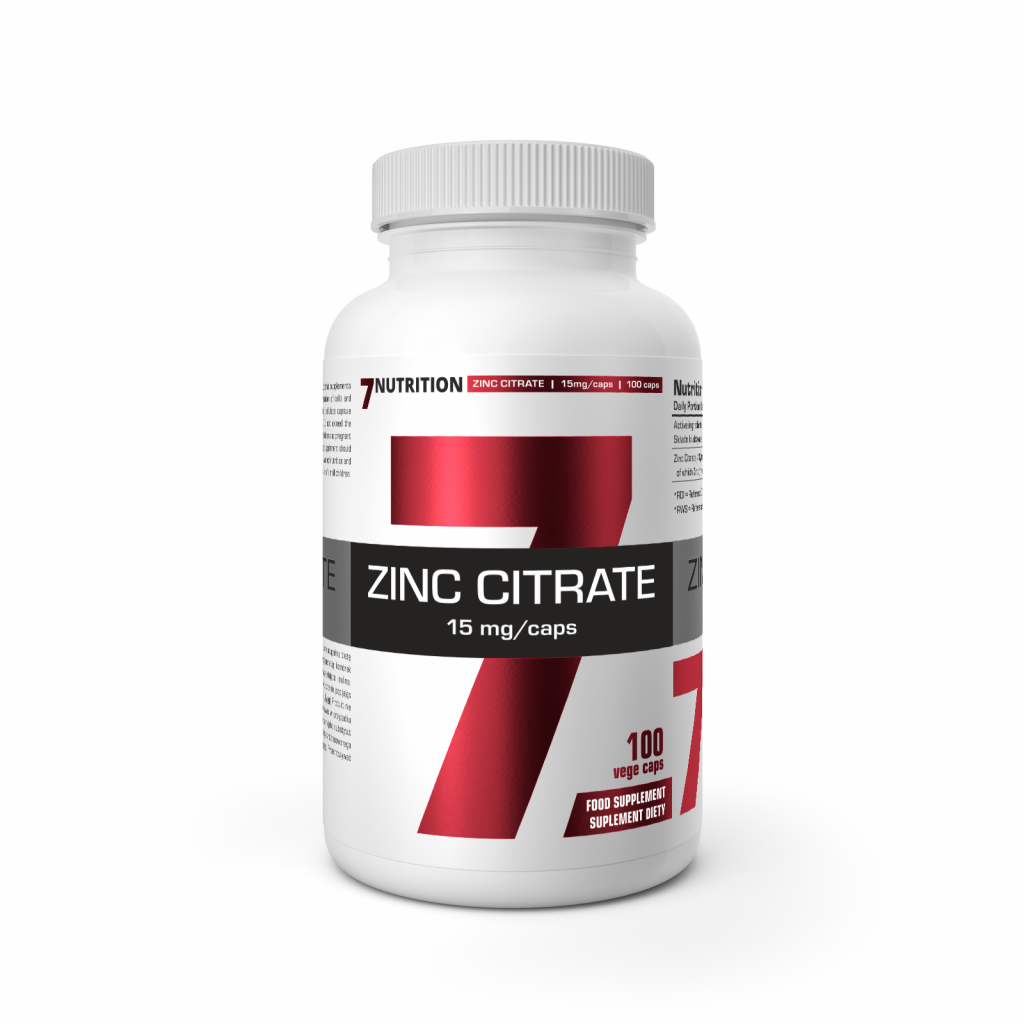
Zinc Citrate: Amazon
Zinc citrate is another reliable and well-absorbed option. It works well for general immune support and short-term use during periods of illness or high stress. Zinc supplements like these should not be taken with high fiber supplements as there is an absorption interference.
Zinc Gluconate
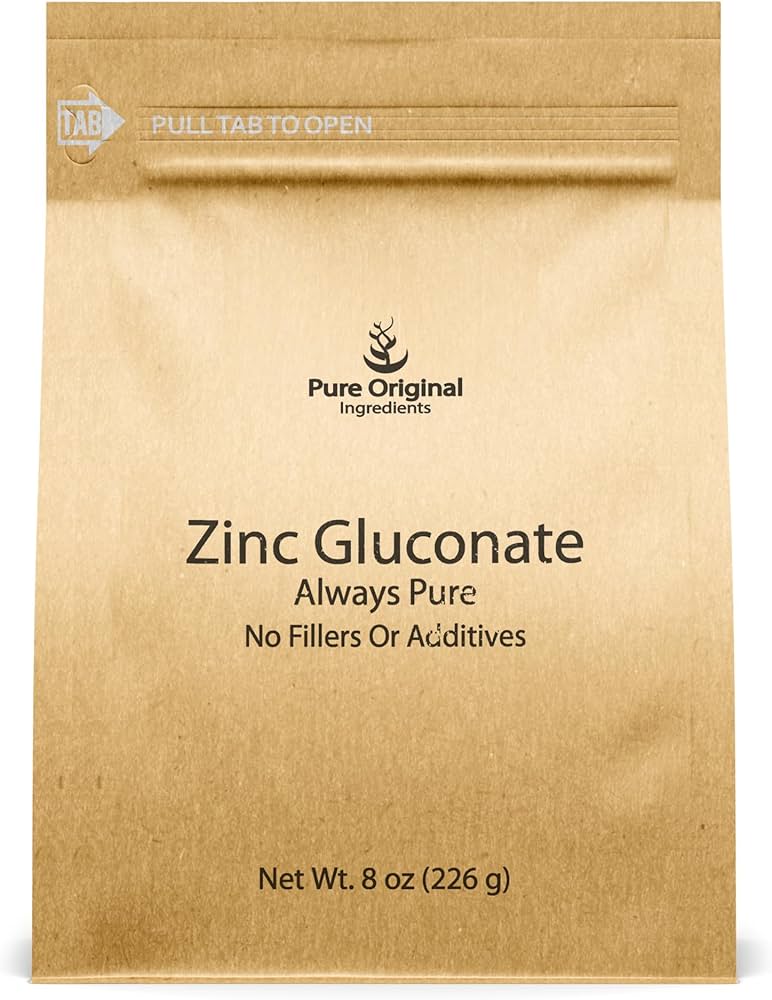
Zinc Gluconate : Amazon
Zinc gluconate is one of the most common forms found in immune and cold support products. It has a history of use and solid research behind it. This supplement works best for short-term supplementation. Some people respond very well to it, while others benefit more from forms.
Read Also: https://xclusivstars.co.za/best-unisex-perfumes-for-august/
Zinc Oxide
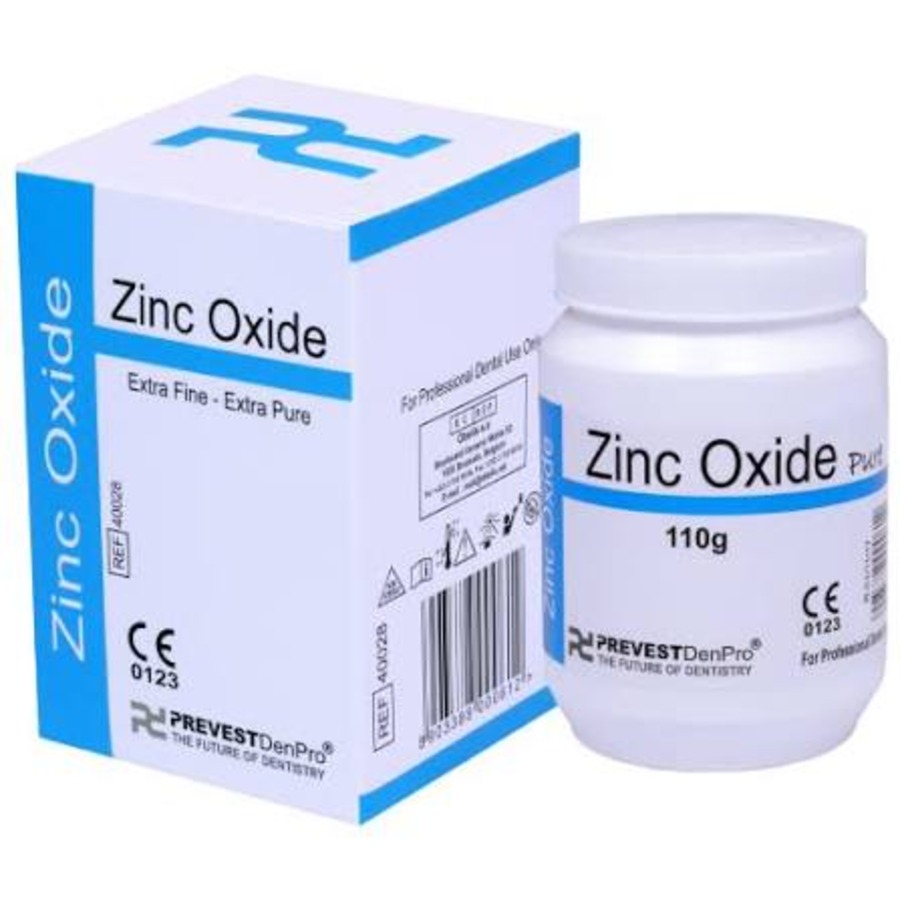
Zinc Oxide: Health plus
Although Zinc Oxide contains a high amount of zinc theoretically, It is best used in topical products for skin protection rather than as a dietary supplement.
Zinc Methionine and Zinc Bisglycinate
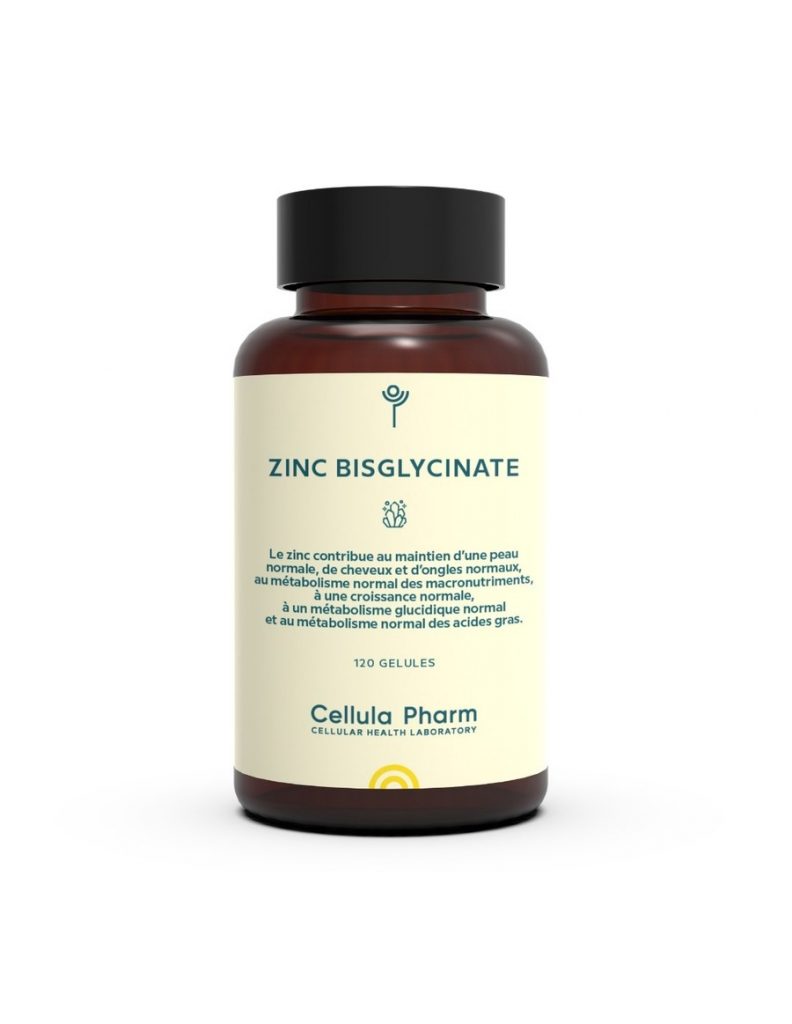
Zinc Bisglycinate: Amazon India
These forms help improve absorption and reduce digestive discomfort. They are recommended for people with sensitive digestion or chronic gut issues. They are effective at lower doses and tend to be easier on the stomach.
Despite the benefits, high amounts are not meant for long-term use and can interfere with other minerals like copper. When chosen wisely, zinc supplements support immunity, healing, and overall health.



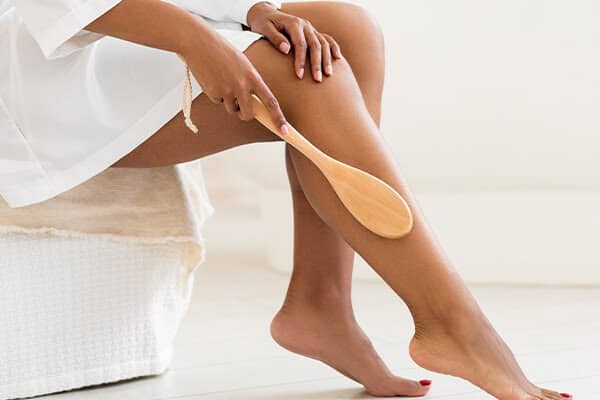
Dry brushing is a simple body-care technique that involves moving a firm-bristled brush over dry skin, usually before a shower. It has become popular among people looking for ways to smooth rough skin without adding another product to their routine.
Its clearest cosmetic benefit is exfoliation. The bristles help loosen dead skin cells from the surface, which can leave areas such as the legs, knees and elbows feeling smoother. It can be particularly useful when the skin feels rough or flaky, provided it is done gently.
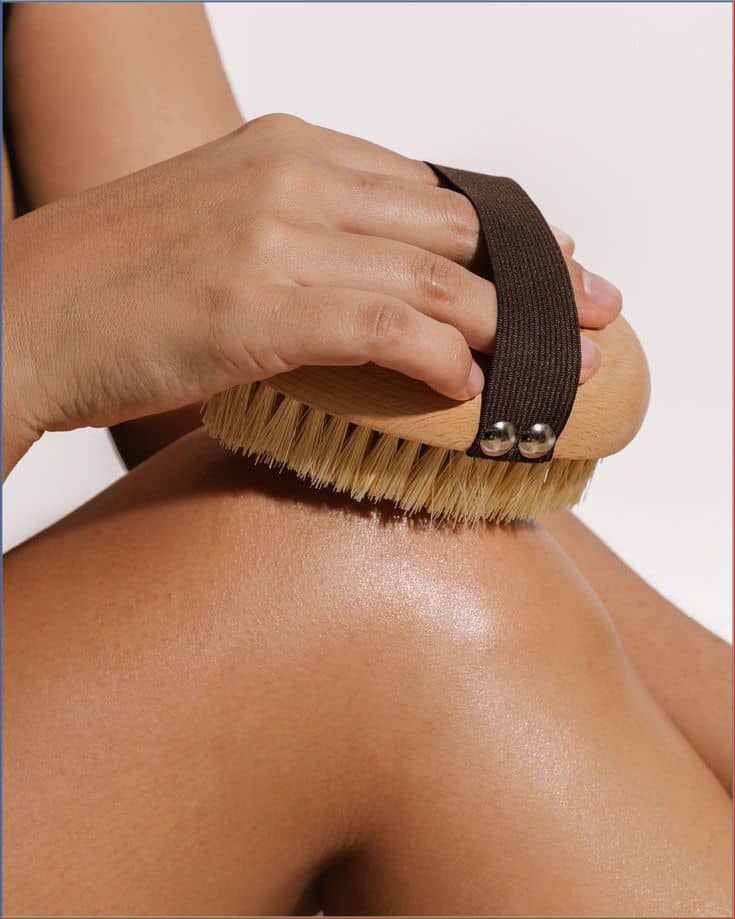
Photo – Pinterest
The technique is also quick. A few minutes before showering can be enough, after which you can wash away the loosened skin cells and apply a body moisturiser. However, dry brushing should not replace moisturising, especially if your skin tends to become dry.
Some people also enjoy the sensation of brushing the skin. The friction can temporarily increase blood flow near the skin’s surface, which may leave the area looking slightly red or feeling warm. This effect is short-lived and should not be confused with treatment for circulation problems.
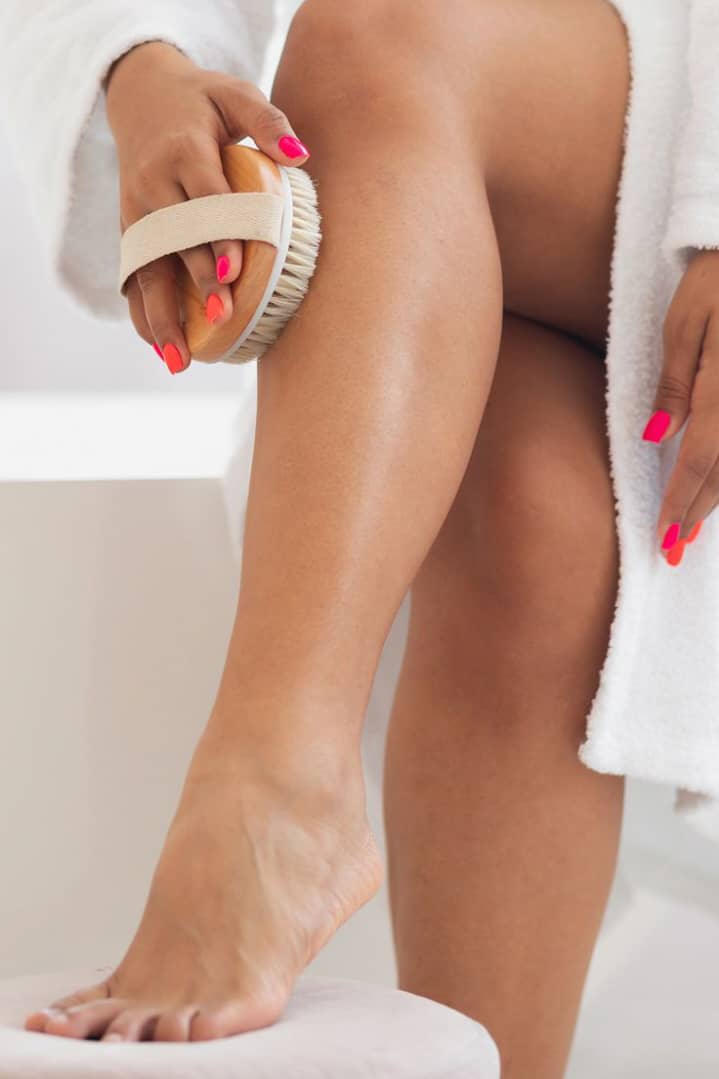
Photo – Pinterest
The claims surrounding dry brushing are less convincing. It is frequently promoted as a way to detox the body, reduce cellulite or improve lymphatic drainage. There is not enough evidence to support these claims. Dry brushing may temporarily make the skin look smoother, but it does not remove cellulite or toxins from the body.
How you brush matters. Applying excessive pressure can irritate the skin and damage its protective barrier. Use light, controlled strokes and stop if the skin becomes painful, scratched or persistently red. There is no benefit to brushing harder in an attempt to get better results.
Dry brushing should also be avoided over sunburn, cuts, wounds, rashes or irritated skin. Anyone with a skin condition that causes inflammation or sensitivity should check with a healthcare professional before adding physical exfoliation to their routine.

Photo – Pinterest
Daily brushing is not necessary. Start with occasional sessions and adjust according to how your skin responds. If your skin becomes dry, sore or irritated, reduce the frequency or stop altogether.
For those who tolerate physical exfoliation well, dry brushing can be a straightforward addition to body care. Its value lies in what it can realistically offer: removing surface dead skin and helping rough areas feel smoother, without the exaggerated detox and cellulite claims often attached to the practice.

If you find yourself reaching for lip balm every hour, you may wonder whether you are applying it too often. There is no fixed number of applications that works for everyone. How often you need to moisturise your lips depends on their condition, the product you use and their exposure to factors such as sun, wind and dry air.
Dermatologists generally recommend applying a non-irritating lip balm when your lips feel dry and before bed, with more frequent application when conditions require it. For severely dry or cracked lips, a thicker ointment can form a stronger barrier against moisture loss.
So, How Often Is Enough?
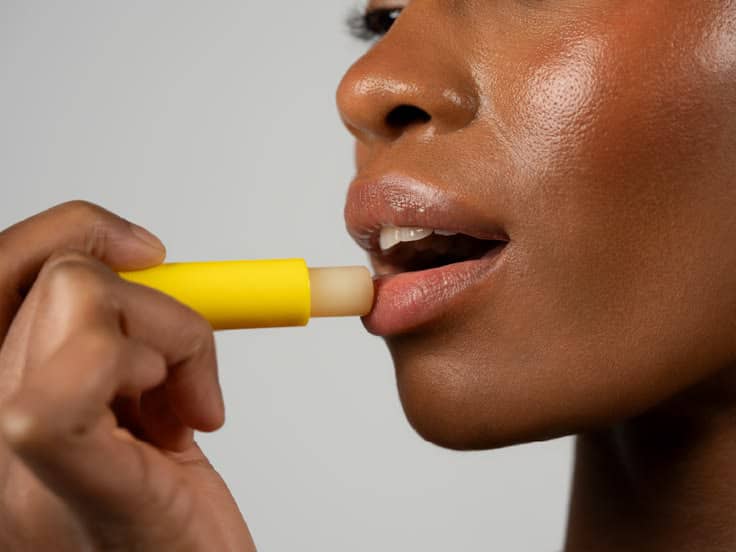
Photo – Pinterest
If your lips are generally healthy and comfortable, you may only need lip balm when they feel dry, with an application before bed if they tend to become dry overnight. If they become dry during the day, reapply whenever needed, particularly after eating, drinking or wiping the product away.
Your routine should also change when you are spending extended periods outdoors. Sun protection is a separate part of lip care, so use a lip product with broad-spectrum SPF 30 or higher during the day. When using an SPF lip product outdoors, reapply about every two hours and after eating, drinking or activities that remove it.
Weather can also affect how often you need lip balm. Dry air, wind and cold conditions can increase moisture loss, so you may need to reapply more frequently. In particularly dry conditions, use your balm as often as needed, provided the product is not irritating your lips.
If Your Lip Balm Is Not Helping
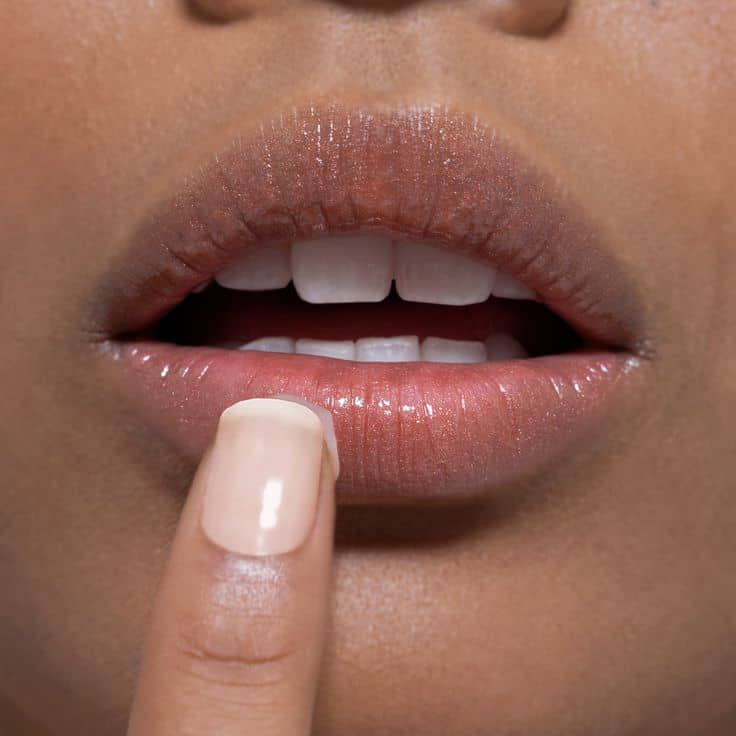
Photo – Pinterest
If you are constantly reapplying lip balm but your lips remain flaky, sore or tight, the problem may not be that you need more of it. The formula itself could be irritating your lips.
Fragrance, flavouring, menthol, camphor and eucalyptus can irritate already-chapped lips in some people. Persistent burning, stinging or tingling can indicate irritation, so stop using a product that causes these reactions.
For dry or cracked lips, fragrance-free products with moisturising and occlusive ingredients are generally a better choice. Ingredients such as petrolatum, mineral oil, glycerin, dimethicone, ceramides and shea butter can help reduce moisture loss. Ointments can be particularly useful because they form a stronger barrier than lighter products.
Do You Need to Moisturise Overnight?
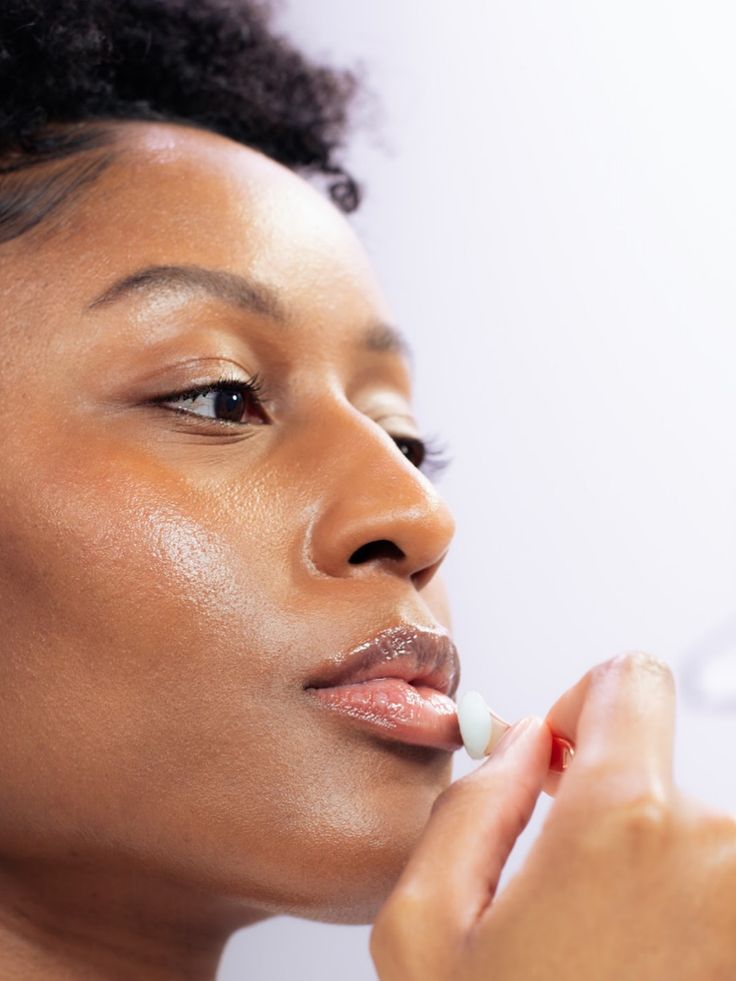
Photo – Pinterest
It can help, particularly if your lips tend to feel dry when you wake up. Applying a thicker, fragrance-free ointment before bed allows it to remain on the lips for several hours without being removed by eating or drinking.
This is also a practical time to use a richer product because you do not have to consider how it looks under lipstick or gloss.
Avoid Licking or Picking Your Lips
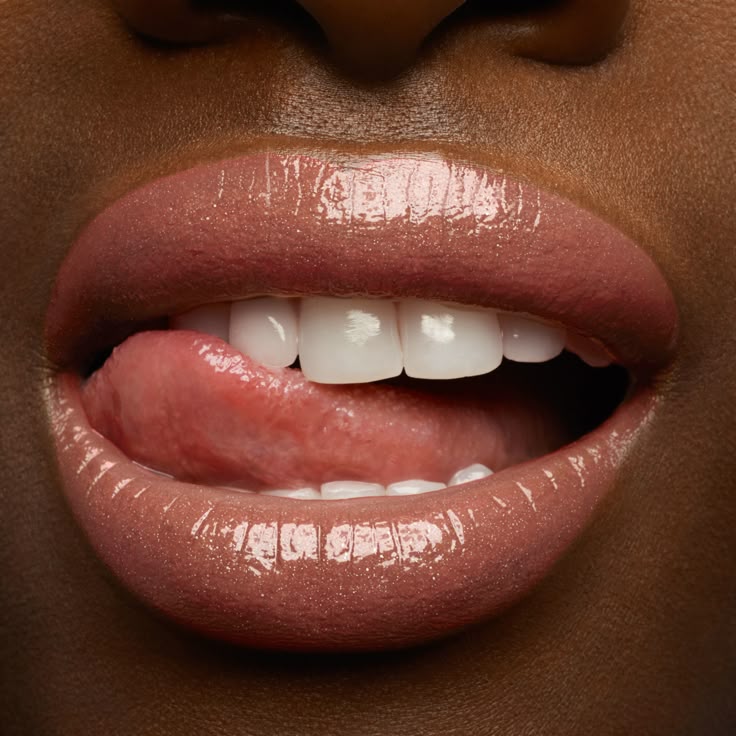
Photo – Pinterest
Repeatedly licking your lips can make dryness worse. Saliva may temporarily make them feel wet, but as it evaporates, it can leave the lips drier and more irritated. Picking or biting peeling skin can also cause further damage and delay healing.
While adequate hydration is important for overall health, persistent chapping is not necessarily caused by drinking too little water. External irritation, allergies, weather and certain products can all play a role.
If your lips remain cracked, scaly or painful despite consistent care, see a doctor or dermatologist. Seek medical advice sooner if they are bleeding significantly, becoming swollen or showing signs of infection.
The best approach is simple: use a non-irritating moisturiser when your lips need it, protect them from the sun and change products if you develop irritation. There is no need to follow a strict number of applications. Your lips and the conditions around you are better guides.
Winter can leave hands feeling tight, rough and uncomfortable. Cold weather, dry air, frequent hand washing and sanitiser can all strip moisture from the skin, while wind and indoor heating may make the problem worse.
The right hand cream should do more than provide a temporary soft feeling. Look for ingredients such as glycerine, shea butter, ceramides, urea and hyaluronic acid. These help draw moisture into the skin, soften rough patches and support the skin barrier. If your hands are very dry or cracked, a richer formula is generally more suitable than a lightweight lotion.
Here are the hand creams to consider this winter, depending on what your hands need.
Neutrogena Norwegian Formula Hand Cream
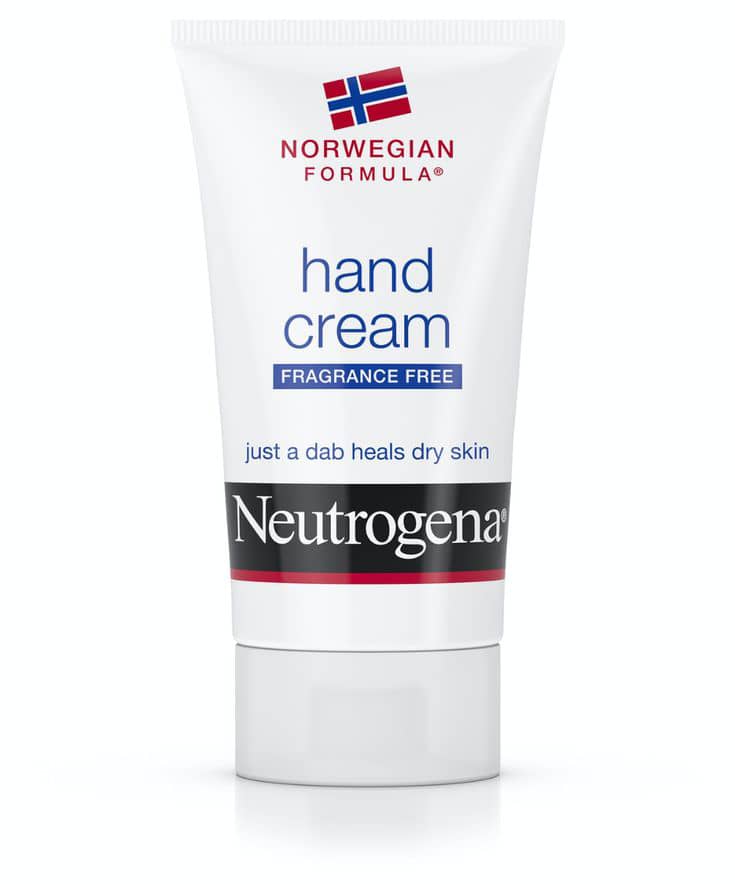
Photo – Pinterest
Neutrogena’s Norwegian Formula Hand Cream is formulated for dry to very dry hands. Its concentrated texture means you only need a small amount, making it practical for regular use throughout the day.
It is particularly suited to people who wash their hands frequently and need a formula that provides more moisture than a basic lotion. Keep it close by and apply after washing whenever your hands feel dry or tight.
Eucerin UreaRepair Plus Hand Cream
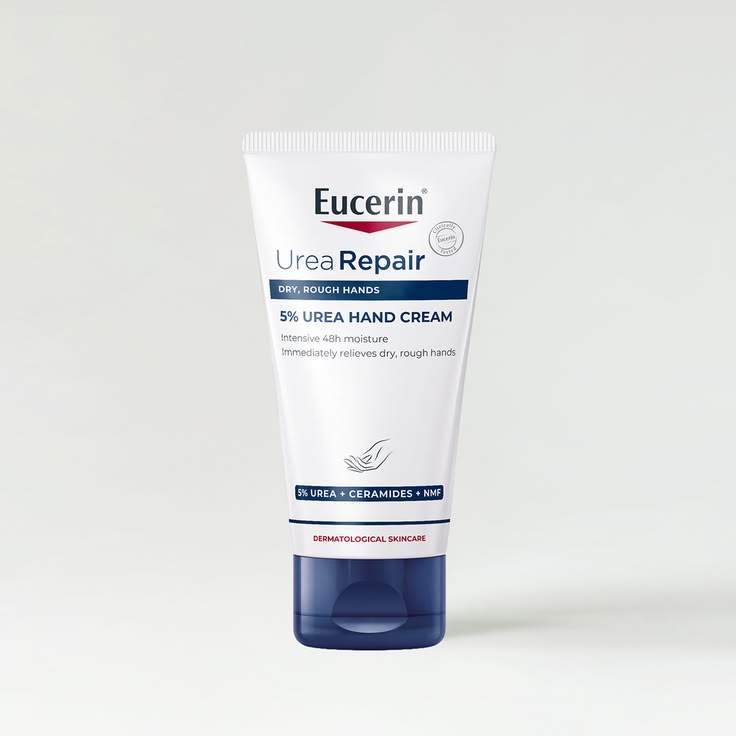
Photo – Pinterest
When dryness comes with roughness, urea is an ingredient worth looking for. Eucerin’s UreaRepair Plus Hand Cream is formulated with urea to moisturise and soften dry, rough skin.
It is a more targeted choice for hands that remain rough despite regular moisturising. Apply it to the backs of the hands, palms and around the knuckles, where dryness can become particularly noticeable during winter.
Bioderma Atoderm Hand & Nail Cream
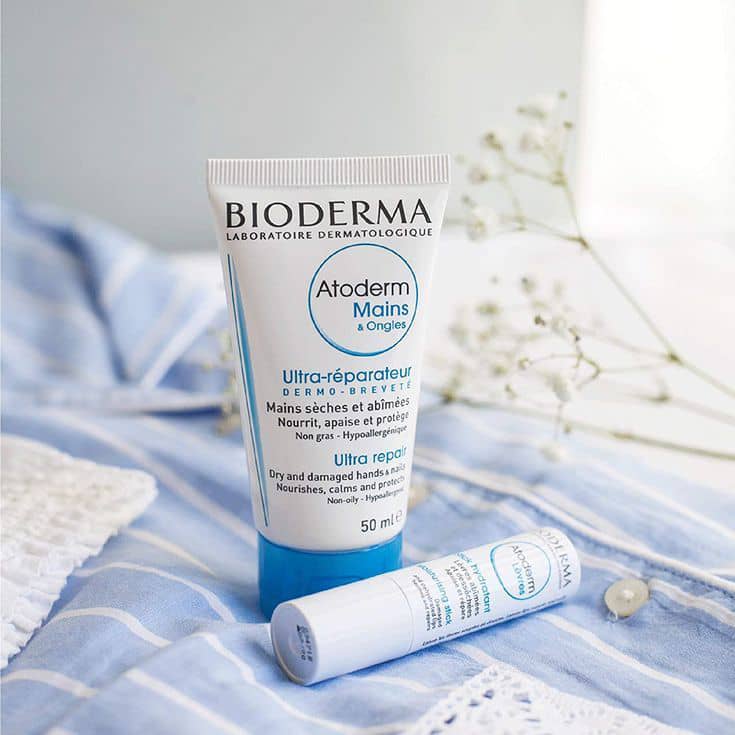
Photo – Pinterest
Dry hands can often come with dry cuticles, particularly when you are washing or sanitising your hands regularly. Bioderma’s Atoderm Hand & Nail Cream is designed for both hands and nails, making it suitable for keeping dry skin around the nails moisturised too.
Its focus on hand and nail care makes it a practical daytime option, especially if your cuticles become dry or flaky during winter.
CeraVe Therapeutic Hand Cream
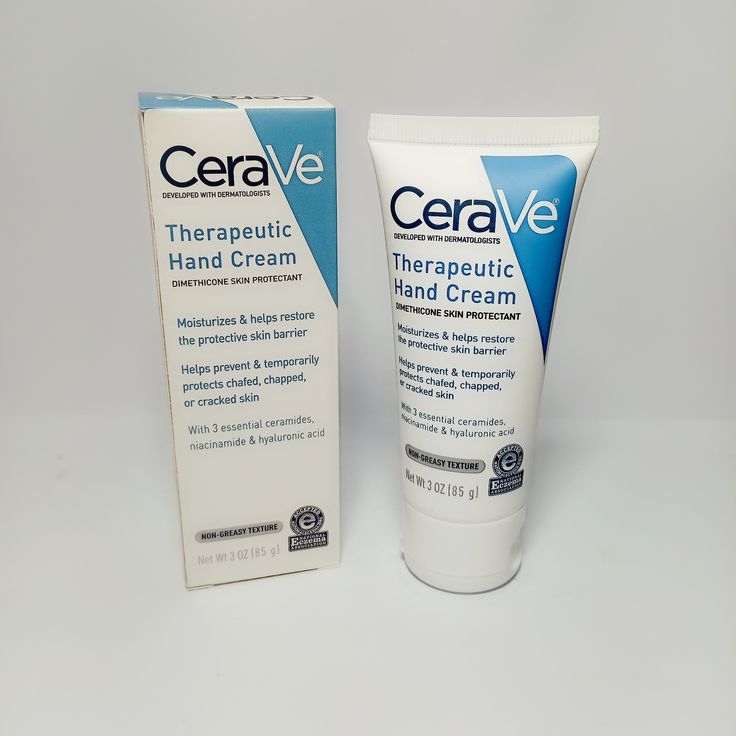
Photo – Pinterest
CeraVe’s Therapeutic Hand Cream combines ceramides, hyaluronic acid and niacinamide to moisturise the skin while supporting its barrier. It is also fragrance-free, which makes it an option for people who prefer to avoid added fragrance in their skincare.
The formula is particularly useful when your hands feel dry and tight after washing. However, check South African availability before buying, as the exact CeraVe hand-care products stocked locally can vary.
L’Occitane Shea Butter Hand Cream
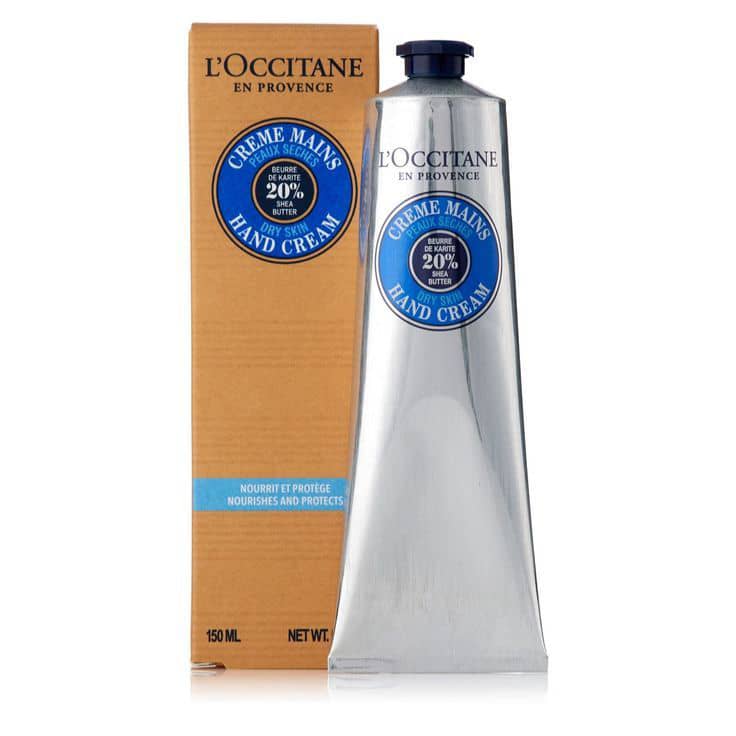
Photo – Pinterest
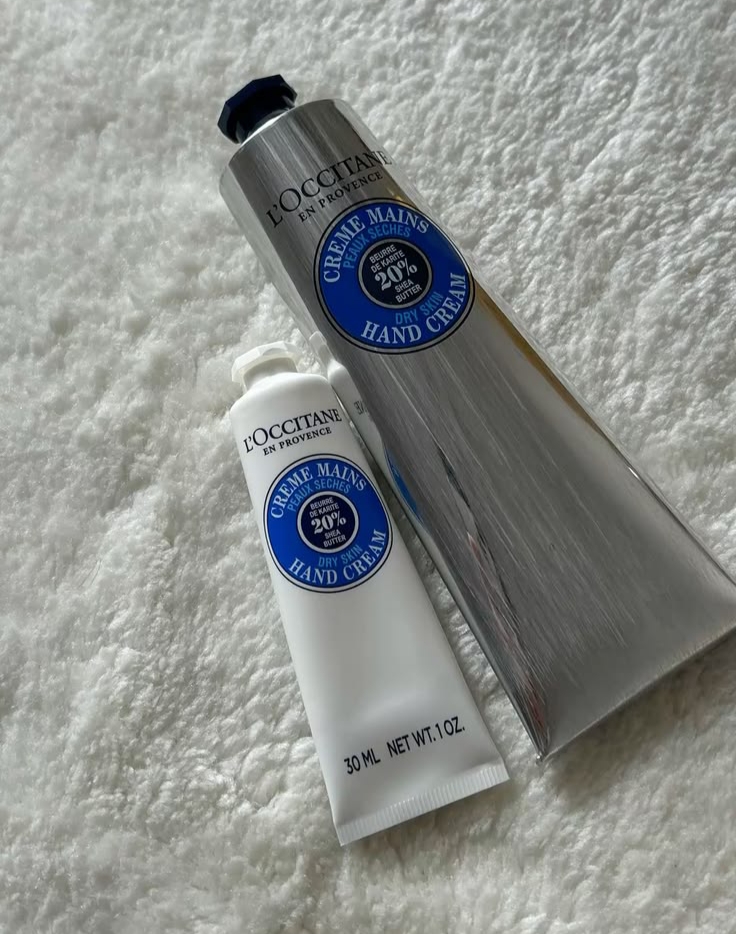
L’Occitane’s Shea Butter Hand Cream contains 20% shea butter and has a rich texture designed for dry hands. Shea butter helps soften the skin and reduce the rough feeling that can develop during colder weather.
It is a good option if you prefer a richer hand cream that can be used during the day as well as at night. Apply a small amount and massage it into the hands, paying attention to the knuckles and around the nails.
African Extracts Rooibos Moisturising Hand & Nail Cream
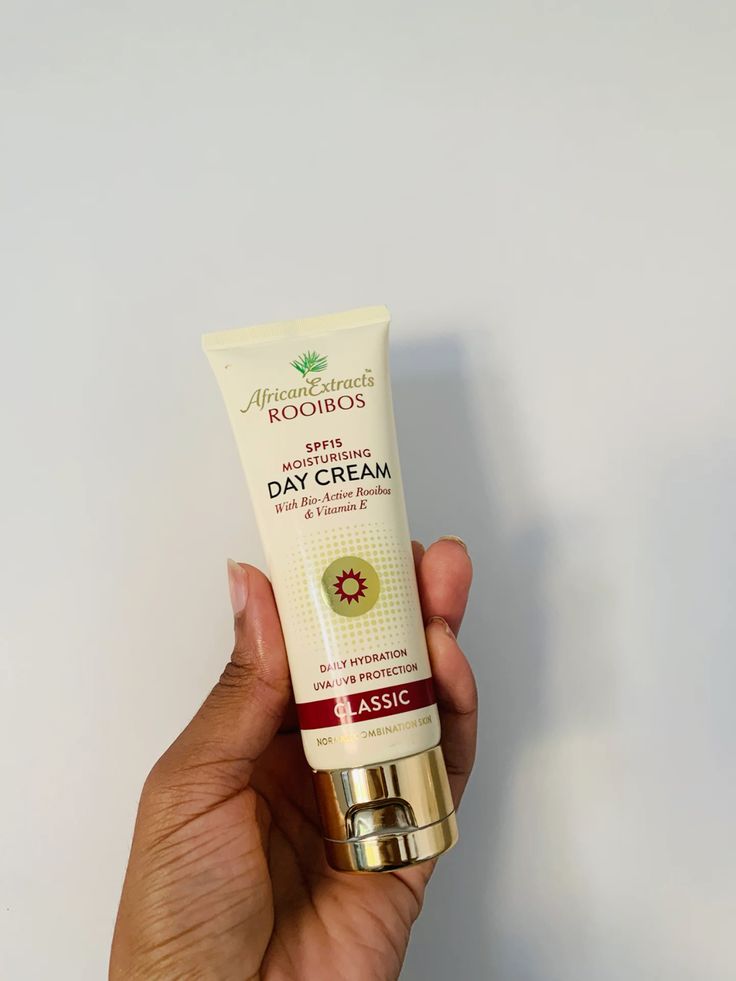
Photo – Pinterest
African Extracts’ Rooibos Moisturising Hand & Nail Cream is a South African option for everyday hand care. The formula contains rooibos extract, chamomile and vitamin E and is designed to moisturise both hands and nails.
Its lighter texture makes it convenient for daytime use, whether kept at your desk, in your handbag or beside the bathroom sink. It is better suited to everyday dryness than severely cracked skin that requires an intensive treatment.
Palmer’s Hand Creams
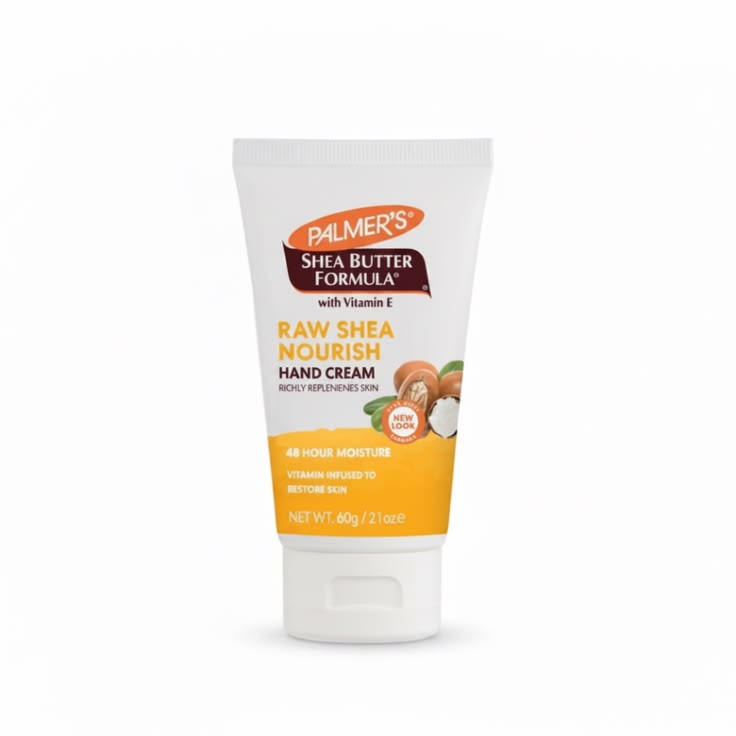
Photo – Pinterest
Palmer’s South African range includes hand creams formulated with ingredients such as cocoa butter, coconut oil and shea butter. The richer formulas are suited to hands that become particularly dry during winter.
For very dry hands, apply a thicker layer before bed and allow it to absorb overnight. Pay particular attention to the knuckles, fingertips and cuticles, which can become rough when moisture levels drop.
How to choose the right hand cream
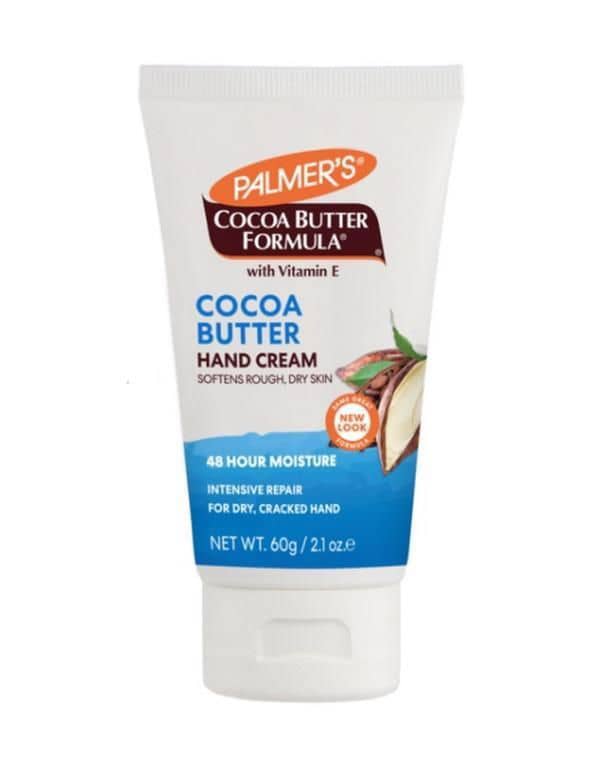
Photo – Pinterest
The condition of your hands should determine the formula you choose. If they simply feel tight after washing, a lighter moisturising cream may be enough. Rough or flaky skin can benefit from a richer formula containing ingredients such as shea butter or urea. If your hands are cracked, look for barrier-supporting and occlusive ingredients and consider using a thicker cream or ointment at night.
Fragrance is another consideration. Scented hand creams can make application more enjoyable, but if your skin is irritated or prone to sensitivity, a fragrance-free formula is a better starting point.
Application also matters. Put hand cream on after washing while the skin is slightly damp, and reapply whenever your hands feel dry. If you use sanitiser regularly, moisturising afterwards can help counter some of the dryness associated with frequent use.
And don’t put away the sunscreen just because it is winter. Your hands can still receive UV exposure, particularly if you spend time outdoors. Applying a broad-spectrum sunscreen to the backs of your hands during the day adds protection against cumulative sun damage and visible signs of ageing.
For hands that remain severely dry, painful, cracked, itchy or inflamed despite regular moisturising, a hand cream may not be enough. Persistent symptoms should be assessed by a healthcare professional, particularly if the skin is splitting or showing signs of infection.


Why Dry Brushing Is Finding a Place in Everyday Body Care

5 Things You Should Know About Tolyamory

Beyoncé Celebrates 20 Years of B’Day With Deluxe Edition




-

 Fragrance3 months ago
How Social Media Is Influencing Perfume Trends
-

 Health3 months ago
Why Women Over 35 Suddenly Feel Like Their Bodies Are Changing
-

 Celebrity Bios3 months ago
5 Things You Didn’t Know About Bonang Matheba
-

 Travels3 months ago
Gabrielle Union Can’t Get Enough of South Africa
-

 Music3 months ago
Tyla & Future Release New World Cup Anthem “Game Time”
-

 Food3 months ago
Best Cozy South African Restaurants for Winter Evenings
-
 Beauty3 months ago
How to Reduce Puffy Eyes and Dark Circles Naturally
-

 Sex & Relashionships3 months ago
How Unfiltered Photos Create Deeper Emotional Intimacy in Relationships