
Food
The Best Foods for Better Skin and Glowing Complexion

Everyone seeks beautiful skin, but it takes some effort to achieve it. While using soaps and lotions are important, natural foods can support it. Consider how nutritional the foods you take to healthy-looking skin. Below are some foods to add to your diet to keep your skin in good shape.
Fatty Fish

Photo: Getty Images
Fish help strengthen the skin barrier. This is because they are rich in Omega 3. This nutrient reduces inflammation. Fish that are good for your skin include mackerel (locally known as Titus) and salmon.
Chocolate

Photo: Getty Images
The addition of chocolate will surprise many, but when taken in moderation dark chocolate can support healthier-looking skin. Chocolates contain compounds which improve blood flow to the skin. If you are also keen on looking younger, they are great options.
Read Also: Top 6 Foods that Cause Bloating and How to Avoid Them
Tomatoes

Photo: Getty Images
Tomatoes are underrated but they help with skin health. If not eaten raw, they can be blended or cooked into stews. Grape and Roma tomatoes are the best choices for your skin.
Green Vegetables
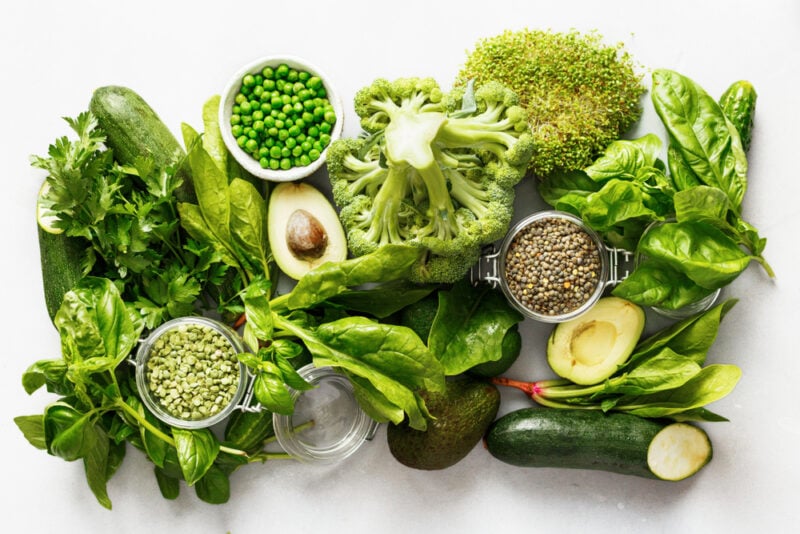
Photo: Getty Images
Vegetables provide essential nutrients like fibre, vitamin C, potassium, and antioxidants that support healthy skin. However, not all vegetables have the same impact on skin health. Select cabbage and spinach as they improve skin cell repair. Their richness in lutein also helps brighten your skin.
Berries and Pomegranates
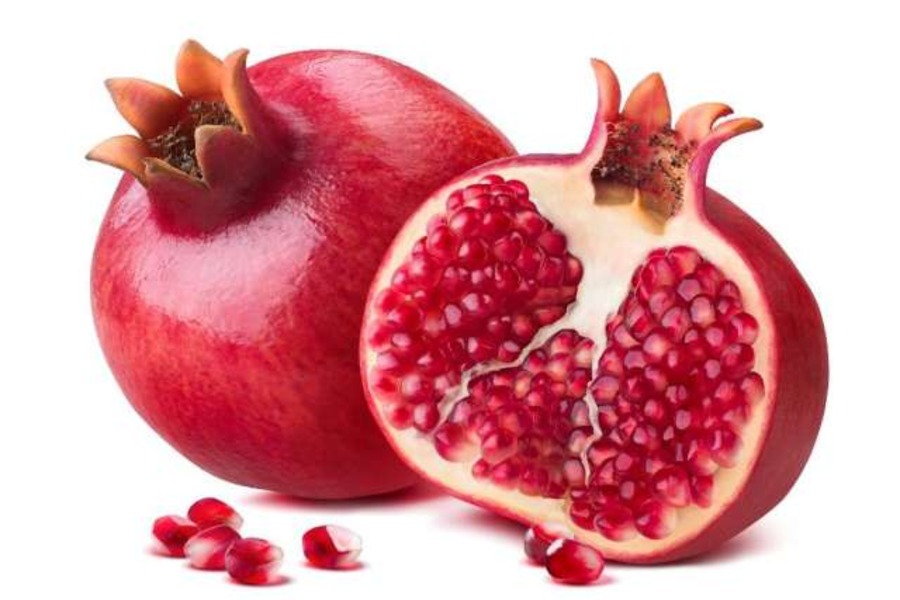
Photo: Getty Images
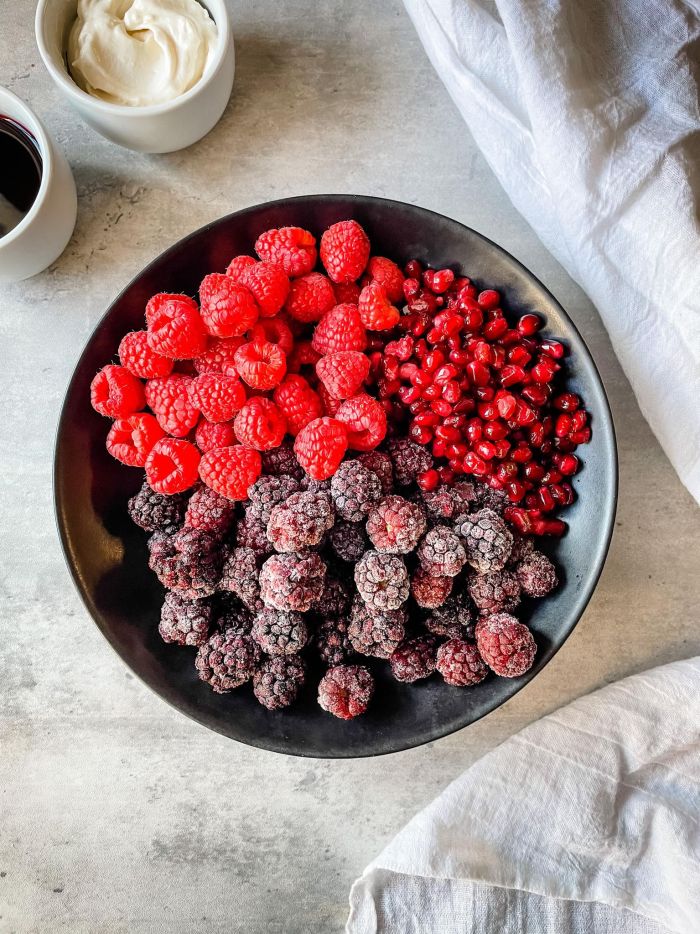
Berries and pomegranates help reduce wrinkles on your face. Blueberries support collagen production while pomegranates contain polyphenols that protect the skin from damage caused by pollution, UV rays, and stress.
WaterMelon

Photo: Getty Images
Watermelons are fruits that can be a hydrating addition to the diet. Your body needs water to be in good shape, and watermelons have the right amount of water that can help your skin. Some eat their seeds because it is believed to offer immunity against skin diseases.












South Africa’s cuisine shows how rich and diverse the cultural diversity is. Food in the country has combined indigenous African traditions with some influences from Dutch settlers and Indian immigrants. The result is an excellent food culture with history and customs of many ethnic groups. Here are traditional foods that visitors can enjoy in South Africa.
Pap
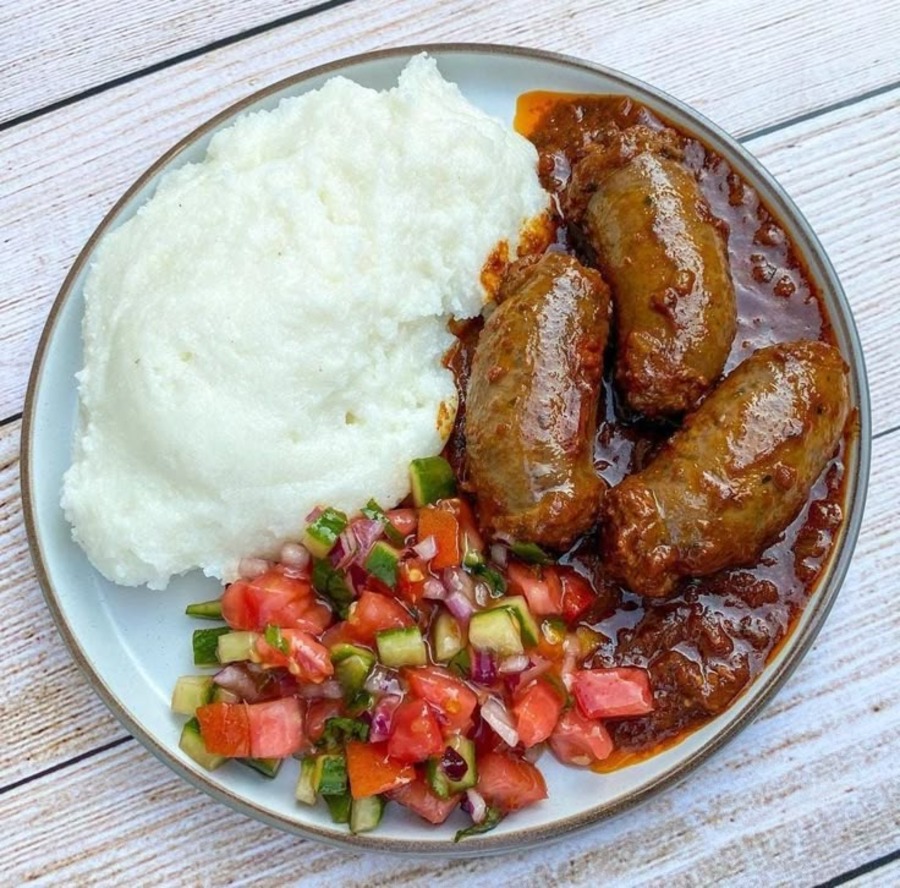
Photo: Facebook
Pap is made from maize meal and water. It can be prepared as a soft porridge or side dish. Pap is taken with meat and vegetables. The dish is a staple among the Zulu, Xhosa, and Ndebele peoples. It is enjoyed during family gatherings and celebrations.
Bobotie
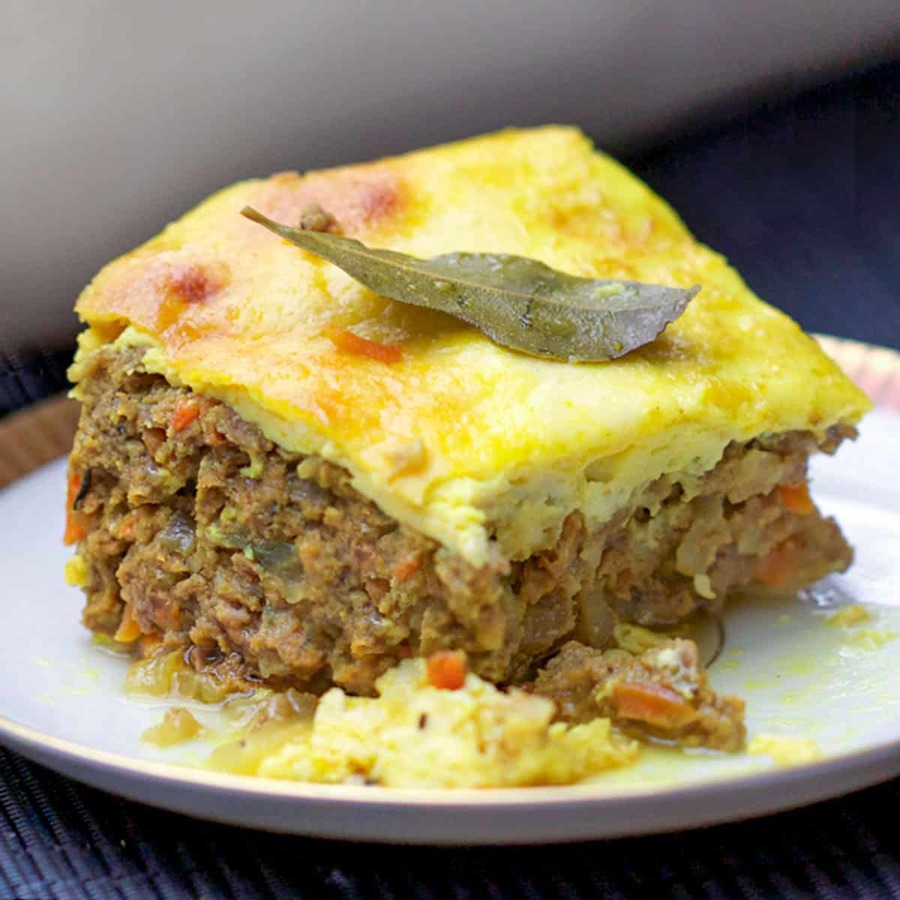
Photo: Getty Images
Bobotie is made from baked minced meat. It tastes better with yellow rice and chutney. The dish comes from the Cape Malay community of the Western Cape. The origin is lined with Asian culinary traditions.
Chakalaka
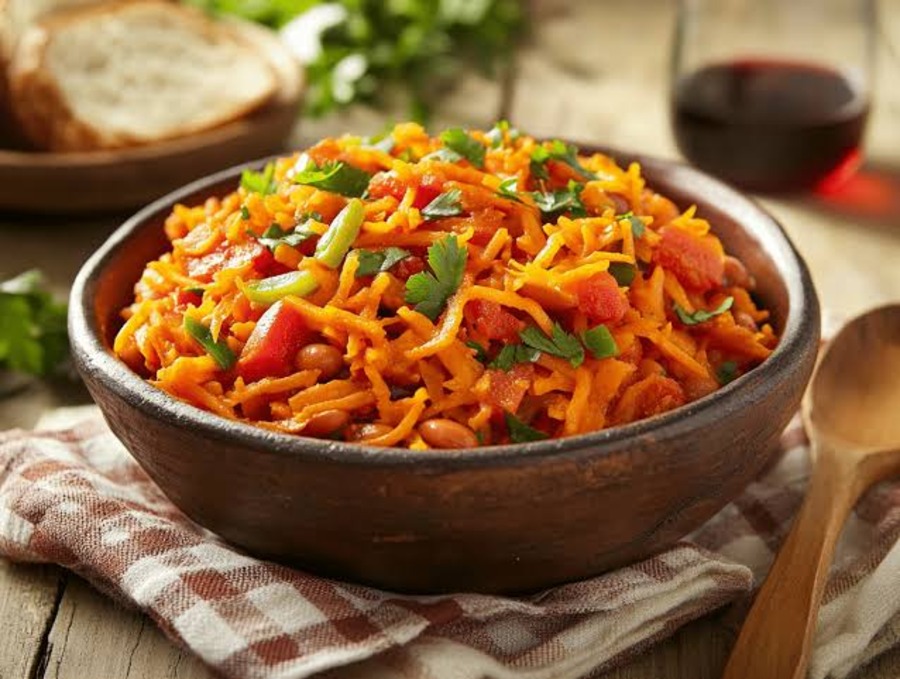
Photo: Instagram
Chakalaka is a vegetable food made from tomatoes and onions. The dish comes from the townships around Johannesburg. It is enjoyed by various communities in South Africa. Chakalaka is a popular side dish in the country.
Read Also: Best Foods for Women’s Heart Health After 30
Bunny Chow
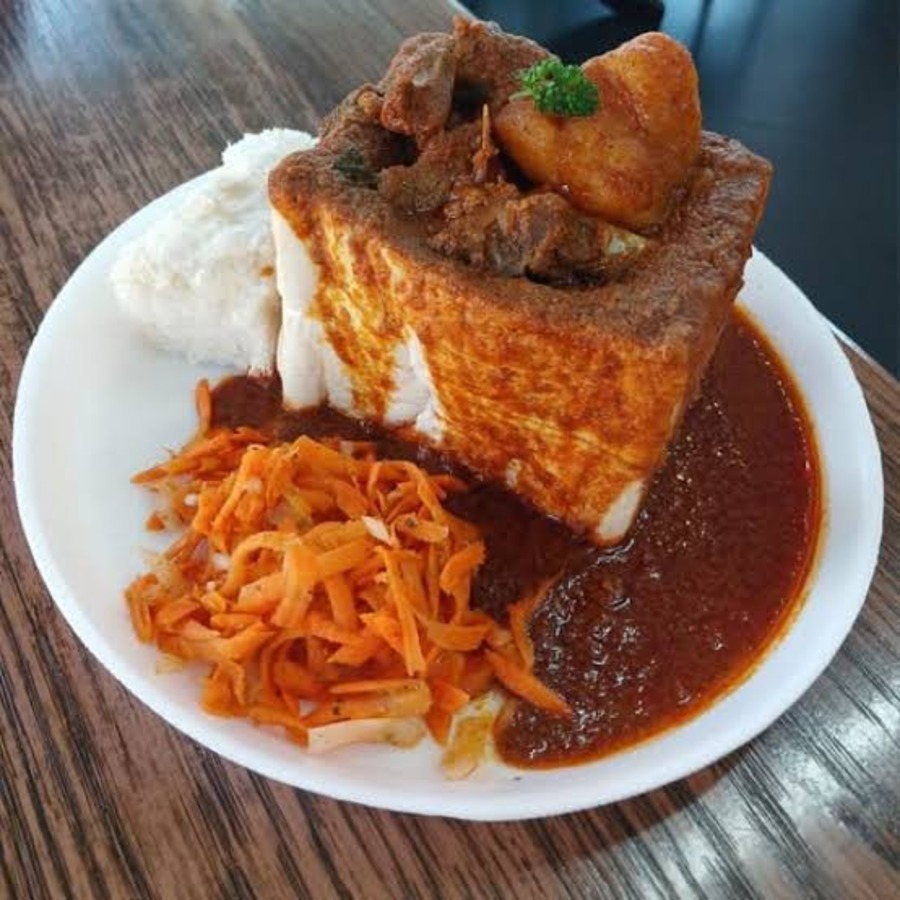
Photo: Facebook
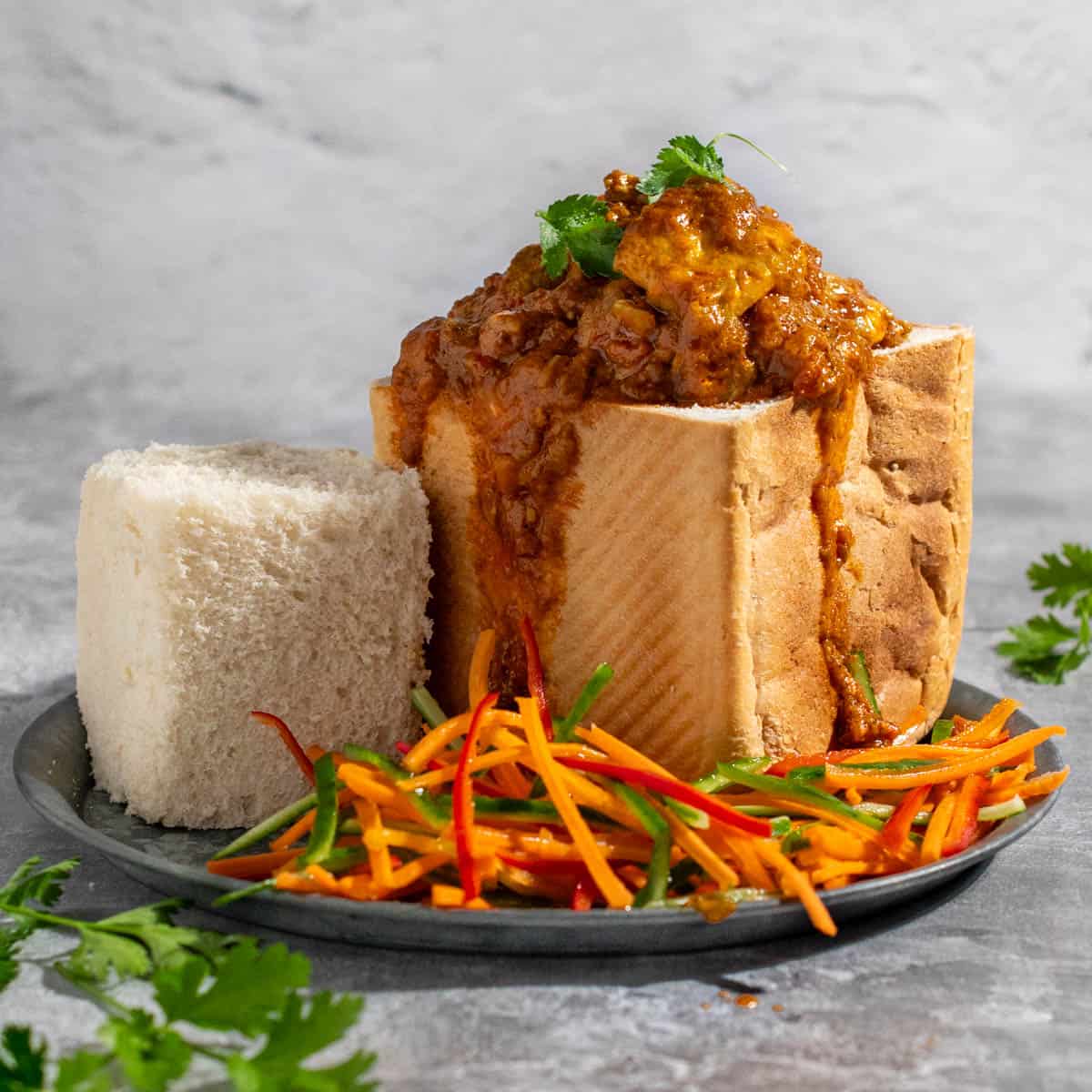
Bunny Chow is a street food made from bread filled with curry. The dish is common among Durban’s Indian community in KwaZulu Natal. Descendants of Indian labourers developed Bunny Chow as a meal that could be carried easily. It is enjoyed by South Africans and remains a choice for those who love spicy flavours.
Umngqusho
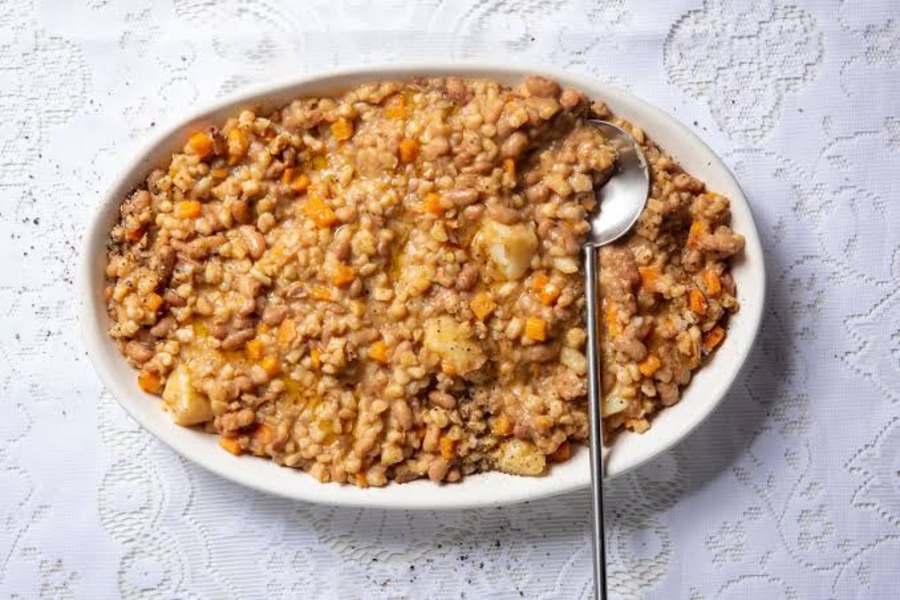
Photo: Instagram
Umngqusho is made from samp and sugar beans cooked together until it becomes soft . It is an important part of South African cuisine. The dish is loved by the Xhosa people of the Eastern Cape. Umngqusho became popular because it was said to be one of Nelson Mandela’s favourite meals.
Biltong
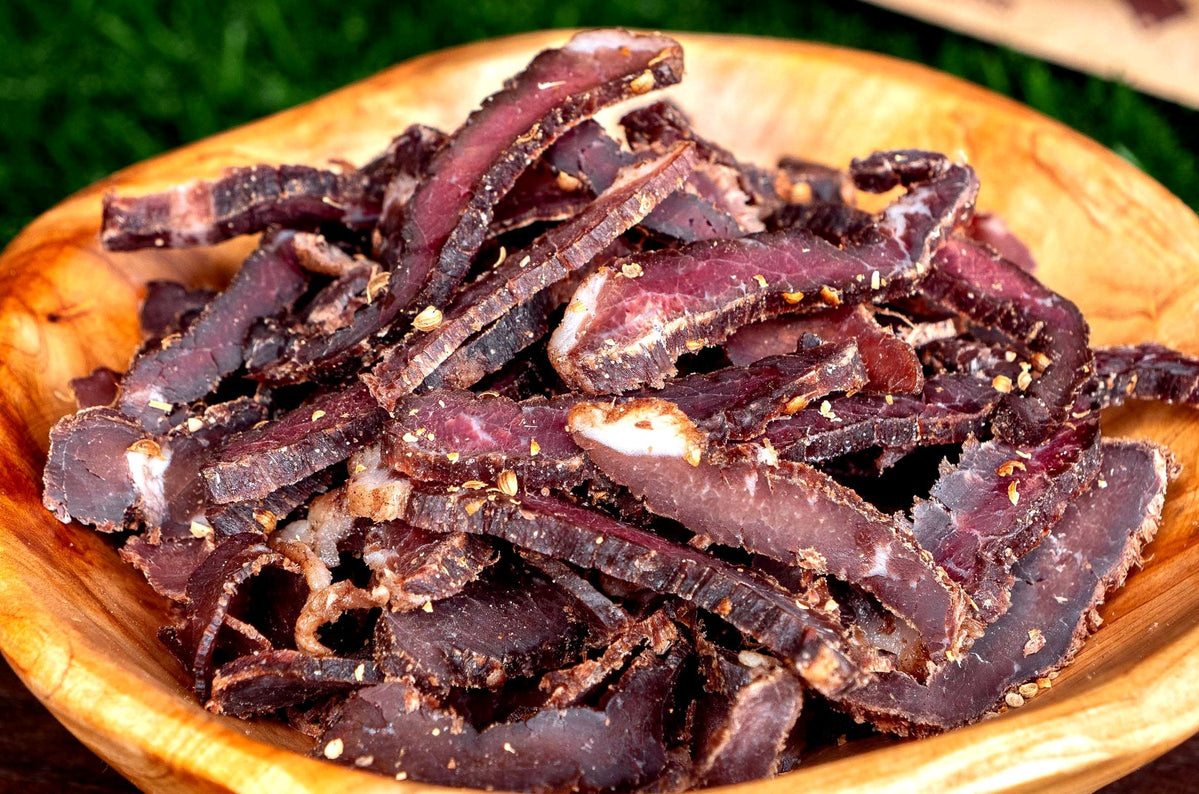
Photo: Getty Images
Biltong is made from beef and game meat. It tastes better when seasoned with vinegar. The origins of biltong are the Southern African communities and early European settlers. Biltong is a good snack for road trips and sporting events.

South Africa’s winter dining scene boasts of fireplaces, rich food, intimate lighting, and warm interiors that make cold evenings more inviting. From Cape Town’s candlelit heritage houses to Johannesburg’s grill restaurants, these places stand out as winter dining destinations across South Africa.
Kloof Street House

Photo: Instagram
Set inside a Victorian era house in Cape Town, Kloof Street House has become one of the city’s best winter dinner spots because of its dim lighting and eclectic décor. The restaurant feels especially atmospheric on rainy evenings, with diners beside candles. Rich seafood dishes, truffle fries, and creamy desserts. The cocktail selection contributes to the experience, with some whisky spiced cocktails.
Marble Restaurant
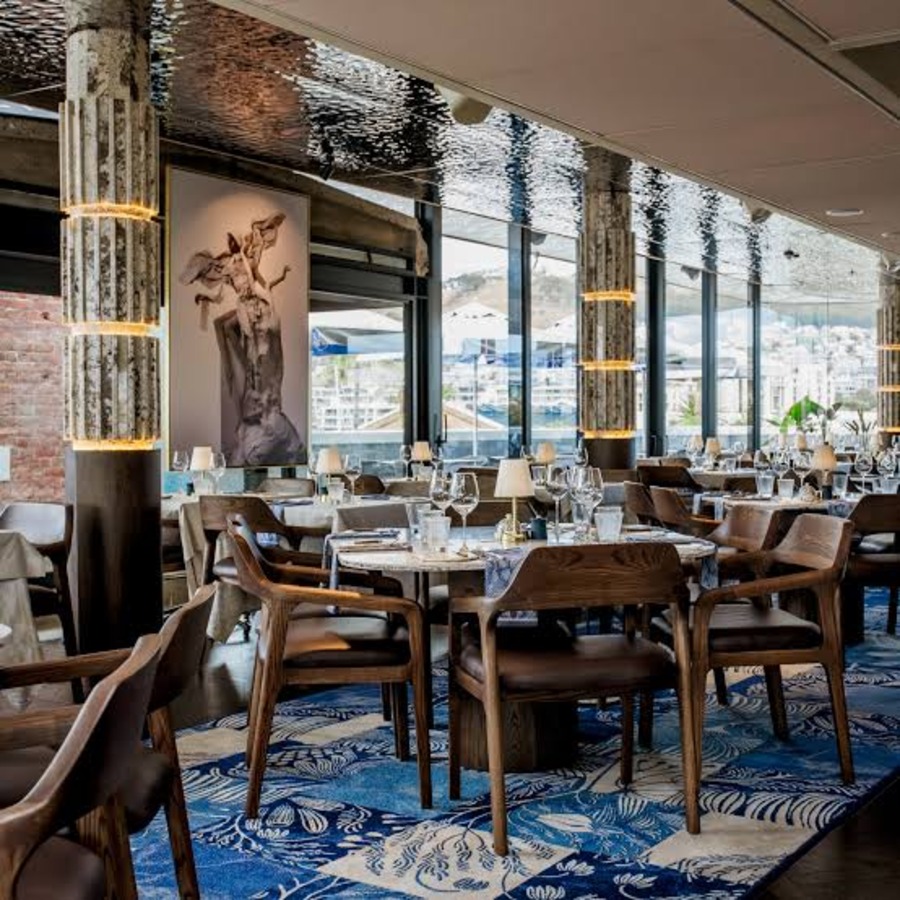
Photo: Instagram
Johannesburg winters are known for cold evenings despite sunny afternoons. Located in Rosebank, the restaurant is centred around open-flame cooking. This gives the dining room a dramatic atmosphere. The restaurant has modern South African-inspired food which is locally sourced. The floor to ceiling city views come alive at night as Johannesburg’s skyline lights up.
The Grillhouse Rosebank
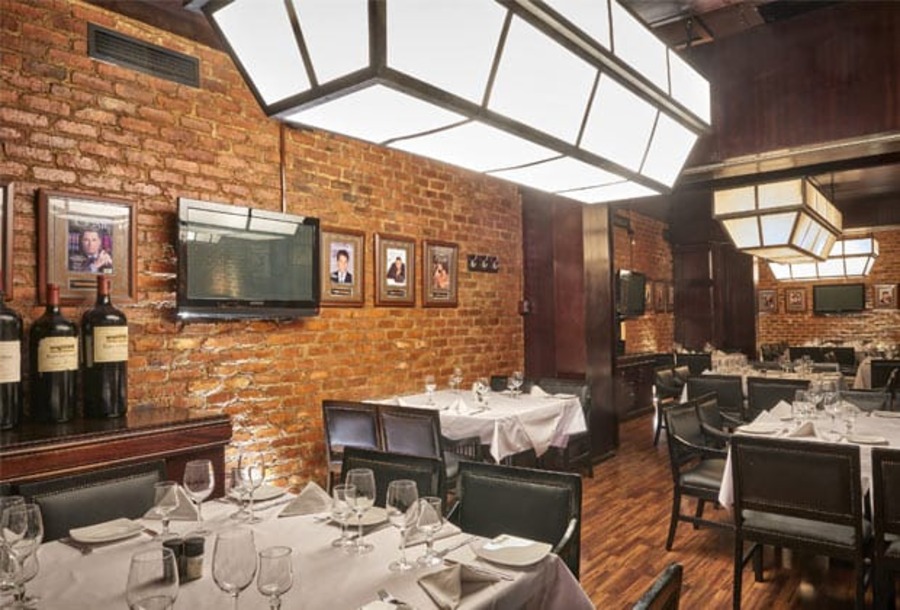
Photo: Instagram
For diners looking for cold-weather dining, The Grillhouse remains one of South Africa’s strongest steakhouse experiences. What makes it perfect is the dark wood exteriors and décor which create a cosy atmosphere during winter evenings. The restaurant has hearty portions suited to colder weather. Visitors can enjoy matured steaks, ribs, baked potatoes, and pepper sauces. They have a notable whisky selection.
Read Also: 5 South African Street Foods You Have to Try This August
La Colombe
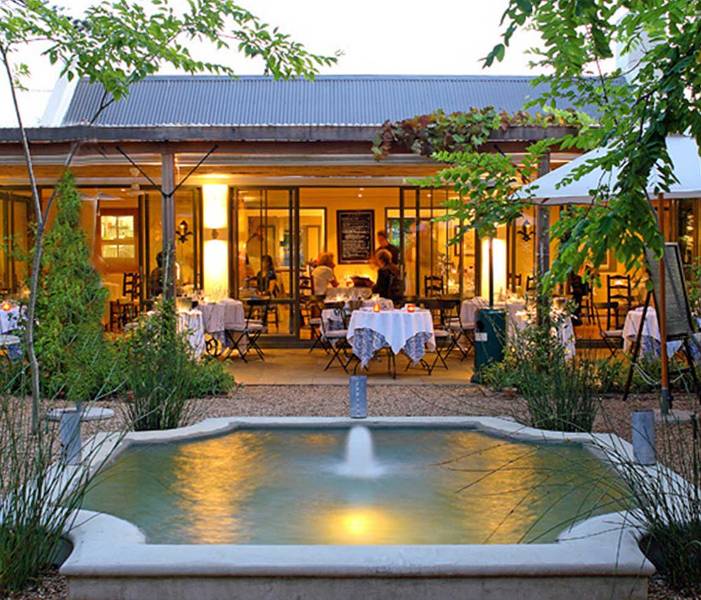
Photo: Instagram
La Colombe is surrounded by forests and vineyards. The restaurant is a sought-after fine dining destination year-round. It incorporates seasonal South African ingredients on its menu. Rich sauces, seafood courses, and luxury wines create a refined dining experience. The quiet ambience also makes it popular for romantic winter dinners.
Foxcroft
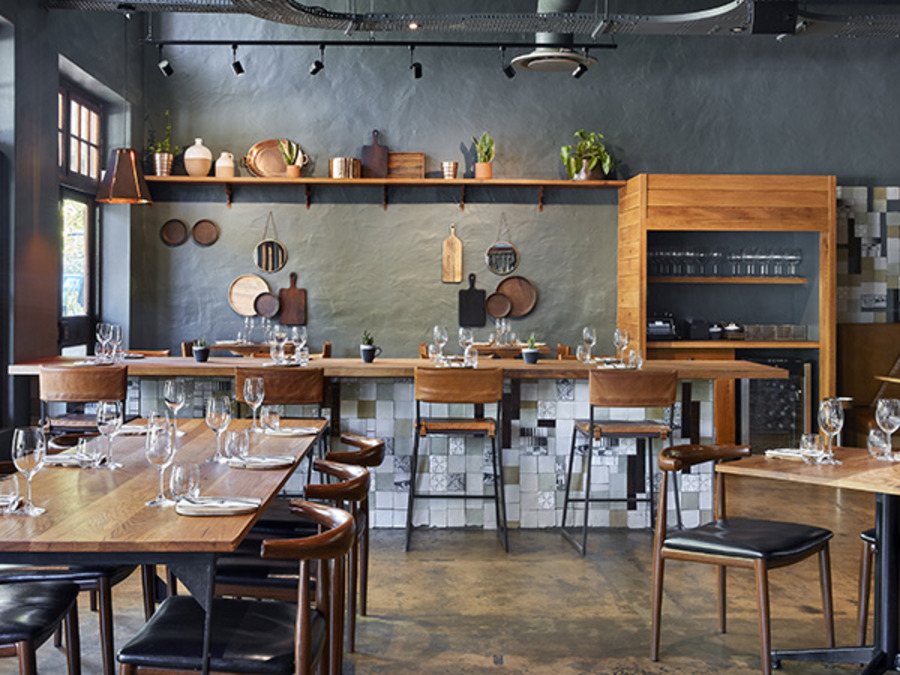
Photo: Instagram
Foxcroft is in Constantia and offers a refined winter dining experience. The restaurant’s beautiful interiors, soft lighting, and intimate table layout are ideal for colder It offers seasonal dishes with layered flavour profiles suited to colder months. Dishes often include slow-cooked meats, rich broths, and refined desserts.
Vine Restaurant & Wine Bar
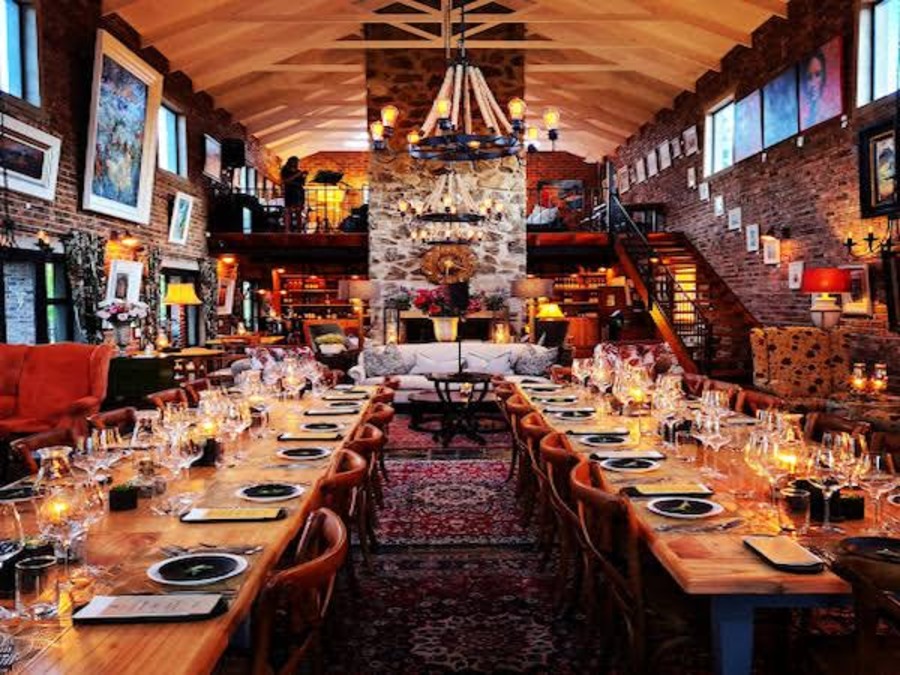
Photo: Instagram
Vine Restaurant & Wine Bar is located in Dullstroom and has built its identity around relaxed winter evenings and beautiful fireplaces. The lounge seating and extensive wine collection contribute to the restaurant’s winter atmosphere. The restaurant is known for fireside dining experiences. Its warm interiors make it an attractive weekend winter getaway destination.
Women’s heart health needs begin to change after 30 due to changes in metabolism. Nutrition becomes a key factor in supporting healthy blood vessels and stable blood pressure. The foods below are ideal for 30+ women because they protect women’s cardiovascular health.
Salmon
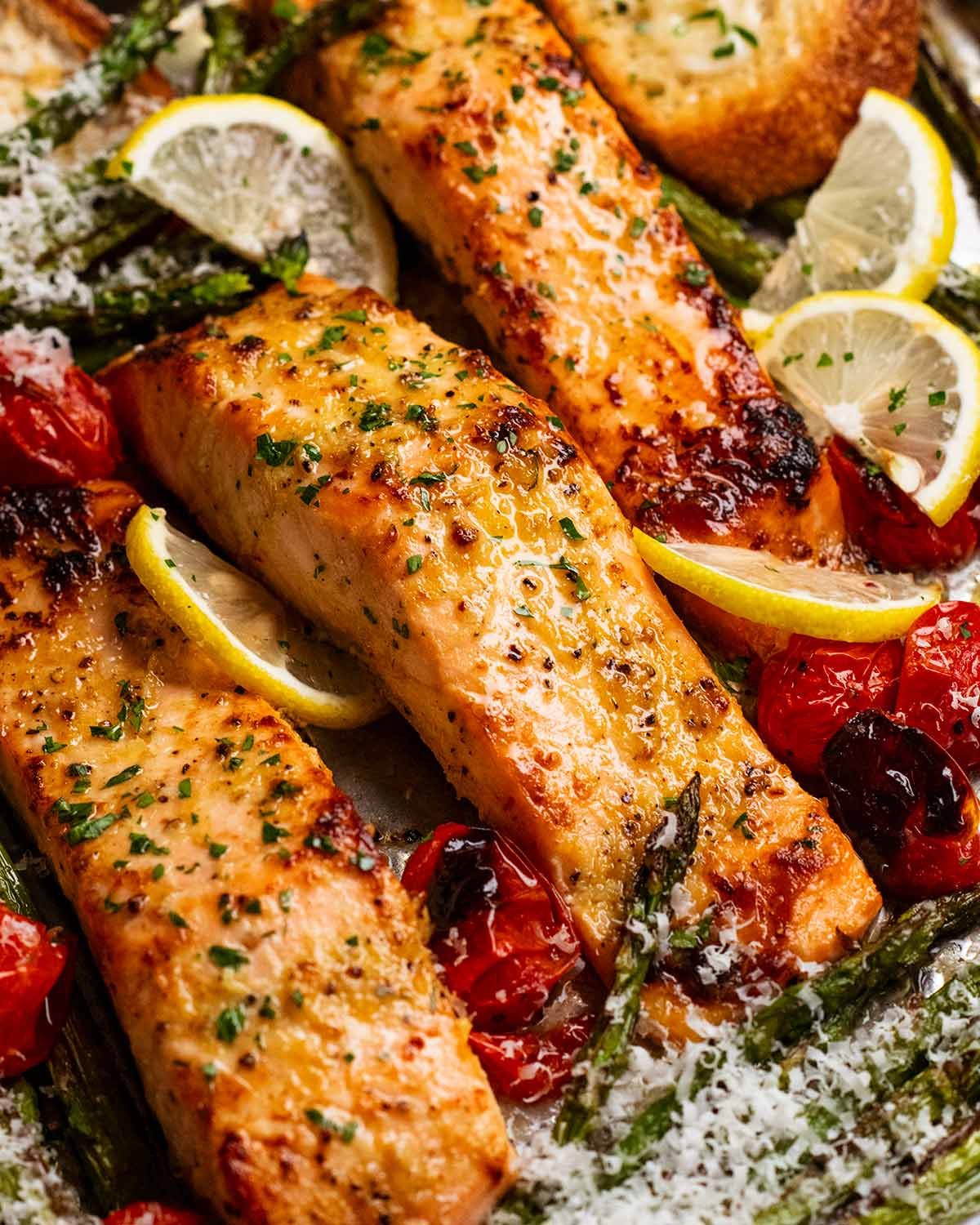
Photo: Getty Images
Salmon supports heart health because it contains omega 3 fatty acids. Taking this fish also helps reduce inflammation in blood vessels. For women after 30, this is important as it relaxes arterial stiffness which is common at this age. Eating salmon twice weekly supports women’s health.
Oats
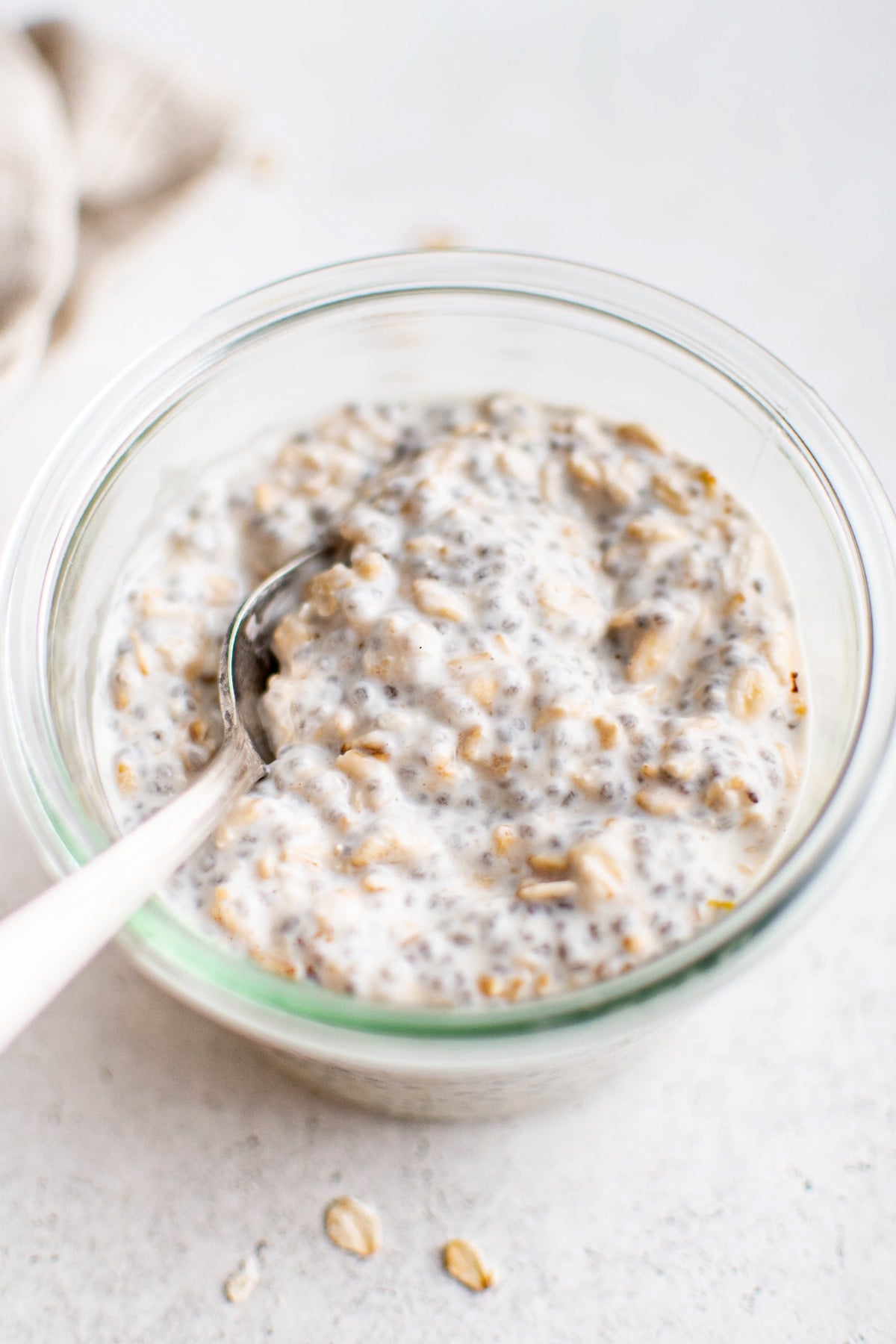
Photo: Getty Images
Oats are a good source of fiber, particularly beta glucan. This lowers cholesterol levels by 10%. Taking them regularly helps to balance work stress and hormonal shifts. Oats support blood sugar stability and reduce inflammation spikes. Regular intake helps with long-term cardiovascular protection.
Berries
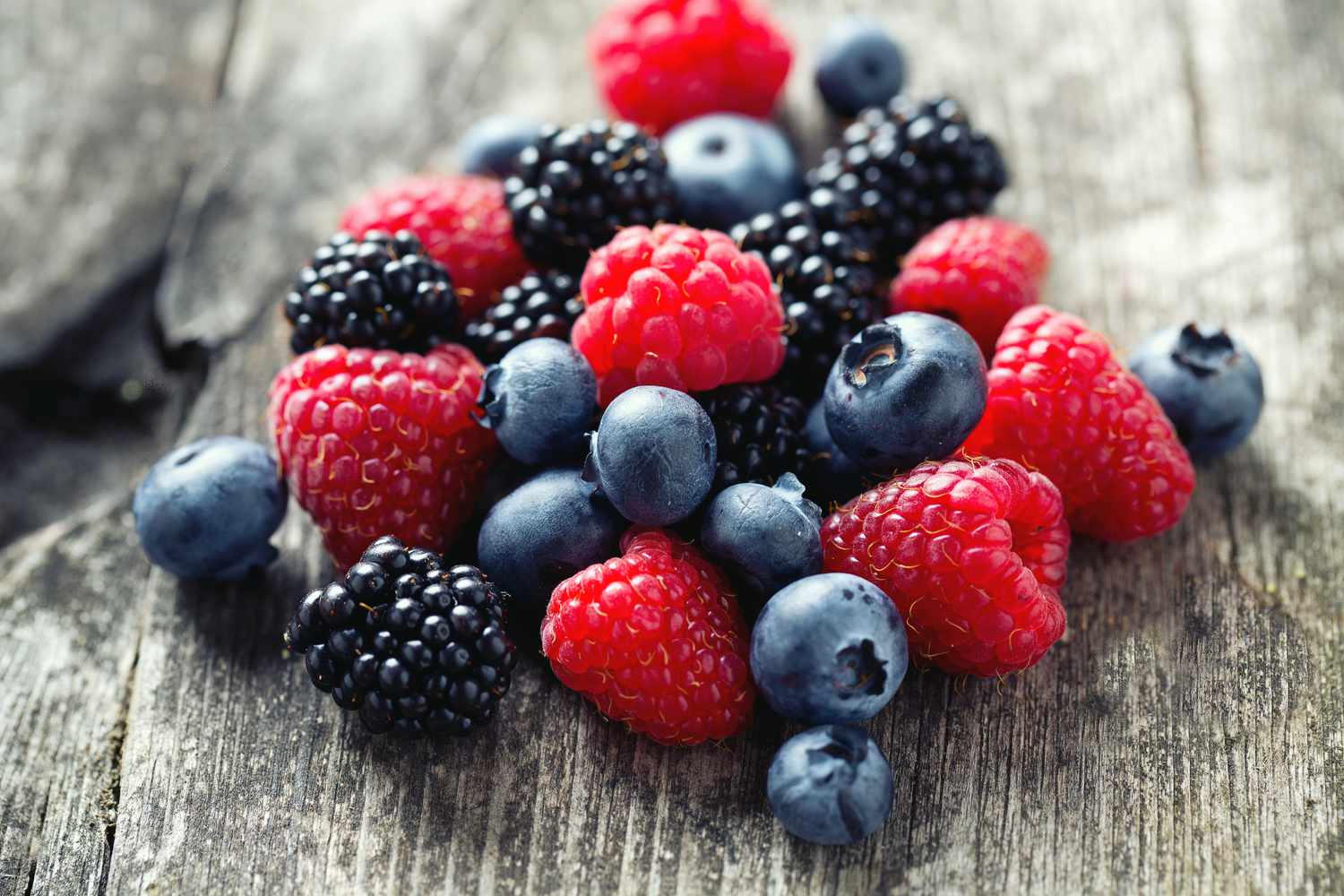
Photo: Getty Images
Berries have high levels of antioxidants. These compounds help protect blood vessels from oxidative stress. They also support blood circulation and lower blood pressure when consumed regularly. Stress recovery after 30 f becomes slower, however regular berries intake helps alleviate it.
Read Also: Top 6 Foods that Cause Bloating and How to Avoid Them
Leafy Green Vegetables
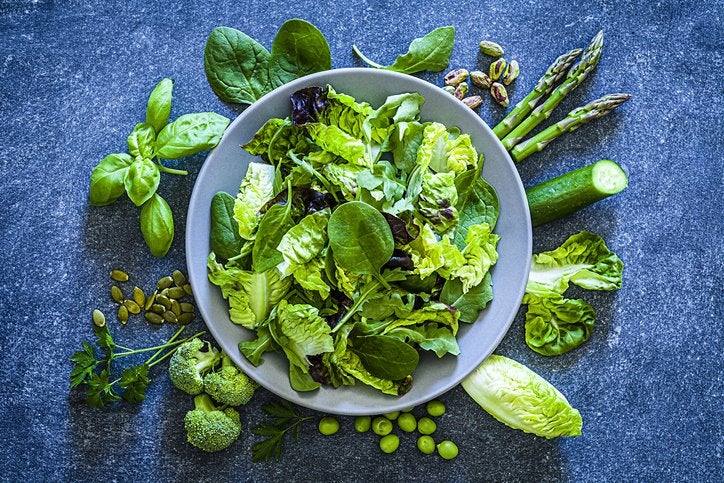
Photo: Instagram
Spinach and other leafy greens are rich in nitrates, potassium, and folate. These compounds improve circulation. Potassium supports blood pressure, while folate helps form healthy blood cells. For 30+ women, these nutrients neutralize effects of sodium heavy diets that affect cardiovascular health.
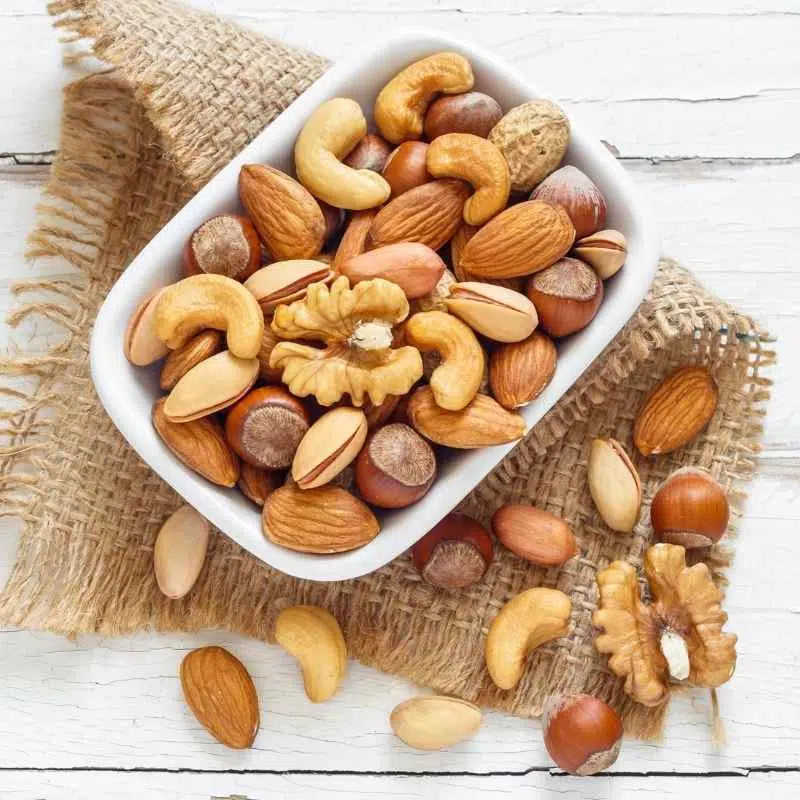
Nuts
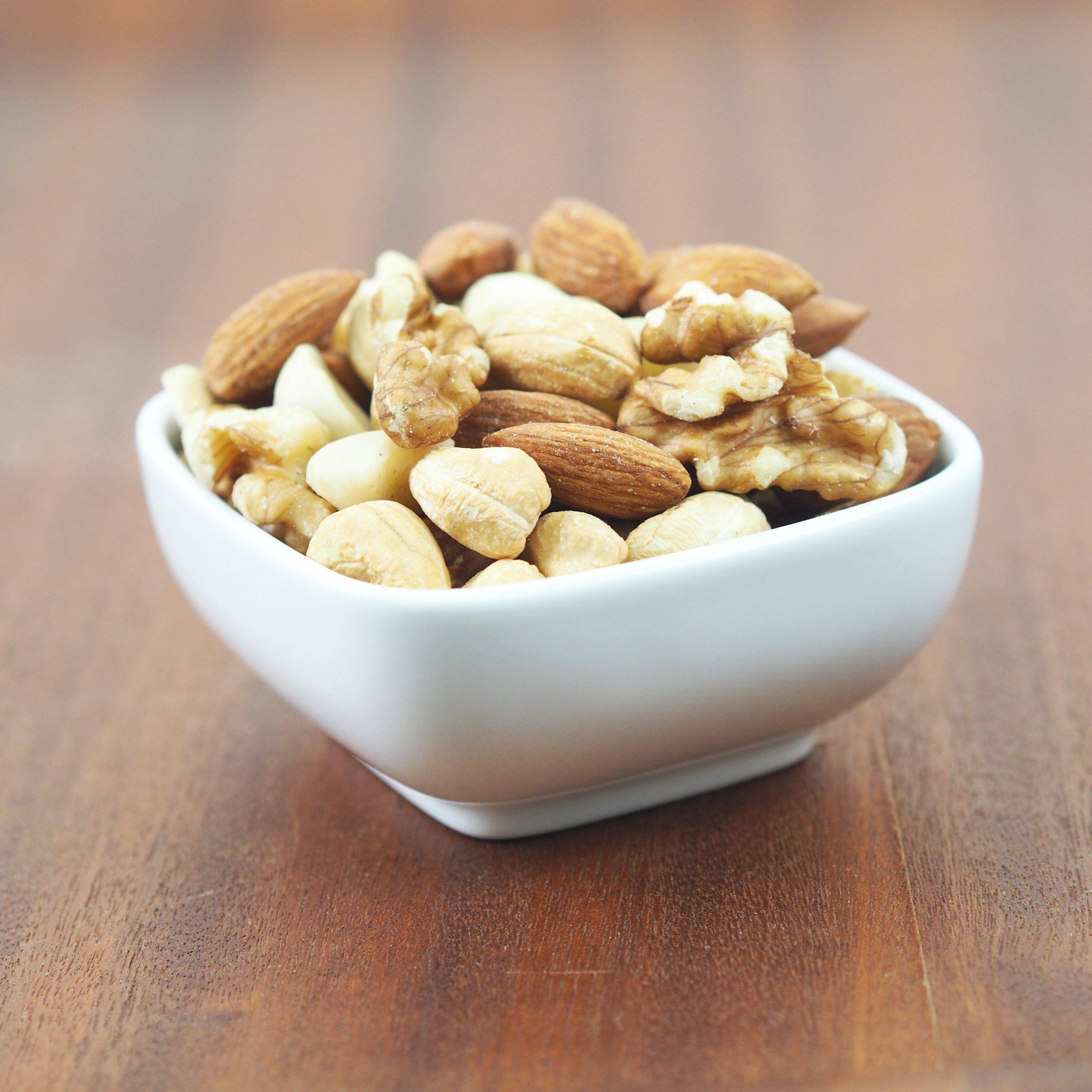
Photo: Getty Images
Nuts are good sources of healthy fats and fiber. Walnuts are valuable for heart health because they contain alpha linolenic acid. 30+ women with high cholesterol should take them regularly. Due to its magnesium content, it helps reduce blood pressure fluctuations.
Avocado and Legumes
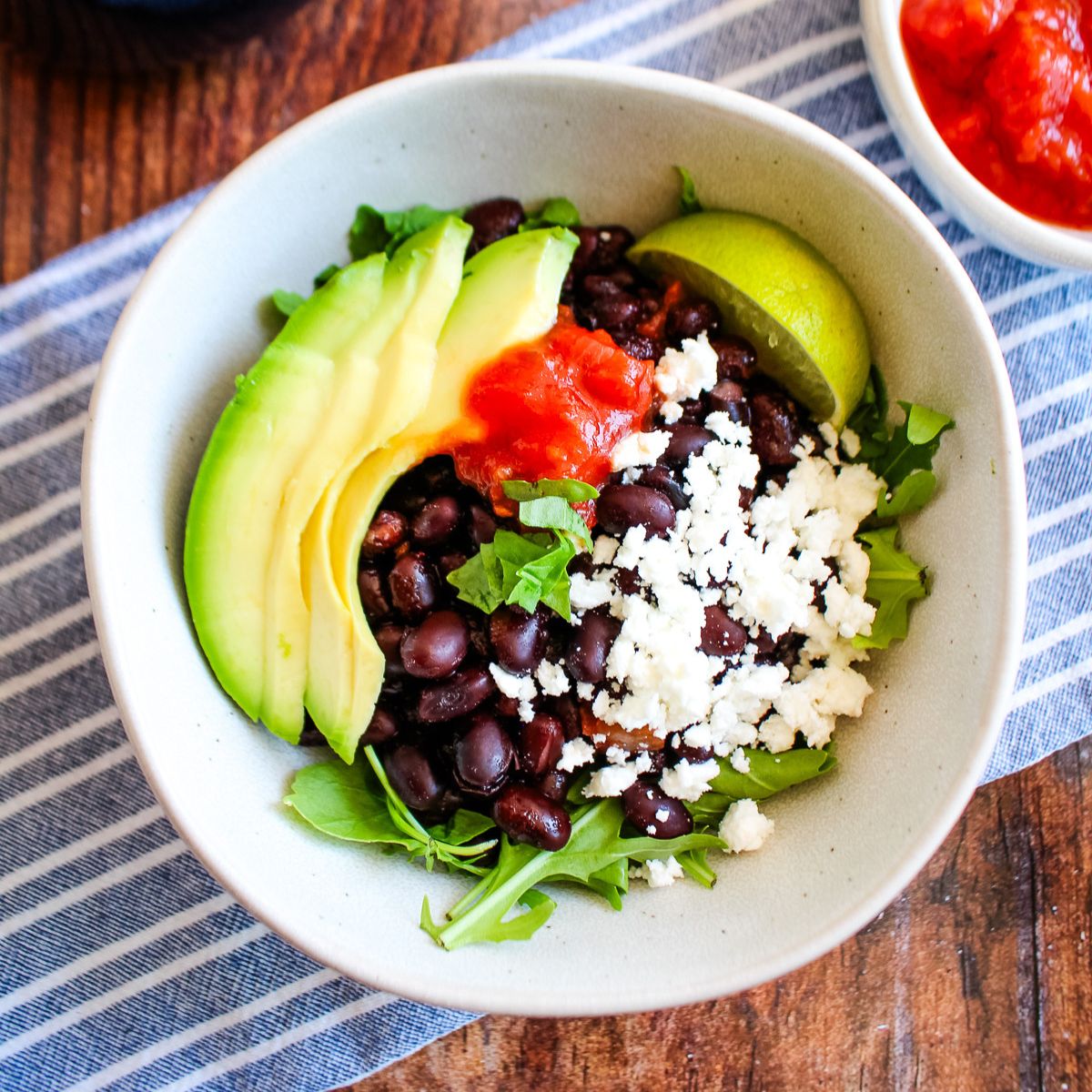
Photo:Getty Images
The healthy fats in Avocado make them good for women with cholesterol problems. It contains potassium, which lowers blood pressure. Legumes like lentils, chickpeas, and beans are rich in plant protein. Plant nutrients stabilize blood sugar and cholesterol . They offer nutritional benefits that support a good heart for women after 30.


Siyanda Banny Gives White a Sculptural New Shape

Mihlali Ndamase’s Energy in Pinstripe Speaks Before She Does

October 2026 Gig Guide: The Shows, Concerts and Festivals on Our Radar




-

 Events3 months ago
Events to Look Forward to in South Africa This July
-

 Miss South Africa3 months ago
Miss South Africa 2026 Reveals Its Semifinal Judging Panel
-

 TV3 months ago
Married at First Sight Mzansi Returns as Season 3 Premieres on Sunday
-

 Gift Ideas3 months ago
5 Thoughtful Anniversary Gift Ideas
-

 Music3 months ago
Beyoncé Releases ‘Morning Dew (Donk)’ in Surprise Release
-

 Fragrance3 months ago
Message in a Bottle: A New Wave of Fragrances for Winter
-

 Actress3 months ago
The South African Actresses Everyone Is Talking About in 2026
-

 Fitness3 months ago
Fasted Training for Women: Benefits, Risks, and What to Know