
Food
Top 6 Foods that Cause Bloating and How to Avoid Them

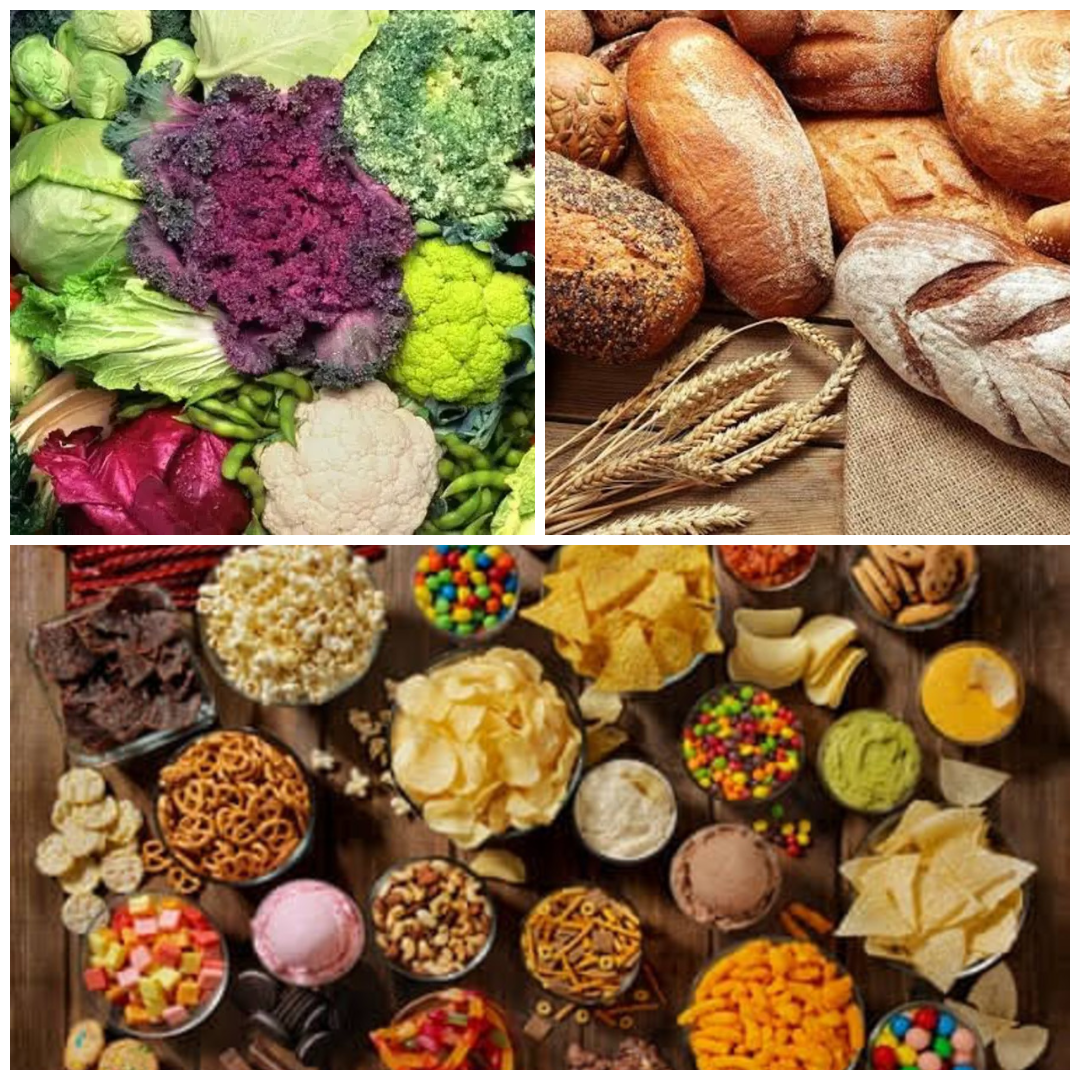
Bloating is a common digestive complaint that causes discomfort or a feeling of fullness. It is often linked to how certain foods are digested, how quickly they move through the gut, or how they interact with gut bacteria. Knowing which foods trigger bloating can help people make informed choices without cutting out favorites entirely.
Beans and Legumes
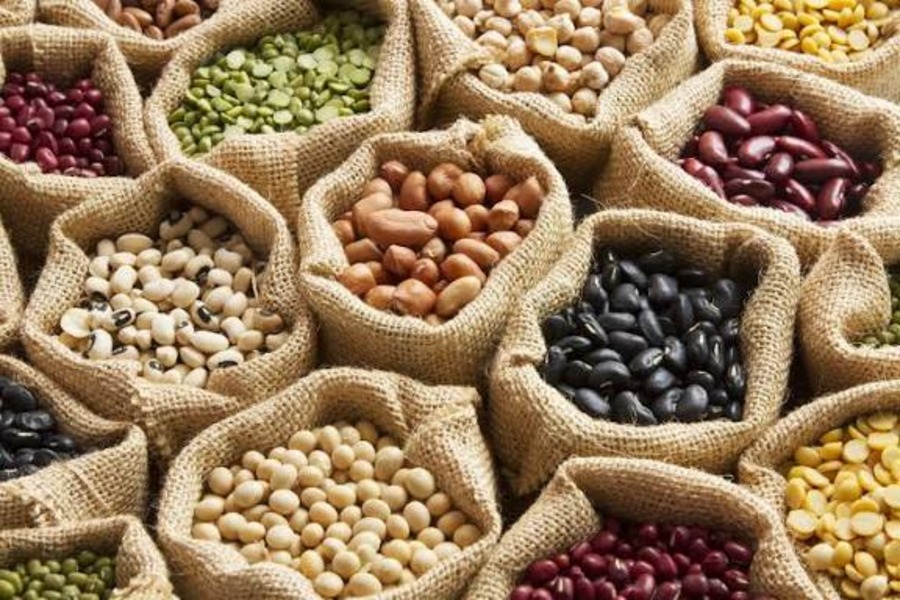
Beans : Instagram
Beans, lentils, chickpeas, and peas are rich in fiber and plant protein, which makes them highly nutritious. However, they also contain complex carbohydrates called oligosaccharides. The human digestive system cannot fully break these down, so they pass into the large intestine where gut bacteria ferment them. This fermentation produces gas, which can lead to bloating. Eating smaller portions, soaking dried beans before cooking, or choosing canned beans that have been rinsed well can reduce bloating.
Dairy Products
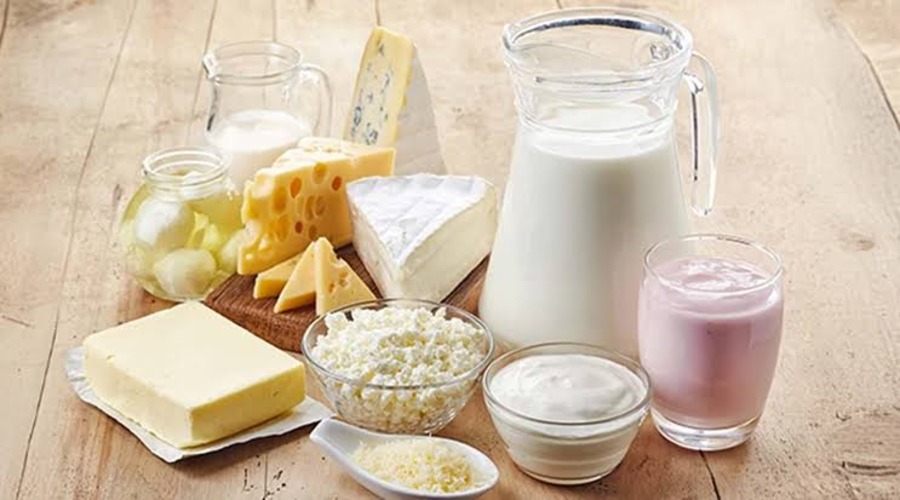
Dairy Products:Istock
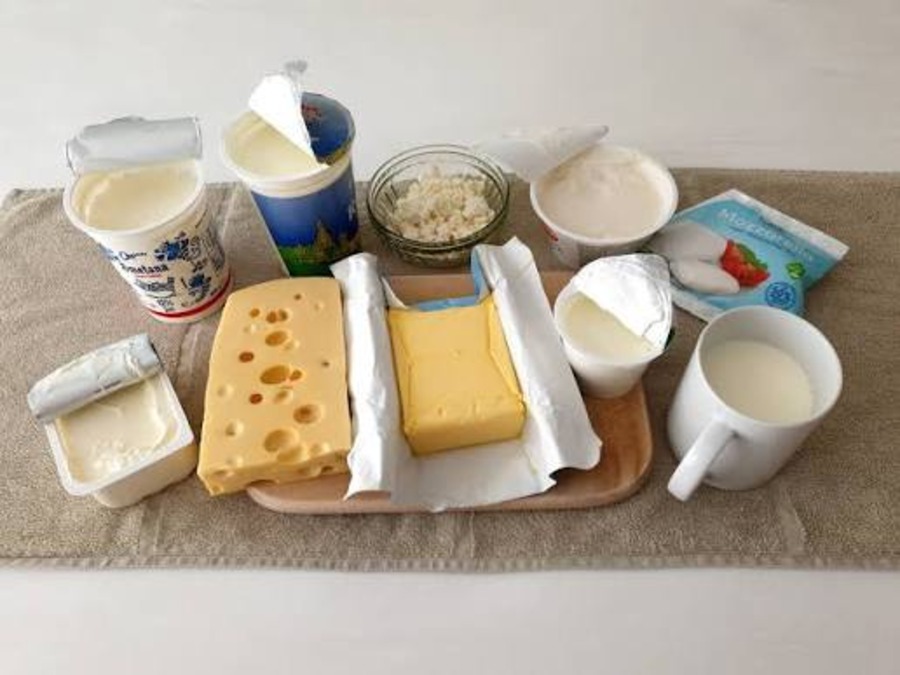
Milk, cheese, and other dairy products can cause bloating in people who have difficulty digesting lactose, the natural sugar found in milk. When lactose is not properly digested in the small intestine, it moves into the colon where bacteria break it down, producing gas. This can result in bloating, cramps, and discomfort. Lactose-free or fermented options like yogurt can improve tolerance.
Carbonated Drinks
Soft drinks, sparkling water, and fizzy juices introduce extra air into the digestive system. The gas bubbles in these drinks can become trapped in the stomach or intestines, leading to bloating. This effect can happen even in people who do not have other digestive issues. Limiting carbonated beverages and opting for still water or herbal teas is a simple way to reduce bloating related to trapped gas.
Cruciferous Vegetables
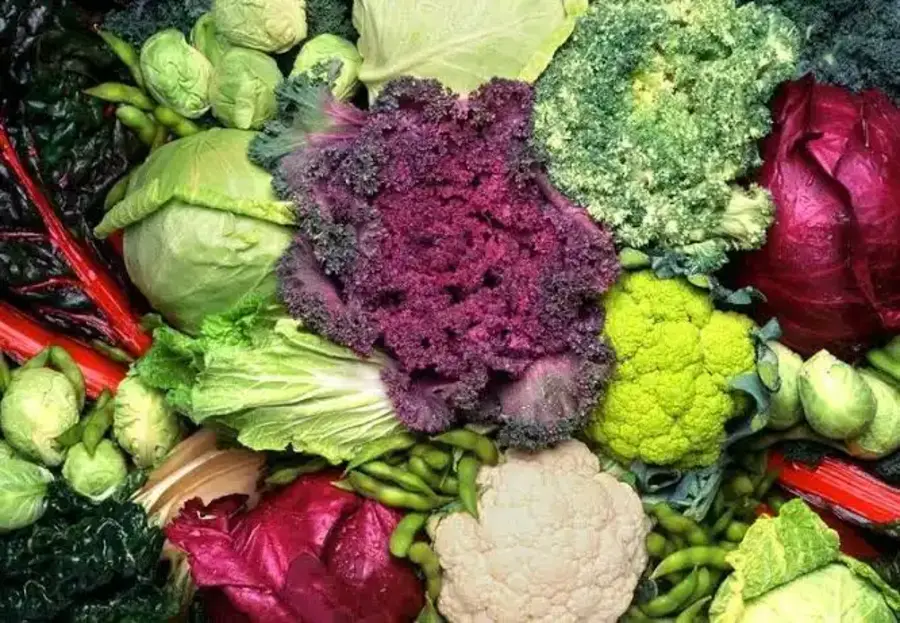
Vegetables : Instagram
Vegetables such as cabbage, broccoli, cauliflower, and Brussels sprouts are packed with vitamins, minerals, and fiber. They also contain sulfur-containing compounds and complex fibers that can be difficult to digest for some people. As these vegetables are broken down by gut bacteria, gas is released. Cooking these vegetables can improve digestibility and reduce bloating.
Read Also : Nutritional Benefits of Incorporating Seed Oils into Your Diet
Wheat and Refined Bread
Refined Bread :Pinterest
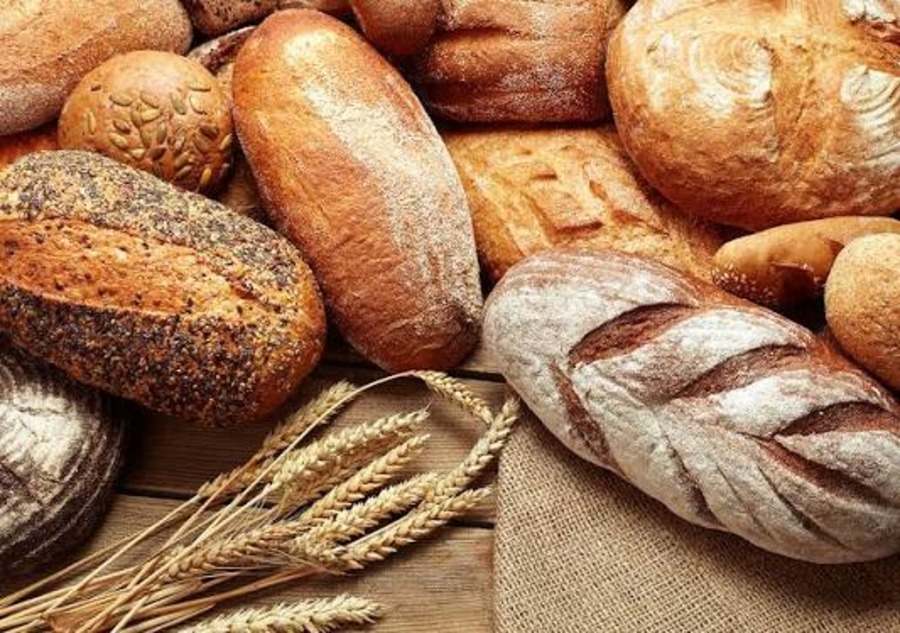
Bread, pasta, and other wheat based foods can cause bloating for several reasons. They contain gluten, which some people are sensitive to, and are high in fermentable carbohydrates. These foods can draw water into the gut and be fermented by bacteria, causing bloating.It is among the top South African foods that draw water into the gut and be fermented by bacteria, leading to bloating. Choosing whole grains in moderate portions or experimenting with gluten-free alternatives can help identify what works best for the body.
Salty Processed Foods
Processed Food: Freepix
Highly processed foods like chips, instant noodles, and packaged snacks are often high in sodium. Excess sodium can cause bloating, particularly around the stomach. Reducing intake of salty processed foods and drinking enough water can help the body balance fluids more effectively.
Paying attention to portion sizes, food preparation methods, and individual tolerance can make a big difference. Changes in eating habits can reduce bloating without compromising a balanced diet.
South Africa’s cuisine shows how rich and diverse the cultural diversity is. Food in the country has combined indigenous African traditions with some influences from Dutch settlers and Indian immigrants. The result is an excellent food culture with history and customs of many ethnic groups. Here are traditional foods that visitors can enjoy in South Africa.
Pap
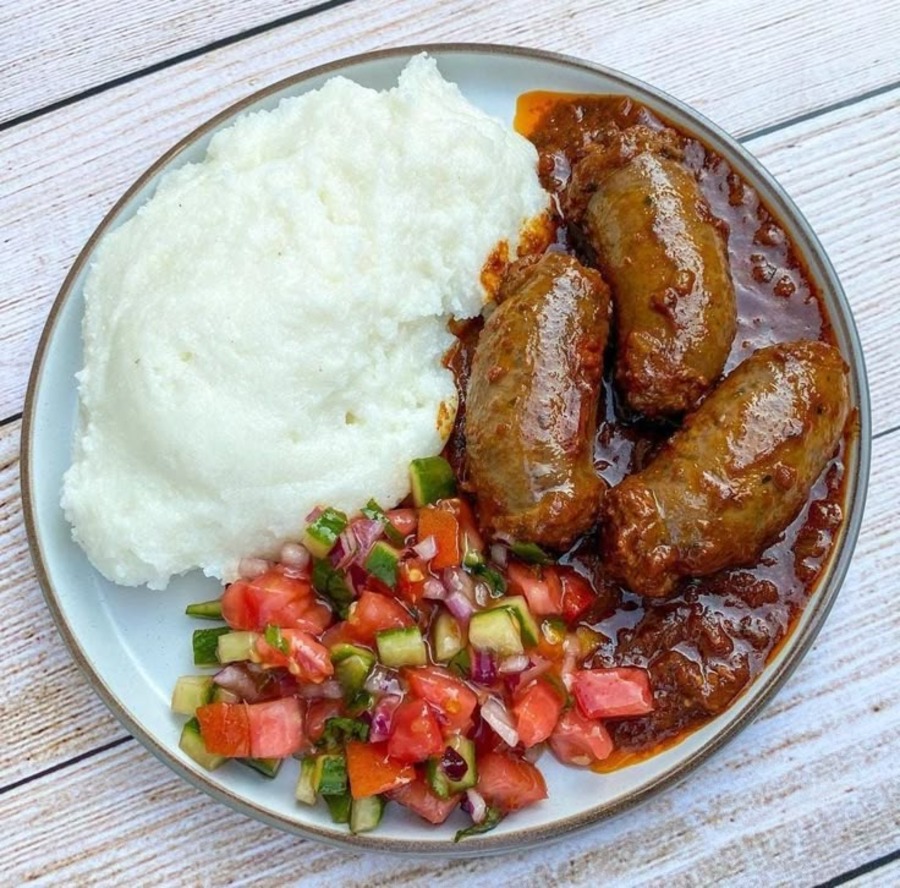
Photo: Facebook
Pap is made from maize meal and water. It can be prepared as a soft porridge or side dish. Pap is taken with meat and vegetables. The dish is a staple among the Zulu, Xhosa, and Ndebele peoples. It is enjoyed during family gatherings and celebrations.
Bobotie
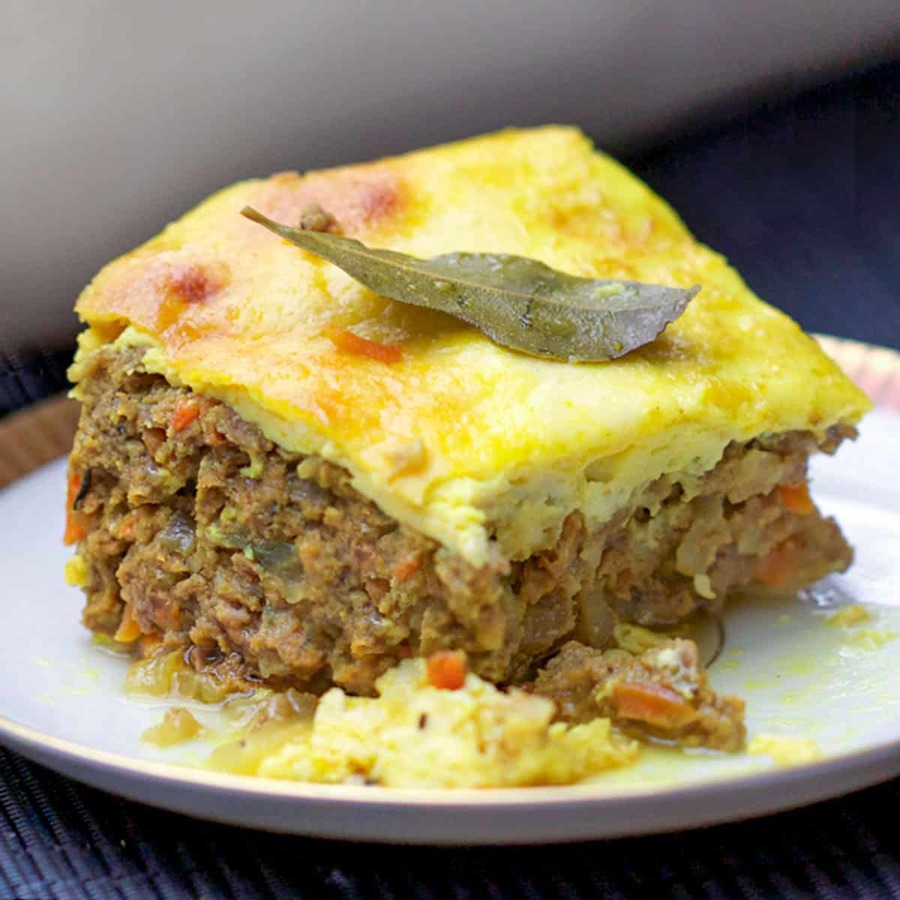
Photo: Getty Images
Bobotie is made from baked minced meat. It tastes better with yellow rice and chutney. The dish comes from the Cape Malay community of the Western Cape. The origin is lined with Asian culinary traditions.
Chakalaka
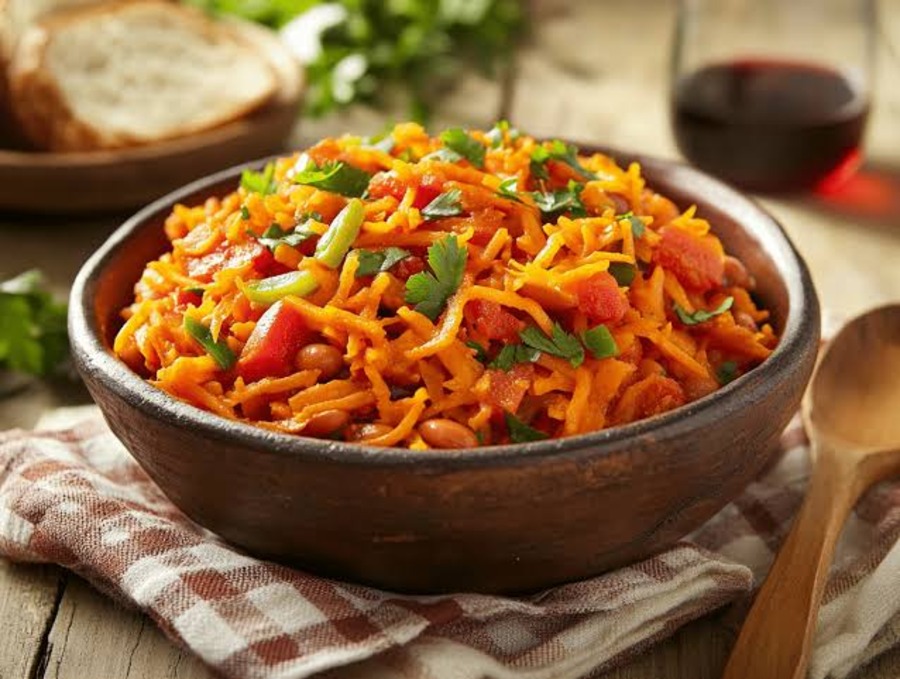
Photo: Instagram
Chakalaka is a vegetable food made from tomatoes and onions. The dish comes from the townships around Johannesburg. It is enjoyed by various communities in South Africa. Chakalaka is a popular side dish in the country.
Read Also: Best Foods for Women’s Heart Health After 30
Bunny Chow
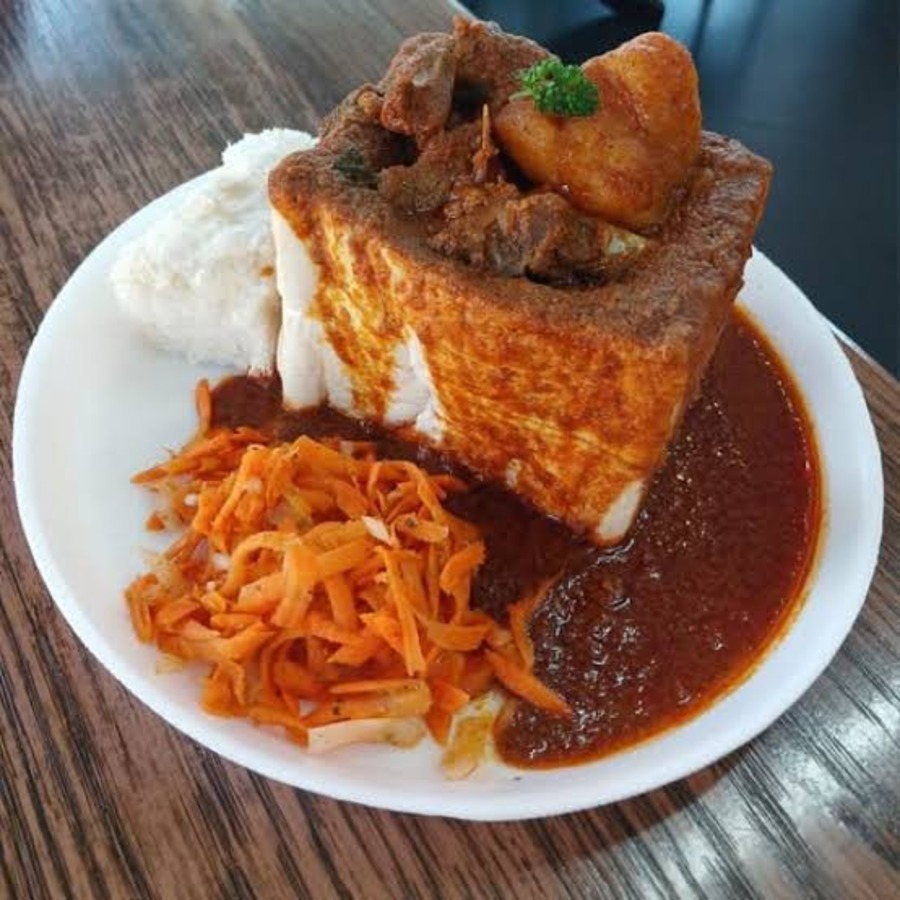
Photo: Facebook
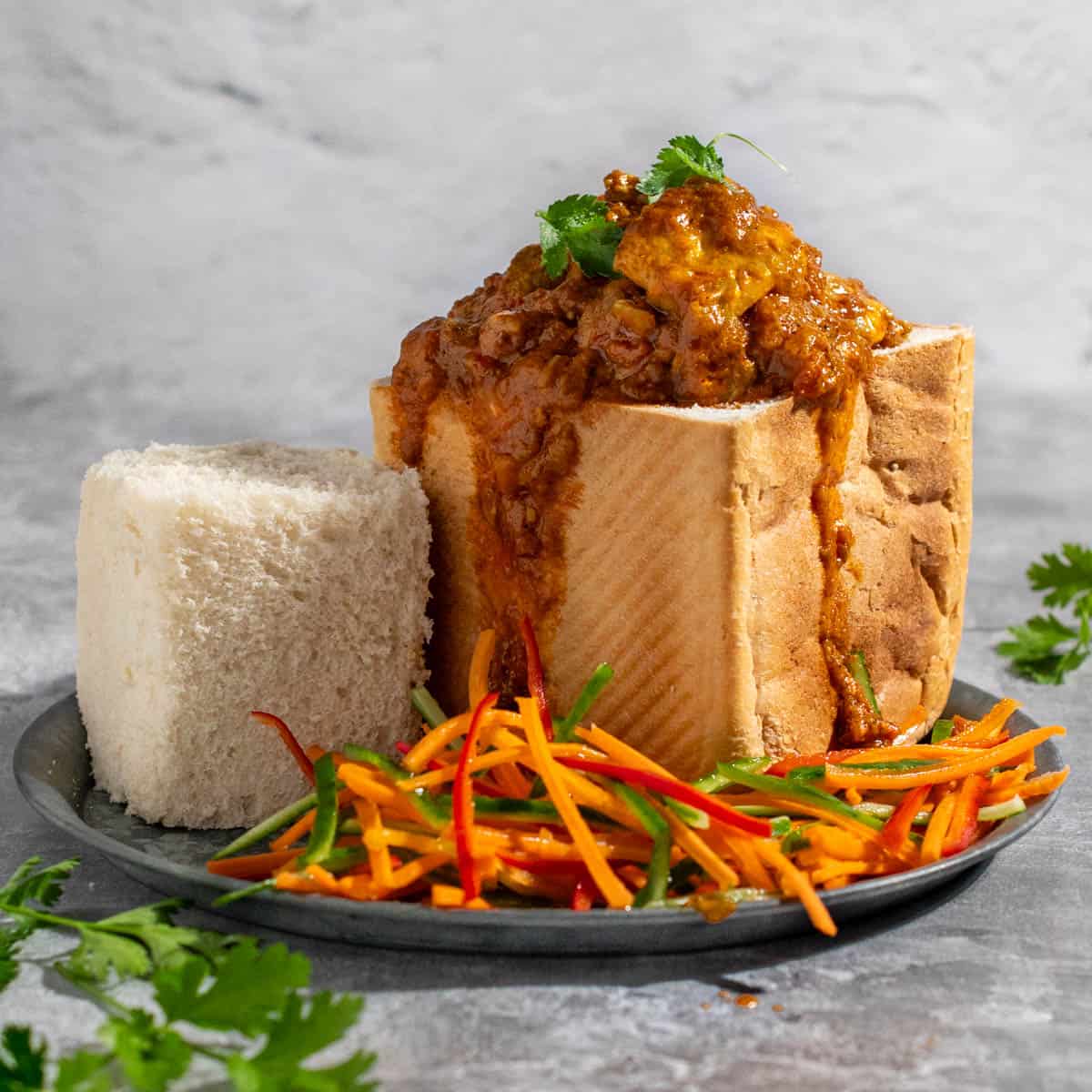
Bunny Chow is a street food made from bread filled with curry. The dish is common among Durban’s Indian community in KwaZulu Natal. Descendants of Indian labourers developed Bunny Chow as a meal that could be carried easily. It is enjoyed by South Africans and remains a choice for those who love spicy flavours.
Umngqusho
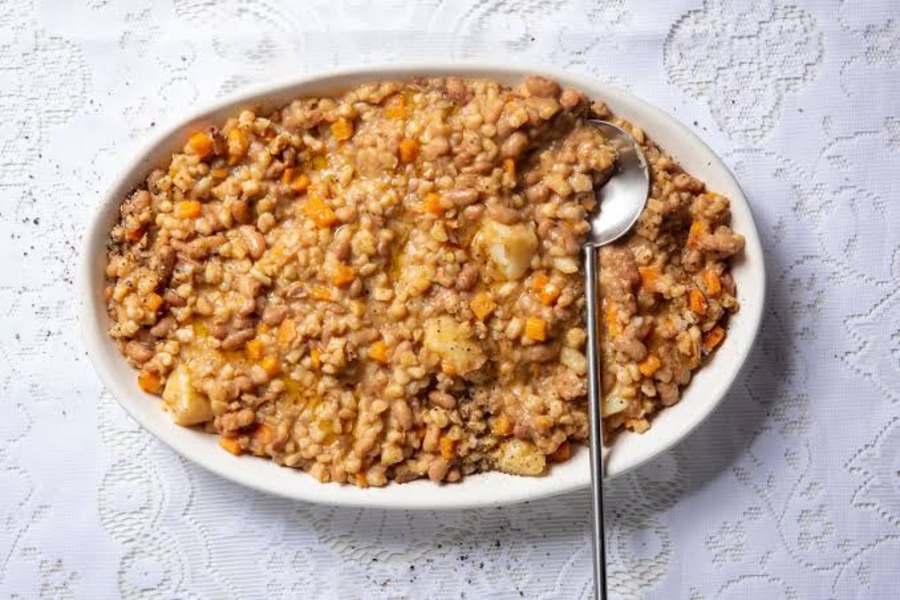
Photo: Instagram
Umngqusho is made from samp and sugar beans cooked together until it becomes soft . It is an important part of South African cuisine. The dish is loved by the Xhosa people of the Eastern Cape. Umngqusho became popular because it was said to be one of Nelson Mandela’s favourite meals.
Biltong
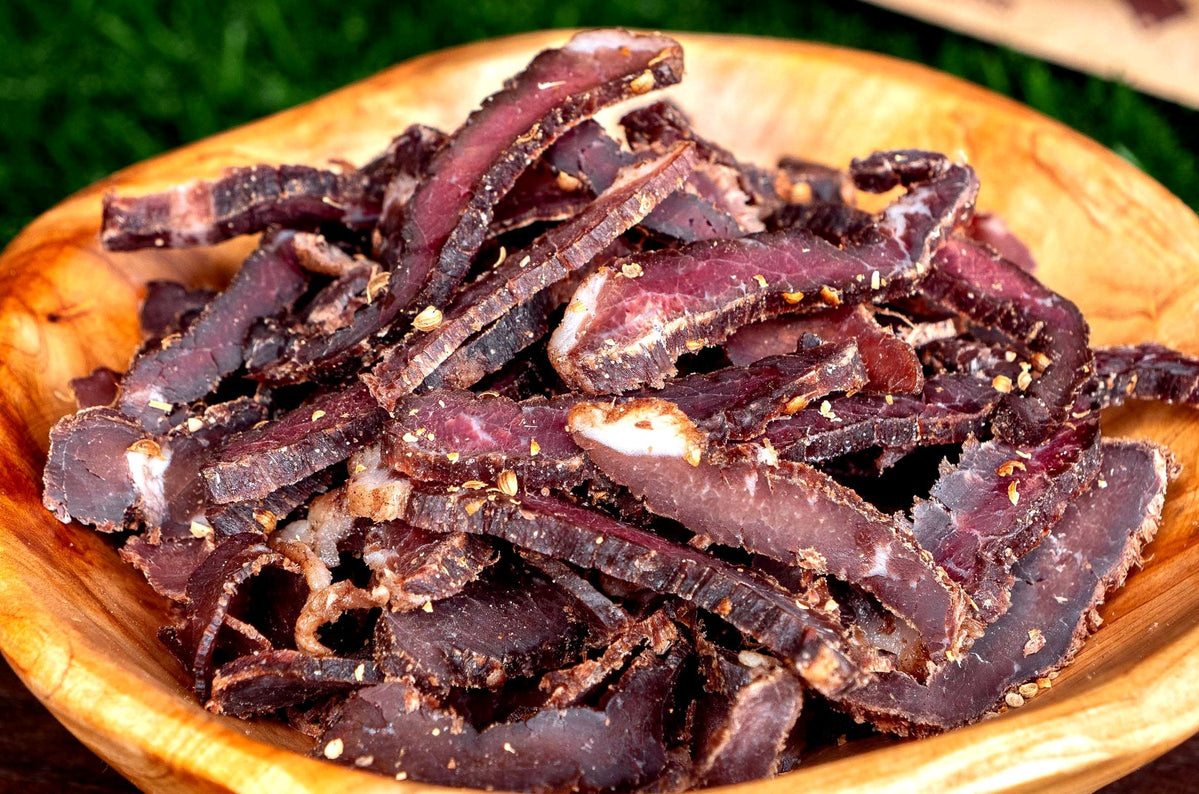
Photo: Getty Images
Biltong is made from beef and game meat. It tastes better when seasoned with vinegar. The origins of biltong are the Southern African communities and early European settlers. Biltong is a good snack for road trips and sporting events.

South Africa’s winter dining scene boasts of fireplaces, rich food, intimate lighting, and warm interiors that make cold evenings more inviting. From Cape Town’s candlelit heritage houses to Johannesburg’s grill restaurants, these places stand out as winter dining destinations across South Africa.
Kloof Street House

Photo: Instagram
Set inside a Victorian era house in Cape Town, Kloof Street House has become one of the city’s best winter dinner spots because of its dim lighting and eclectic décor. The restaurant feels especially atmospheric on rainy evenings, with diners beside candles. Rich seafood dishes, truffle fries, and creamy desserts. The cocktail selection contributes to the experience, with some whisky spiced cocktails.
Marble Restaurant
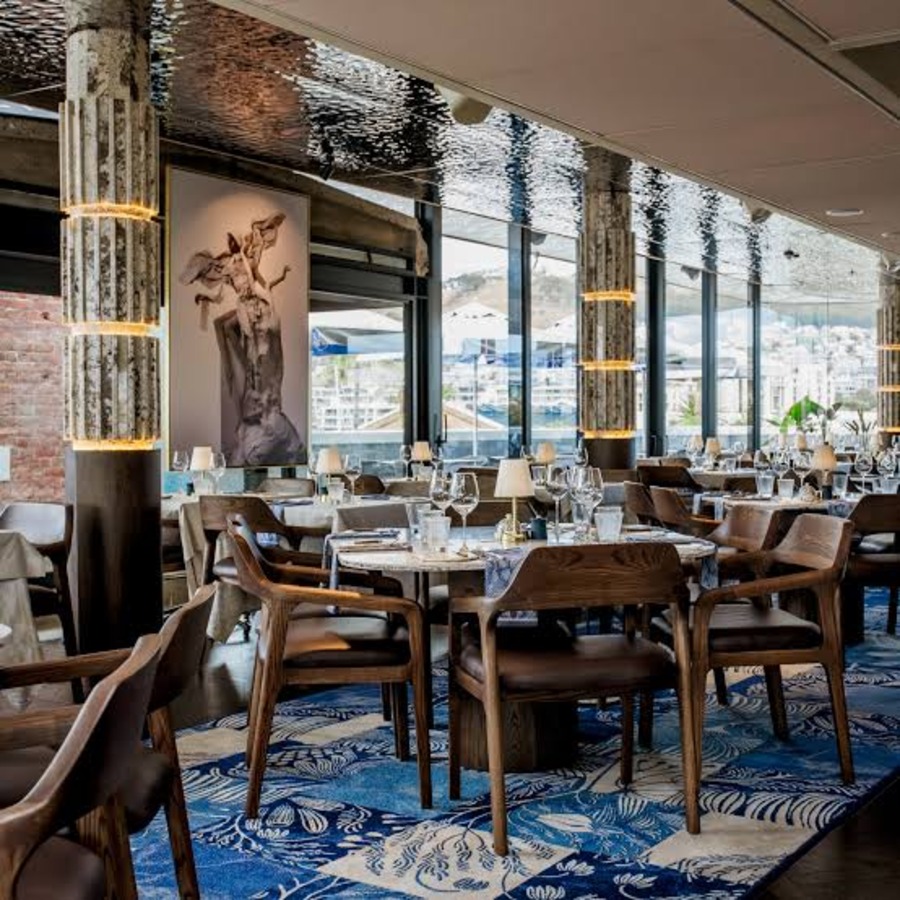
Photo: Instagram
Johannesburg winters are known for cold evenings despite sunny afternoons. Located in Rosebank, the restaurant is centred around open-flame cooking. This gives the dining room a dramatic atmosphere. The restaurant has modern South African-inspired food which is locally sourced. The floor to ceiling city views come alive at night as Johannesburg’s skyline lights up.
The Grillhouse Rosebank
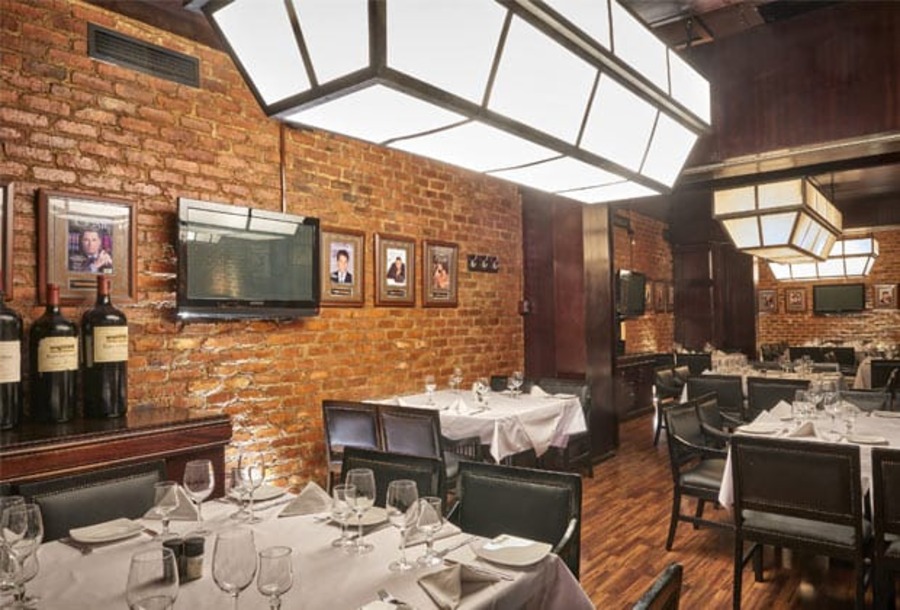
Photo: Instagram
For diners looking for cold-weather dining, The Grillhouse remains one of South Africa’s strongest steakhouse experiences. What makes it perfect is the dark wood exteriors and décor which create a cosy atmosphere during winter evenings. The restaurant has hearty portions suited to colder weather. Visitors can enjoy matured steaks, ribs, baked potatoes, and pepper sauces. They have a notable whisky selection.
Read Also: 5 South African Street Foods You Have to Try This August
La Colombe
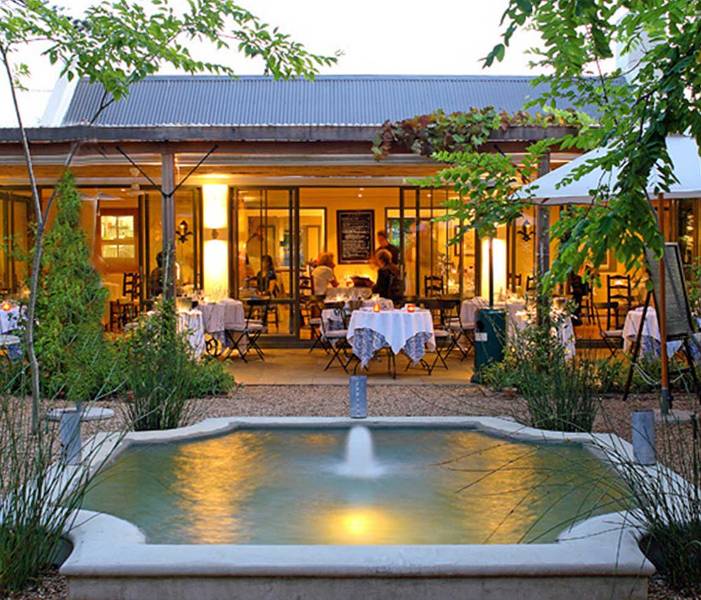
Photo: Instagram
La Colombe is surrounded by forests and vineyards. The restaurant is a sought-after fine dining destination year-round. It incorporates seasonal South African ingredients on its menu. Rich sauces, seafood courses, and luxury wines create a refined dining experience. The quiet ambience also makes it popular for romantic winter dinners.
Foxcroft
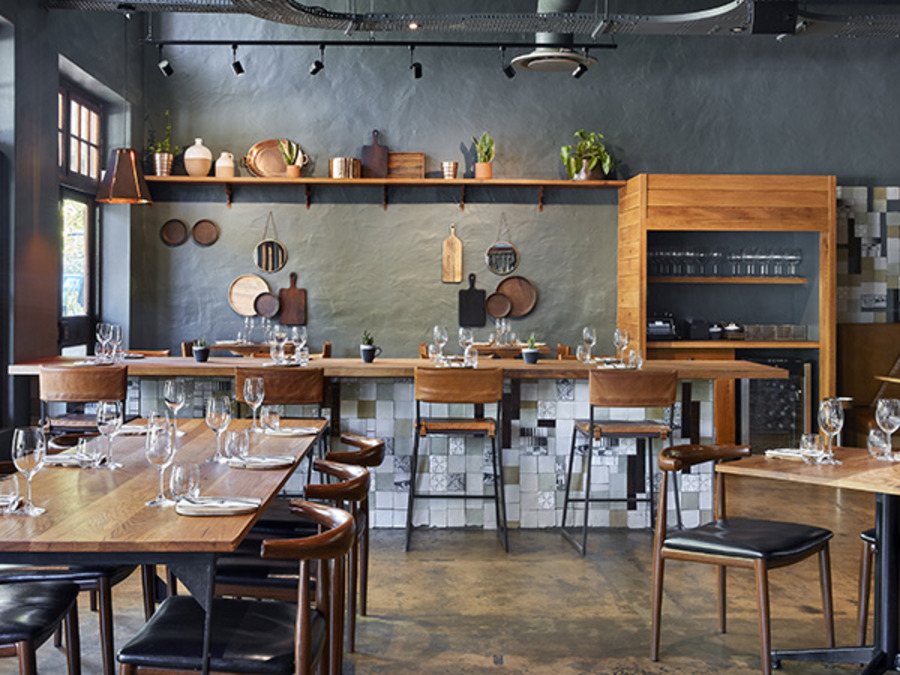
Photo: Instagram
Foxcroft is in Constantia and offers a refined winter dining experience. The restaurant’s beautiful interiors, soft lighting, and intimate table layout are ideal for colder It offers seasonal dishes with layered flavour profiles suited to colder months. Dishes often include slow-cooked meats, rich broths, and refined desserts.
Vine Restaurant & Wine Bar
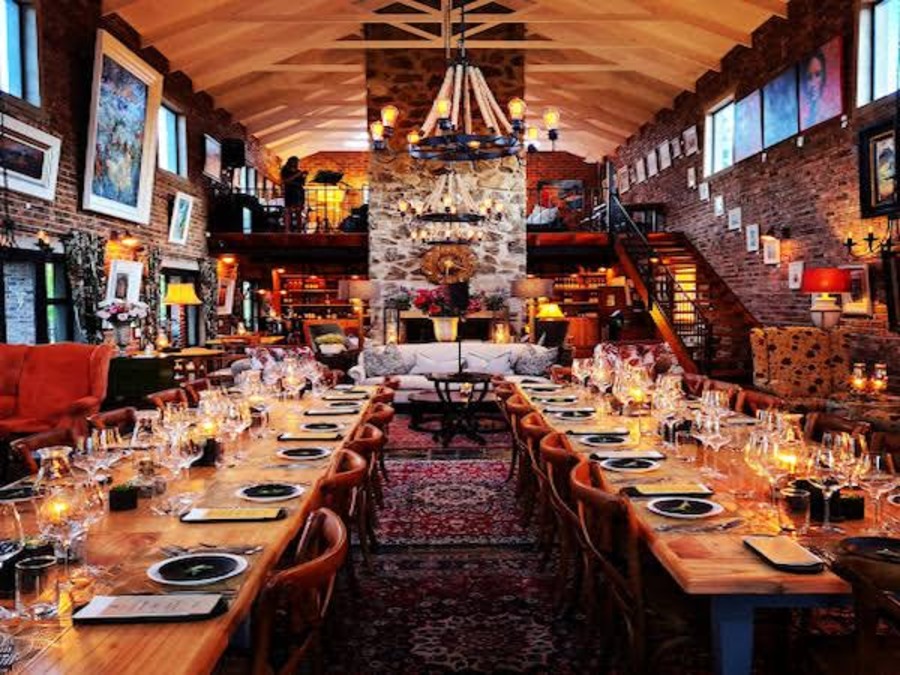
Photo: Instagram
Vine Restaurant & Wine Bar is located in Dullstroom and has built its identity around relaxed winter evenings and beautiful fireplaces. The lounge seating and extensive wine collection contribute to the restaurant’s winter atmosphere. The restaurant is known for fireside dining experiences. Its warm interiors make it an attractive weekend winter getaway destination.
Everyone seeks beautiful skin, but it takes some effort to achieve it. While using soaps and lotions are important, natural foods can support it. Consider how nutritional the foods you take to healthy-looking skin. Below are some foods to add to your diet to keep your skin in good shape.
Fatty Fish

Photo: Getty Images
Fish help strengthen the skin barrier. This is because they are rich in Omega 3. This nutrient reduces inflammation. Fish that are good for your skin include mackerel (locally known as Titus) and salmon.
Chocolate

Photo: Getty Images
The addition of chocolate will surprise many, but when taken in moderation dark chocolate can support healthier-looking skin. Chocolates contain compounds which improve blood flow to the skin. If you are also keen on looking younger, they are great options.
Read Also: Top 6 Foods that Cause Bloating and How to Avoid Them
Tomatoes

Photo: Getty Images
Tomatoes are underrated but they help with skin health. If not eaten raw, they can be blended or cooked into stews. Grape and Roma tomatoes are the best choices for your skin.
Green Vegetables
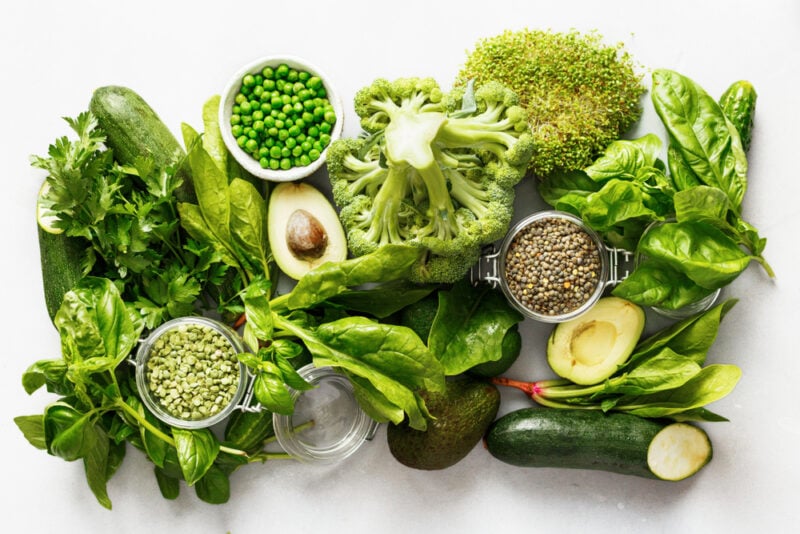
Photo: Getty Images
Vegetables provide essential nutrients like fibre, vitamin C, potassium, and antioxidants that support healthy skin. However, not all vegetables have the same impact on skin health. Select cabbage and spinach as they improve skin cell repair. Their richness in lutein also helps brighten your skin.
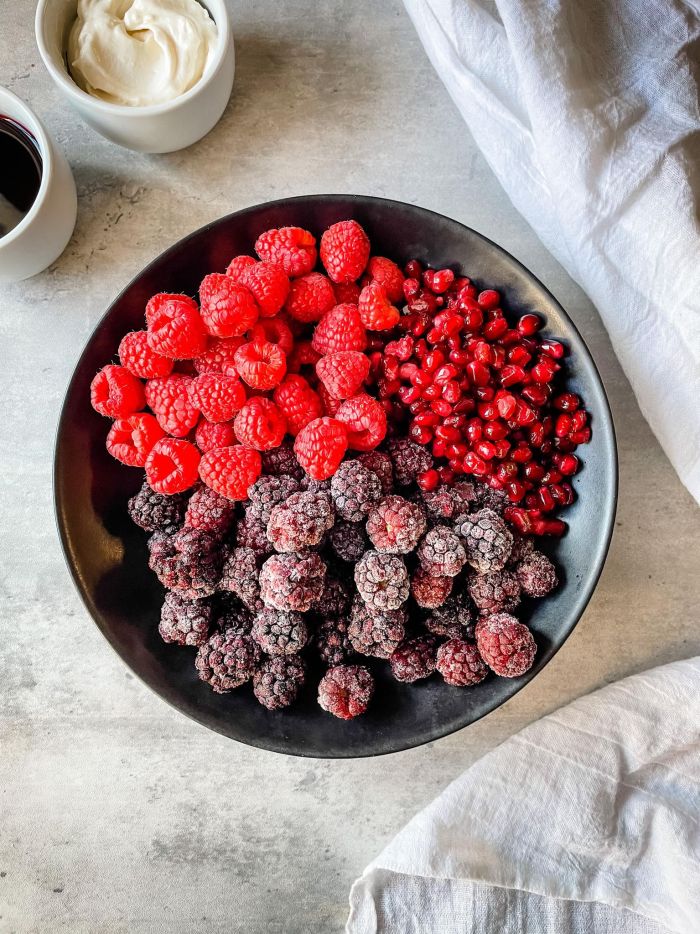
Berries and Pomegranates
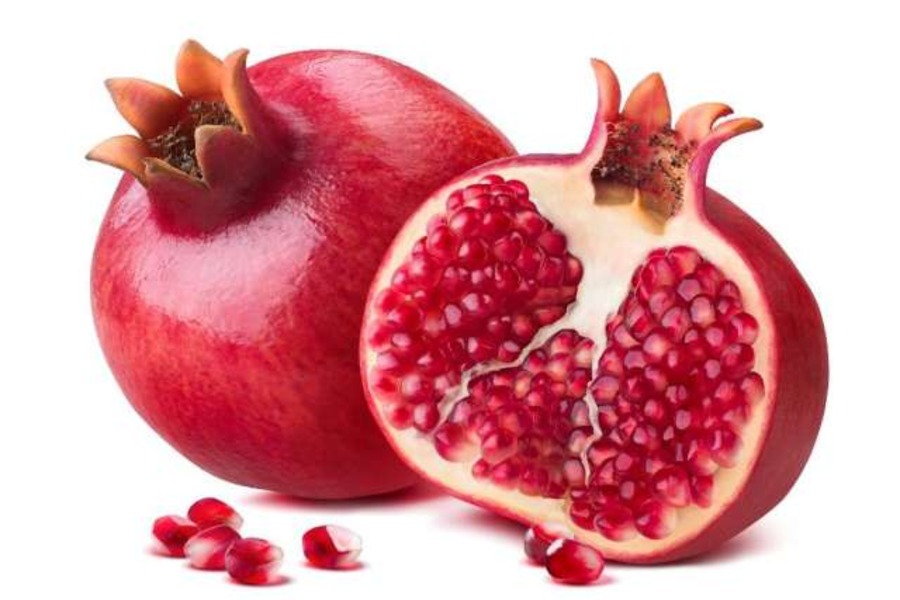
Photo: Getty Images
Berries and pomegranates help reduce wrinkles on your face. Blueberries support collagen production while pomegranates contain polyphenols that protect the skin from damage caused by pollution, UV rays, and stress.
WaterMelon

Photo: Getty Images
Watermelons are fruits that can be a hydrating addition to the diet. Your body needs water to be in good shape, and watermelons have the right amount of water that can help your skin. Some eat their seeds because it is believed to offer immunity against skin diseases.


Diddy’s Head Injury Reportedly Linked to Fight With Jamaican Drug Lord

Tyla Opens A*POP Tour in Paris

Duane ‘Keffe D’ Davis Sentenced to 40 Years to Life for Tupac Shakur’s Murder




-

 Travels3 months ago
Why Solo Travel Could Be the Best Decision You Ever Make
-

 Music3 months ago
Rihanna Surprises Fans With Her First Live Performance in Years at Jay-Z’s Concert
-

 Movies3 months ago
Zendaya Wraps ‘Euphoria’ Run With Third Emmy Nomination
-

 Events3 months ago
Shannon Benting Set to Compete at Miss Supranational 2026 in Poland
-

 Health3 months ago
Constantly Tired? Your Liver Could Be Telling You Something
-

 Travels2 months ago
6 Best Hotels in Cape Town
-

 Dj Men3 months ago
The Male DJs Keeping South Africa’s Nightlife Alive
-

 Fitness3 months ago
How to Recover Faster After a Heavy Gym Session