
Sex & Relashionships
How Modern Dating Is Reshaping Valentine’s Day


Valentine’s Day followed a predictable pattern. Couples booked dinners weeks ahead, florists raised prices, and social media filled with public displays of romance. That pattern still exists, but it no longer defines how many people experience February 14. In modern dating culture, the day has shifted from a fixed ritual into something people interpret on their own terms.
One of the visible changes is that the holiday is no longer reserved only for couples in many circles. A growing number of singles treat Valentine’s Day as a social occasion rather than a romantic obligation. Group dinners, friend gatherings and solo plans have become normal alternatives to the traditional date night. For many younger adults, celebrating friendships or investing in personal routines feels more honest than staging a relationship milestone for a calendar event. The idea that February 14 must focus exclusively on romantic partnership is becoming less influential.

Photo Credit – Google
This change is connected to fatigue around public displays of romance. The pressure to produce a planned evening, including expensive reservations, gifts and social media documentation, has made the day feel transactional to some people. Many daters resist the idea that affection must be shown through expensive or dramatic actions. People increasingly value smaller expressions of intimacy: shared habits, ordinary time spent together, conversations that extend beyond a single occasion. Valentine’s Day now competes with everyday relationship effort, and everyday moments often take priority.
Digital culture has a strong influence on how the holiday is changing. Dating apps consistently report spikes in activity around mid-February. Singles are not withdrawing from the day; they are engaging with it differently. Instead of treating Valentine’s Day as a reminder of being single, many treat it as a reason to engage. Messaging increases, new matches are pursued more confidently, and the stigma around being single on February 14 continues to weaken. The day becomes less about status and more about meeting people.

Photo Credit – Google
At the same time, dating itself looks different from the traditional dinner-and-flowers model. Contemporary trends favour low-pressure interactions that fit into daily routines. Dates built around errands, exercise or casual daytime activities focus on practical, everyday interaction. Modern couples often want to see how a relationship functions in ordinary settings, not just in artificially romantic settings. Valentine’s Day plans increasingly mirror this practicality. Home-cooked meals, shared streaming nights or simple outings replace elaborate plans. The emphasis is not on scale but on comfort.
Generational differences sharpen this shift. Younger daters tend to reject the idea that cost equals commitment. They are more likely to prioritise authenticity and emotional presence, prioritising thoughtfulness over extravagance. Older millennials and established couples may still appreciate traditional symbols, but expectations have softened. Experience matters more than display. A deliberate conversation or a thoughtful plan matters more than an expensive object. The day becomes a moment to reconnect rather than an opportunity to impress others.

Photo Credit – Google
Economic reality also shapes expectations. Rising living costs influence how couples talk about celebration. Valentine’s Day spending is increasingly filtered through practical decision-making. Many partners openly negotiate budgets, opting for gestures that feel meaningful without creating financial strain. This reflects a wider adjustment: romance is being integrated into daily life instead of treated as a temporary break from financial reality.
Despite these changes, strong emotions around Valentine’s Day still exist. For some singles, the concentration of couple-focused messaging can amplify loneliness. For couples, disagreements often emerge over how much importance the day deserves. The tension no longer revolves around whether to celebrate, but how to do so without feeling forced. That negotiation reflects a more intentional approach to relationships: less automatic, more deliberate.

Photo Credit – Instagram
What emerges from all of this is not the decline of Valentine’s Day, but its expansion. The holiday no longer carries a single meaning. It can represent romance, friendship, self-acknowledgment or simple participation in a cultural moment. Modern dating culture does not reject the day; it adapts it according to personal values. The result is a Valentine’s Day that feels less scripted and closer to how people live and form relationships.
February 14 now reveals how people define connection, what they prioritise in relationships and how they balance emotion with practical concerns. Instead of dictating behaviour, the holiday now exposes behaviour. That shift suggests modern dating culture is not abandoning romance, but changing how it fits into everyday life.













Condoms remain one of the most accessible ways to prevent pregnancy and reduce the risk of sexually transmitted infections (STIs). Yet concerns about condoms breaking, slipping or failing can make people question how much protection they actually provide.
The short answer is that condoms are highly effective when used correctly and consistently. The World Health Organization estimates that male condoms are 98% effective at preventing pregnancy with correct use every time. With typical use, effectiveness is about 87%, largely because condoms are sometimes used incorrectly or not every time sex takes place.
That difference is important. It does not mean that 13% of condoms break or fail. The figure reflects the number of people who experience an unintended pregnancy over a year while relying on condoms as their contraceptive method.
Why Condoms Fail
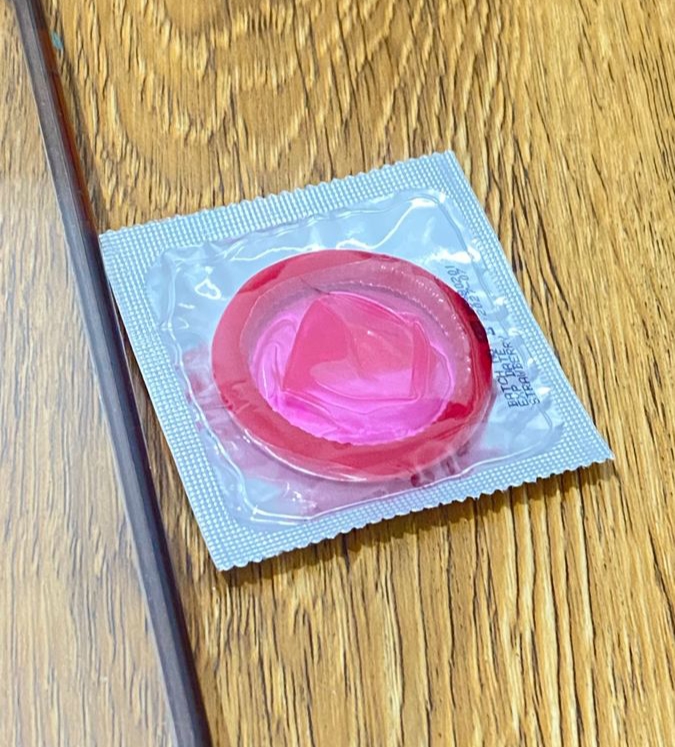
Photo – Stock
Breakage and slipping can happen, but they are not the most common reason condoms fail. Incorrect or inconsistent use is a bigger concern.
Check the expiry date and make sure the packet is intact before opening it. Take care when removing the condom from its packaging, as fingernails, jewellery or teeth can damage it.
Put the condom on before any genital contact. Squeeze the tip to remove air and leave room for semen, then roll it down to the base of the penis. After ejaculation, hold the base while withdrawing to reduce the chance of slipping.
Storage also matters. Condoms should be kept somewhere cool and dry. Prolonged exposure to heat or friction can damage the material.
Lubricant Can Make a Difference
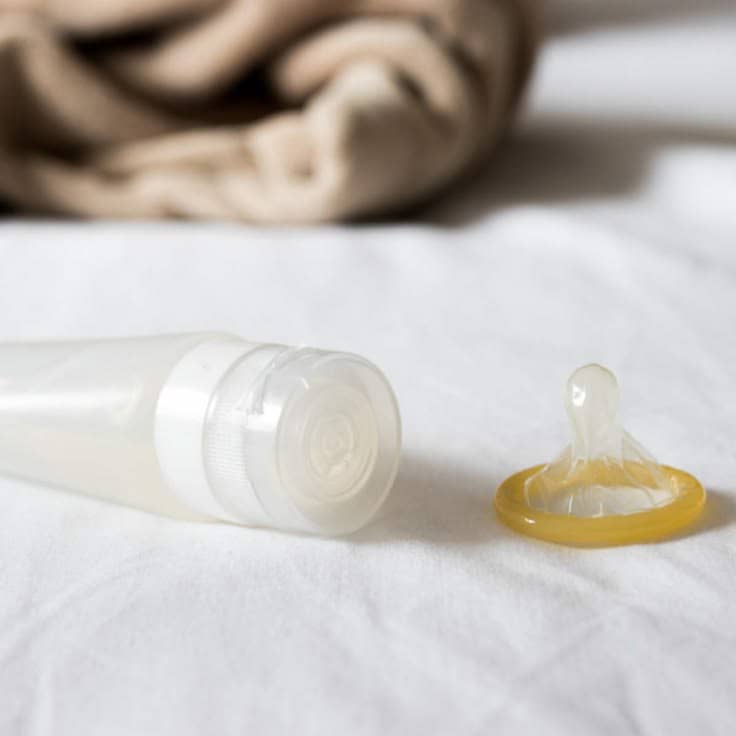
Photo – Stock
The wrong lubricant can weaken latex condoms and increase the risk of breakage. Oil-based products such as petroleum jelly and some body oils and lotions should not be used with latex condoms.
Water-based and silicone-based lubricants are generally suitable for use with latex. Adequate lubrication is particularly important during anal sex, where there may be less natural lubrication and more friction.
Using two condoms at the same time does not provide extra protection. The friction between them can increase the chance of tearing. A new condom should also be used for every act of vaginal, anal or oral sex.
How Much Protection Do Condoms Offer Against STIs?

Photo – Stock
Condoms reduce the risk of many STIs, including HIV, gonorrhoea and chlamydia, when used correctly and consistently. However, they do not cover all genital skin.
Infections such as herpes, HPV and syphilis can sometimes spread through skin-to-skin contact involving areas outside the condom. This means condoms can reduce the risk but cannot eliminate it completely.
Regular STI testing remains important, particularly for people with new or multiple sexual partners or when a partner’s STI status is unknown.
What If a Condom Breaks?

Photo – Stock
If a condom breaks or slips during sex, do not assume there is nothing you can do.
If pregnancy is possible, emergency contraception can be used within five days of unprotected sex, although it is more effective when used sooner. A healthcare professional or clinic can advise on the most appropriate option.
If there may have been exposure to HIV, post-exposure prophylaxis (PEP) should be considered urgently. It needs to be started as soon as possible and no later than 72 hours after exposure. A healthcare professional can assess whether PEP is appropriate.
The Bottom Line

Photo – Stock
Condoms are not perfect, but they remain a dependable way to reduce the risk of unintended pregnancy and many STIs. Their effectiveness depends heavily on using them correctly and every time.
Check the expiry date, use a suitable lubricant, put the condom on before genital contact, avoid using two condoms together and never reuse one. When used properly, condoms remain an important part of safer sex.


Relationship language keeps changing as people find new ways to describe how couples deal with love and commitment. One of the newer terms is tolyamory, which describes a situation that can look similar to polyamory but works differently.
Tolyamory Means Tolerating a Partner’s Outside Relationships

Photo: Getty Images
Tolyamory combines the words “tolerate” and “polyamory.” This is a term used in which a partner knows that his lover is cheating but tolerates it.
It does not mean the person approves the arrangement. They just continue in the relationship for reasons known to them.
It Differs From Polyamory

Photo:Getty Images
Tolyamory is not non-monogamy or polyamory. In polyamorous relationships, the people involved openly discuss their relationship desires. They agree to having multiple romantic relationships.
Tolyamory, on the other hand, is silence and unwillingness to confront a cheating partner. This difference in these concepts are consent and communication.
Read Also: Small Lies That Slowly Destroy Trust in Relationships
Dan Savage Coined the Term

Photo: Getty Images
Sex and relationship columnist and podcaster Dan Savage is credited with coming up with the term. He introduced it on his Savage Lovecast podcast in 2024 while discussing people who tolerate their partners having sexual encounters outside their relationships.
There is a debate about if tolyamory is a genuine relationship or just a new name for accepted cheating.
People Stay for Different Reasons

Photo: Getty Images
Someone might tolerate a partner’s infidelity because they want to protect their family or for financial security. There is also the social and cultural angle to accepting cheating without complaints.
For some couples, staying together despite an affair is easier than dealing with the consequences of separation. However, tolerating something does not mean the other person is comfortable with it.
Lack of Communication Can Create Problems

Photo: Getty Images
One of the concerns around tolyamory is the absence of clear communication. If one partner is unhappy but stays silent, emotional distress grows.
While there is no perfect way to measure healthy relationships, boundaries should be respected.
If one person wants monogamy while the other wants multiple partners, an honest conversation should take place.
Tolyamory is a situation in which one partner tolerates behaviour they don’t want. Understanding the term can help people distinguish between consensual non-monogamy, cheating and simply staying silent about a problem.

Sex may end with an orgasm, but research suggests that it offers more. There is evidence that shows that cuddling helps your relationship. Talking, holding hands or kissing can help tighten the bond. Here are some findings that show the benefits from staying close to your partner after sex.
Sexual Satisfaction
A 2014 study published in Archives of Sexual Behavior examined 335 people in romantic relationships. It found that spending time showing affection after sex was associated with greater sexual satisfaction. That higher sexual satisfaction was, the greater relationship satisfaction.
The researchers then followed 101 established couples through daily reports and a three-month follow-up. They found that couples who experienced longer and more satisfying periods of affection after sex also reported higher sexual and relationship satisfaction later.
Emotional Intimacy

Photo: Istock
Cuddling after intercourse allows time for lovers to remain close. That closeness creates a sense of emotional connection when couples hold each other.
Research involving 1,493 Americans found a connection between cuddling and emotional intimacy. 70% of respondents reported cuddling during their most recent sexual event, and cuddling was the only one of the behaviours studied that was associated with emotional intimacy.
Read Also: 6 Ways to Improve Your Sex Life
Affection May Help Couples Feel Better After Sex
Cuddling is an affectionate behaviour that researchers have linked to positive emotions. A 2017 study examined how affection benefits people from sexual activity.
The researchers found that affection helped explain the relationship between sex and positive emotions. In a study involving 106 couples with children, affection explains the link between sexual activity and increased positive feelings. They also found that the strength of this daily connection allows both partners’ enjoy their relationship.
It Shows That Sex is Above the Physical Act

Photo: Istock
Couples can benefit from the affectionate moments surrounding sex. Kissing and caressing can give partners another opportunity to bond together.
A separate study of midlife couples found that frequent kissing and caressing were associated with sexual satisfaction and relationship happiness. The study also found that a partner’s behaviour mattered when predicting an individual’s satisfaction.
Gives Couples Time to Connect
The minutes immediately after sex can be useful for simple forms of connection. A couple may talk about their day, laugh together and lie quietly in each other’s arms.
That does not mean every couple should follow the same routine. The research shows a relationship between post-sex affection and relationship. Although it does not state that only cuddling promotes a better relationship.
Overall, science suggests that what couples do after sex can matter. Cuddling may help extend feelings of closeness, support sexual satisfaction and keep a relationship strong.


Tyla Adds Second Pretoria Date to A*POP World Tour

Boity Thulo Wears Orange Stripes at Her First Luxurious Marble Circus Experience

Everything You Missed From The Luxurious Marble Circus’ Evophoria Weekend in Johannesburg




-

 Netflix3 months ago
6 Netflix Shows and Films You Definitely Need to Watch this Week
-

 Celebrity Bios3 months ago
How Gugu Gumede Became One of South Africa’s Most Recognisable TV Stars
-

 Wellness3 months ago
How to Build Muscle with the Right Meal Plan
-

 Events3 months ago
Events to Look Forward to in South Africa This July
-

 Miss South Africa3 months ago
Miss South Africa 2026 Reveals Its Semifinal Judging Panel
-

 TV3 months ago
Married at First Sight Mzansi Returns as Season 3 Premieres on Sunday
-

 Music3 months ago
Beyoncé Releases ‘Morning Dew (Donk)’ in Surprise Release
-

 Fragrance3 months ago
Message in a Bottle: A New Wave of Fragrances for Winter