
Lifestyle
Sip & Soothe: Touring South Africa’s Most Scenic Wine Farms

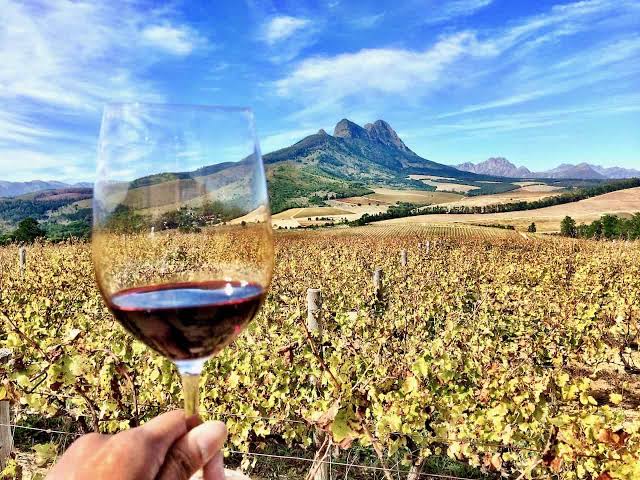
There’s a certain kind of peace you only find with a glass of wine in your hand and mountains in the distance. The kind of peace that makes your shoulders drop, your breath slow, and your heart feel like it finally found the right pace. That’s exactly what South Africa’s wine country offers — a beautiful excuse to press pause, soak in the view, and sip something wonderful.
Stellenbosch, Franschhoek and Paarl: The Holy Trinity of Wine Country
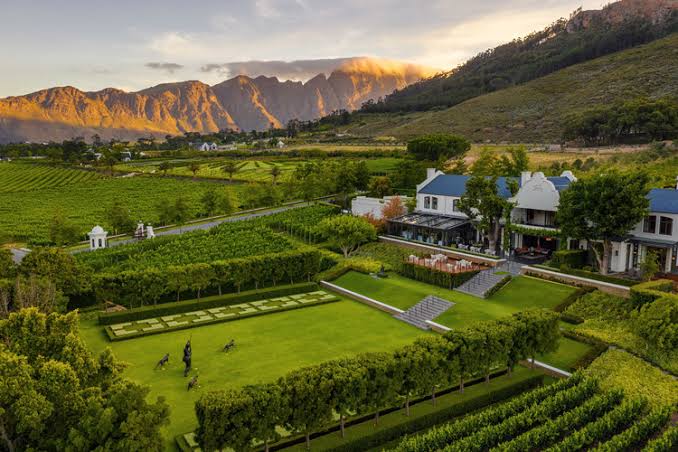
Let’s start with the obvious: South Africa knows how to do wine. And not in a flashy, tourist-trap kind of way. In the Winelands, it’s personal. You drive out of Cape Town and before you know it, the city fades behind you, replaced by rows of vineyards, craggy mountain peaks, and farm signs that practically beg you to stop in.
Stellenbosch is the most famous of the lot — charming and full of history, with oak-lined streets and a laid-back buzz. Franschhoek is smaller but feels like it was plucked out of a French postcard (with better weather, honestly). Paarl is quieter, a little under the radar, but full of character and generosity. All three are worth your time — and your appetite.
Wine That Tells a Story
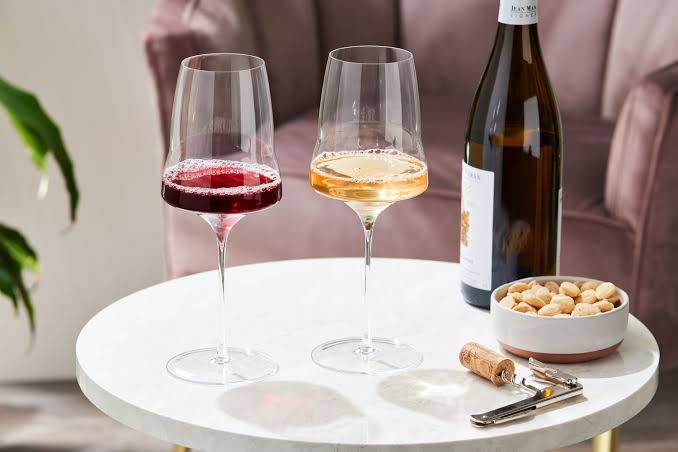
At most estates, you’re not just handed a menu and pointed toward a bar. More often than not, you’re welcomed like a guest. You might meet the winemaker or the owner, hear about how the grapes grew that season, or find out the label was designed by a cousin’s daughter.
It’s this personal touch that makes the wine taste even better. Whether it’s a bold Shiraz, a crisp Sauvignon Blanc, or a lesser-known local varietal that surprises you in the best way — you’re not just tasting wine. You’re tasting someone’s hard work, their pride, and maybe even a little bit of their beautiful mess.
Not Just About the Wine
Of course, it doesn’t hurt that the views are something out of a storybook. At Delaire Graff, you get sweeping valley scenes framed by sculpture and mountain light. At Babylonstoren, there’s a sprawling garden where you can lose an entire afternoon sampling sun-warmed fruit, brushing your fingers across rosemary, and letting your mind wander. Then there’s Creation Wines in the Hemel-en-Aarde Valley — which literally means “Heaven and Earth”—not an exaggeration—where tastings come with perfectly paired small plates that might make you forget about lunch altogether.
Some farms even offer picnics. Picture this: a blanket under the trees, a basket full of warm bread, ripe cheese, homemade jam, and a chilled bottle of something white. Birds chirping. No notifications. Just quiet and comfort.
Come for the Wine, Stay for Everything Else
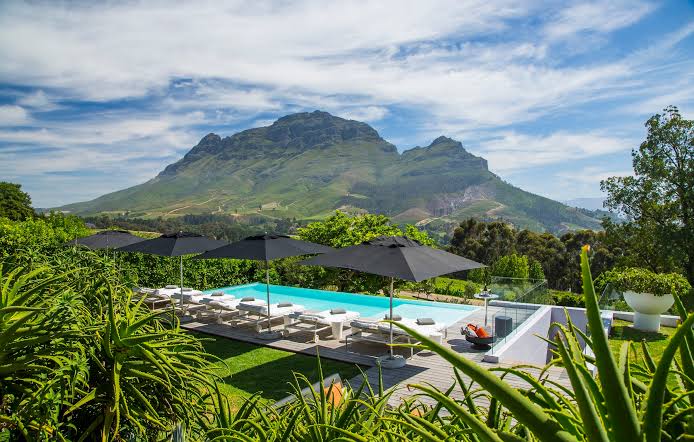
A lot of people come for a quick tasting and end up canceling their next three plans. Why? Because many of these places have guest rooms, restaurants, and spas tucked away on the estate. You can wake up in a vineyard cottage, take a slow walk through the vines, then sit down to a long lunch that quietly turns into dinner.
It’s not a rushed kind of experience. It’s more of a “do we really have to go back?” kind of feeling.
Final Thoughts (and a Last Sip)
Touring South Africa’s vineyards isn’t just about trying different wines — it’s about how the whole experience makes you feel. It’s about slowing down, having real conversations, and soaking up everything that makes the moment memorable: the scenery, the stories, the laughter that gets a little louder with each glass.
So if you’re ever in South Africa, make time for the Winelands. Trust me, you’ll leave with more than just a bottle or two — you’ll carry the calm with you long after the wine runs out.











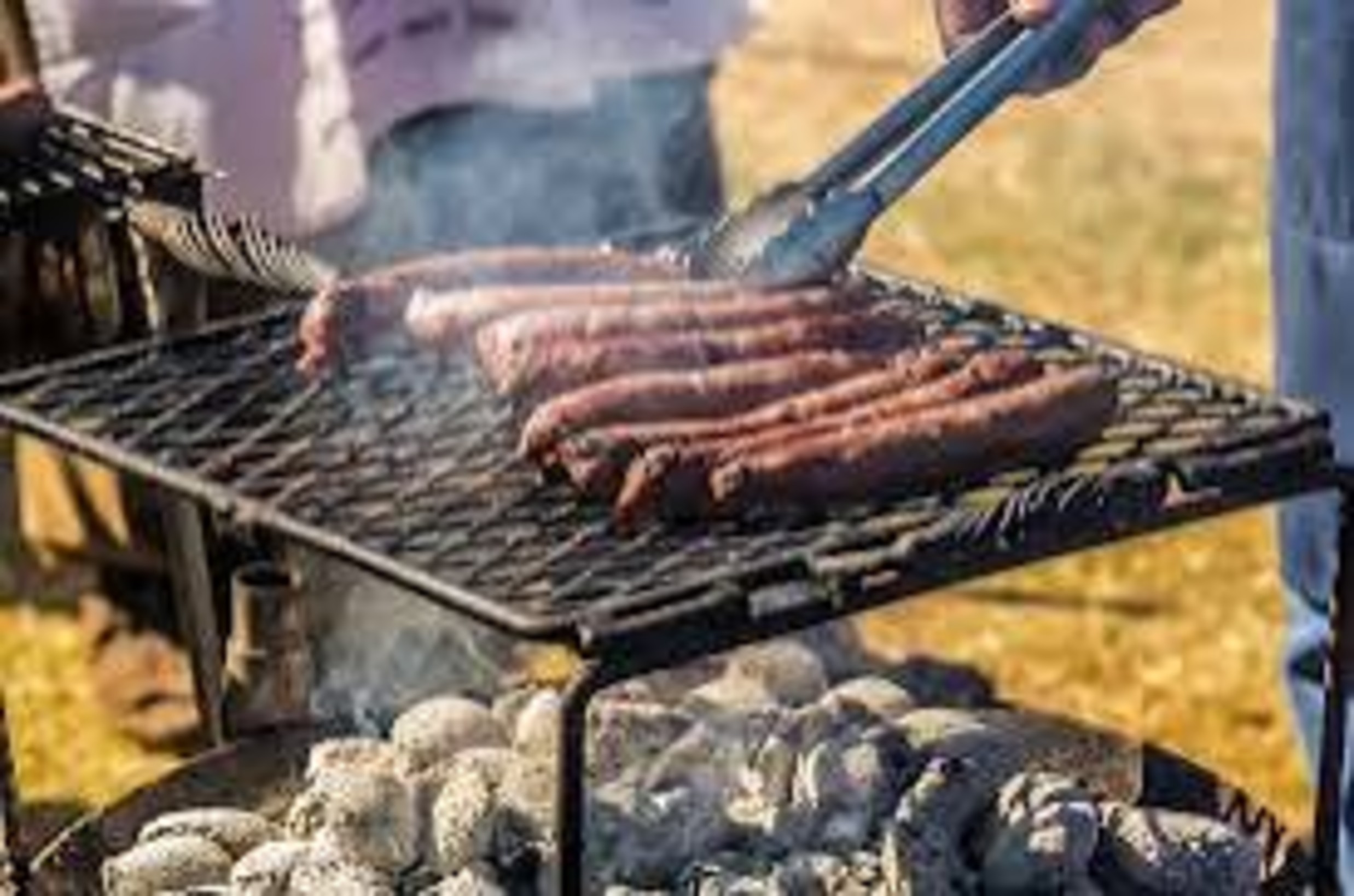
South Africa will attempt to win a Guinness World Records title for the most people braaiing at the same time. The World’s Biggest Braai is scheduled for Heritage Day on 24 September 2026 at Loftus Versfeld in Pretoria.
The event is organised by Big Save in partnership with 5FM. Big Save head of marketing Dylan Jardim said the SA attempt was beaten last year by Japan.
Because not all the people in SA were at their stations, Guinness considered that the braais were not simultaneous.
“It’s frustrating, because this is not how South Africans do a braai,”
“The whole purpose of a braai is socialising, so we did it the way we do it, but that’s not how they wanted it. We need to do things differently this year if we want to break the record.”
Everyone is expected to be there at 10.00am.
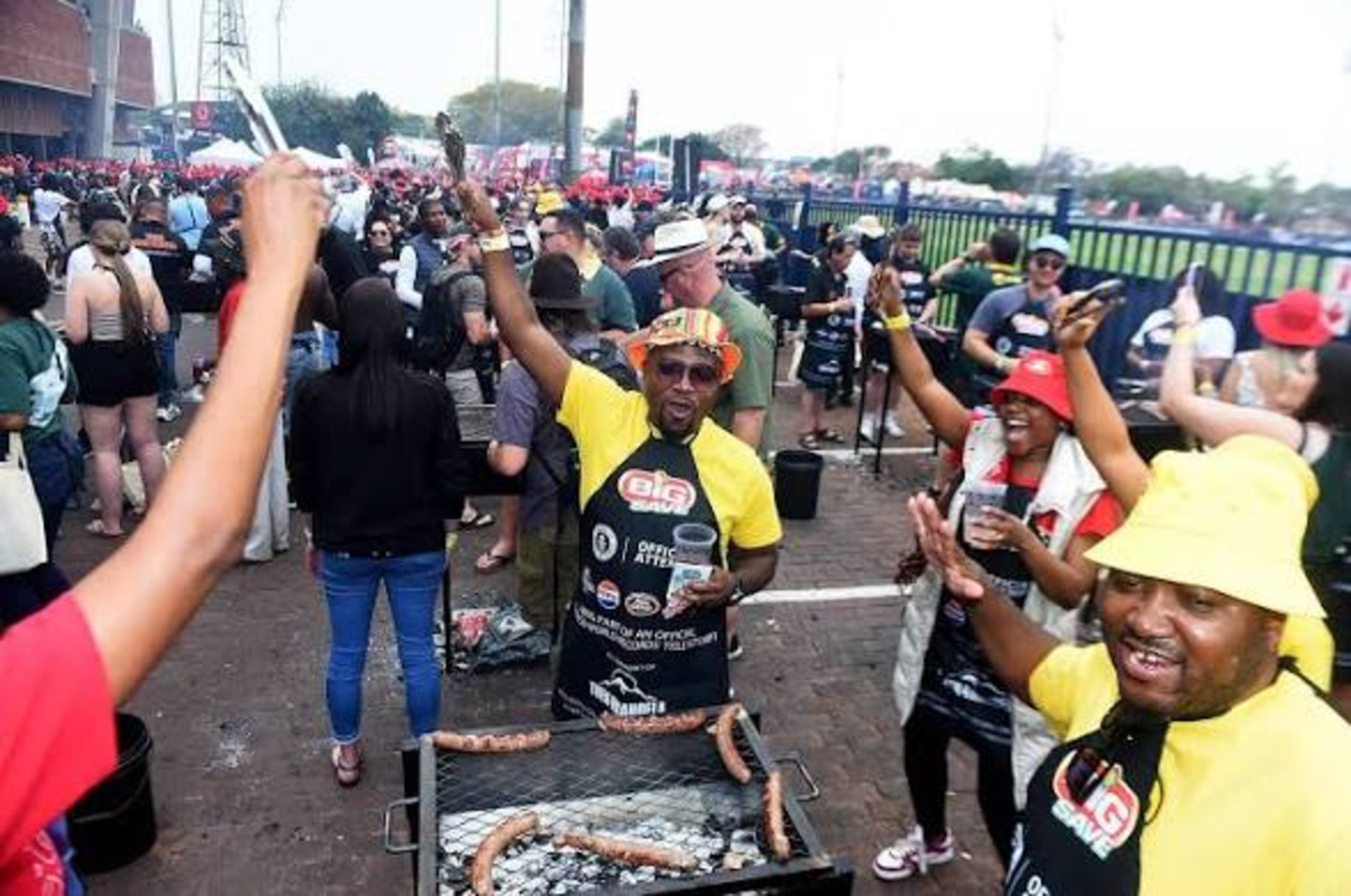
Photo: Jacaranda FM
Guests will remain at their assigned stations for some period. There will be tighter stewarding, wristband controls and station arrangements.
Read Also: How to Use Honey to Soothe Dry, Chapped Lips
The event will bring together people from different parts of the country. The braai is linked with South African social life. Guinness World Records documented South Africa’s connection with the tradition.
Those expected at the event are Shekhinah, Mafikizolo, Matthew Mole, Lady Zamar, Zaan Sonnekus and Ben Rodrigues.
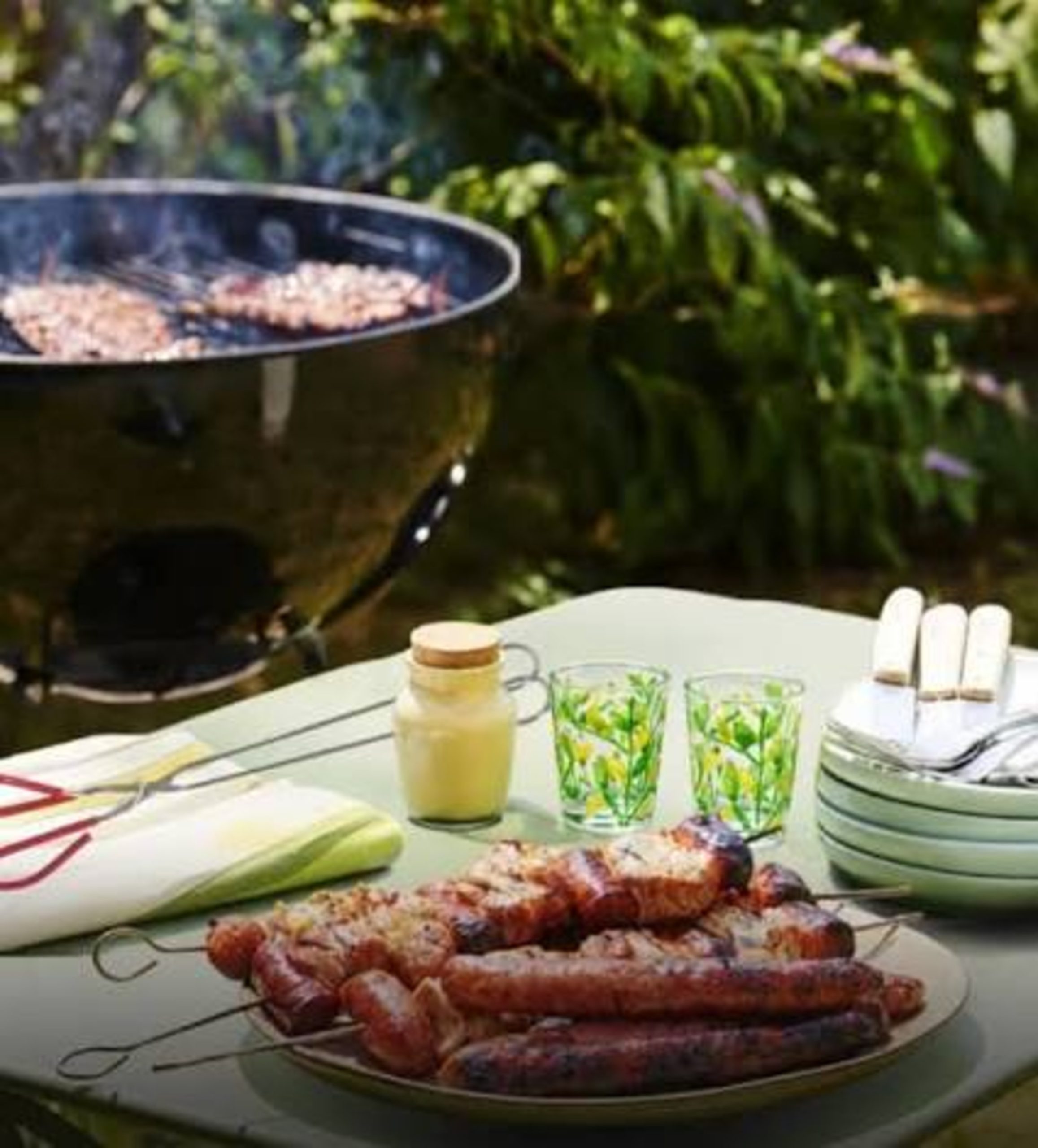
Photo: Jacaranda FM
Tickets are priced at R255, according to published event information. Participants will receive a bread roll or pap, tongs, and a branded apron Guinness World Records has a separate South African barbecue record.
The event offers another opportunity to turn last year’s unsuccessful attempt into an officially recognised achievement. The main challenge will be keeping thousands of participants at their assigned braai stations while the record awaits verification.

Tamar Braxton will headline the Ndlala Grandeur Season 1 in Pretoria, South Africa. She will perform on the opening night of the four-night event. This event is scheduled at Ndlala Arena from December 16 to 19, 2026.
Braxton was a member of The Braxtons, the R&B group formed with her sisters. She later pursued a solo career and released her self titled debut album, Tamar, in 2000.
Her breakthrough came with her second album, Love and War, released in 2013. The album reached number two on the Billboard 200 and topped the US Top R&B/Hip Hop Albums chart. It also earned Braxton three Grammy nominations.

Photo: Instagram/@tonibraxton
The album features songs like “Love and War,” “The One” and “All the Way Home”. The title track was No. 1 on Billboard’s Adult R&B Songs chart for nine weeks.
Braxton has also remained active outside music. She and her family were on the reality series Braxton Family Values and later joined the daytime talk show The Real as a co-host. In 2019, she won the second season of Celebrity Big Brother in the United States.
Read Also: Bonang Matheba to Be Honoured at Basadi in Music Awards
The first Ndlala Grandeur in 2025 featured American R&B singers Joe Donell Jones alongside South African television personality Somizi.
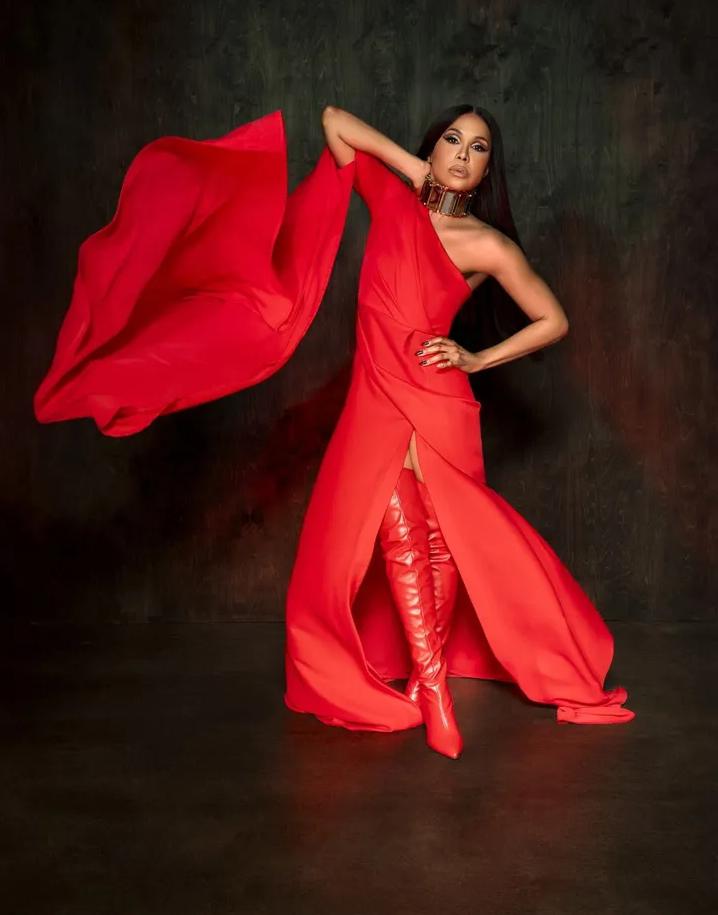
Photo: Instagram/@tonibraxton
Actor Ricco Ross is also part of the Season 1 programme. The Beauty in Black actor will co-host with Braxton. This is his first visit to South Africa.
Ndlala Arena CEO Thami Ndlala described the event :
“Ndlala Grandeur Season 1 promises to be one of the best events that will remain in people’s memories for a lifetime, and it is not to be missed,”
“We have built this season to be the biggest celebration yet of the artistry, culture, and unforgettable nights that Ndlala Grandeur is known for”.
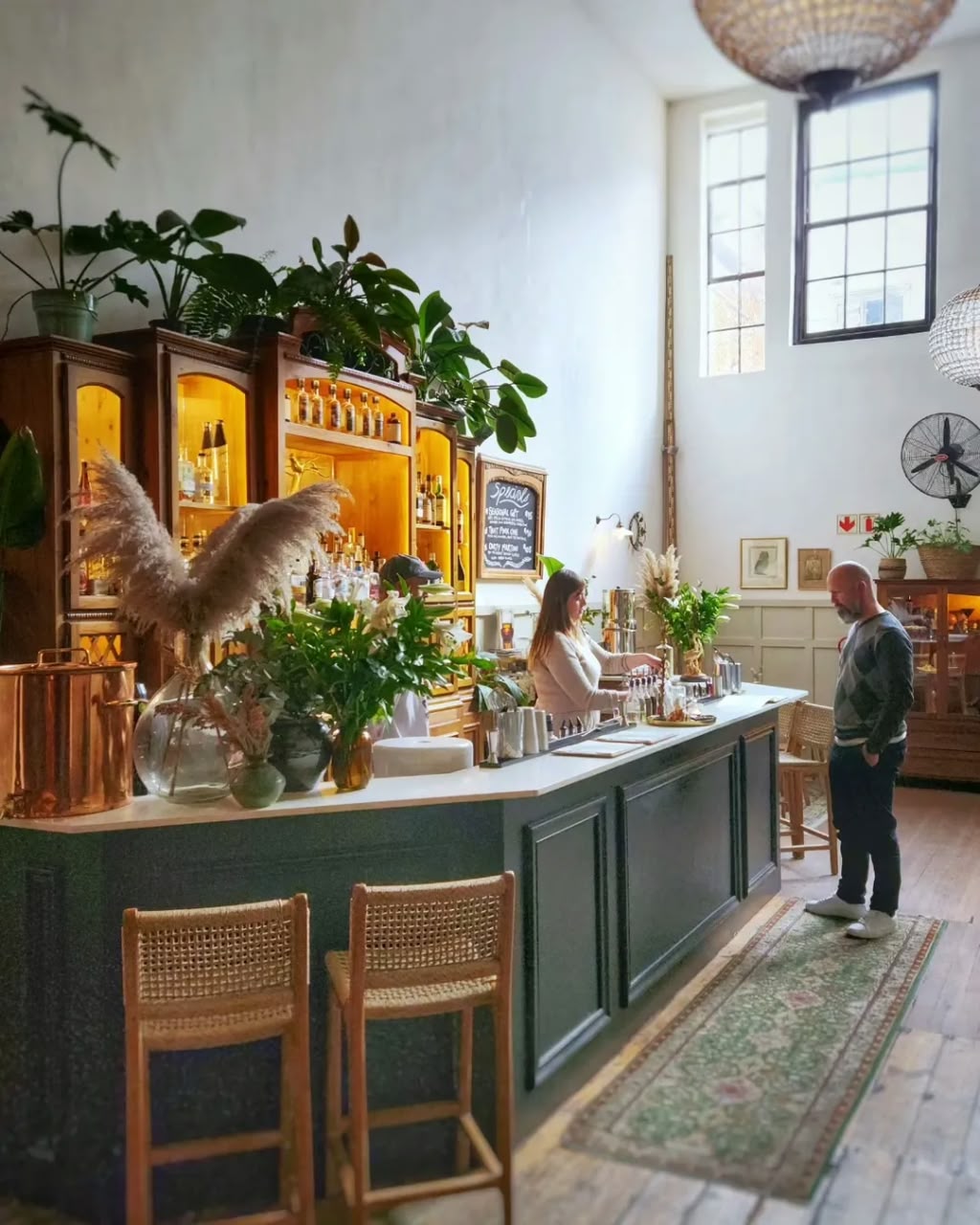
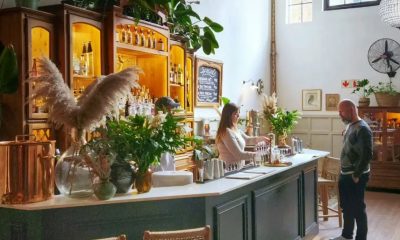
A quiet glass of wine after work, a well-made cocktail with friends, or a relaxed drink overlooking the city can all make a weeknight in Cape Town worth stepping out for. These six bars offer different ways to spend an evening, from intimate spots suited to conversation to lively venues for cocktails and casual outings.
The Gin Bar
Hidden behind Honest Chocolate Café on Wale Street. The courtyard provides a setting for an evening drink. The Gin Bar occupies a heritage building that was once a mortuary. Its menu features more than 100 gins, including over 80 made in South Africa, alongside signature cocktails such as The Heart, The Soul and The Ambition.
ANTHM
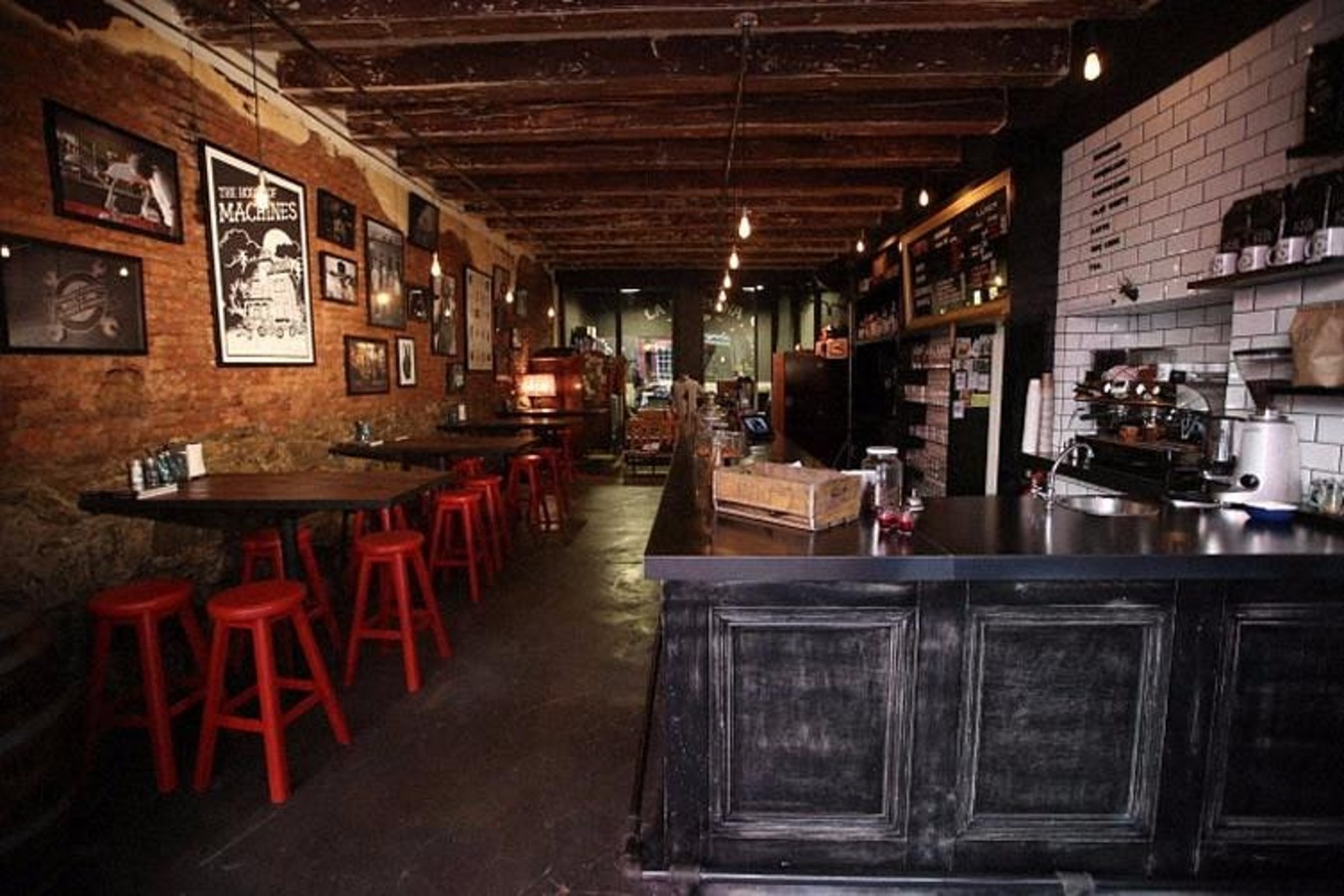
Photo: Getty Images
ANTHM interior combines Japanese elements with dark timber, low lighting and Tokyo-made décor. Visitors can enjoy their drinks in a serene environment. For jazz and Amapiano lovers, this is where to be.
The House of Machines
The House of Machines functions as a coffee shop, a garage and a boutique. Located at the centre of the city, the bar is a lively social hub that hosts live gigs and events. For drinks, there are local beers and cocktails such as the Sidecar and Smoked Old Fashioned.
Read Also: 6 Beautiful Restaurants in Cape Town to Visit This Easter
Cause Effect Cocktail Kitchen
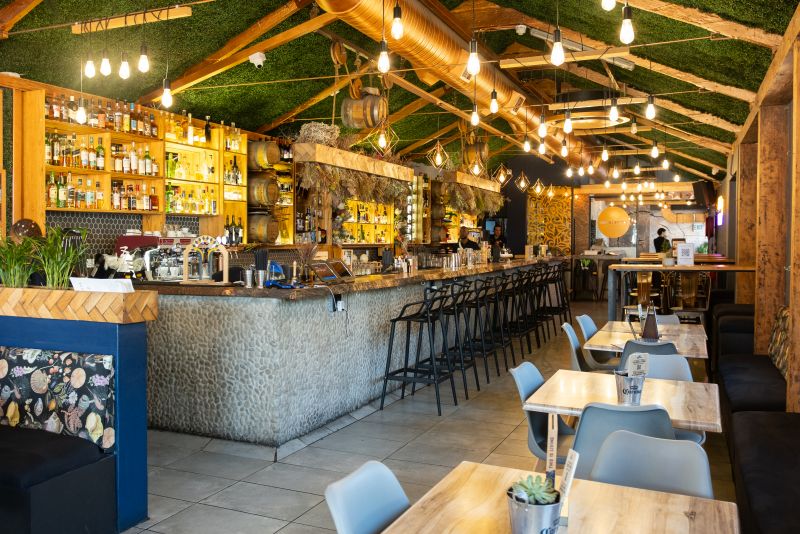
Photo: Getty Images
Cause Effect Cocktail Kitchen is a spot to hang out in the city. It boasts quality drinks with a food menu that includes tapas and mains. There is also an outdoor courtyard where guests can enjoy their drinks.
Chinchilla
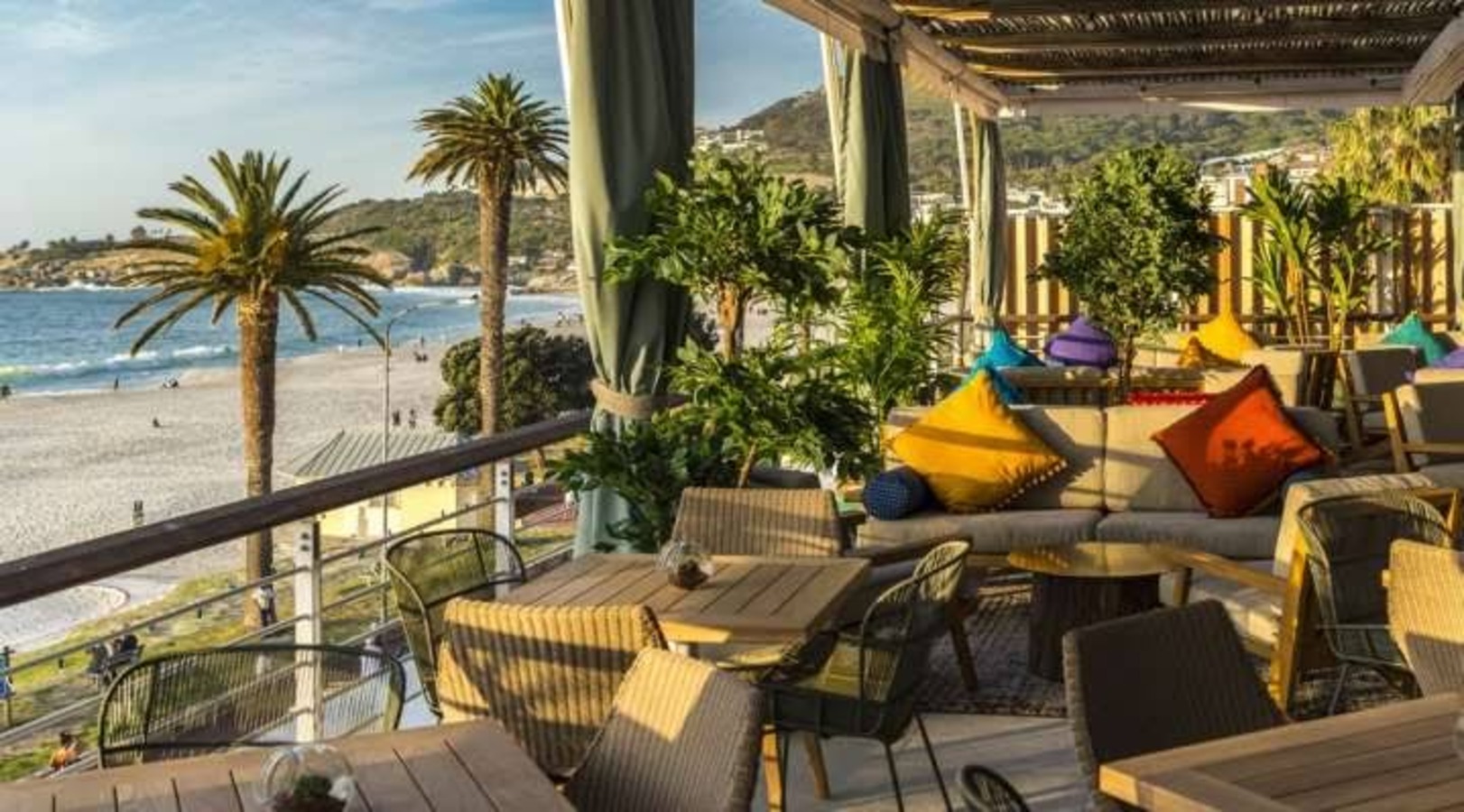
Photo: Getty Images
Chinchilla brings a seaside feel to a weeknight drink. You can find it at Camps Bay, and it has an ocean-side view. Those who enjoy nightlife can do so while watching the ocean.
Talking To Strangers

Photo: Getty Images
Talking To Strangers on Loop Street is an option for cocktail fans. The bar opens at 6pm and stays open till 2 a.m. The venue has WiFi and parking space.
Cape Town gives visitors many choices for a drink. If you are looking for a luxury experience, The Gin Bar stands out. ANTHM and Cause Effect are suited to cocktails, while The House of Machines offers a casual atmosphere. Chinchilla is the choice for an ocean-facing evening, and Talking To Strangers works well for dinners.


South Africa Targets Guinness World Record for Biggest Braai

Joy of Jazz Festival Kicks Off With Inaugural “Free the Jazz” Concert

Siyanda Bani Steps Out in Head-to-Toe Neutrals for Fenty Event




-
 Food3 months ago
Traditional South African Foods Every Visitor Should Try
-

 Netflix3 months ago
‘The Polygamist’: South Africans Weigh In on Netflix’s New Series
-
 Lifestyle3 months ago
Four South African Beaches Earn Spots on Global Best Beaches List
-

 Netflix3 months ago
6 Netflix Shows and Films You Definitely Need to Watch this Week
-

 Lifestyle3 months ago
The Ultimate Father’s Day Gift Guide for Every Type of Dad
-

 Movies3 months ago
Tyla Joins the Cast of “Toy Story 5”
-

 Celebrity Bios3 months ago
How Gugu Gumede Became One of South Africa’s Most Recognisable TV Stars
-

 Music3 months ago
Tyla Drops ‘Is It Love’ Ahead of Upcoming Projects