
Beauty
Bell Pepper for Skincare, Myth or Miracle?


Bell pepper has been in several skincare conversations due to its health benefits. Some people believe it can brighten skin and slow aging. But is this true, or is it just another skincare myth?
Bell peppers are rich in nutrients that are important for skin health. Nutrition research shows that bell peppers contain vitamin C and other antioxidants. These compounds help protect the body from stress.
Studies show bell peppers contain large amounts of antioxidants like polyphenols and flavonoids. They are good in removing free radicals in the body. Because of this, nutrients found in bell peppers support healthier looking skin.

Bell Pepper: Getty images
Another benefit of bell pepper is its anti-inflammatory properties. Laboratory research on bell pepper extracts suggests it has compounds that stops irritation and acne. This means foods with these compounds contribute to overall skin wellness.
Read Also: Does Creatine Work for Weight Loss?
Medical research explains that beta carotene supports cell growth. They are nutrients that help maintain skin renewal processes, which makes the skin brighter. Carotenoids found in peppers provide little protection against environmental damage.
However, this is where the “miracle” claim lacks substance. Most scientific evidence is on the nutritional benefits of eating bell peppers, not applying them to the skin. Dermatology research strongly supports vitamin C in skincare, but in formulated serums not raw food benefit. Raw bell pepper applied to the face may irritate sensitive skin in some people. Medical sources also note that capsicum extracts irritate eyes and skin when used wrongly.

Bell Pepper:Getty Images
There is also no strong clinical evidence proving that bell pepper masks can remove dark spots and reverse aging. Many online claims are based on personal experiences not scientifically.
So, is bell pepper skincare a myth or does it work? The answer is that bell peppers benefit skin health through nutrition. Eating them regularly contributes to overall skin wellness thanks to vitamins and anti-inflammatory compounds but it is not a skincare product.










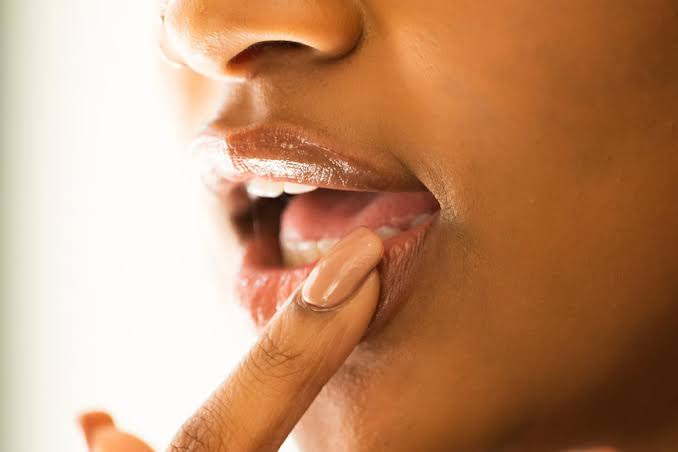
Dry, chapped lips can become uncomfortable quickly, particularly when the skin starts to peel or crack. While a good lip balm is usually the simplest option, honey is another ingredient sometimes used to soothe dry lips.
Honey has humectant properties, which means it can help draw and retain moisture. It also has antimicrobial and anti-inflammatory properties that have been studied in wound care. These properties are part of the reason honey appears in skincare remedies, although evidence specifically supporting ordinary household honey as a treatment for chapped lips is limited.
How to apply honey to chapped lips
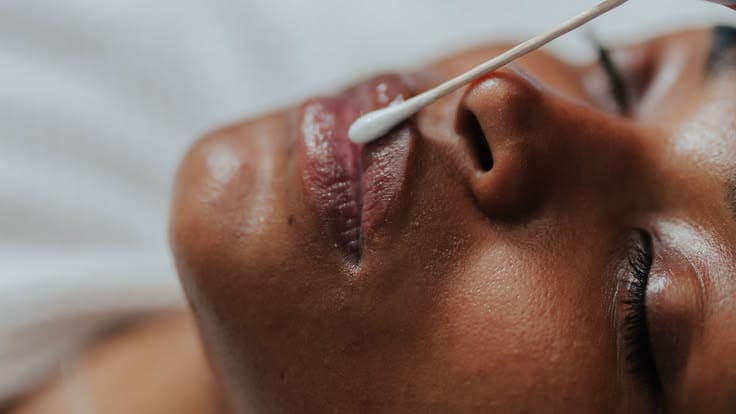
Photo: Pinterest
If you want to try honey, start with clean lips. Rinse gently with lukewarm water and pat them dry. Avoid scrubbing or removing peeling skin, as this can cause further irritation.
Apply a small amount of plain, food-grade honey to your lips using a clean fingertip. Some beauty guides recommend leaving it on for a few minutes before gently rinsing it off with lukewarm water.
There is no need to apply a thick layer. If your lips are very dry, follow with a plain, fragrance-free lip ointment to help reduce moisture loss.
Honey is not a replacement for lip ointment
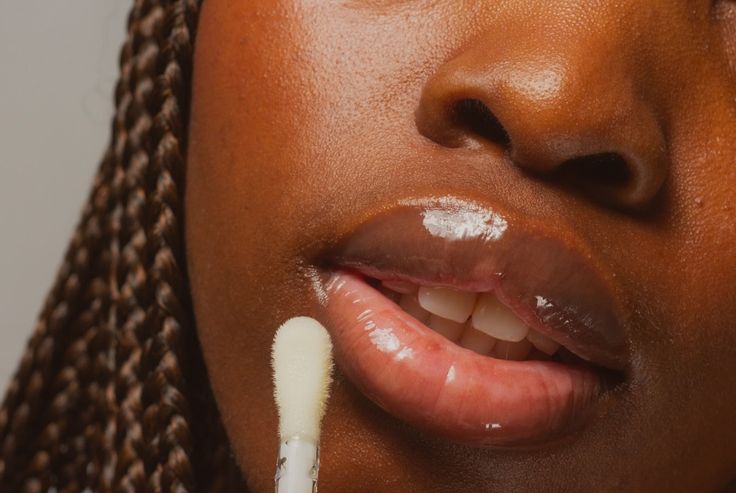
Photo: Pinterest
Honey may provide temporary soothing, but it should not replace basic lip care. Dermatologists commonly recommend bland, non-irritating products containing ingredients such as petrolatum, mineral oil, ceramides, dimethicone or shea butter for dry, chapped lips.
Petrolatum, in particular, forms a protective layer that helps prevent water from escaping from the skin. This can be especially useful when lips are cracked or repeatedly becoming dry.
During the day, remember to protect your lips from the sun. Choose a lip product with SPF 30 or higher when spending time outdoors, as sun exposure can contribute to dry and damaged lips.
Avoid habits that prolong chapping
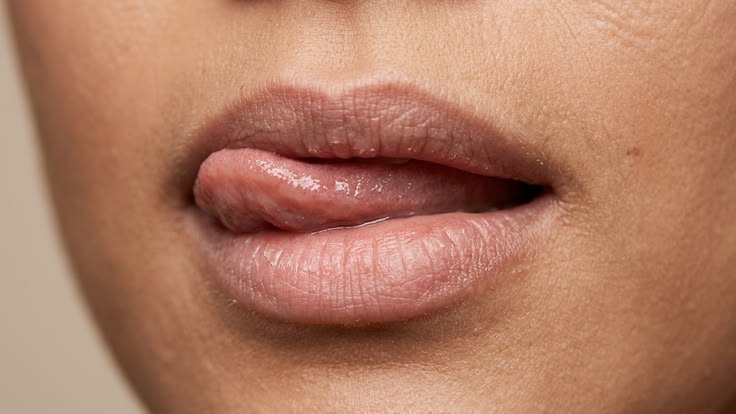
Photo: Pinterest
Lip licking can make dryness worse. Saliva evaporates quickly, and repeatedly wetting the lips can contribute to further irritation. Picking or biting peeling skin can also delay healing.
It is also worth checking the ingredients in your lip products. Menthol, camphor, eucalyptus, fragrance and some flavourings may irritate already-chapped lips. If a product causes burning, stinging or tingling, stop using it instead of assuming the sensation means it is working.
When to see a dermatologist
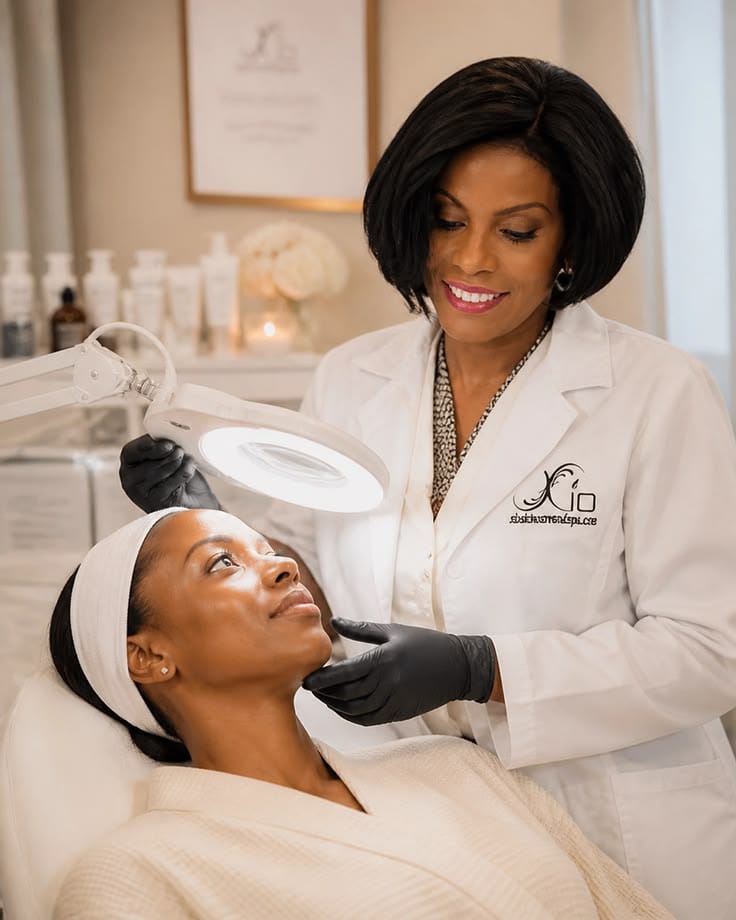
Photo: Pinterest
Most cases of dry lips can be managed with simple care, but persistent or severe cracking deserves attention. If your lips do not improve with basic care, or remain repeatedly dry, painful or cracked, speak to a dermatologist. Persistent lip problems can sometimes be associated with irritation, allergic reactions, infection or other skin conditions.
Honey can be tried as an occasional soothing ingredient, but the basics remain more important: avoid irritating the lips, keep them moisturised and use a protective ointment when they are dry or cracked.
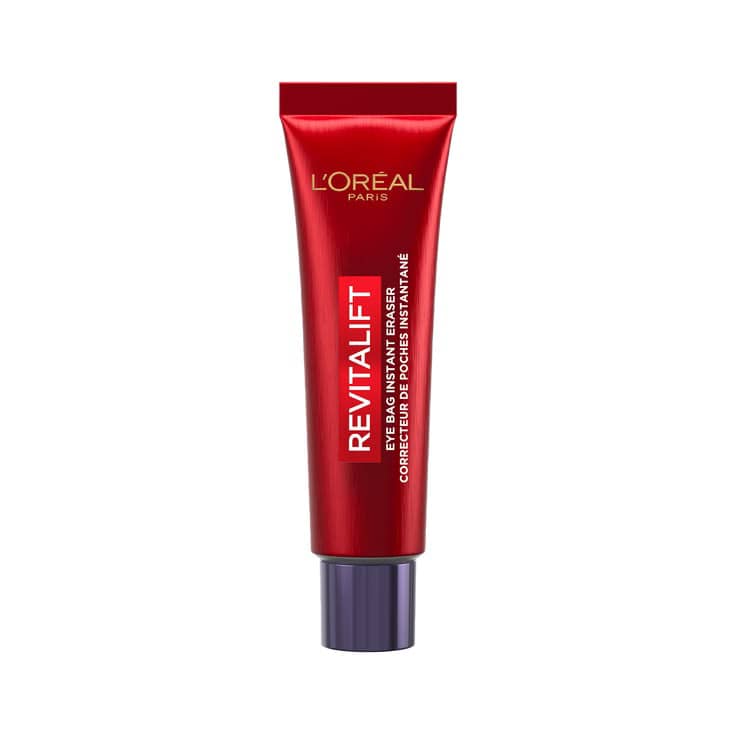
Dark circles can have several causes, including genetics, pigmentation, visible blood vessels, dehydration, allergies and the natural structure of the area beneath the eyes. This means an eye cream that works well for one person may not produce the same result for someone else.
The ingredients in an eye cream matter. Caffeine can temporarily help reduce the appearance of puffiness, while niacinamide and vitamin C are commonly used in products targeting uneven skin tone. Hyaluronic acid and ceramides can help with dryness, while retinol is often included in products aimed at fine lines and other signs of ageing.
If you are looking for an eye product available in South Africa, these five are worth considering.
CeraVe Eye Repair Cream
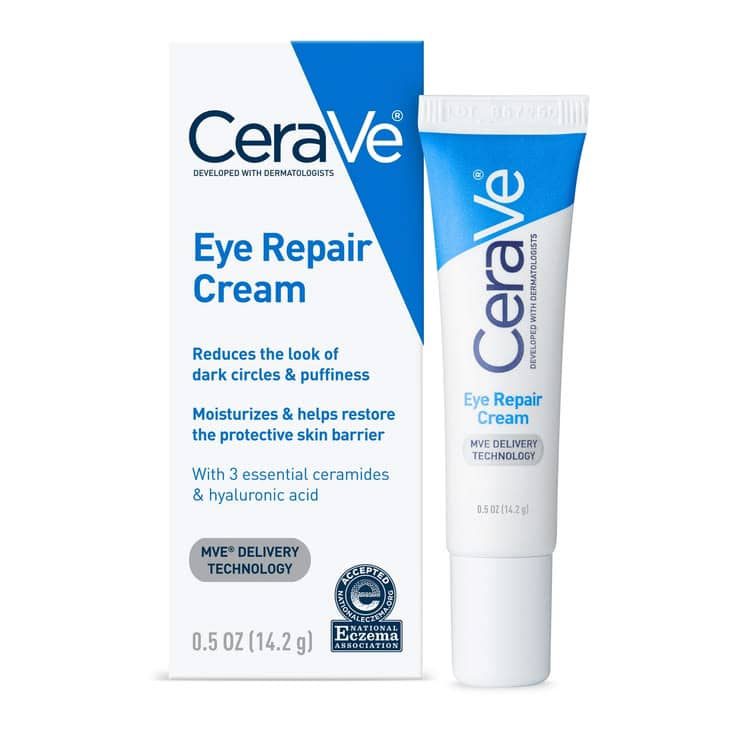
Photo: Pinterest
CeraVe Eye Repair Cream is formulated with ceramides, hyaluronic acid and niacinamide. It is designed to hydrate the delicate skin around the eyes while supporting the skin barrier.
The formula is particularly worth considering if dryness is making the under-eye area look dull or making fine lines more noticeable.
African Extracts Rooibos Advantage Rejuvenating Eye Cream
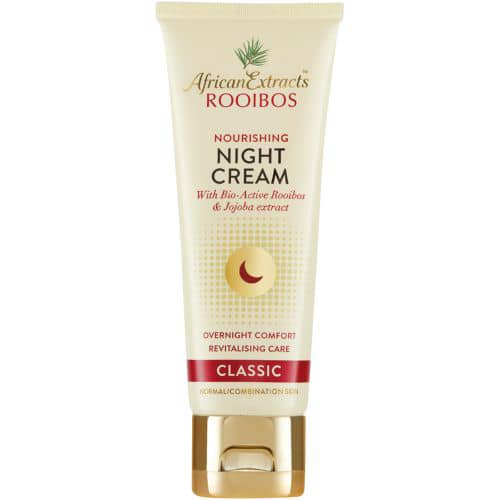
Photo: Pinterest
African Extracts offers a South African skincare option with its Rooibos Advantage Rejuvenating Eye Cream. The formula contains rooibos extract, sea fennel peptides, buckwheat seed extract and allantoin.
The product is designed for concerns including dark circles, puffiness, fine lines and dehydration, making it an option for several common under-eye concerns.
Vichy Minéral 89 Eye Fortifier
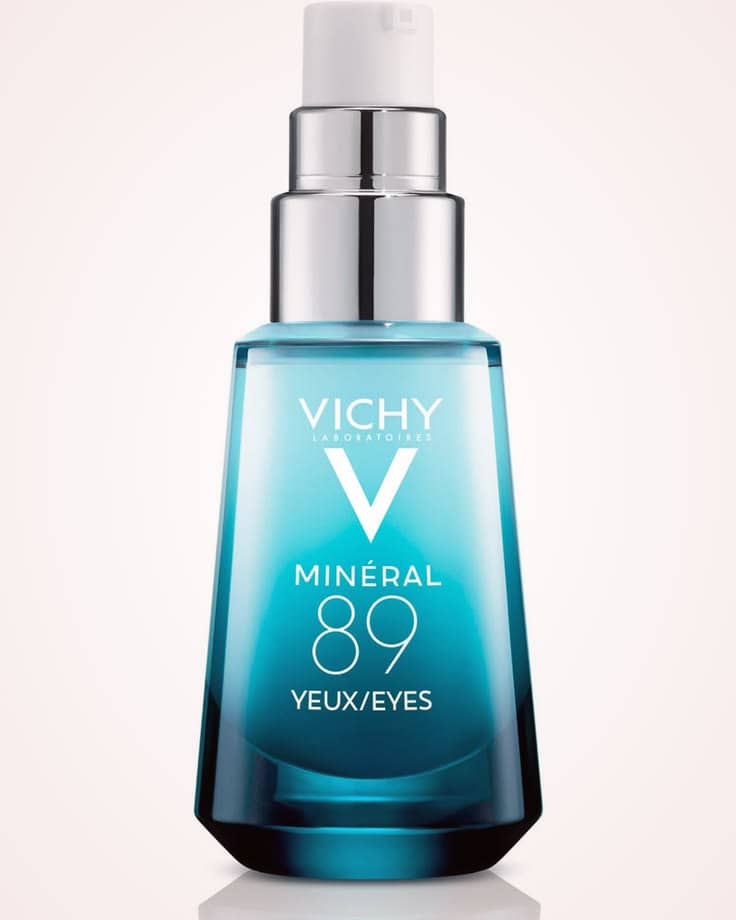
Photo: Pinterest
For those who prefer a lightweight formula, Vichy’s Minéral 89 Eye Fortifier is a gel designed to hydrate and refresh the eye area. It contains hyaluronic acid and caffeine, along with Vichy’s mineralising thermal water.
Hyaluronic acid helps the skin retain moisture, while caffeine is commonly used in eye products aimed at the appearance of puffiness.
Olay Ultimate Eye Cream
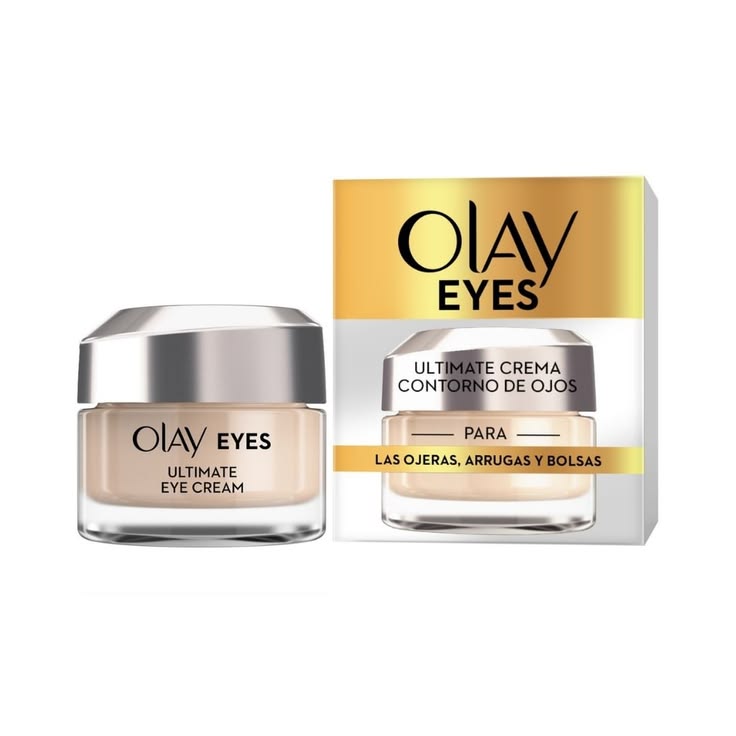
Photo: Pinterest
Olay Ultimate Eye Cream combines skincare ingredients with colour-correcting pigments. Its formula includes niacinamide and a peptide, while mineral pigments help reduce the appearance of dark circles immediately after application.
This makes it useful if you want an eye cream that provides both skincare benefits and a cosmetic brightening effect.
Neutrogena Retinol Boost Eye Cream
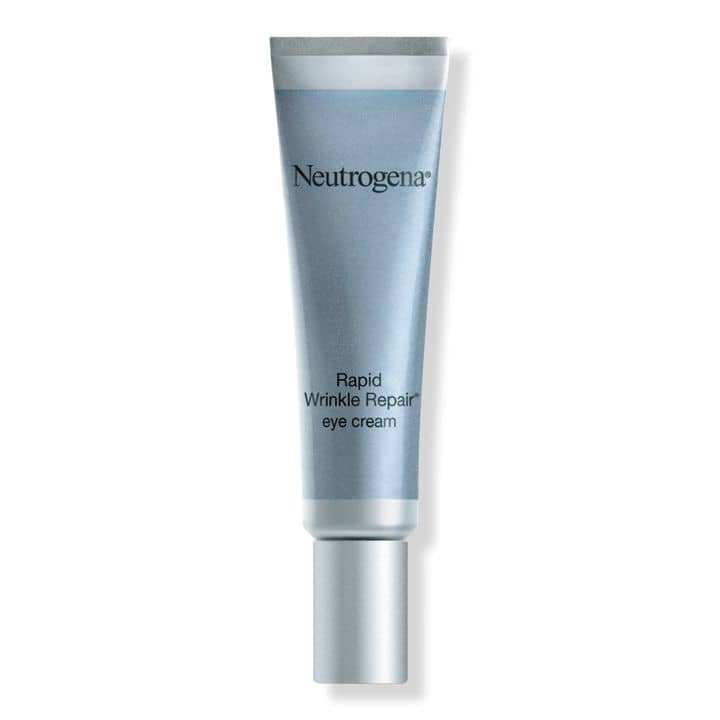
Photo: Pinterest
If fine lines are your main concern, Neutrogena Retinol Boost Eye Cream offers a retinol-based option. Retinol is a form of vitamin A commonly used in anti-ageing skincare because it can support collagen production and increase skin-cell turnover.
The eye area is sensitive, so retinol products should be introduced gradually and used according to the instructions on the packaging.
Choose according to your concern
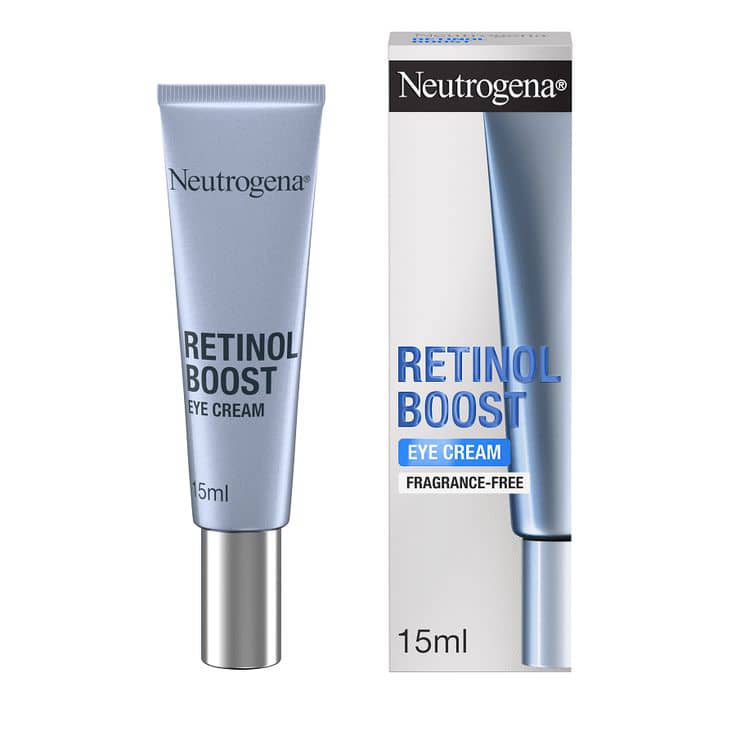
Photo: Pinterest
There is no single eye cream that can remove every type of dark circle. If pigmentation is the main issue, a formula containing brightening ingredients may be more appropriate. Caffeine can be useful when puffiness is the concern, while moisturising ingredients can help when dryness makes the area look dull.
It is also worth remembering that genetics, facial structure and hollowness beneath the eyes can contribute to dark circles. In these cases, an eye cream may improve the appearance of the skin but cannot completely change the underlying cause.
Whichever product you choose, apply only a small amount around the eye area and avoid getting the product into the eyes. If you experience persistent irritation, stop using it and consider speaking to a dermatologist.
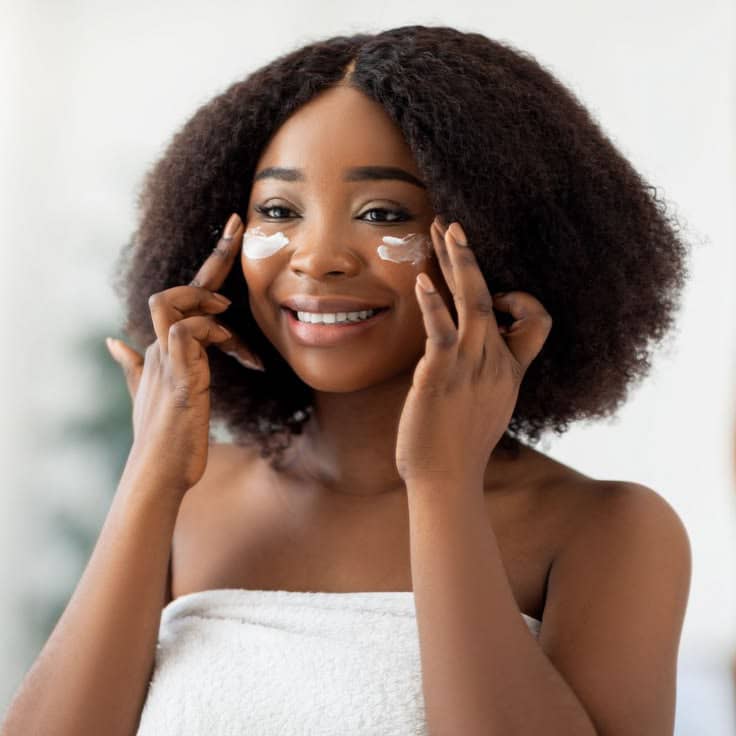
Healthy-looking skin does not require a bathroom shelf full of products. A consistent routine that cleanses, moisturises, addresses specific concerns and protects against the sun can provide a stronger foundation for the complexion. The key is choosing products that suit your skin and using them consistently.
Cleanse without overdoing it
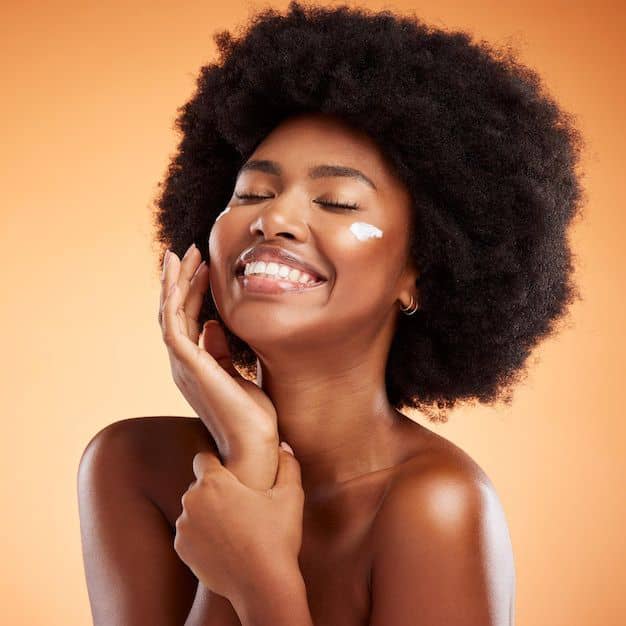
Photo – Pinterest
Cleansing removes sweat, excess oil, sunscreen and makeup from the skin. A suitable cleanser should do this without leaving the face feeling tight or uncomfortable.
A simple routine is often easier to maintain than one built around multiple products. Start with a cleanser suited to your skin type, particularly if your skin is sensitive or prone to dryness.
At night, cleanse your skin thoroughly if you have worn makeup or sunscreen. In the morning, your routine can depend on how your skin feels. If it is dry or sensitive, a gentle cleanser may be preferable to a stronger formula.
Keep your skin moisturised
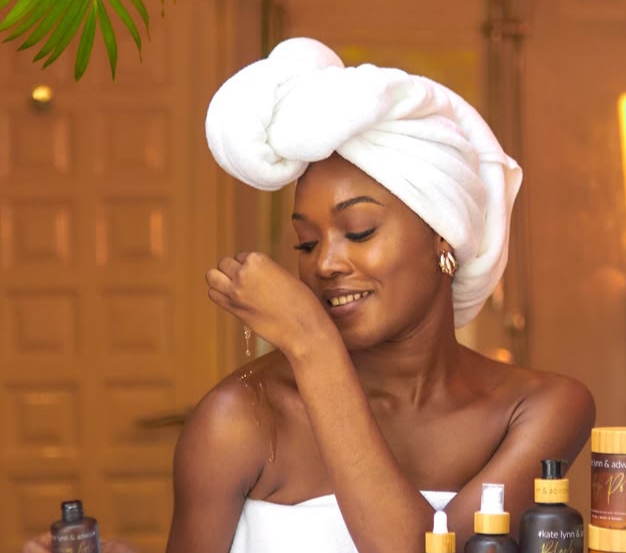
Photo – Pinterest
Hydration is important for all skin types, including oily skin. When the skin barrier is disrupted, it can become dry, flaky, tight or more sensitive.
Moisturisers containing ingredients such as glycerin, ceramides, hyaluronic acid or squalane can help support the skin’s moisture levels. The right texture also matters. Oily or acne-prone skin may be more comfortable with a lightweight lotion or gel, while dry skin may benefit from a richer cream.
Moisturising is particularly important when using active ingredients that can cause dryness or irritation. Supporting the skin barrier can make a treatment routine easier to tolerate.
Choose a treatment for your main concern
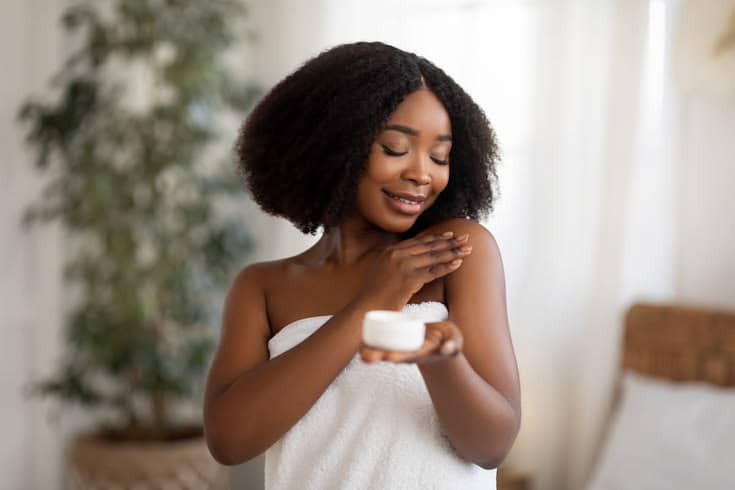
Photo – Pinterest
This is where your routine should reflect what you want to improve.
For uneven pigmentation, ingredients such as vitamin C can be considered. Salicylic acid is commonly used for acne and clogged pores, while retinoids can help with acne, uneven texture and signs of skin ageing.
Avoid introducing several strong active ingredients at the same time. Doing so can increase the risk of irritation and make it difficult to identify which product is causing a reaction. Introduce treatments gradually and give your skin time to adjust.
Most importantly, choose a treatment based on your skin concern instead of adding products simply because they are popular.
Wear sunscreen every morning
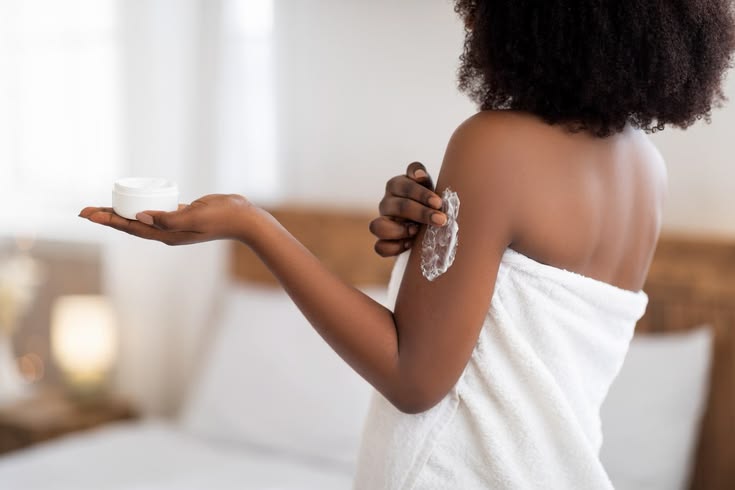
Photo – Pinterest
Sun protection should be part of your morning routine, even when the weather is overcast. UV exposure contributes to premature skin ageing, pigmentation and other forms of skin damage.
Choose a broad-spectrum sunscreen with at least SPF 30 and apply it generously to exposed skin. If you are spending extended periods outdoors, reapply as directed, particularly after sweating or swimming.
For people dealing with pigmentation, a tinted sunscreen may also be worth considering. Some tinted formulas contain iron oxides, which can provide additional protection against visible light that may worsen hyperpigmentation.
Glowing skin is not about making the face look shiny. It is more useful to think about maintaining skin that is hydrated, protected and comfortable while addressing specific concerns with appropriate products.
A routine does not have to contain numerous steps to be effective. Start with the basics, introduce treatments according to your needs and give the routine enough time to work before deciding that you need something else.


Siyanda Banny Gives White a Sculptural New Shape

Mihlali Ndamase’s Energy in Pinstripe Speaks Before She Does

October 2026 Gig Guide: The Shows, Concerts and Festivals on Our Radar




-

 Celebrity Bios3 months ago
How Gugu Gumede Became One of South Africa’s Most Recognisable TV Stars
-

 Miss South Africa3 months ago
Miss South Africa 2026 Reveals Its Semifinal Judging Panel
-

 Events3 months ago
Events to Look Forward to in South Africa This July
-

 TV3 months ago
Married at First Sight Mzansi Returns as Season 3 Premieres on Sunday
-

 Fragrance3 months ago
Message in a Bottle: A New Wave of Fragrances for Winter
-

 Music3 months ago
Beyoncé Releases ‘Morning Dew (Donk)’ in Surprise Release
-

 Gift Ideas3 months ago
5 Thoughtful Anniversary Gift Ideas
-

 Actress3 months ago
The South African Actresses Everyone Is Talking About in 2026