
Health
Boobs, Bras and Breast Health: What Every Woman Should Know


October is Breast Cancer Awareness Month, bringing pink ribbons, screening campaigns and conversations about early detection. But beyond the reminders to check for lumps, women have everyday questions about their breasts. Does wearing an underwired bra cause cancer? Is sleeping in a bra harmful? Why is one breast bigger than the other? And when should a change become a reason to visit the doctor?
Breast health involves more than cancer prevention. It also means understanding how breasts change, choosing comfortable bras and knowing when something is unusual.
Bras, breast support and cancer myths

Photo: Hero Image
The belief that underwired bras cause breast cancer has circulated for years. One explanation suggests that tight bras restrict lymphatic drainage, allowing harmful substances to accumulate in breast tissue. However, scientific evidence has not established a link between wearing bras and breast cancer. Going without one does not lower the risk either.
Sleeping in a bra is another common concern. There is no convincing evidence that wearing one overnight increases breast cancer risk. Women can sleep in a bra if they find it comfortable or remove it before bed if they prefer.
A more practical concern is fit. A bra that is too tight can dig into the ribcage, irritate the skin and leave painful marks on the shoulders. Cups that are too small may cause breast tissue to spill over, while inadequate support can make physical activity uncomfortable.
Breast size can change with weight fluctuations, pregnancy, breastfeeding, menstrual cycles and menopause. Consequently, a bra that fitted properly a few years ago may no longer be suitable.
A well-fitting bra should sit comfortably around the ribcage, contain the breasts without excessive gaps or spillage and provide support without digging into the shoulders. Sports bras are particularly useful during running and other high-impact activities because they reduce breast movement and discomfort.
Your breasts do not have to look identical

Photo: Hero Image
One breast being slightly larger than the other is common. Nipples also differ in size, colour and direction. Some naturally point outwards, while others are inverted. These variations are not automatically signs of a medical problem.
Breasts also change throughout life. Menstrual cycles can cause temporary swelling and tenderness, while pregnancy and breastfeeding affect size and sensitivity. Later, hormonal changes associated with menopause can alter breast firmness and density.
The important distinction is between changes that have always been present and those that are new. A sudden difference in breast size, a new indentation, an unusual change in nipple position or persistent skin changes should be assessed by a healthcare professional.
Getting familiar with your breasts

Photo: Pinterest/@Dr Dennis Gross
Knowing how your breasts normally look and feel can help you recognise unusual changes. You can become familiar with them while bathing or dressing, paying attention to the breast tissue, nipples and areas around the armpits.
Look out for:
A new lump or thickened area in the breast or armpit.
Swelling in all or part of a breast.
Skin dimpling, puckering or a texture resembling orange peel.
New nipple inversion or spontaneous discharge, particularly bloody discharge.
Persistent redness, scaling or thickening of the skin.
Unusual or persistent breast pain.
A lump does not automatically mean cancer. Breast cysts and fibroadenomas are examples of non-cancerous conditions that can cause lumps. However, a new lump should be examined, even if it does not hurt. Breast cancer can develop without pain or noticeable symptoms.
Breast awareness is useful, but it does not replace professional examinations or recommended screening.
Breast cancer and early detection

Photo: Pinterest/@Richard Rajecki
According to the World Health Organization, approximately 2.4 million women were diagnosed with breast cancer worldwide in 2024, while an estimated 694,000 died from the disease. Although the risk increases with age, younger women can also develop breast cancer.
A family history of the disease, particularly among close relatives diagnosed at a young age, can increase risk. Inherited changes in genes such as BRCA1 and BRCA2 are also important risk factors. However, women without a family history can still develop breast cancer.
Mammography uses low-dose X-rays to examine breast tissue and can detect abnormalities before they become noticeable through touch. Screening is intended for women without symptoms. Anyone who discovers a lump or another suspicious change needs medical assessment, even if she recently had a normal mammogram.
In South Africa, CANSA recommends annual mammograms for women from age 40. From age 55, women can consider continuing annually or moving to screening every two years. Women with a significant family history or other risk factors may need an earlier, individualised screening plan.
Women using public healthcare facilities can approach their local clinic for an examination and referral when further investigation is necessary. CANSA also offers clinical breast examinations at its care centres and can assist with mammogram referrals.
Everyday habits and breast health

Photo: Pinterest/@Diane Malavolti
No lifestyle change guarantees protection against breast cancer, but some habits can help reduce risk. Regular physical activity, maintaining a healthy weight, particularly after menopause, and limiting alcohol consumption are associated with lower breast cancer risk. Breastfeeding has also been associated with a reduced risk.
Women should discuss their family medical history with healthcare professionals, especially when close relatives have had breast or ovarian cancer. Genetic counselling may be appropriate where inherited risk is suspected.
Most importantly, do not allow fear or embarrassment to delay a medical appointment. A new lump, bloody nipple discharge or unexplained breast change deserves attention. It may not be cancer, but only an appropriate medical assessment can help establish the cause.
Breast Cancer Awareness Month is a useful reminder, but breast health requires attention throughout the year. Choose bras that fit comfortably, understand what is normal for your body and seek medical advice when something changes. You do not have to wait until a problem becomes painful before taking it seriously.



Uterine fibroids is a common growth among women. While some women experience no symptoms, others witness heavy various fertility problems. Myomectomy is an option used to treat troublesome fibroids. Here are things to know about the procedure.
1. Myomectomy Removes Fibroids
A myomectomy is a procedure that removes fibroids from the uterus. It differs from hysterectomy, which removes the uterus.
This makes it an option for women who want to have children. However, whether surgery is needed depends on the size, number and location of the fibroids.
2. There Are Different Types of Myomectomy
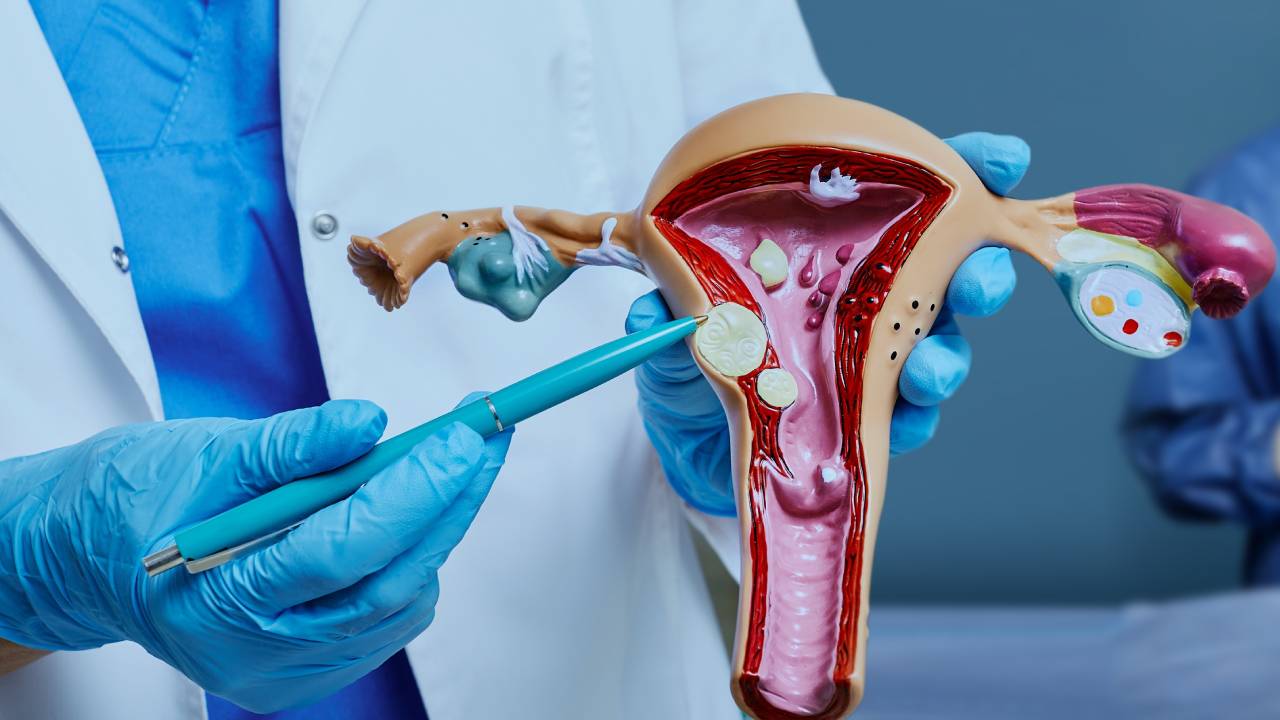
Photo: Getty Images
The procedure can be performed in different ways. An abdominal myomectomy involves making a larger incision in the abdomen when fibroids are large.
With laparoscopic myomectomy, small abdominal incisions are made. Robotic surgery is another approach where medical robots are controlled by the surgeon.
There is also hysteroscopic myomectomy. In this procedure, instruments are passed through the vagina and cervix to remove fibroids.
Read Also: Living with PCOS? Here’s What Every Woman Should Know
3. It Relieves Fibroid Symptoms
Myomectomy improves symptoms caused by fibroids. Some of which are menstrual bleeding and abdominal pain. Heavy menstrual bleeding may cause anemia because of blood loss. Treating the fibroids addresses the source of these symptoms. However, not every woman with fibroids requires surgery.
4. Fertility Can Be Preserved
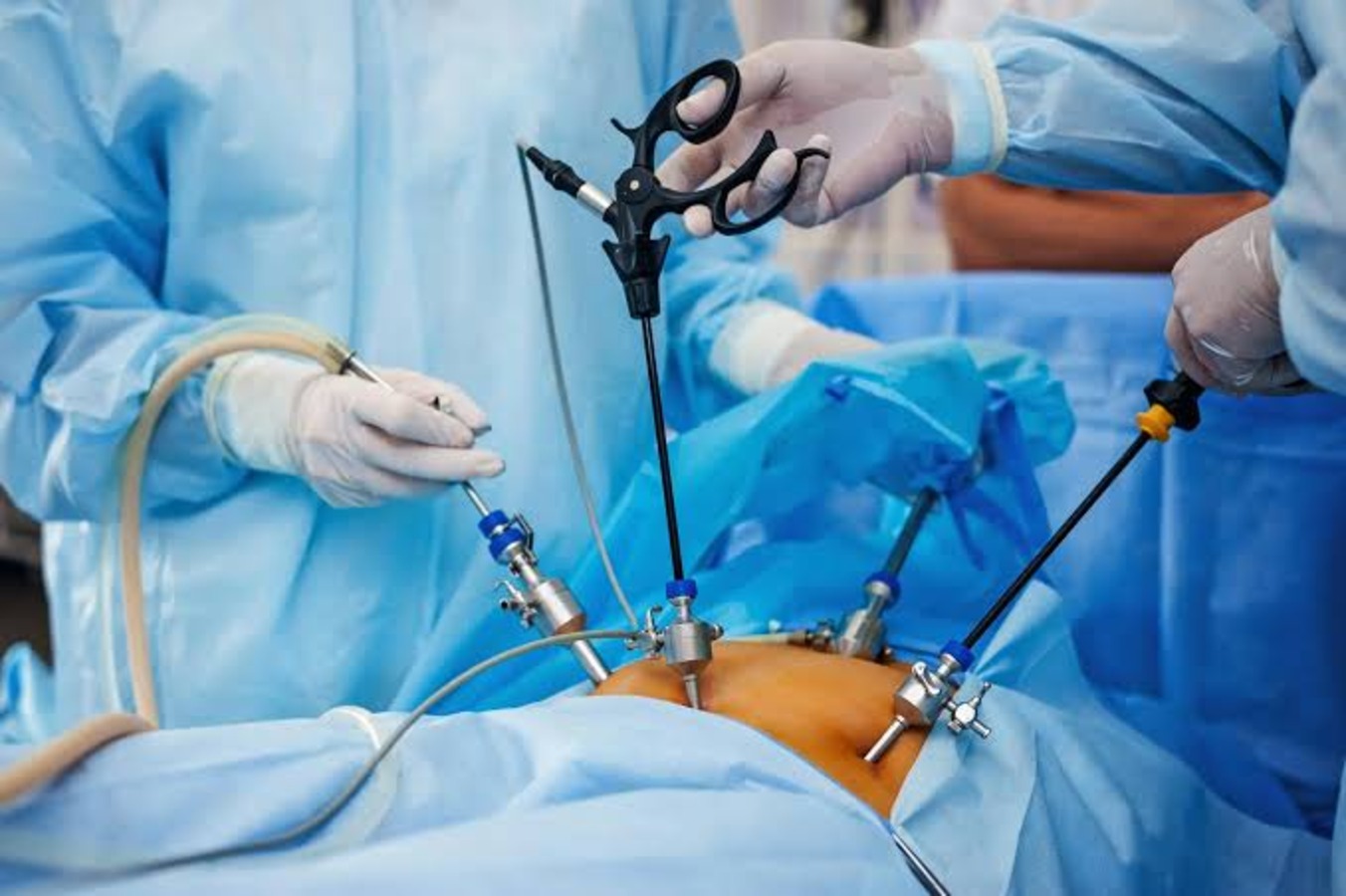
Photo: Getty Images
In some women, removing fibroids that interfere with fertility may improve pregnancy chances. However, surgery can also cause internal scar tissue, and pregnancy. Some women are advised to have a caesarean birth depending on how deeply the uterus was cut.
5. Fibroids Can Develop Again
Removing fibroids does not mean they won’t reappear. Fibroids not completely removed may cause problems later.
Like other surgeries, myomectomy has risks. Some of which are infection, scar formation and complications related to the surgical approach. Recovery also varies depending on the woman.

The arrival of a baby is often presented as one of the happiest moments in a woman’s life. But for some mothers, the period after childbirth can bring persistent sadness, anxiety, exhaustion and emotional distress that goes far beyond the usual challenges of adjusting to a newborn.
Postpartum depression is a serious mental health condition that can develop after childbirth. It is not a sign that a mother does not love her baby, nor does it mean she is failing at motherhood. The World Health Organization estimates that about 13% of women who have recently given birth experience a mental health disorder, primarily depression. In developing countries, the figure is estimated at almost 20%.
More than the baby blues

Photo: Pinterest
The first weeks with a newborn can be difficult. Sleep is often disrupted, routines change and a new mother may find herself crying or feeling overwhelmed. These experiences can form part of the so-called “baby blues”, which usually settle within about two weeks.
Postpartum depression is different. Symptoms can last longer and interfere with a woman’s ability to manage everyday life. They may include persistent sadness, loss of interest in activities, severe anxiety, changes in appetite or sleep, difficulty concentrating, intense guilt, feelings of worthlessness and withdrawing from family or friends.
Some women may struggle to bond with their baby or feel frightened by intrusive thoughts. Thoughts of suicide or harming the baby require immediate professional help.
You cannot always see it

Photo: Pinterest
Postpartum depression does not necessarily look like a mother who cannot get out of bed.
A woman may continue breastfeeding, prepare meals, attend medical appointments and care for her baby while privately struggling. She may even appear cheerful to relatives and friends while feeling emotionally disconnected or overwhelmed when she is alone.
This can make the condition harder to identify. A new mother may also dismiss her symptoms as tiredness or believe she simply needs to cope better.
That is why conversations about maternal mental health need to go beyond whether a mother and baby are physically healthy after delivery.
Support matters

Photo: Pinterest
The pressure surrounding motherhood can make asking for help difficult. Women may worry about being judged, criticised or labelled as ungrateful when they admit that they are struggling.
Practical support can make a difference, whether that means helping with meals, household responsibilities, childcare or simply giving a mother an opportunity to rest and speak honestly about how she is feeling. But support from family should not replace professional care when depression is present.
Postpartum depression is treatable. Depending on the individual’s needs, treatment may include psychotherapy, medication, support groups or a combination of these. A healthcare professional can also discuss appropriate treatment options with mothers who are breastfeeding.
Partners should not be overlooked either. Fathers and other parents can also experience depression and anxiety following the birth of a child.
Knowing when it is an emergency

Photo: Pinterest
Postpartum depression should also be distinguished from postpartum psychosis, a rare but serious condition that can involve hallucinations, delusions, severe confusion or paranoia. It is a medical emergency and requires immediate treatment.
For everyone else, the message is simpler: a mother does not have to wait until she is completely overwhelmed before seeking help.
Having a baby can be a major life change, but struggling emotionally does not make a woman a bad mother. Recognising the problem early, speaking to a healthcare professional and accepting support can be an important part of recovery.

Apple cider vinegar is no longer used only in cooking. It is now found in skincare routines, wellness drinks, hair care products and household cleaning cupboards. Its widespread use has also fuelled countless health claims, making it difficult to separate proven benefits from popular myths.
Apple cider vinegar (ACV) is made by fermenting crushed apples. During fermentation, the natural sugars are converted into alcohol and then into acetic acid, the compound responsible for its sharp taste and many of its studied effects. Unfiltered versions also contain a cloudy substance known as “the mother”, but most research focuses on the vinegar’s acetic acid rather than the mother itself.

Photo: Pinterest
Research has mainly focused on ACV’s effect on blood sugar after meals. Some studies suggest that drinking diluted apple cider vinegar with a meal may help reduce the rise in blood glucose after eating carbohydrates. Researchers believe acetic acid may slow stomach emptying and improve the body’s response to insulin. While these findings are encouraging, ACV is not a treatment for diabetes, and anyone taking blood sugar lowering medication should speak to a healthcare professional before using it regularly.
Many people also use apple cider vinegar to support weight management. Some research suggests it may increase feelings of fullness, which could reduce calorie intake, but the effect is modest. It should be viewed as one part of a balanced lifestyle, not a shortcut to losing weight.

Photo: Pinterest
Skincare is another area where apple cider vinegar attracts attention. Because it is acidic and has mild antimicrobial properties, some people use it as a toner or spot treatment. However, dermatologists warn against applying undiluted apple cider vinegar directly to the skin. It can cause irritation and, in some cases, chemical burns. If used at all, it should be well diluted and patch tested first. People with eczema, rosacea or sensitive skin should be especially cautious.
Apple cider vinegar has also become a popular hair rinse. A diluted rinse may help remove product build up and leave hair looking smoother. However, it cannot repair damaged hair, prevent hair loss or change hair texture. Using it too often may dry out the hair and irritate the scalp, so occasional use is generally enough.

Photo: Pinterest
Its usefulness extends beyond personal care. Apple cider vinegar adds flavour to salad dressings and marinades, helps neutralise some household odours and can be used to clean certain non stone surfaces. It should not be used on marble, granite or other natural stone because the acid can damage these materials.
Despite its popularity, there are common mistakes to avoid. Drinking undiluted apple cider vinegar can erode tooth enamel and irritate the throat and oesophagus. Taking large amounts may also cause digestive discomfort and contribute to low potassium levels in some people. Using a straw and rinsing the mouth with water afterwards may help reduce contact with teeth.

Photo: Pinterest
For most healthy adults, experts generally recommend limiting intake to one or two tablespoons diluted in a large glass of water, preferably with a meal. People with diabetes, chronic kidney disease, stomach ulcers, severe acid reflux or those taking insulin, diuretics or certain heart medications should seek medical advice before making it a regular part of their routine.
Apple cider vinegar has both proven uses and clear limitations. Current research supports modest blood sugar benefits, while evidence for many other claims remains limited. Used sensibly, it can be a useful kitchen ingredient with a few evidence backed health applications and practical household uses. It should not be seen as a cure all, but it can still earn a place in everyday life when used safely.


Bonang Matheba Goes All Black in Gucci

Boobs, Bras and Breast Health: What Every Woman Should Know

Keke Palmer Dresses as a Victoria’s Secret Angel for Halloween 2026




-

 Travels3 months ago
6 Best Hotels in Cape Town
-

 Dj Men3 months ago
The Male DJs Keeping South Africa’s Nightlife Alive
-

 Netflix3 months ago
8 Mzansi Series and Films on Netflix to Watch This August
-

 Health3 months ago
Apple Cider Vinegar: From Health and Skin to Everyday Uses
-

 Sex & Relashionships3 months ago
5 Ways ‘Parallel Life Syndrome’ Kills Relationships
-

 Music3 months ago
Tyla Officially Releases A*POP
-

 Top 202 months ago
20 Greatest South African Songs of All Time
-

 Movies3 months ago
Thuso Mbedu Leads Star-Studded Cast in Children of Blood and Bone