
Health
7 Vitamins that Supercharge your Body and Brain

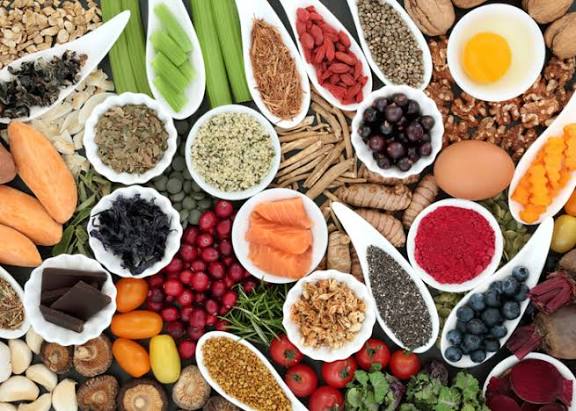
Vitamins aren’t just another part of a balanced diet, they play a vital role in the body and brain. When the right vitamins are taken, your body becomes healthier and your cognitive abilities improve. Here are seven vitamins that can benefit your body and brain, making you perform to the best of your abilities.
Vitamin B12
Vitamin B12 is essential for the nervous system. It helps the brain function better and lifts your mood. This vitamin supports the body by producing more red blood cells which carry oxygen. Lack of enough B12 will make you tired, sluggish, and forgetful. Eggs, fish, lean meats, and milk are good sources of this vitamin.
Vitamin D
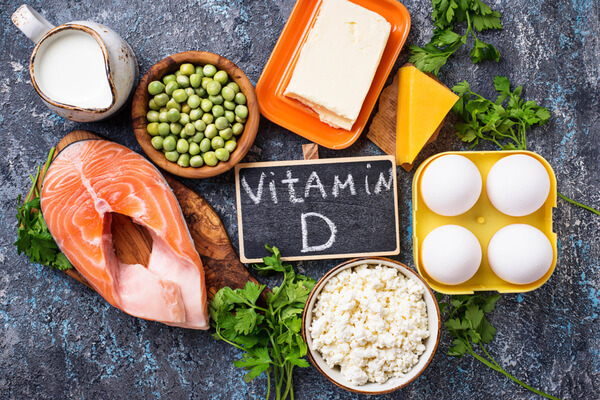
Vitamin D is also known as the “sunshine vitamin. This is because it is believed that moderate exposure to sunlight will give you this nutrient. It plays a crucial role in nerve growth and reduces depression. You should consider eating salmon, yolks, and dairy products to have more of these vitamins.
Vitamin A
Vitamin A is best known for keeping your vision sharp, but it also supports brain development and function. It protects neurons and helps regulate gene expression in the nervous system. In the body, it boosts immunity and keeps your skin and tissues healthy. Carrots, sweet potatoes, spinach, and dairy products are excellent ways to add Vitamin A to your meals, and most brightly colored fruits and vegetables are rich in it too.
Vitamin C
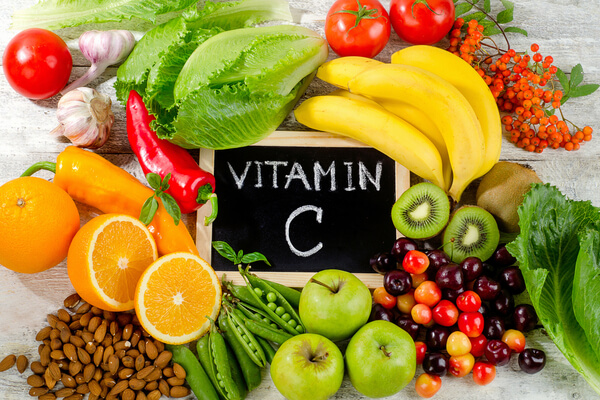
Vitamin C is best known for protecting against colds, but its benefits run deeper. For the body, it strengthens the immune system and helps heal tissues. For the brain, it acts as a powerful antioxidant, protecting your brain cells from damage and supporting memory. Oranges, strawberries, kiwi, bell peppers, broccoli, and even a glass of orange juice are all rich in Vitamin C.
Read Also :A Delicious Green Smoothie Recipe for Energy and Glow
Vitamin E
Vitamin E is like a shield for your cells. It protects both body and brain from oxidative stress, which can speed up aging and memory decline. For your body, it keeps your skin, vision, and immune system strong. For your brain, it’s linked to better cognitive function and slowing age-related decline. You can get plenty of Vitamin E from almonds, hazelnuts, sunflower seeds, spinach, and oils such as olive or sunflower oil.
Vitamin B6
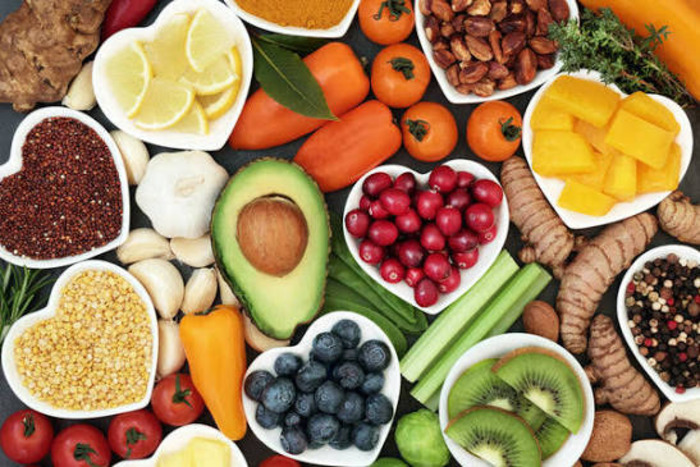
Vitamin B6 is the behind-the-scenes helper that keeps your body and brain chemistry balanced. It supports the production of hemoglobin, which carries oxygen, and helps break down proteins for energy. For the brain, it’s vital in producing serotonin and dopamine — the “feel-good” chemicals that affect mood and focus. Chicken, turkey, bananas, potatoes, and fortified cereals are all good sources of this vitamin.
Vitamin K
Vitamin K is often overlooked, but it’s essential. For the body, it helps your blood clot properly and strengthens bones. For the brain, research shows it supports cognitive health and protects against conditions like Alzheimer’s by aiding in the production of brain-protective fats. You’ll find it in leafy greens such as kale, spinach, and broccoli, as well as in fish, eggs, and certain cheeses.
Conclusion
Your body and brain are constantly working, and vitamins are the silent partners that keep everything running smoothly. From sharper memory and stronger focus to healthier bones and a stronger immune system, the right nutrients make a big difference. Instead of relying only on supplements, the best way to get these vitamins is through a colorful, balanced diet full of fruits, vegetables, lean proteins, and healthy fats. Small, consistent choices in what you eat can truly supercharge both your body and your brain.





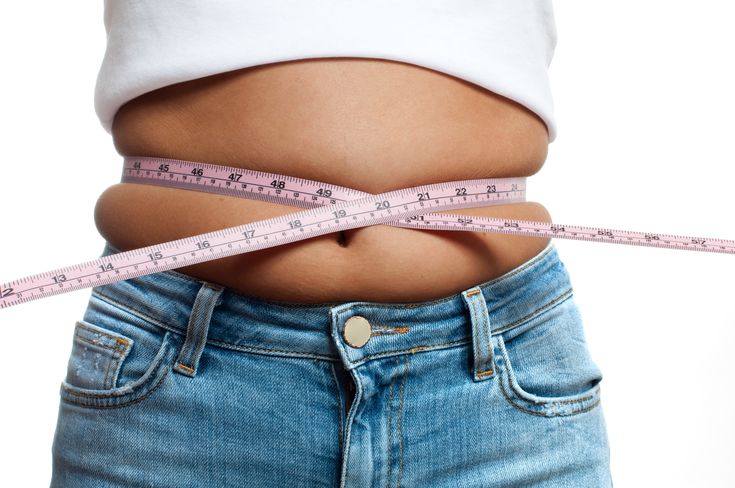
Weight gain that happens without a clear change in diet or activity is often treated as a lifestyle issue. However, clinical research points to a more complex possibility: Polycystic Ovary Syndrome.
PCOS is a hormonal condition that affects how the ovaries function. One key aspect is its impact on weight. This goes beyond calorie intake and expenditure. Many women with PCOS experience metabolic changes that make weight gain easier and weight loss more difficult.

Photo – Pinterest
A key factor is insulin resistance. The body produces insulin but does not use it effectively. As a result, insulin levels rise, which encourages fat storage, particularly around the abdomen. This explains why some women gain weight even when their routines have not changed significantly.
Hormonal imbalance also contributes. Elevated levels of androgens, hormones commonly associated with male physiology, are typical in PCOS. These can affect metabolism and contribute to fat storage. At the same time, irregular ovulation affects how the body regulates energy use.
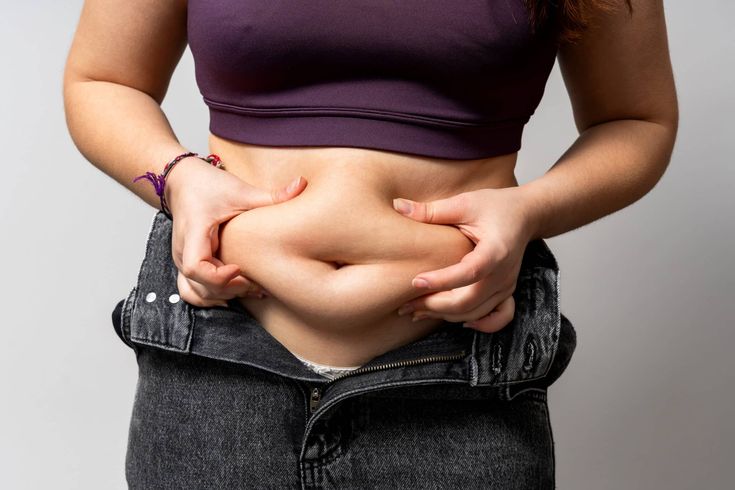
Photo – Pinterest
PCOS-related weight gain rarely occurs alone. It often appears alongside irregular menstrual cycles, acne, thinning hair on the scalp, or increased hair growth on the face and body. When these symptoms occur together, they form a pattern that should not be ignored.
Early recognition is important. PCOS is associated with a higher risk of long-term conditions, including Type 2 Diabetes and cardiovascular disease. In this context, weight gain signals underlying metabolic issues rather than a cosmetic concern.

Photo – Pinterest
Management varies by individual. Doctors may recommend dietary adjustments, regular physical activity, and, in some cases, medication to improve insulin sensitivity or regulate hormones. The goal is to stabilise the body’s metabolic response over time.
For anyone experiencing unexplained weight gain, especially alongside other symptoms, it is worth seeking medical advice. Identifying PCOS early allows for targeted management and better long-term health outcomes.

Perimenopause is a phase before menopause, which usually affects women in their 40s. During this time, many women notice unexplained weight gain which could be frustrating. Here are some reasons it happens and how to manage it.
Why Weight Gain Happens During Perimenopause
One of the reasons weight gain happens during perimenopause is change in the hormones. Levels of estrogen reduce, affecting how the body regulates metabolism. Studies show that while menopause itself does not cause weight gain, they are linked to increased body fat.

Photo: Getty images
Lower estrogen causes hunger and fullness hormones . This makes women feel hungry after meals. As a result, calorie intake may increase without a person knowing.
Aging also plays an important role. The body muscle mass naturally reduces with age. Without making the right adjustments in daily activity and nutrition, weight gain happens.

Photo: Getty images
Another factor during Perimenopause is sleep stress. Sleeping disorders affect hormones that control appetite. Experts note that many women gain weight during this time, though experiences are different.
How to Keep Perimenopausal Weight Gain in Check
1. Practice Strength Training

Photo :Getty images
Building muscle becomes important during perimenopause. Muscle helps maintain metabolism and improves glucose usage. Health experts recommend combining aerobic exercise with various muscle activities.
Read Also: Does Creatine Work for Weight Loss?
2. Take Balanced Diet Meals
Instead of dieting, experts encourage eating food rich in vegetables, whole grains, and lean protein. Adequate protein intake helps preserve muscle and supports fullness. Calorie reduction can slow metabolism and make weight management harder.
3. Sleep

Photo: Getty images
Getting the required sleep everyday goes a long way to improve your health. Everything doesn’t have to be work or movies, sleeping 7-8 hours daily is recommended. Poor sleep can cause weight gain. It’s advisable to sleep early and avoid sleep disruptions to stabilize appetite.
4. Avoid Stress
Chronic stress raises cortisol levels, which promotes fat storage around the abdomen. Regular movement and relaxation practices can help support overall wellbeing.
5. Speak to a Professional
For some women, talking with a health professional helps manage symptoms. With their experience and knowledge, these experts can provide insights on how to manage this phase. .
Perimenopausal weight gain is real, but the above-mentioned tips help. Exercise, eat well and get enough sleep to maintain a healthy weight.
Health
Lupita Nyong’o Opens Up About Overlooking Fibroid Symptoms — 4 Warning Signs Women Should Know

Lupita Nyong’o has spoken out about her struggle with uterine fibroids. She hopes her experience will encourage women to pay attention to their bodies. She revealed how many fibroids over the years. The Oscar winner said she has carried 77 uterine fibroids, and 25 were removed through surgery.
Fibroids are non-cancerous growths found around the uterus.They are common and affect millions of women worldwide. Studies suggest that 80% of women may develop fibroids during their childbearing years.

Photo: Instagram
Nyong’o said she ignored the symptoms for years because she thought it was part of being a woman. She advises women to talk to a professional when they notice reproductive health issues.
Here are four warning signs women should watch out for.
Heavy Menstrual Bleeding
One of the common signs of fibroids is heavy menstrual bleeding. This includes having periods that last longer than usual.
Nyong’o has spoken about experiencing heavy bleeding due to fibroids. Experts say if your period is heavy, consult a doctor.
Persistent Pelvic Pain
Another warning sign is abnormal pain in the pelvic area. Fibroids can grow large and press against nearby organs causing discomfort.
Some women describe this as a feeling of heaviness in the lower abdomen. Others experience sharp pain during their period.

Photo:Instagram
Nyong’o shared that pain was one of the symptoms she lived with for years before she understood the cause.
Read Also: Natural Ways to Manage Endometriosis Symptoms
Frequent Urination
Large fibroids press on the bladder, causing frequent urination. This symptom is mistaken for a urinary issue. However, if frequent urination occurs along with other symptoms, it could be due to fibroids. Experts believe this happens when fibroids take up space in the pelvic area
Abdominal Swelling
Some fibroids cause swelling in the abdomen. In certain cases, the stomach appears bloated. This swelling is mistaken for weight gain. Fibroid sizes vary based on several factors.

Photo:Instagram
Nyong’o uses her platform to talk about fibroids and encourage women to be vigilant and any reproductive health issues should not be ignored.


SiR Set to Perform at Once Upon a Time in Joburg in South Africa

Social Media Reacts as Sni Mhlongo and Zamani Mbatha Reunion Rumours Trend on X

Babygirlzae Dumps Emtee Records Over Issues With Jealous Wife




-

 TV3 months ago
Big Brother Mzansi Season 6 Welcomes Ashay Sewlall: From Footballer to Rising Star
-

 TV2 months ago
Neliswa Ngada Disqualified from ‘Big Brother Mzansi’ After Physical Altercation in Bazozwa House
-

 Netflix3 months ago
Netflix Announces Show ‘Yoh! Bestie’ Starring Katlego Lebogang
-

 TV2 months ago
Juicy Jay Opens Up About Why His Relationship With Yvonne Godswill Ended
-

 Top Shows3 months ago
Big Brother Mzansi’s Season 6: Marcia “Cia” Morata Removed From the House For Medical Reasons
-

 Celebrity News3 months ago
Yolanda Mukondeleli Transitions From Big Brother Mzansi to DJ Booth
-

 Celebrity News3 months ago
How Shensea Drove Jamaica’s Biggest Artist‑Led Hurricane Relief Effort
-

 Celebrity News2 months ago
Evicted ‘Big Brother Mzansi’ Housemate Kokii Opens Up on Mental Health and Hard‑Won Lessons