
Fitness
Facts You Didn’t Know about Sun Salutations

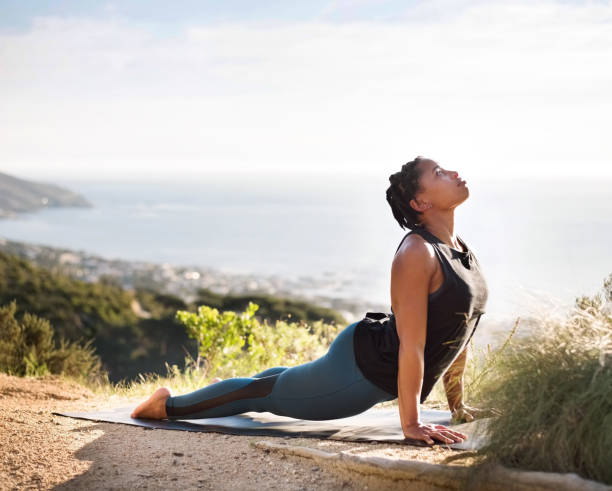
Surya Namaskar, also known as Sun Salutations, is one of the popular parts of Yoga practice. It is the combination of movement, breath, and self-consciousness. Although at face glance it looks simple, there is more to this wonderful practice. Aside from body warming, there are deep health benefits. It is an ancient tradition that offers mental and spiritual rewards. Here are some interesting facts about this tradition most people don’t know.
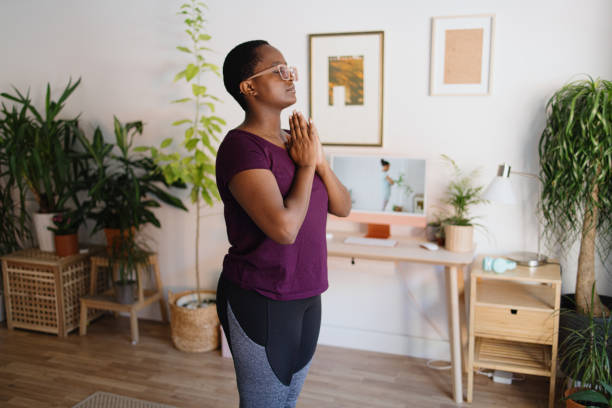
They Were Originally a Spiritual Practice
The origin of this tradition stemmed from an Indian morning ritual. The people at that time used this practice to appreciate the sun. These practices weren’t originally linked to yoga but can be said to be more of a spiritual greeting to show gratitude to the sun god. It is more about worship and showing total devotion to the sun god. However, with time, it was adapted into yoga as a unique movement sequence.
There is Meaning to Every Pose
All positions in this movement represent diverse aspects of flexibility, strength, and devotion. For instance, the forward fold depicts humbleness, while the upward dog shows transparency. Understanding the meaning of all poses in these practices will let you know which one suits you.
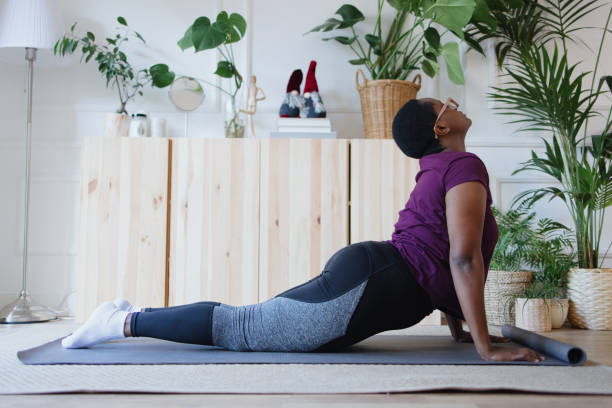
They Balance Both Sides of the Body
Sun Salutations work on both sides of the body. By repeating the flow on all sides, they help improve balance, coordination, and muscular symmetry. They are one of the yoga practices that prioritises full body involvement which is great for physical development.
Read Also : Ways Treadmill Workouts Can Improve Your Overall Wellness
They can be A Full Workout
Engaging in several sessions of sun salutation can tone your muscles and improve your endurance level. You can keep your body in good condition by going a few rounds. When done sparsely, they can have a positive impact on your cardiovascular health.
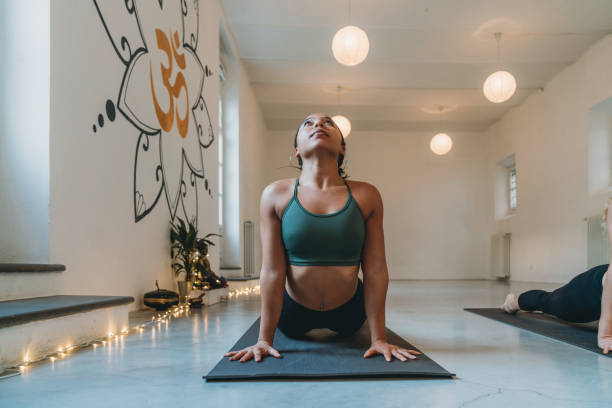
There are many Versions
Not many people are aware that these practices come in different variants. They include Classical, A, and B sequences with each having different transitions. Some versions are slow and calm, and there are those with huge intensity.
Breath is the Key Force
All movements in this practice are connected to breath. When you inhale, you lift your body, while exhaling, you fold it. When done properly, it builds calmness and sharpens your concentration.
Bottom Line
Sun Salutations are not ordinary exercises; they are a combination of intensity, breath awareness, and mindfulness. They help improve your mental, physical and emotional well-being. With these facts , you will understand more about this practice and embrace it. They are rich and can help transform the way you feel and think.
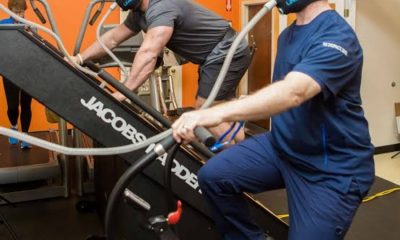

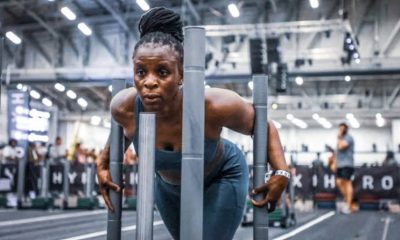



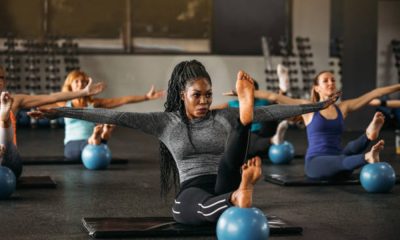



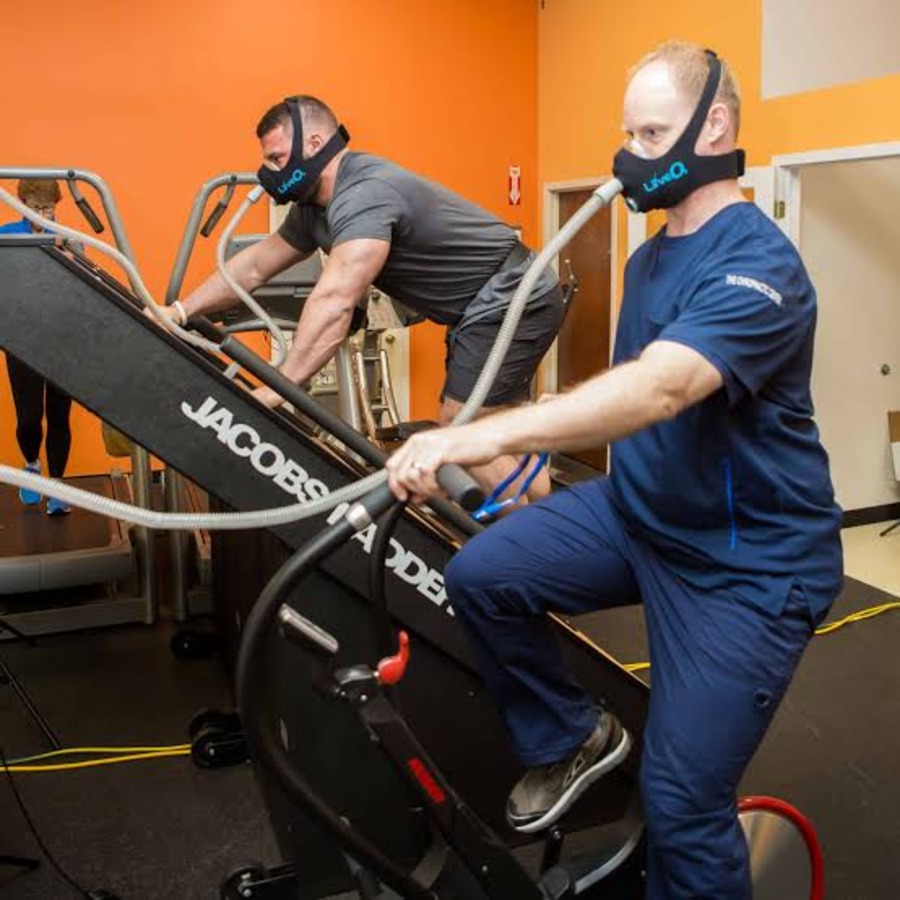
Cape Town has several fitness clubs that cater to people who prefer fast-paced, demanding workouts. From CrossFit and functional fitness to HIIT and strength training, these gyms offer coached sessions that combine cardio, resistance work and bodyweight exercises. Here are six options to consider.
PEAK Foreshore
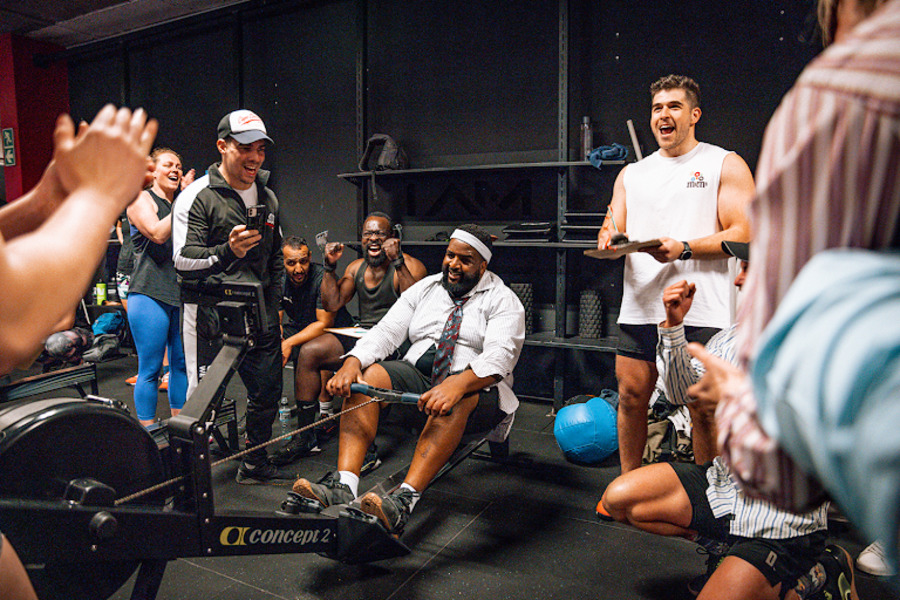
Photo: Getty Images
PEAK Foreshore offers CrossFit, HYROX and hybrid workouts. Its programmes include strength, conditioning, running, weightlifting and functional movements. The club is located at Pier Place on the Foreshore. They open at 6.45 am in the morning and close at 9pm in the evening .
CrossFit Impi
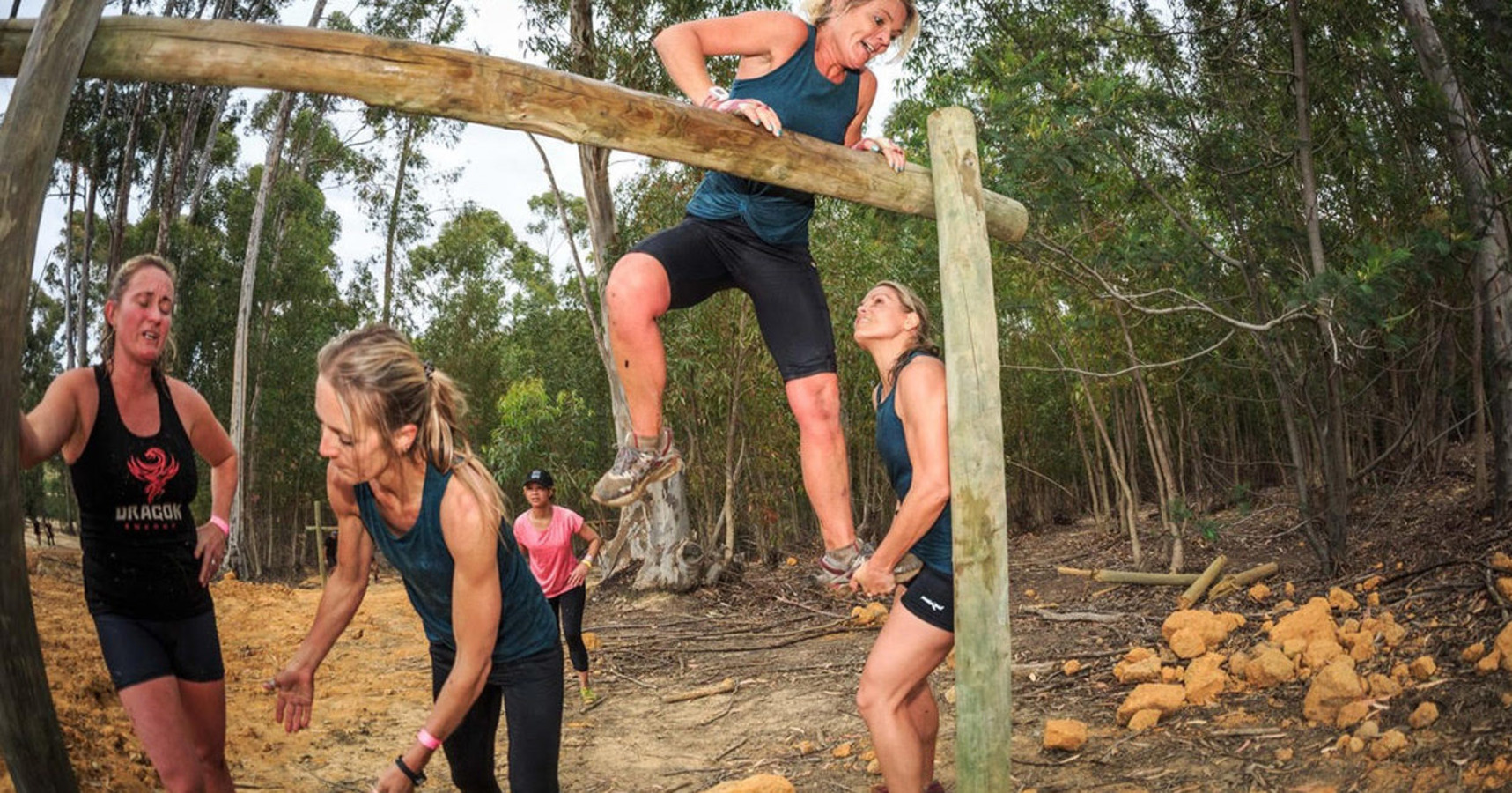
Photo: Getty images
CrossFit Impi training includes weightlifting, cardio and gymnastics. The club provides sessions designed for different fitness levels. Its training also includes HYROX-inspired conditioning. Coaches teach movement technique and progression.
Virgin Active Cape Town Foreshore
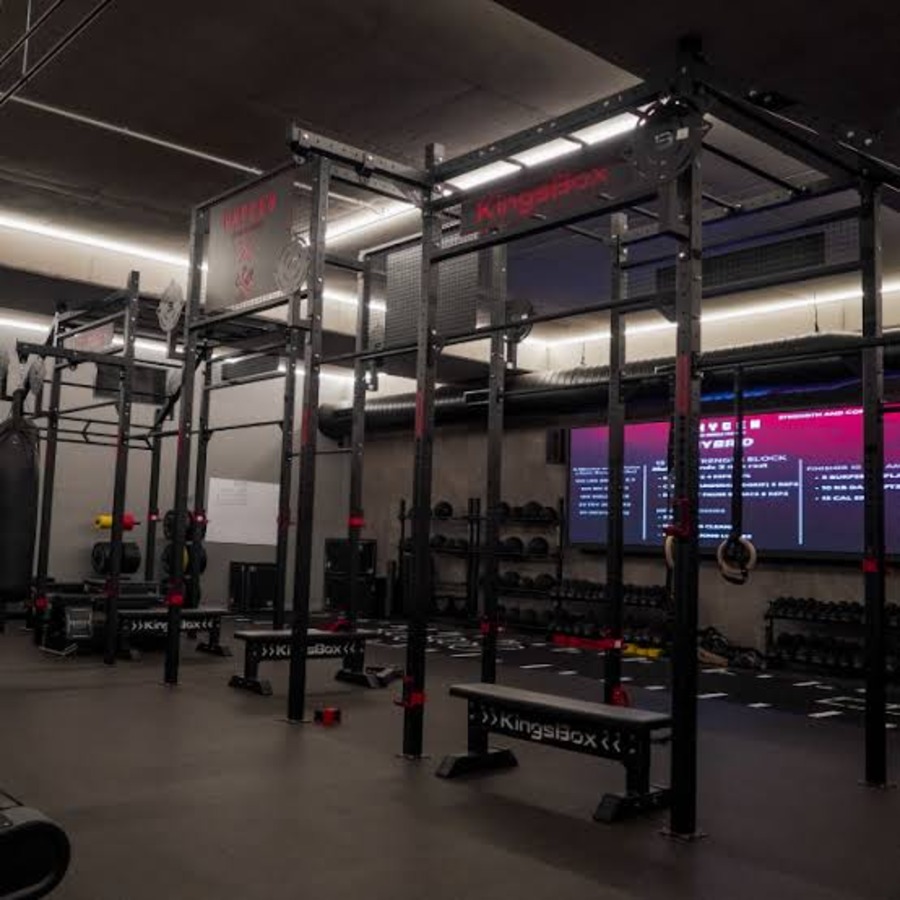
Photo: Getty Images
Virgin Active has several clubs across Cape Town, including its Foreshore location. Its GRID programmes are HIIT, functional fitness and mobility, while dedicated HIIT classes use circuits involving cardio, upper body, lower body and core exercises. Some strength and conditioning sessions use equipment such as kettlebells, dumbbells, Air Bikes and Ski Ergs.
Read Also: 6 Best Hotels in Cape Town
PEAK Claremont
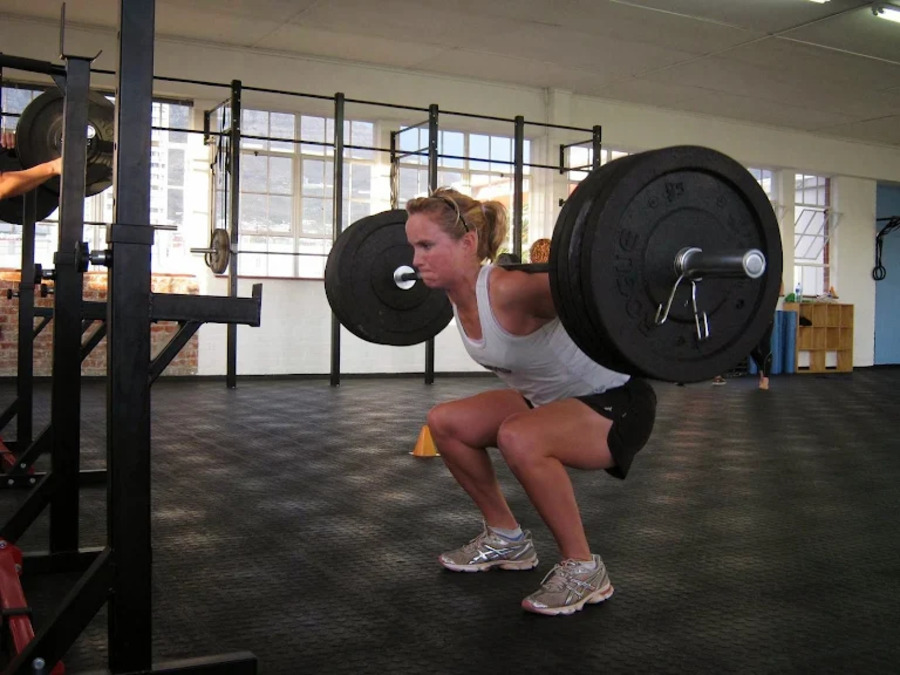
Photo: Getty images
PEAK Claremont provides exercise activities for people in Cape Town’s southern suburbs. The facility offers CrossFit, HYROX and hybrid training. Coaches can adjust exercises and weights according to different levels of experience.
Oxygen Functional Fitness
Located in Green Point, Oxygen Functional Fitness provides functional training with indoor cycling.. Their services include workouts designed for different fitness levels. The timetable includes upper-body HIIT workouts, giving members demanding training sessions.
Explosive Functional Fitness Bootcamp
Explosive Functional Fitness Bootcamp operates from Salt River and offers group workouts led by coaches. Its FuncFit sessions combine HIIT cardio, functional strength and calisthenics. Members can also take part in FuncStrong sessions. The facility offers additional training such as Muay Thai.
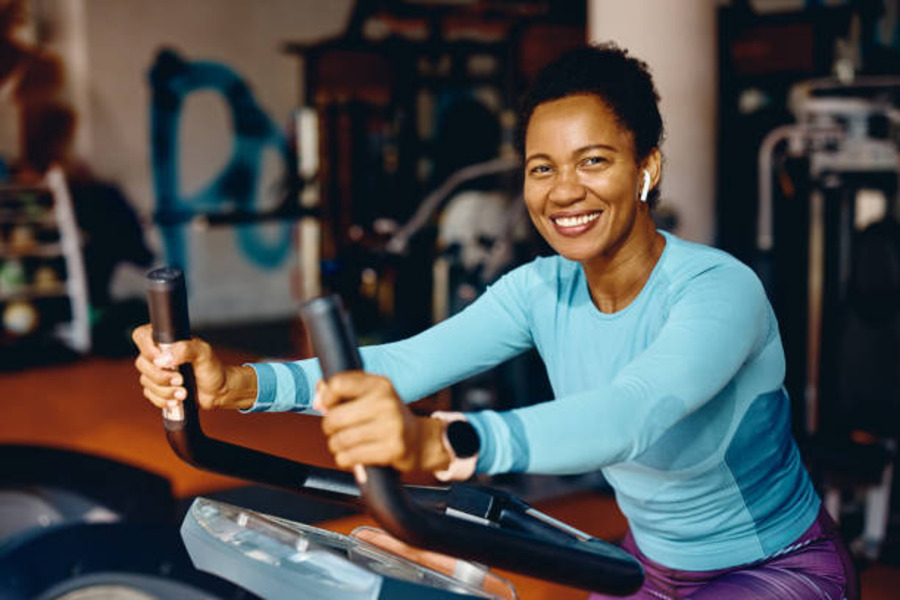
Joint pain can make exercise feel difficult, but avoiding movement completely can lead to stiffness. Low-impact workouts are ideal for those who want an active body. Health organisations and arthritis specialists recommend activities that can keep pain away. The right workout depends on where the pain occurs and the severity. Here are workouts that can ease your joint pain.
1. Walking
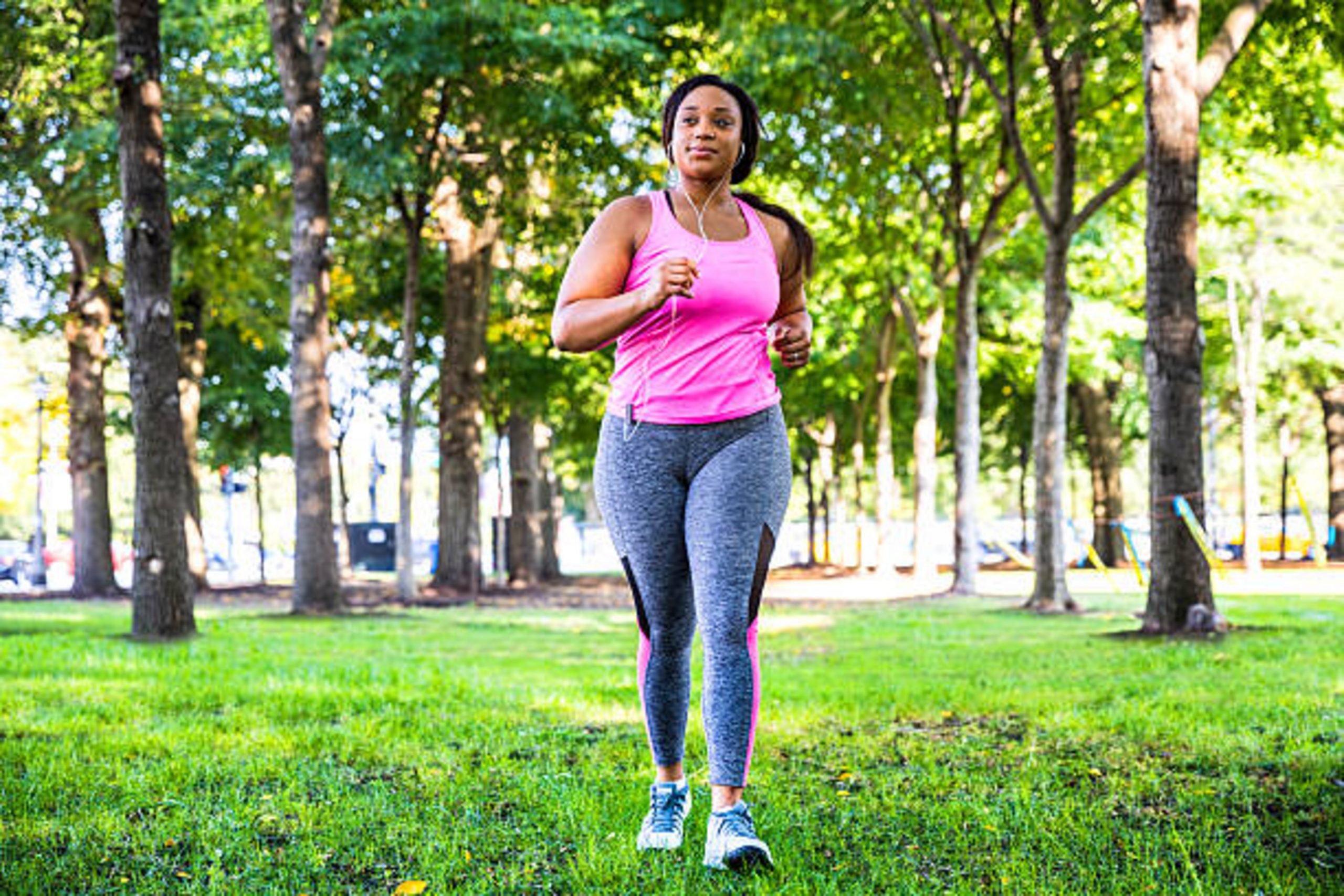
Photo: Istock
Walking is underrated,but has immense benefits for those struggling with joint pain. You don’t need to visit the gym . You can take a stroll around your neighborhood.
Start with a 10-minute walk alone and increase the pace when you feel comfortable. Wearing light shoes and loose clothing can make it easier.
2. Swimming
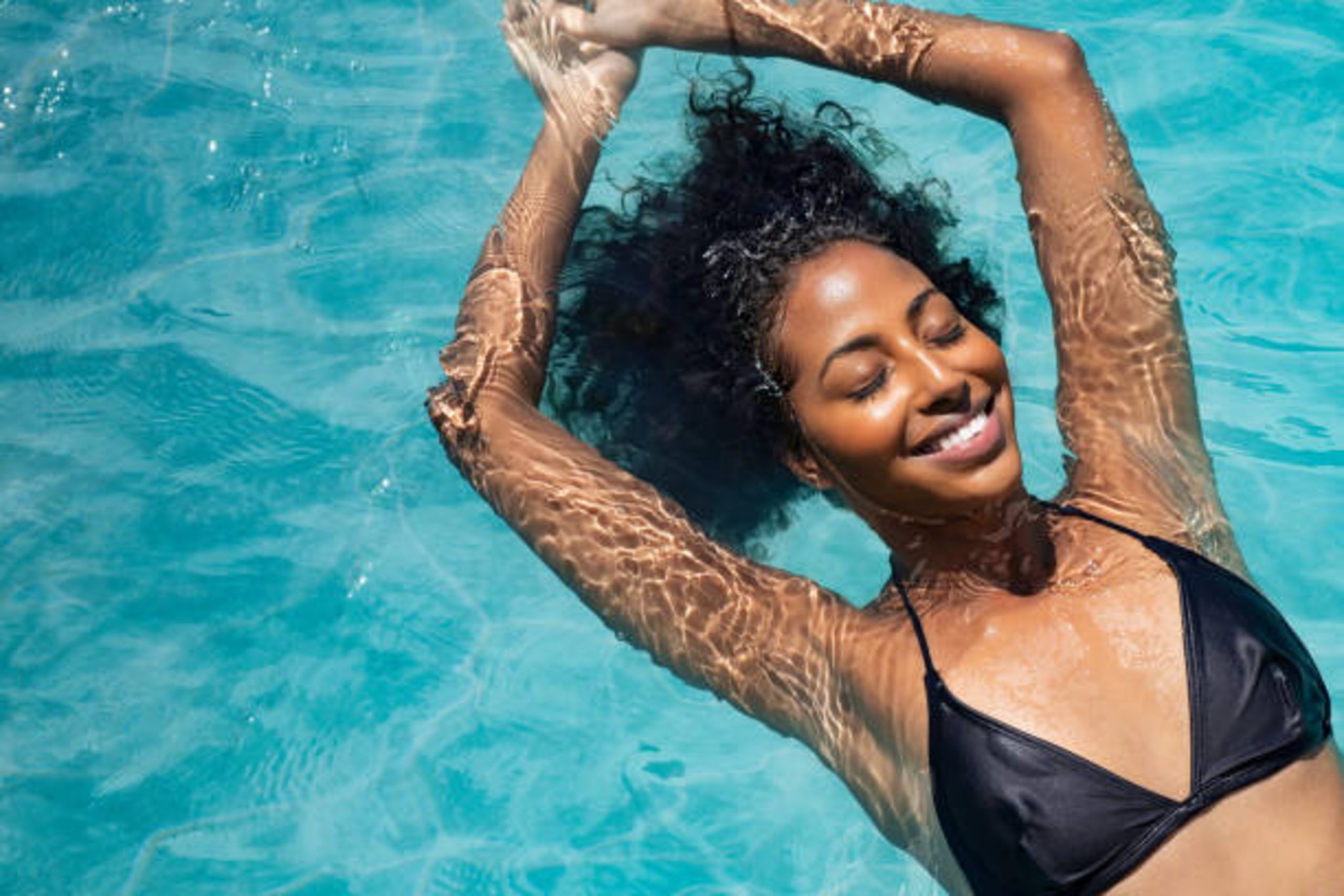
Photo: Istock
Swimming is a full-body workout for everyone. The water supports your body, making movement easier. You do not have to swim long distances to benefit. You can start with a few slow laps and take breaks. Water-based exercise includes leg movements and gentle arm exercises. Staying in warm water helps reduce stiffness.
Read Also: How to Recover Faster After a Heavy Gym Session
3. Stationary Cycling
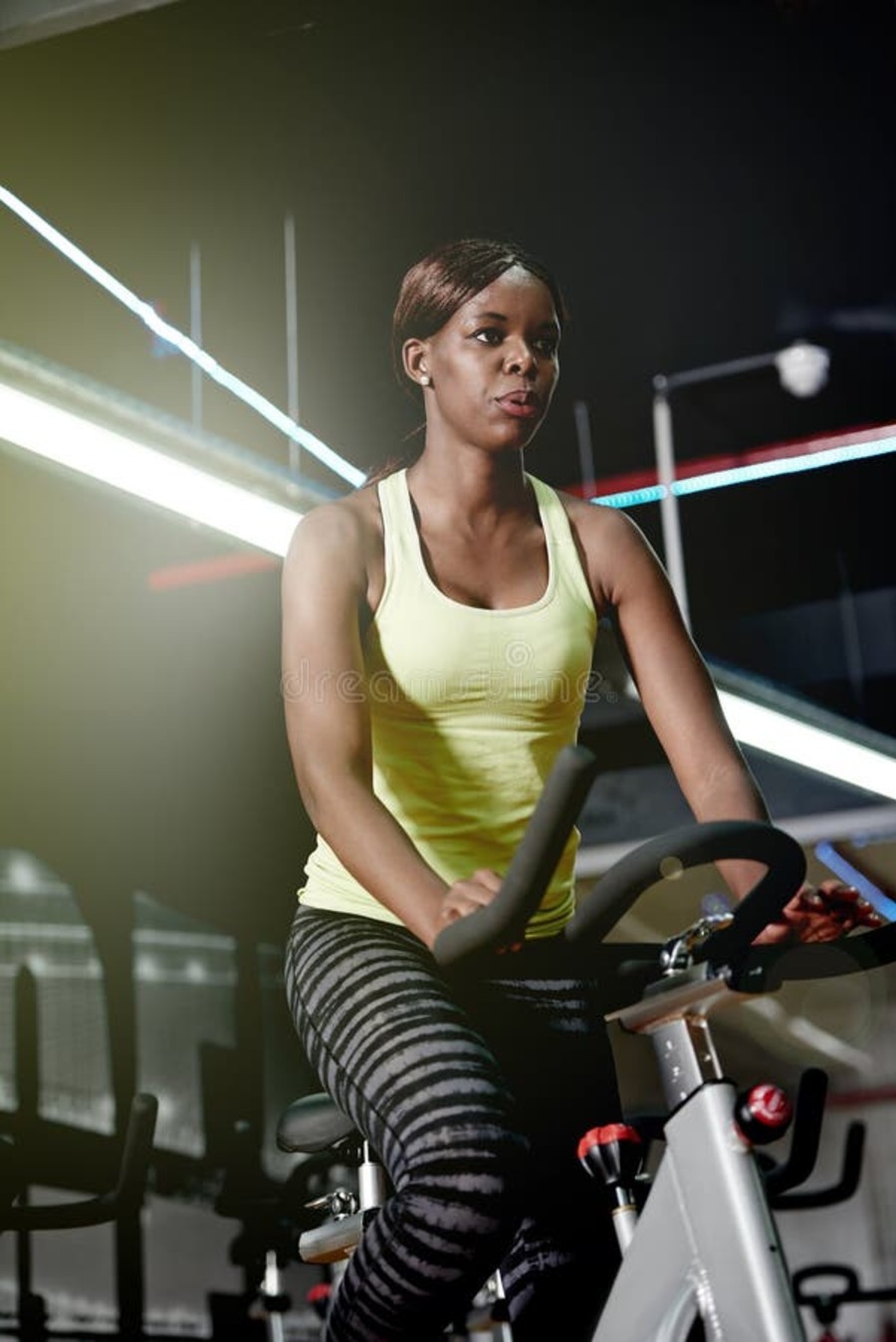
Photo: Istock
A stationary bike is another option to help those with pain issues. It is useful for people who can’t indulge in longer walks.
Start with low resistance and pedal at a comfortable pace. A recumbent bike allows you to sit in a comfortable position and great for balance.
4. Tai Chi
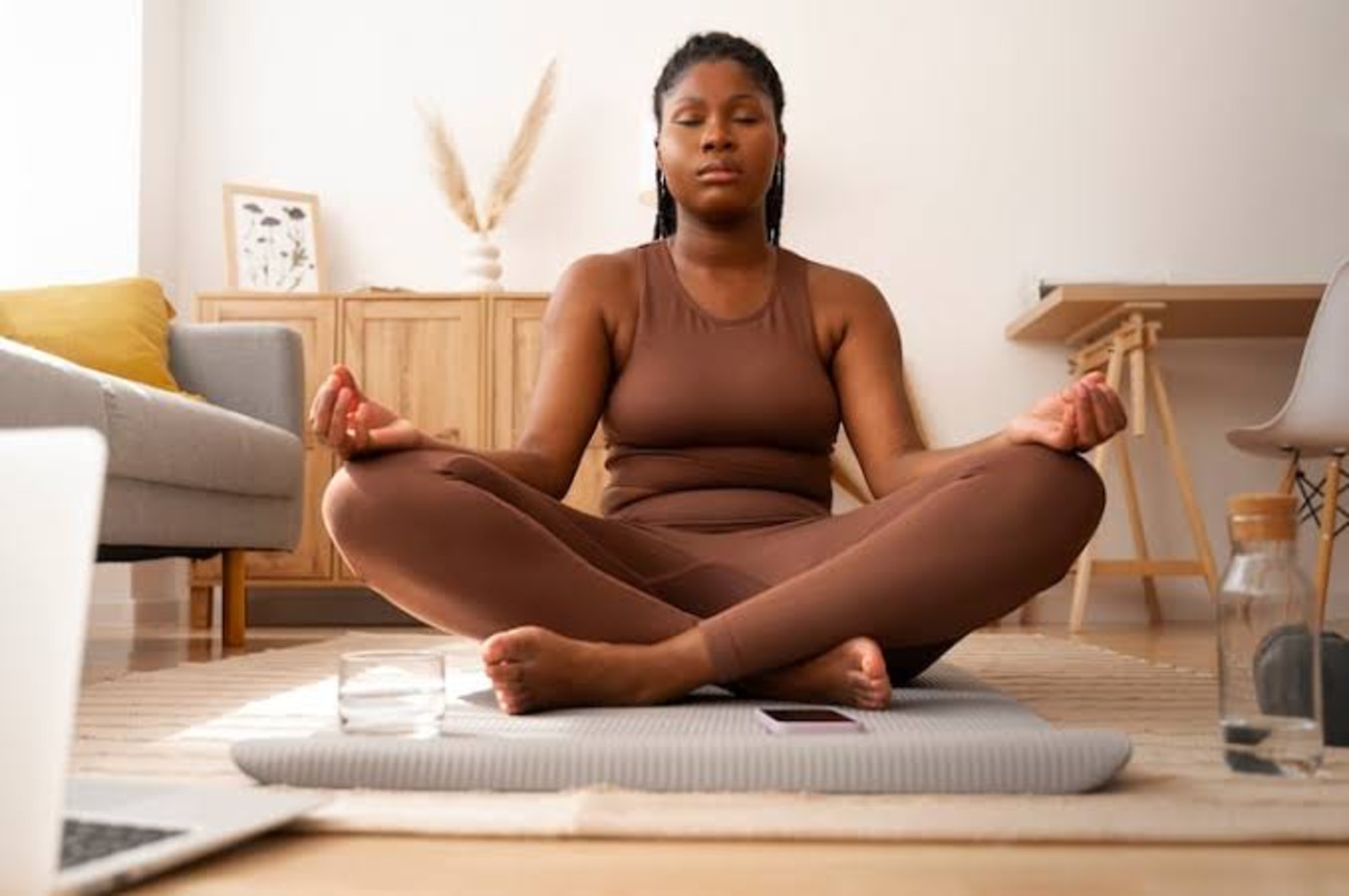
Photo: Istock
Tai chi does not require jumping or fast changes in direction. It needs slow movement and balancing. This makes it a useful choice for a gentler workout.
When followed properly, tai chi helps with fitness. It improves physical function in people with arthritis. If this is your first , take beginner classes.
5. Water Aerobics
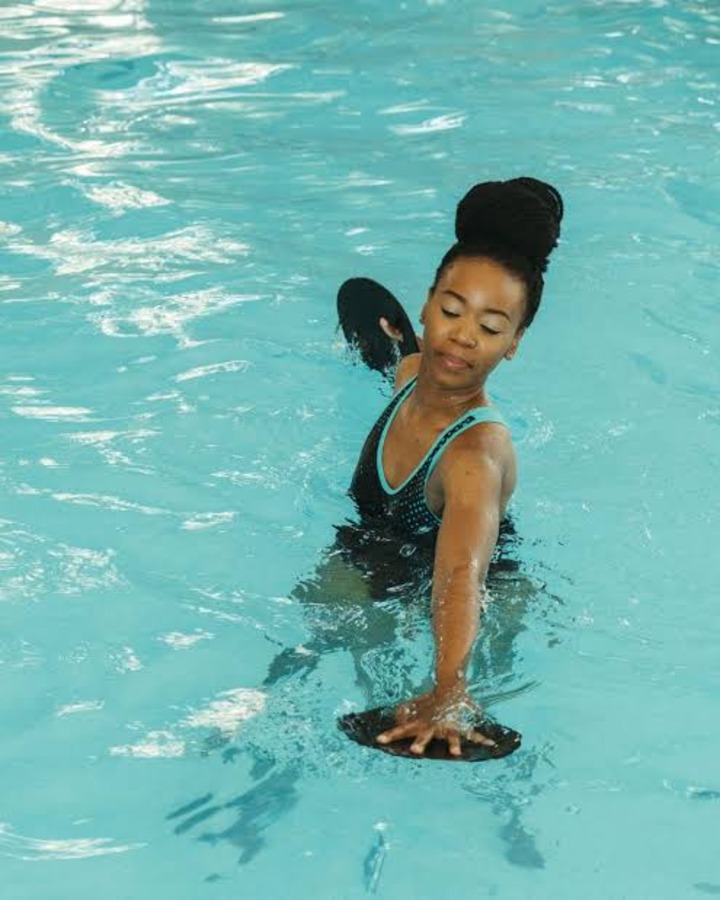
Photo: Istock
Water aerobics is when you engage in walking and arm exercises in a pool. You don’t need to be a good swimmer to benefit from this activity. The water allows your muscles to relax without stressing your joints.
Everyone should pay attention to how their body responds after exercise. Muscle soreness is common for those beginners. If your pain persists after these routines, speak with a physical therapist.

A tough gym session leaves your muscles feeling slacked. Although your body gets stronger during workouts, it needs to recover. If you fail to give it time to recover, your performance level declines. Recovering does not come with quick fixes. You need to provide your body with the right diet and rest. Here are ways to help your body bounce back after a workout.
Eat Protein

Photo: Getty Images
Protein diets are good for workout lovers as they help muscle recover. Your body needs the nutrients to repair damaged muscle fibres. Eat white meat and fish to help get your body in shape. Spread your protein intake throughout the day, as eating large amounts at only one meal is dangerous.
Quality Sleep

Photo: Getty Images
When you sleep properly, you recover quickly. With you sleep, your body releases hormones that support muscle repair. Make sure you don’t have any distractions when you want to sleep as there might be intrusions. Eight hours of sleep daily is recommended to recover. Poor sleep slows down recovery.To enjoy your sleep, reduce screen time and create a comfortable environment.
Read Also: Top 5 Mistakes People Make During Workouts (And How to Fix Them)
Stay Hydrated
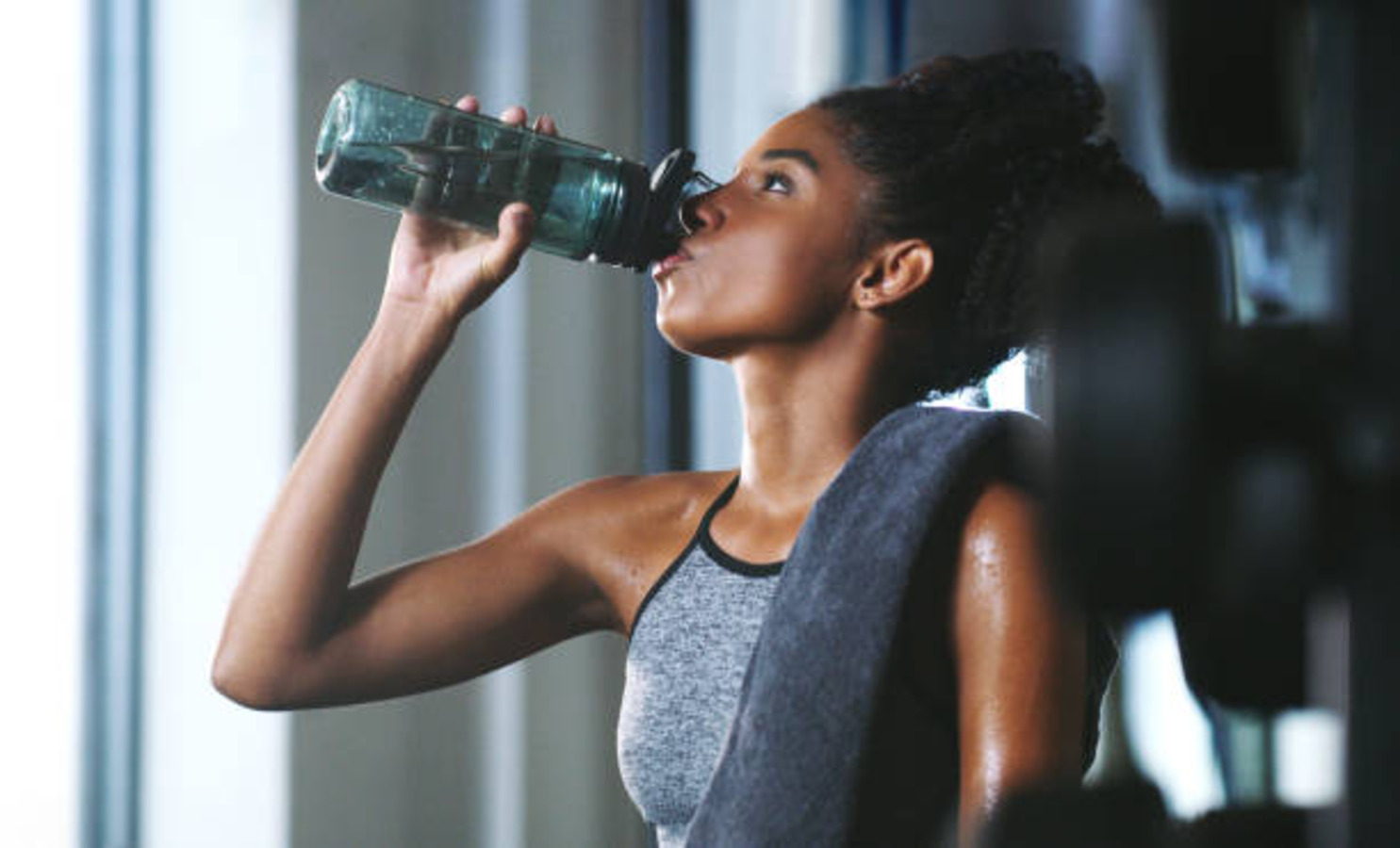
Photo: Getty Images
Water supports quick exercise recovery. By engaging in workouts, you lose water. Water and electrolytes-rich drinks help replace fluids. Try drinking water before and after your workout. Pay attention to your thirst bud and urine colour. Dark urine indicates you need more fluids.
Active Recovery
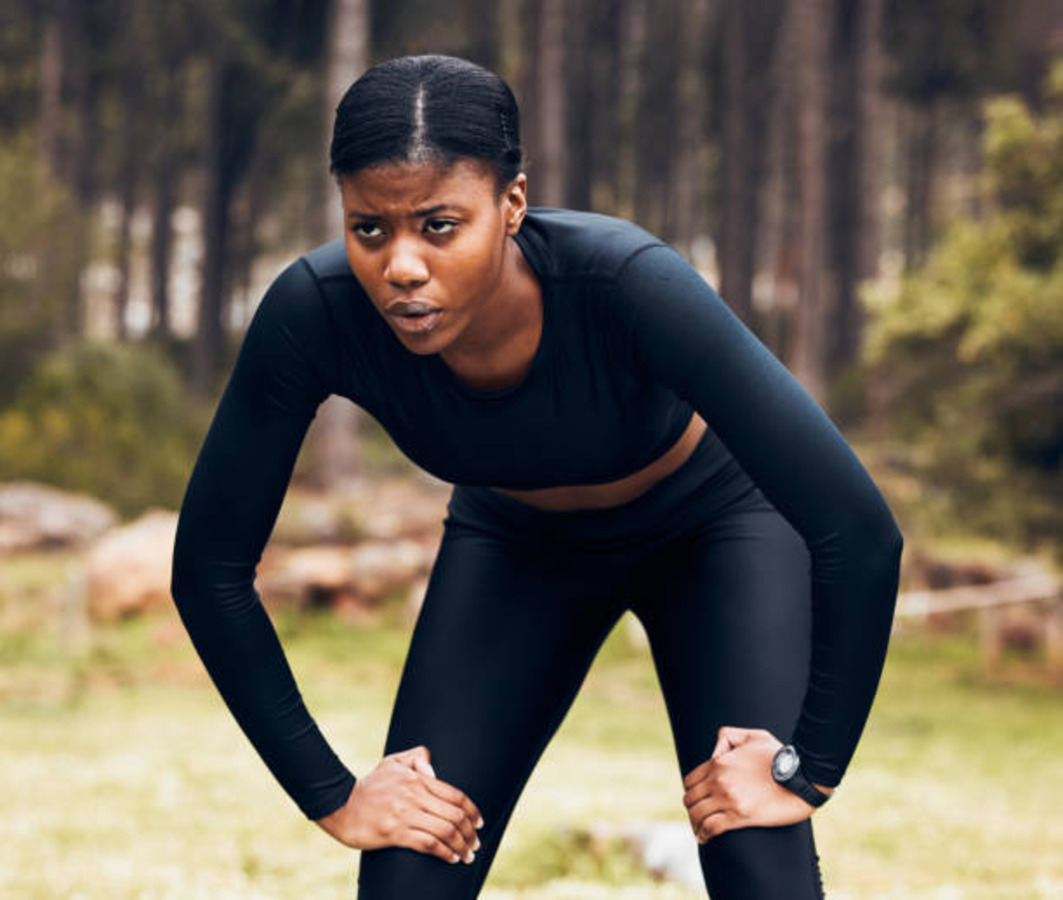
Photo: Getty Images
Complete rest is not the fastest way to recover. Light movement can improve blood circulation. It does this by providing oxygen to tired muscles. Try walking and cycling to reduce stress on your muscles. Don’t jump into workouts when you have not recovered.
Manage Workout Intensity
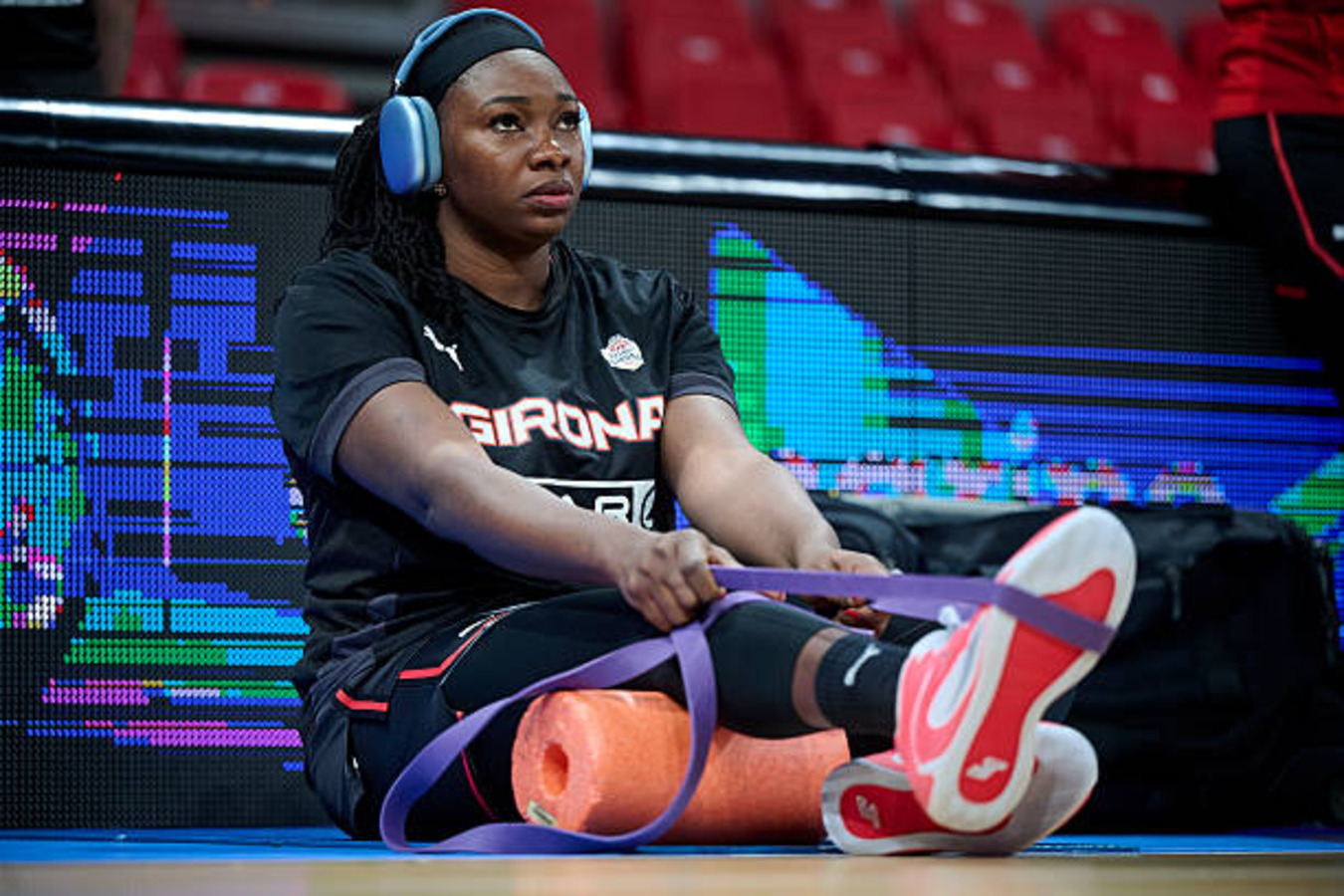
Photo: Getty Images
If your body needs a balance between exercise and recovery for good performance. To know if your body needs to recover, you might experience muscle soreness and tiredness. A good training plan should include rest days. You can mix heavy sessions with lighter workouts to avoid stressing your body.


Uncle Waffles to Perform at Gallo 100 Centenary Music Festival in Cape Town

French Montana to Headline Two South African Shows This December

Diddy’s Head Injury Reportedly Linked to Fight With Jamaican Drug Lord




-

 Travels3 months ago
Why Solo Travel Could Be the Best Decision You Ever Make
-

 Music3 months ago
Rihanna Surprises Fans With Her First Live Performance in Years at Jay-Z’s Concert
-

 Events3 months ago
Shannon Benting Set to Compete at Miss Supranational 2026 in Poland
-

 Health3 months ago
Constantly Tired? Your Liver Could Be Telling You Something
-

 Travels2 months ago
6 Best Hotels in Cape Town
-

 Dj Men3 months ago
The Male DJs Keeping South Africa’s Nightlife Alive
-

 Fitness3 months ago
How to Recover Faster After a Heavy Gym Session
-

 Health3 months ago
Apple Cider Vinegar: From Health and Skin to Everyday Uses