
Health
The Best Supplements for Women in Their 20s, 30s, 40s and Beyond

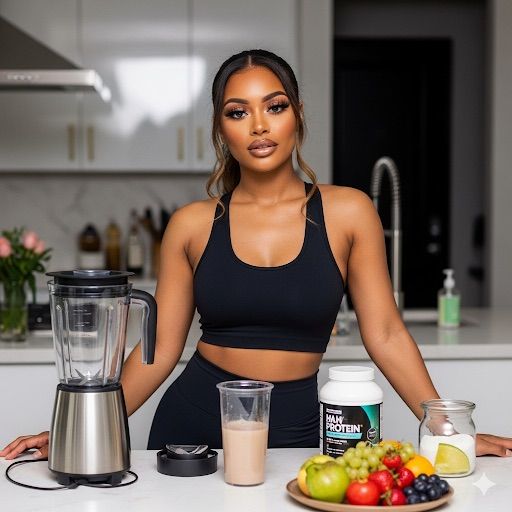
Women’s nutritional needs change with age, but not always in obvious ways. It’s not just hormones or metabolism shifting; it’s also how the body absorbs and uses nutrients. Supplements can help close gaps, but only when used with a clear purpose.
In Your 20s: Laying the Groundwork
In your 20s, the body is still building bone density and stabilising hormonal patterns. A multivitamin can help cover gaps in an inconsistent diet, especially with busy routines.
Vitamin D and calcium are key for bone development and work best together. Omega-3 fatty acids support brain and heart health, while also helping with inflammation.
Iron is another consideration. Menstrual cycles increase the risk of deficiency, often showing up as fatigue.
The priority here is building a solid nutritional base.
In Your 30s: Keeping Up With Demand
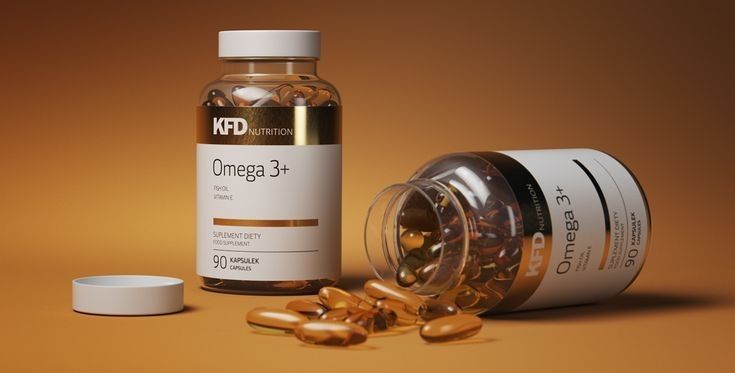
Photo Credit – Pinterest
In your 30s, daily demands increase and nutritional needs become more specific. Iron often remains important, particularly alongside B vitamins, which support energy and cognitive function. Collagen levels decline, making it useful for skin and joint support.
Omega-3s continue to support heart health, while probiotics help maintain digestion and immune balance, which can be affected by stress.
Combining nutrients can improve effectiveness. Vitamin C enhances iron absorption, while magnesium supports vitamin D. The focus is on maintaining energy and overall function.
In Your 40s: Adjusting to Change
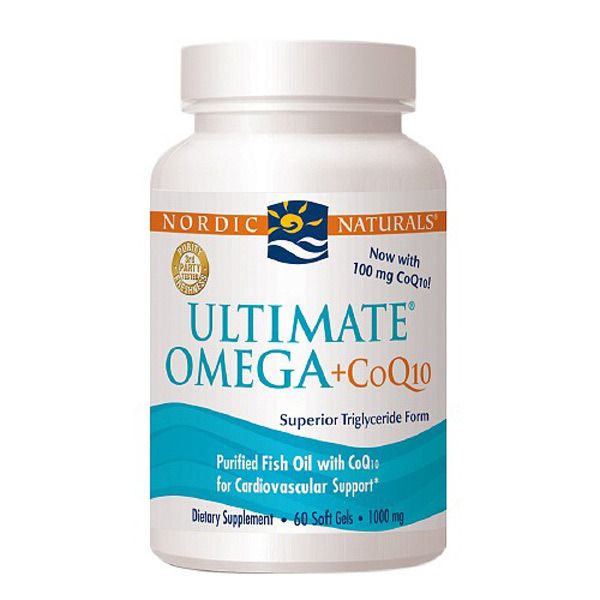
Photo Credit – Pinterest
In your 40s, hormonal changes begin to affect sleep, metabolism and bone health. Calcium and vitamin D help preserve bone strength. Magnesium supports sleep and muscle relaxation, while also contributing to mood balance.
Probiotics support digestion and immune function, while omega-3 fatty acids and CoQ10 contribute to heart health and energy production.
There is also growing interest in creatine for maintaining muscle strength and supporting cognitive function when combined with exercise. At this stage, supplement use becomes more targeted.
Beyond 50: Supporting Long-Term Health
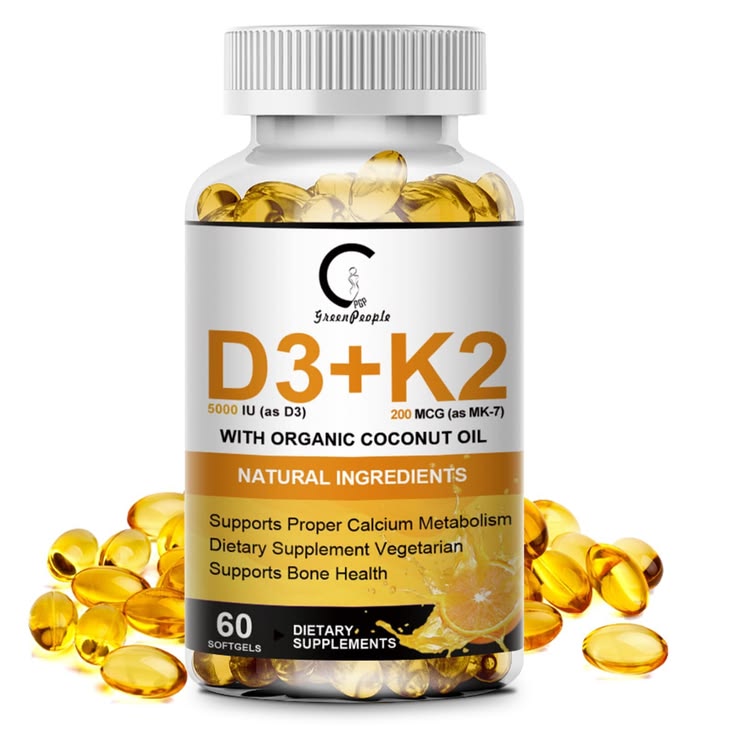
Photo Credit – Pinterest
After menopause, the body may become less efficient at absorbing nutrients, and the risk of bone loss and cardiovascular issues increases.
Calcium, vitamin D and vitamin K2 work together to support bone density. Omega-3 fatty acids continue to support heart and brain health, while B vitamins help maintain energy and neurological function.
Protein intake becomes more important for muscle maintenance, and magnesium can help regulate sleep, mood and immune function.
The focus shifts to maintaining strength and independence.
What Matters More Than Age

Photo Credit – Pinterest
Age-based supplement lists are useful, but they do not tell the full story. Needs vary depending on diet, lifestyle and overall health.
Diet remains the foundation, and supplements should fill specific gaps rather than replace meals. Deficiencies should guide decisions more than age alone, and combining certain nutrients can improve results. At the same time, excessive intake can lead to imbalances.
The Takeaway
Your 20s focus on building. Your 30s centre on maintaining. Your 40s prioritise adjustment. Beyond that, the focus shifts to long-term health.
Supplements can support each stage when used appropriately alongside a balanced diet and consistent lifestyle habits.
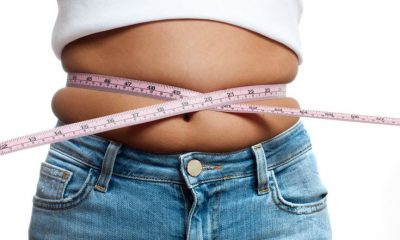






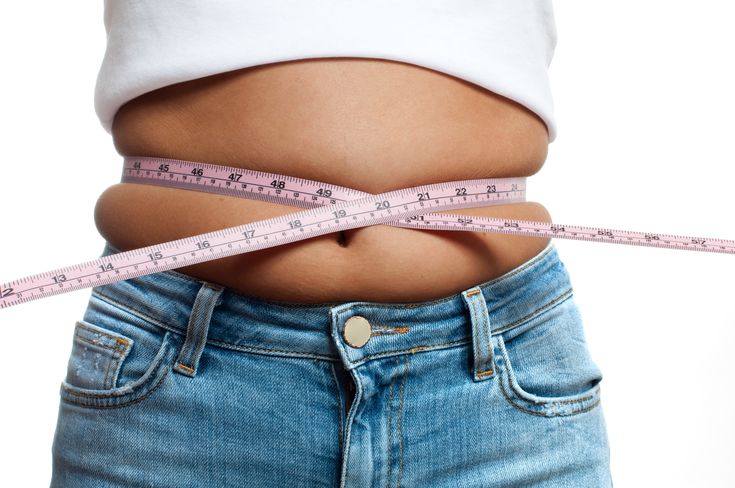
Weight gain that happens without a clear change in diet or activity is often treated as a lifestyle issue. However, clinical research points to a more complex possibility: Polycystic Ovary Syndrome.
PCOS is a hormonal condition that affects how the ovaries function. One key aspect is its impact on weight. This goes beyond calorie intake and expenditure. Many women with PCOS experience metabolic changes that make weight gain easier and weight loss more difficult.
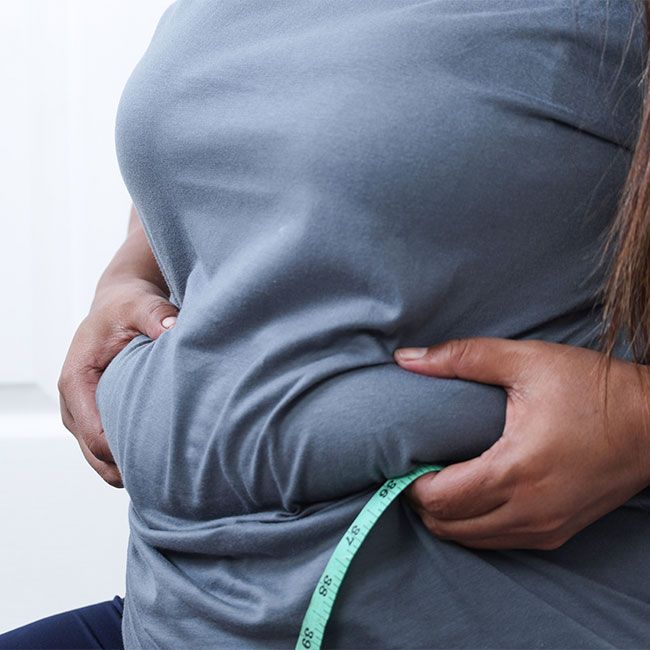
Photo – Pinterest
A key factor is insulin resistance. The body produces insulin but does not use it effectively. As a result, insulin levels rise, which encourages fat storage, particularly around the abdomen. This explains why some women gain weight even when their routines have not changed significantly.
Hormonal imbalance also contributes. Elevated levels of androgens, hormones commonly associated with male physiology, are typical in PCOS. These can affect metabolism and contribute to fat storage. At the same time, irregular ovulation affects how the body regulates energy use.
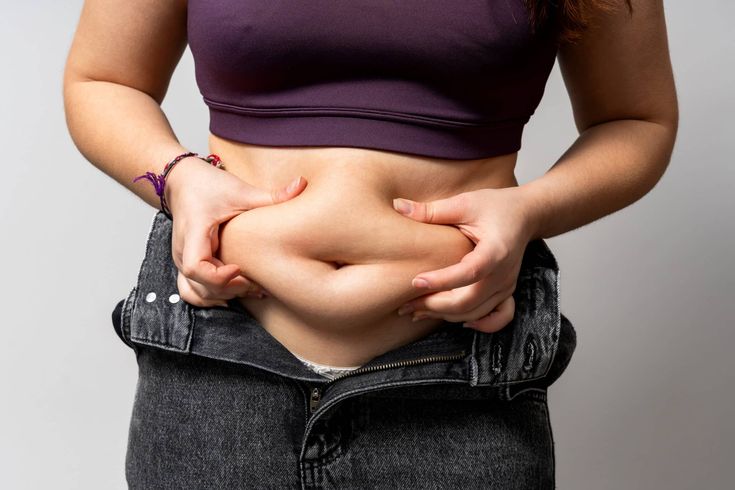
Photo – Pinterest
PCOS-related weight gain rarely occurs alone. It often appears alongside irregular menstrual cycles, acne, thinning hair on the scalp, or increased hair growth on the face and body. When these symptoms occur together, they form a pattern that should not be ignored.
Early recognition is important. PCOS is associated with a higher risk of long-term conditions, including Type 2 Diabetes and cardiovascular disease. In this context, weight gain signals underlying metabolic issues rather than a cosmetic concern.
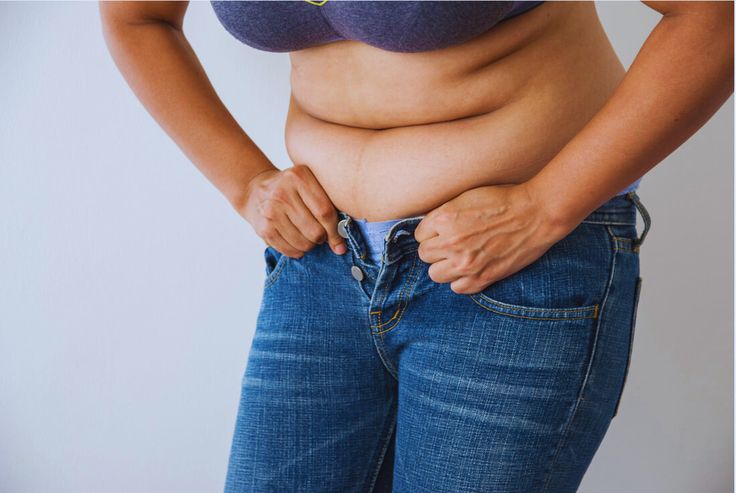
Photo – Pinterest
Management varies by individual. Doctors may recommend dietary adjustments, regular physical activity, and, in some cases, medication to improve insulin sensitivity or regulate hormones. The goal is to stabilise the body’s metabolic response over time.
For anyone experiencing unexplained weight gain, especially alongside other symptoms, it is worth seeking medical advice. Identifying PCOS early allows for targeted management and better long-term health outcomes.

Perimenopause is a phase before menopause, which usually affects women in their 40s. During this time, many women notice unexplained weight gain which could be frustrating. Here are some reasons it happens and how to manage it.
Why Weight Gain Happens During Perimenopause
One of the reasons weight gain happens during perimenopause is change in the hormones. Levels of estrogen reduce, affecting how the body regulates metabolism. Studies show that while menopause itself does not cause weight gain, they are linked to increased body fat.

Photo: Getty images
Lower estrogen causes hunger and fullness hormones . This makes women feel hungry after meals. As a result, calorie intake may increase without a person knowing.
Aging also plays an important role. The body muscle mass naturally reduces with age. Without making the right adjustments in daily activity and nutrition, weight gain happens.

Photo: Getty images
Another factor during Perimenopause is sleep stress. Sleeping disorders affect hormones that control appetite. Experts note that many women gain weight during this time, though experiences are different.
How to Keep Perimenopausal Weight Gain in Check
1. Practice Strength Training
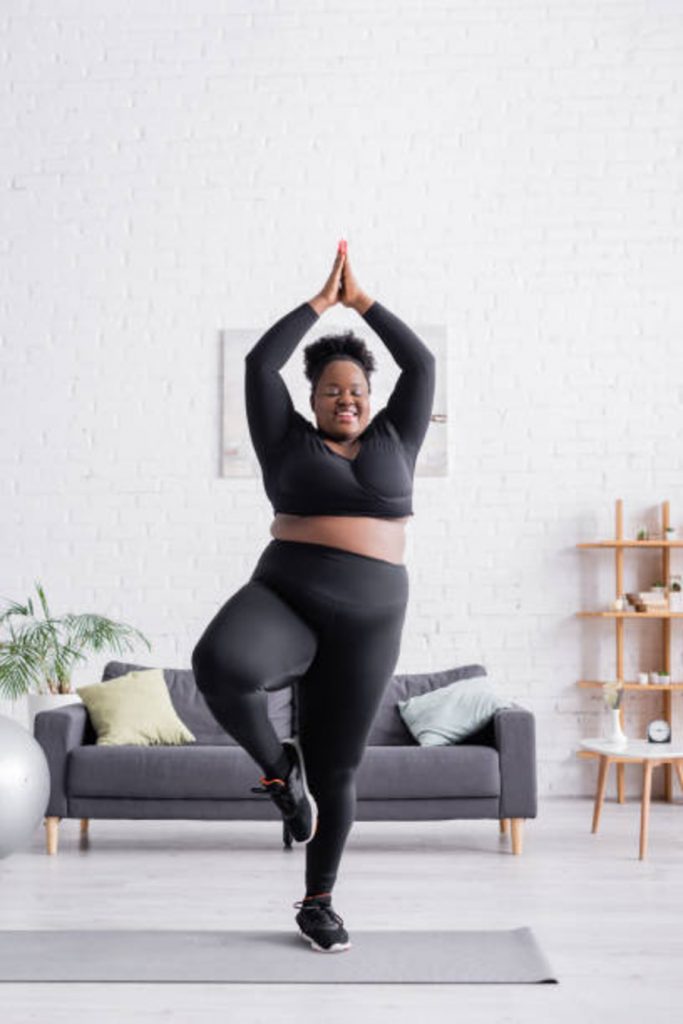
Photo :Getty images
Building muscle becomes important during perimenopause. Muscle helps maintain metabolism and improves glucose usage. Health experts recommend combining aerobic exercise with various muscle activities.
Read Also: Does Creatine Work for Weight Loss?
2. Take Balanced Diet Meals
Instead of dieting, experts encourage eating food rich in vegetables, whole grains, and lean protein. Adequate protein intake helps preserve muscle and supports fullness. Calorie reduction can slow metabolism and make weight management harder.
3. Sleep

Photo: Getty images
Getting the required sleep everyday goes a long way to improve your health. Everything doesn’t have to be work or movies, sleeping 7-8 hours daily is recommended. Poor sleep can cause weight gain. It’s advisable to sleep early and avoid sleep disruptions to stabilize appetite.
4. Avoid Stress
Chronic stress raises cortisol levels, which promotes fat storage around the abdomen. Regular movement and relaxation practices can help support overall wellbeing.
5. Speak to a Professional
For some women, talking with a health professional helps manage symptoms. With their experience and knowledge, these experts can provide insights on how to manage this phase. .
Perimenopausal weight gain is real, but the above-mentioned tips help. Exercise, eat well and get enough sleep to maintain a healthy weight.
Health
Lupita Nyong’o Opens Up About Overlooking Fibroid Symptoms — 4 Warning Signs Women Should Know


Lupita Nyong’o has spoken out about her struggle with uterine fibroids. She hopes her experience will encourage women to pay attention to their bodies. She revealed how many fibroids over the years. The Oscar winner said she has carried 77 uterine fibroids, and 25 were removed through surgery.
Fibroids are non-cancerous growths found around the uterus.They are common and affect millions of women worldwide. Studies suggest that 80% of women may develop fibroids during their childbearing years.

Photo: Instagram
Nyong’o said she ignored the symptoms for years because she thought it was part of being a woman. She advises women to talk to a professional when they notice reproductive health issues.
Here are four warning signs women should watch out for.
Heavy Menstrual Bleeding
One of the common signs of fibroids is heavy menstrual bleeding. This includes having periods that last longer than usual.
Nyong’o has spoken about experiencing heavy bleeding due to fibroids. Experts say if your period is heavy, consult a doctor.
Persistent Pelvic Pain
Another warning sign is abnormal pain in the pelvic area. Fibroids can grow large and press against nearby organs causing discomfort.
Some women describe this as a feeling of heaviness in the lower abdomen. Others experience sharp pain during their period.

Photo:Instagram
Nyong’o shared that pain was one of the symptoms she lived with for years before she understood the cause.
Read Also: Natural Ways to Manage Endometriosis Symptoms
Frequent Urination
Large fibroids press on the bladder, causing frequent urination. This symptom is mistaken for a urinary issue. However, if frequent urination occurs along with other symptoms, it could be due to fibroids. Experts believe this happens when fibroids take up space in the pelvic area
Abdominal Swelling
Some fibroids cause swelling in the abdomen. In certain cases, the stomach appears bloated. This swelling is mistaken for weight gain. Fibroid sizes vary based on several factors.

Photo:Instagram
Nyong’o uses her platform to talk about fibroids and encourage women to be vigilant and any reproductive health issues should not be ignored.


The Best Supplements for Women in Their 20s, 30s, 40s and Beyond

SA Stars Danica De La Rey Jones and Masasa Mbangeni Join the Cast of Thriller ‘Sniper: No Nation’

Charlize Theron Opens Up About Childhood Trauma and Mother’s Act of Self-Defence

Lee Khuzwayo in a Long Black Dress, Done Right

Sinqobile Tusani Signature Love Affair with White Outfits

Sinqobile Tusani Elevates the Mini Skirt with Urban Cool
Charlize Theron Opens Up About Childhood Trauma and Mother’s Act of Self-Defence

Tyla Delivers Powerful Performance of “Chanel” on The Tonight Show

Olandria Dazzles in Sculptural Gold at Rahul Mishra’s Paris Fashion Week Show


-

 TV3 months ago
Big Brother Mzansi Season 6 Welcomes Ashay Sewlall: From Footballer to Rising Star
-

 TV2 months ago
Neliswa Ngada Disqualified from ‘Big Brother Mzansi’ After Physical Altercation in Bazozwa House
-

 TV3 months ago
Juicy Jay Opens Up About Why His Relationship With Yvonne Godswill Ended
-

 Top Shows3 months ago
Big Brother Mzansi’s Season 6: Marcia “Cia” Morata Removed From the House For Medical Reasons
-

 Celebrity News3 months ago
How Shensea Drove Jamaica’s Biggest Artist‑Led Hurricane Relief Effort
-

 Celebrity News2 months ago
Evicted ‘Big Brother Mzansi’ Housemate Kokii Opens Up on Mental Health and Hard‑Won Lessons
-

 TV4 weeks ago
Liema Pantsi Wins Big Brother Mzansi S6, Here’s What’s Next for the Rising Music Star
-

 Lifestyle3 months ago
Thandiswa Mazwai Unveils Sankofa Heritage Fest Honouring Legacy and Heritage