
Food
Nutritional Benefits of Incorporating Seed Oils into Your Diet


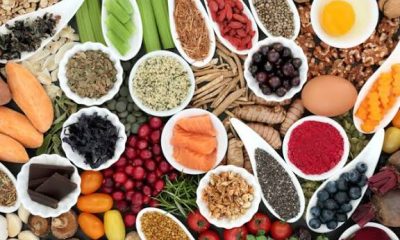
Seed oils obtained from plants like canola and sunflower offer many health benefits. They contain essential fats and other essential nutrients that benefit the body. These oils are great for memory, help in cell repair, great for your immune system and other benefits. They also contain vitamin E which is great for cell building. Here are 5 nutritional benefits of including them in your meals.

Good source of healthy fats
Healthy fats are important nutrients that the body needs. You can find lots of healthy fats in these oils which makes consuming them a wise choice. Since our body can’t produce fatty acids, it is important to get them from our meals. These fats help reduce bad cholesterol, good for cardiovascular health and enhance cell growth when taking in moderation
Rich in Antioxidants
They are good sources of antioxidants which aid in defeating toxins in the body. The antioxidants present in these oils help neutralize harmful viruses and protect your body cells. Regular intake helps make your immune system better, making you stronger. By including them in your diet, your overall wellness and well-being is in good hands.
Read Also : 5 Reasons Drinking Rooibos Will Make You Look Healthy

Improves Brain and Nerve Function
They contain nutritional fats like Omega-3 and omega-6. They are important to the body because they help in repairing nerve tissues and build blocks for brain cells. Flaxseed oil for instance is known to help relieve pain and inflammation. Also, these fats play a crucial role in brain development and general nerve health. When taken in moderation, seeds oils help you achieve better concentration.
Promote Skin and Hair Health
Your skin and hair health will improve with regular seed oil intake. By providing useful fats, they strengthen the skin barrier and reduce dryness. Also, since they have lots of antioxidants, all free radicals in the body are removed promoting a more youthful and agile look. Your hair will shine better and become softer with the help of these oils. They also support healthy hair growth, sooth hair scalps and reduce flakiness.

Helps in Nutrient Absorption
Some important vitamins (like A, D, E, and K) and compounds (like carotenoids) need fat to get into your body properly. By taking meals with them, the fats in the oils will assist in the digestive process. They help the vitamins and other nutrients, so your body can easily use them. Without enough fat, your body will find it hard to absorb these important nutrients,
Bottom Line
Seed oils contain healthy fats, especially polyunsaturated fatty acids. These fats help support many body functions from cognitive health, immune system to digestive system. Incorporating them into your meal routine is a smart choice.




South African summers place practical demands on food choices. In high temperatures, dairy tends to be selected less for indulgence and more for how it performs in the heat. Seasonal food writing reflects a preference for options that cool quickly, feel light on the palate and fit easily into everyday routines, from quick lunches to informal weekend meals.
Yoghurt remains a dependable warm-weather staple because it offers cooling comfort without weight. Thick, strained varieties are commonly favoured for their texture, providing substance without richness. In summer contexts, yoghurt is rarely presented as a dessert on its own. It is more often used as a base, paired with fruit, lightly sweetened or frozen into simple snacks. Freshness and restraint shape its appeal, particularly when overly sweet flavours become harder to enjoy in high temperatures.

Photo Credit – Google
Frozen yoghurt sits between refreshment and dessert, offering a lighter alternative to richer frozen desserts. Its softer body and mild acidity make it easier to eat during extreme heat, especially outdoors. In food writing, simplicity is frequently highlighted as its main advantage. Clean flavours and minimal additions tend to work best, as heavy toppings and dense sweetness can feel excessive on very hot days.
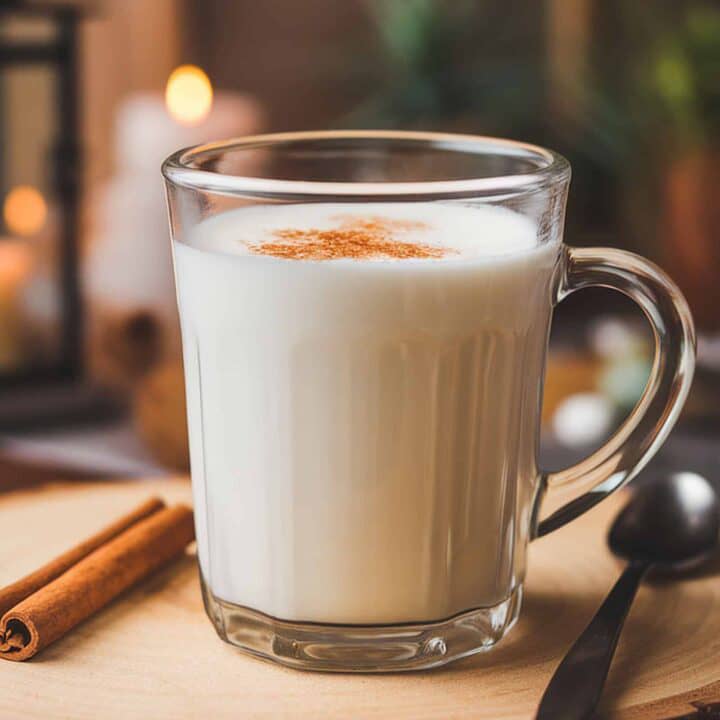
Beyond commercial frozen options, dairy also appears in simpler, home-prepared forms. Milk-based drinks take on a quieter role in summer, shifting away from indulgence towards function. Seasonal features often favour chilled milk drinks that prioritise drinkability over richness. Light flavouring is common, and these drinks are generally presented as something to consume quickly and casually. In high temperatures, ease tends to matter more than complexity.
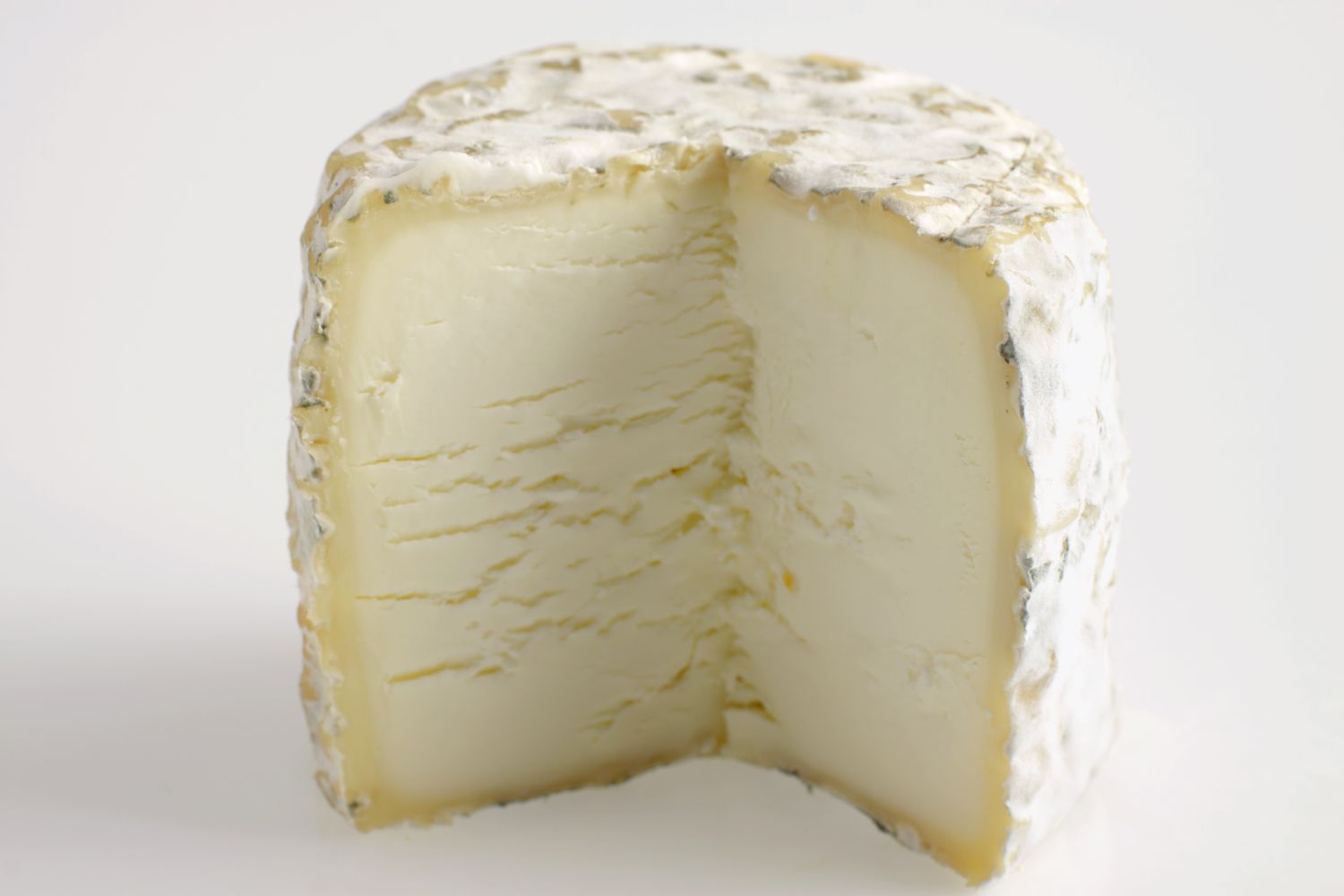
Photo Credit – Google
Fresh cheeses adapt well to summer eating habits. Soft, high-moisture cheeses are typically served cold and paired with fruit, vegetables or bread, requiring little preparation. Their appeal lies in contrast and texture rather than depth of flavour. They suit lighter meals assembled with minimal effort, reflecting how eating patterns often change when heat persists throughout the day.
Home-prepared frozen dairy snacks also feature during summer. Yoghurt ice blocks and milk pops made with few ingredients are regularly positioned as practical options for long, hot days. Easy to store and portion, they align with everyday summer routines and the need for quick access to something cold.

Photo Credit – Google
Summer dairy tends to rely on adjustment rather than reinvention. Sweetness is moderated, textures are lightened and temperature becomes the priority. The most effective options cool immediately and leave a clean finish, without demanding attention or effort.
As summers become longer and more intense, dairy continues to respond to real conditions. Reduced richness, controlled sweetness and colder service define its role. In this context, dairy is less about indulgence and more about practicality, comfort and timing.
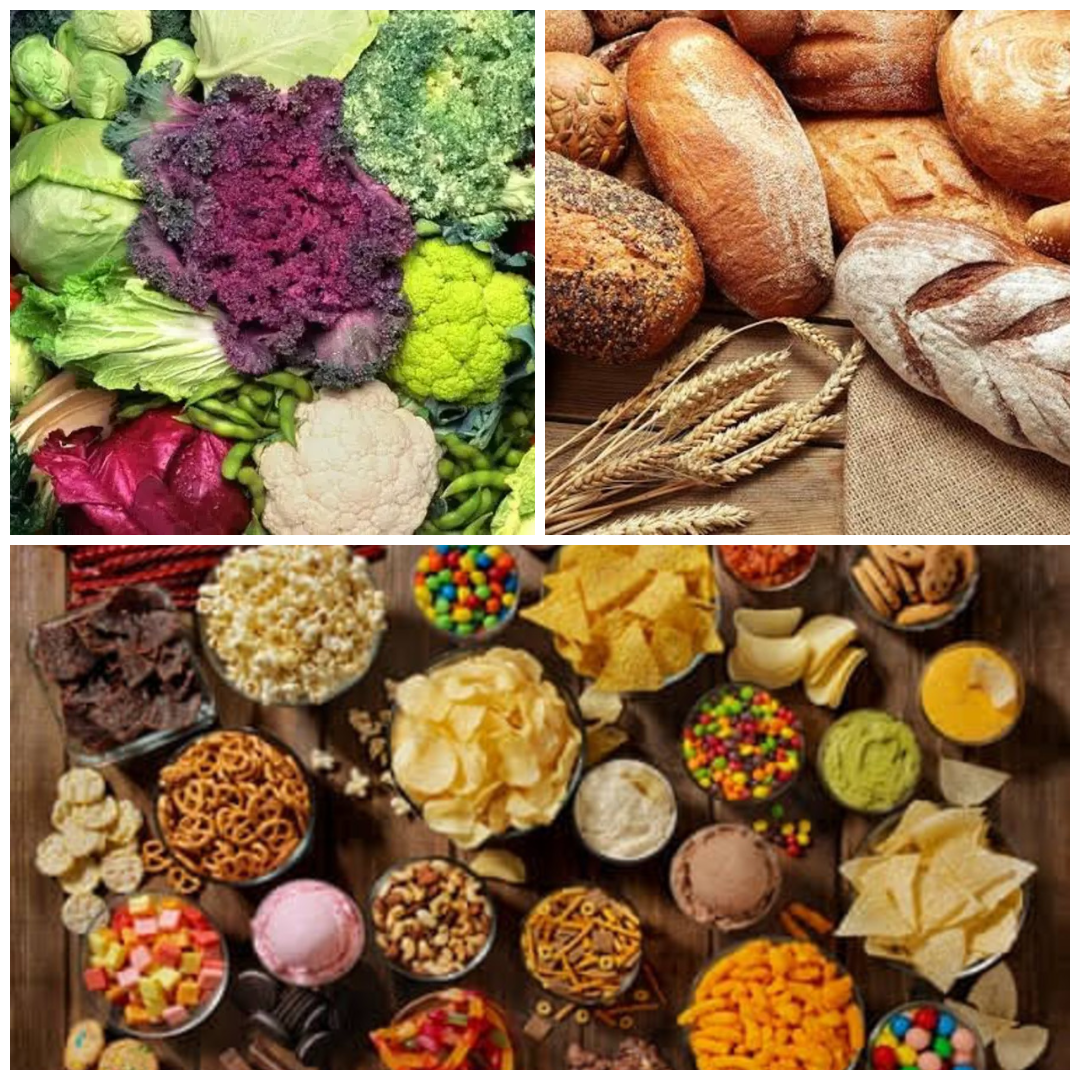
Bloating is a common digestive complaint that causes discomfort or a feeling of fullness. It is often linked to how certain foods are digested, how quickly they move through the gut, or how they interact with gut bacteria. Knowing which foods trigger bloating can help people make informed choices without cutting out favorites entirely.
Beans and Legumes
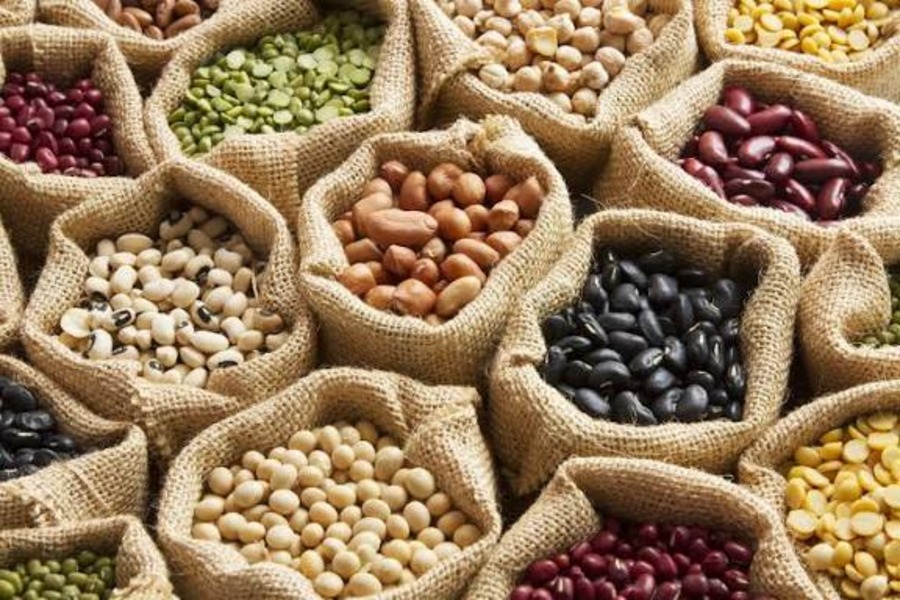
Beans : Instagram
Beans, lentils, chickpeas, and peas are rich in fiber and plant protein, which makes them highly nutritious. However, they also contain complex carbohydrates called oligosaccharides. The human digestive system cannot fully break these down, so they pass into the large intestine where gut bacteria ferment them. This fermentation produces gas, which can lead to bloating. Eating smaller portions, soaking dried beans before cooking, or choosing canned beans that have been rinsed well can reduce bloating.
Dairy Products
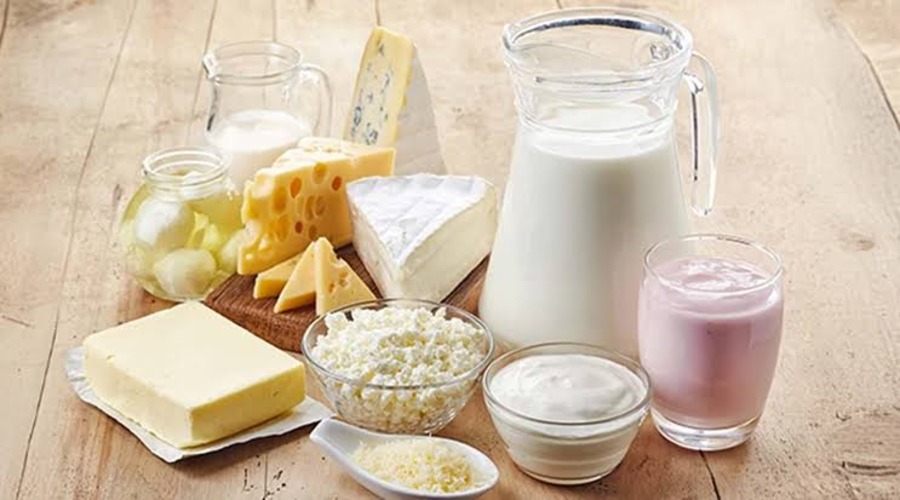
Dairy Products:Istock
Milk, cheese, and other dairy products can cause bloating in people who have difficulty digesting lactose, the natural sugar found in milk. When lactose is not properly digested in the small intestine, it moves into the colon where bacteria break it down, producing gas. This can result in bloating, cramps, and discomfort. Lactose-free or fermented options like yogurt can improve tolerance.
Carbonated Drinks
Soft drinks, sparkling water, and fizzy juices introduce extra air into the digestive system. The gas bubbles in these drinks can become trapped in the stomach or intestines, leading to bloating. This effect can happen even in people who do not have other digestive issues. Limiting carbonated beverages and opting for still water or herbal teas is a simple way to reduce bloating related to trapped gas.
Cruciferous Vegetables
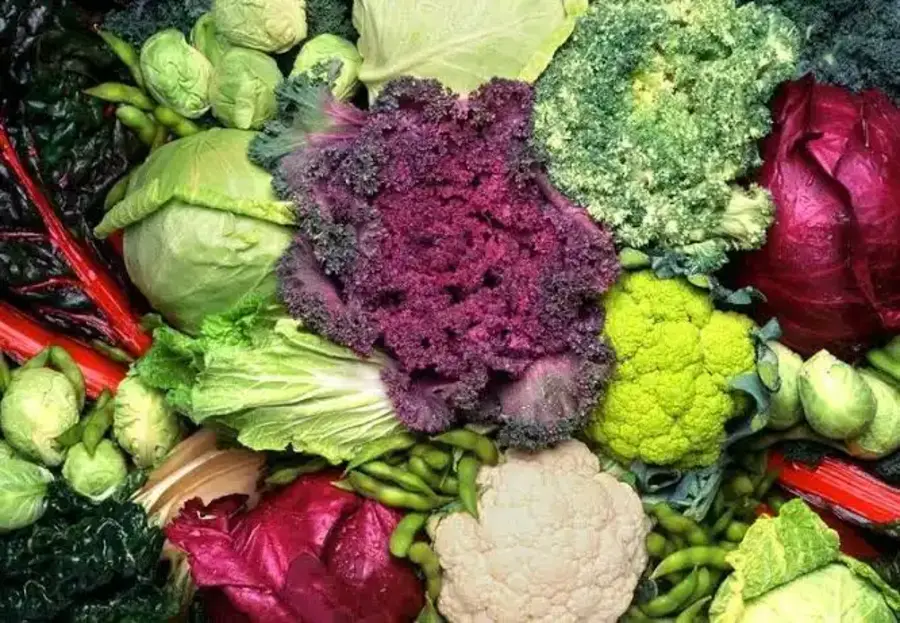
Vegetables : Instagram
Vegetables such as cabbage, broccoli, cauliflower, and Brussels sprouts are packed with vitamins, minerals, and fiber. They also contain sulfur-containing compounds and complex fibers that can be difficult to digest for some people. As these vegetables are broken down by gut bacteria, gas is released. Cooking these vegetables can improve digestibility and reduce bloating.
Read Also : Nutritional Benefits of Incorporating Seed Oils into Your Diet
Wheat and Refined Bread
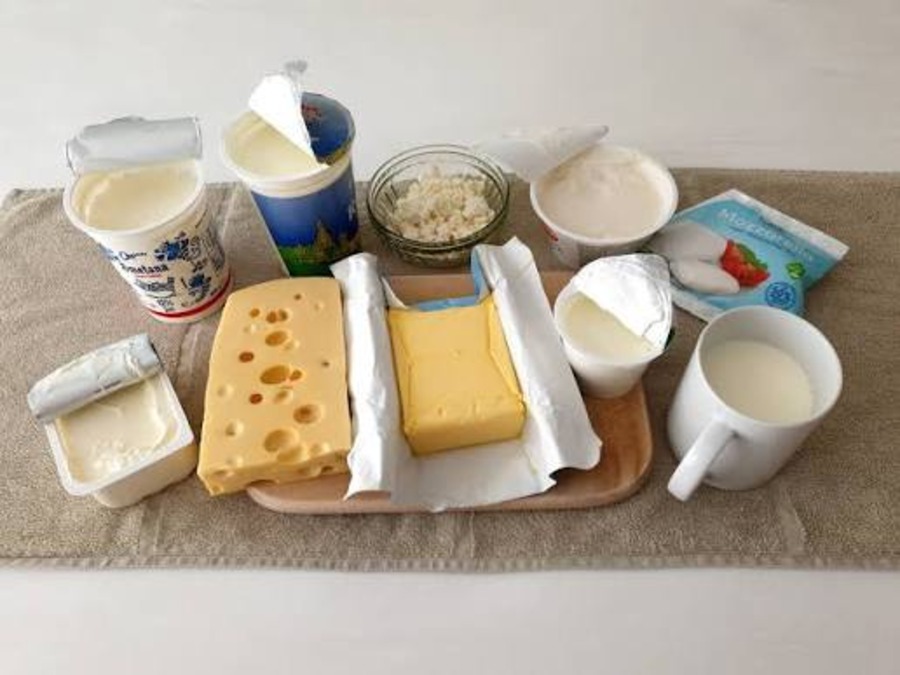
Refined Bread :Pinterest
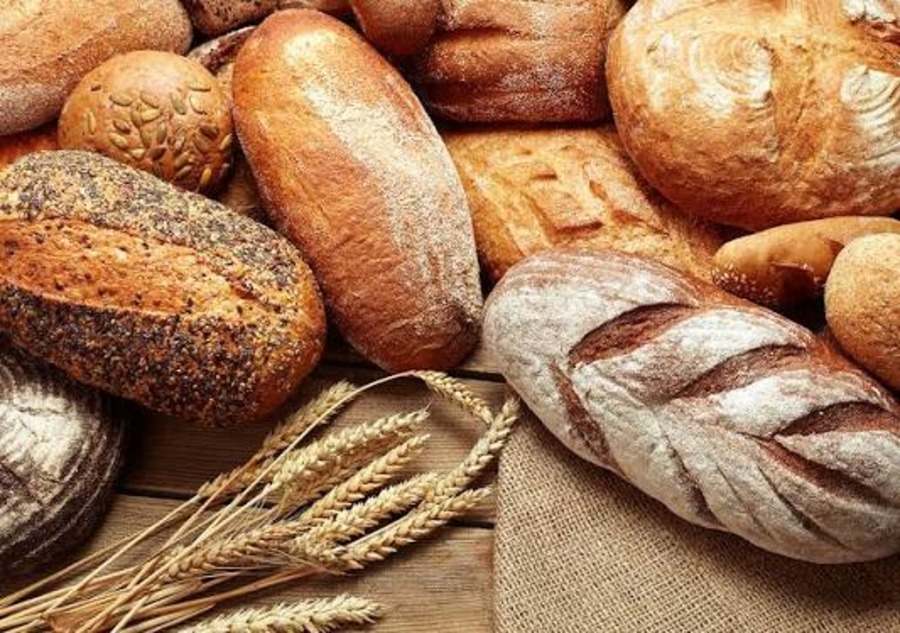
Bread, pasta, and other wheat based foods can cause bloating for several reasons. They contain gluten, which some people are sensitive to, and are high in fermentable carbohydrates. These foods can draw water into the gut and be fermented by bacteria, causing bloating.It is among the top South African foods that draw water into the gut and be fermented by bacteria, leading to bloating. Choosing whole grains in moderate portions or experimenting with gluten-free alternatives can help identify what works best for the body.
Salty Processed Foods
Processed Food: Freepix
Highly processed foods like chips, instant noodles, and packaged snacks are often high in sodium. Excess sodium can cause bloating, particularly around the stomach. Reducing intake of salty processed foods and drinking enough water can help the body balance fluids more effectively.
Paying attention to portion sizes, food preparation methods, and individual tolerance can make a big difference. Changes in eating habits can reduce bloating without compromising a balanced diet.
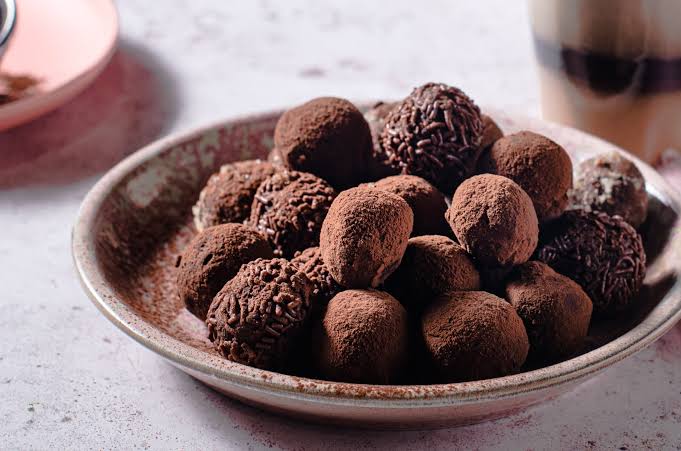
Truffles are highly-prized in the culinary world due to their deep flavor and distinctive aroma. Truffles were once considered an exclusive delicacy in Europe. However, they are now cultivated across several regions of South Africa. Here are some top spots where you can enjoy truffles in the country.
Oak Valley Estate, Elgin

Oak Valley Estate is an hour’s drive from central Cape Town. This is among the first estates in South Africa to cultivate truffles in the country. Located in Elgin, renowned for its wines and truffle orchards. During winter, chefs prepare diverse truffle-inspired meals and paired with their wines.
Altima Estate

Altima Estate along the Franschhoek valley is known for its fertile soil and cool climate, which is ideal for truffle cultivation. Aside from truffle production, they are also known for making fine wines. Visitors can join truffle hunts anytime. These hunts are led by trained dogs which makes it more thrilling. This place boasts of vineyard landscapes and truffle orchards which makes it a good place for food enthusiasts.
Fula Miros Farm
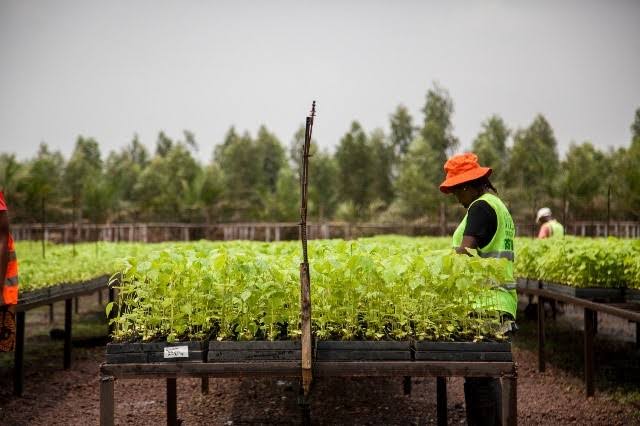
Located in the Cape Winelands, this is one of the top farms known for truffle cultivation in South Africa. They specialize in Perigord black truffles and are a popular spot where chefs seek locally grown truffles. There are several truffle orchards to explore on this farm and you can also learn how they are grown.
Anthonij Rupert Wyne, Franschhoek

At the Anthonij Rupert Wyne, truffles appear in signature dishes across its restaurants. Truffles also elevate dishes like risottos and handmade pastas When paired with luxurious wines, they create an unforgettable dining experience
Read Also : 5 South African Street Foods You Have to Try This August
La Colombe, Cape Town

If you want to stay within Cape Town, places like La Colombe should be on your list. They serve a variety of truffle-infused dishes crafted to international standards. Here, truffles can be found in sauces, seafood, and desserts. The restaurant is celebrated for its high-quality truffle delicacies.
Bottom Line
There are many places where you can find truffles in South Africa. The restaurants and estates mentioned above have unique preparation styles, but they offer memorable truffle experiences. Across South Africa, there are outstanding spots to enjoy truffle-inspired cuisine.


SiR Set to Perform at Once Upon a Time in Joburg in South Africa

Social Media Reacts as Sni Mhlongo and Zamani Mbatha Reunion Rumours Trend on X

Babygirlzae Dumps Emtee Records Over Issues With Jealous Wife




-

 TV3 months ago
Big Brother Mzansi Season 6 Welcomes Ashay Sewlall: From Footballer to Rising Star
-

 TV2 months ago
Neliswa Ngada Disqualified from ‘Big Brother Mzansi’ After Physical Altercation in Bazozwa House
-

 Netflix3 months ago
Netflix Announces Show ‘Yoh! Bestie’ Starring Katlego Lebogang
-

 TV2 months ago
Juicy Jay Opens Up About Why His Relationship With Yvonne Godswill Ended
-

 Top Shows3 months ago
Big Brother Mzansi’s Season 6: Marcia “Cia” Morata Removed From the House For Medical Reasons
-

 Celebrity News3 months ago
Yolanda Mukondeleli Transitions From Big Brother Mzansi to DJ Booth
-

 Celebrity News3 months ago
How Shensea Drove Jamaica’s Biggest Artist‑Led Hurricane Relief Effort
-

 Celebrity News2 months ago
Evicted ‘Big Brother Mzansi’ Housemate Kokii Opens Up on Mental Health and Hard‑Won Lessons