
Fitness
Essential Gym Gear and Accessories You Should Have

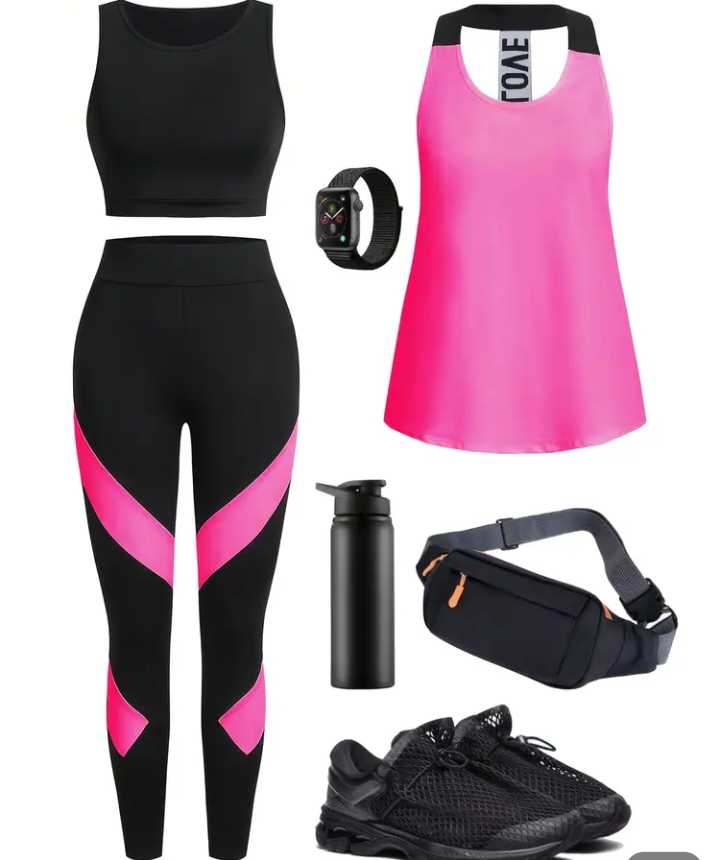
Walking into a gym can be overwhelming. The clang of weights, the buzz of treadmills, and rows of machines can leave anyone unsure where to start. Having the right gear, however, makes a world of difference; it keeps you safe, comfortable, and ready to focus on your workout.
Shoes That Support Every Move
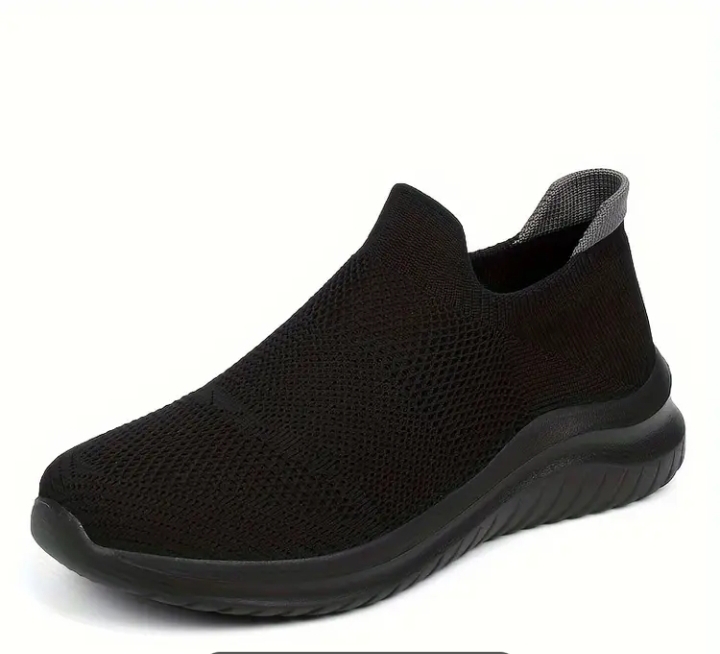
Shoes are more than just a style choice; they affect how you move. A good pair of gym shoes offers cushioning for cardio, stability for lifting, and flexibility for dynamic movements. If you split your time between running and strength training, look for footwear that handles both without compromising support.
Clothing That Moves With You
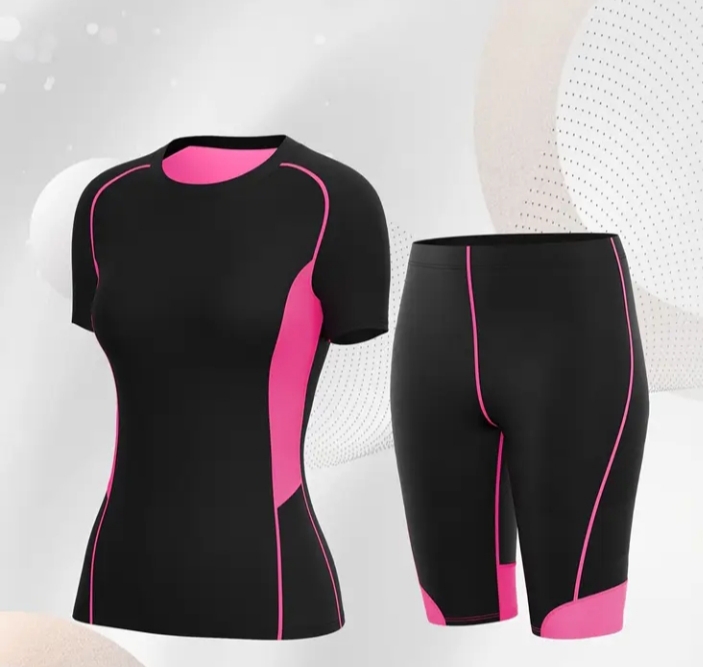
Comfortable workout clothes make exercise easier. Breathable fabrics that stretch with your body prevent chafing and let you move freely, whether you’re stretching, lifting, or running. Shorts, leggings, and fitted tops designed for exercise keep you focused on performance rather than adjusting your outfit mid-session.
Small Accessories, Big Impact
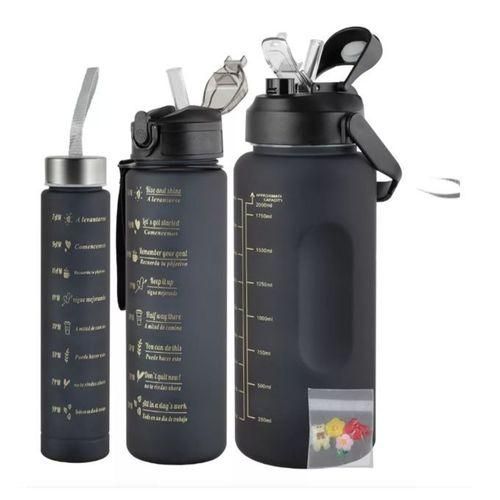
Even simple accessories can change how smoothly your workout goes. A durable water bottle keeps you hydrated; gloves protect your hands during heavy lifts, and wrist wraps can prevent strain. Resistance bands, yoga mats, and foam rollers take up little space but add variety and recovery options to your routine.
Tech That Tracks Your Progress
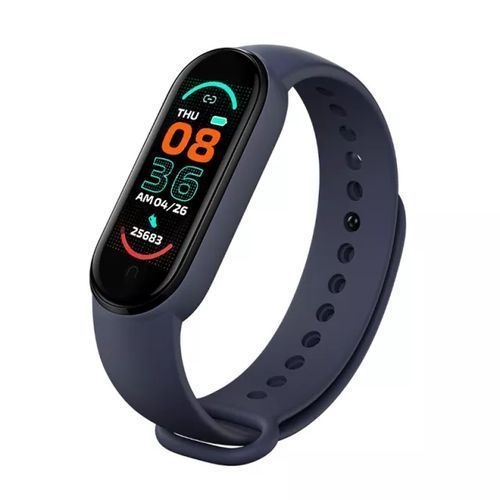
Fitness trackers and smart watches are more than just gadgets. Tracking heart rate, steps, and activity patterns allows you to adjust workouts and measure improvements over time. Pair these tools with a well-organized gym bag, and you will never waste time hunting for essentials.
Personal Care Matters
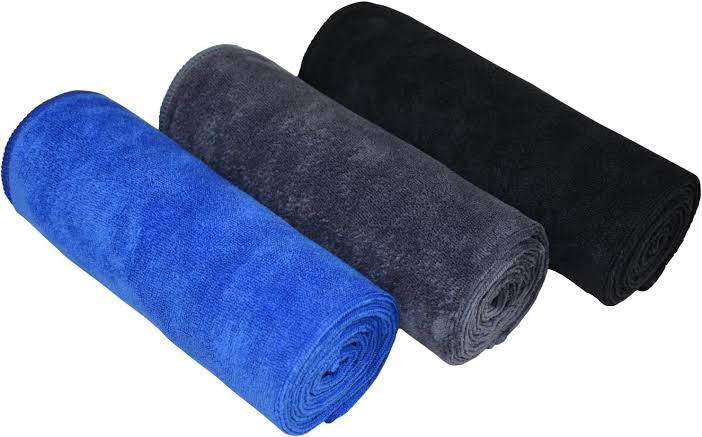
Small items like a towel, deodorant, and basic first-aid supplies make your gym experience cleaner and safer. It is easy to overlook them, but having these items on hand ensures your workout stays smooth from start to finish.
Choosing the right gym gear goes beyond trends or flashy brands. It supports your body, makes your routine smoother, and ensures every workout is effective. With these essentials, you will walk in ready to focus on your training, protect your body, and make every session count.


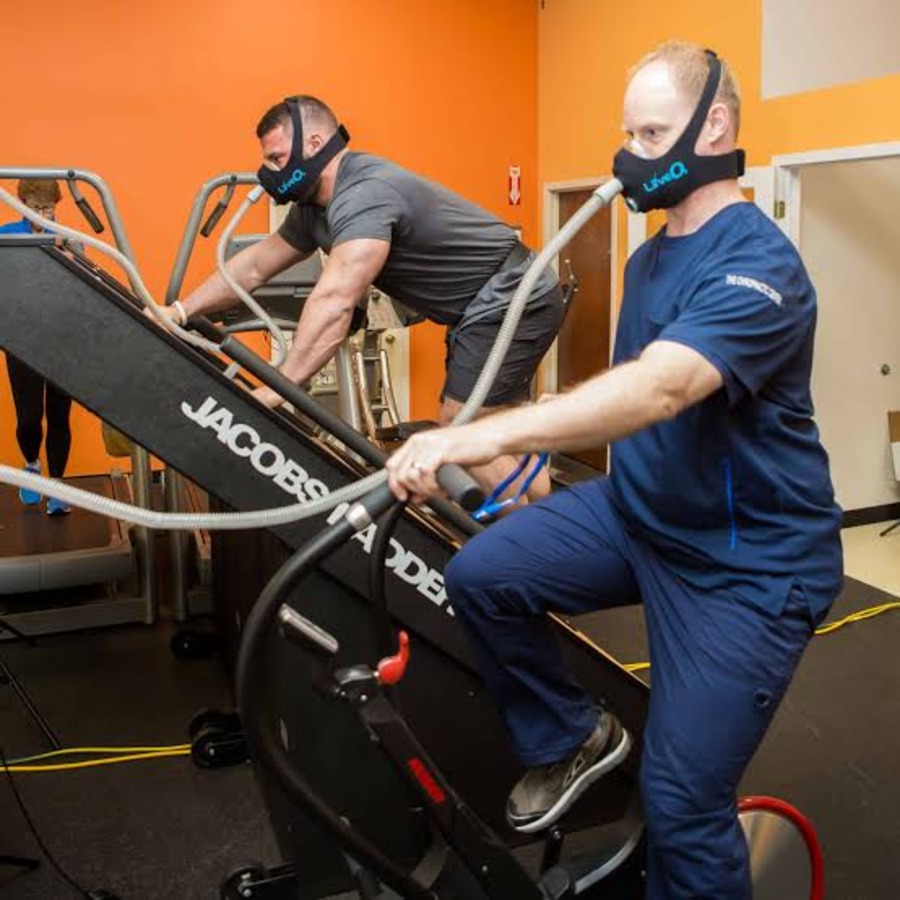
Cape Town has several fitness clubs that cater to people who prefer fast-paced, demanding workouts. From CrossFit and functional fitness to HIIT and strength training, these gyms offer coached sessions that combine cardio, resistance work and bodyweight exercises. Here are six options to consider.
PEAK Foreshore
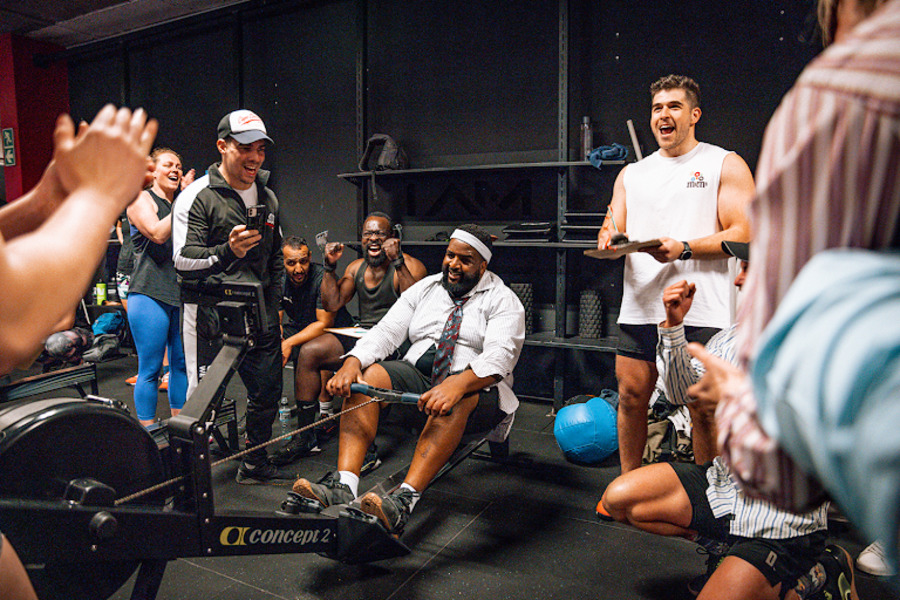
Photo: Getty Images
PEAK Foreshore offers CrossFit, HYROX and hybrid workouts. Its programmes include strength, conditioning, running, weightlifting and functional movements. The club is located at Pier Place on the Foreshore. They open at 6.45 am in the morning and close at 9pm in the evening .
CrossFit Impi
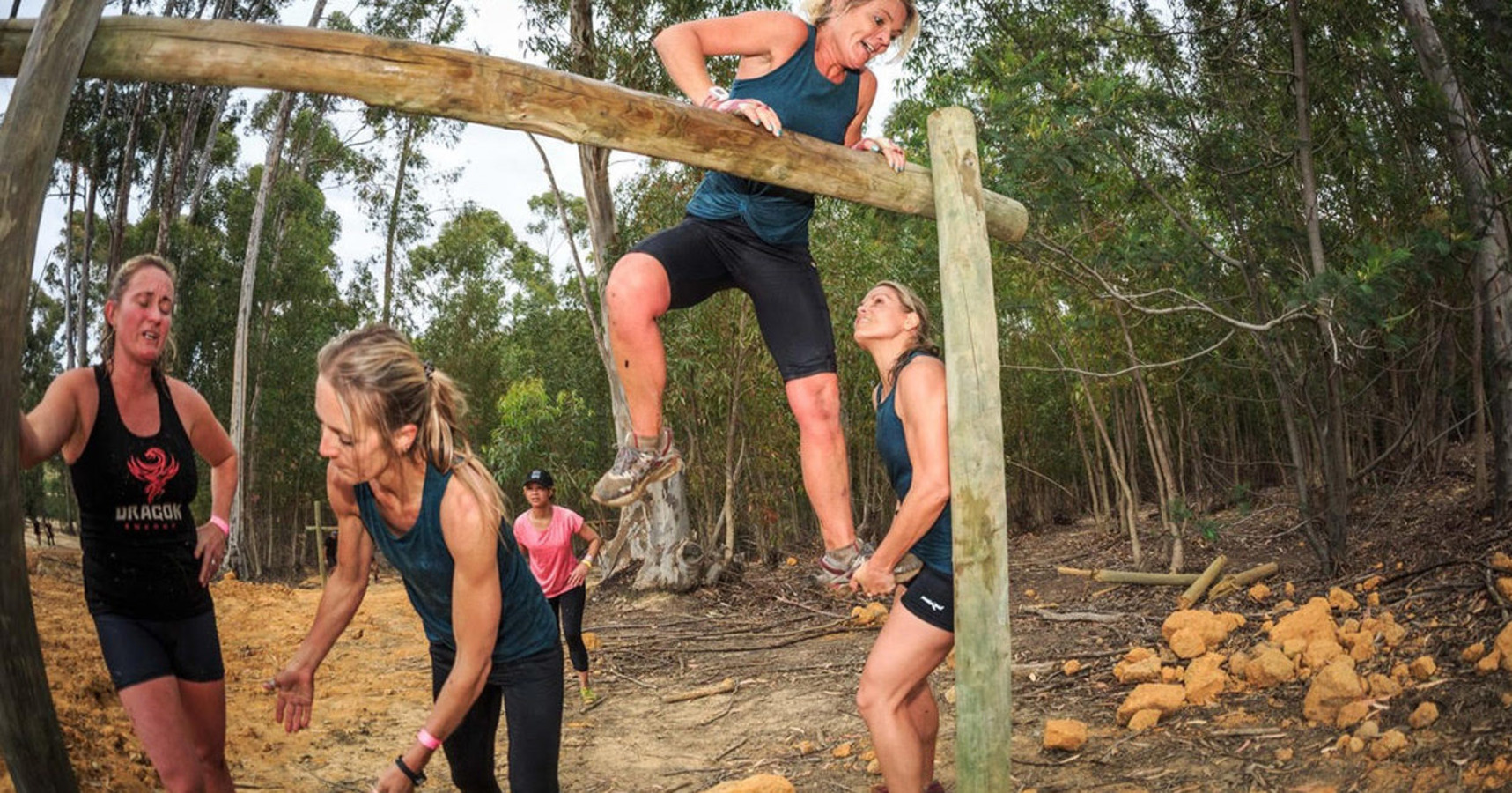
Photo: Getty images
CrossFit Impi training includes weightlifting, cardio and gymnastics. The club provides sessions designed for different fitness levels. Its training also includes HYROX-inspired conditioning. Coaches teach movement technique and progression.
Virgin Active Cape Town Foreshore
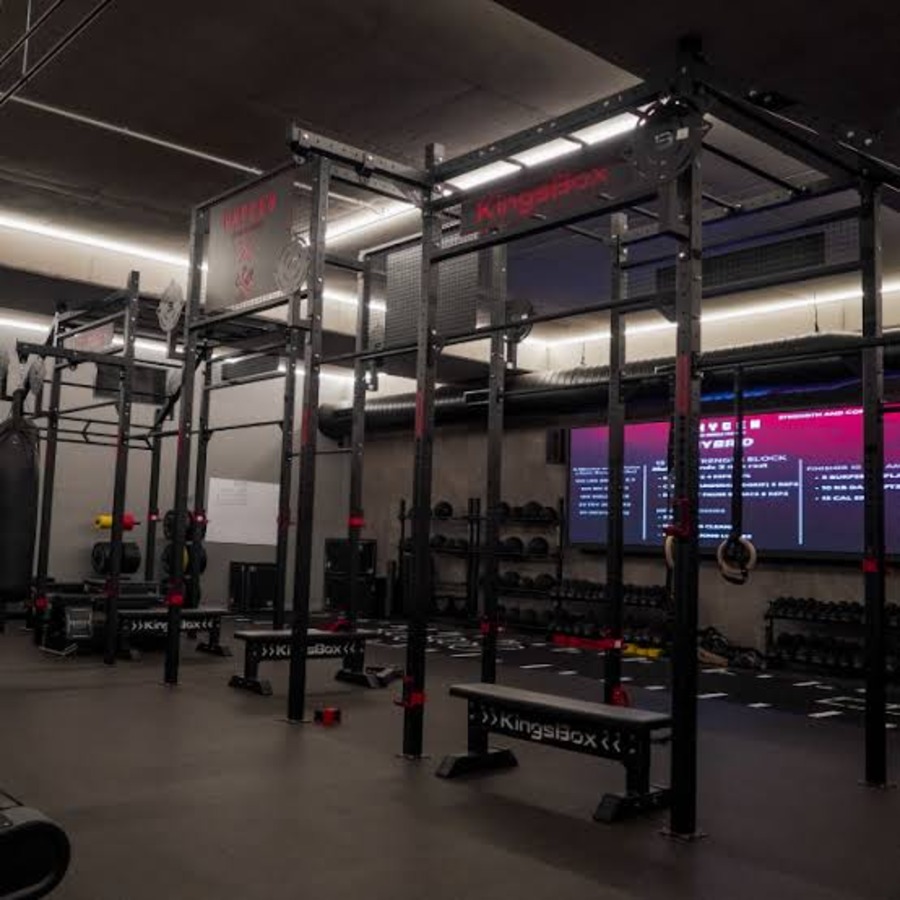
Photo: Getty Images
Virgin Active has several clubs across Cape Town, including its Foreshore location. Its GRID programmes are HIIT, functional fitness and mobility, while dedicated HIIT classes use circuits involving cardio, upper body, lower body and core exercises. Some strength and conditioning sessions use equipment such as kettlebells, dumbbells, Air Bikes and Ski Ergs.
Read Also: 6 Best Hotels in Cape Town
PEAK Claremont
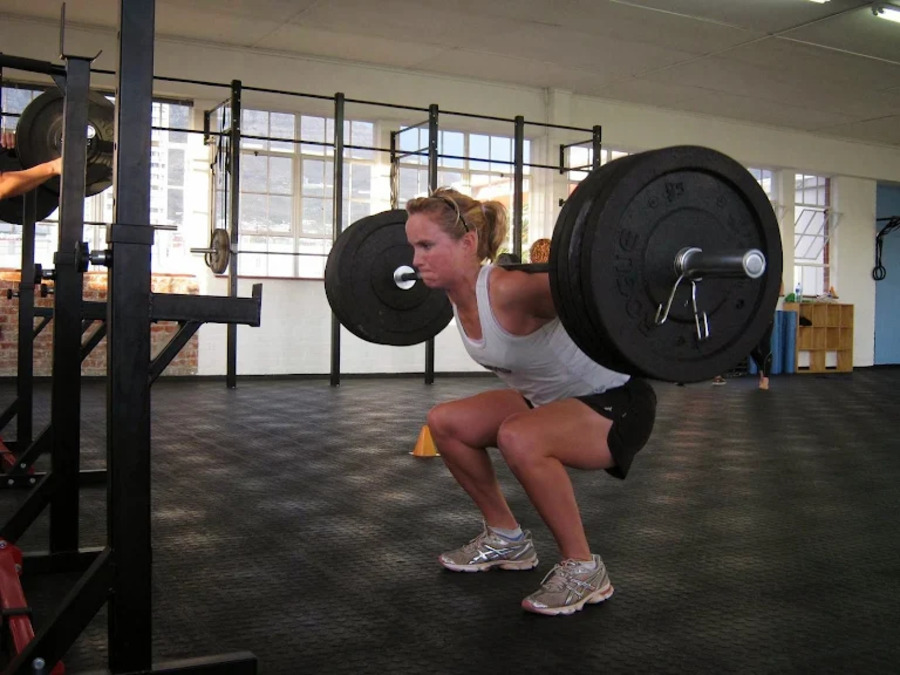
Photo: Getty images
PEAK Claremont provides exercise activities for people in Cape Town’s southern suburbs. The facility offers CrossFit, HYROX and hybrid training. Coaches can adjust exercises and weights according to different levels of experience.
Oxygen Functional Fitness
Located in Green Point, Oxygen Functional Fitness provides functional training with indoor cycling.. Their services include workouts designed for different fitness levels. The timetable includes upper-body HIIT workouts, giving members demanding training sessions.
Explosive Functional Fitness Bootcamp
Explosive Functional Fitness Bootcamp operates from Salt River and offers group workouts led by coaches. Its FuncFit sessions combine HIIT cardio, functional strength and calisthenics. Members can also take part in FuncStrong sessions. The facility offers additional training such as Muay Thai.
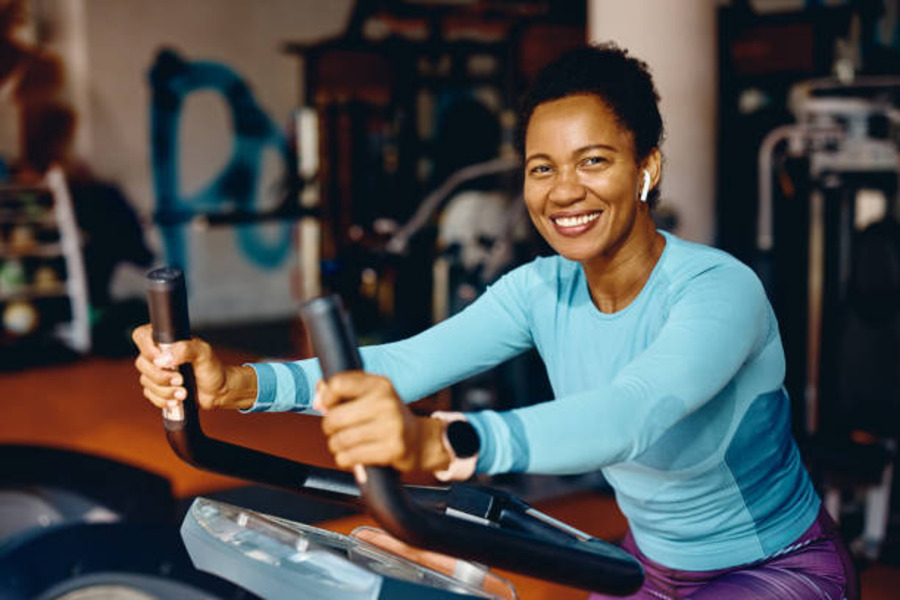
Joint pain can make exercise feel difficult, but avoiding movement completely can lead to stiffness. Low-impact workouts are ideal for those who want an active body. Health organisations and arthritis specialists recommend activities that can keep pain away. The right workout depends on where the pain occurs and the severity. Here are workouts that can ease your joint pain.
1. Walking
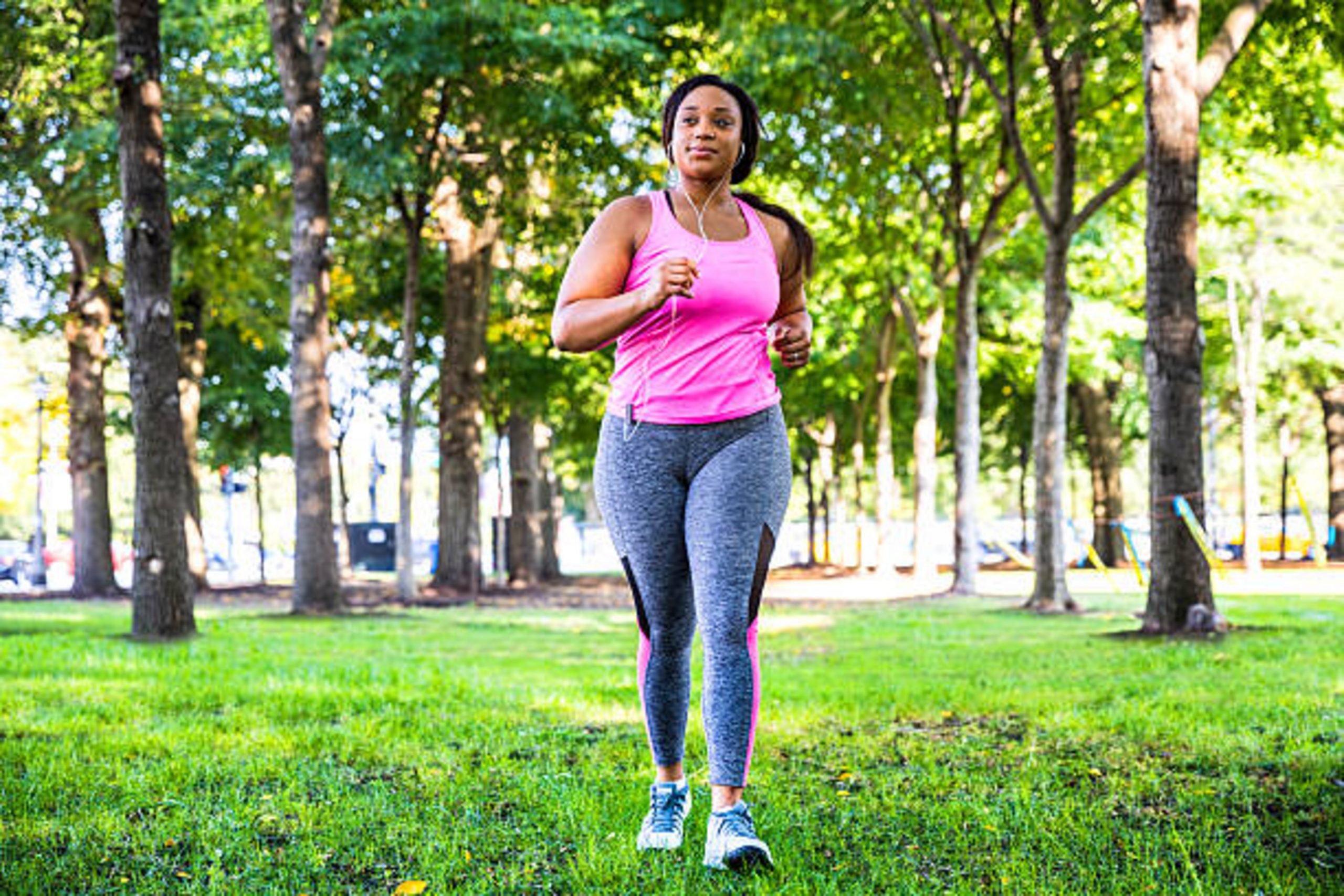
Photo: Istock
Walking is underrated,but has immense benefits for those struggling with joint pain. You don’t need to visit the gym . You can take a stroll around your neighborhood.
Start with a 10-minute walk alone and increase the pace when you feel comfortable. Wearing light shoes and loose clothing can make it easier.
2. Swimming
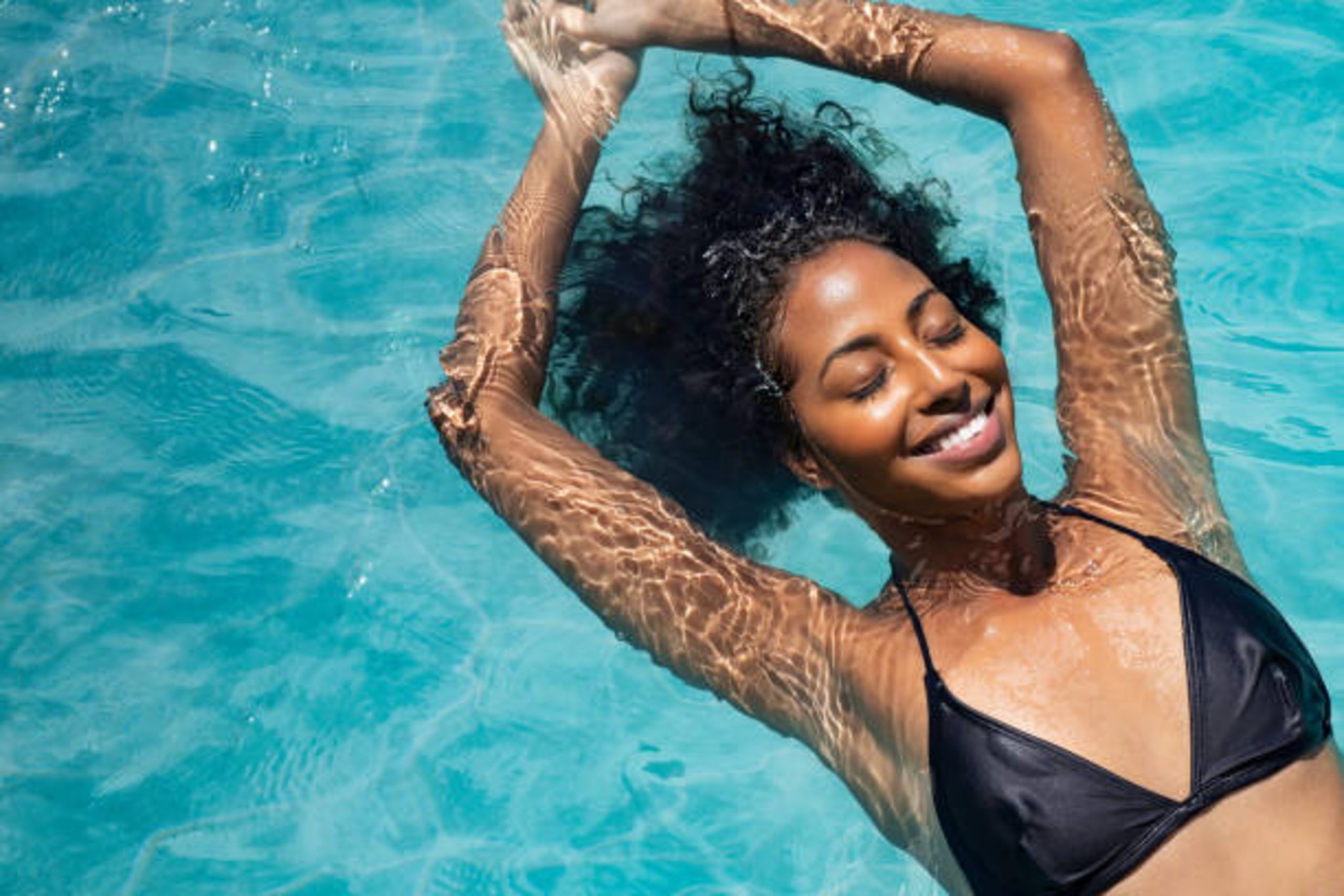
Photo: Istock
Swimming is a full-body workout for everyone. The water supports your body, making movement easier. You do not have to swim long distances to benefit. You can start with a few slow laps and take breaks. Water-based exercise includes leg movements and gentle arm exercises. Staying in warm water helps reduce stiffness.
Read Also: How to Recover Faster After a Heavy Gym Session
3. Stationary Cycling
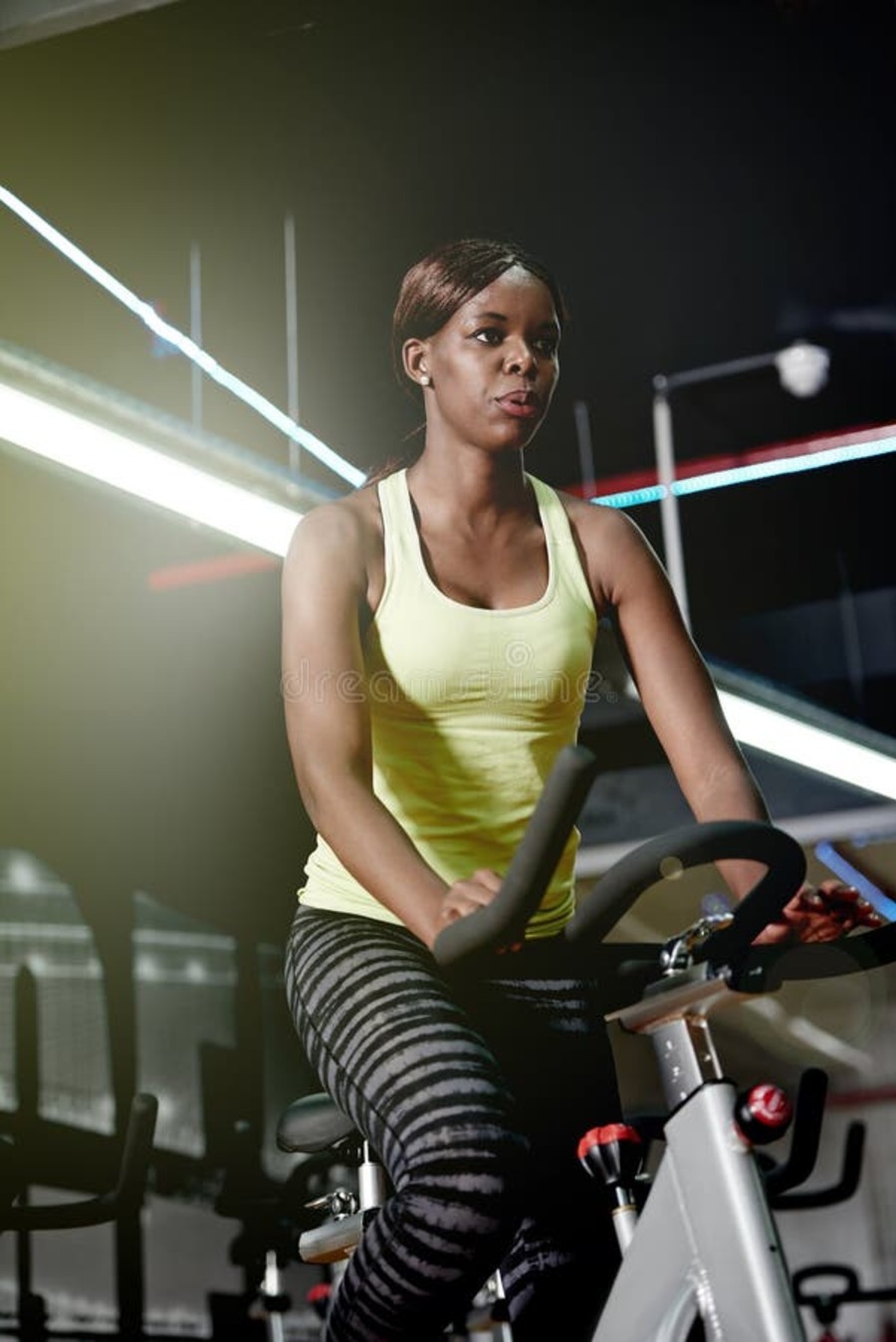
Photo: Istock
A stationary bike is another option to help those with pain issues. It is useful for people who can’t indulge in longer walks.
Start with low resistance and pedal at a comfortable pace. A recumbent bike allows you to sit in a comfortable position and great for balance.
4. Tai Chi
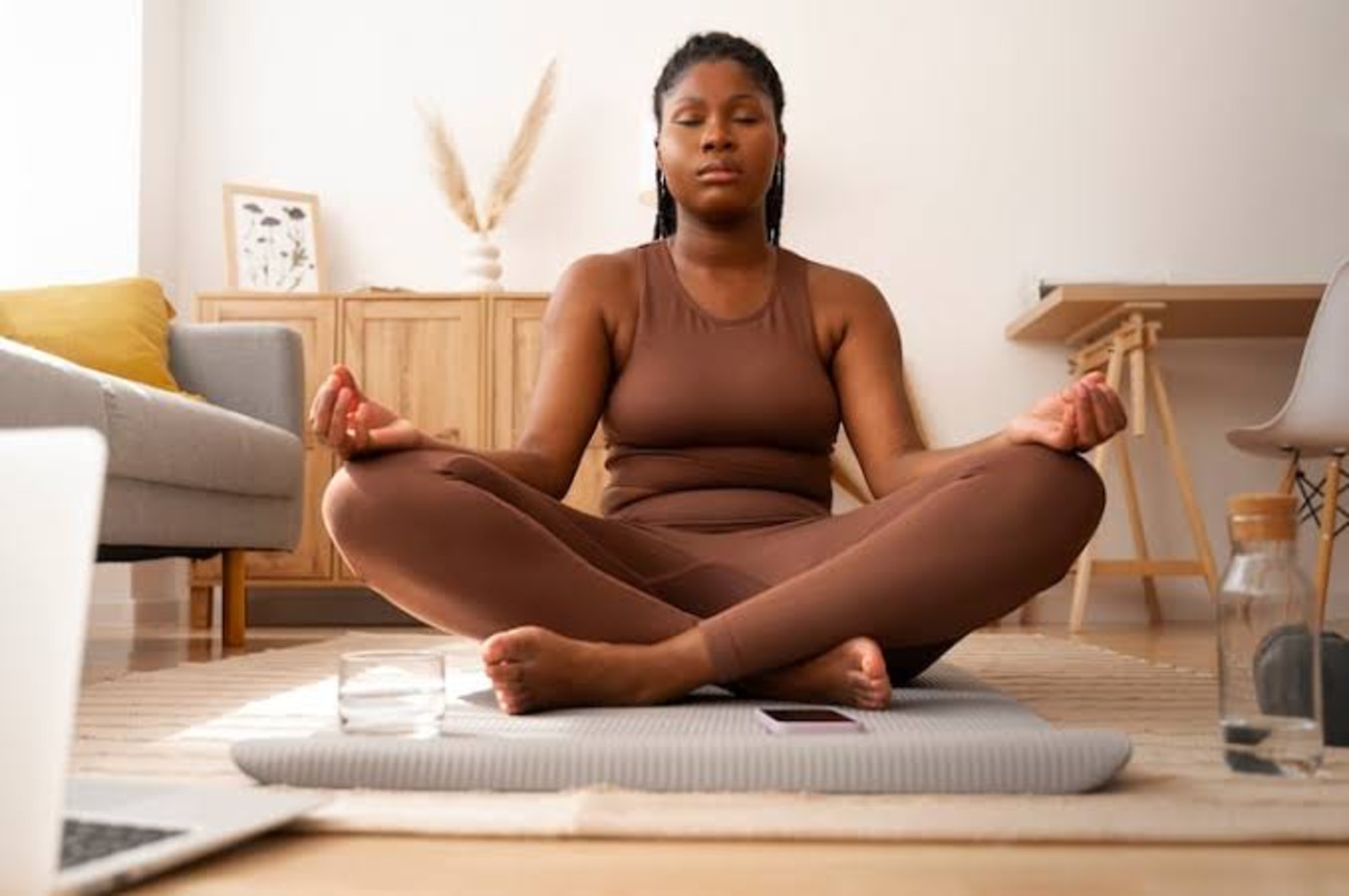
Photo: Istock
Tai chi does not require jumping or fast changes in direction. It needs slow movement and balancing. This makes it a useful choice for a gentler workout.
When followed properly, tai chi helps with fitness. It improves physical function in people with arthritis. If this is your first , take beginner classes.
5. Water Aerobics
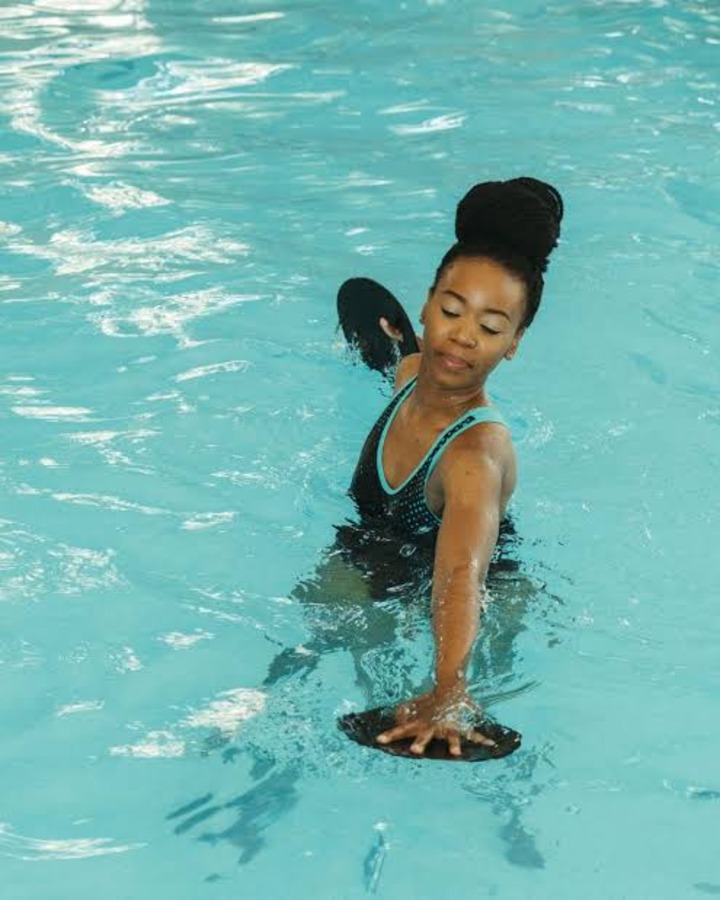
Photo: Istock
Water aerobics is when you engage in walking and arm exercises in a pool. You don’t need to be a good swimmer to benefit from this activity. The water allows your muscles to relax without stressing your joints.
Everyone should pay attention to how their body responds after exercise. Muscle soreness is common for those beginners. If your pain persists after these routines, speak with a physical therapist.

A tough gym session leaves your muscles feeling slacked. Although your body gets stronger during workouts, it needs to recover. If you fail to give it time to recover, your performance level declines. Recovering does not come with quick fixes. You need to provide your body with the right diet and rest. Here are ways to help your body bounce back after a workout.
Eat Protein

Photo: Getty Images
Protein diets are good for workout lovers as they help muscle recover. Your body needs the nutrients to repair damaged muscle fibres. Eat white meat and fish to help get your body in shape. Spread your protein intake throughout the day, as eating large amounts at only one meal is dangerous.
Quality Sleep

Photo: Getty Images
When you sleep properly, you recover quickly. With you sleep, your body releases hormones that support muscle repair. Make sure you don’t have any distractions when you want to sleep as there might be intrusions. Eight hours of sleep daily is recommended to recover. Poor sleep slows down recovery.To enjoy your sleep, reduce screen time and create a comfortable environment.
Read Also: Top 5 Mistakes People Make During Workouts (And How to Fix Them)
Stay Hydrated
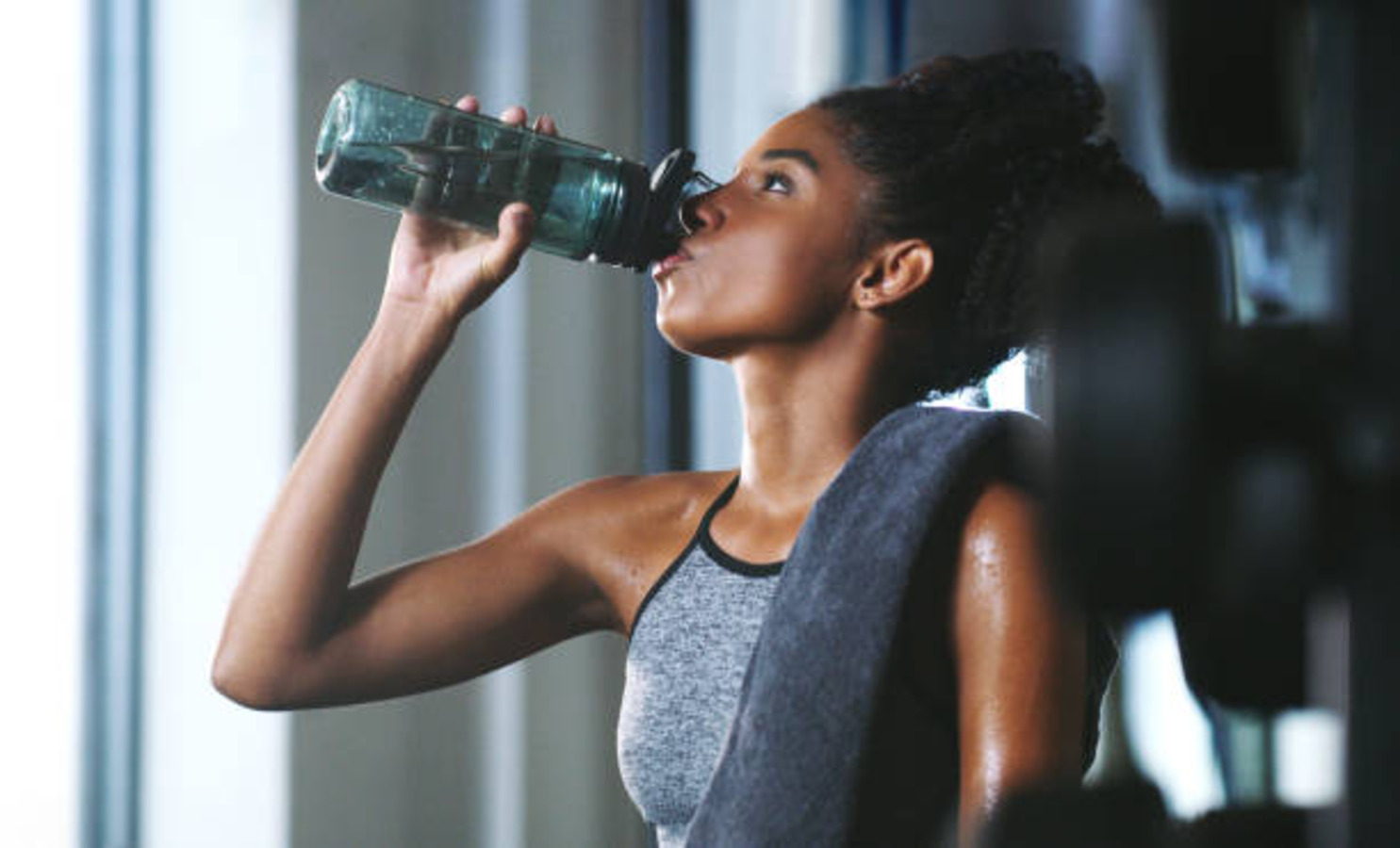
Photo: Getty Images
Water supports quick exercise recovery. By engaging in workouts, you lose water. Water and electrolytes-rich drinks help replace fluids. Try drinking water before and after your workout. Pay attention to your thirst bud and urine colour. Dark urine indicates you need more fluids.
Active Recovery
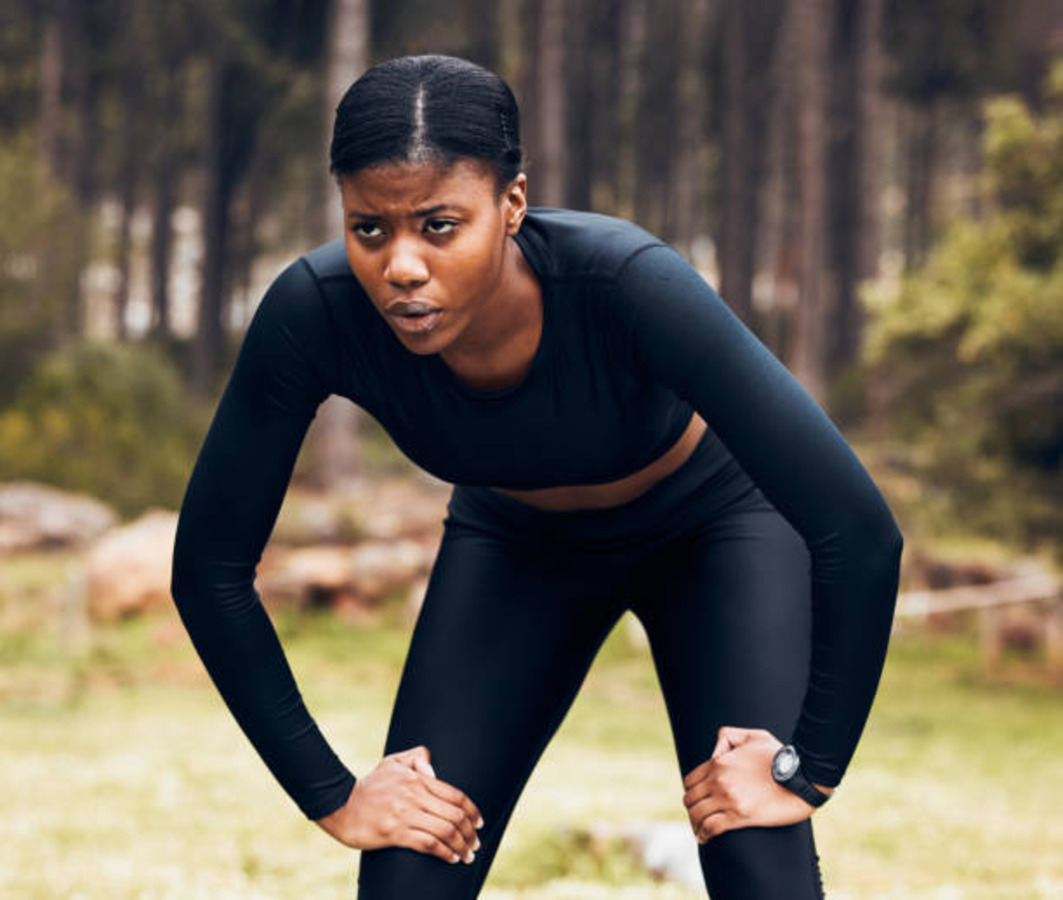
Photo: Getty Images
Complete rest is not the fastest way to recover. Light movement can improve blood circulation. It does this by providing oxygen to tired muscles. Try walking and cycling to reduce stress on your muscles. Don’t jump into workouts when you have not recovered.
Manage Workout Intensity
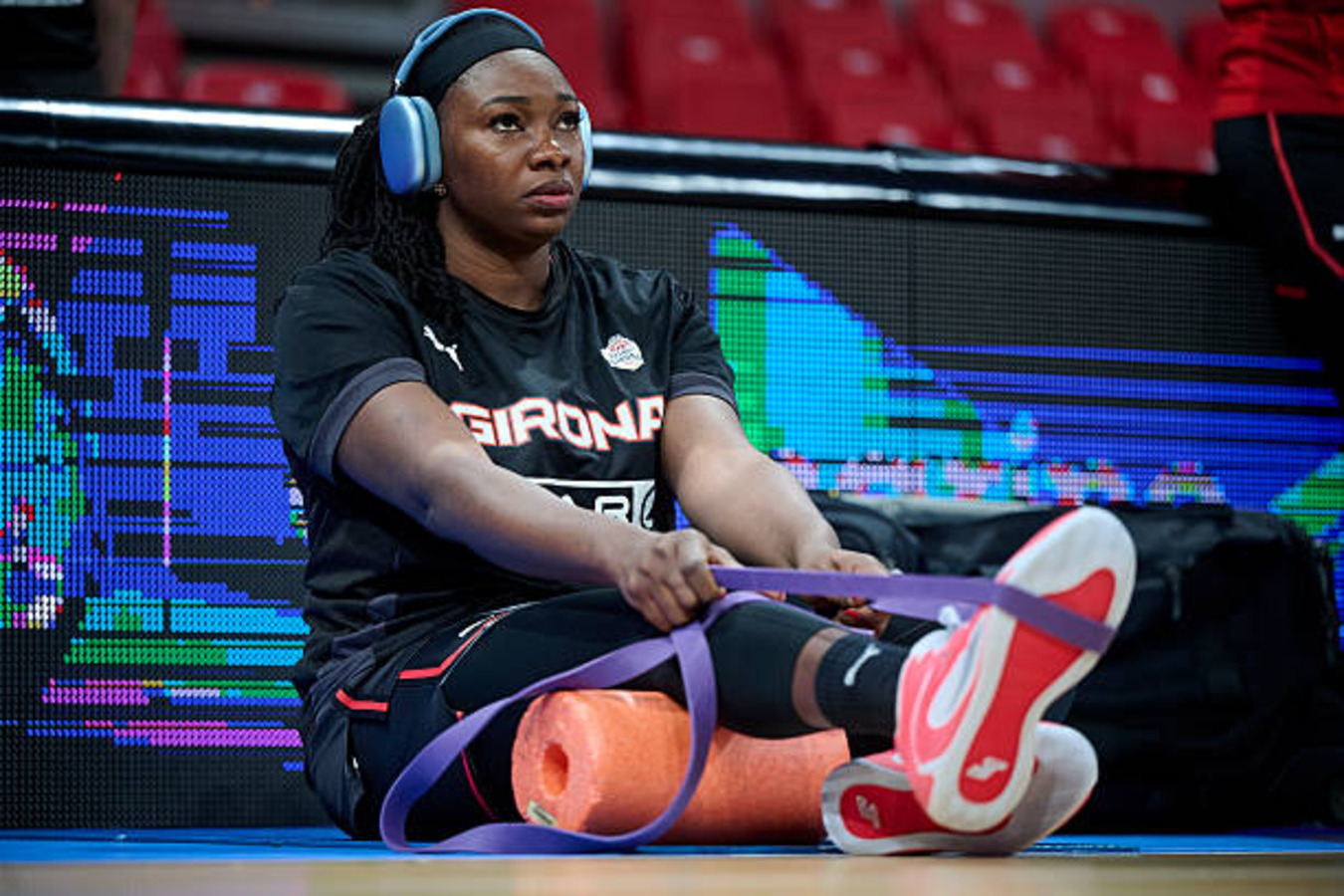
Photo: Getty Images
If your body needs a balance between exercise and recovery for good performance. To know if your body needs to recover, you might experience muscle soreness and tiredness. A good training plan should include rest days. You can mix heavy sessions with lighter workouts to avoid stressing your body.


Diddy’s Head Injury Reportedly Linked to Fight With Jamaican Drug Lord

Tyla Opens A*POP Tour in Paris

Duane ‘Keffe D’ Davis Sentenced to 40 Years to Life for Tupac Shakur’s Murder




-

 Travels3 months ago
Why Solo Travel Could Be the Best Decision You Ever Make
-

 Music3 months ago
Rihanna Surprises Fans With Her First Live Performance in Years at Jay-Z’s Concert
-

 Movies3 months ago
Zendaya Wraps ‘Euphoria’ Run With Third Emmy Nomination
-

 Events3 months ago
Shannon Benting Set to Compete at Miss Supranational 2026 in Poland
-

 Health3 months ago
Constantly Tired? Your Liver Could Be Telling You Something
-

 Travels2 months ago
6 Best Hotels in Cape Town
-

 Dj Men3 months ago
The Male DJs Keeping South Africa’s Nightlife Alive
-

 Fitness3 months ago
How to Recover Faster After a Heavy Gym Session