
Music
Travis Scott, Tyla & Vybz Kartel – PBT Official Video Review

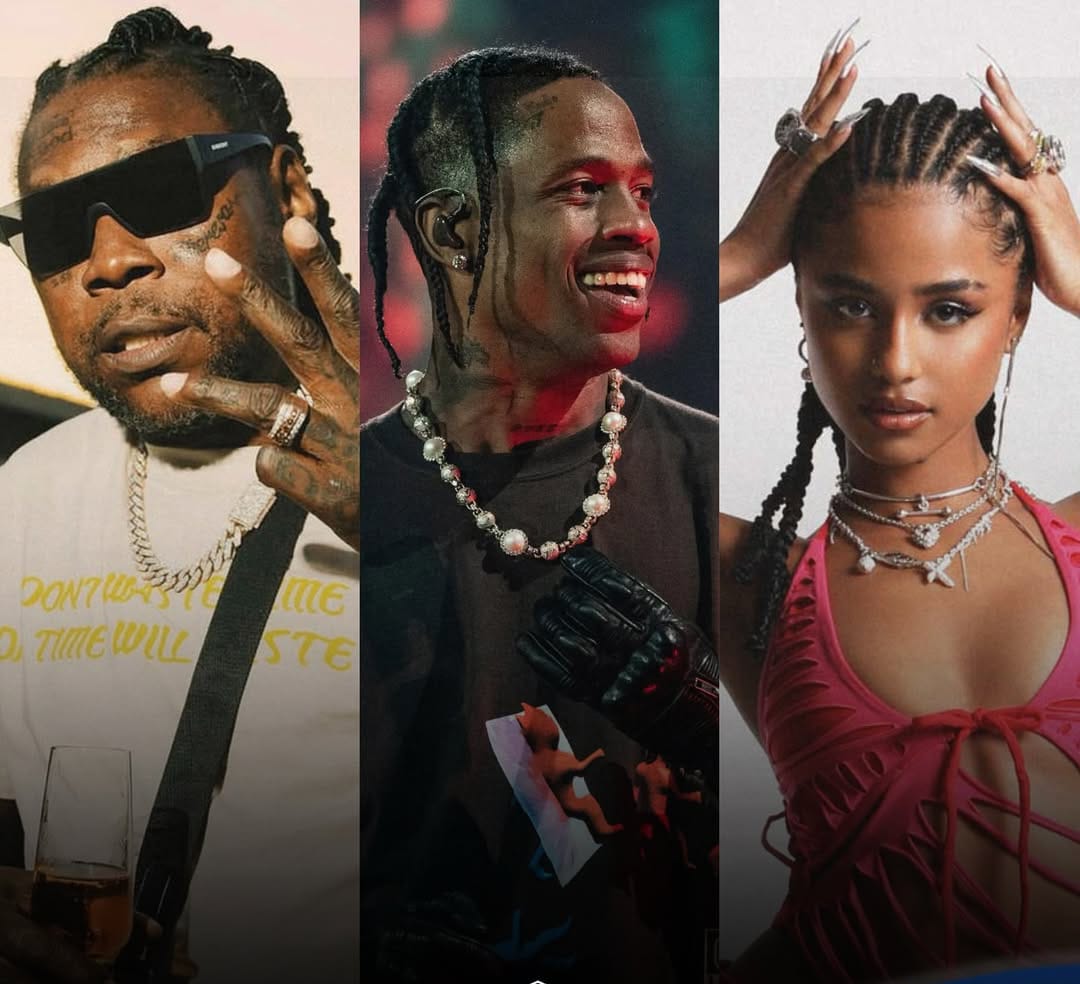
Travis Scott’s new video, PBT, lands as a rare international collaboration, bringing together South African star Tyla and Jamaican dancehall icon Vybz Kartel. Filmed in Tokyo under director Nabil, the visual balances cinematic calm with bursts of unexpected energy, reflecting the track’s mix of global sounds.
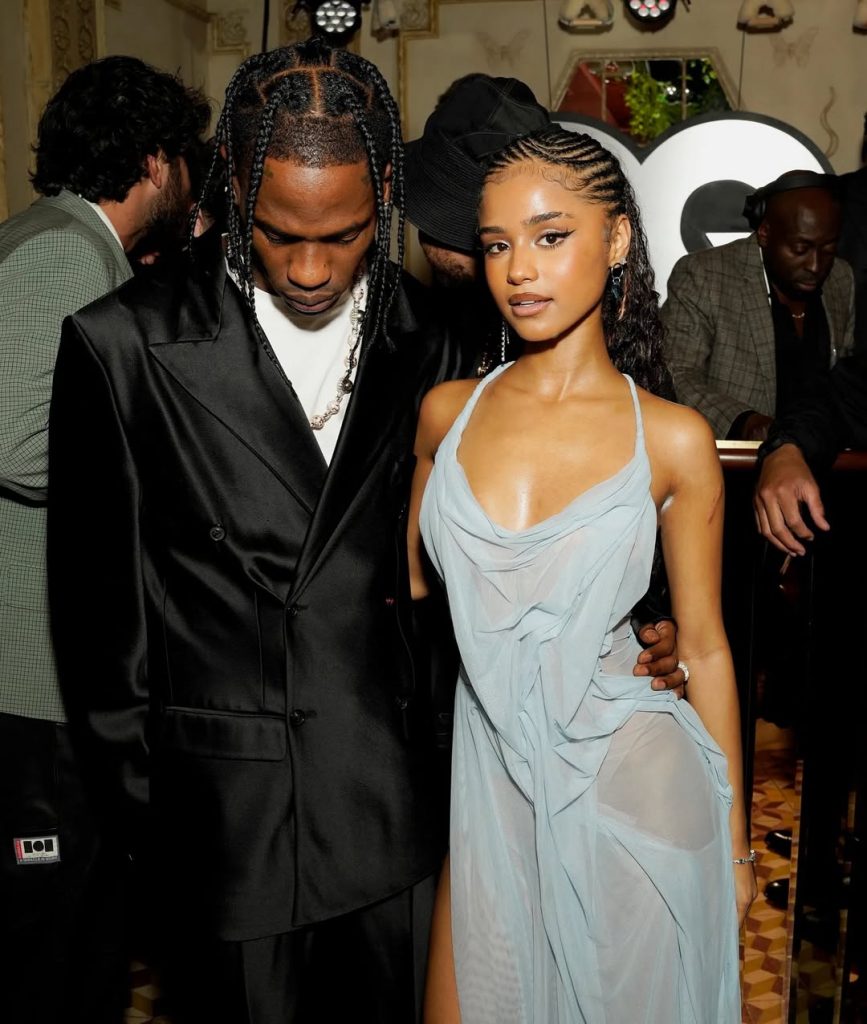
The video opens with Scott and Tyla in separate hotel rooms, preparing quietly while the city’s neon-lit streets hum around them. Their eventual meeting is understated, a quiet connection rather than a dramatic showpiece. Kartel enters later, not as a central character but as part of the nightlife, adding a dancehall element that shifts the energy without dominating the story.
Credit – Instagram
Musically, PBT blends South African pop, Houston-style rap, and Jamaican dancehall in ways that divide listeners. Tyla’s hook introduces her distinctive South African pop sensibility, complementing Scott’s rhythmic flow, while Kartel’s verse introduces a punchy, rhythmic contrast. Some fans praise the bold combination of styles, while others find the shifts jarring. Either way, it creates a track that defies conventional expectations and sparks conversation about global collaboration.
Credit – Instagram
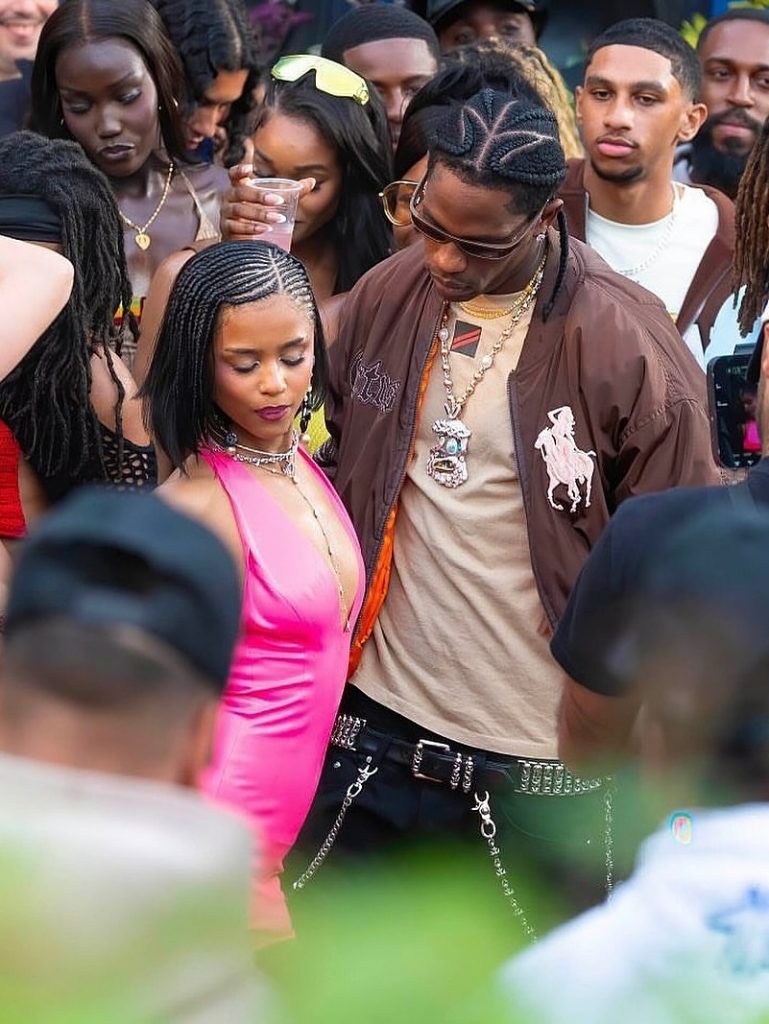
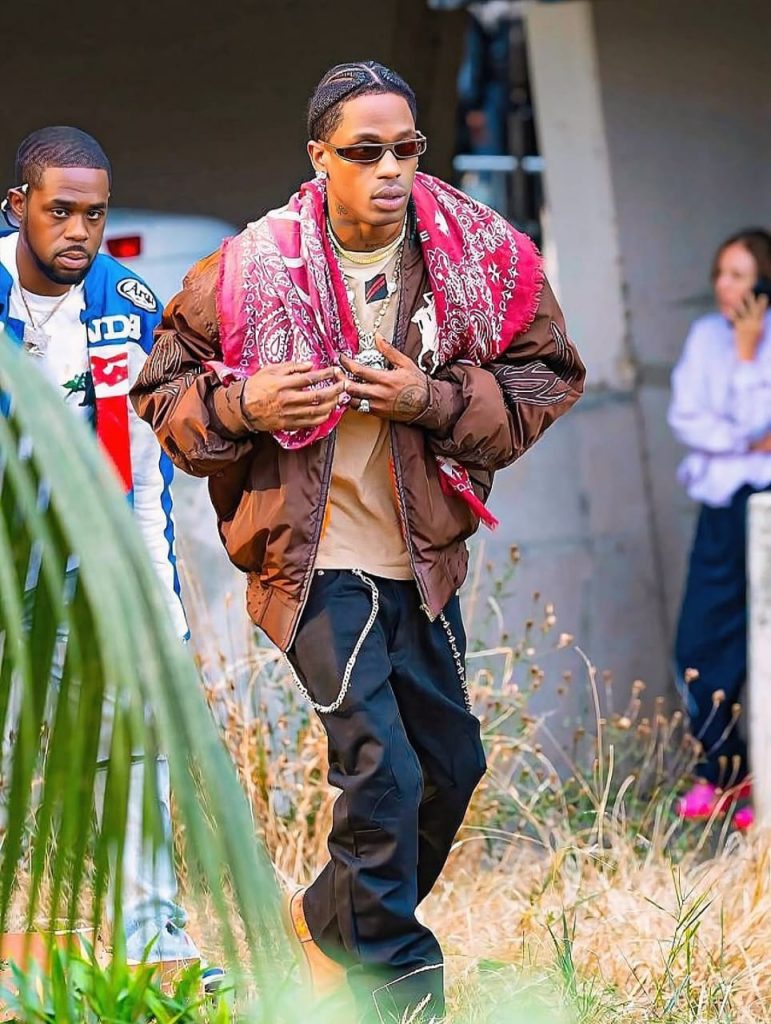
Nabil’s direction focuses on mood over plot. Long shots of Tokyo streets, neon reflections, and careful pacing keep attention on atmosphere rather than spectacle. The visual style reinforces the track’s intent: a meeting point of cultures and sounds, rather than a traditional narrative.
Beyond music and visuals, PBT highlights the power of global collaboration. For Tyla, it continues her ascent into the international music scene. For Kartel, it demonstrates dancehall’s lasting influence. For Scott, it’s part of an ongoing experiment, merging artists from distinct musical traditions to create something larger than any individual style.
Credit – Instagram
By the end of the video, PBT challenges viewers to reconsider genre boundaries, global collaborations, and how artists honour their roots while reaching international audiences. It doesn’t offer easy answers, but it succeeds in starting conversations that extend beyond the screen.


Jill Scott has cancelled her planned South African concerts scheduled for November 2026. This has disappointed fans who had looked forward to seeing the American artist perform live in Pretoria and Cape Town.
Showtime Management, the company behind the South African shows, announced the cancellation on Monday, October 19. The promoter attributed the decision to “unforeseen circumstances” but did not provide further details.
Scott was scheduled to bring her To Whom This May Concern World Tour to South Africa as part of her international tour supporting her latest album. The concerts would have marked another visit to the country.
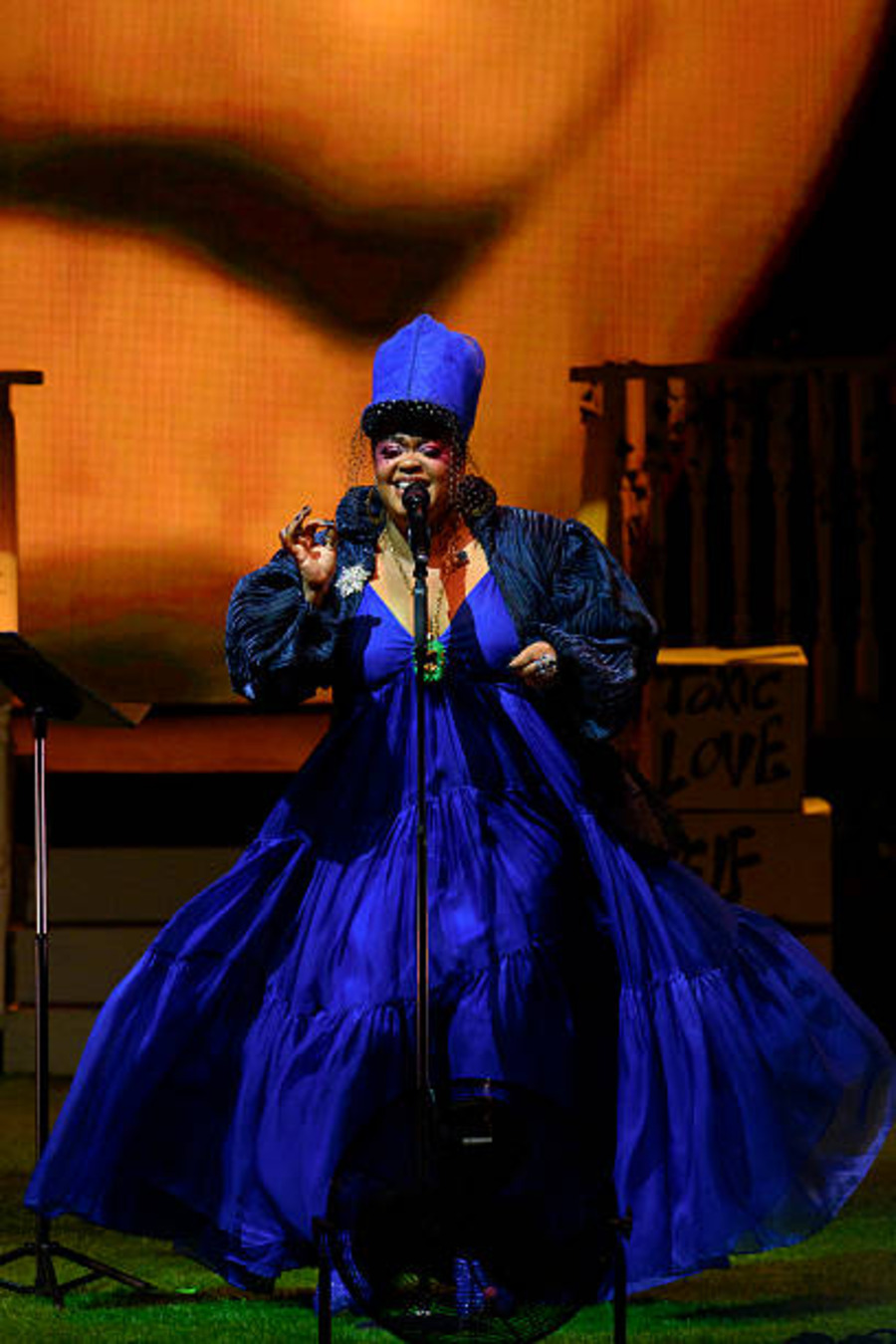
Photo: Getty Images
The first show was planned for November 7 at SunBet Arena, Time Square, in Pretoria. The second was scheduled for November 11 at Grand Arena, GrandWest, in Cape Town.
Read Also: Kehlani Brings Her World Tour to South Africa
In an Instagram post, Showtime Management apologised to fans who had been looking forward to the concerts. The promoter also indicated that Scott and her team were considering the possibility of returning to South Africa at a later date.
“Jill and her team are actively exploring the possibility of returning to South Africa at a future date. South Africa has always held a special place in Jill’s heart, and she remains committed to returning and reconnecting with her South African fans as soon as possible.”
This leaves the door open for future performances, although organisers have yet to confirm whether it will be rescheduled.
Fans who purchased tickets for either concert will receive a full refund automatically. According to the organisers, ticket holders do not need to submit a separate refund request. Refunds will be processed through the original payment method, and all updates will be sent via email.
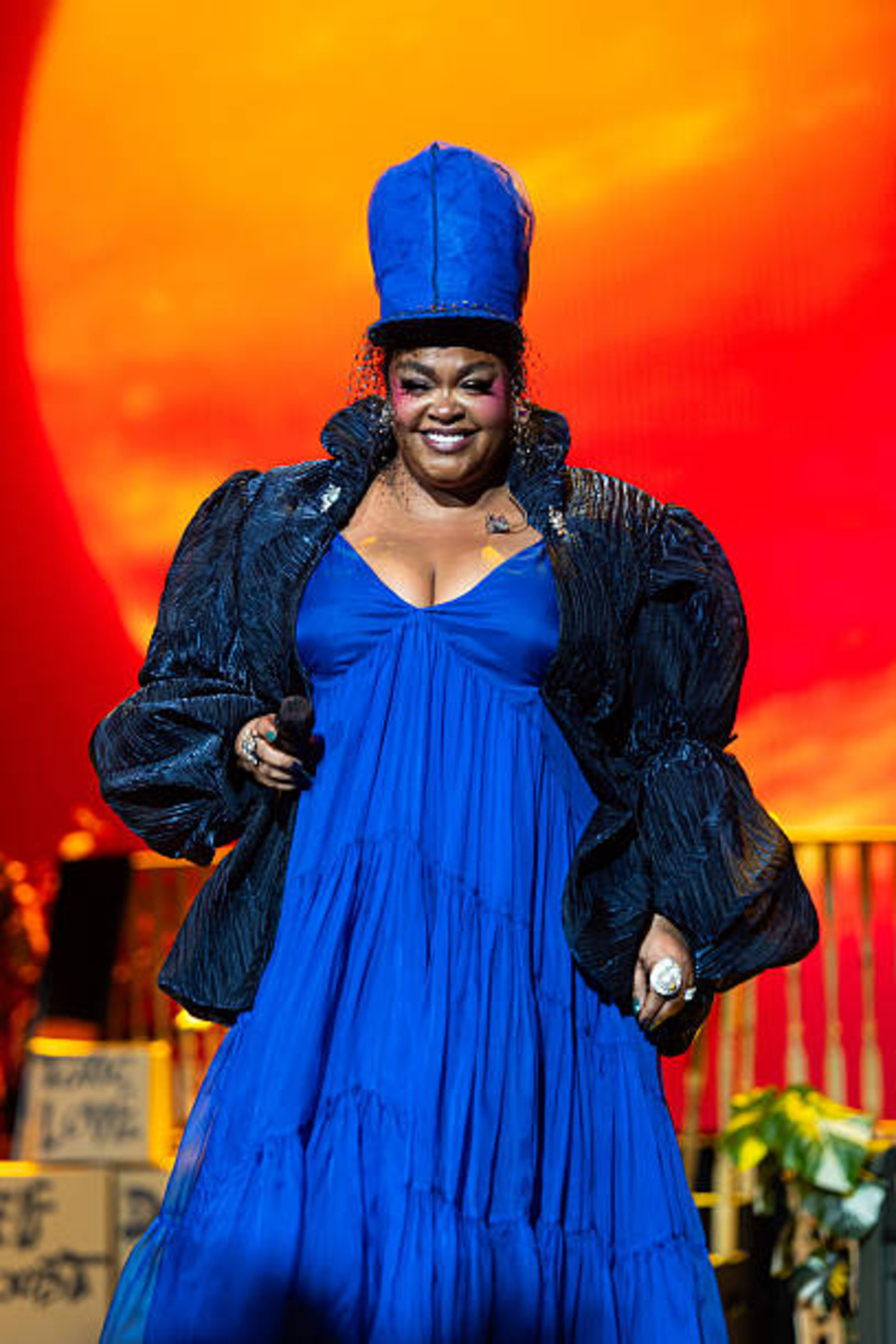
Photo:Getty Images
Refunds could take between five and 10 business days to appear in customers’ accounts. Fans whose original payment details are not valid will be contacted with instructions on how to proceed.
Scott’s South African dates were announced in March as part of an extensive international tour covering the United States, Europe and the United Kingdom before its planned conclusion in South Africa.
The singer has performed in South Africa several times. Her previous appearances include a Johannesburg concert in 2013, a Durban performance in 2017 and her appearance at the DStv Delicious Festival in Johannesburg in 2024.
Following her 2024 performance, Scott thanked the Johannesburg crowd for its response to her music. She described hearing the audience sing along as “beautiful and overwhelmingly wonderful”
No new concert dates have been confirmed.
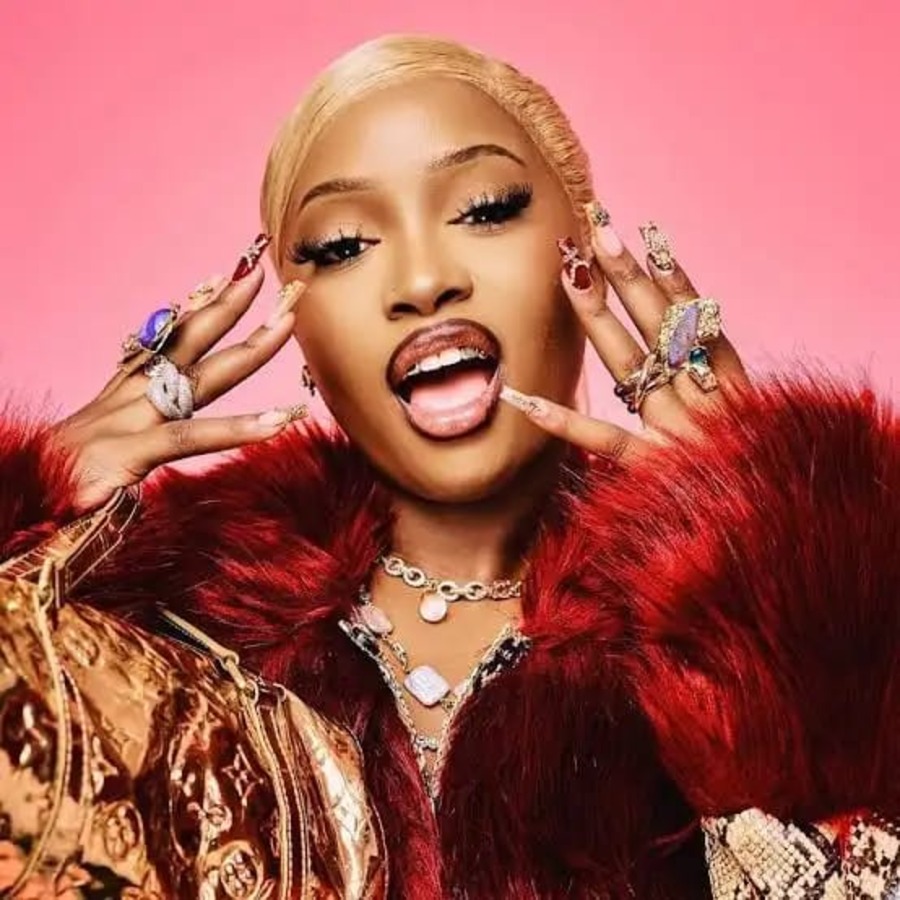
Uncle Waffles will play at Gallo 100: The Sound of a Century. This festival partners with KFM and celebrates 100 years of Gallo Record Company. The event will take place at the Grand Parade on December 15, 2026, with Black Coffee headlining the programme.
Gallo announced the full line-up on October 16. Asides Uncle Waffles, DJ Maphorisa, Oscar Mbo, Sipho “Hotstix” Mabuse, Sun-El Musician, Julian Gomes, Ami Faku, Da Mike, Fraser Jones will also be present.
Uncle Waffles performed at Coachella in California in 2023. She also received a nomination for Best International Act at the 2023 BET Awards.
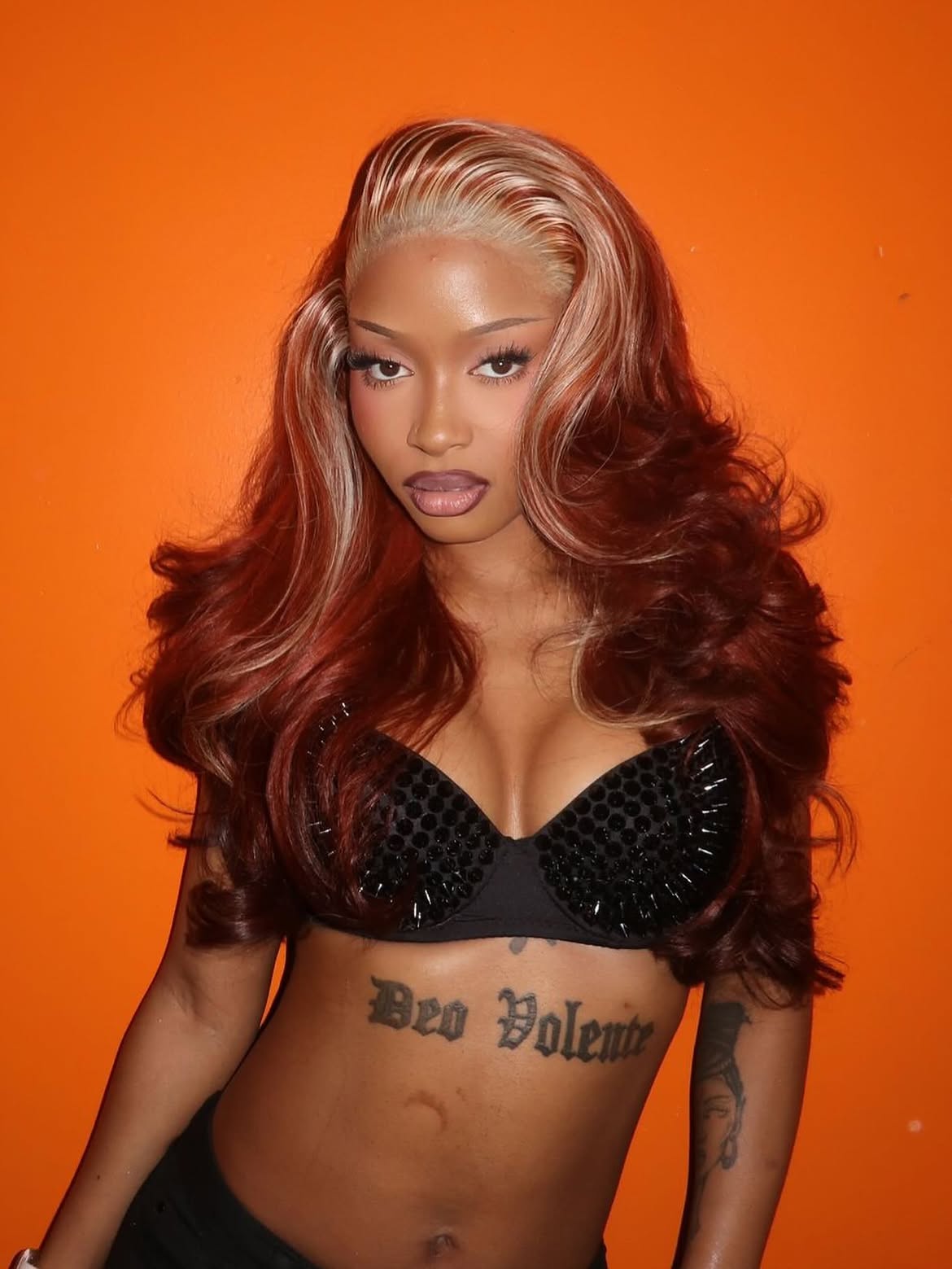
Photo Credit: Instagram/@unclewaffles_
The festival recognises Gallo’s long history in the South African recording industry. Established in 1926, Gallo Record Company has promoted different music styles like jazz, mbaqanga, isicathamiya, gospel, reggae, kwaito and house music.
Read Also: Uncle Waffles and Royal Musiq Link for “4 Da Streets” EP Drop
Antos Stella, CEO of Music Arena has this to say about the event.
“For 100 years, Gallo has been part of the soundtrack of people’s lives. Gallo 100 is about celebrating the artists, producers, writers, communities and music lovers who have helped carry that story across generations.”
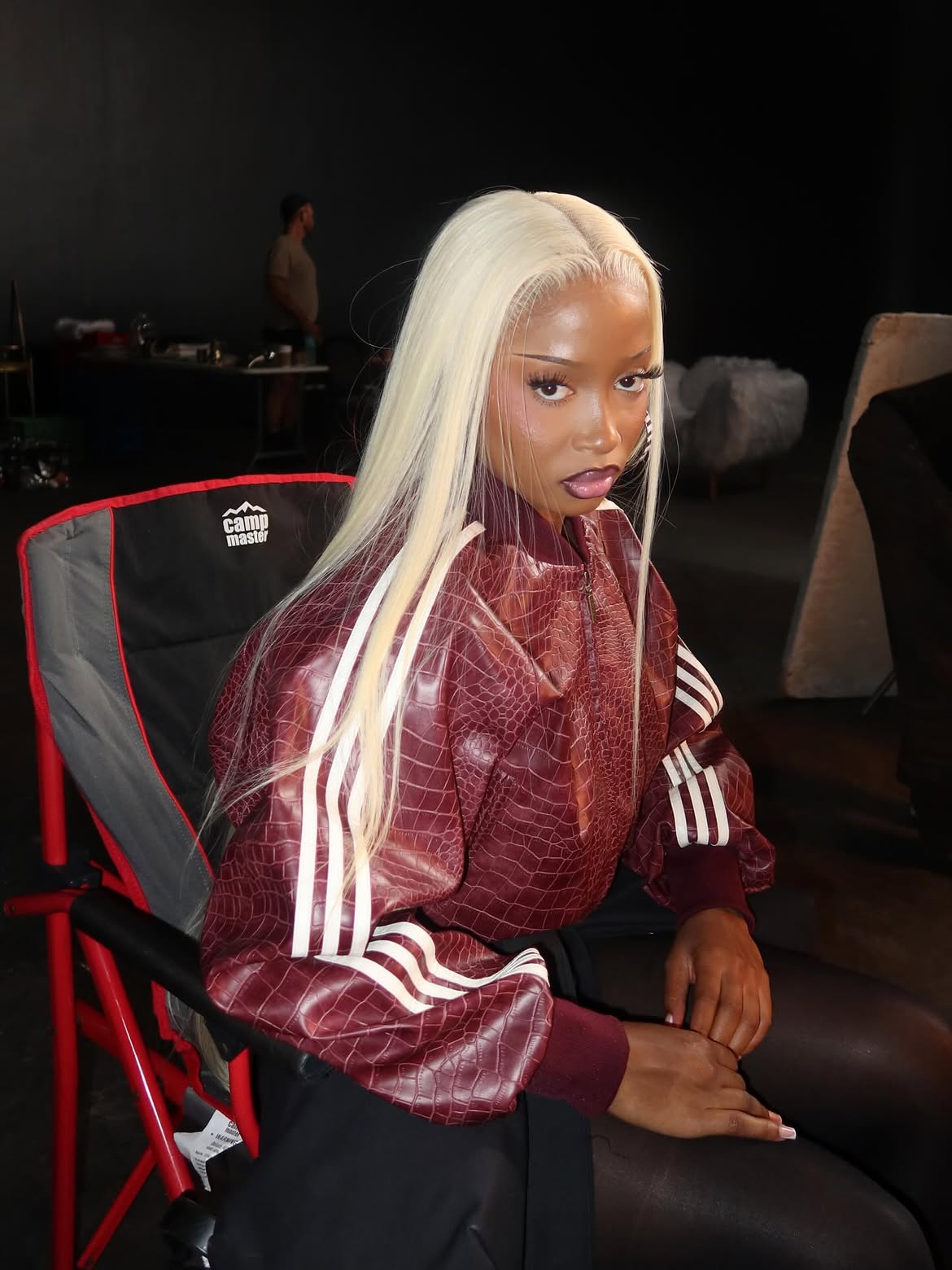
Photo Credit: Instagram/@unclewaffles_
Top musicians who have attended the festival includes alMiriam Makeba, Hugh Masekela, Ladysmith Black Mambazo and Lucky Dube. The event will run from 1 p.m. until midnight, with only people aged 18 and over allowed entry. Ticket options to choose from are general access, Golden Circle and VVIP lounge packages.
With Uncle Waffles among the confirmed performers, Gallo 100 will bring together established names and newer artists for a celebration of South African music’s past and present. The December event will also give audiences the chance to experience several of the country’s prominent musical acts on one stage.
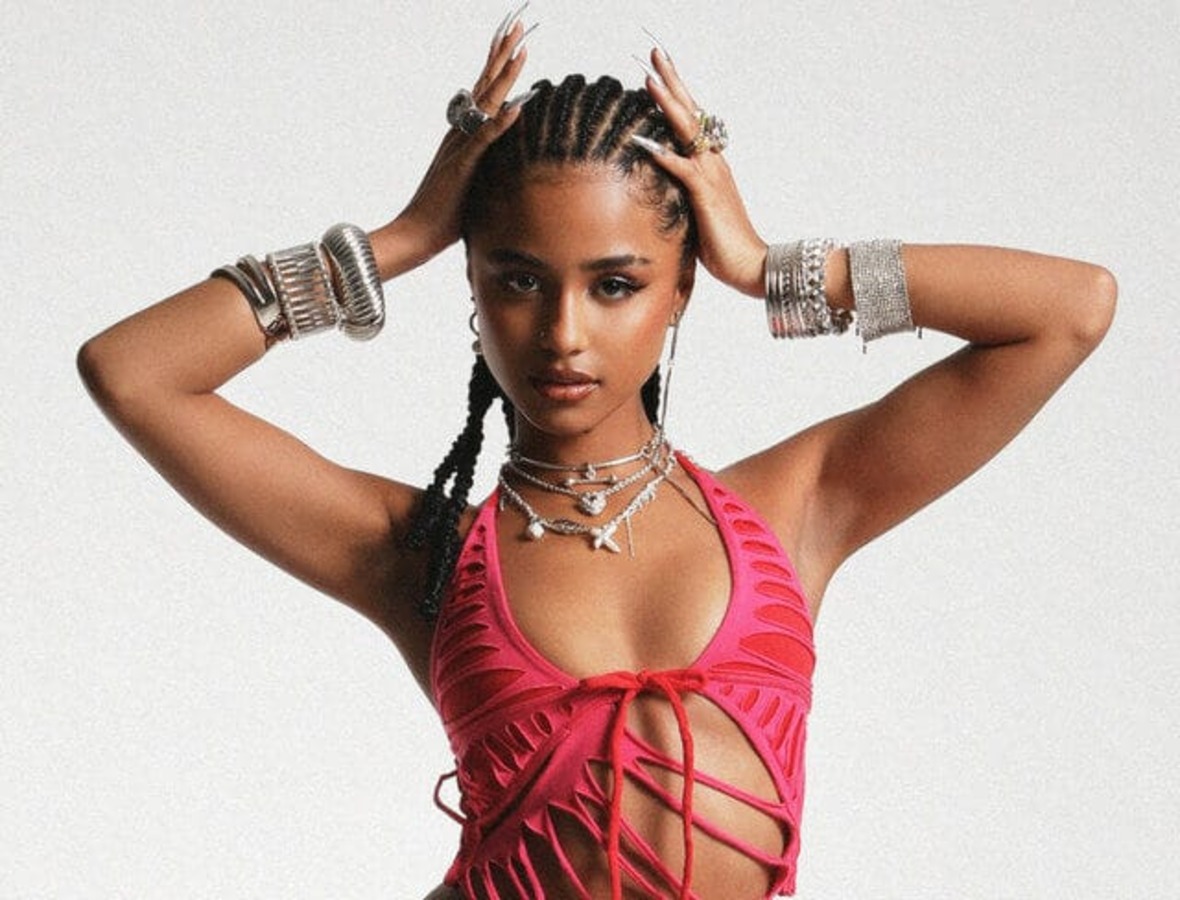
Tyla has launched her A*POP World Tour in Paris on October 12. The Grammy-winning artist opened the 34-date tour at Zénith Paris–La Villette. This marked the start of her first full-scale headlining world tour. The show supports her second studio album, A*POP, which was released on July 24, 2026, through FAX and Epic Records.
The opening night introduced the visual style of Tyla’s new era. The singer wore bright outfits that matched the album’s colourful aesthetic.
The production drew on early 2000s pop culture, a recurring influence in Tyla’s fashion and visual presentation. The segment brought a nightclub atmosphere to the stage, with industrial scaffolding and black lights creating the setting for the performance. Tyla also performed “That Girl,” a track from A*POP, during the opening night.
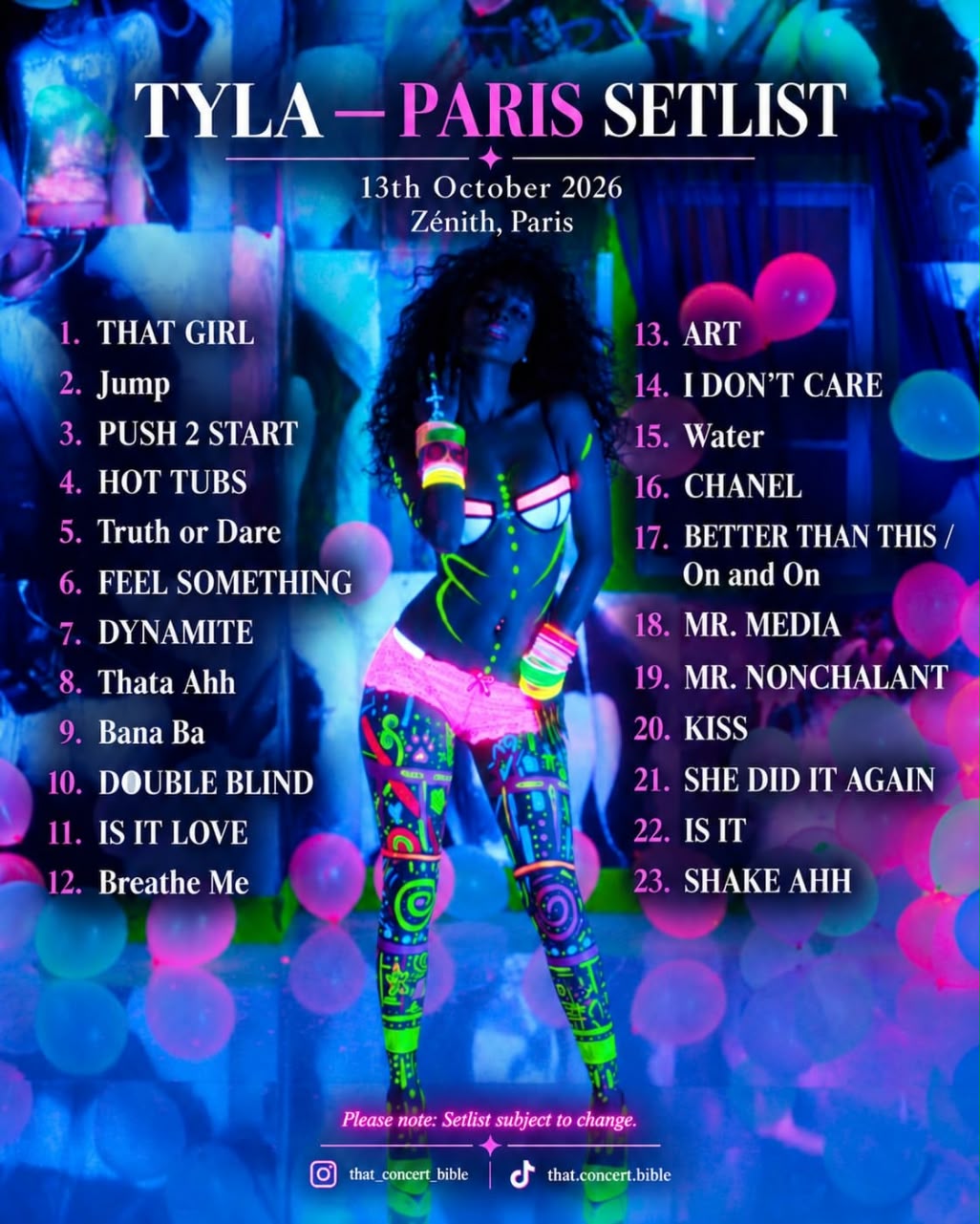
Photo credit: Instagram/@tyla
The setlist also included favourites such as “Water,” “Truth or Dare,” “Jump,” “PUSH 2 START” and “CHANEL.” She ended the main set with ‘MR. NONCHALANT’ before returning to perform “SHAKE AH” as the encore.
Read Also: Tyla Adds Second Pretoria Date to A*POP World Tour
The concert also featured South African DJ and producer Royal MusiQ as a support act. After the Paris show, he shared footage from the performance on social media and thanked the singer for including him.
“Paris got the first chapter. Had to leave my mark,” Royal MusiQ wrote in a post reflecting on the experience.
The opening night included moments when members of the audience began chanting “Macron démission,” a French political slogan calling for President Emmanuel Macron to resign. Tyla was seen vibing to the chants.

Photo credit: Instagram/@tyla
The Paris concert marked the beginning of a tour spanning Europe, the United Kingdom, North America and Africa. Following the opening date, Tyla continued to Amsterdam before heading to London and other European cities.
The African leg initially included a Lagos date scheduled on December 22, 2026, but the date was subsequently removed from her tour itinerary. The singer and her management have not publicly clarified the concert’s status. Her South Africa tour will start in Cape Town on January 4, 2027, and Pretoria for January 9.


New South African Movies to Watch on Netflix

Thabsie Shows Off Toned Figure in Bikini on Tanzania Getaway

O.J. Simpson Associate’s Brother Claims He Had Bloody Hands on Night of Murders




-

 Health3 months ago
Constantly Tired? Your Liver Could Be Telling You Something
-
 Travels3 months ago
6 Best Hotels in Cape Town
-

 Dj Men3 months ago
The Male DJs Keeping South Africa’s Nightlife Alive
-

 Fitness3 months ago
How to Recover Faster After a Heavy Gym Session
-

 Netflix2 months ago
8 Mzansi Series and Films on Netflix to Watch This August
-

 Health3 months ago
Apple Cider Vinegar: From Health and Skin to Everyday Uses
-

 Sex & Relashionships3 months ago
5 Ways ‘Parallel Life Syndrome’ Kills Relationships
-

 Music3 months ago
Tyla Officially Releases A*POP