
Fashion
The Looks That Owned Durban July 2025


Durban city ( Durban July ) was made a city of great and rich South African fashion this July. It was like the Indian ocean’s warm waves met golden beaches where Zulu culture lives in every corner. The coastal playground transformed the month of July into South Africa’s ultimate fashion stage, where clothes didn’t just look beautiful but could actually speak culture.
This year’s theme “Marvels of Mzansi” demanded more than pretty outfits, it called for wearable storytelling. From the protea’s resilience to football’s unifying power, these looks celebrated South Africa in ways that would make any local nod in recognition. No fluff, just raw, authentic style that can make you proud to call this place home. Now, let’s get down to our very own handpicked rich and cultural looks that wrote history and made us take screenshots.
Sithelo Shozi – The Blue Crane’s Flight

Sithelo Shozi
Designer Nolanga Made created poetry in motion with this light blue masterpiece. The fitted bodice gave way to a skirt that seemed to breathe, layers of feather-like chiffon floating with each step, mimicking the Indwe’s graceful wings. Delicate silver beadwork caught the light like morning dew on feathers, while the icy-to-skyblue gradient mirrored crisp Highveld skies.
Mbali Nkosi – Namaqualand’s Bloom

Mbali Nkosi
This dress was a landscape. Layers of hand-dyed chiffon in sunrise hues (peach melting into golden yellow) swirled like desert winds. Craftsmen probably spent 300 hours stitching individual floral appliqués that seemed to grow organically from the fabric. The piece of the moment was the headpiece of real pressed Namaqualand daisies preserved in resin, nature’s art frozen in time.
Happy Simelane – Desert Rose Resilience

Happy Simelane
This grey-blue gown was a masterpiece in texture, featuring hand-embroidered floral motifs in silk thread, each petal shaded from dusty pink to deep maroon to mimic the desert’s changing light. The sculpted mermaid silhouette represented strength, while the delicate beading whispered of fragile beauty surviving against odds.
Khutso Theledi – Football Fever

Khutso Theledi
Local designer Thando Simelane reimagined sportswear as high fashion. The structured corset top mimicked referee stripes in matte and patent black leather, while the voluminous tulle skirt concealed a surprise, 200 miniature embroidered soccer balls along the hem. Gold chains representing trophies draped strategically, catching light with every confident stride. Khutso did this to pay tribute to rivalries in South Africa football, the Kazier Chief vs Orlando Pirates.
Mihlali Ndamase – Golden Legacy

Mihlali Ndamase
This look surely started conversations. The corset’s intricate beadwork replicated mine shaft patterns, with 24k gold leaf pressed into resin panels. The hammered metal mini skirt paid homage to miners’ tools, its uneven edges representing both struggle and refinement. Styled against a cave-like backdrop, it was social commentary in sequins.
Jessica Nkosi – Protea Power

Jessica Nkosi
The national flower came alive in this rose-gold creation. Laser-cut leather petals (over 1,200 individual pieces) were hand-sewn onto a corset base, each one heat-treated to curl naturally. The skirt’s metallic undersheen recalled the plant’s waxy resilience, while the dramatic train flowed like the Cape’s summer winds.
Thando Thabethe – Floral Queen

Thando Thabethe
The dress bodice’s 3D embroidery used seven shades of thread to create depth, while the skirt’s 18 layers of chiffon were individually dyed for perfect gradient. The showstopper? The headpiece with 200 hand-blown glass flowers on brass stems, each one movable to catch the light.
Sarah Langa – Township Royalty

Sarah Langa
This Skhothane tribute broke conventions. The jumpsuit’s gold chain motif was actually hand-painted, then distressed for authenticity. The wide belt replicated vintage soccer trophy designs, while the hat’s angle paid direct homage to 1980s Soweto street style. Every detail whispered: “We’ve always been fabulous.”
Anele Zondo – Woven Heritage

Anele Zondo
Traditional meets avant-garde in this architectural wonder. Over 400 meters of hand-dyed ilala palm rope were woven around a steel frame, creating a living sculpture that moved with her. The headpiece incorporated real ostrich feathers and copper beads, a nod to both rural craftsmanship and urban innovation.
Honour Zuma – Warrior’s Fire

Honour Zuma
This red leather gown was armor softened by its intricate embroidery, Zulu love letters stitched in gold thread along the sleeves. The sculpted shoulders represented strength, while the skirt’s 10,000 hand-sewn sequins mimicked embers rising from a fire. Her natural hair, styled into a majestic crown, completed this unapologetic declaration of identity, a warrior fighting injustice. A true Mzansi marvel.
Why This Matters Beyond Fashion
Durban July 2025 proved that South African clothing can:
– Preserve heritage techniques (like Zulu beadwork in Honour’s gown)
– Spark economic growth (all designers were local talents)
– Challenge stereotypes (Like Sarah’s upcycled luxury)
These dresses were cultural artifacts. When Mbali’s petals fluttered or Khutso’s soccer balls peeked out, they did what no textbook could: made South African pride tangible.
Real fashion doesn’t follow trends but starts its own movement. This year, the South African stars wore stories that will outlast any Instagram feed. Because in Mzansi, style isn’t about what you put on, but what you stand for. And if this Durban July proved anything, it’s that their voices, through cloth and thread, have never been louder.
Read Also: Who Runs the Fashion Game? Bonang Matheba or Pearl Thusi?


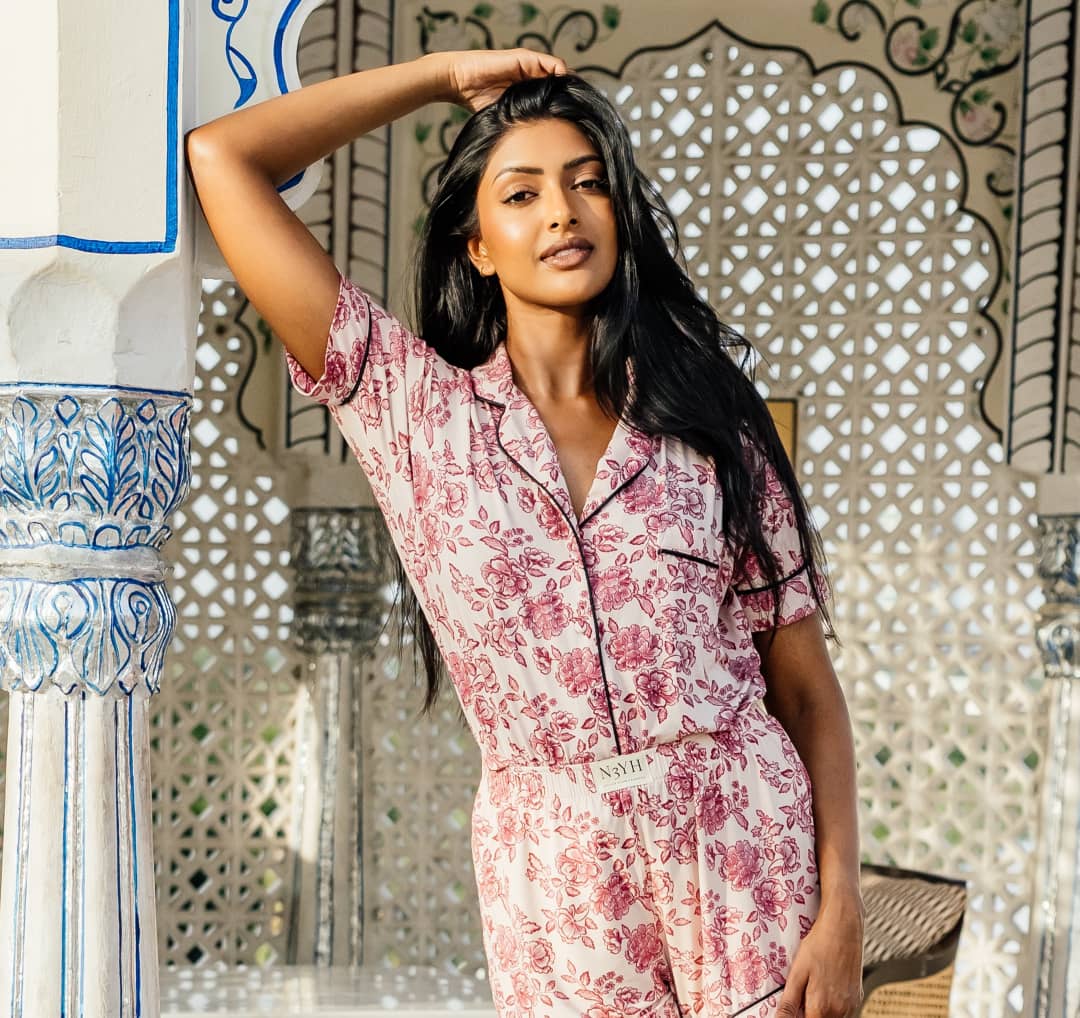
Bryoni Govender has joined a South African creative project in Jaipur, India, as part of the 2026 Art of Collaboration. The project brings together fashion, beauty, jewellery, design, film and photography under the theme Heritage in Dialogue, Luxury Redefined.
Founded by South African designer Stephen Van Eeden, the Jaipur edition places South African creative work alongside the city’s established traditions of craftsmanship, textiles, jewellery and architecture.
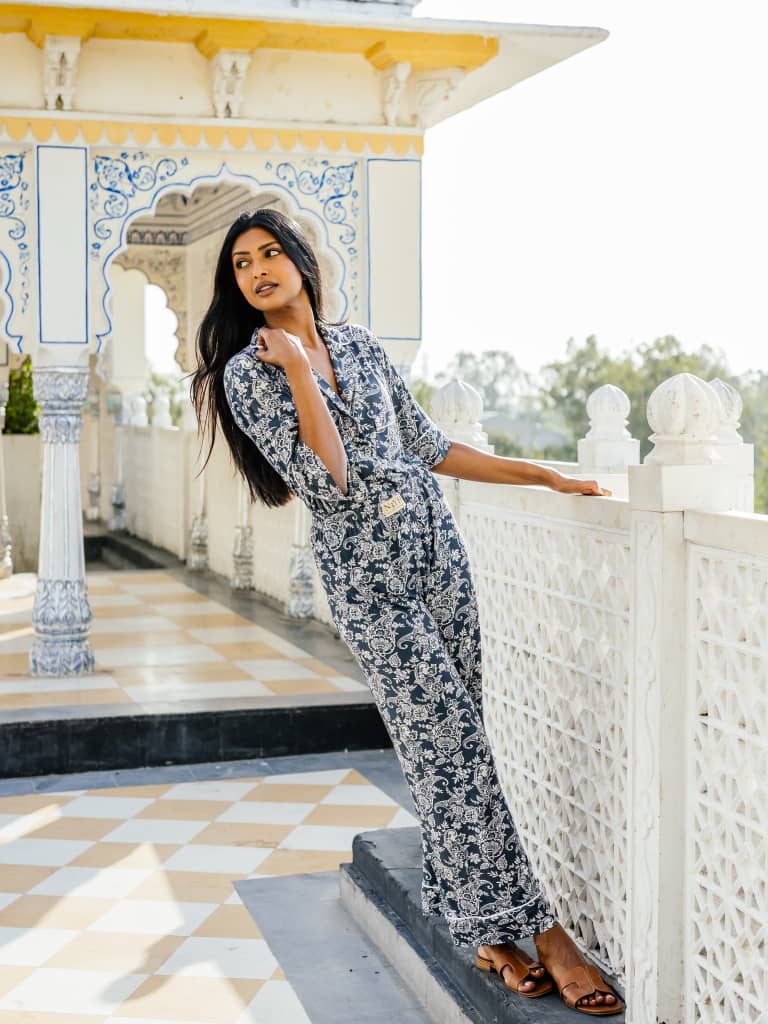
Photo: PR
Govender’s involvement also reflects her own South African and Indian heritage. That connection is explored in Where I Belong, a fashion film directed by Paula Zapata, with Maropeng Vushangwe as director of photography. The film forms part of the wider Jaipur project.
Van Eeden led the creative direction, while fashion and lifestyle photographer Christine Le Roux captured the still images. Tanya Vos worked on make-up and Carissa Bosman handled hair styling in Jaipur, with Marlene du Toit contributing to the hair work at Lanzerac in South Africa.
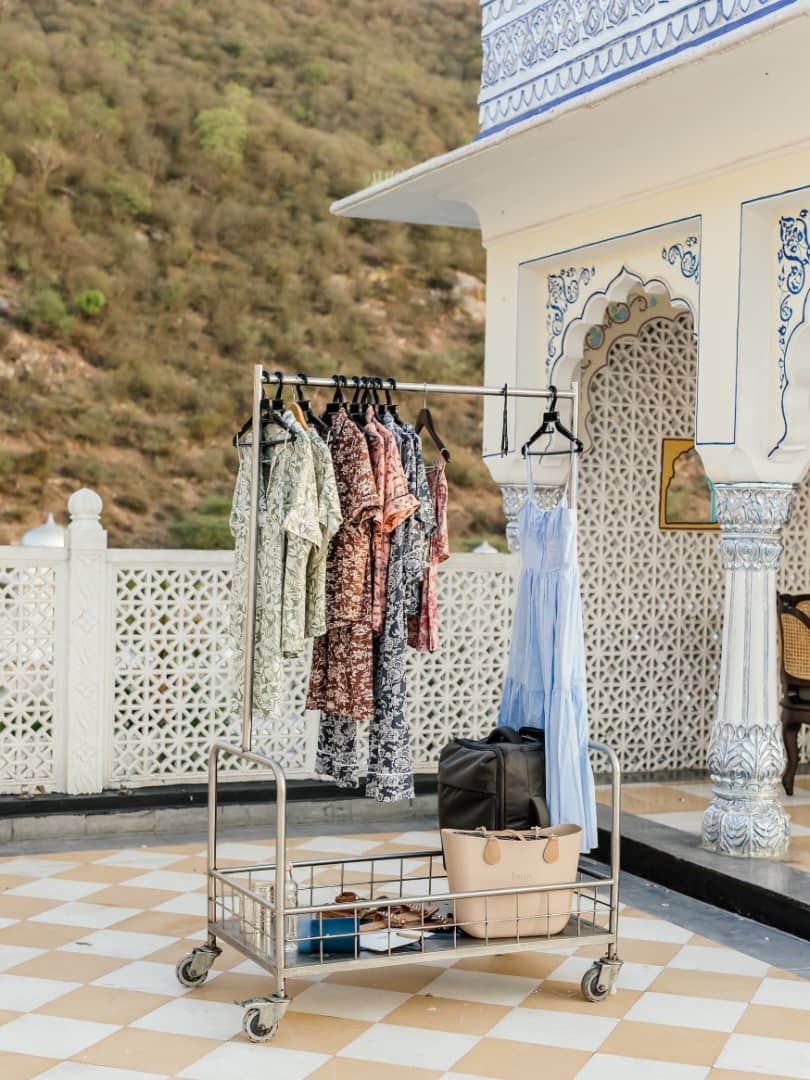
Photo: PR
The project includes South African brands and creative businesses across beauty, fragrance, eyewear, fashion and hospitality. The Leela Palace Jaipur and Lanzerac Hotel & Spa are also part of the project.
The Jaipur edition follows previous Art of Collaboration projects in New York in 2019, Cape Town in 2020, Paris in 2022 and Marrakech in 2024. The 2026 edition was unveiled on 10 September with the premiere of the project film and documentary trailer, alongside presentations of the work created for the Jaipur chapter.
For Govender, the project follows her previous use of fashion to explore her heritage. In 2023, when she represented South Africa at Miss Universe, her national costume drew from Indian and African influences, combining a sari-inspired design with Zulu beadwork and an Ndebele-inspired pattern. Govender described the outfit as a reflection of her two heritages.
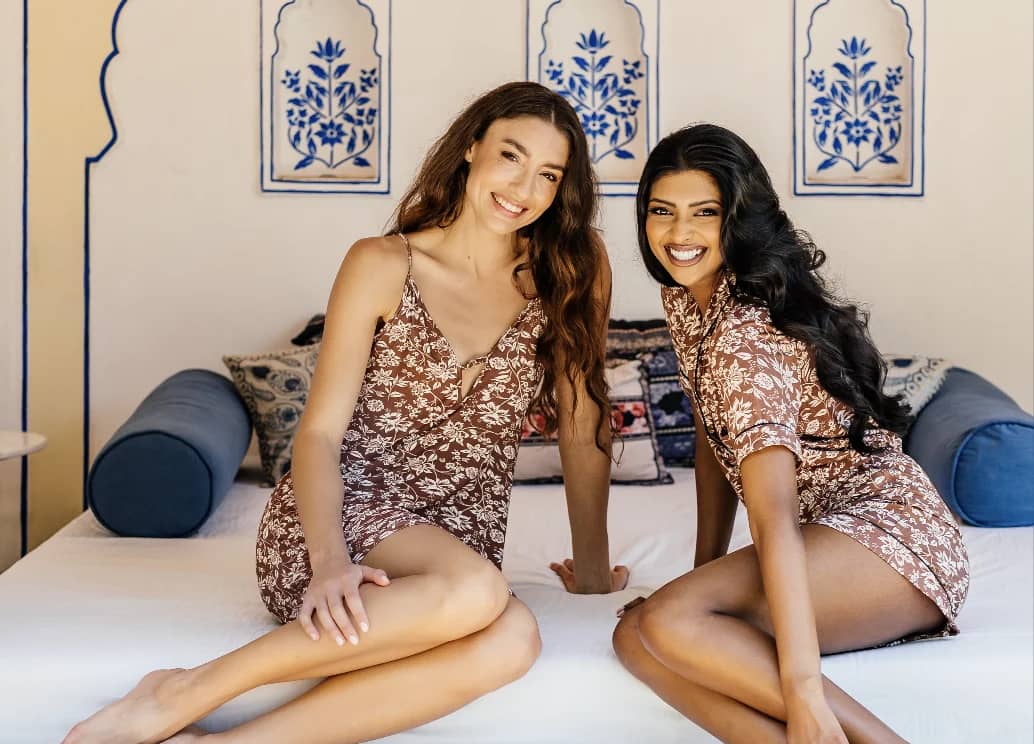
Photo: PR
She also spoke about her changing approach to fashion in a 2024 interview with TrueLove, saying she was still learning what suited her in terms of colour, texture and shape. She discussed moving away from darker clothing and becoming more comfortable with colours that complemented her skin tone.
Her appearance in Jaipur brings those elements together in a project that places South African creative work in an Indian setting, while using fashion, film and photography to explore heritage and identity.

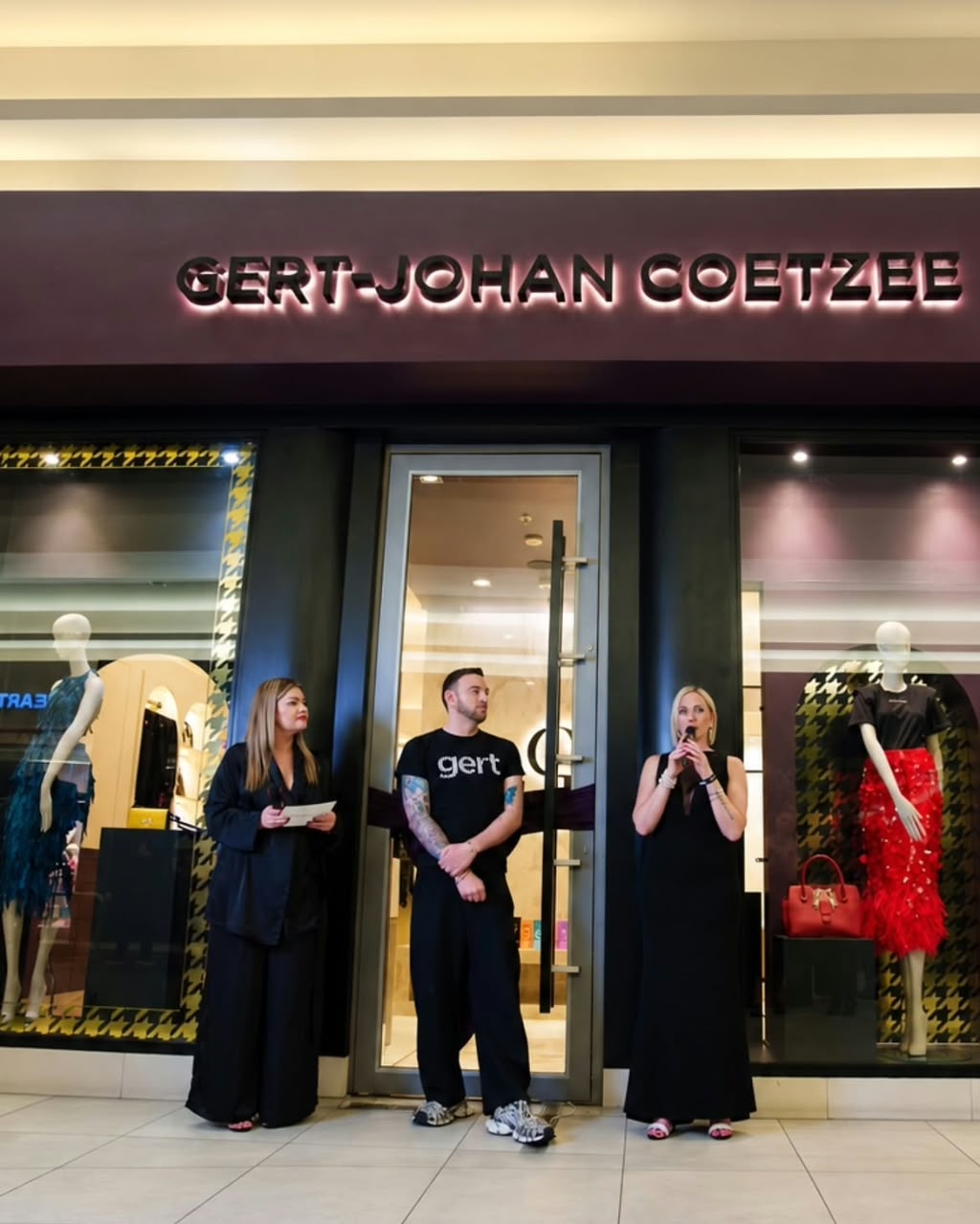
Gert-Johan Coetzee has launched his first retail boutique in Johannesburg. This will allow customers a permanent space to shop his designs. The place is located at the Winifred Mandela Precinct at Nicolway Shopping Centre in Bryanston.
The designer is known for his red-carpet creations and celebrity dressing. Customers can shop ready-to-wear pieces from the latest collection. It also carries limited-edition accessories and merchandise created for the Bryanston location. One of the additions to the store is the designer’s Ndlovu luxury handbag range. The bags are available in-store and on demand.
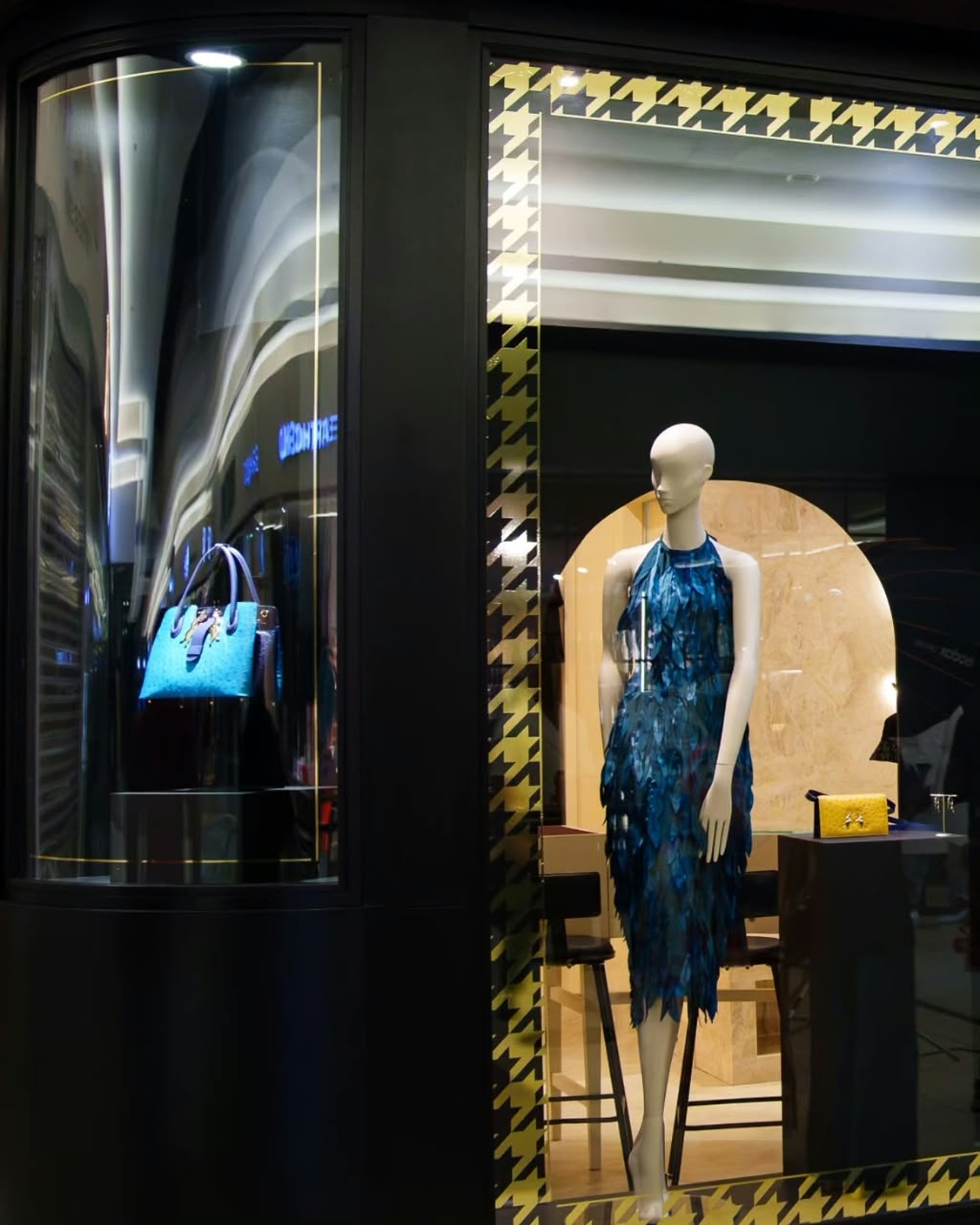
Photo: Instagram/@GertJohancoetzee
The store also stocks Coetzee’s fragrance collection. The range consists of six fragrances which are Gimme Gimme, Eau de Trouble, Rumours & Roses, Top Secret, Shhhh and Uncontainable. The designer draws inspiration from fashion career and his experiences in Grasse, France.
Read Also: 8 Female Designers Leading the Way in Fashion
The fragrance collection was introduced to South African shoppers in August through a retail collaboration with TFG, with a launch at Foschini in Sandton City. According to Ofentse Marobane, Head of Retail at Gert-Johan Coetzee :
“Our goal with the private shopping experience is to offer clients an intimate, elevated environment where they receive our complete and undivided attention,”
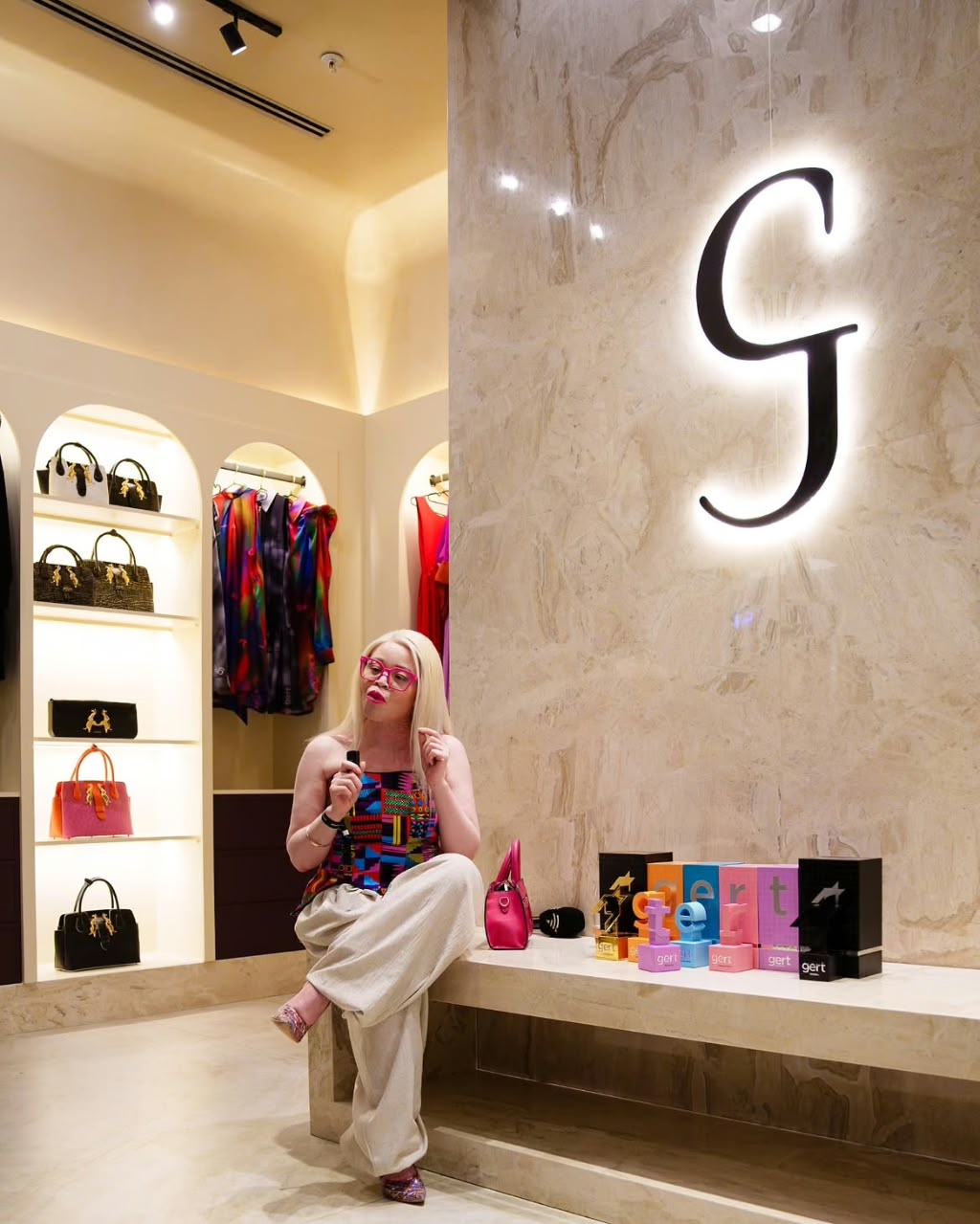
Photo: Instagram/@GertJohancoetzee
The new boutique has been designed to match the look of the fashion house. The interior uses marble and other premium stone surfaces, with aubergine accents. Clothing is displayed as part of the store’s interior design.
Opening hours are from Monday to Saturday between 9am and 6pm. On Sundays and public holidays, they open from 9am to 3pm.
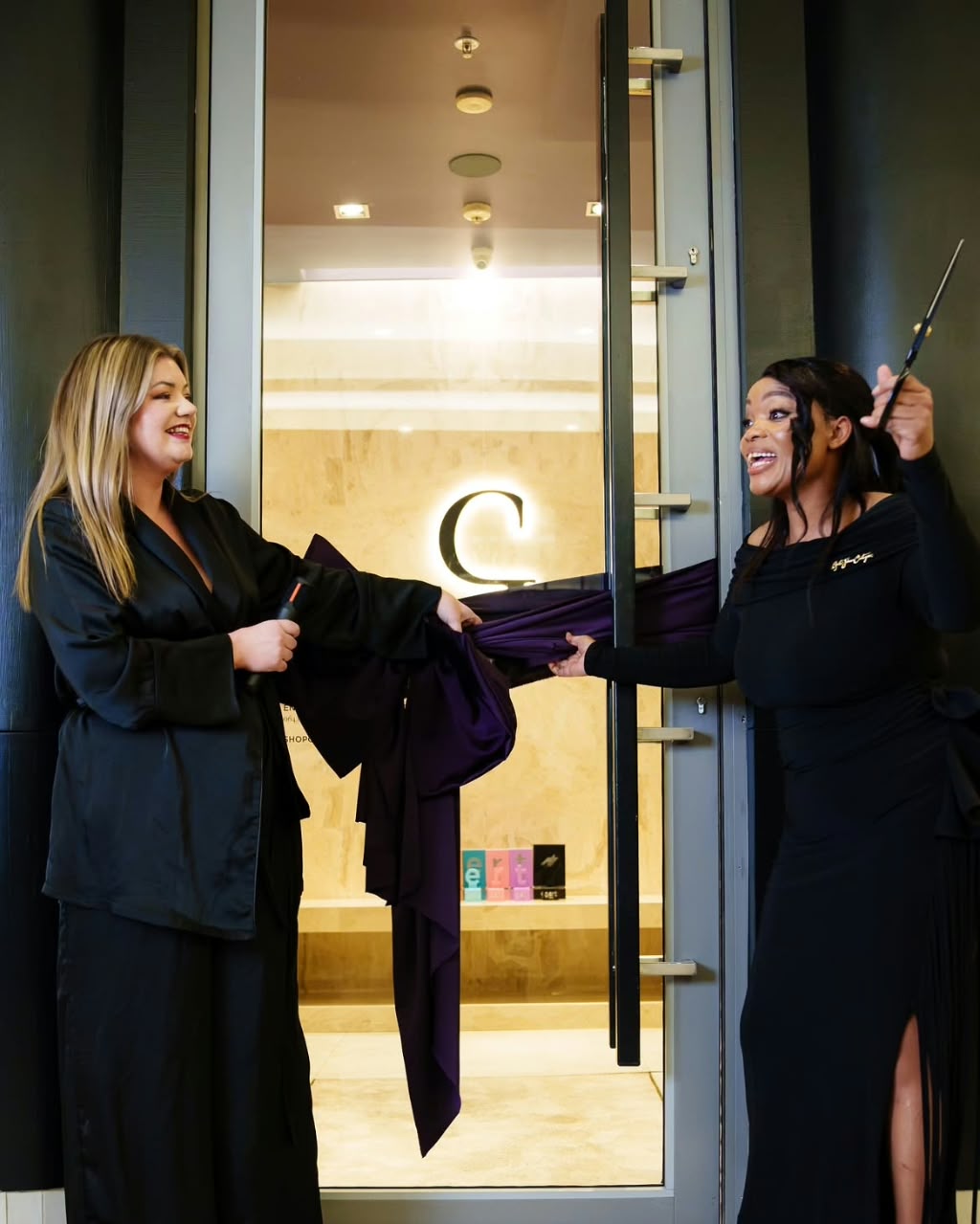
Photo: Instagram/@GertJohancoetzee
The new boutique brings Coetzee’s fashion, accessories and fragrance offerings together under one retail destination.
The new retail space offers direct access to Gert-Johan Coetzee’s collections without relying on external stockists. It also gives the designer a physical presence in the city as his brand continues to grow.

Precious Moloi-Motsepe has built a career spanning medicine, fashion, business and philanthropy, but her strongest influence on South Africa’s fashion industry has come through African Fashion International (AFI), the organisation she founded in 2007.
AFI was created to promote African designers and give them access to platforms beyond the traditional fashion show. Over the years, it has grown to include fashion weeks in Johannesburg and Cape Town, designer development, retail, international showcases and industry partnerships.
Photo: Getty Images
One of its key initiatives is the AFI Fastrack programme, which supports emerging designers with business development, mentorship, networking and market exposure. Its alumni include South African designers Thebe Magugu and Rich Mnisi, who have since built international careers. The programme reflects Moloi-Motsepe’s focus on the business side of fashion, giving young creatives tools to develop brands as well as collections.
That approach has helped position fashion as more than a creative pursuit. AFI has consistently placed emphasis on the commercial realities facing designers, including production, marketing, business management and access to markets. Moloi-Motsepe has also spoken about the challenges facing South Africa’s clothing industry, including production costs and limited manufacturing infrastructure.
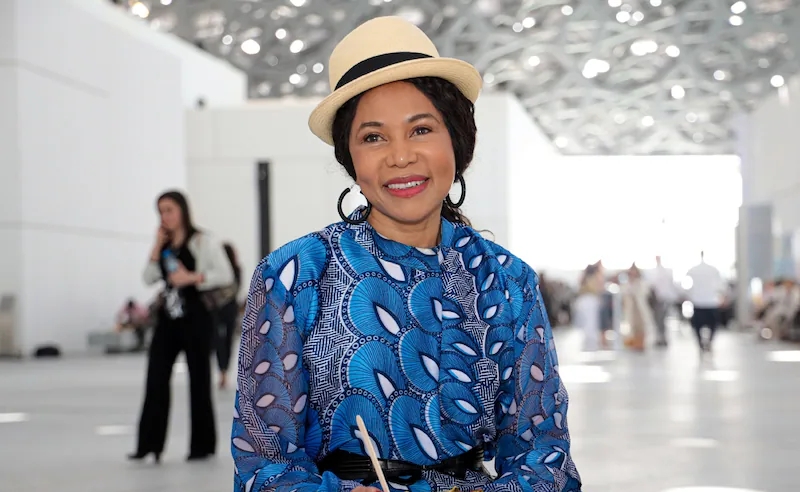
Photo: Simon Deiner / SDR
Her influence reaches into beauty and lifestyle through the broader fashion platforms AFI has developed. Its events bring together designers, stylists, musicians, celebrities and beauty professionals, placing clothing alongside hair, make-up and entertainment. AFI’s work around major events, including the Metro FM Music Awards, has further connected fashion with South Africa’s music and entertainment industries.
The international side of her work has also expanded. In 2025, AFI was involved with Superfine: Tailoring Black Style, the Metropolitan Museum of Art exhibition exploring Black dandyism and its history. AFI also co-hosted Afro Dandy: Tailored for Africa with Harvard’s Center for African Studies in New York, extending the conversation around African fashion beyond the continent.
Photo: Getty
Back in South Africa, AFI continues to provide platforms for established and emerging designers through fashion events, retail initiatives and collaborations. The organisation has also developed its own fashion ventures, including NALA Privé.
Moloi-Motsepe’s business interests extend beyond fashion. Through the Motsepe Foundation, which she co-founded with Patrice Motsepe, she has been involved in education, entrepreneurship, community development, sport, music and leadership programmes. The foundation has also supported bursaries and initiatives aimed at expanding opportunities for young people.
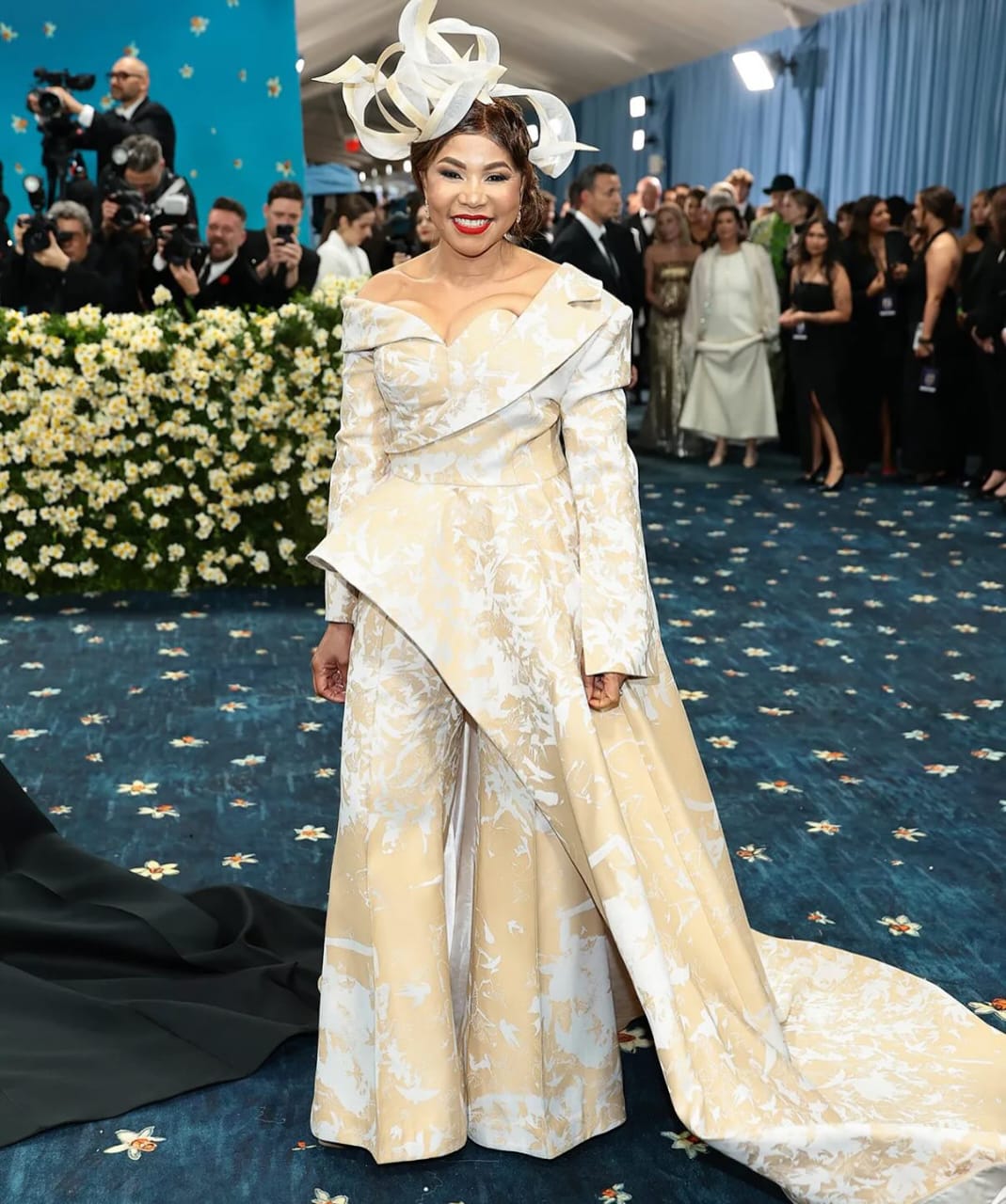
Photo: Getty
Her career is therefore less about designing clothes herself and more about building the structures around those who do. Through AFI, she has spent almost two decades connecting African designers with audiences, industry professionals and commercial opportunities.
That has made her work relevant across fashion, beauty and business. The clothes may be what audiences see first, but Moloi-Motsepe’s contribution has largely been behind the platforms, programmes and partnerships that help African creative businesses grow.


New South African Movies to Watch on Netflix

Thabsie Shows Off Toned Figure in Bikini on Tanzania Getaway

O.J. Simpson Associate’s Brother Claims He Had Bloody Hands on Night of Murders




-

 Health3 months ago
Constantly Tired? Your Liver Could Be Telling You Something
-
 Travels3 months ago
6 Best Hotels in Cape Town
-

 Dj Men3 months ago
The Male DJs Keeping South Africa’s Nightlife Alive
-

 Fitness3 months ago
How to Recover Faster After a Heavy Gym Session
-

 Netflix2 months ago
8 Mzansi Series and Films on Netflix to Watch This August
-

 Health3 months ago
Apple Cider Vinegar: From Health and Skin to Everyday Uses
-

 Sex & Relashionships3 months ago
5 Ways ‘Parallel Life Syndrome’ Kills Relationships
-
 Music3 months ago
Tyla Officially Releases A*POP