
Beauty
The Best Lotions to Keep Your Glow This Winter

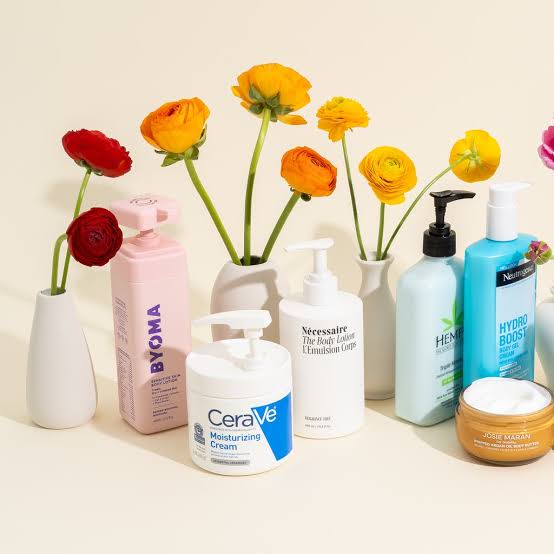
Winter is the best season to let your skin glow, but the coldness will make that difficult. The chill from the wind can affect your skin texture, which is a problem. Luckily, with a good lotion, your skin can stay soft and smooth all season. Here are the best lotions to keep your glow this winter .
Aveeno Daily Moisturizing Lotion
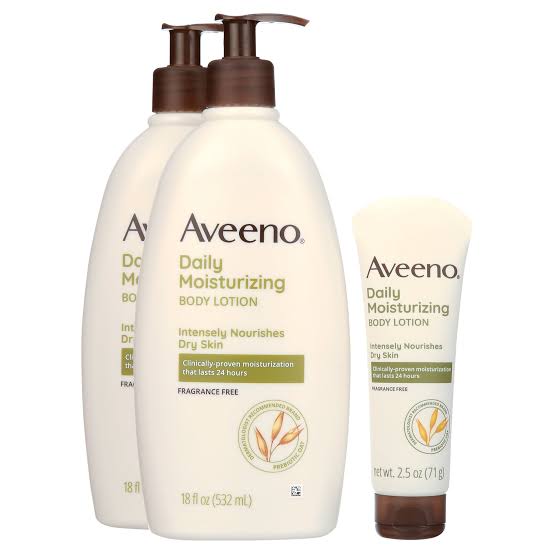
This is one of the top lotions to consider during winter due to its fast-absorbing properties. Aveena is a good option for people whose skin is affected by cold. It gives your skin a fresh look, which is perfect for cozy days and nights. Its main appeal is its non-stickiness and water-based formula.
La Roche-Posay Lipikar Baume AP+M
This lotion is rich in shear butter and naciaminde which makes it good for all skin types. If your work requires you to be exposed to the cold, this is the best lotion to go for. Also, it contains other rare ingredients which helps plug clogging pores. It’s highly recommended for those with red skin and irritation problems. You will enjoy its lightweight feel and its ability to soothe your skin.
Read Also : Scentual Bliss: 5 Oil Perfumes with Lasting Fragrance
First Aid Beauty Ultra Repair Cream
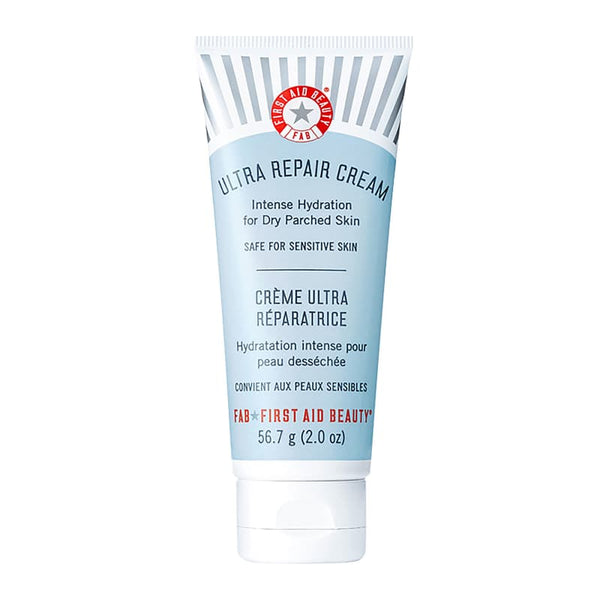
Do you seek a radiant look free from the crisp cold outside ? This is a great choice. It boasts a subtle and gradual tint that keeps your skin shiny. The lotion is easy to apply and combines well with many skin tones. When used regularly, your skin will glow naturally. It builds a light tan over your skin with time and keeps it in good condition.
Kiehl’s Crème de Corps Body Butter
People dealing with dry and sensitive skin should consider this lotion during this cold season. It contains squalane and jojoba butter which help repair broken skin layers and restore skin barriers. It is a good pick if you want a beauty product that keeps you healthy. The lotion hydrates for a long period, and you don’t need a fragrance, as it smells nice.
Eucerin Advanced Repair Lotion
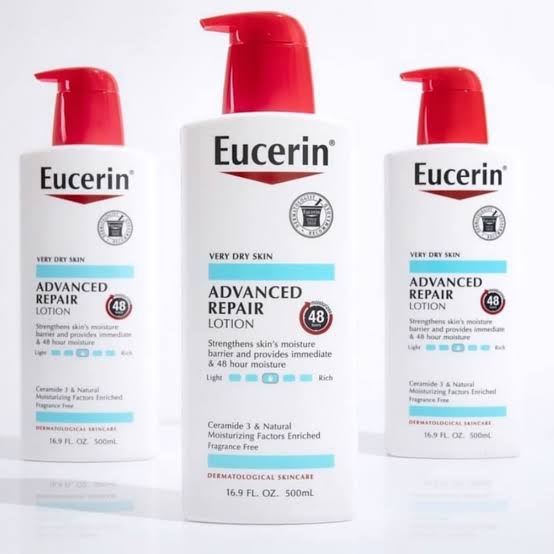
Eucerin can make your skin tone better and brighter. It contains vitamin C and pearl extracts, which are potent ingredients that improve skin appearance. When used consistently, your skin becomes smoother and looks healthier. It can improve skin texture and boost radiance.
Bottom Line
Choosing the best lotion to use during winter is important. Despite numerous options out there, very few can make your skin shine during the cold season. If you have flaky skin or just want your skin to be smooth, these lotions are recommended. However your final decision should be based on skin texture, quality , and budget.


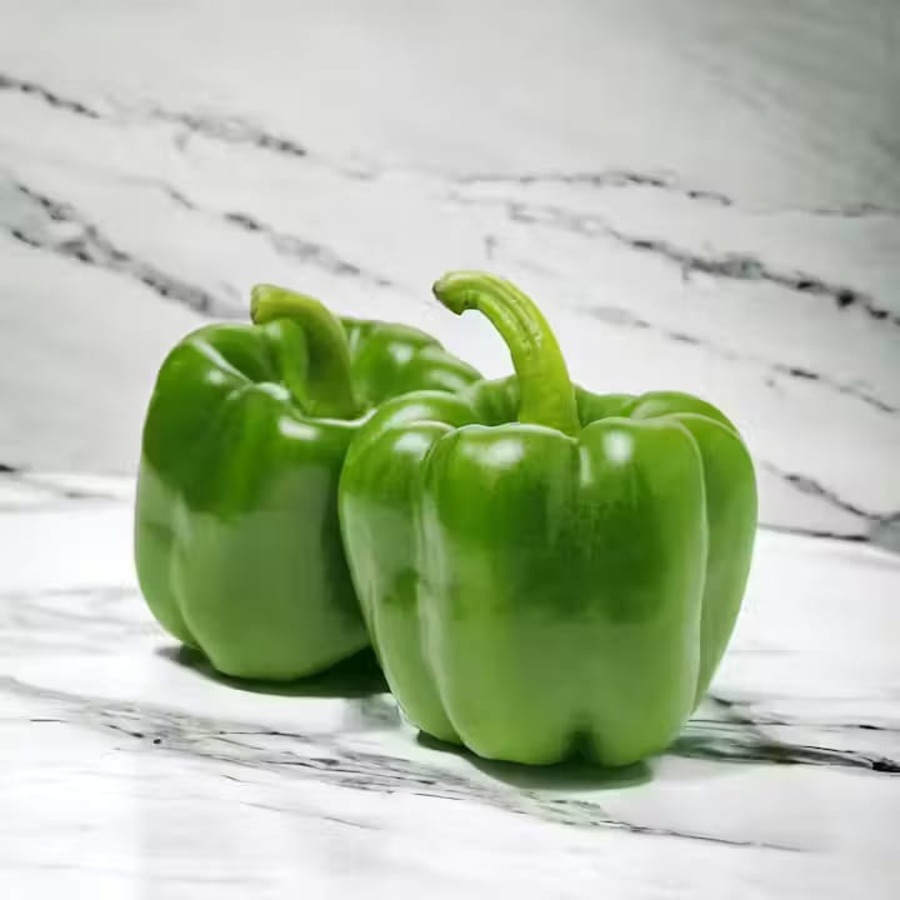
Bell pepper has been in several skincare conversations due to its health benefits. Some people believe it can brighten skin and slow aging. But is this true, or is it just another skincare myth?
Bell peppers are rich in nutrients that are important for skin health. Nutrition research shows that bell peppers contain vitamin C and other antioxidants. These compounds help protect the body from stress.
Studies show bell peppers contain large amounts of antioxidants like polyphenols and flavonoids. They are good in removing free radicals in the body. Because of this, nutrients found in bell peppers support healthier looking skin.

Bell Pepper: Getty images
Another benefit of bell pepper is its anti-inflammatory properties. Laboratory research on bell pepper extracts suggests it has compounds that stops irritation and acne. This means foods with these compounds contribute to overall skin wellness.
Read Also: Does Creatine Work for Weight Loss?
Medical research explains that beta carotene supports cell growth. They are nutrients that help maintain skin renewal processes, which makes the skin brighter. Carotenoids found in peppers provide little protection against environmental damage.
However, this is where the “miracle” claim lacks substance. Most scientific evidence is on the nutritional benefits of eating bell peppers, not applying them to the skin. Dermatology research strongly supports vitamin C in skincare, but in formulated serums not raw food benefit. Raw bell pepper applied to the face may irritate sensitive skin in some people. Medical sources also note that capsicum extracts irritate eyes and skin when used wrongly.

Bell Pepper:Getty Images
There is also no strong clinical evidence proving that bell pepper masks can remove dark spots and reverse aging. Many online claims are based on personal experiences not scientifically.
So, is bell pepper skincare a myth or does it work? The answer is that bell peppers benefit skin health through nutrition. Eating them regularly contributes to overall skin wellness thanks to vitamins and anti-inflammatory compounds but it is not a skincare product.

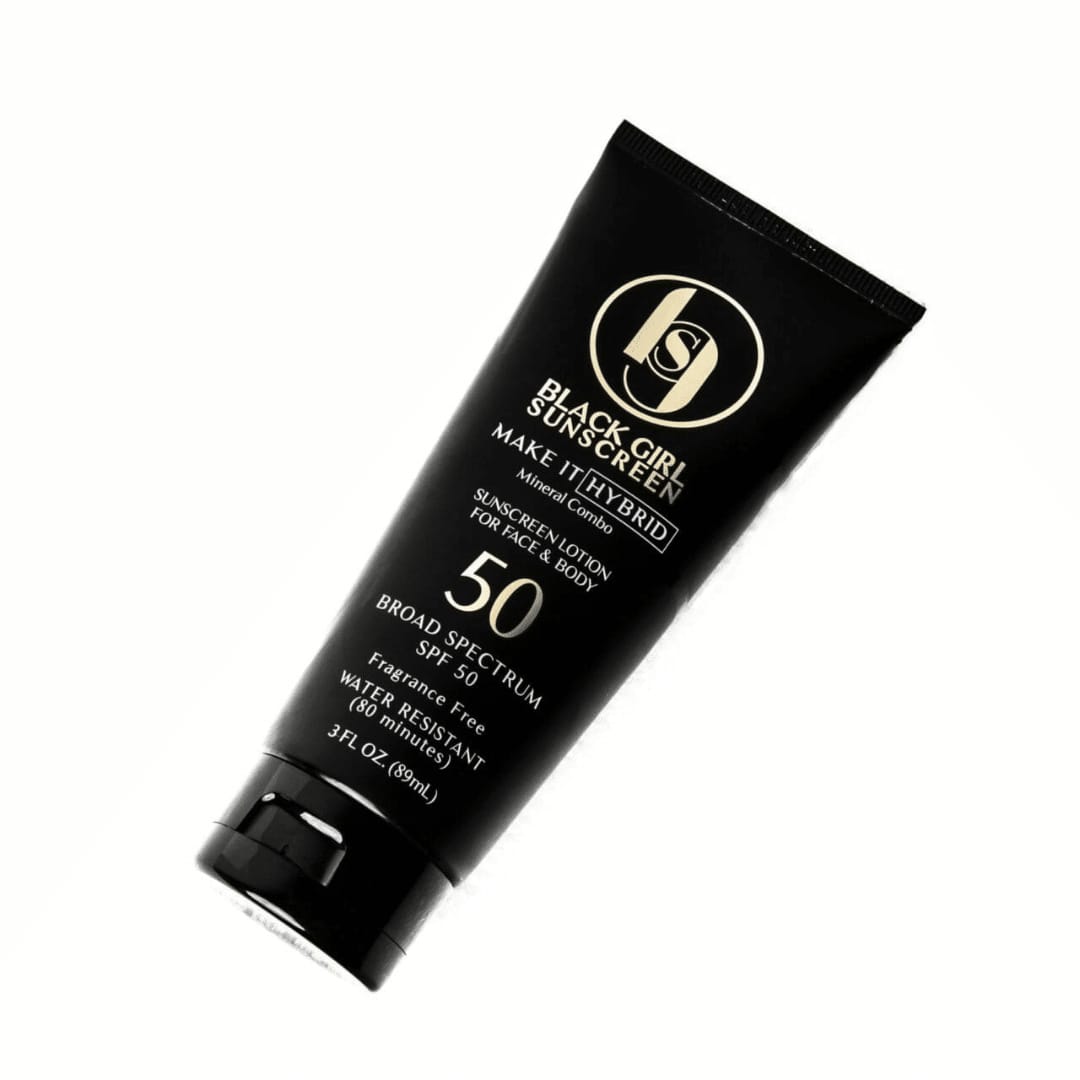
Autumn light is softer, but ultraviolet exposure doesn’t decrease significantly. UVB, the type linked to sunburn, decreases, yet UVA remains consistent through cloud cover and cooler temperatures. UVA is responsible for pigmentation, uneven tone, and long-term skin ageing. So the question isn’t whether to wear sunscreen in autumn, but which ingredients are doing the real work.
Dermatology-backed features and beauty publications emphasise that effectiveness comes down to UV filters, not the SPF number on the front of the bottle. In autumn, the focus shifts to filters that can handle persistent UVA exposure.
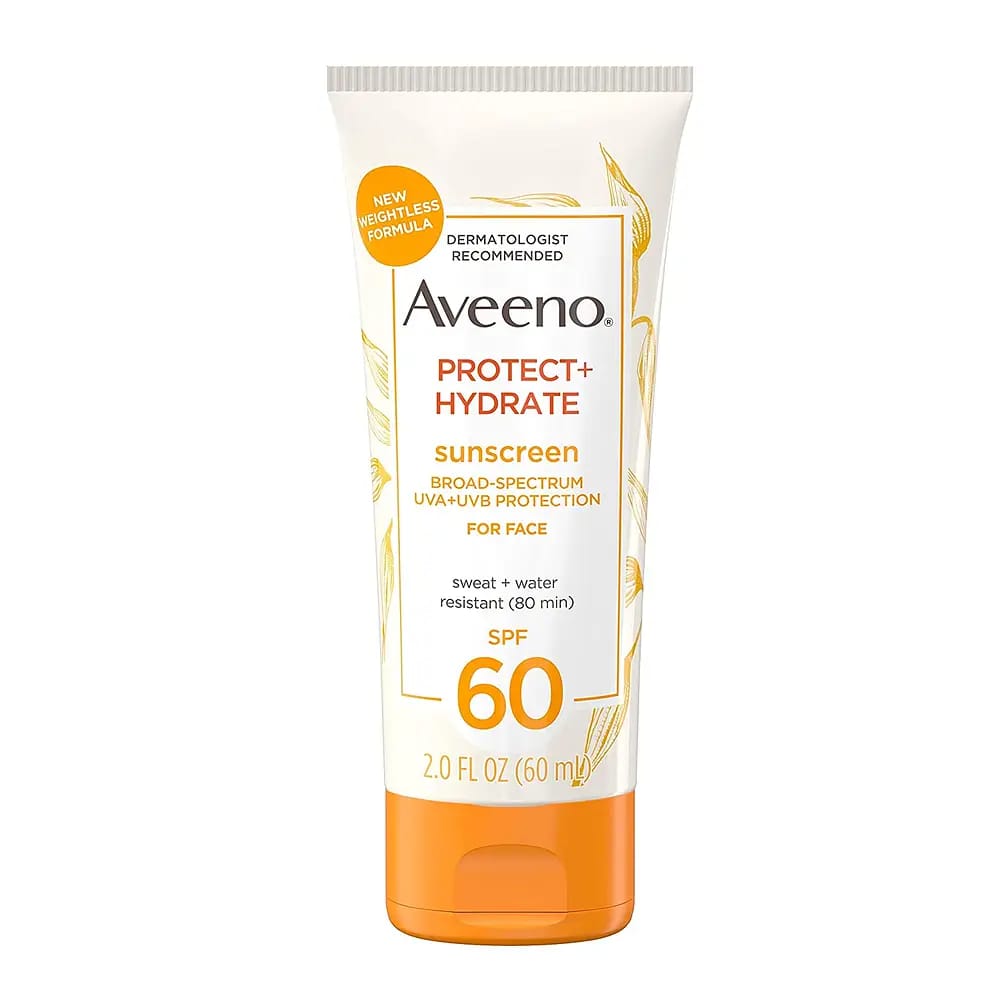
Photo – Instagram
Zinc oxide remains the most reliable filter. It covers both UVA and UVB without needing support from other filters. For everyday wear, whether commuting, sitting near windows, or spending time outdoors, it is one of the few ingredients that delivers full-spectrum protection. It is also well tolerated across skin types.
Titanium dioxide often appears alongside it, but offers less complete UVA coverage. It performs well against UVB and shorter UVA rays, yet it doesn’t fully cover the longer UVA wavelengths that are still active in autumn. On its own, it leaves gaps. In combination formulas, however, it strengthens overall coverage and improves wearability, especially in lighter textures.
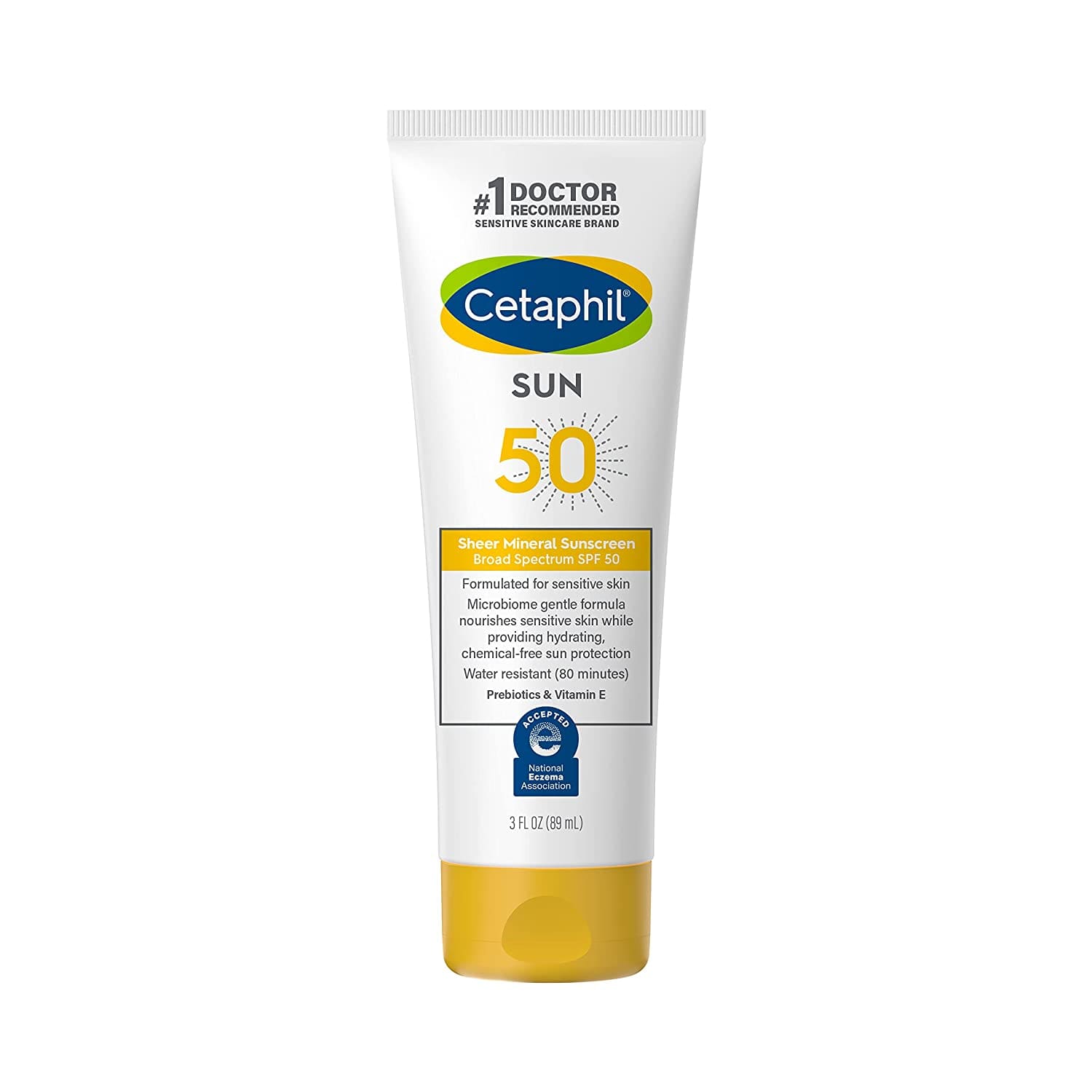
Photo – Instagram
Among chemical filters, avobenzone remains one of the few ingredients that properly targets UVA. Its main limitation is that it can break down when exposed to sunlight. Modern formulations address this by pairing it with stabilising filters, helping it remain effective longer. When formulated well, it becomes a key component in broad-spectrum sunscreens that feel lighter on the skin than mineral-only options.
Current formulations increasingly use newer-generation filters such as bemotrizinol (Tinosorb S) and diethylamino hydroxybenzoyl hexyl benzoate (often listed as Uvinul A Plus). These are designed to be photostable, meaning they do not degrade as quickly under UV exposure. They offer more consistent protection throughout the day, which is useful in autumn when reapplication habits tend to become less consistent.
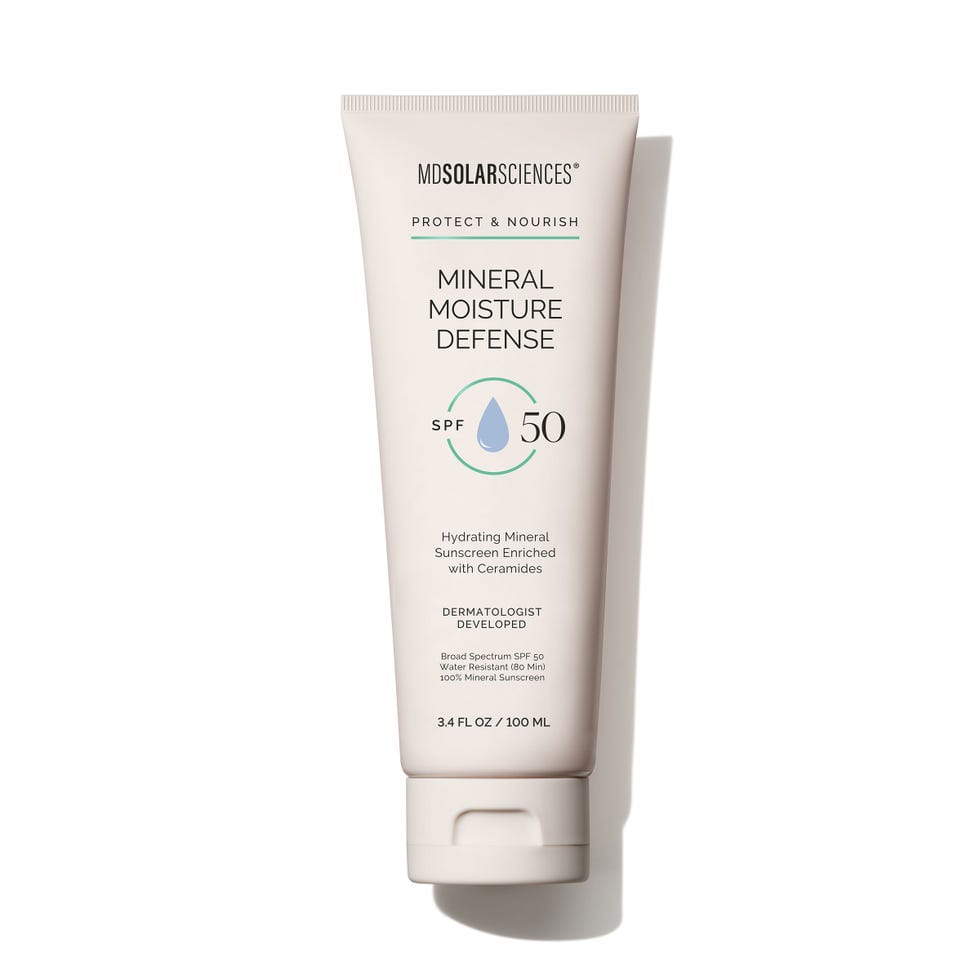
Photo – Instagram
It is also important to identify filters that provide limited UVA protection. Ingredients like octinoxate, homosalate, and octisalate mainly boost SPF by targeting UVB. They contribute to preventing sunburn but do not offer meaningful UVA protection. This explains why a sunscreen may appear effective but underperform in real conditions, where UVA is the dominant concern.
In South Africa, this distinction is especially relevant. Even outside peak summer months, UV levels remain relatively high compared to many other regions. Clear autumn days, reflective surfaces, and time spent outdoors all increase exposure. Pigmentation concerns, whether from sun exposure or post-inflammatory marks, are more likely to persist when UVA protection is inconsistent.
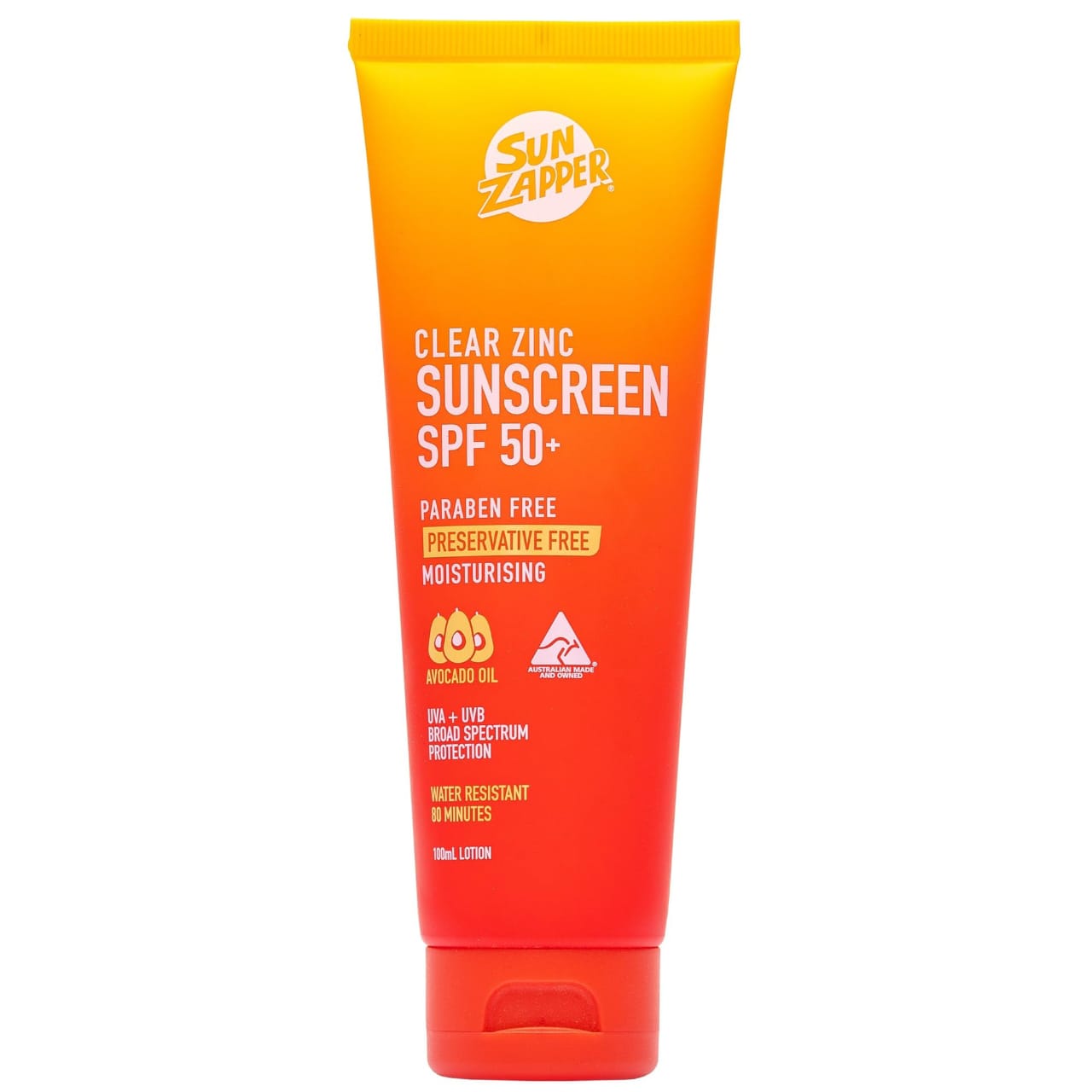
Photo – Instagram
Seasonal changes do not require a different sunscreen. Instead, the priority should be on ingredients that maintain broad-spectrum coverage and remain stable on the skin.
The ingredients that actually work in autumn are those that provide consistent broad-spectrum protection year-round. Zinc oxide for dependable coverage, titanium dioxide as support, avobenzone when stabilised properly, and newer filters designed for longevity. Other filters play a supporting role. This determines how effective a sunscreen is during autumn.
Beauty trends on TikTok rarely receive sustained professional scrutiny. One that has steadily gained traction is the “oil under concealer” hack, the idea that applying a facial oil beneath your concealer creates a smoother, crease-free finish. The question is whether it actually delivers.
The method is straightforward. Instead of prepping the under-eye area with eye cream or primer, you press a small amount of facial oil into the skin and then apply concealer on top. Videos promise fewer visible fine lines and better blending.

Photo: Pinterest
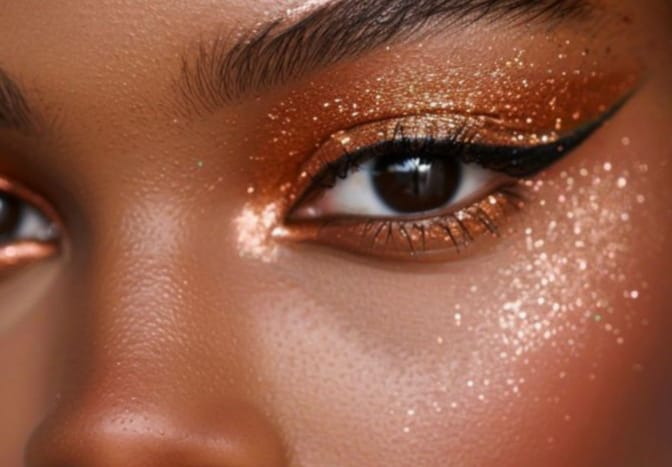
Publications such as Vogue Arabia and Allure have examined the trend, speaking to makeup artists and dermatologists to separate technique from hype. Experts describe the results as conditional rather than universal. Hydration does improve how concealer sits on the skin. If the under-eye area is dry, product is more likely to catch, crease or look textured. A lightweight oil can soften that surface, allowing concealer to spread more evenly.
Professionals also stress moderation. Too much oil can break down the concealer, causing it to slide or separate, particularly in warm climates. In hot, humid conditions, this matters. Oil changes the way makeup adheres. In small amounts it can add flexibility; in excess it can interfere with longevity.

Photo: Pinterest
Skin type remains a deciding factor. Dry or mature skin may benefit from a thin layer of a fast-absorbing oil pressed in before concealer is applied. Oily or combination skin is more likely to experience shifting and excess shine. Formula pairing also plays a role. Creamy, hydrating concealers tend to perform better over oil than matte, high-coverage formulas.
The hack is not revolutionary. It is an alternative to proper skin preparation. A well-formulated eye cream can offer similar slip without the risk of destabilising makeup. The real principle is balance: hydrated skin supports smoother application, but excess emollience compromises wear time.
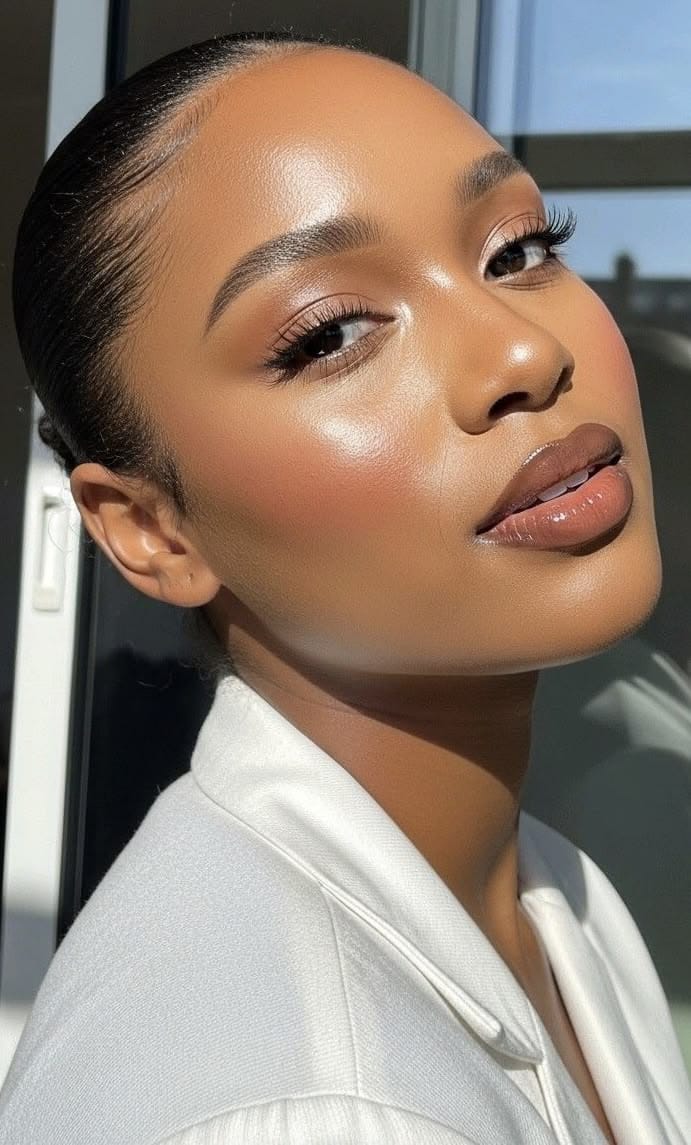
Photo: Pinterest
So does it work? In specific circumstances, yes. It is not a universal fix. The outcome depends on your skin, your climate and the products you use. Like most viral trends, it is less about a shortcut and more about understanding how makeup behaves on your own skin.


The Best Time to Eat Yogurt, According to Experts

Crème of Nature Defines the Hair Conversation at MXS Kulture Festival 2026

Bell Pepper for Skincare, Myth or Miracle?




-

 Fashion8 months ago
Lee Khuzwayo in a Long Black Dress, Done Right
-

 Fashion9 months ago
Sinqobile Tusani Signature Love Affair with White Outfits
-

 Fashion8 months ago
Sinqobile Tusani Elevates the Mini Skirt with Urban Cool
-

 TV2 months ago
Big Brother Mzansi Season 6 Welcomes Ashay Sewlall: From Footballer to Rising Star
-

 Fashion5 months ago
Thabee Happy Paints Johannesburg Pink in Chic Style
-

 Fashion7 months ago
Siphosethu Nkosi Lights up the Scene in Yellow
-

 Music5 months ago
Tyla just dropped her latest single ‘Chanel’
-

 TV1 month ago
Neliswa Ngada Disqualified from ‘Big Brother Mzansi’ After Physical Altercation in Bazozwa House