
Lifestyle
Sip & Soothe: Touring South Africa’s Most Scenic Wine Farms

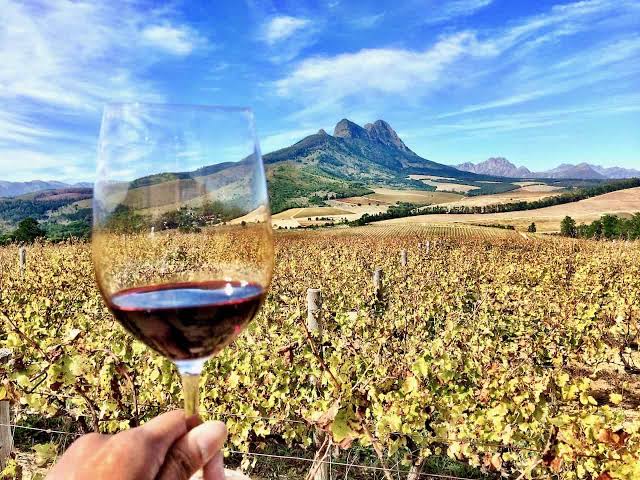
There’s a certain kind of peace you only find with a glass of wine in your hand and mountains in the distance. The kind of peace that makes your shoulders drop, your breath slow, and your heart feel like it finally found the right pace. That’s exactly what South Africa’s wine country offers — a beautiful excuse to press pause, soak in the view, and sip something wonderful.
Stellenbosch, Franschhoek and Paarl: The Holy Trinity of Wine Country

Let’s start with the obvious: South Africa knows how to do wine. And not in a flashy, tourist-trap kind of way. In the Winelands, it’s personal. You drive out of Cape Town and before you know it, the city fades behind you, replaced by rows of vineyards, craggy mountain peaks, and farm signs that practically beg you to stop in.
Stellenbosch is the most famous of the lot — charming and full of history, with oak-lined streets and a laid-back buzz. Franschhoek is smaller but feels like it was plucked out of a French postcard (with better weather, honestly). Paarl is quieter, a little under the radar, but full of character and generosity. All three are worth your time — and your appetite.
Wine That Tells a Story

At most estates, you’re not just handed a menu and pointed toward a bar. More often than not, you’re welcomed like a guest. You might meet the winemaker or the owner, hear about how the grapes grew that season, or find out the label was designed by a cousin’s daughter.
It’s this personal touch that makes the wine taste even better. Whether it’s a bold Shiraz, a crisp Sauvignon Blanc, or a lesser-known local varietal that surprises you in the best way — you’re not just tasting wine. You’re tasting someone’s hard work, their pride, and maybe even a little bit of their beautiful mess.
Not Just About the Wine
Of course, it doesn’t hurt that the views are something out of a storybook. At Delaire Graff, you get sweeping valley scenes framed by sculpture and mountain light. At Babylonstoren, there’s a sprawling garden where you can lose an entire afternoon sampling sun-warmed fruit, brushing your fingers across rosemary, and letting your mind wander. Then there’s Creation Wines in the Hemel-en-Aarde Valley — which literally means “Heaven and Earth”—not an exaggeration—where tastings come with perfectly paired small plates that might make you forget about lunch altogether.
Some farms even offer picnics. Picture this: a blanket under the trees, a basket full of warm bread, ripe cheese, homemade jam, and a chilled bottle of something white. Birds chirping. No notifications. Just quiet and comfort.
Come for the Wine, Stay for Everything Else

A lot of people come for a quick tasting and end up canceling their next three plans. Why? Because many of these places have guest rooms, restaurants, and spas tucked away on the estate. You can wake up in a vineyard cottage, take a slow walk through the vines, then sit down to a long lunch that quietly turns into dinner.
It’s not a rushed kind of experience. It’s more of a “do we really have to go back?” kind of feeling.
Final Thoughts (and a Last Sip)
Touring South Africa’s vineyards isn’t just about trying different wines — it’s about how the whole experience makes you feel. It’s about slowing down, having real conversations, and soaking up everything that makes the moment memorable: the scenery, the stories, the laughter that gets a little louder with each glass.
So if you’re ever in South Africa, make time for the Winelands. Trust me, you’ll leave with more than just a bottle or two — you’ll carry the calm with you long after the wine runs out.














Many people approach Monday with mixed feelings because it signals the return to regular work routines and unfinished responsibilities from the previous week. How you start the first working day often influences how the rest of the week unfolds.
A good week is not built on doing everything at once. Instead, it grows from small, steady habits that help maintain focus and momentum.

Photo Credit – Google
Before starting work, spend a few minutes organizing your desk or digital workspace. Remove items you do not need and keep only what supports the task ahead. A cleaner workspace reduces visual distractions and helps you think more clearly. Check messages and social notifications only after completing your first important task of the morning.
Begin Monday by deciding what matters most for the day. Choose three key activities that move your work or personal goals forward. Focus on the task with the nearest deadline first, followed by the task that contributes most to your longer-term plans, and then the task you are most likely to postpone. Completing at least two of these tasks can create a useful sense of progress.

Photo Credit – Google
Working for long hours without structure can lead to mental fatigue. Breaking the day into focused sessions helps maintain attention. Try spending about fifty minutes on focused work, followed by a ten-minute break to stretch, drink water, or take a short walk. During focused sessions, turn off unnecessary notifications that may interrupt concentration.
Difficult assignments are often postponed because they require more mental effort. Starting with the most demanding task when your energy is still fresh can make the rest of the day feel easier. Once the complex work is underway, smaller responsibilities usually feel more manageable.

Photo Credit – Google
Consider reviewing your schedule on Monday evening. Look through meetings, deadlines, and personal commitments. Writing a short checklist of important appointments, project milestones, personal errands, and learning or development goals helps reduce last-minute pressure during the week.
Your energy level influences how well you stay focused. Drinking enough water and eating balanced meals during work hours supports steady performance. If possible, take a short walk during breaks. Movement helps refresh thinking when you return to work.

Photo Credit – Google
Jumping between several tasks may feel busy but can slow down real progress. Complete one meaningful activity before moving to the next. Focus is not about working harder; it is about reducing unnecessary interruptions.
Spend about ten minutes at the end of Monday deciding where to begin the next morning. Knowing the first task in advance helps reduce early-day planning stress.
The first working day sets the tone for the week. When Monday is organised, it is easier to manage pressure and stay consistent with goals. Productivity is often built through routine rather than intensity.

The latest edition of the Forbes Africa 30 Under 50 list highlights South Africans whose careers translate into visible industry impact. This year’s selections show how influence is increasingly tied to real industry contribution. Across finance, entertainment, sport, technology and entrepreneurship, the South Africans recognised are building institutions, exporting culture and reshaping key sectors.

Celeste Ntuli – Instagram
The list spans a wide spread of industries. FIFA and CAF referee Akhona Makalima reflects growing recognition of officiating as a professional discipline with continental reach. In comedy and performance, Celeste Ntuli continues to expand audiences for African stand-up, turning live performance into a scalable entertainment business.
Entrepreneurial leadership is another defining feature of the list. Dermatologist and founder Lungile Mhlongo has built a wellness company rooted in clinical expertise and consumer demand. In corporate finance, Mary Vilakazi represents senior institutional leadership within one of the country’s largest banking structures, influencing strategy, governance and capital direction.

Akhona Makalima – Instagram
Cultural export remains central to South Africa’s global presence. DJ and producer DBN Gogo has helped push Amapiano into international markets through touring, branding and collaboration. Singer and performer Zolani Mahola combines artistic work with public advocacy, reinforcing the social role of cultural figures. Actor Lesley-Ann Brandt maintains an international screen career while staying connected to South African creative identity.
Technology adds another layer to the country’s representation. AI entrepreneur Pelonomi Moiloa is developing language-focused systems designed for African data environments, contributing to locally built digital infrastructure.

DBN Gogo – Instagram
Together, these honourees show how South African leadership is increasingly tied to institution building, cultural export and sector development. Their work extends beyond personal recognition into ecosystems that support employment, innovation and creative ownership.
This year’s South African presence on the 30 Under 50 list reflects a shift toward careers built around long-term platforms rather than short-term visibility. The figures recognised are active participants in shaping the industries they occupy, setting practical benchmarks for the next generation of leaders.


Valentine’s Day is about celebrating the people who matter most in your life. Love comes in many forms, from the laughter shared with friends to the support of family, and even self-love you show yourself. The best gifts are thoughtful. This coming Valentine’s Day, you can make your loved ones feel special by sharing meaningful gifts.
Gifts for Romantic Partners
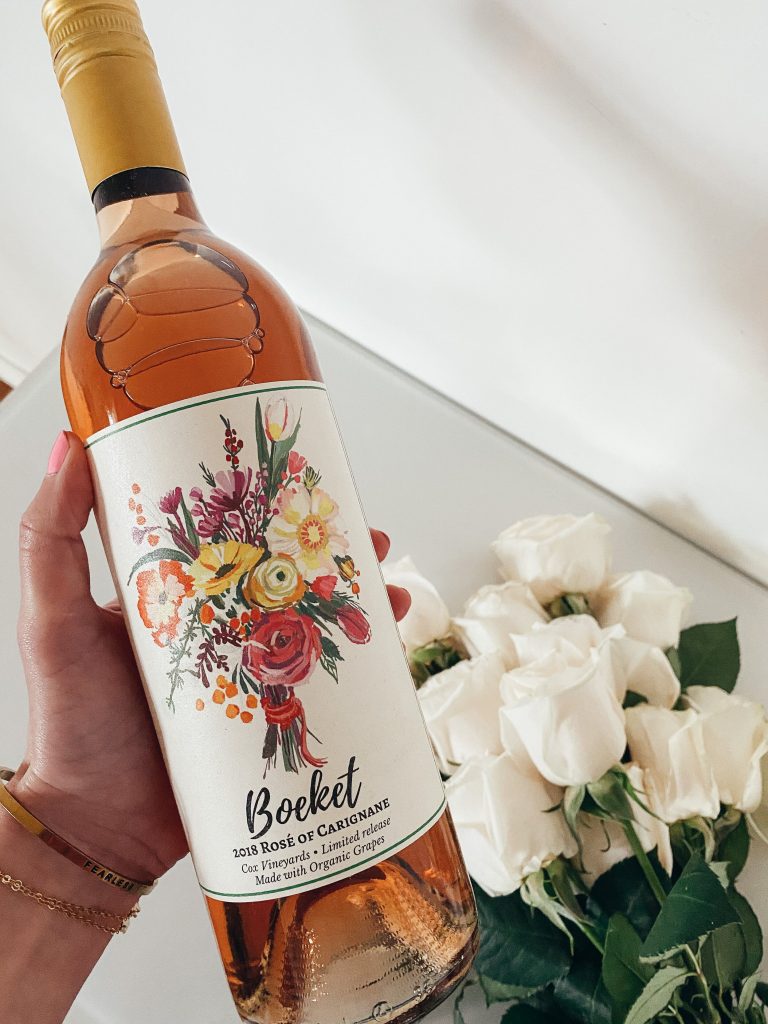
Valentine Gift : Amazon
For romantic partners, the best gifts are those that show shared experiences. Planning a day around your partner’s interests, such as exploring a new location, cooking a meal together, buying a collection of photos or attending a class together if works well.
Gifts for Friends

Valentine Gifts : Getty Images
Gifts for friends should be something special. For some friends, books are fine, for others it’s a video game. Whatever you get them, including a personal note, turns even a small item into a meaningful gesture that deepens your bond.
Read also : The Real Reasons Some Avoid Commitment in Love
Gifts for Family Members

Valentine Gifts: Getty Images
Family gifts carry emotional significance because of shared history and understanding. Older family members can be celebrated with gifts that honor your connection. For younger family members, gifts that promote creativity are ideal. Thoughtful family gifts show appreciation and strengthen your bond.
Honoring Yourself

Valentine Shoes : Amazon
Valentine’s Day is an opportunity to celebrate yourself. While giving gifts to others is important, Valentine’s Day is also a chance to celebrate yourself. Treating yourself can boost your well-being and help you approach other relationships with clarity. You can buy shoes, watches and shirts.
As Valentine’s Day draws nearer, look out for that bargain gifts. The price or quality do not matter; what matters is what it means to them.


Tyla Goes Black and Silver at the NAACP Image Awards

Does the Oil Under Concealer Hack from TikTok Really Work?

Megan Thee Stallion Makes her Broadway Debut




-

 Fashion8 months ago
Lee Khuzwayo in a Long Black Dress, Done Right
-

 Fashion8 months ago
Sinqobile Tusani Signature Love Affair with White Outfits
-

 Fashion7 months ago
Sinqobile Tusani Elevates the Mini Skirt with Urban Cool
-

 Fashion4 months ago
Thabee Happy Paints Johannesburg Pink in Chic Style
-

 Fashion6 months ago
Siphosethu Nkosi Lights up the Scene in Yellow
-

 TV2 months ago
Big Brother Mzansi Season 6 Welcomes Ashay Sewlall: From Footballer to Rising Star
-

 Music4 months ago
Tyla just dropped her latest single ‘Chanel’
-

 Fashion8 months ago
Siyanda Bani Dazzles in Bold Polka Dot for Studio Shoot