
Beauty
Pamela Mtanga Cuts her Hair Pixie


Pamela Mtanga’s new pixie cut comes at a time when she’s making several clear adjustments to how she presents herself, both personally and professionally. The change reads as a direct, confident choice from someone who understands hair deeply and doesn’t feel pressured by old expectations about how a public figure should look.
Her recent relaunch of Honey Comb Hair showed how much she values transparency and control in her work. She has spoken about wanting customers to receive the same standard she provides to public figures, which reflects her preference for direct, uncomplicated communication. The pixie cut fits that mindset. It reduces the extra styling her previous looks required and directs focus to her face rather than the hair surrounding it.

Pamela Mtanga – Instagram
Her comments on long-standing hair superstitions offer more context. She has openly pushed back on beliefs that limit when or how women should cut their hair, especially those tied to fear or tradition. Choosing a short cut on her own terms follows the same logic. She makes decisions based on practicality and personal comfort rather than untested rules.
Her history explains why the style doesn’t feel abrupt. She began learning about haircare as a teenager, observing stylists and eventually building her own brand from that knowledge. For her, cutting her hair reflects the same steady approach she has always applied to personal changes, especially those connected to beauty and self-presentation.

Pamela Mtanga – Instagram
The timing also lines up with a period where she has been refining her public direction. After marking ten years in entertainment and receiving a major style recognition, she appears focused on simplifying her image without losing her individuality. The pixie cut supports that shift. It is low-maintenance, direct, and leaves little room for excess.
Pamela Mtanga’s choice fits her current approach to work, presentation, and personal autonomy. The cut reflects someone who has reached a point where decisions are made based on usefulness and alignment with her goals, not outside expectations.








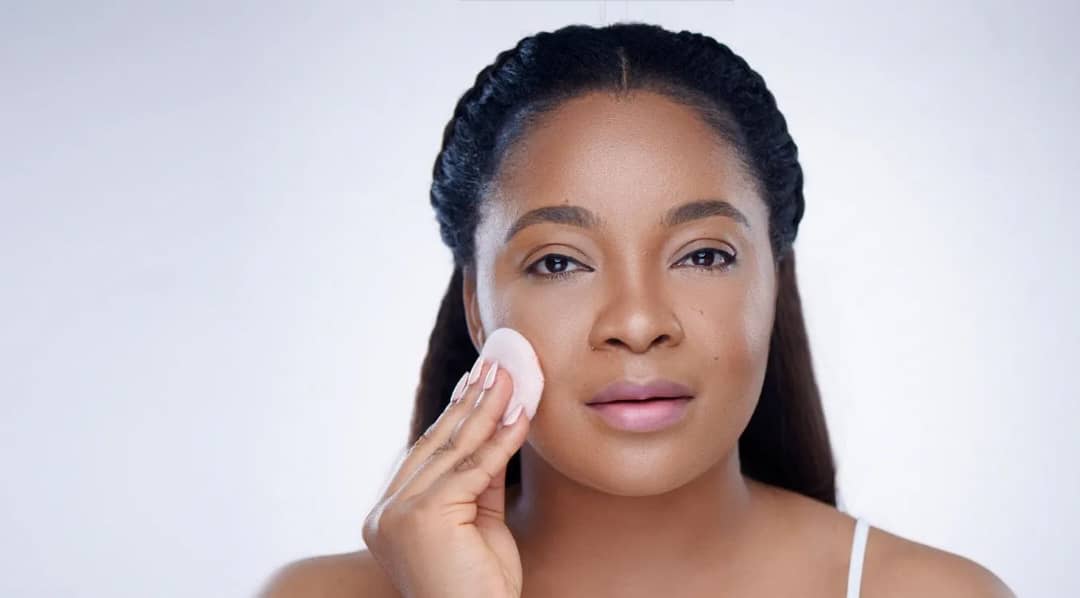
Dry skin isn’t just a seasonal concern. It indicates that your routine isn’t providing sufficient hydration. You might already be cleansing, moisturizing, and using serums, yet still wake up to tight, rough skin. The missing step involves applying hydration immediately after cleansing, before moisturizer, which significantly improves results.
Many people assume dry skin can be resolved by using a richer cream or lotion. While this can help, it does not address the main issue: losing water faster than the skin can retain it. If moisture isn’t retained immediately after cleansing, the skin begins dehydrating again before a moisturizer can be effective. Dermatologists note that adding a hydrating step between cleansing and moisturizing significantly improves skin hydration.
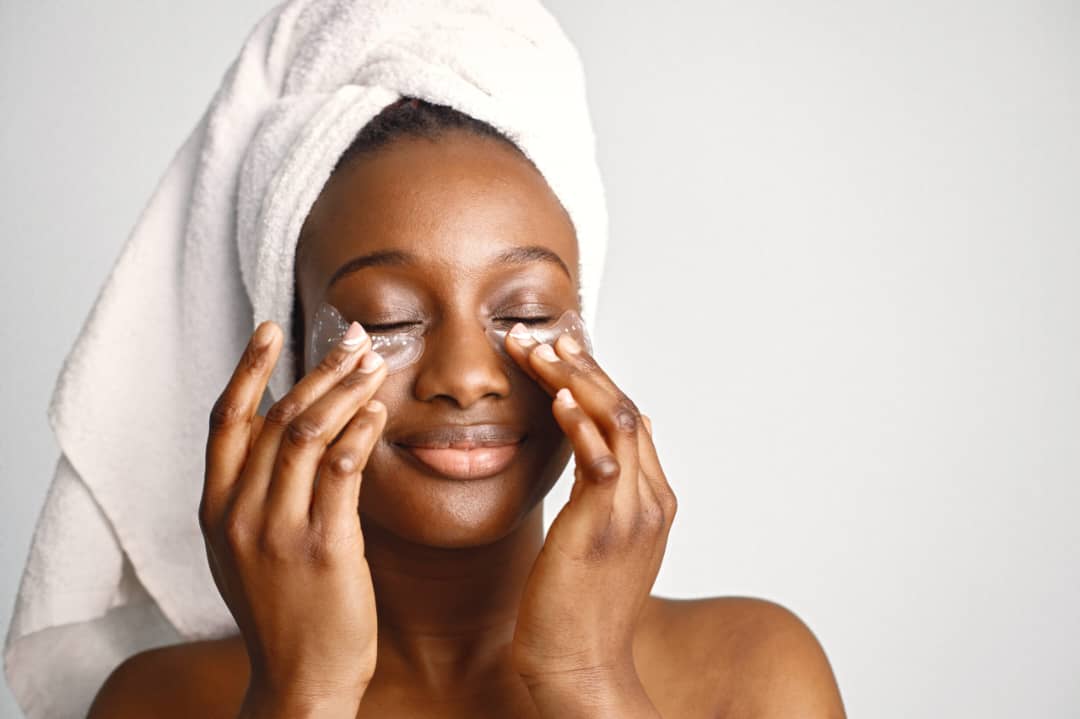
Photo Credit – Google
After cleansing, many routines proceed directly to applying cream or lotion. However, moisturizers lock in hydration but do not add it. To hydrate effectively, the skin needs water first, then a product to seal it in. This is the step most people overlook.
Applying a hydrating serum or essence to slightly damp skin is essential. After cleansing, leave the skin slightly damp and apply a serum containing ingredients such as hyaluronic acid, then follow with a cream or lotion. Hydrating ingredients draw water into the skin, but they require available moisture to be effective. If the skin is completely dry, serums cannot perform their function, and creams remain on the surface rather than absorbing. This two-stage approach provides more effective hydration and reduces dryness.
This step addresses the main causes of dry skin. Dryness is typically due to insufficient water, not only a lack of oil. Thick creams alone do not draw in moisture if the skin is already dry. Dead skin can block absorption, preventing products from working properly. Hot showers, harsh cleansers, or skipping hydrating serums can damage the moisture barrier, worsening dryness.
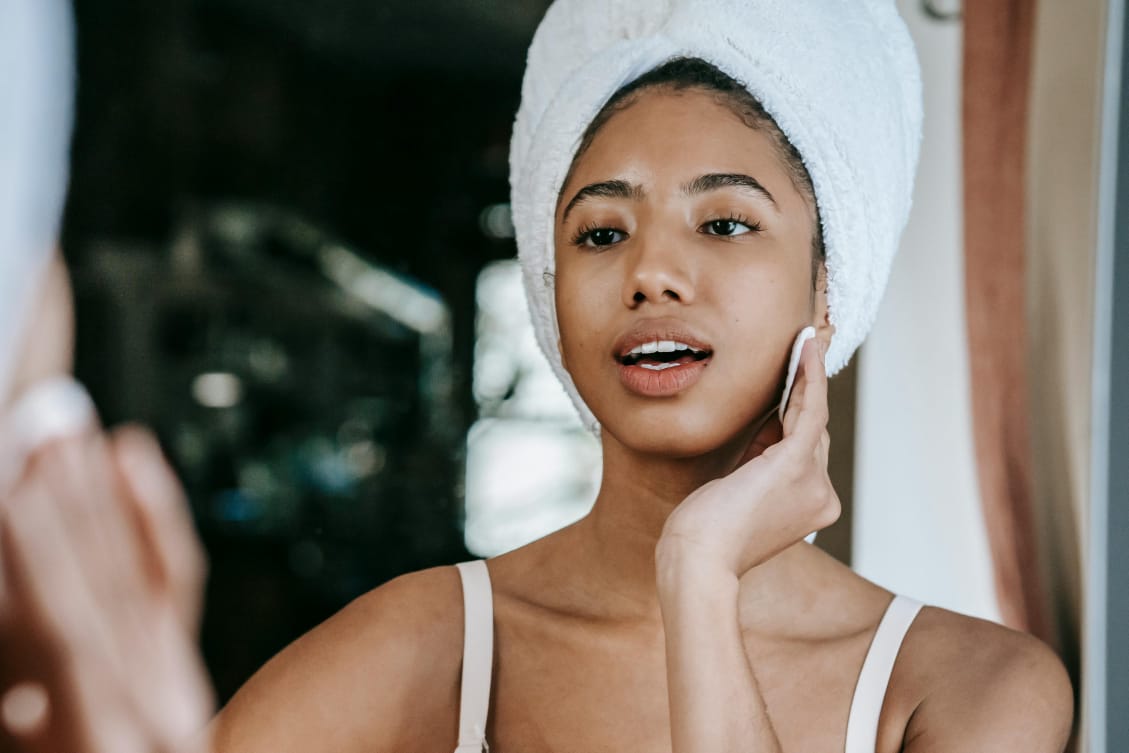
Photo Credit – Google
A complex routine is not necessary. Cleanse gently with a hydrating product, leave the skin slightly damp, apply a serum or essence to draw in moisture, and then seal with a cream or lotion. For very dry skin, adding a facial oil or balm can further increase hydration.
Omitting any of these steps can reduce the effectiveness of hydration. Hot water or harsh soaps strip natural oils and water, applying moisturizer to dry skin does not retain moisture, and skipping serums removes an essential hydration step.
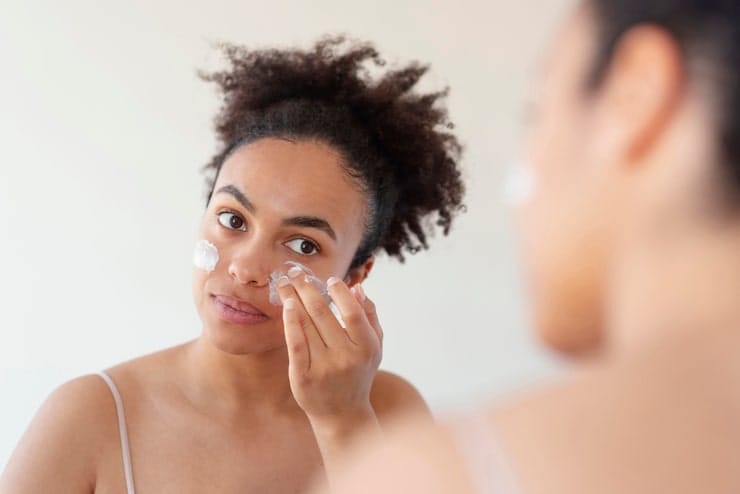
Photo Credit – Google
If dry skin persists despite using cleansers, moisturizers, and rich creams, the issue is likely the order of application. Starting with moisture binding while the skin is still damp is a proven method that improves hydration effectively. Following this approach helps dry skin recover rather than merely masking the symptoms.
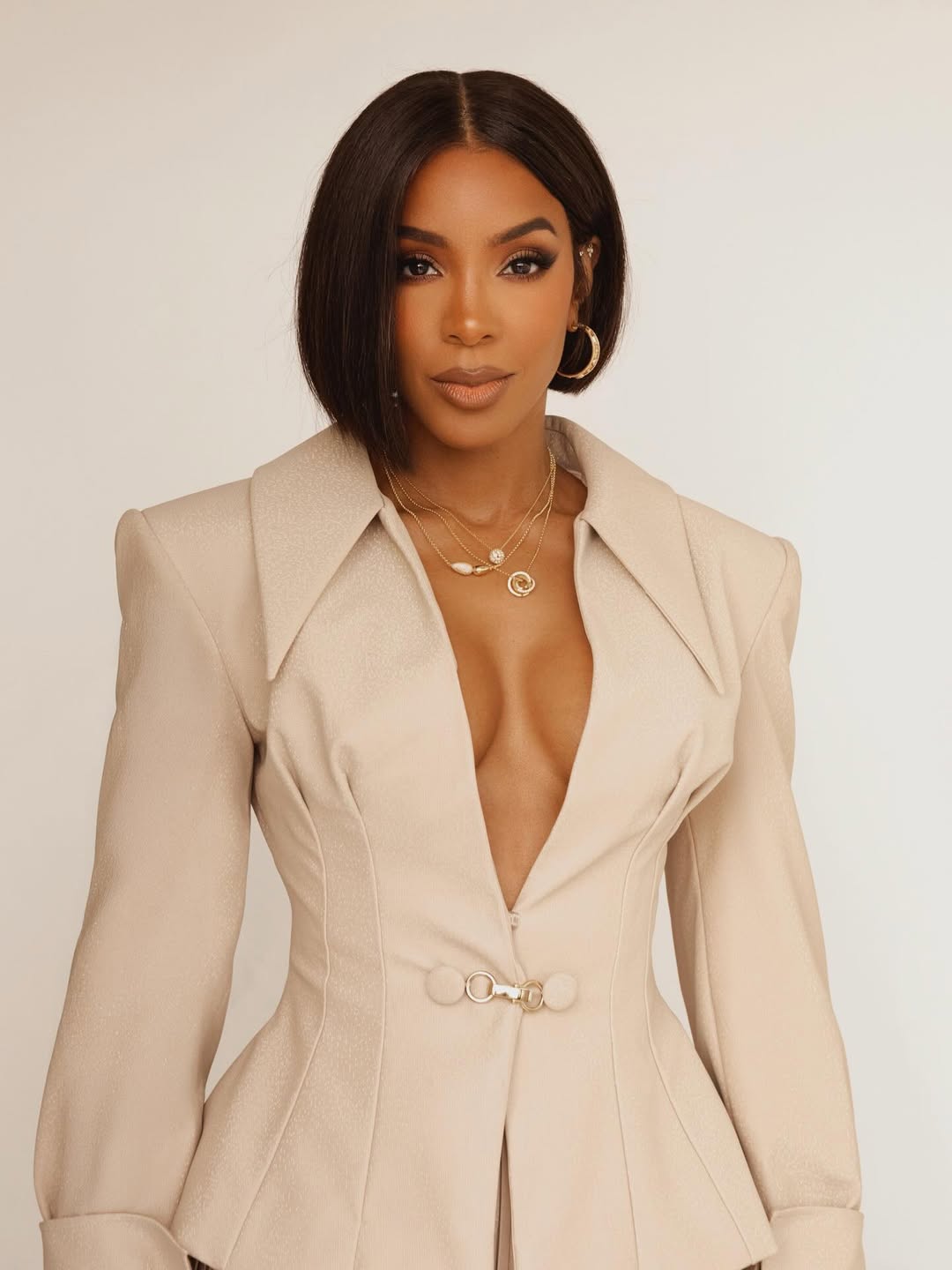
Kelly Rowland has kept the bob in steady rotation this year, not by changing the cut entirely but by altering its structure in controlled ways. Each appearance shows a recalibrated version, with shifts in length, density, and surface finish that register clearly in photos and close-up footage. The cut stays consistent, but each change is clear enough to feel like a separate version.
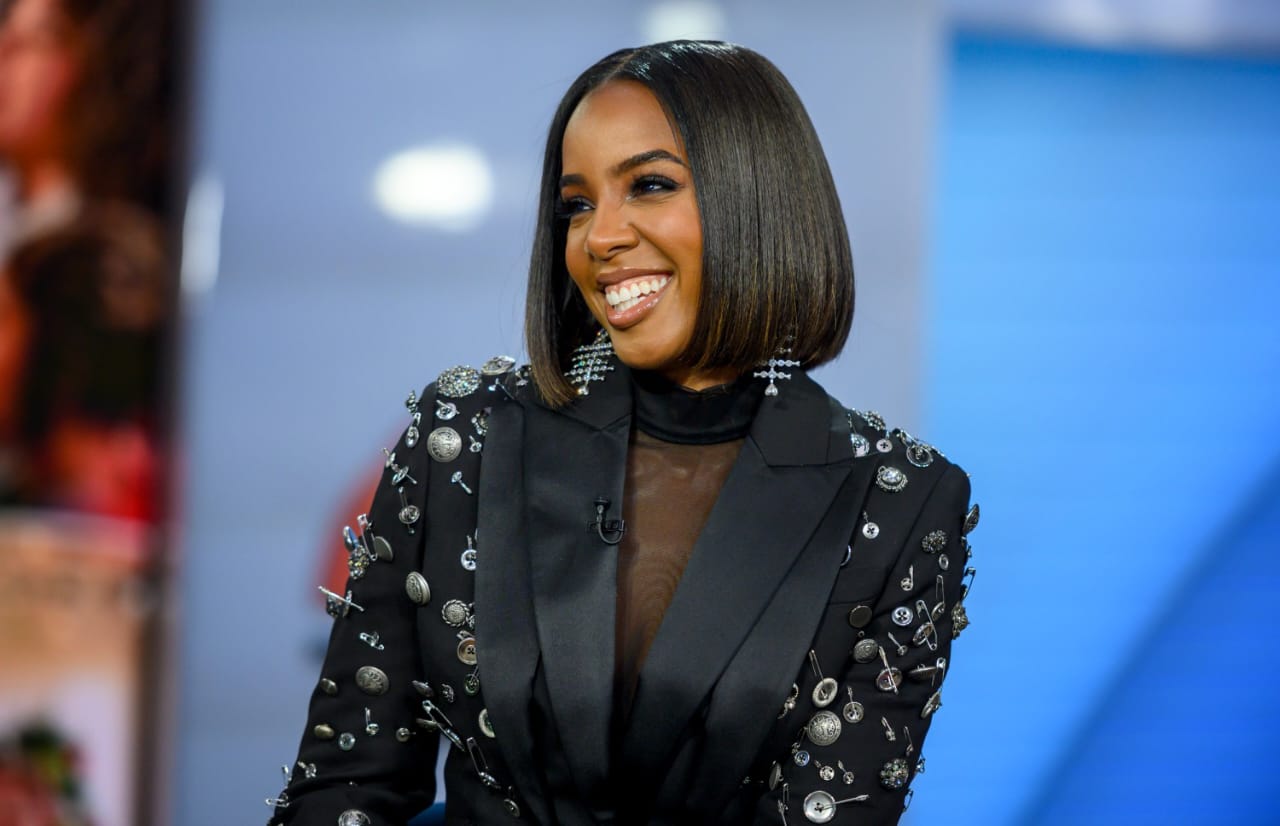
Photo Credit – Google
The most referenced version so far is her asymmetric lob, first seen late last year and still in circulation through early 2026. The difference in length is controlled. One side falls slightly longer, enough to create contrast in the line while keeping the cut subtle and intentional. The centre part keeps the shape disciplined, allowing the asymmetry to feel intentional instead of trend-driven.
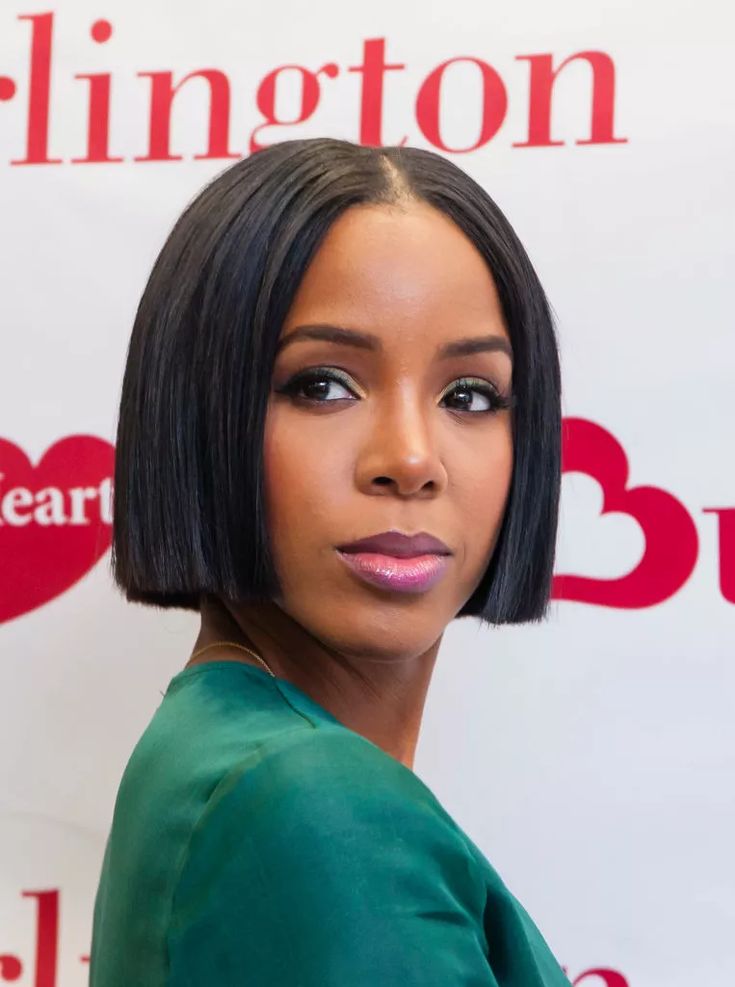
Photo Credit – Google
Alongside that, Rowland continues to revisit the blunt middle-part bob that has become one of her recognisable styles. The cut rests at the jawline with minimal layering, creating a defined edge. Its precision is evident in every appearance: the ends are exact, and the surface remains smooth.
Her shoulder-skimming blonde bob presents a different version of the same structure. The added length relaxes the outline, while the lighter tone shifts emphasis from the shape to the colour. The blonde softens the geometry that defines her darker bobs, making the cut appear less strict without changing its foundation. It is still recognisably a bob, with the longer proportion giving the ends more flexibility.

Photo Credit – Google
Another variation is the graduated chin-grazing bob, cut shorter at the back with feathered shaping toward the front. This version introduces lift at the crown and breaks away from the flat surface of her blunt styles. The feathering creates visible motion when she turns her head.
Styling also changes how her 2026 bobs appear. A slick, wet-look finish worn at major events recast the same underlying cut into a sharper, more defined look. By brushing the roots back and keeping the ends separated and glossy, the style emphasises texture instead of outline. A bob is shaped by styling as much as cutting.
The focus is on customising the cut to suit each look, adjusting length, density, and finish as needed. The changes are small but keep the style current.

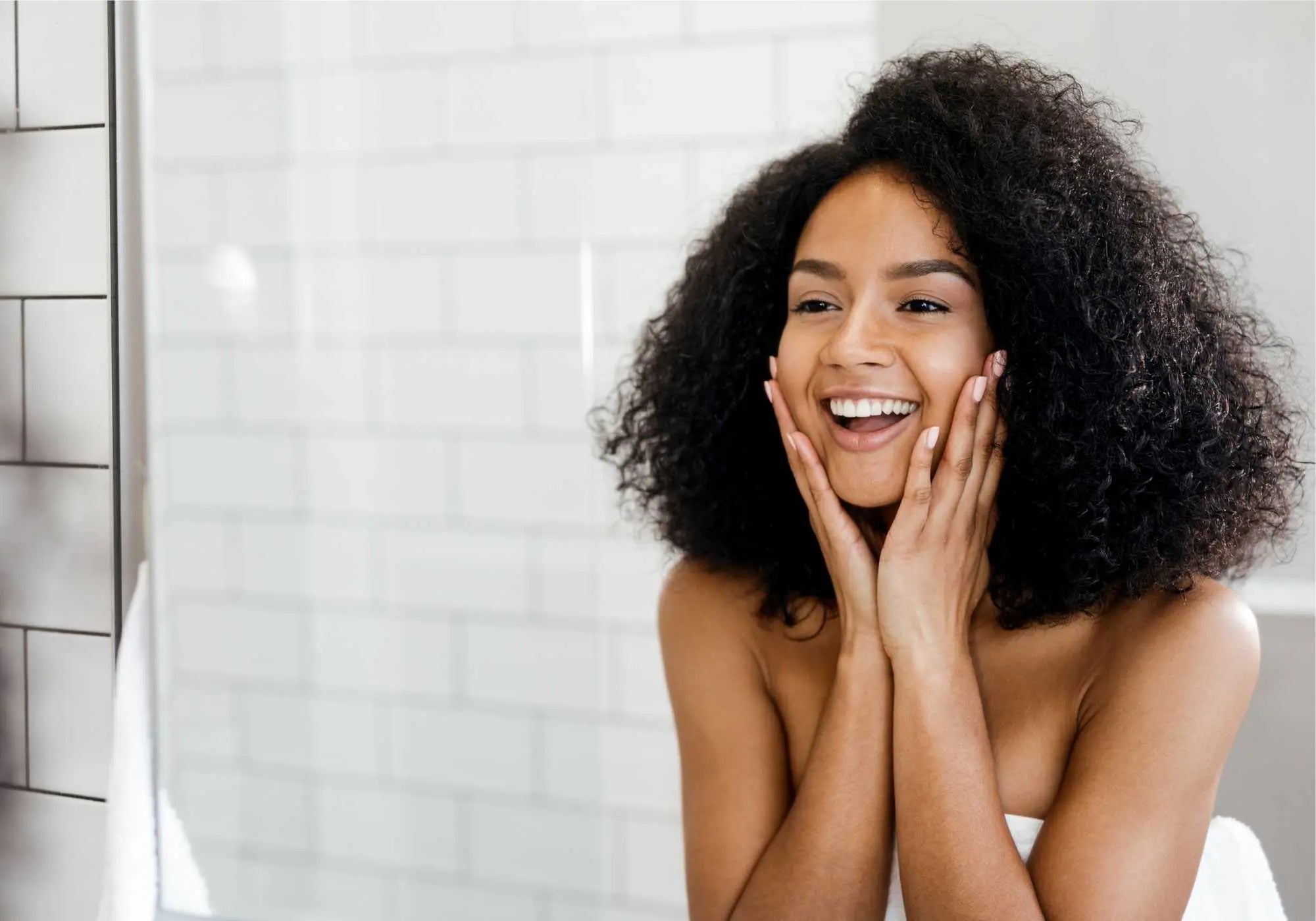
Healthy skin comes down to making the right choices. One of those choices is giving your skin the nutrients to protect itself. It supports the skin barrier and fights damage. Here is a clear look at what vitamin E really does for beauty.
Deeply Moisturizes Dry Skin
Vitamin E is a powerful moisturizer. It strengthens the skin barrier and reduces moisture loss. This helps the skin stay soft for longer periods This makes Vitamin E ideal for people with seasonal dryness.
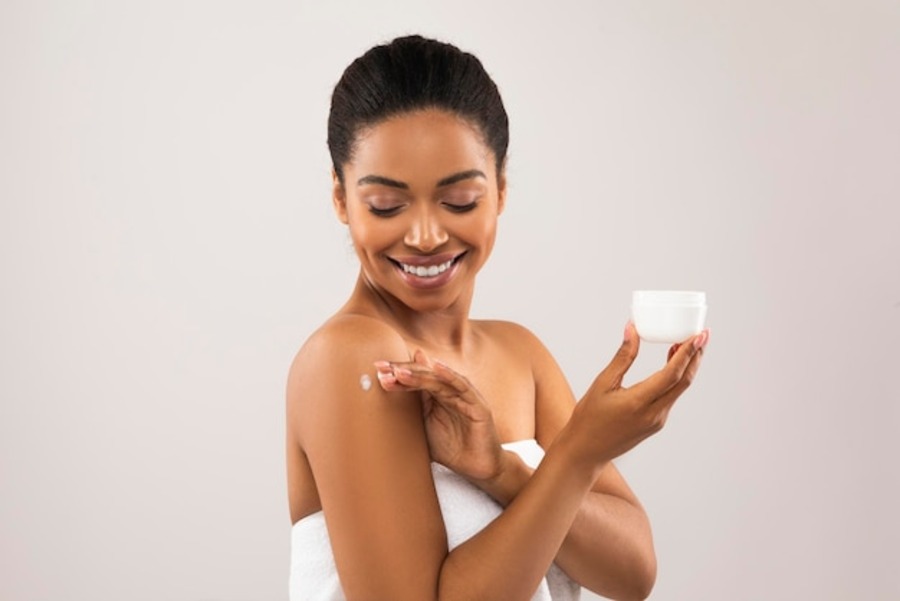
Beautiful Lady : Getty Images
Supports Skin Repair
Vitamin E supports the natural repair of skin when irritated. Minor damage from sun exposure or harsh weather can make skin look rough. Vitamin E helps with skin repair..
Protects Against Environmental Damage
Daily exposure to pollution and sun causes free radicals. Vitamin E acts as an antioxidant and neutralizes free radicals before they harm the skin. This protection helps reduce dullness and uneven tone.
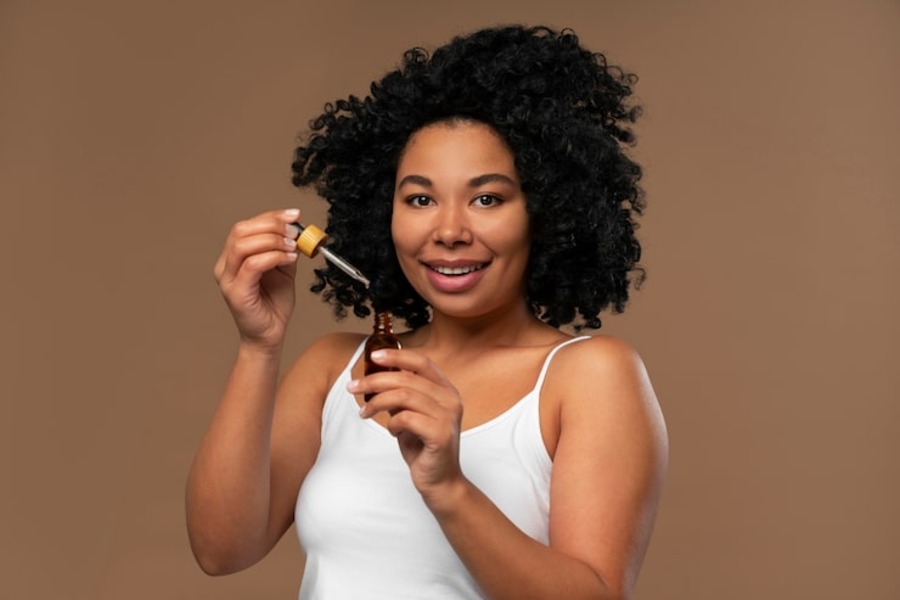
Young Pretty Face : Instagram
Improves Skin Texture
Rough texture often comes from dehydration and weakened skin cells. Vitamin E helps improve surface smoothness.
Read also : 7 Vitamins that Supercharge your Body and Brain
Helps Reduce the Look of Scars
Vitamin E could be effective against scars according to this study. It does not remove them instantly. Over time it softens their look and improves skin tone around them. Consistent application is recommended for best results
Soothes Sensitive Skin
Sensitive skin reacts easily to heat products and weather. Vitamin E calming properties helps reduce feelings of tightness and discomfort. This makes it helpful for people with reactive skin.
Fine Face : Bella Naija
Supports Healthy Lips and Nails
Vitamin E benefits go beyond facial skin. It keeps lips soft and prevents cracking. It also strengthens nails and nourishes cuticles. Regular use can reduce dryness around the nail area.
Helps Slow Signs of Aging
Vitamin E supports skin elasticity and protects collagen damage. This helps reduce the appearance of fine lines. When used properly ,the skin looks firmer.


Boity Thulo Owns the Gucci Primadona at the Zeitz MOCAA Gala

Faith Nketsi Shows the Lingerie Trend Isn’t Going Anywhere

Bonang Matheba Makes a Statement in Pink Gucci at the 2026 Zeitz MOCCA Gala



-

 Fashion7 months ago
Lee Khuzwayo in a Long Black Dress, Done Right
-

 Fashion8 months ago
Sinqobile Tusani Signature Love Affair with White Outfits
-

 Fashion7 months ago
Sinqobile Tusani Elevates the Mini Skirt with Urban Cool
-

 Fashion4 months ago
Thabee Happy Paints Johannesburg Pink in Chic Style
-

 Fashion6 months ago
Siphosethu Nkosi Lights up the Scene in Yellow
-
 Music4 months ago
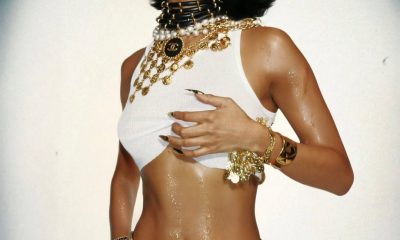
Tyla just dropped her latest single ‘Chanel’
-

 TV1 month ago
Big Brother Mzansi Season 6 Welcomes Ashay Sewlall: From Footballer to Rising Star
-

 Fashion8 months ago
Siyanda Bani Dazzles in Bold Polka Dot for Studio Shoot