
Beauty
Microblading or Microshading: What’s the Real Difference

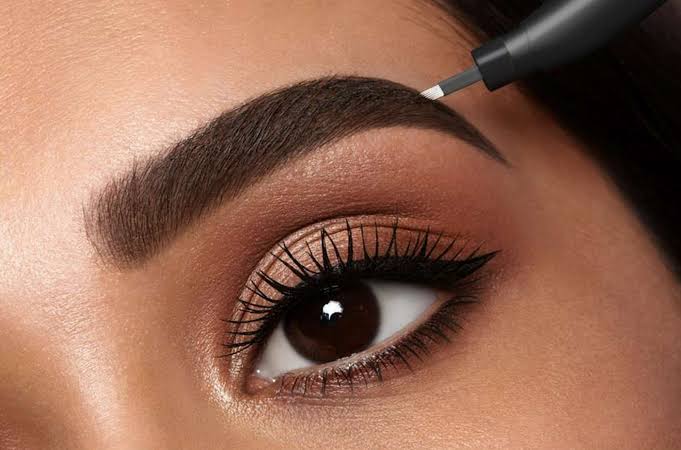
Let’s be honest—brows have become serious business. From Sandton salons to Cape Town beauty bars, everyone’s offering to “fix” your eyebrows. But walk in asking for better brows, and you’ll likely hear two words mentioned again and again: microblading and microshading. If you’ve ever sat through a consultation, nodding like you understand, but left more confused than when you arrived—you’re not alone.
Here’s a straightforward look at what each one involves, how they’re different, and which option might suit you best: no fluff, no hard sell.
Microblading: For Brows That Look Like They Grew There
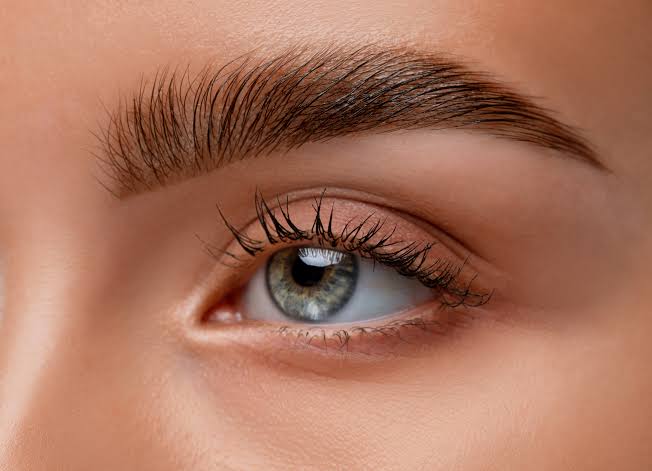
Microblading is about mimicking real brow hairs. It’s done with a fine tool that gently scratches the surface of the skin and deposits pigment in thin, hair-like strokes. The goal? To give you fuller, better-shaped brows that still look natural.
It’s a great option for women with normal to dry skin and at least some natural brow hair. If your brows are patchy or have thinned out over the years—especially from over-plucking back in the day—this technique fills in the spaces without making it obvious.
However, it’s not ideal for oily skin. The pigment may fade faster or blur slightly over time. And yes, you’ll feel a bit of a sting, but it’s nothing unbearable—more like the discomfort of threading. Most artists apply a numbing cream before getting started anyway.
Microshading: For a Soft, Powdered Finish
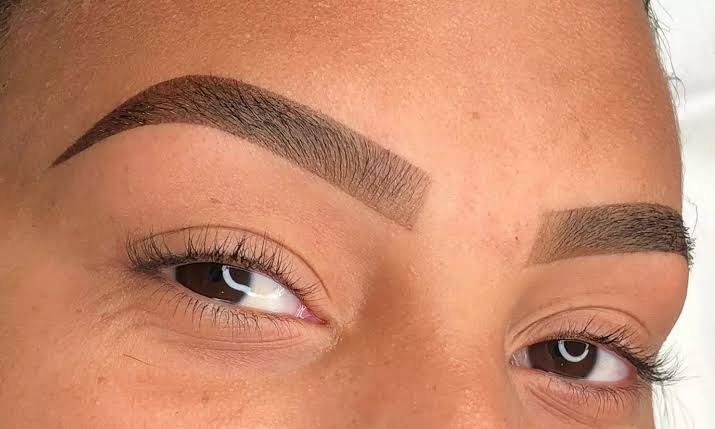
If you prefer a softly filled-in look—like you lightly dusted your brows with pencil or powder—then microshading might be your go-to. Instead of individual hair strokes, this method uses a small machine to build pigment in tiny dots, creating a smooth, misty effect.
Microshading tends to work better for oily or sensitive skin because it stays put longer and fades more evenly. It’s also a favourite for women who like a more polished, made-up brow without the hassle of daily touch-ups.
The finished look is soft, defined, and consistent—great for those who want structure without harsh lines.
Combo Brows Might Be the Sweet Spot
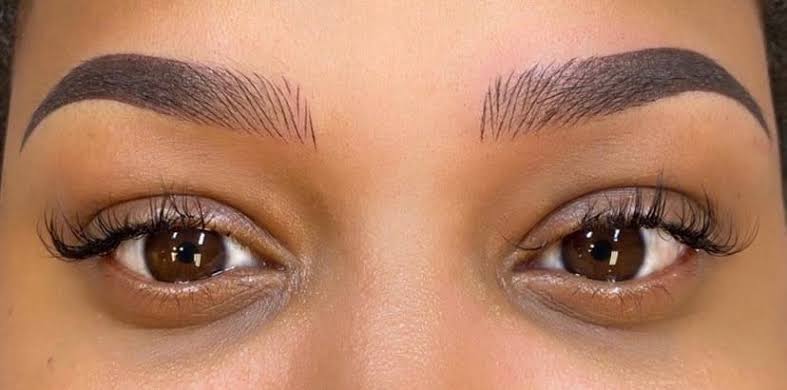
Can’t decide? You don’t have to. Combo brows mix the two techniques—microblading at the front for hair-like strokes and microshading at the tail for more definition. It’s ideal for anyone who wants a natural look that still pops in pictures.
This option takes a bit longer to complete and might need more than one touch-up, but the results tend to be worth it if you’re after the best of both worlds.
What to Consider Before Booking
In Joburg, Durban, and beyond, brow services are everywhere. But this isn’t something to do on a whim or based on price alone. Check the artist’s portfolio. Make sure their hygiene practices are solid. And ask about healing time, aftercare, and what to expect in the first few weeks.
Also, think about how you wear your brows day to day. Are you more of a gloss-and-go girl? Or do you enjoy a full makeup routine? Your style should guide your choice.
Real Talk Before You Commit
This isn’t a facial—it’s pigment going into your skin. It may fade over time, but it’s still semi-permanent. Don’t rush into it because your favourite influencer posted a reel. Take time to decide what kind of brow suits your face, your skin type, and your everyday life.
Ask yourself: Do I want a natural, feathered look—or a softly shaded brow with definition?
Whatever you choose, make sure it’s for you. Your brows. Your face. Your rules.






Winter can leave hands feeling tight, rough and uncomfortable. Cold weather, dry air, frequent hand washing and sanitiser can all strip moisture from the skin, while wind and indoor heating may make the problem worse.
The right hand cream should do more than provide a temporary soft feeling. Look for ingredients such as glycerine, shea butter, ceramides, urea and hyaluronic acid. These help draw moisture into the skin, soften rough patches and support the skin barrier. If your hands are very dry or cracked, a richer formula is generally more suitable than a lightweight lotion.
Here are the hand creams to consider this winter, depending on what your hands need.
Neutrogena Norwegian Formula Hand Cream
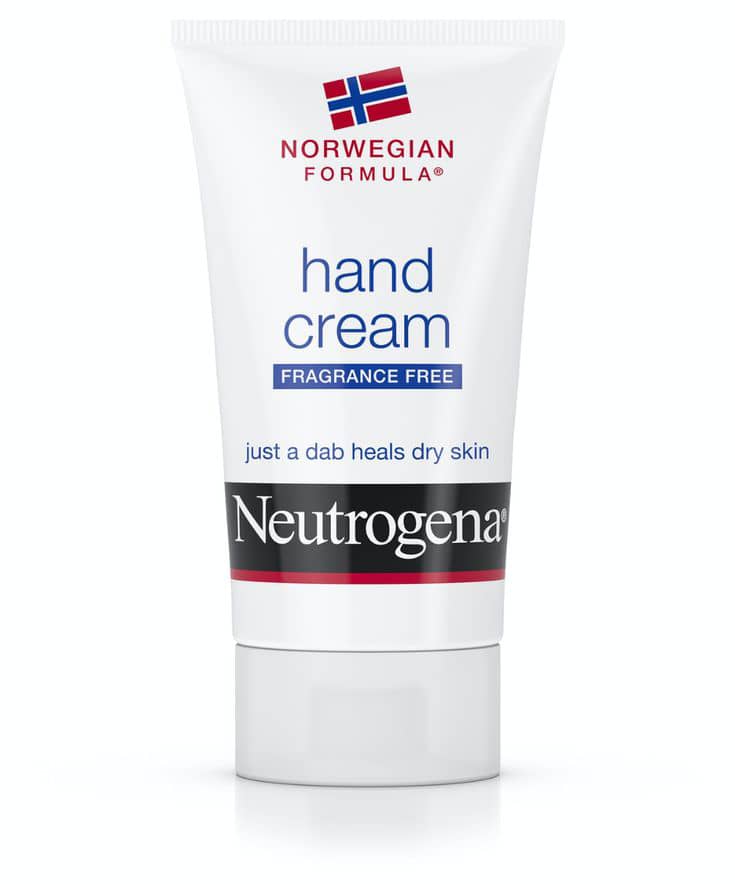
Photo – Pinterest
Neutrogena’s Norwegian Formula Hand Cream is formulated for dry to very dry hands. Its concentrated texture means you only need a small amount, making it practical for regular use throughout the day.
It is particularly suited to people who wash their hands frequently and need a formula that provides more moisture than a basic lotion. Keep it close by and apply after washing whenever your hands feel dry or tight.
Eucerin UreaRepair Plus Hand Cream
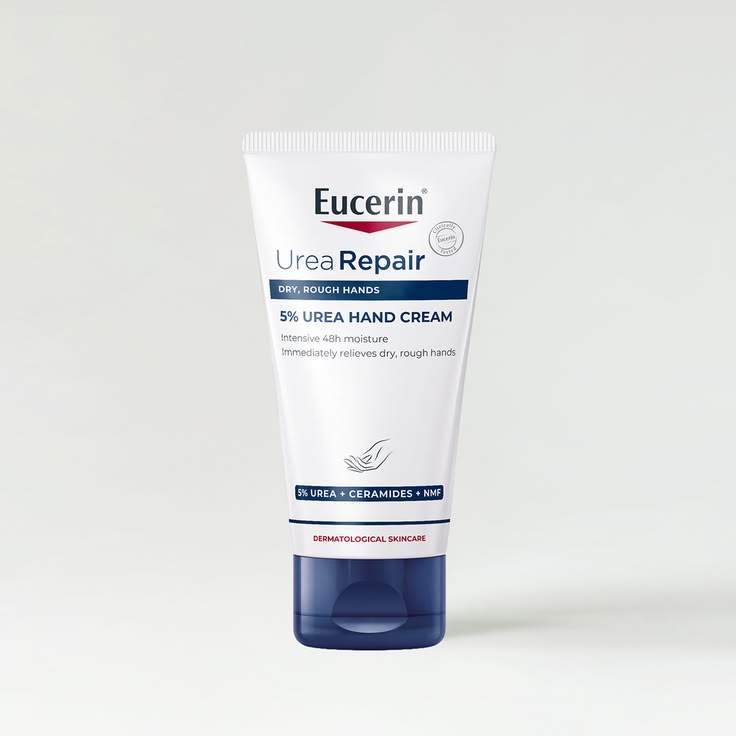
Photo – Pinterest
When dryness comes with roughness, urea is an ingredient worth looking for. Eucerin’s UreaRepair Plus Hand Cream is formulated with urea to moisturise and soften dry, rough skin.
It is a more targeted choice for hands that remain rough despite regular moisturising. Apply it to the backs of the hands, palms and around the knuckles, where dryness can become particularly noticeable during winter.
Bioderma Atoderm Hand & Nail Cream
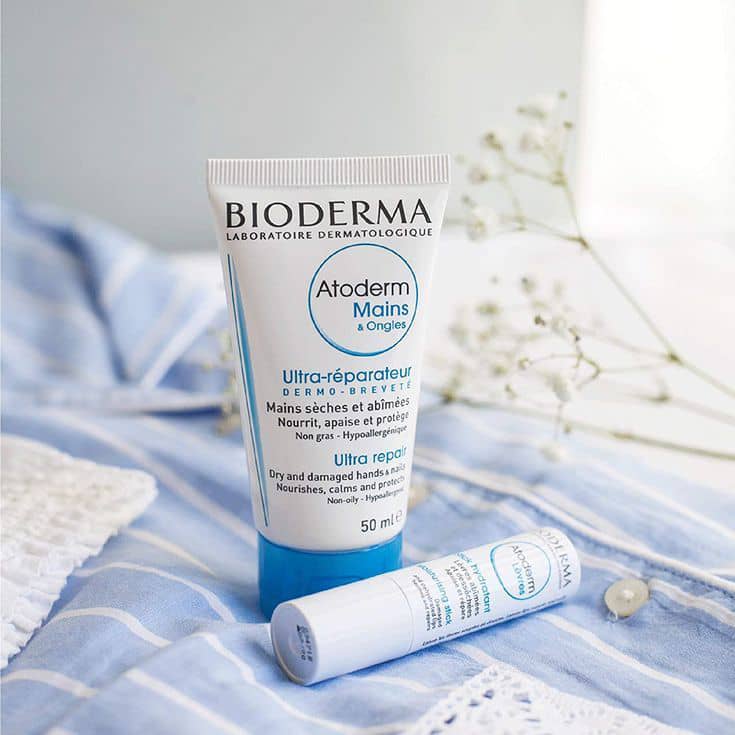
Photo – Pinterest
Dry hands can often come with dry cuticles, particularly when you are washing or sanitising your hands regularly. Bioderma’s Atoderm Hand & Nail Cream is designed for both hands and nails, making it suitable for keeping dry skin around the nails moisturised too.
Its focus on hand and nail care makes it a practical daytime option, especially if your cuticles become dry or flaky during winter.
CeraVe Therapeutic Hand Cream
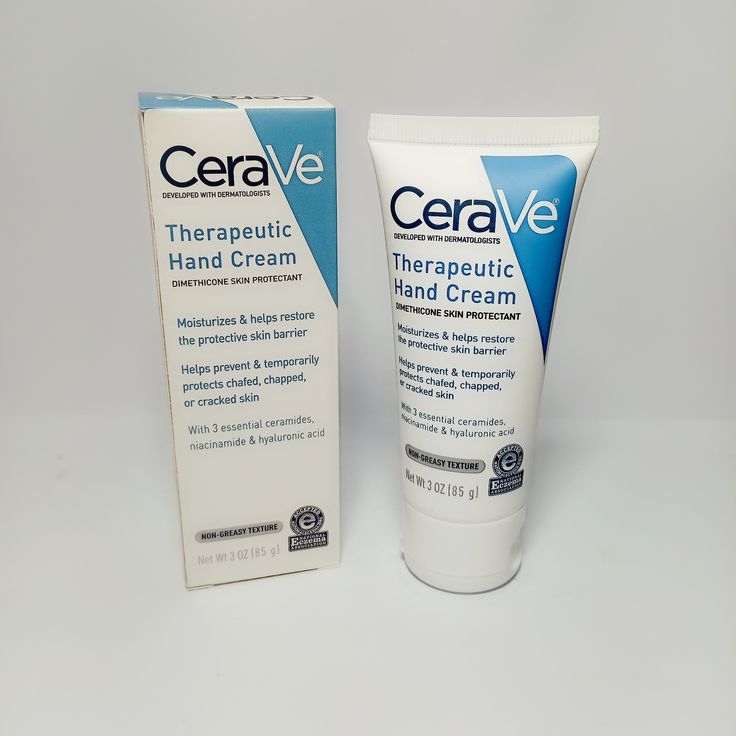
Photo – Pinterest
CeraVe’s Therapeutic Hand Cream combines ceramides, hyaluronic acid and niacinamide to moisturise the skin while supporting its barrier. It is also fragrance-free, which makes it an option for people who prefer to avoid added fragrance in their skincare.
The formula is particularly useful when your hands feel dry and tight after washing. However, check South African availability before buying, as the exact CeraVe hand-care products stocked locally can vary.
L’Occitane Shea Butter Hand Cream
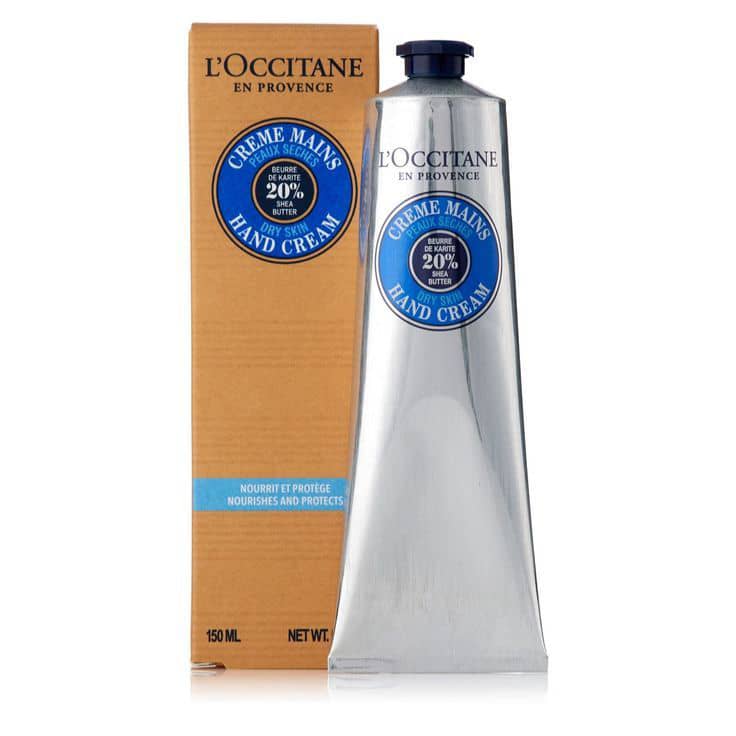
Photo – Pinterest
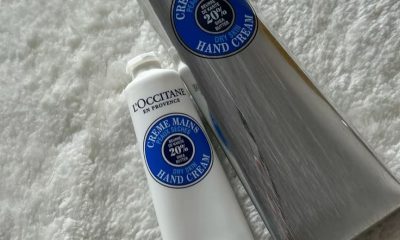
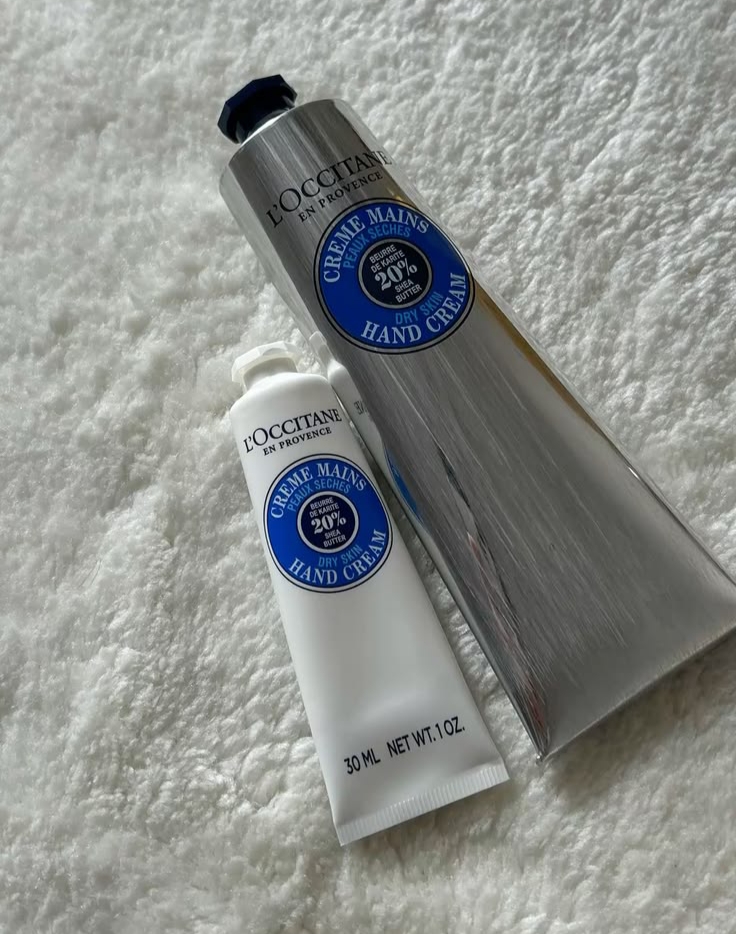
L’Occitane’s Shea Butter Hand Cream contains 20% shea butter and has a rich texture designed for dry hands. Shea butter helps soften the skin and reduce the rough feeling that can develop during colder weather.
It is a good option if you prefer a richer hand cream that can be used during the day as well as at night. Apply a small amount and massage it into the hands, paying attention to the knuckles and around the nails.
African Extracts Rooibos Moisturising Hand & Nail Cream
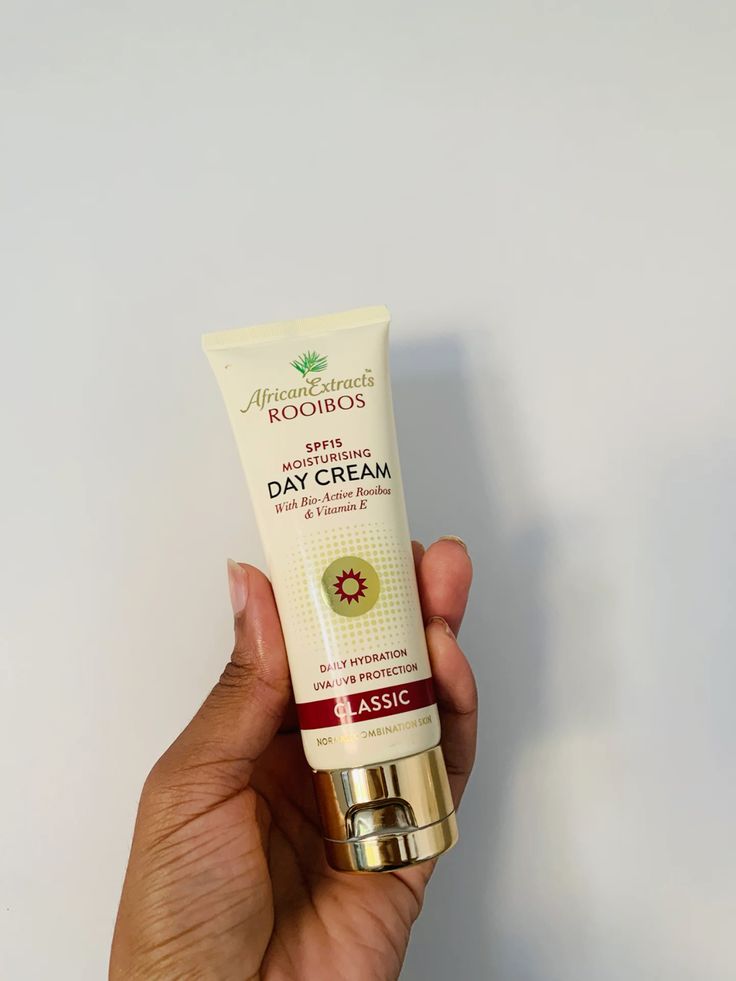
Photo – Pinterest
African Extracts’ Rooibos Moisturising Hand & Nail Cream is a South African option for everyday hand care. The formula contains rooibos extract, chamomile and vitamin E and is designed to moisturise both hands and nails.
Its lighter texture makes it convenient for daytime use, whether kept at your desk, in your handbag or beside the bathroom sink. It is better suited to everyday dryness than severely cracked skin that requires an intensive treatment.
Palmer’s Hand Creams
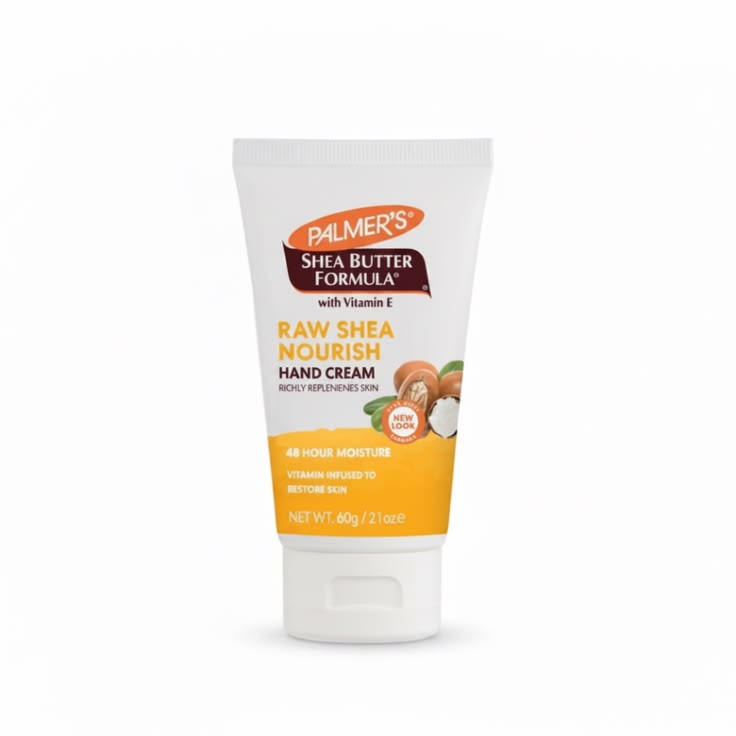
Photo – Pinterest
Palmer’s South African range includes hand creams formulated with ingredients such as cocoa butter, coconut oil and shea butter. The richer formulas are suited to hands that become particularly dry during winter.
For very dry hands, apply a thicker layer before bed and allow it to absorb overnight. Pay particular attention to the knuckles, fingertips and cuticles, which can become rough when moisture levels drop.
How to choose the right hand cream
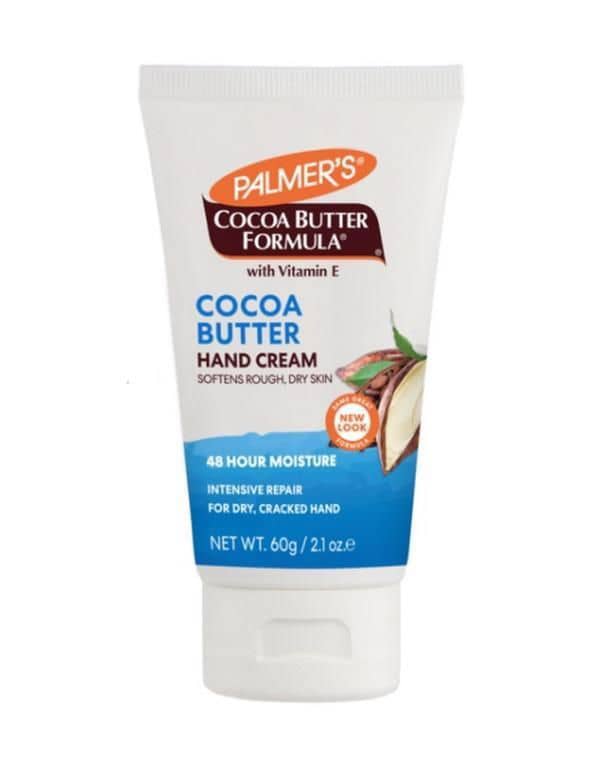
Photo – Pinterest
The condition of your hands should determine the formula you choose. If they simply feel tight after washing, a lighter moisturising cream may be enough. Rough or flaky skin can benefit from a richer formula containing ingredients such as shea butter or urea. If your hands are cracked, look for barrier-supporting and occlusive ingredients and consider using a thicker cream or ointment at night.
Fragrance is another consideration. Scented hand creams can make application more enjoyable, but if your skin is irritated or prone to sensitivity, a fragrance-free formula is a better starting point.
Application also matters. Put hand cream on after washing while the skin is slightly damp, and reapply whenever your hands feel dry. If you use sanitiser regularly, moisturising afterwards can help counter some of the dryness associated with frequent use.
And don’t put away the sunscreen just because it is winter. Your hands can still receive UV exposure, particularly if you spend time outdoors. Applying a broad-spectrum sunscreen to the backs of your hands during the day adds protection against cumulative sun damage and visible signs of ageing.
For hands that remain severely dry, painful, cracked, itchy or inflamed despite regular moisturising, a hand cream may not be enough. Persistent symptoms should be assessed by a healthcare professional, particularly if the skin is splitting or showing signs of infection.
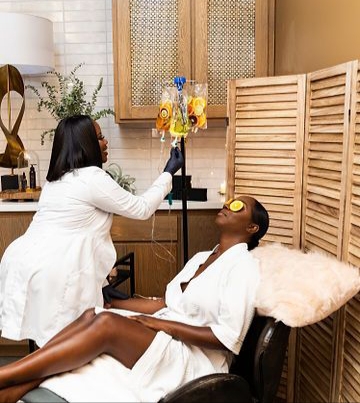
Anti-ageing has traditionally focused on the skin, with sunscreen, retinoids, injectables, lasers and other cosmetic treatments used to address visible signs of ageing. Now, the conversation is moving towards treatments that claim to influence ageing from inside the body.
NAD+ drips and peptide therapies have become part of the growing longevity and biohacking market, with clinics promoting them for energy, recovery, metabolism and healthy ageing. Celebrity and influencer interest has also brought these treatments to a wider audience.
The science, however, is more complicated than the marketing.
Why NAD+ Is Getting Attention
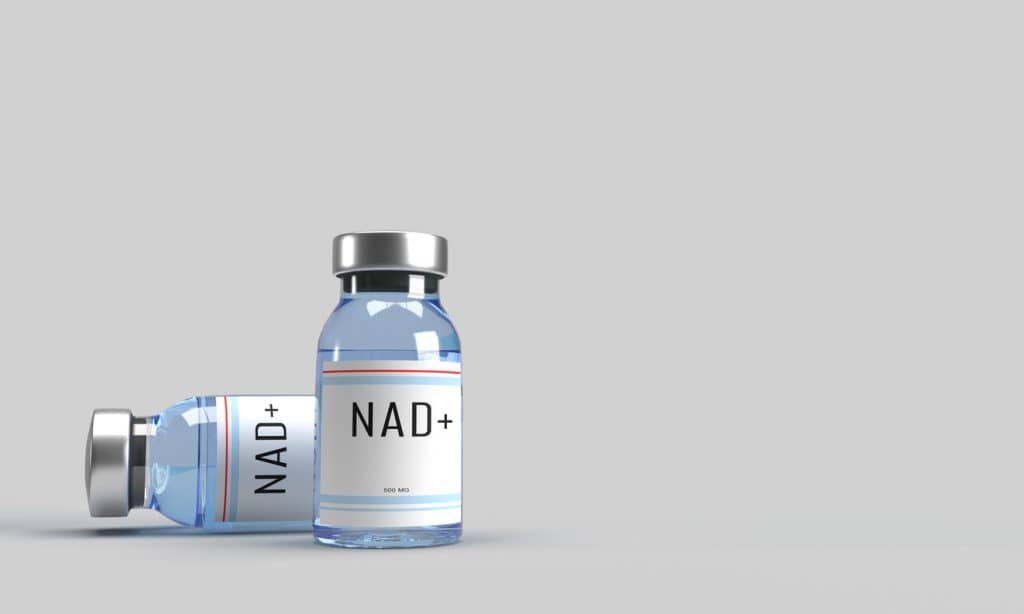
Photo: Pinterest
Nicotinamide adenine dinucleotide, or NAD+, is a coenzyme found throughout the body. It plays a role in energy production, cellular signalling and DNA repair. NAD+ availability appears to change with age, prompting researchers to investigate whether increasing it could influence some processes associated with ageing.
One of the more visible treatments is intravenous NAD+, delivered through a drip. Wellness clinics promote NAD+ infusions for concerns including fatigue, recovery, cognitive function and longevity.
But understanding what NAD+ does biologically is different from proving that an infusion slows ageing.
A 2026 systematic review in Ageing Research Reviews found evidence that oral NAD+ precursors, including nicotinamide riboside and nicotinamide mononucleotide, can increase NAD-related biomarkers. However, evidence that these changes consistently translate into meaningful improvements in health remains limited.
The distinction is important because changing a biological marker does not automatically mean fewer wrinkles, better memory, improved physical performance or a longer lifespan.
There is also a difference between oral NAD+ precursors and intravenous NAD+. A 2026 study of commercially administered IV NAD+ reported short-term findings, including tolerability and exploratory metabolic outcomes, but this does not establish that NAD+ infusions slow human ageing.
Where Peptides Fit In
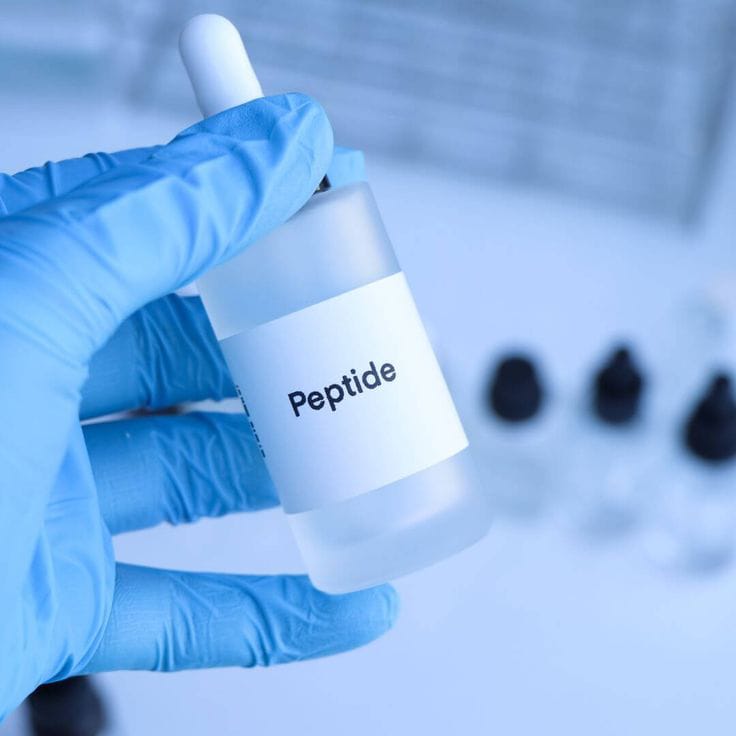
Photo: Pinterest
Peptides are short chains of amino acids that perform different functions in the body. Some peptide-based medicines have established medical uses, while others are still being investigated.
At the same time, peptides are increasingly marketed through longevity clinics and online communities for claims involving muscle recovery, fat loss, sleep, skin health and other aspects of ageing.
This makes the word “peptide” particularly easy to misunderstand. An approved peptide medicine and an experimental compound marketed online for longevity do not have the same evidence, regulation or safety profile.
Peptides are also common in topical skincare, where certain formulations are marketed to improve the appearance of firmness and fine lines. Applying a peptide serum to the skin, however, is very different from injecting a peptide into the body. The route of administration affects the dose, potential risks and biological effects.
What Does Biohacking Really Offer?
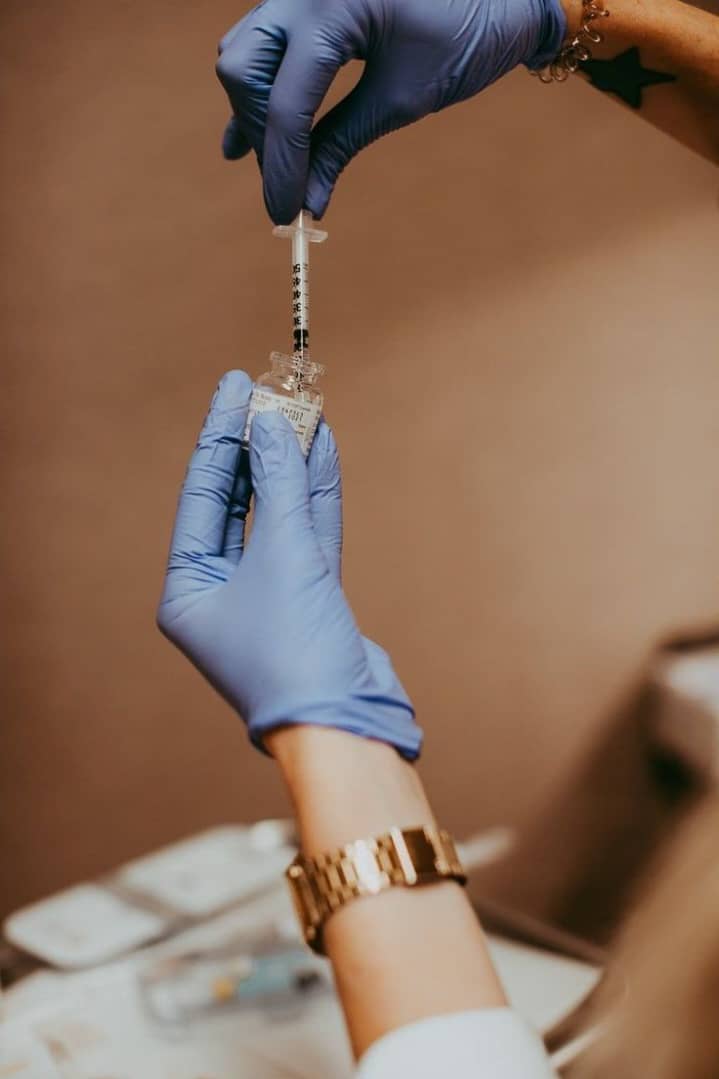
Photo: Pinterest
Longevity research is investigating processes including cellular energy production, DNA repair, inflammation, mitochondrial function and metabolic health. NAD+ is part of this research because of its role in several cellular processes.
But promising biological research does not automatically produce a proven treatment.
For consumers considering a longevity therapy, the important questions are what has actually been tested, in whom, at what dose, by which route and for what outcome.
Cost is another consideration. Repeated infusions or injectable treatments can become expensive, particularly when they are offered as ongoing wellness programmes.
There are also safety questions. IV treatment is an invasive procedure, while injectable peptides may carry risks related to the compound, dosing, contamination or product quality. These concerns are particularly relevant when substances are obtained through poorly regulated online sources.
Conclusion
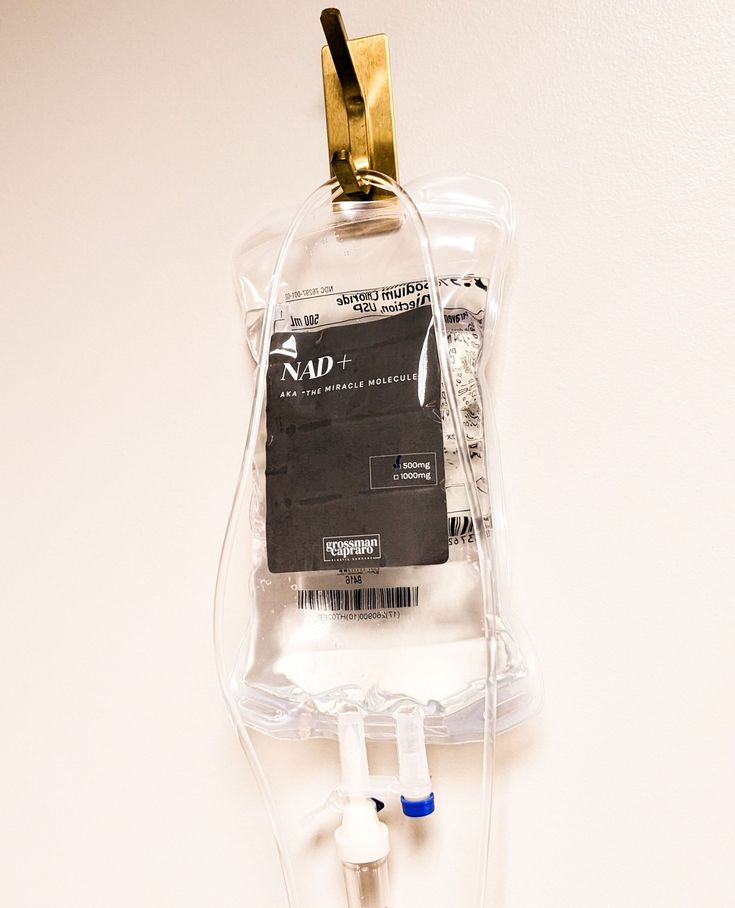
Photo: Pinterest
Some of the best-supported approaches to healthy ageing remain conventional: regular exercise, adequate sleep, a balanced diet, avoiding smoking and managing cardiovascular risk.
That does not mean NAD+ or peptide research should be dismissed. Some treatments may eventually prove useful for specific aspects of ageing or age-related disease.
For now, though, the evidence does not support treating NAD+ drips or experimental peptide injections as established anti-ageing therapies.
The next step is better human research showing whether changing these biological pathways produces meaningful improvements in health and function over time. Until then, biohacking remains an emerging area of longevity research, not a proven shortcut to slowing ageing.


Laetitia Ky has transformed natural hair into a unique art form. The artist uses her hair to create sculptures exploring African identity, feminism and women’s experiences.
She was born in Abidjan, Côte d’Ivoire, in 1996, and grew up surrounded by women who braided their hair. Ky learnt braids from a young age before entering in fashion. After high school, she gradually returned to wearing her natural hair and began experimenting with different styles.

Photo: Instagram/@laetitiaky
Ky’s work gained attention through social media al media, where she began sharing photographs of her sculptural hairstyles. She has since turned her hair into objects, figures and other forms.
Ky uses her natural hair together with extensions, thread and wire to create her sculptures. Depending on the design, a piece takes 30 minutes to six hours. She then captures the finished work using a camera and tripod.

Photo: Instagram/@laetitiaky
Her inspiration is connected to African hair traditions. Ky has seen images of historical African hairstyles and was amazed by their complexity.
Read Also: Want Fuller, Thicker Hair? Peptides May Support Healthier Hair Growth
Moreover, her art talks about the complicated relationship many Black women have with their natural hair. Ky has described growing up in an environment where straight hair was a standard influenced by colonial ideas. She eventually turned that experience into an exploration of natural hair, identity and self-acceptance.

Photo: Instagram/@laetitiaky
Ky has used her hair to address subjects including sexism, violence against women, politics and problems affecting women and girls.
Ky has collaborated with Marc Jacobs, creating hair sculptures for promotional images featuring the brand’s products.

Photo: Instagram/@laetitiaky
Ky works can be found in her book Love & Justice, which shows photographs of her hair sculptures. In one project, she worked with her younger sister Florencia, creating sculptural hairstyles that represented their close relationship and trust.


South African Hits to Listen to This Week

Best Hand Creams for Dry Hands This Winter

5 Low-Impact Workouts for People With Joint Pain



-

 Netflix3 months ago
What Happened at Kevin Hart’s ‘Get Roasted’ Show and Why It’s Going Viral
-

 Travels3 months ago
6 National Parks to Visit in South Africa This Autumn
-

 Health3 months ago
The 5 Best Anti-Inflammatory Drinks to Enjoy Throughout the Day
-

 Food3 months ago
Best Foods for Women’s Heart Health After 30
-

 Movies3 months ago
5 African Films to Stream Before May Ends
-

 Celebrity News3 months ago
Moozlie Opens Up About Split From Jr Ecko, Says They Parted on Good Terms
-

 TV3 months ago
Top Billing’s Return Triggers Debate and Viral Auditions
-
 Beauty3 months ago
How to Reduce Puffy Eyes and Dark Circles Naturally