
Sex & Relashionships
How to Turn a Love Interest Down Gracefully


There is some pressure that comes with rejecting love advances. While you don’t want to hurt their feelings you also don’t want to be with them. The first time I tried it, my hands were trembling and I was uneasy. Here are some ways to turn down a love request.
Understand Your Feelings

Before you turn down someone’s love interest, check your own feelings. Remove all conflicted emotions from your side. When your heart is clear, you can then calmly express yourself without hesitation.
Use an Appropriate Setting
While your intentions might be sincere, you just communicate in an ideal setting. You should not reject an interest when the person is in a bad mood, in an office or in a loud atmosphere. Choosing a quiet place to turn down an interest creates less tension. Avoid social media or public scenes if possible as this could create a bad impression. Respect the person’s dignity and don’t ridicule them.
Be Honest

When the time to communicate your response comes, be honest. You just not state all the reasons why you cannot accept them, but be clear about yourself. This is to prevent anyone from being friendzoned or taking advantage of. Use kind words and don’t be harsh in your rejection.
Read Also : Respectful Ways to Talk About Your Partner’s Habits
The Message Must Be Clear
To avoid confusing the person, please be clear. Don’t give them a false hope that you know won’t happen. Let them understand that as for today, you appreciate their interests but have other commitments. Erase all signs of vagueness and issue a clear statement.
Respect Their Feelings

Your rejection may not be accepted in good faith which is normal. Some people might cry, feel sad or be dumbfounded. Give them time to pour out their emotions. Let them know you appreciate their courage but need to be sincere with them.
Maintain Healthy Relationship Afterwards
Rejection should not make you enemies with the person. After the conversation, create a good boundary between the two of you, but don’t ignore them. You can still be friends with them but it should not be too close.
Turning down a love interest isn’t easy, but when done sincerely using kind words, it will be appreciated. It takes huge courage for someone to express their feelings, reject them with love.


Trust usually breaks down gradually, not all at once. More often, it wears down through subtle, repeated behaviours, through small lies people repeat and begin to accept. Relationship research consistently shows this pattern: what seems harmless at first can change how partners see each other.
A single “I’m fine” when you’re not, or “I forgot” when you didn’t, doesn’t seem significant. But repeated often enough, these moments start to form a pattern, which shapes whether people trust you. Once someone gets used to small dishonesty, it becomes easier to justify doing it again. What starts as convenience becomes routine, and honesty is no longer consistent. It becomes something that depends on the situation.

Photo: Pinterest
Saying “nothing’s wrong” when something clearly is limits honest communication and encourages avoidance. Claiming to be “busy” instead of admitting a shift in priorities hides a choice behind an excuse, and over time the inconsistency becomes clear. Hiding small spending or decisions signals a lack of openness, especially around things that seem insignificant. Even softening the truth to avoid conflict prevents real understanding, while leaving out key details limits what the other person knows.
These moments matter for what they imply, not just what is said. Once a lie is uncovered, even a minor one, it raises a lasting question: what else isn’t true? That doubt affects other areas. Trust isn’t compartmentalised. When one part is questioned, other areas become less certain. The reaction is rarely about the specific lie. It reflects a loss of reliability.

Photo: Pinterest
Small lies don’t stay isolated. One often leads to another in an attempt to stay consistent, and this creates inconsistencies that are hard to maintain. Emotional closeness reduces, communication becomes less honest, and insecurity develops. Even when the lies are not discovered, they still create distance. Dishonesty affects how connected people feel, often without a clear explanation.
Some behaviours have a similar impact but are often overlooked. Broken promises, half-truths, or saying what feels convenient in the moment can signal unreliability over time. Each instance may seem minor, but repeated often enough, they affect how the relationship feels. The relationship becomes less stable, even if there has been no major conflict.
These lies are often not intentional. People avoid uncomfortable conversations, try to protect each other’s feelings, or control how they are seen. However, intent does not reduce the impact. Even when dishonesty is meant to keep the peace, repeated patterns of it can still weaken trust. Reliability depends on consistent behaviour, not intent.
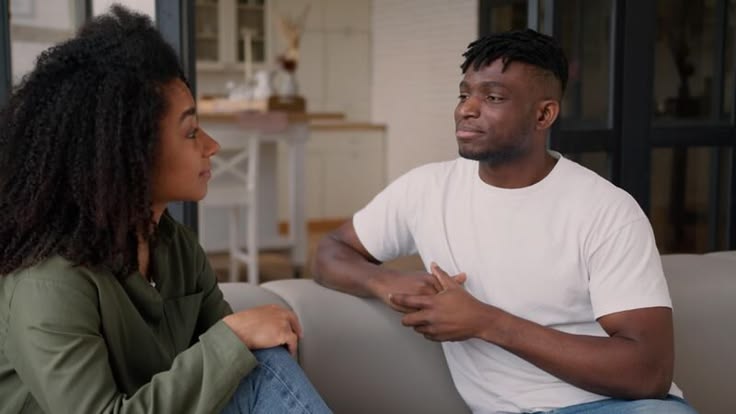
Photo: Pinterest
Sustaining trust isn’t about saying everything bluntly, but about consistency. When words match behaviour, when difficult truths are addressed directly, and when honesty does not depend on convenience, relationships tend to feel more secure. Consistent honesty builds stability over time.
Most relationships do not break because of one significant lie. They weaken over repeated inconsistencies. When small lies become normal, trust reduces over time. Conversations become less open, reassurance carries less weight, and doubt becomes constant. By the time the shift is obvious, it is rarely about a single moment, but about repeated behaviour over time.

Valentine’s Day followed a predictable pattern. Couples booked dinners weeks ahead, florists raised prices, and social media filled with public displays of romance. That pattern still exists, but it no longer defines how many people experience February 14. In modern dating culture, the day has shifted from a fixed ritual into something people interpret on their own terms.
One of the visible changes is that the holiday is no longer reserved only for couples in many circles. A growing number of singles treat Valentine’s Day as a social occasion rather than a romantic obligation. Group dinners, friend gatherings and solo plans have become normal alternatives to the traditional date night. For many younger adults, celebrating friendships or investing in personal routines feels more honest than staging a relationship milestone for a calendar event. The idea that February 14 must focus exclusively on romantic partnership is becoming less influential.

Photo Credit – Google
This change is connected to fatigue around public displays of romance. The pressure to produce a planned evening, including expensive reservations, gifts and social media documentation, has made the day feel transactional to some people. Many daters resist the idea that affection must be shown through expensive or dramatic actions. People increasingly value smaller expressions of intimacy: shared habits, ordinary time spent together, conversations that extend beyond a single occasion. Valentine’s Day now competes with everyday relationship effort, and everyday moments often take priority.
Digital culture has a strong influence on how the holiday is changing. Dating apps consistently report spikes in activity around mid-February. Singles are not withdrawing from the day; they are engaging with it differently. Instead of treating Valentine’s Day as a reminder of being single, many treat it as a reason to engage. Messaging increases, new matches are pursued more confidently, and the stigma around being single on February 14 continues to weaken. The day becomes less about status and more about meeting people.

Photo Credit – Google
At the same time, dating itself looks different from the traditional dinner-and-flowers model. Contemporary trends favour low-pressure interactions that fit into daily routines. Dates built around errands, exercise or casual daytime activities focus on practical, everyday interaction. Modern couples often want to see how a relationship functions in ordinary settings, not just in artificially romantic settings. Valentine’s Day plans increasingly mirror this practicality. Home-cooked meals, shared streaming nights or simple outings replace elaborate plans. The emphasis is not on scale but on comfort.
Generational differences sharpen this shift. Younger daters tend to reject the idea that cost equals commitment. They are more likely to prioritise authenticity and emotional presence, prioritising thoughtfulness over extravagance. Older millennials and established couples may still appreciate traditional symbols, but expectations have softened. Experience matters more than display. A deliberate conversation or a thoughtful plan matters more than an expensive object. The day becomes a moment to reconnect rather than an opportunity to impress others.

Photo Credit – Google
Economic reality also shapes expectations. Rising living costs influence how couples talk about celebration. Valentine’s Day spending is increasingly filtered through practical decision-making. Many partners openly negotiate budgets, opting for gestures that feel meaningful without creating financial strain. This reflects a wider adjustment: romance is being integrated into daily life instead of treated as a temporary break from financial reality.
Despite these changes, strong emotions around Valentine’s Day still exist. For some singles, the concentration of couple-focused messaging can amplify loneliness. For couples, disagreements often emerge over how much importance the day deserves. The tension no longer revolves around whether to celebrate, but how to do so without feeling forced. That negotiation reflects a more intentional approach to relationships: less automatic, more deliberate.

Photo Credit – Instagram
What emerges from all of this is not the decline of Valentine’s Day, but its expansion. The holiday no longer carries a single meaning. It can represent romance, friendship, self-acknowledgment or simple participation in a cultural moment. Modern dating culture does not reject the day; it adapts it according to personal values. The result is a Valentine’s Day that feels less scripted and closer to how people live and form relationships.
February 14 now reveals how people define connection, what they prioritise in relationships and how they balance emotion with practical concerns. Instead of dictating behaviour, the holiday now exposes behaviour. That shift suggests modern dating culture is not abandoning romance, but changing how it fits into everyday life.

Micro cheating is used to describe subtle behaviours that can’t be termed physical infidelity. However, these actions in these categories still cross relational boundaries. They often go unnoticed because they are small. Over time, these actions cause distrust and may strain relationships over time.
Being Protective Of Your Phone

couple hiding mobile phone : Dream Time
While everyone needs some privacy, hiding conversations from your partner is not ideal. When a partner changes social media access passwords and deletes messages, this can create mistrust. Don’t give your partner an impression about you by being secretive.
Engaging in Romantic Conversations With Another Person
Emotional intimacy is important to any relationship. When someone shares personal feelings and thoughts with someone else, it is a problem. Many people confide in friends and colleagues about their relationship problems. It feels normal, but it can cross boundaries.
Hiding the Existence of Someone

A Young Lady Talking to a man : Freepik
When you start downplaying or hiding a particular person in your life, this can become an issue. A good example of this is when you are asked if you still contact your ex, but you choose to dismiss the question. This lack of openness is concerning and could lead to a bigger issue.
Read Also : How to Turn a Love Interest Down Gracefully
Seeking Validation Outside the Relationship
Another sign of micro cheating is when you seek compliments from someone else other than your partner. This includes subtle flirting or enjoying attention from a close friend. Some people often seek praise or affirmation from people online that would usually come from their partner.
Constant Comparison With Another Person
When you start comparing your partner with another person, it can damage trust. Judging your partner’s looks, habits, or actions by another person is harmful. Appreciate people for who they are and stop comparing them with your ex or other people.
Dismissing Concerns When Raised

A Man ignoring his pregnant wife :Istock
When a partner raises a concern about boundaries and they aren’t taken seriously, this can signal deeper issues. It means you are not valuing their opinion. Being defensive or dismissive suggests you don’t appreciate their feelings.
Micro cheating isn’t unfaithfulness, it points to unclear boundaries that should not be crossed. Understanding these signs and avoiding them can help partners maintain clearer boundaries.


SiR Set to Perform at Once Upon a Time in Joburg in South Africa

Social Media Reacts as Sni Mhlongo and Zamani Mbatha Reunion Rumours Trend on X

Babygirlzae Dumps Emtee Records Over Issues With Jealous Wife




-

 TV3 months ago
Big Brother Mzansi Season 6 Welcomes Ashay Sewlall: From Footballer to Rising Star
-

 TV2 months ago
Neliswa Ngada Disqualified from ‘Big Brother Mzansi’ After Physical Altercation in Bazozwa House
-

 Netflix3 months ago
Netflix Announces Show ‘Yoh! Bestie’ Starring Katlego Lebogang
-

 TV2 months ago
Juicy Jay Opens Up About Why His Relationship With Yvonne Godswill Ended
-

 Top Shows3 months ago
Big Brother Mzansi’s Season 6: Marcia “Cia” Morata Removed From the House For Medical Reasons
-

 Celebrity News3 months ago
Yolanda Mukondeleli Transitions From Big Brother Mzansi to DJ Booth
-

 Celebrity News3 months ago
How Shensea Drove Jamaica’s Biggest Artist‑Led Hurricane Relief Effort
-

 Celebrity News2 months ago
Evicted ‘Big Brother Mzansi’ Housemate Kokii Opens Up on Mental Health and Hard‑Won Lessons