
Health
Science-Backed Tips for Better Sleep


You finally climb into bed after a long day, hoping for a good night’s rest. But as soon as your head hits the pillow, your brain hits play—replaying conversations, planning tomorrow, and stressing over everything in between. Minutes turn into hours, and restful sleep feels just out of reach. Sound familiar? You’re not alone. Millions struggle to get the deep, refreshing sleep their bodies crave. The good news? Science has uncovered simple, proven strategies to help you sleep better—and they’re easier to follow than you might think.
1. Stick to a Sleep Schedule—Even on Weekends

Your body operates on an internal clock known as the circadian rhythm. Going to bed and waking up at the same time every day helps regulate this rhythm, making it easier to fall asleep and wake up feeling refreshed. Although staying up late and sleeping in on weekends may feel good temporarily, it can disrupt your body’s natural rhythm and confuse your brain. Sleep experts recommend setting a consistent bedtime and wake-up time—even on your days off—to maintain healthy sleep patterns.
2. Make Your Bedroom a Sleep Sanctuary

Your sleep environment plays a big role in how well you sleep. Cool temperatures (around 65°F or 18°C), blackout curtains, and quiet surroundings help signal your brain that it’s time to sleep. Light, noise, and heat can interrupt your sleep—even if you don’t fully wake up. Also, keep screens out of the bedroom. Blue light from screens stops your brain from making melatonin, the hormone that helps you sleep.
3. Cut the Caffeine and Alcohol

Caffeine can help you feel alert in the morning, but drinking it too late in the day can quietly sabotage your sleep. Caffeine can stay in your system for up to 10 hours, it can make it hard to fall asleep later, even if you feel sleepy. Alcohol, on the other hand, may knock you out fast, but it disrupts the deeper stages of sleep, leaving you groggy. The science is clear: if better sleep is your goal, limit caffeine after lunch and avoid alcohol close to bedtime.
4. Exercise—But Not Too Late

Exercise is scientifically proven to improve sleep quality. Physical activity reduces stress, improves mood, and helps your body wind down. But exercising too close to bedtime can increase alertness, making it harder to fall asleep. Aim for at least 30 minutes of movement during the day, but try to finish high-energy exercise at least two to three hours before bed.
5. Create a Wind-Down Routine

Your brain needs signals that it’s time to relax. Bedtime routines aren’t just for kids—adults benefit from them too. Reading a book, taking a warm shower, listening to soft music, or doing some gentle stretches can all help shift your body into sleep mode. The key is consistency. Choose calming activities you enjoy, and repeat them each night like clockwork.
6. Don’t Lie in Bed Awake

If you can’t fall asleep after 20 minutes, get up. Staying in bed while feeling anxious about not sleeping can make insomnia worse. Sleep scientists suggest doing a quiet, non-stimulating activity like reading under dim light until you feel sleepy. This helps your brain stop associating your bed with stress or sleeplessness. Remember: your bed is for sleep, not stress.
Final Thoughts
Better sleep doesn’t require magic—it just takes a few science-backed habits and a little consistency. Quality rest fuels your body, sharpens your mind, and lifts your mood like nothing else. So tonight, instead of scrolling endlessly or counting sheep, try one of these simple tips.






Exercise may support recovery after a stroke by facilitating the transfer of healthy mitochondria to damaged areas of the brain. Mitochondria are small structures inside cells that produce energy. After a stroke, many brain cells lose their energy supply. Exercise may help cellular energy production and improve neurological recovery.
Exercise Boosts the Release of Healthy Mitochondria

Exercise Drills: Istock
Regular exercise increases mitochondrial production. During physical activity, cells are stimulated to make more mitochondria. Some supporting cells can release healthy mitochondria into the surrounding environment. However, knowing the best time to workout is ideal for better results.
Research suggests that these mitochondria can move beyond their original cells. Exercise may increase this release, creating a greater availability of healthy mitochondria that the body can use to support damaged brain tissues.
Exercise Improves Blood Flow that Carries Mitochondria

Strength Exercise: IStock
Exercise increases blood circulation. With increased blood flow, oxygen, nutrients, and cellular components circulate easily. This improved circulation helps transport mitochondrial signals toward the brain.
After a stroke, blood flow to the affected brain is limited. By engaging in regular exercise, circulation improves. This may increase the likelihood that healthy mitochondria reach affected brain cells.
Exercise helps Brain Cells Receive Mitochondria
Exercise triggers the release of chemical signals that helps repair themselves. These signals may help brain cells take in healthy mitochondria from nearby cells. This process may support energy production inside damaged neurons.
Once inside the brain cells, healthy mitochondria can improve cellular energy production and reduce cellular repair. This may help neurons survive and regain function after stroke.
Read also : Fiber Supplements That Support Weight Management and Brain Health
Exercise Supports Mitochondrial Repair inside the Brain

Arms exercises: IStock
Physical activity also improves the health of mitochondria already present in brain cells. Exercise supports cellular repair systems that remove to clean damaged mitochondria and replace them with healthier ones.
This process supports better energy use and reduces damaging byproducts inside brain cells. Stronger mitochondrial function allows the brain to promote healing and rebuild lost connections after a stroke.
Exercise Strengthens Brain Recovery through Energy Support
Recovery after stroke depends on the brain’s ability to form new pathways. This process requires energy. With better mitochondrial delivery and function, exercise may provide the required energy for motor recovery.
Safe exercise programs are commonly used in stroke rehabilitation. Aside from strength and balance, these activities may help the brain recover more effectively.


Fiber supplements are increasingly recognized for their potential to aid weight management and contribute to cognitive health. While not a replacement for a balanced diet or medical guidance, research indicates that specific fibers, particularly soluble and prebiotic types, can influence appetite, metabolism, and gut-brain communication.
Dietary fiber is a carbohydrate the body cannot fully digest. Soluble fibers, including psyllium, inulin, and beta-glucans, absorb water in the gut, slow digestion, and help create a sense of fullness. Insoluble fibers support regular bowel movements and overall digestive function. Introducing fiber supplements can help supplement dietary intake, particularly when daily fiber consumption is low.
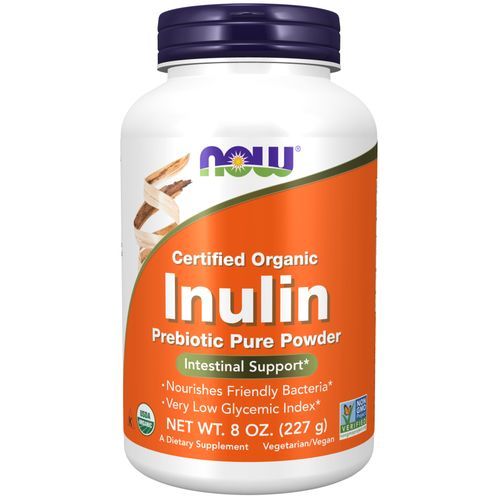
Photo Credit – Google
Clinical studies show measurable effects on weight management. In a randomized trial, participants taking a multi-fiber supplement, containing glucomannan, psyllium, inulin, and apple fiber, experienced greater reductions in body weight, body mass index, and visceral fat than those taking a placebo. Improvements in inflammatory markers were also observed. Other trials demonstrated that supplementing 5–7 grams of fiber daily alongside a reduced-calorie diet enhanced weight loss compared with diet alone, likely due to increased satiety and slower gastric emptying.

Photo Credit – Google
Emerging research also links fiber intake to cognitive outcomes. Observational studies show that higher total fiber intake correlates with better performance on memory and processing-speed tests in older adults. Some trials with prebiotic fibers, such as inulin and fructo-oligosaccharides, found that participants over 60 experienced improvements in memory tests and gut microbiome composition after 12 weeks of supplementation. These findings suggest that fiber’s effects on inflammation, blood sugar stability, and gut bacteria may contribute to brain health, although more research is needed to establish causation.
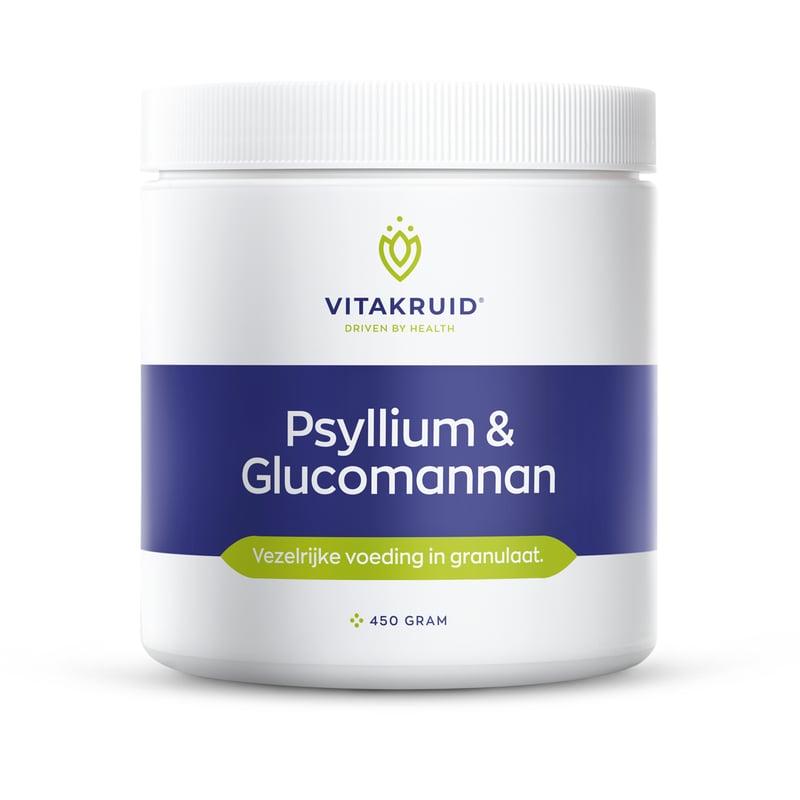
Photo Credit – Google
Certain fiber supplements have the strongest evidence base. Psyllium husk is well-documented for weight management and cholesterol regulation. Glucomannan is valued for its high viscosity and appetite-regulating properties. Inulin and fructo-oligosaccharides act as prebiotics, supporting beneficial gut bacteria and the gut-brain axis. Beta-glucans from oats or barley contribute soluble fiber that promotes fullness and metabolic regulation.
Practical considerations are important. Effective doses in studies typically range from several grams per day, and benefits are most pronounced when supplements complement a balanced diet. Sudden increases in fiber can cause bloating or gas, so gradual introduction with adequate water is recommended. Fiber supplements support dietary strategies, but they are not standalone solutions for weight loss or cognitive enhancement.

Photo Credit – Google
In conclusion, fiber supplements, particularly soluble and prebiotic varieties, can enhance weight management efforts and support factors linked to cognitive function. They help regulate appetite, influence metabolic signals, and contribute to gut-brain interactions. While not a cure or replacement for healthy lifestyle practices, incorporating fiber supplements offers measurable benefits for metabolic and brain health.

About Creatine
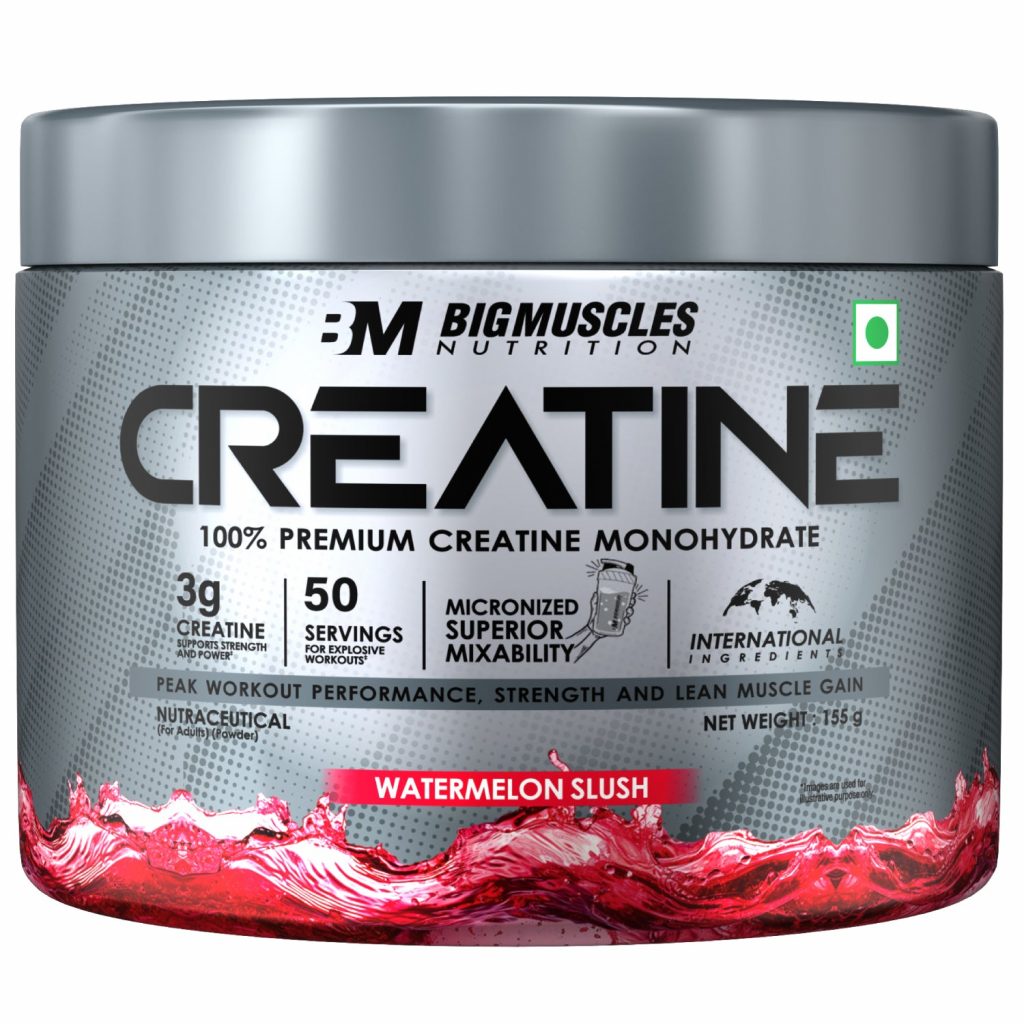
Creatine is a natural element that is found in the body and in foods such as fish. It can be found in the muscles and gives the body energy during physical activities. However, in sports or when engaging in fitness activities take Creatine supplements.
How Creatine Works in the Body
Creatine :Iherb
Creatine helps produce ATP, a molecule that is a huge source of energy. When your creatine levels diminish, it helps replenish them. This is one of the reasons why it is associated with strength gain and improved performance.
Read Also : 7 Vitamins that Supercharge your Body and Brain
Does Creatine Cause Weight Loss?
Creatine : Wellness Blog
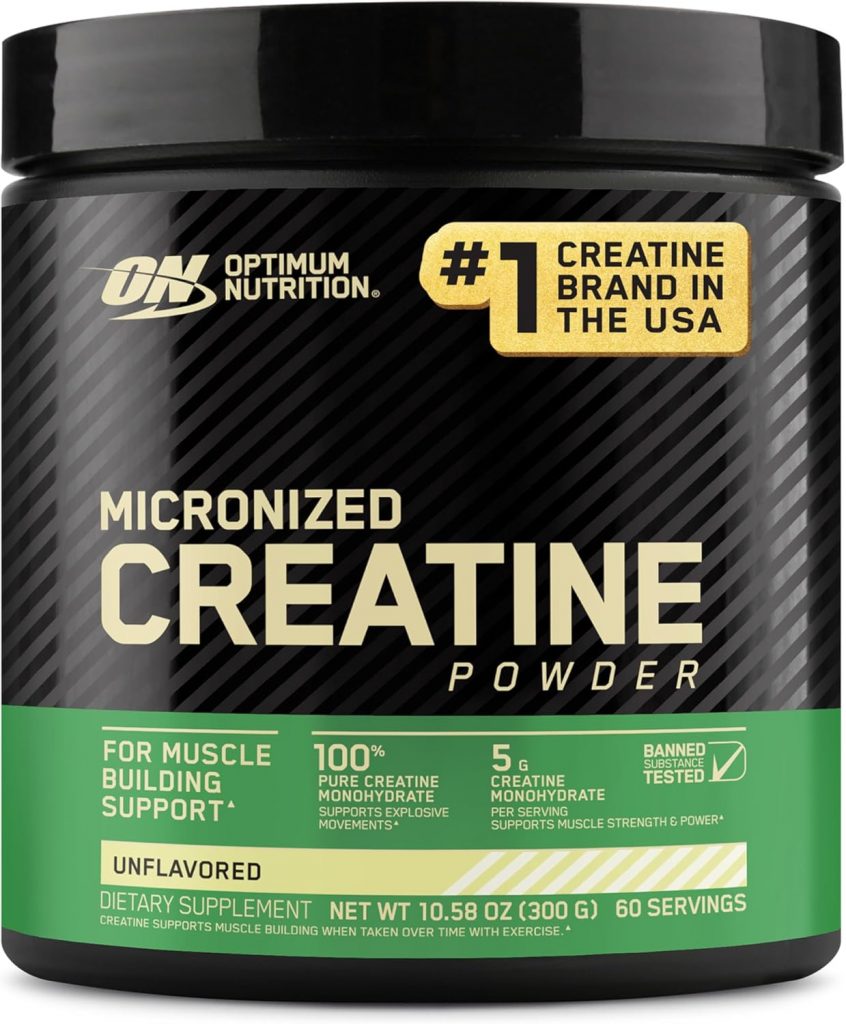
Using Creatine doesn’t lead to actual weight loss in the real sense. Also, it doesn’t increase fat burning nor reduce appetite. Some people even note the slight gain in weight after using it for some time. This is because there is water drawn into the muscles when used regularly.
How can Creatine support Weight Loss Indirectly?
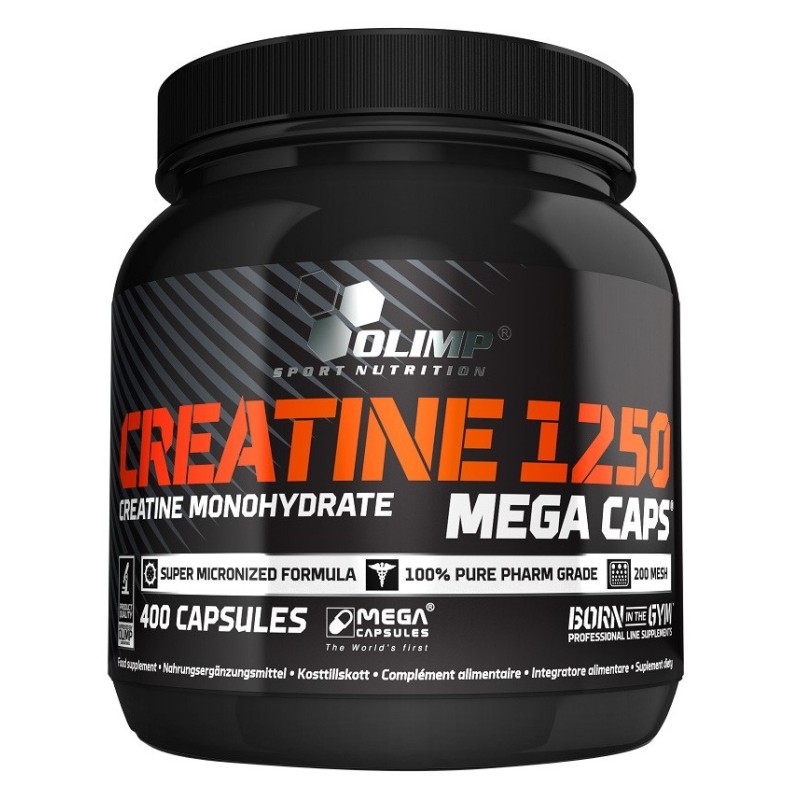
Creatine ‘ Ubuy
Although Creatine doesn’t burn fat, it can help support weight loss indirectly. Because it improves performance, taking Creatine can lead you to train harder. When your workouts increase, there will be an increase in the burning of calories. If this is sustained it can support fat loss, when combined with a good diet.
Why Should You Consider Using Creatine?
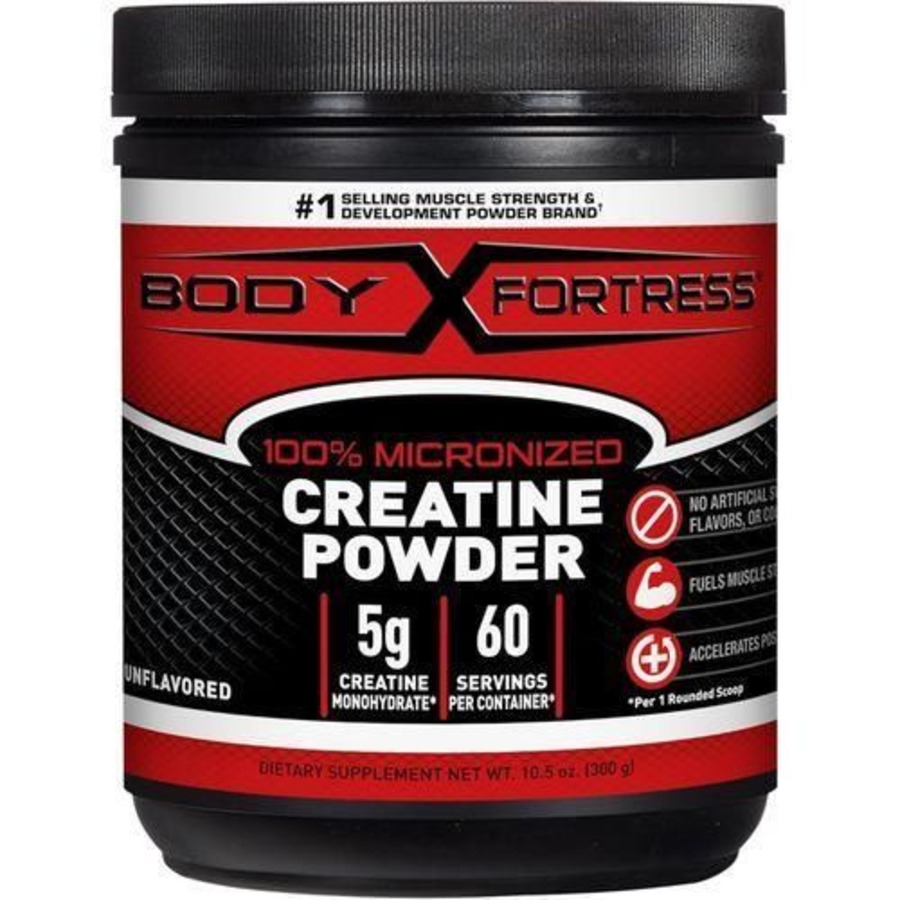
Creatine : Amazon
Creatine is a good choice for those who indulge in workouts and high-intensity training. It also benefits those who want to maintain muscle and strength support for the long term. However, you shouldn’t substitute it for proper nutrition or regular physical activities.
Creatine isn’t a weight loss solution but it helps increase energy levels. While it can’t reduce body fat directly, it can make workout mode effective. When used in combination with a balanced diet and regular exercise, it leads to a healthier body.


Megan Thee Stallion Makes her Broadway Debut

Sacha Feinberg-Mngomezulu Confirms relationship with Sarah Langa

Top 5 Affordable Makeup Brands Available in South Africa




-

 Fashion8 months ago
Lee Khuzwayo in a Long Black Dress, Done Right
-

 Fashion8 months ago
Sinqobile Tusani Signature Love Affair with White Outfits
-

 Fashion7 months ago
Sinqobile Tusani Elevates the Mini Skirt with Urban Cool
-

 Fashion4 months ago
Thabee Happy Paints Johannesburg Pink in Chic Style
-

 Fashion6 months ago
Siphosethu Nkosi Lights up the Scene in Yellow
-

 TV1 month ago
Big Brother Mzansi Season 6 Welcomes Ashay Sewlall: From Footballer to Rising Star
-

 Music4 months ago
Tyla just dropped her latest single ‘Chanel’
-

 Fashion8 months ago
Siyanda Bani Dazzles in Bold Polka Dot for Studio Shoot