
Health
Natural Ways to Manage Endometriosis Symptoms

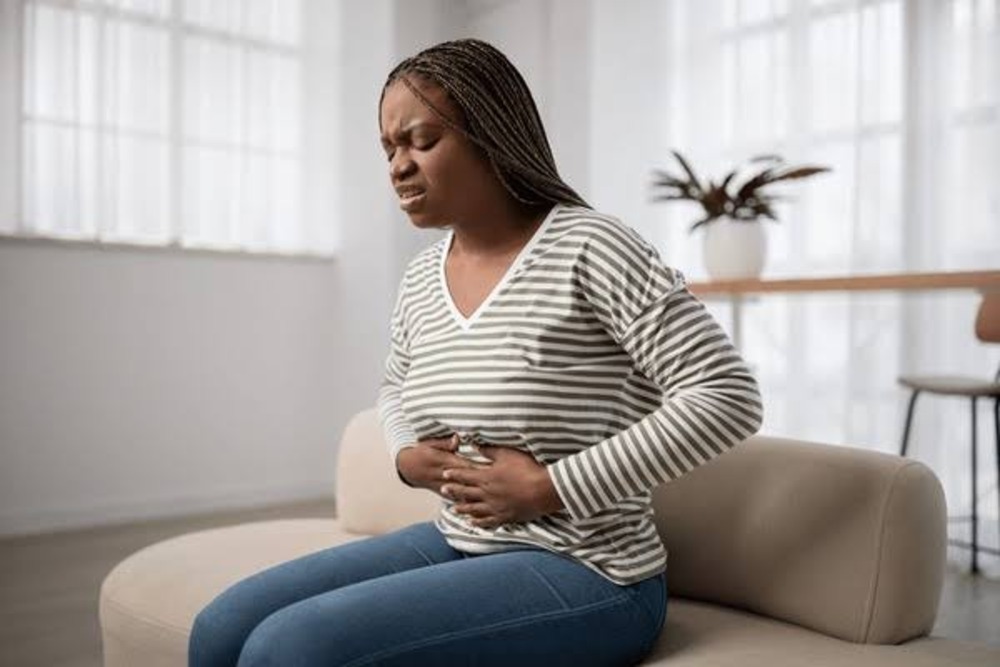
Managing endometriosis naturally is possible with the right lifestyle choices. While there are recognised clinical treatments. However, these natural approaches shouldn’t replace medical treatments. Below are some natural ways to manage this condition.
Take Anti-Inflammatory Foods
 Endometriosis comes with much pain, but with the right diet, you can find relief. Eat plenty of vegetables, fruits, and fibre-rich food. Also, foods rich in Omega-3s like shrimp and salmon are ideal choices. You should cut down on sugar and processed foods as they can worsen your condition.
Daily Exercise
Another natural way to manage endometriosis is regular exercise. Jogging, cycling, and walking are gentle aerobic options. You can try yoga and meditation to keep your mind relaxed. If this can’t be done daily, three times a week is enough for good results.
Heat Therapy
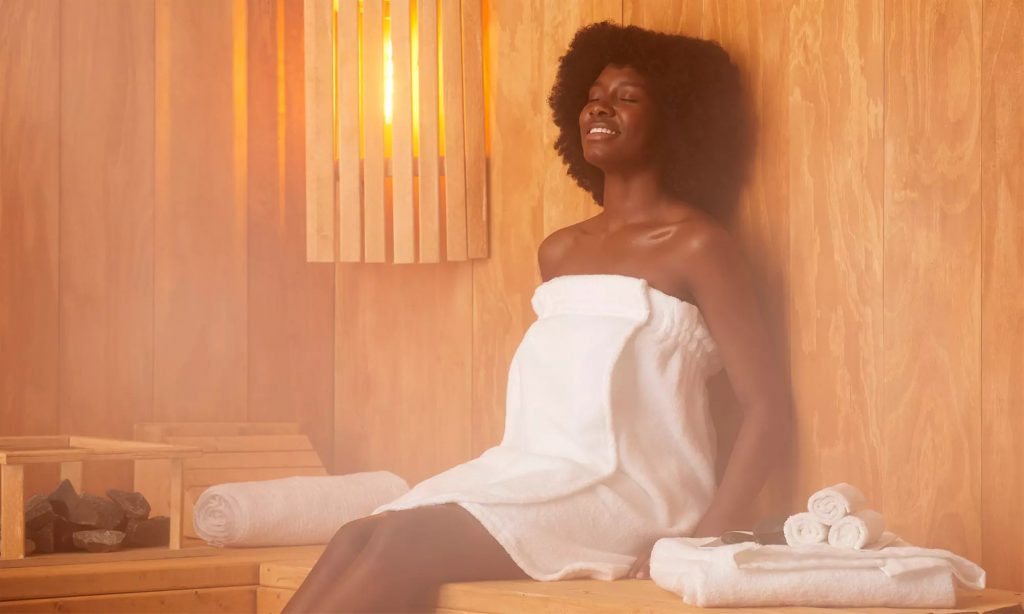
If you have aches or muscle pain, consider heat therapy. This includes taking a warm bath or placing a hot water bottle on your abdomen. This is a simple way to relieve discomfort. There are effective heat therapy tools available to help manage the pain.
Read Also : Should You Work Out in Cold Weather
Stress Management Strategies
Stress is another factor that could make your condition worse. People with these symptoms are advised to relax more. Try out various meditation techniques to keep your mind calm. Also, spending time with loved ones, and taking some time off work can bring down your stress levels.
Watch Your Weight
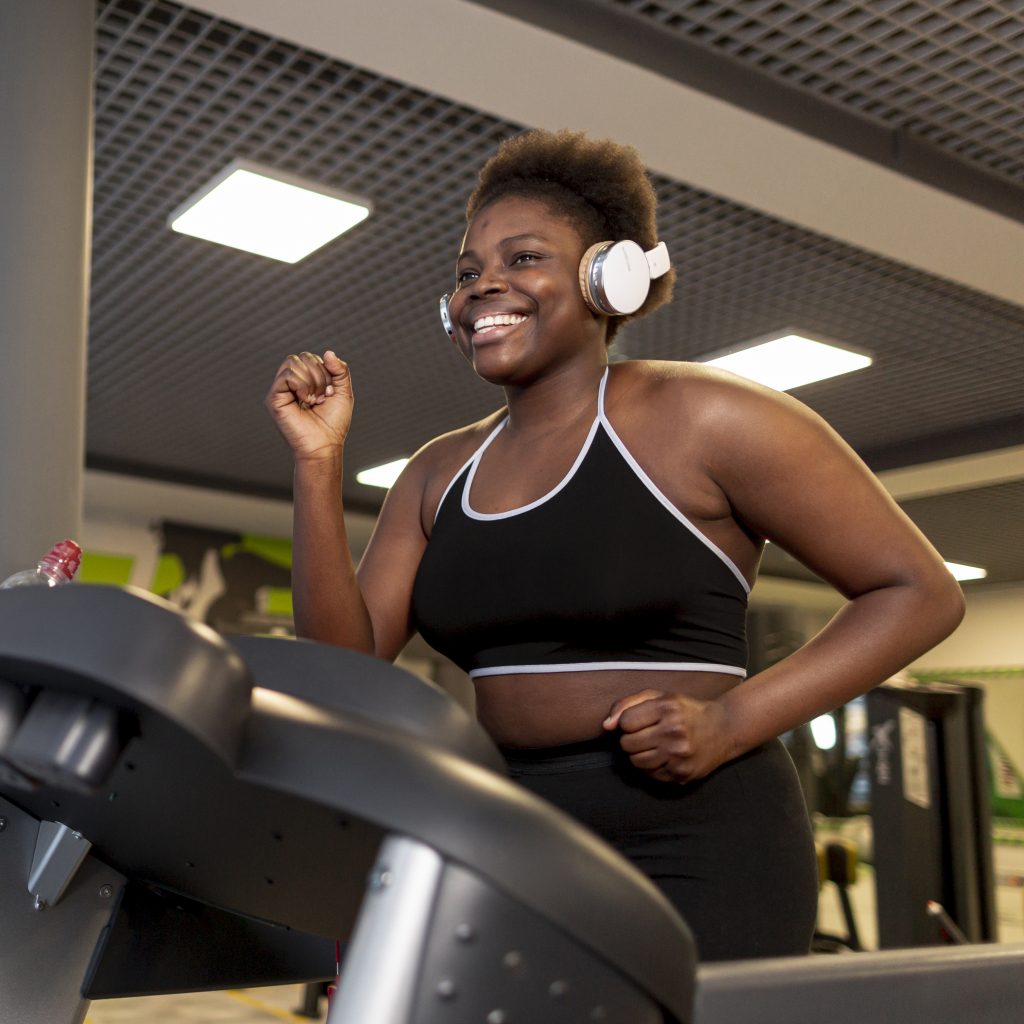
If you are overweight or battling with obesity you might have to shed some weight. Excess body fat can make the symptoms harder to manage. So you need to keep an eye on your weight and hormonal balance. Engage in regular physical activity. and avoid alcohol and caffeine to keep your weight in check.
Herbal Supplements
These can also provide some form of relief to those with endometriosis. Consider supplements rich in ginger, green tea, and turmeric. They have potent anti-inflammatory properties. which makes them a good option. However, speak to a qualified medical practitioner before using them.
Final Thoughts
To manage endometriosis, you need to be patient. There are no quick ways to get rid of this condition. You will need to make some lifestyle and diet changes to see meaningful results. The natural ways suggested above can help improve your overall well-being when used alongside medical advice.


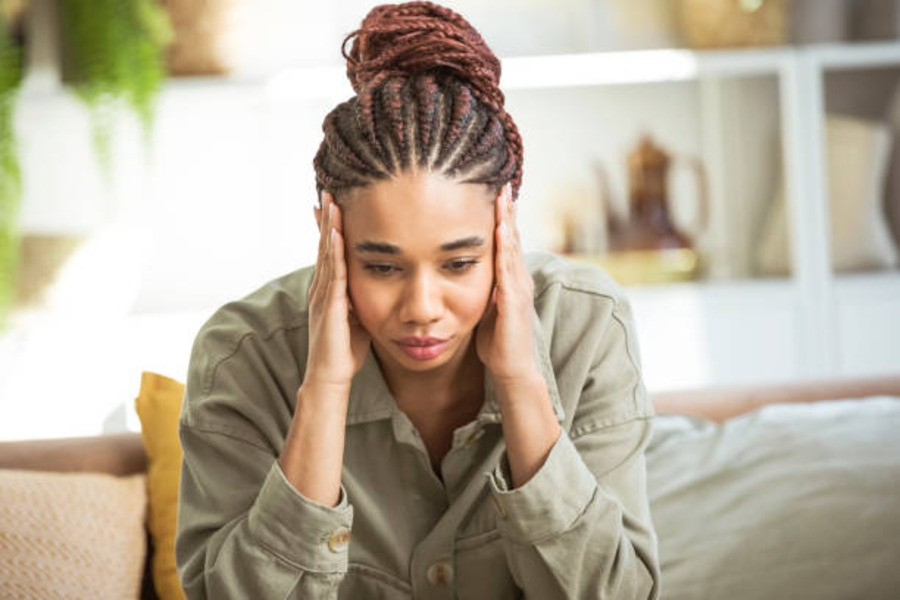
Perimenopause is a phase before menopause, which usually affects women in their 40s. During this time, many women notice unexplained weight gain which could be frustrating. Here are some reasons it happens and how to manage it.
Why Weight Gain Happens During Perimenopause
One of the reasons weight gain happens during perimenopause is change in the hormones. Levels of estrogen reduce, affecting how the body regulates metabolism. Studies show that while menopause itself does not cause weight gain, they are linked to increased body fat.

Photo: Getty images
Lower estrogen causes hunger and fullness hormones . This makes women feel hungry after meals. As a result, calorie intake may increase without a person knowing.
Aging also plays an important role. The body muscle mass naturally reduces with age. Without making the right adjustments in daily activity and nutrition, weight gain happens.
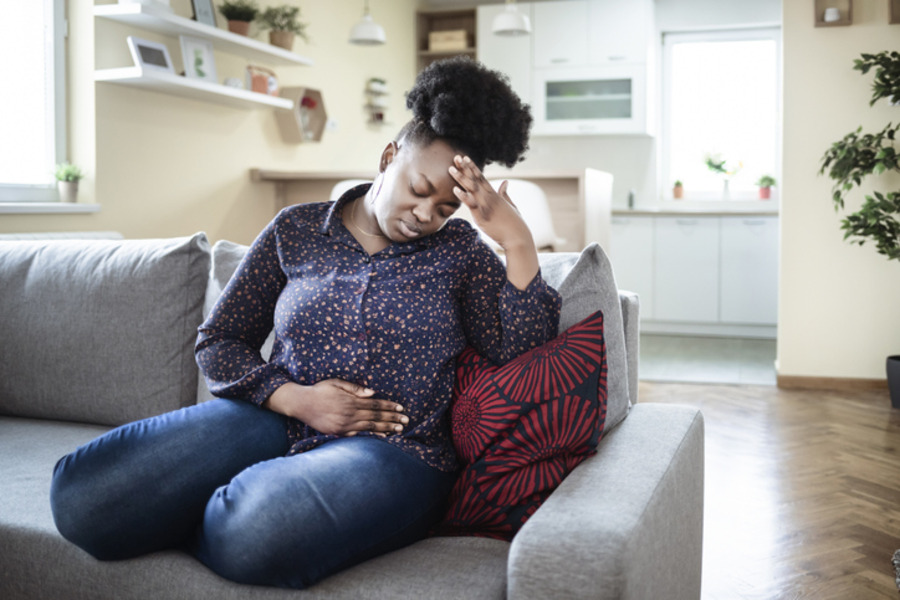
Photo: Getty images
Another factor during Perimenopause is sleep stress. Sleeping disorders affect hormones that control appetite. Experts note that many women gain weight during this time, though experiences are different.
How to Keep Perimenopausal Weight Gain in Check
1. Practice Strength Training
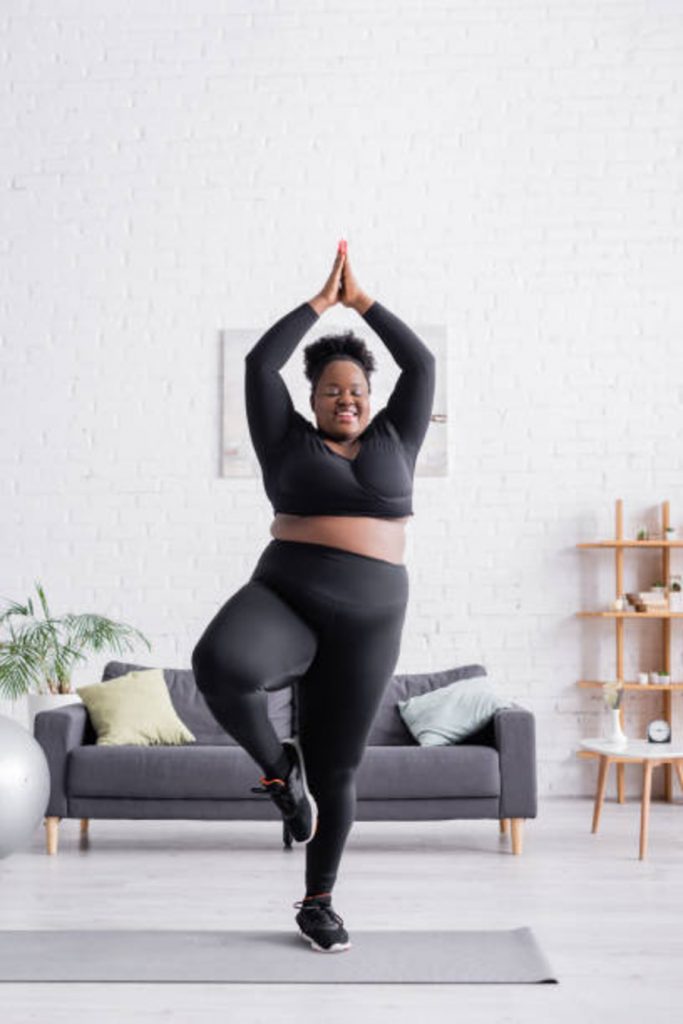
Photo :Getty images
Building muscle becomes important during perimenopause. Muscle helps maintain metabolism and improves glucose usage. Health experts recommend combining aerobic exercise with various muscle activities.
Read Also: Does Creatine Work for Weight Loss?
2. Take Balanced Diet Meals
Instead of dieting, experts encourage eating food rich in vegetables, whole grains, and lean protein. Adequate protein intake helps preserve muscle and supports fullness. Calorie reduction can slow metabolism and make weight management harder.
3. Sleep

Photo: Getty images
Getting the required sleep everyday goes a long way to improve your health. Everything doesn’t have to be work or movies, sleeping 7-8 hours daily is recommended. Poor sleep can cause weight gain. It’s advisable to sleep early and avoid sleep disruptions to stabilize appetite.
4. Avoid Stress
Chronic stress raises cortisol levels, which promotes fat storage around the abdomen. Regular movement and relaxation practices can help support overall wellbeing.
5. Speak to a Professional
For some women, talking with a health professional helps manage symptoms. With their experience and knowledge, these experts can provide insights on how to manage this phase. .
Perimenopausal weight gain is real, but the above-mentioned tips help. Exercise, eat well and get enough sleep to maintain a healthy weight.
Health
Lupita Nyong’o Opens Up About Overlooking Fibroid Symptoms — 4 Warning Signs Women Should Know

Lupita Nyong’o has spoken out about her struggle with uterine fibroids. She hopes her experience will encourage women to pay attention to their bodies. She revealed how many fibroids over the years. The Oscar winner said she has carried 77 uterine fibroids, and 25 were removed through surgery.
Fibroids are non-cancerous growths found around the uterus.They are common and affect millions of women worldwide. Studies suggest that 80% of women may develop fibroids during their childbearing years.

Photo: Instagram
Nyong’o said she ignored the symptoms for years because she thought it was part of being a woman. She advises women to talk to a professional when they notice reproductive health issues.
Here are four warning signs women should watch out for.
Heavy Menstrual Bleeding
One of the common signs of fibroids is heavy menstrual bleeding. This includes having periods that last longer than usual.
Nyong’o has spoken about experiencing heavy bleeding due to fibroids. Experts say if your period is heavy, consult a doctor.
Persistent Pelvic Pain
Another warning sign is abnormal pain in the pelvic area. Fibroids can grow large and press against nearby organs causing discomfort.
Some women describe this as a feeling of heaviness in the lower abdomen. Others experience sharp pain during their period.

Photo:Instagram
Nyong’o shared that pain was one of the symptoms she lived with for years before she understood the cause.
Read Also: Natural Ways to Manage Endometriosis Symptoms
Frequent Urination
Large fibroids press on the bladder, causing frequent urination. This symptom is mistaken for a urinary issue. However, if frequent urination occurs along with other symptoms, it could be due to fibroids. Experts believe this happens when fibroids take up space in the pelvic area
Abdominal Swelling
Some fibroids cause swelling in the abdomen. In certain cases, the stomach appears bloated. This swelling is mistaken for weight gain. Fibroid sizes vary based on several factors.

Photo:Instagram
Nyong’o uses her platform to talk about fibroids and encourage women to be vigilant and any reproductive health issues should not be ignored.

Exercise may support recovery after a stroke by facilitating the transfer of healthy mitochondria to damaged areas of the brain. Mitochondria are small structures inside cells that produce energy. After a stroke, many brain cells lose their energy supply. Exercise may help cellular energy production and improve neurological recovery.
Exercise Boosts the Release of Healthy Mitochondria

Exercise Drills: Istock
Regular exercise increases mitochondrial production. During physical activity, cells are stimulated to make more mitochondria. Some supporting cells can release healthy mitochondria into the surrounding environment. However, knowing the best time to workout is ideal for better results.
Research suggests that these mitochondria can move beyond their original cells. Exercise may increase this release, creating a greater availability of healthy mitochondria that the body can use to support damaged brain tissues.
Exercise Improves Blood Flow that Carries Mitochondria

Strength Exercise: IStock
Exercise increases blood circulation. With increased blood flow, oxygen, nutrients, and cellular components circulate easily. This improved circulation helps transport mitochondrial signals toward the brain.
After a stroke, blood flow to the affected brain is limited. By engaging in regular exercise, circulation improves. This may increase the likelihood that healthy mitochondria reach affected brain cells.
Exercise helps Brain Cells Receive Mitochondria
Exercise triggers the release of chemical signals that helps repair themselves. These signals may help brain cells take in healthy mitochondria from nearby cells. This process may support energy production inside damaged neurons.
Once inside the brain cells, healthy mitochondria can improve cellular energy production and reduce cellular repair. This may help neurons survive and regain function after stroke.
Read also : Fiber Supplements That Support Weight Management and Brain Health
Exercise Supports Mitochondrial Repair inside the Brain

Arms exercises: IStock
Physical activity also improves the health of mitochondria already present in brain cells. Exercise supports cellular repair systems that remove to clean damaged mitochondria and replace them with healthier ones.
This process supports better energy use and reduces damaging byproducts inside brain cells. Stronger mitochondrial function allows the brain to promote healing and rebuild lost connections after a stroke.
Exercise Strengthens Brain Recovery through Energy Support
Recovery after stroke depends on the brain’s ability to form new pathways. This process requires energy. With better mitochondrial delivery and function, exercise may provide the required energy for motor recovery.
Safe exercise programs are commonly used in stroke rehabilitation. Aside from strength and balance, these activities may help the brain recover more effectively.


The Truth About Perimenopausal Weight Gain and How to Keep It in Check

Nqobile Khwezi Reveals a Little in Burgundy Outside the Louvre

The Inward Gaze: Pearl Thusi as Her Own Muse




-

 Fashion8 months ago
Lee Khuzwayo in a Long Black Dress, Done Right
-

 Fashion8 months ago
Sinqobile Tusani Signature Love Affair with White Outfits
-

 Fashion8 months ago
Sinqobile Tusani Elevates the Mini Skirt with Urban Cool
-

 TV2 months ago
Big Brother Mzansi Season 6 Welcomes Ashay Sewlall: From Footballer to Rising Star
-

 Fashion4 months ago
Thabee Happy Paints Johannesburg Pink in Chic Style
-

 Fashion7 months ago
Siphosethu Nkosi Lights up the Scene in Yellow
-

 Music5 months ago
Tyla just dropped her latest single ‘Chanel’
-

 Music3 months ago
Thandiswa Mazwai Wins Four SAMA Awards for Sankofa