
Beauty
How Important Is Primer?

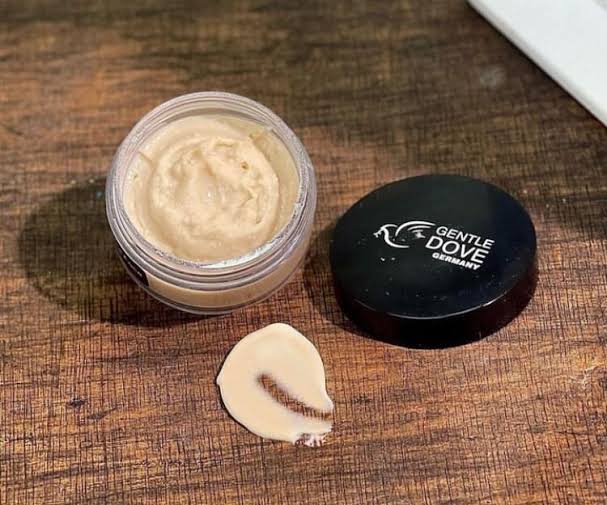
Imagine spending time blending your foundation to perfection, only for it to wrinkle, fade, or slide off halfway through the day. It can be frustrating, but that’s exactly why primer steps in—often underestimated, sometimes skipped, but always essential when you want your makeup to last and look flawless. Think of it as the bridge between skincare and makeup, the game-changer that makes your makeup smoother, longer-lasting, and just better. It really is that important, and the answer might just change your makeup habits.
What Exactly Is Primer?
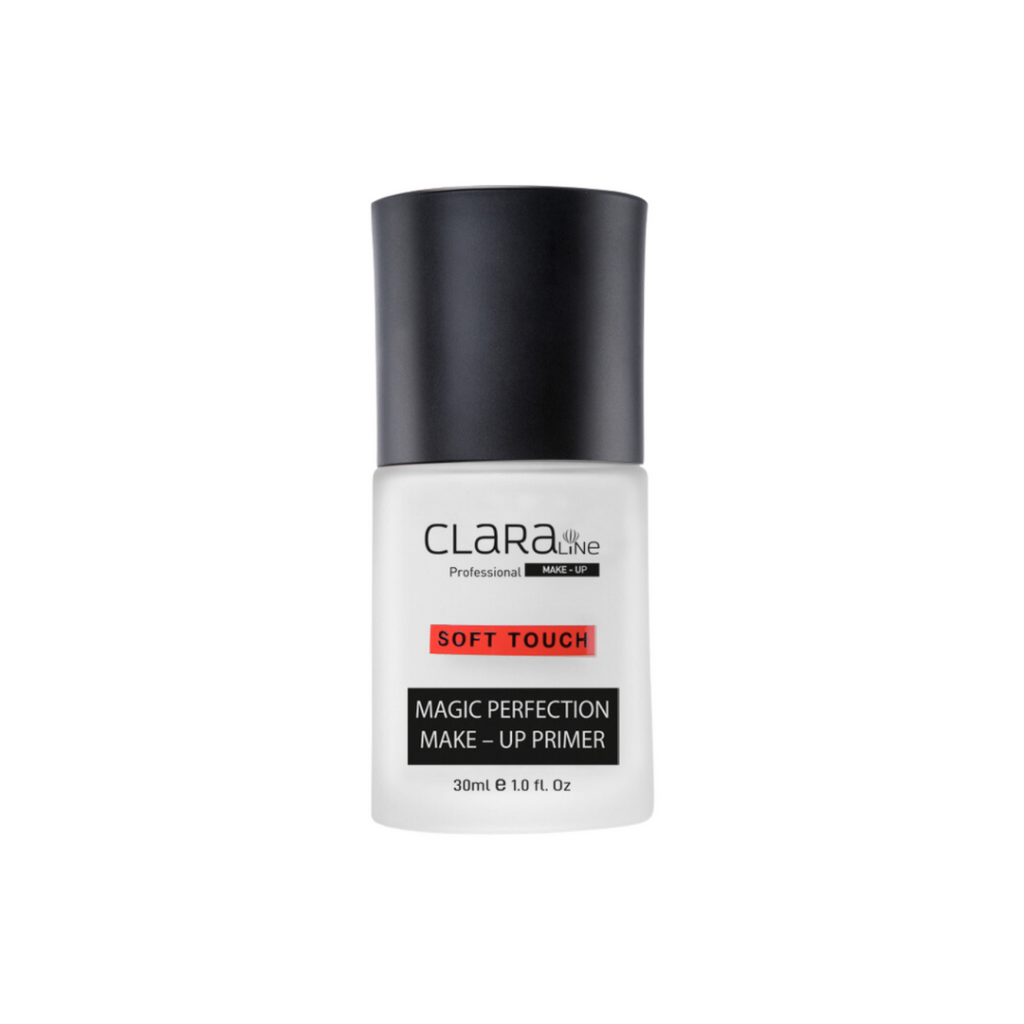
Primer is like the undercoat you use before painting a wall. It preps your skin, creating a smooth base that allows your makeup to blend in evenly. Whether your skin is oily, dry, textured, or somewhere in between, there’s a primer that can help your foundation go on more smoothly and stay longer. Some primers blur pores, some control shine, and others hydrate or add a glow. In short, primer is the backstage hero that makes the rest of your makeup show up at its best.
Why You Might Be Skipping It—And Why You Shouldn’t
Many people skip primer because they think it’s just an extra step or a marketing trick. But here’s the truth: primer can make or break your makeup look. Without it, your foundation might cling to dry patches, settle into lines, or disappear by lunchtime. With it, you get a smoother texture, longer-lasting result, and fewer touch-ups throughout the day. In other words, primer helps your makeup stay in place and look fresh—even under heat, sweat, or long hours.
Different Primers for Different Needs
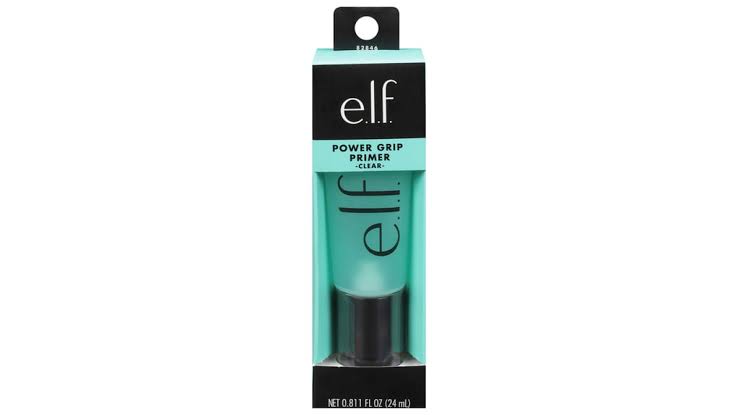
Not all primers are the same and that’s a good thing. If you have oily skin, a mattifying primer helps control shine and keeps your makeup from melting. Have dry skin? Look for a hydrating primer with ingredients like hyaluronic acid. Want a radiant glow? Try an illuminating primer that adds subtle shine under your foundation. There are also colour-correcting primers to reduce redness, dullness, or dark spots before you even reach for concealer. Once you find the right one, you’ll wonder how you ever went without it.
How to Use Primer the Right Way
Applying primer is simple. After moisturizing your face, squeeze a small amount onto your fingertips or a brush and gently smooth it over your skin—especially on areas where makeup tends to wear off or settle. Let it sit for a minute or two to fully absorb before applying your foundation. That pause allows the primer to do its magic, setting up the perfect canvas for the rest of your routine.
Is It Worth the Hype?
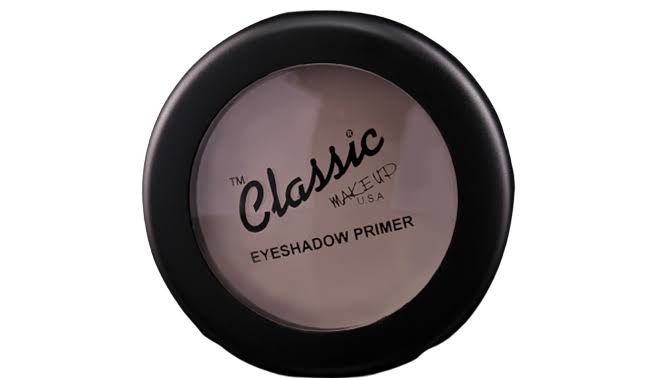
In one word: yes. Primer may not be as flashy as a bold lipstick or a glittery eyeshadow, but it quietly elevates your entire look. It’s the difference between makeup that fades quickly and makeup that stays fresh and flawless all day. It’s not just for beauty influencers or professional artists—it’s for everyone who wants their makeup to work harder and last longer.
The Bottom Line
Primer isn’t just important—it’s essential. It’s a simple step that delivers powerful results. If you’ve been skipping it, this is your sign to give it a try. You might just discover that the key to flawless makeup was right in front of you all along.

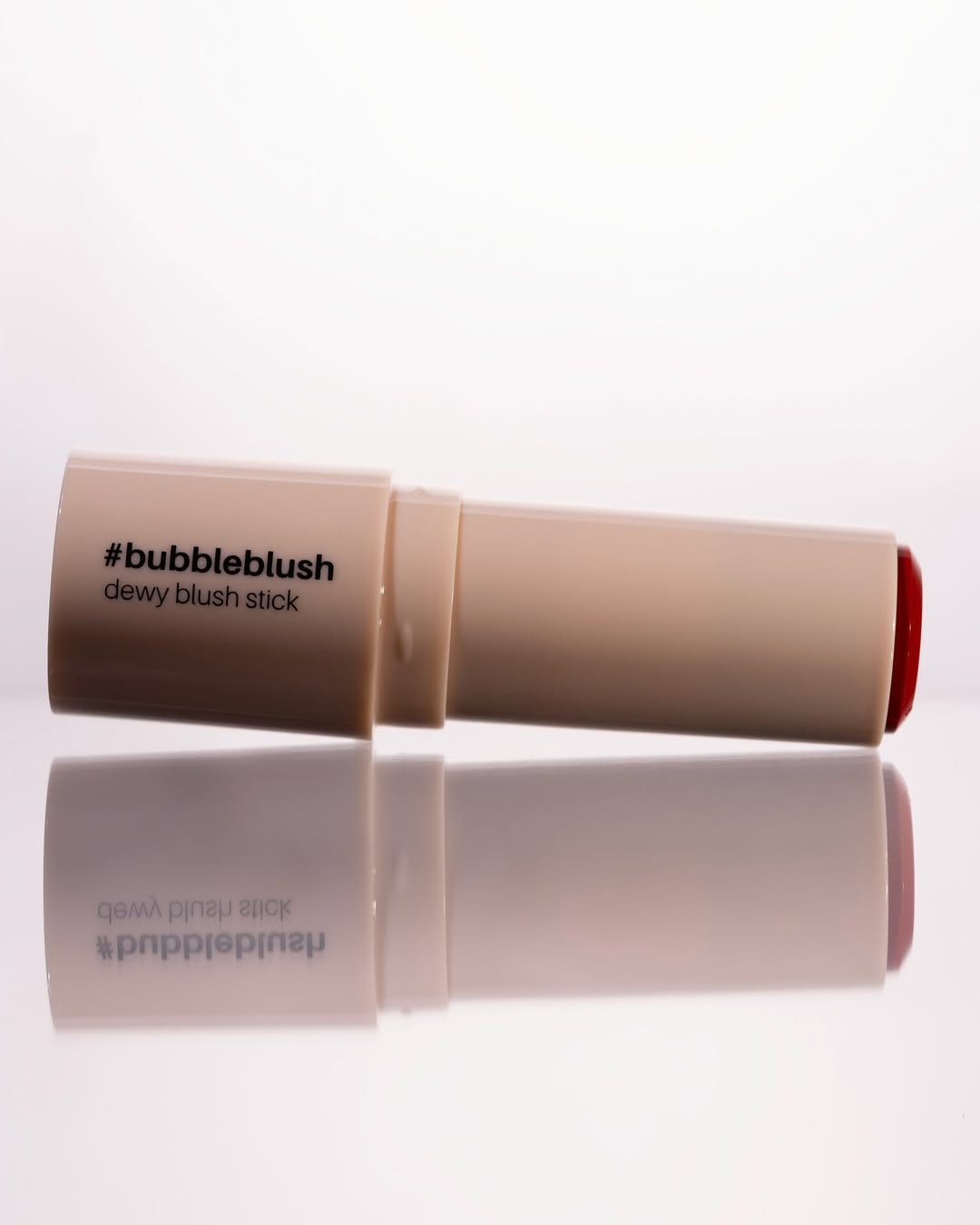
Affordable makeup continues to dominate shelf space in South African pharmacies and beauty aisles, largely because consumers are prioritising value without sacrificing durability and coverage. From foundations suited to warmer weather to everyday mascaras and lip products, several brands offer accessible pricing and consistent formulas. Below are five widely available options that balance cost, shade range and practicality.
Maybelline New York
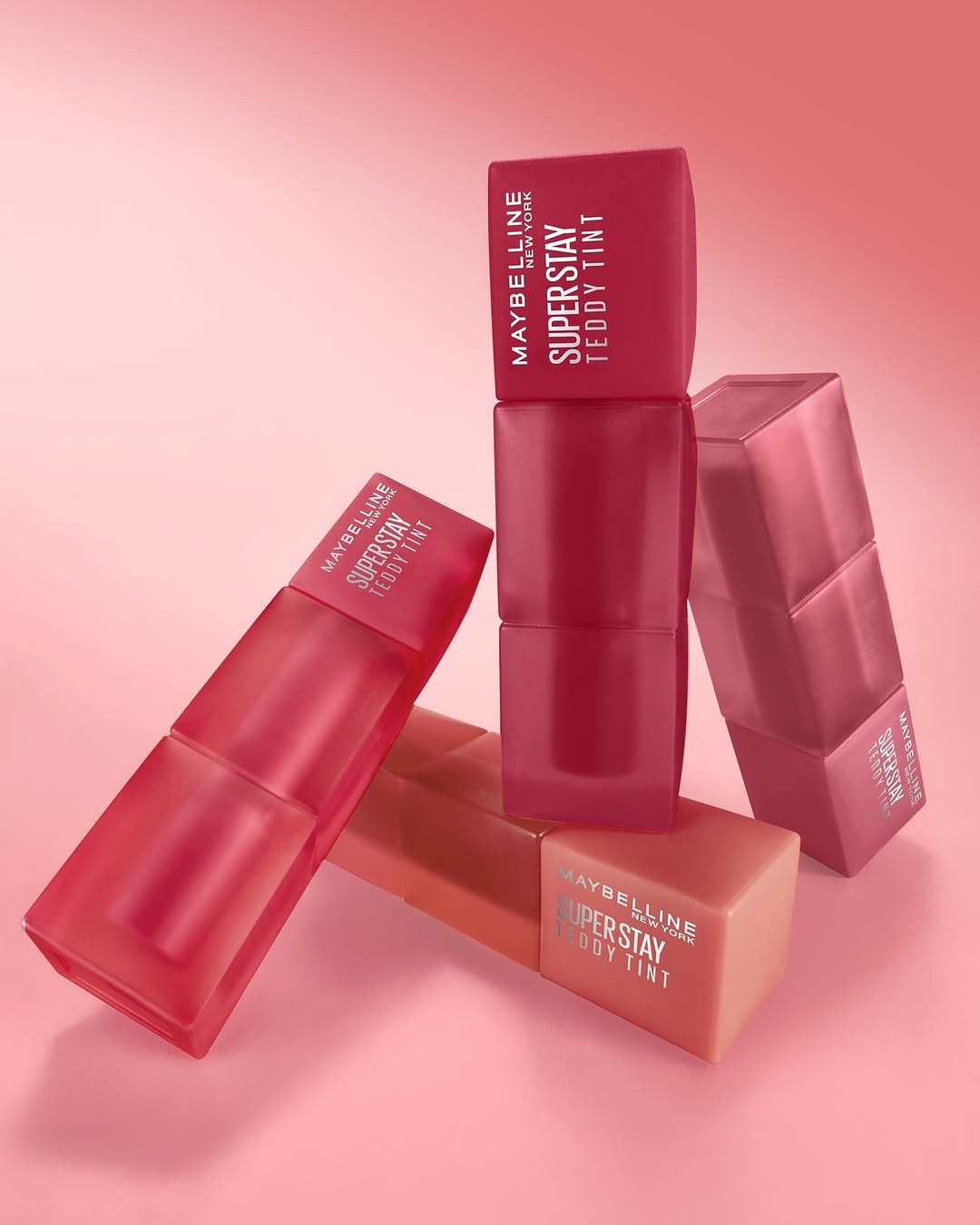
Photo – Instagram
Maybelline New York is widely stocked across major retailers in South Africa, including pharmacies and supermarkets. Its foundation ranges provide buildable coverage with finishes suited to oily and combination skin types, which is relevant in humid or hot conditions. The brand’s mascaras are frequently repurchased due to their ease of application and ability to hold curl through the day. Lip products, from matte lipsticks to glosses, sit at accessible price points, making the range suitable for students and working professionals building an everyday kit.
Rimmel London
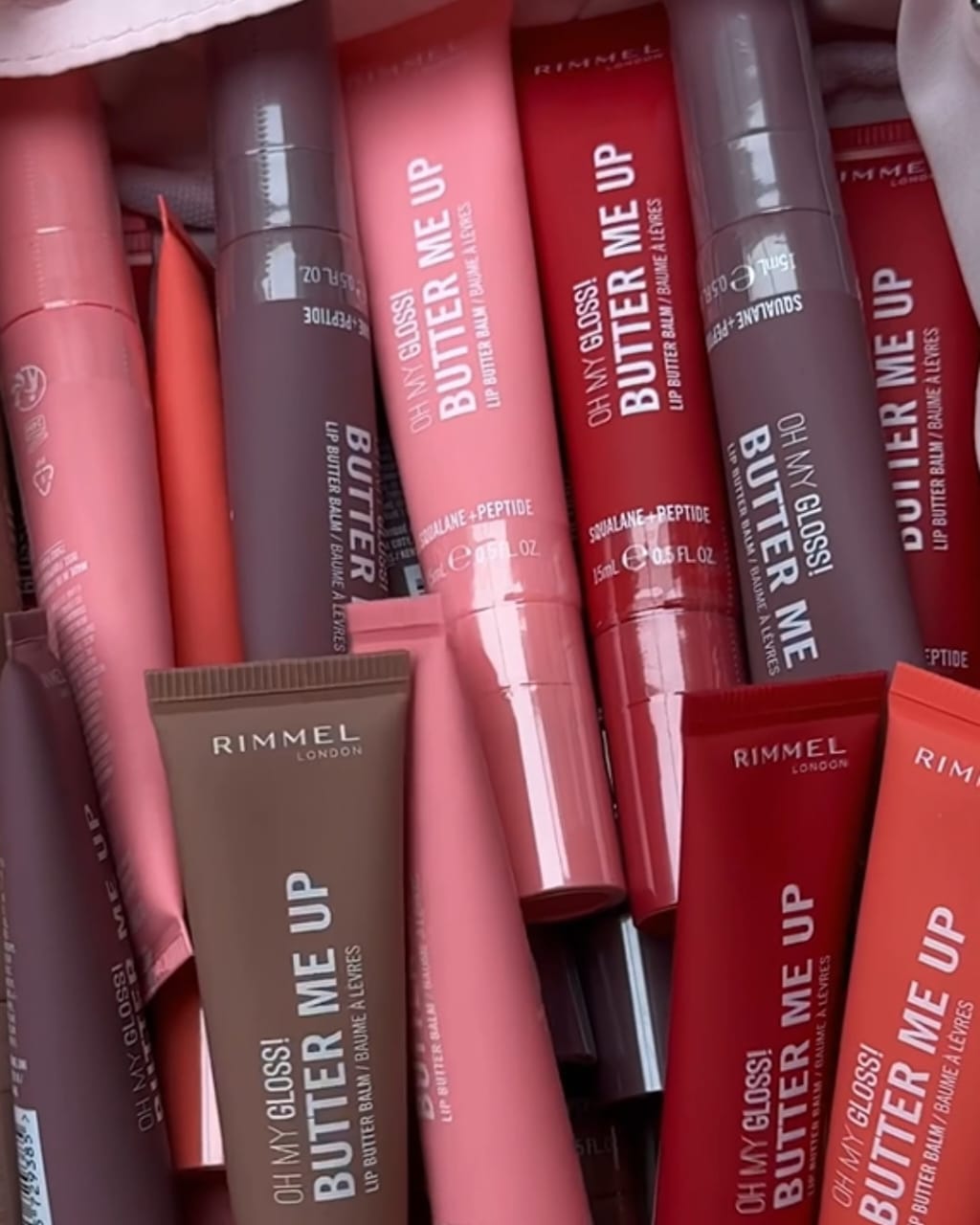
Photo – Instagram
Rimmel London focuses on practical, everyday makeup. Its foundations and pressed powders provide medium to full coverage while remaining comfortable for extended wear. In South Africa’s climate, durability is a priority, and several of the brand’s base products are formulated for longer wear. Rimmel’s lipsticks and liners offer straightforward colour options that suit office settings or daily routines without requiring frequent reapplication.
Wet n Wild
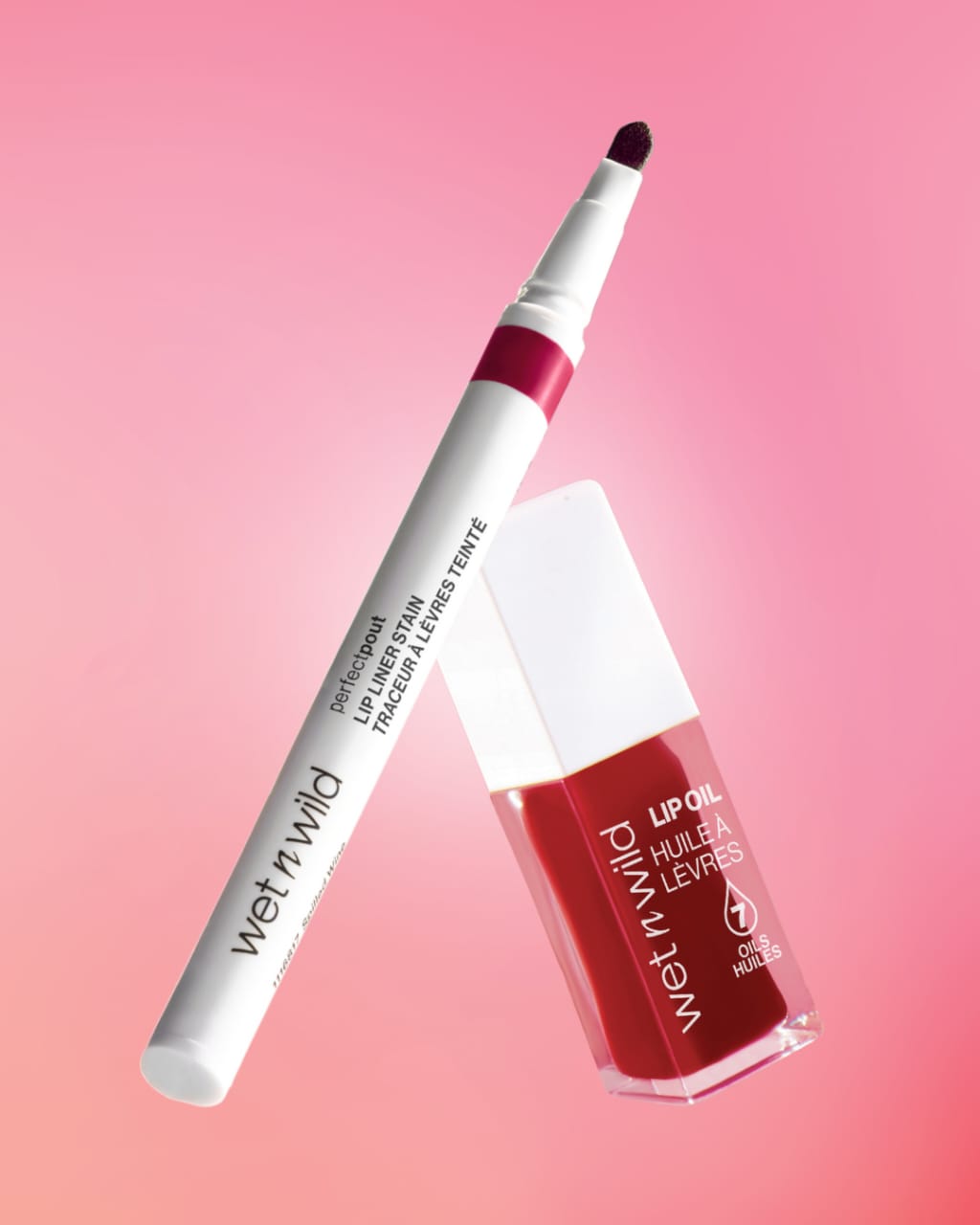
Photo – Instagram
Wet n Wild offers affordable colour cosmetics, including eyeshadow palettes, blushes and highlighters. The brand provides access to trend-led shades without requiring significant spending. Pigmentation across many of its powders is strong for the price category, and products blend effectively with standard brushes. For shoppers adding variety to their makeup collection, Wet n Wild remains a cost-conscious option available in national retail chains.
Essence
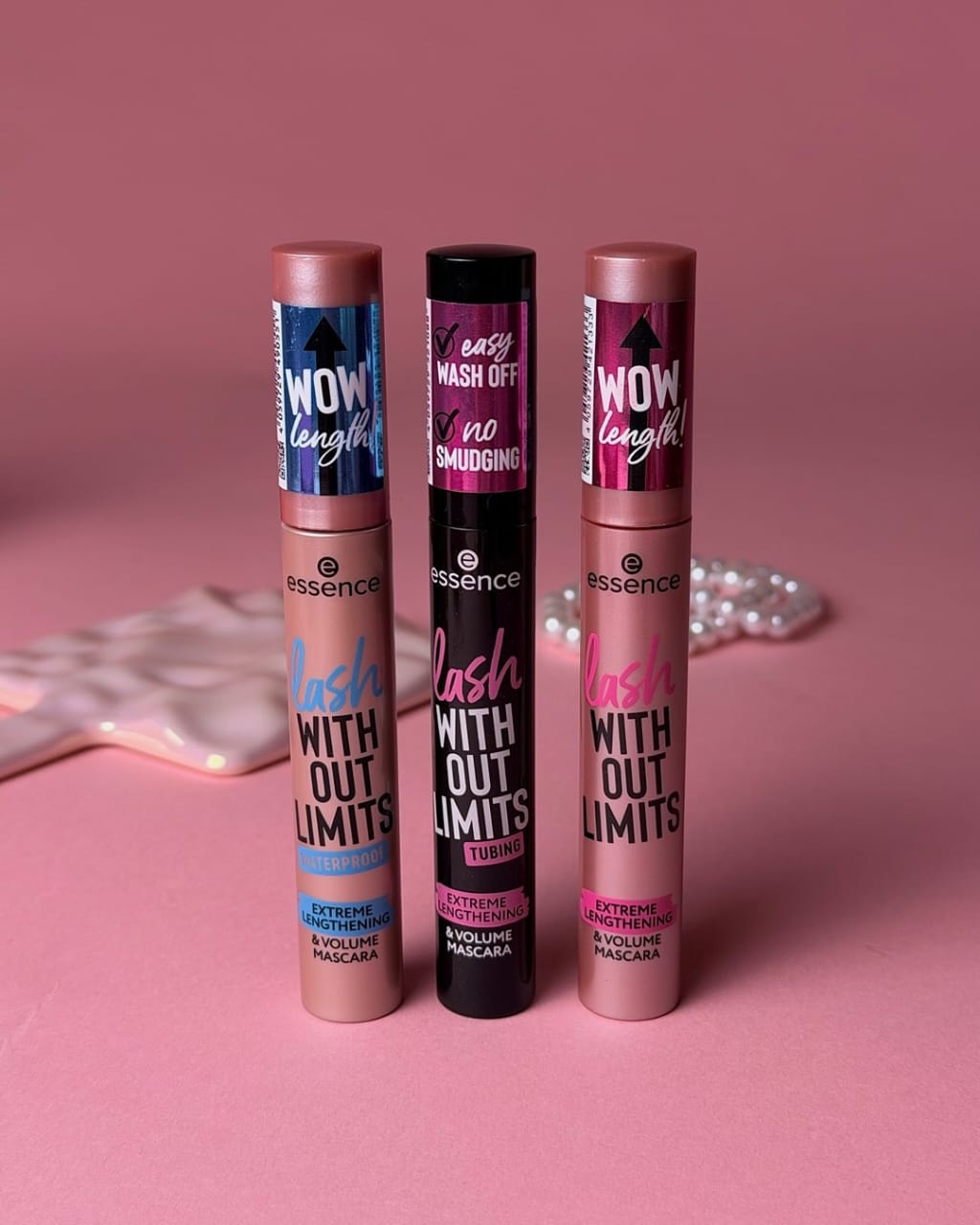
Photo – Instagram
Essence keeps its range focused on core items such as mascaras, eyeliners, brow pencils and compact powders. Pricing sits at the lower end of the drugstore scale, making it accessible to younger consumers and first-time buyers. Despite the price point, several of its eye products deliver consistent results suitable for daily wear. Shade selections lean toward wearable neutrals, making the brand practical for school, campus or workplace routines.
Swiitch Beauty
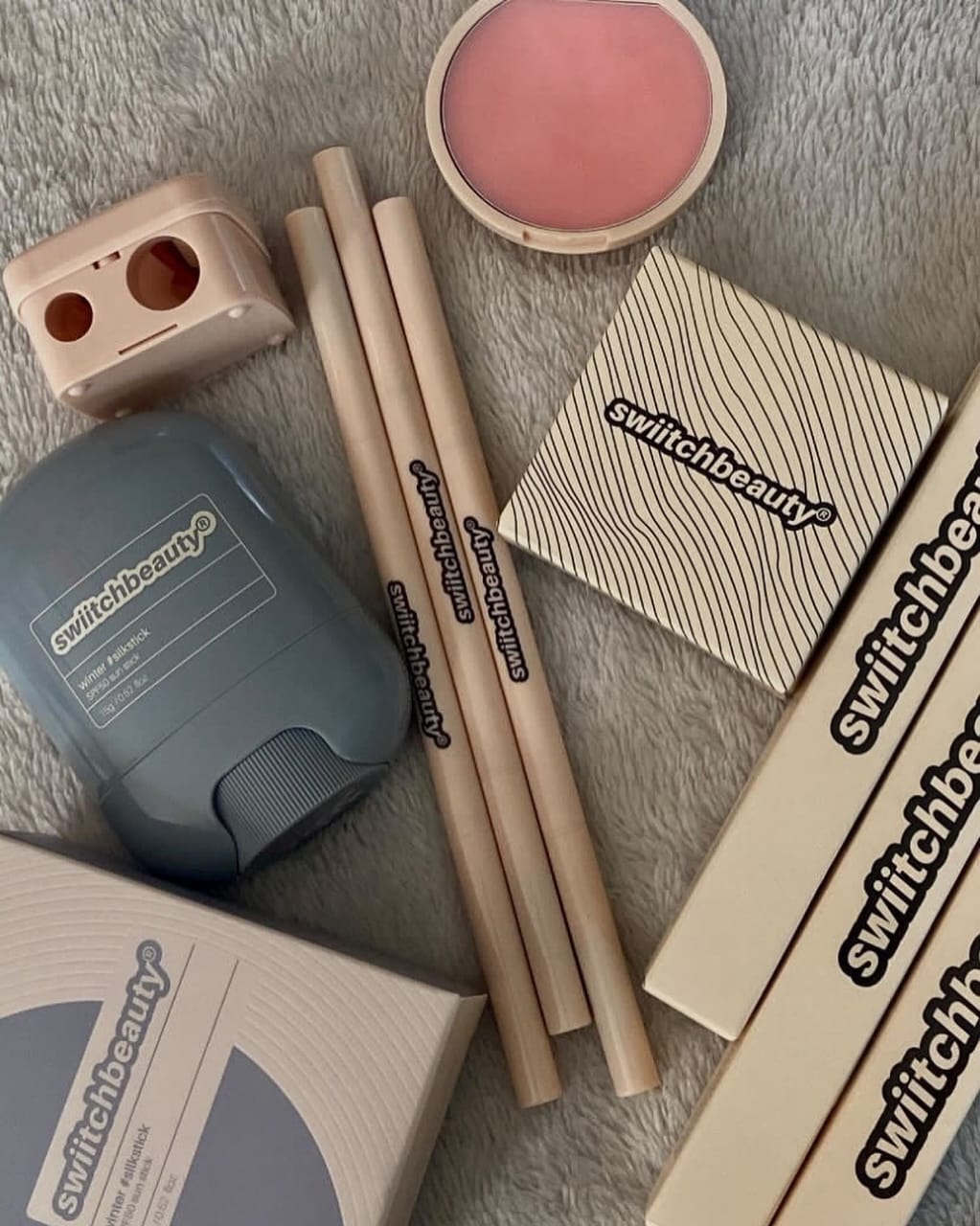
Photo – Instagram
Swiitch Beauty is a South African makeup brand developed with local consumers in mind. Its range includes foundations, concealers and setting powders formulated to suit a broad spectrum of skin tones. The brand has expanded its presence through online platforms and selected retail partnerships, offering competitively priced products aligned with local demand for inclusive shade ranges. For shoppers interested in supporting a domestic label while staying within budget, Swiitch Beauty presents a relevant option.
Together, these brands reflect the direction of South Africa’s accessible beauty market: practical products, inclusive shade offerings and pricing aligned with everyday spending.
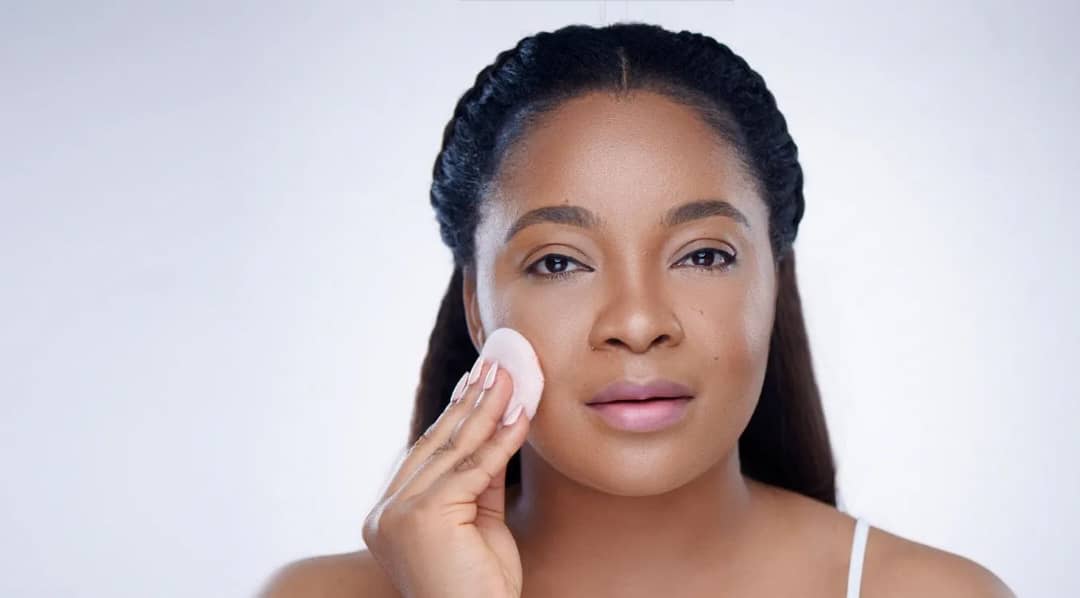
Dry skin isn’t just a seasonal concern. It indicates that your routine isn’t providing sufficient hydration. You might already be cleansing, moisturizing, and using serums, yet still wake up to tight, rough skin. The missing step involves applying hydration immediately after cleansing, before moisturizer, which significantly improves results.
Many people assume dry skin can be resolved by using a richer cream or lotion. While this can help, it does not address the main issue: losing water faster than the skin can retain it. If moisture isn’t retained immediately after cleansing, the skin begins dehydrating again before a moisturizer can be effective. Dermatologists note that adding a hydrating step between cleansing and moisturizing significantly improves skin hydration.
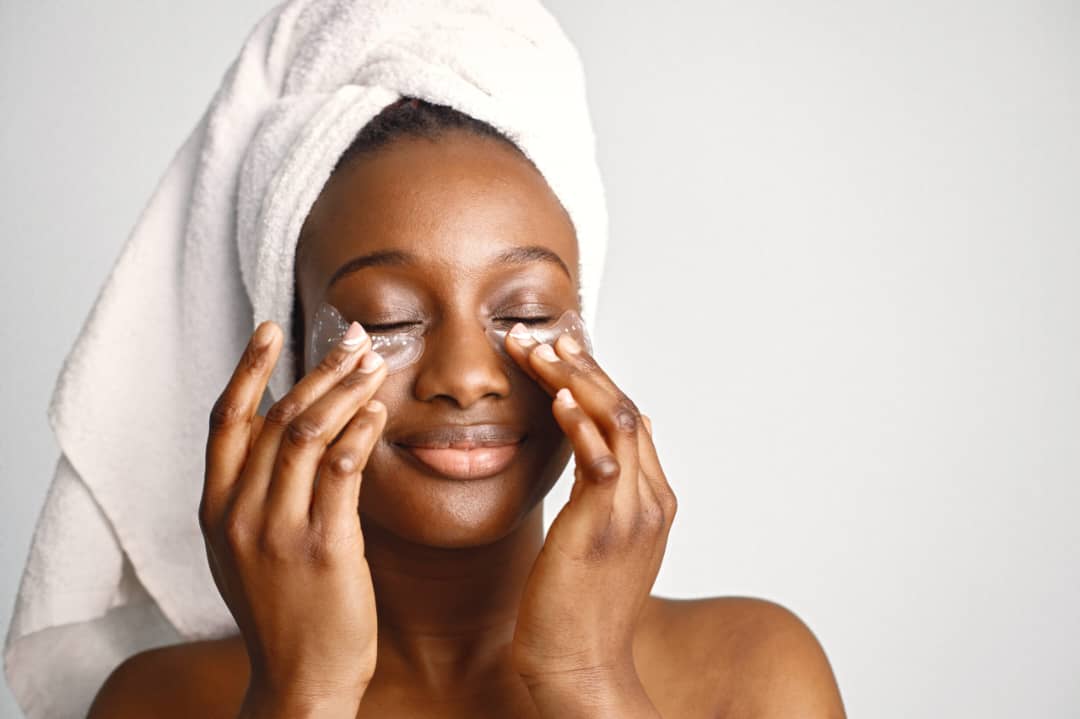
Photo Credit – Google
After cleansing, many routines proceed directly to applying cream or lotion. However, moisturizers lock in hydration but do not add it. To hydrate effectively, the skin needs water first, then a product to seal it in. This is the step most people overlook.
Applying a hydrating serum or essence to slightly damp skin is essential. After cleansing, leave the skin slightly damp and apply a serum containing ingredients such as hyaluronic acid, then follow with a cream or lotion. Hydrating ingredients draw water into the skin, but they require available moisture to be effective. If the skin is completely dry, serums cannot perform their function, and creams remain on the surface rather than absorbing. This two-stage approach provides more effective hydration and reduces dryness.
This step addresses the main causes of dry skin. Dryness is typically due to insufficient water, not only a lack of oil. Thick creams alone do not draw in moisture if the skin is already dry. Dead skin can block absorption, preventing products from working properly. Hot showers, harsh cleansers, or skipping hydrating serums can damage the moisture barrier, worsening dryness.
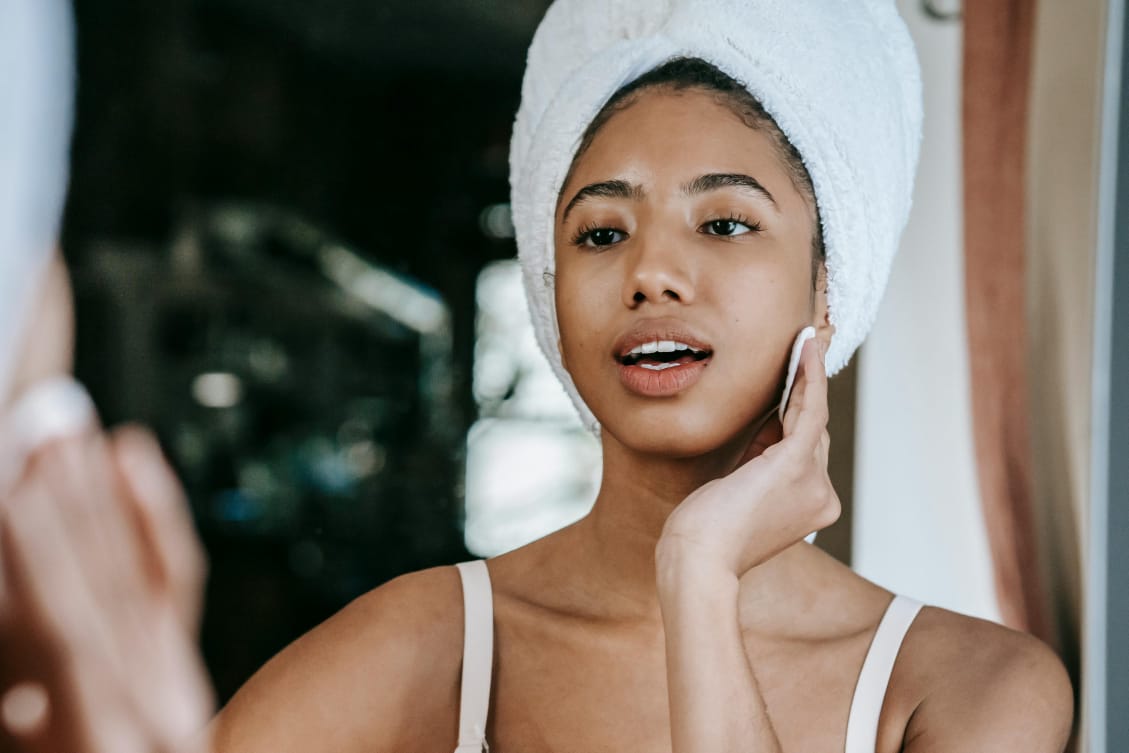
Photo Credit – Google
A complex routine is not necessary. Cleanse gently with a hydrating product, leave the skin slightly damp, apply a serum or essence to draw in moisture, and then seal with a cream or lotion. For very dry skin, adding a facial oil or balm can further increase hydration.
Omitting any of these steps can reduce the effectiveness of hydration. Hot water or harsh soaps strip natural oils and water, applying moisturizer to dry skin does not retain moisture, and skipping serums removes an essential hydration step.
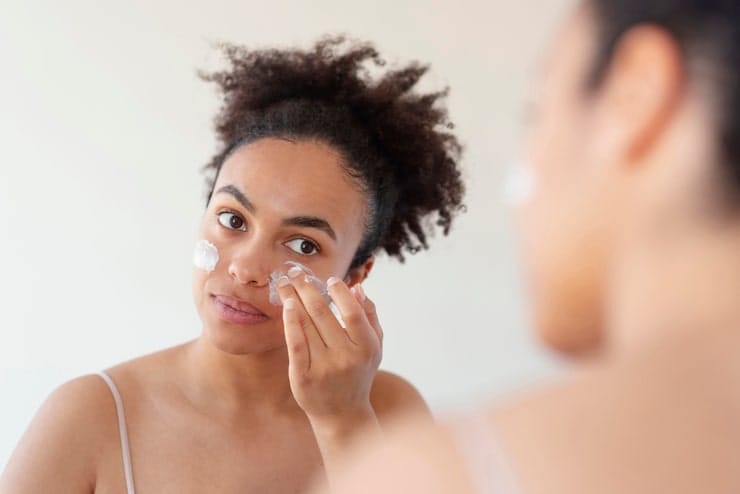
Photo Credit – Google
If dry skin persists despite using cleansers, moisturizers, and rich creams, the issue is likely the order of application. Starting with moisture binding while the skin is still damp is a proven method that improves hydration effectively. Following this approach helps dry skin recover rather than merely masking the symptoms.
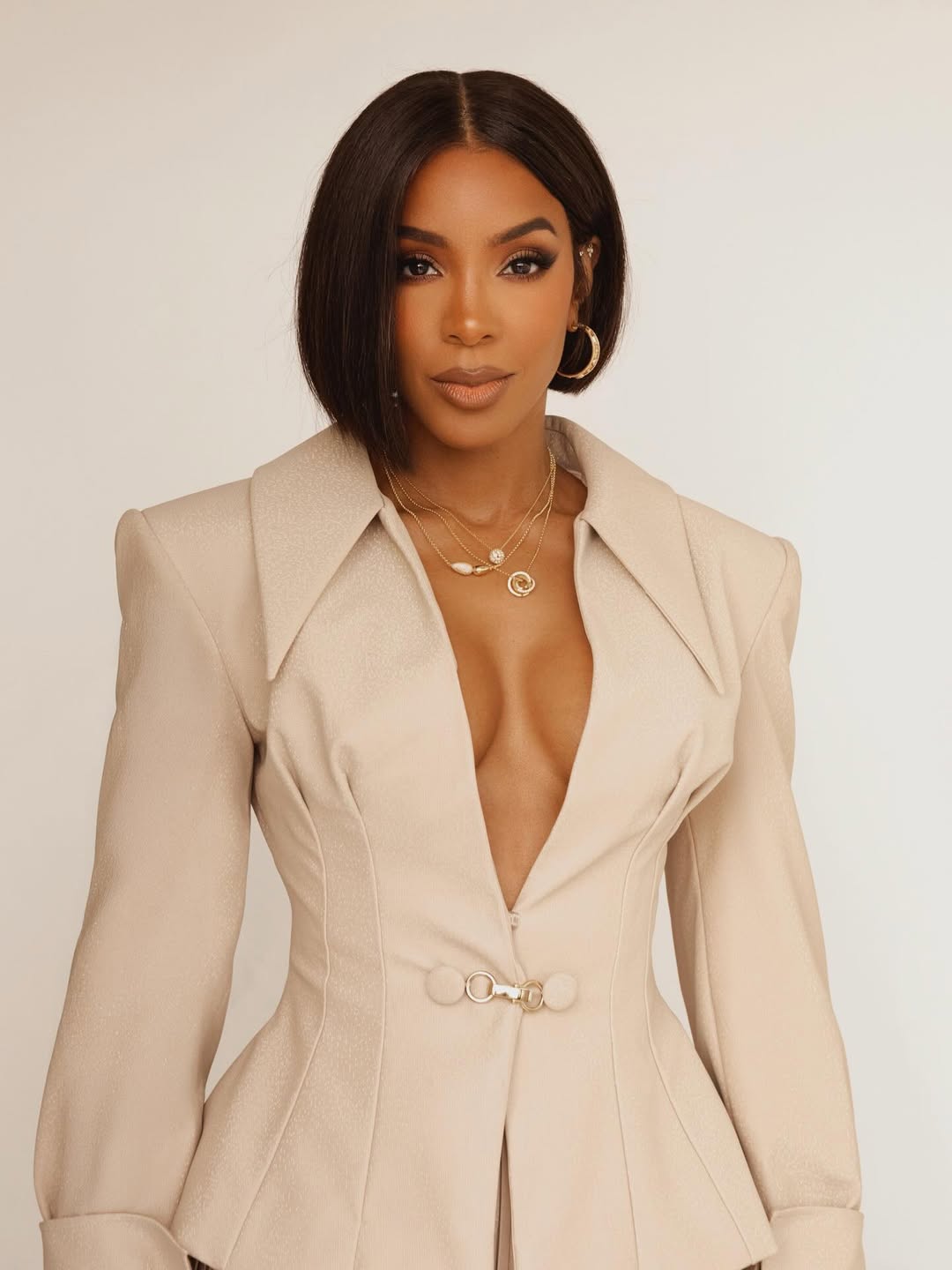
Kelly Rowland has kept the bob in steady rotation this year, not by changing the cut entirely but by altering its structure in controlled ways. Each appearance shows a recalibrated version, with shifts in length, density, and surface finish that register clearly in photos and close-up footage. The cut stays consistent, but each change is clear enough to feel like a separate version.

Photo Credit – Google
The most referenced version so far is her asymmetric lob, first seen late last year and still in circulation through early 2026. The difference in length is controlled. One side falls slightly longer, enough to create contrast in the line while keeping the cut subtle and intentional. The centre part keeps the shape disciplined, allowing the asymmetry to feel intentional instead of trend-driven.
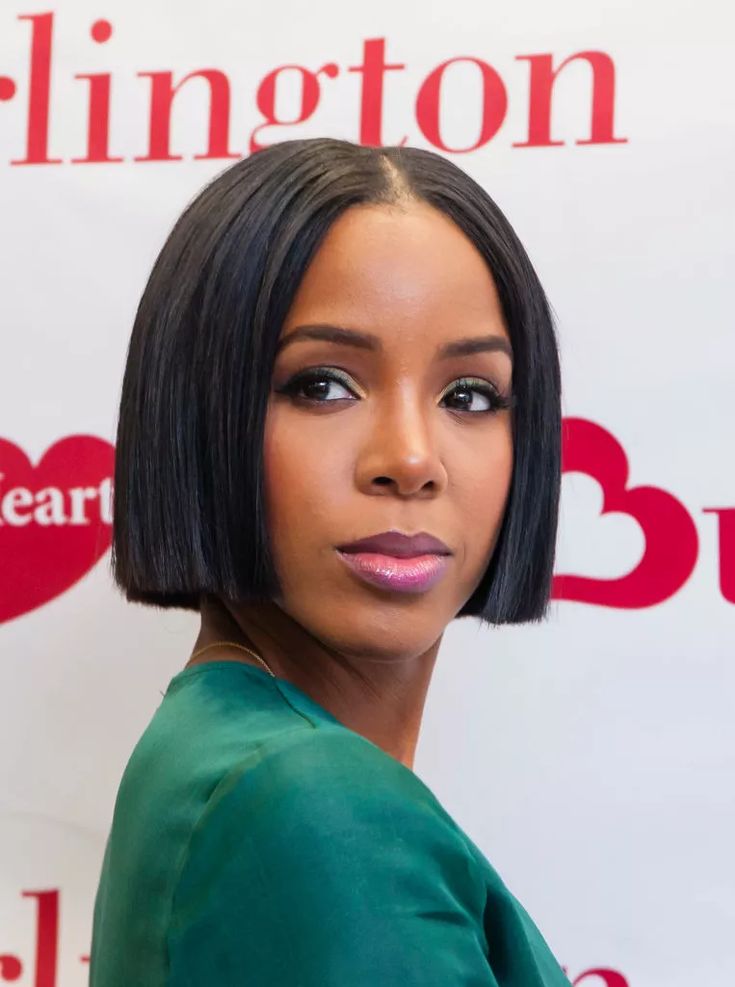
Photo Credit – Google
Alongside that, Rowland continues to revisit the blunt middle-part bob that has become one of her recognisable styles. The cut rests at the jawline with minimal layering, creating a defined edge. Its precision is evident in every appearance: the ends are exact, and the surface remains smooth.
Her shoulder-skimming blonde bob presents a different version of the same structure. The added length relaxes the outline, while the lighter tone shifts emphasis from the shape to the colour. The blonde softens the geometry that defines her darker bobs, making the cut appear less strict without changing its foundation. It is still recognisably a bob, with the longer proportion giving the ends more flexibility.

Photo Credit – Google
Another variation is the graduated chin-grazing bob, cut shorter at the back with feathered shaping toward the front. This version introduces lift at the crown and breaks away from the flat surface of her blunt styles. The feathering creates visible motion when she turns her head.
Styling also changes how her 2026 bobs appear. A slick, wet-look finish worn at major events recast the same underlying cut into a sharper, more defined look. By brushing the roots back and keeping the ends separated and glossy, the style emphasises texture instead of outline. A bob is shaped by styling as much as cutting.
The focus is on customising the cut to suit each look, adjusting length, density, and finish as needed. The changes are small but keep the style current.


Megan Thee Stallion Makes her Broadway Debut

Sacha Feinberg-Mngomezulu Confirms relationship with Sarah Langa

Top 5 Affordable Makeup Brands Available in South Africa



-

 Fashion8 months ago
Lee Khuzwayo in a Long Black Dress, Done Right
-

 Fashion8 months ago
Sinqobile Tusani Signature Love Affair with White Outfits
-

 Fashion7 months ago
Sinqobile Tusani Elevates the Mini Skirt with Urban Cool
-

 Fashion4 months ago
Thabee Happy Paints Johannesburg Pink in Chic Style
-

 Fashion6 months ago
Siphosethu Nkosi Lights up the Scene in Yellow
-

 TV1 month ago
Big Brother Mzansi Season 6 Welcomes Ashay Sewlall: From Footballer to Rising Star
-
 Music4 months ago
Tyla just dropped her latest single ‘Chanel’
-

 Fashion8 months ago
Siyanda Bani Dazzles in Bold Polka Dot for Studio Shoot