
Beauty
Hair Growth Supplements: Game Changer or Just a Gimmick?


You notice more hair in your comb. Maybe it’s on your pillow, in the shower drain, or just a sense that your hair isn’t as full as it used to be. You haven’t changed your routine, but something feels different. Then, you scroll through your feed and see it — shiny capsules and sugary gummies promising longer, thicker, glossier hair in just weeks. They’re everywhere, and the promises sound tempting. But do these supplements actually deliver? Or are we just buying hope in a bottle?
The Promise in a Pill

Hair supplements have carved out a massive space in the beauty market, offering an easy fix for everything from thinning edges to slow growth. Most contain familiar nutrients — biotin, zinc, collagen, folic acid — all ingredients linked to hair and skin health. The logic seems simple enough: give your body what it may be missing, and your hair should respond.
But hair health isn’t always that straightforward. If your diet is already balanced and your body isn’t lacking any key vitamins, adding more may not make a difference. And if your hair loss is driven by stress, hormones, or genetics, no supplement — no matter how well-reviewed — can fix that on its own.
When Supplements Might Help

That said, not all hair supplements are a waste of money. Some people do see improvement — less shedding, stronger strands, maybe even faster growth. But results vary, and they usually take time. Hair grows slowly, and most changes, if they happen at all, can take a few months to show up.
Supplements tend to work best when they address an actual deficiency. For example, if someone’s losing hair due to low iron or a lack of certain B vitamins, then the right supplement might help. But taking a product blindly, without understanding what your body needs, is unlikely to produce noticeable results.
The Factors We Often Overlook

Hair loss and thinning can be triggered by a wide range of issues. Stress, hormonal changes, thyroid conditions, certain medications, heat damage, tight hairstyles, and harsh chemicals — all of these can affect hair growth. Sometimes it’s not about what’s missing inside your body, but what’s happening on the outside.
Before reaching for a supplement, it’s worth asking: have you ruled out medical causes? Are your styling habits doing more harm than good? Are you nourishing your body overall? It’s easy to blame a vitamin shortage, but the real cause might be sitting quietly in the background.
A Market Light on Regulation

Unlike medicine, supplements aren’t held to the same regulatory standards. That means what’s written on the label isn’t always a guarantee of what’s in the bottle — or whether it works. Some brands are reputable. Others are more interested in branding than science. This makes it even more important to approach supplements with a healthy dose of skepticism.
Talk to a healthcare provider or nutritionist before starting anything new. A simple blood test might reveal exactly what you need — and what you don’t.
The Bottom Line
Hair supplements aren’t miracles, but they’re not entirely useless either. When used thoughtfully, they might support healthier hair. But they’re just one part of a bigger picture. Sleep, stress, diet, styling habits, and genetics all play a role — and no single product can override them all.
So before you spend a few hundred rand on the next trending hair supplement, pause. Look at your routine. Listen to your body. And maybe ask your stylist or doctor what they think — before
you trust the label on a bottle.

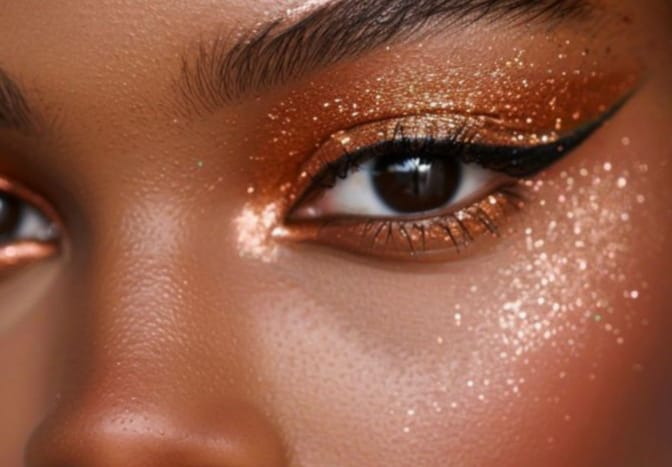
Beauty trends on TikTok rarely receive sustained professional scrutiny. One that has steadily gained traction is the “oil under concealer” hack, the idea that applying a facial oil beneath your concealer creates a smoother, crease-free finish. The question is whether it actually delivers.
The method is straightforward. Instead of prepping the under-eye area with eye cream or primer, you press a small amount of facial oil into the skin and then apply concealer on top. Videos promise fewer visible fine lines and better blending.
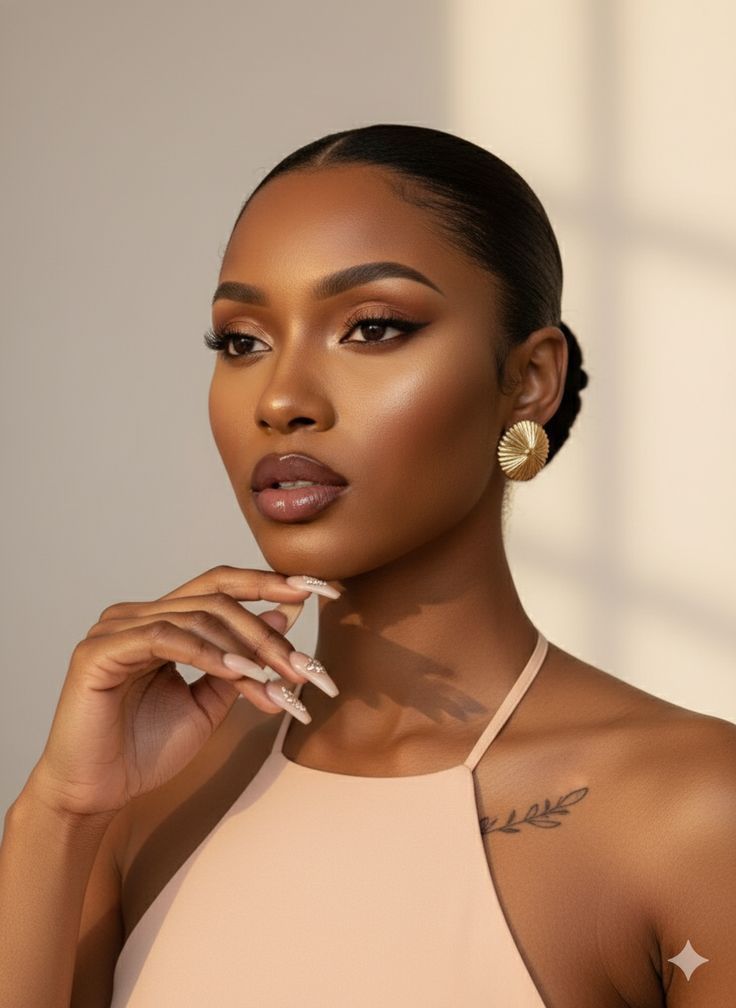
Photo: Pinterest
Publications such as Vogue Arabia and Allure have examined the trend, speaking to makeup artists and dermatologists to separate technique from hype. Experts describe the results as conditional rather than universal. Hydration does improve how concealer sits on the skin. If the under-eye area is dry, product is more likely to catch, crease or look textured. A lightweight oil can soften that surface, allowing concealer to spread more evenly.
Professionals also stress moderation. Too much oil can break down the concealer, causing it to slide or separate, particularly in warm climates. In hot, humid conditions, this matters. Oil changes the way makeup adheres. In small amounts it can add flexibility; in excess it can interfere with longevity.
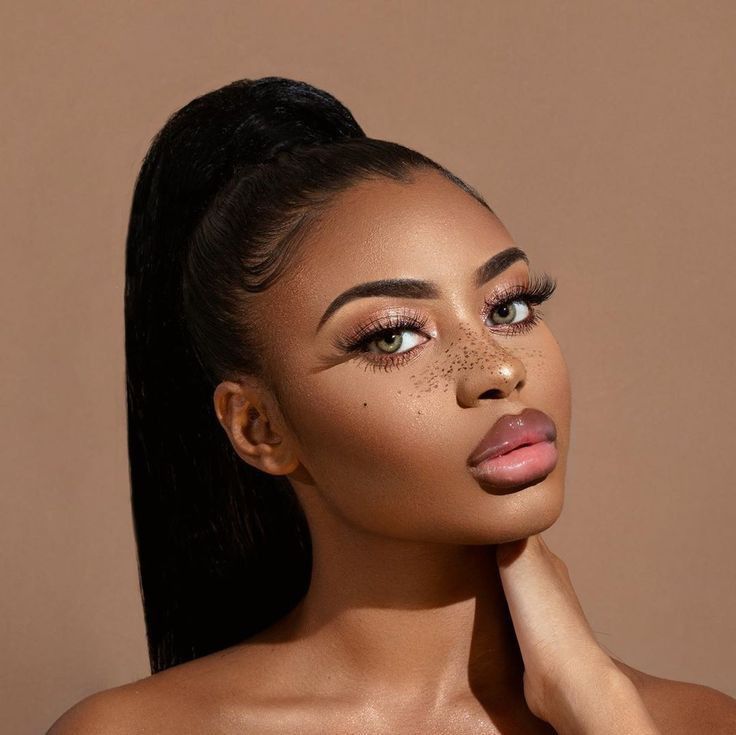
Photo: Pinterest
Skin type remains a deciding factor. Dry or mature skin may benefit from a thin layer of a fast-absorbing oil pressed in before concealer is applied. Oily or combination skin is more likely to experience shifting and excess shine. Formula pairing also plays a role. Creamy, hydrating concealers tend to perform better over oil than matte, high-coverage formulas.
The hack is not revolutionary. It is an alternative to proper skin preparation. A well-formulated eye cream can offer similar slip without the risk of destabilising makeup. The real principle is balance: hydrated skin supports smoother application, but excess emollience compromises wear time.
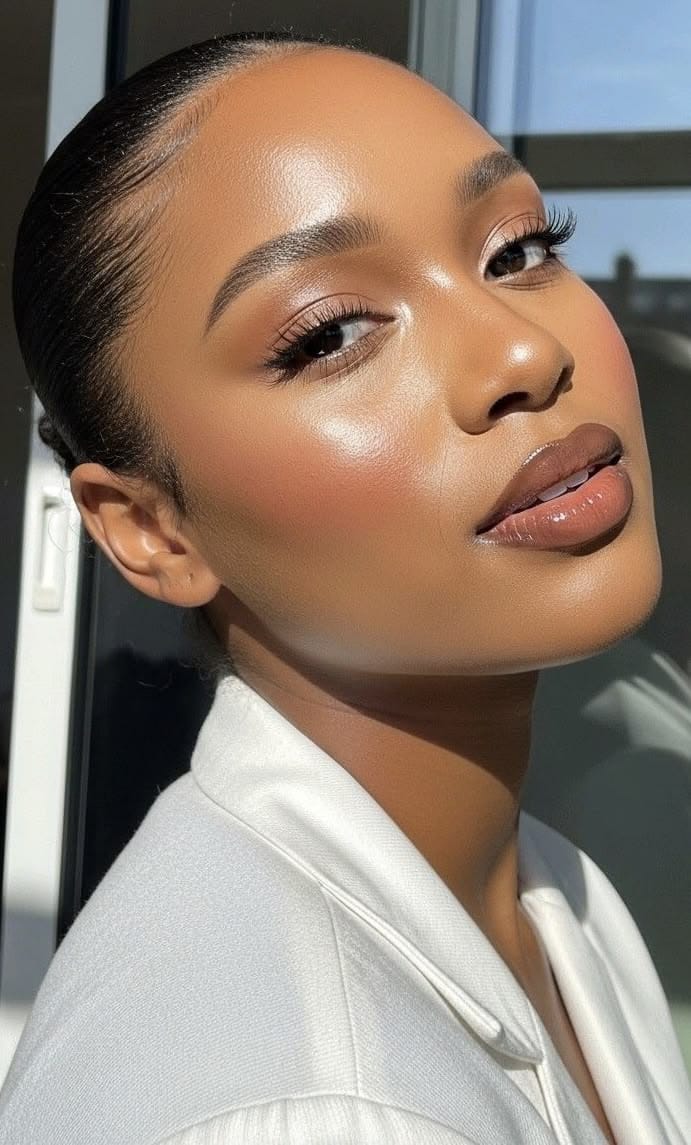
Photo: Pinterest
So does it work? In specific circumstances, yes. It is not a universal fix. The outcome depends on your skin, your climate and the products you use. Like most viral trends, it is less about a shortcut and more about understanding how makeup behaves on your own skin.
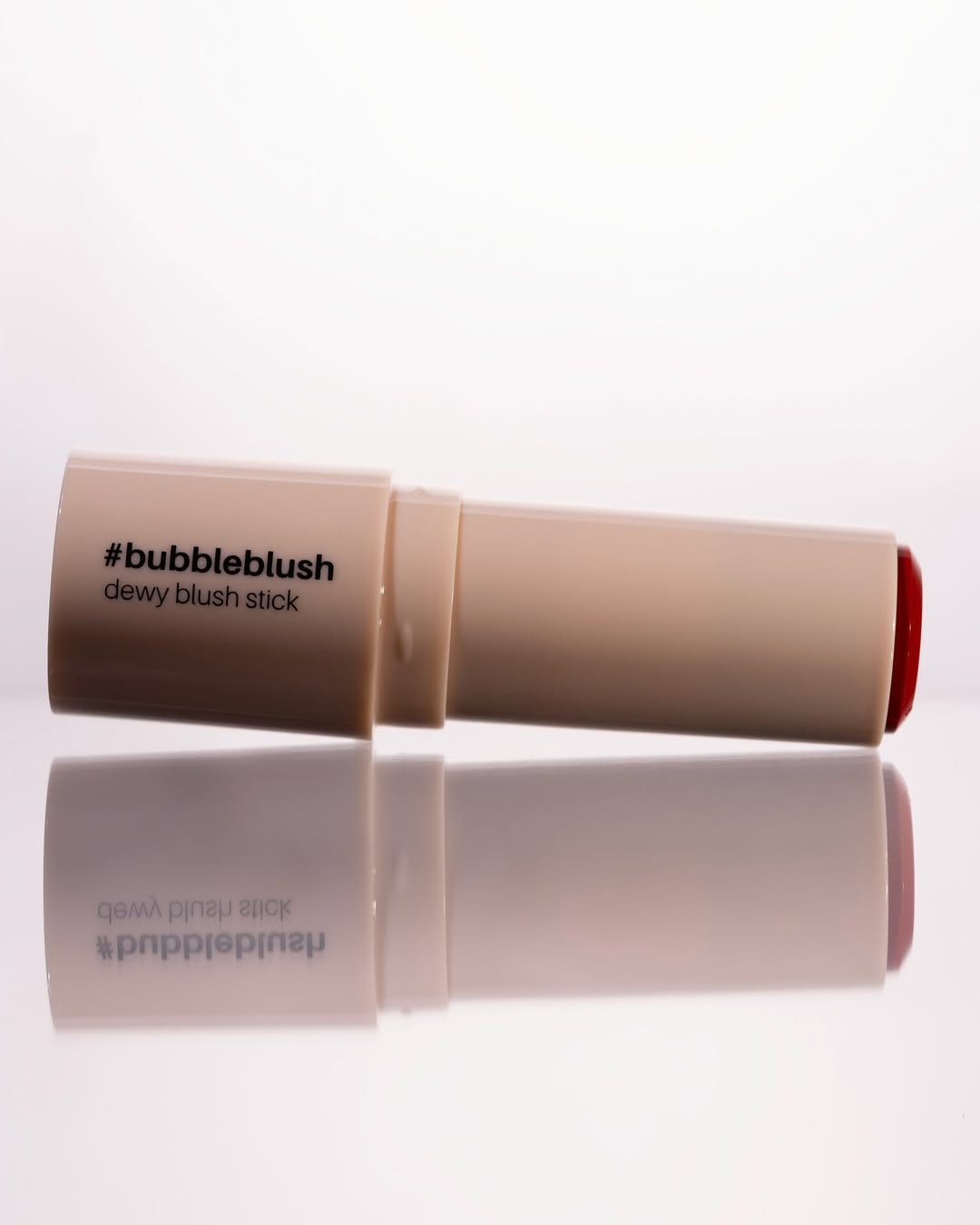
Affordable makeup continues to dominate shelf space in South African pharmacies and beauty aisles, largely because consumers are prioritising value without sacrificing durability and coverage. From foundations suited to warmer weather to everyday mascaras and lip products, several brands offer accessible pricing and consistent formulas. Below are five widely available options that balance cost, shade range and practicality.
Maybelline New York
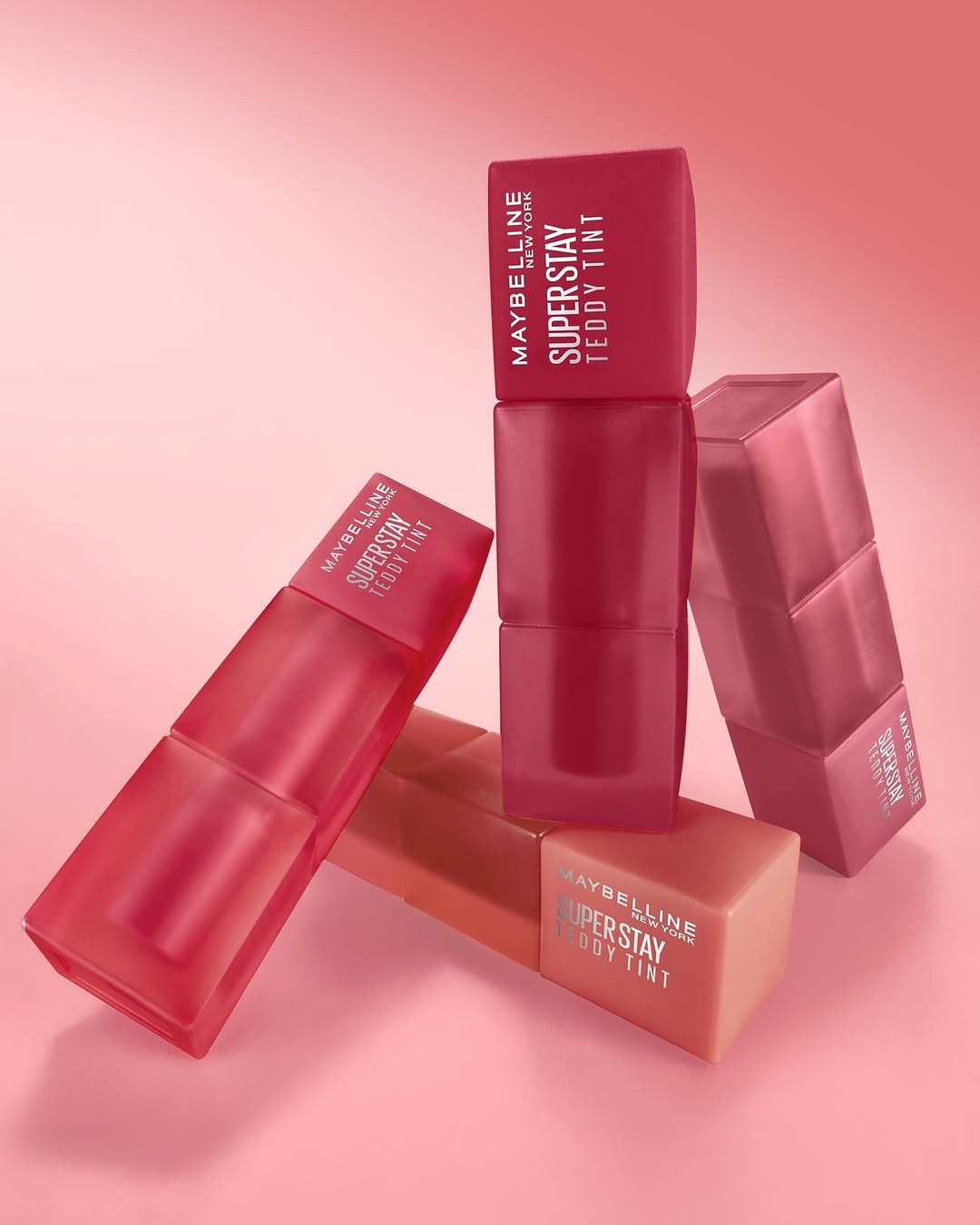
Photo – Instagram
Maybelline New York is widely stocked across major retailers in South Africa, including pharmacies and supermarkets. Its foundation ranges provide buildable coverage with finishes suited to oily and combination skin types, which is relevant in humid or hot conditions. The brand’s mascaras are frequently repurchased due to their ease of application and ability to hold curl through the day. Lip products, from matte lipsticks to glosses, sit at accessible price points, making the range suitable for students and working professionals building an everyday kit.
Rimmel London
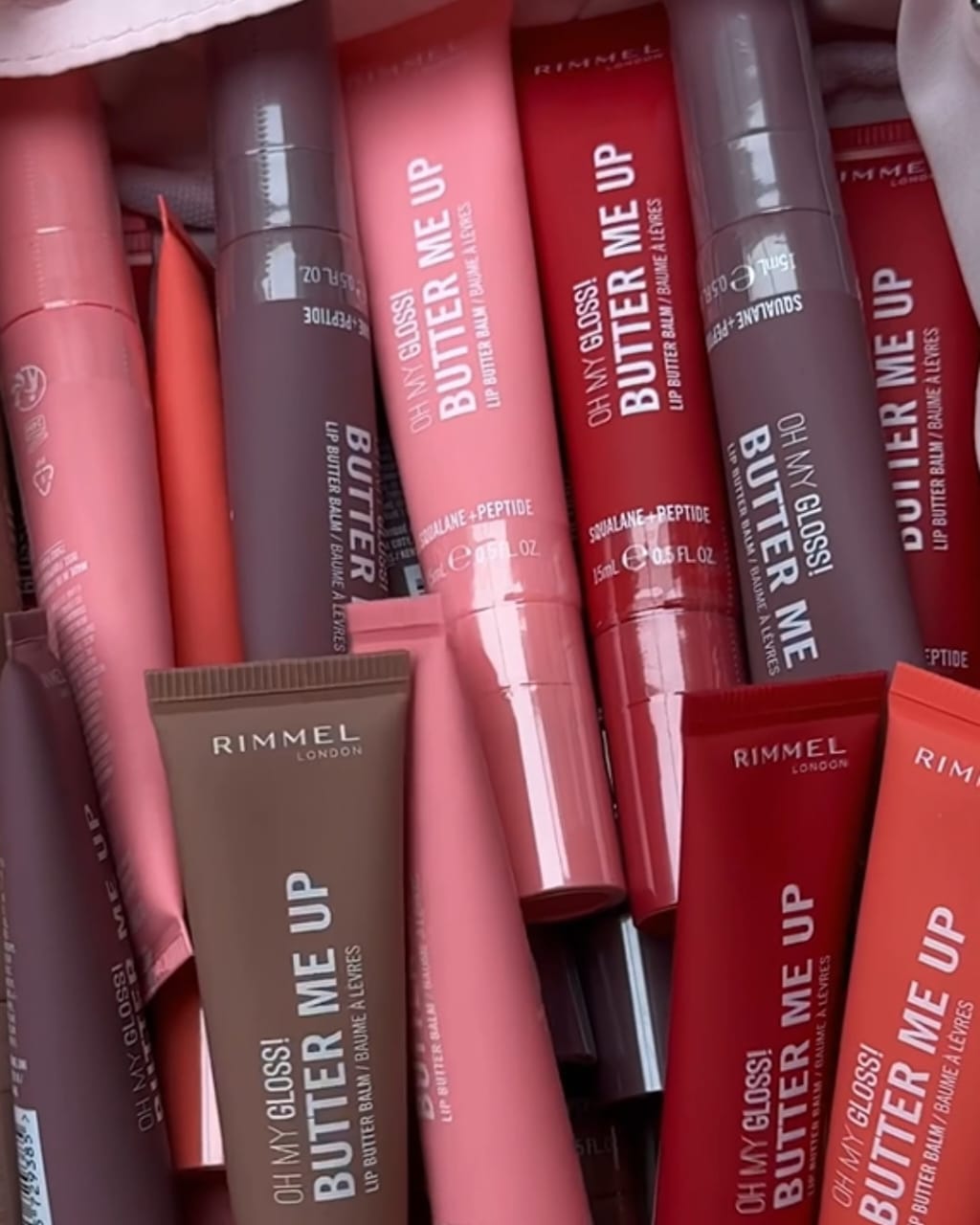
Photo – Instagram
Rimmel London focuses on practical, everyday makeup. Its foundations and pressed powders provide medium to full coverage while remaining comfortable for extended wear. In South Africa’s climate, durability is a priority, and several of the brand’s base products are formulated for longer wear. Rimmel’s lipsticks and liners offer straightforward colour options that suit office settings or daily routines without requiring frequent reapplication.
Wet n Wild
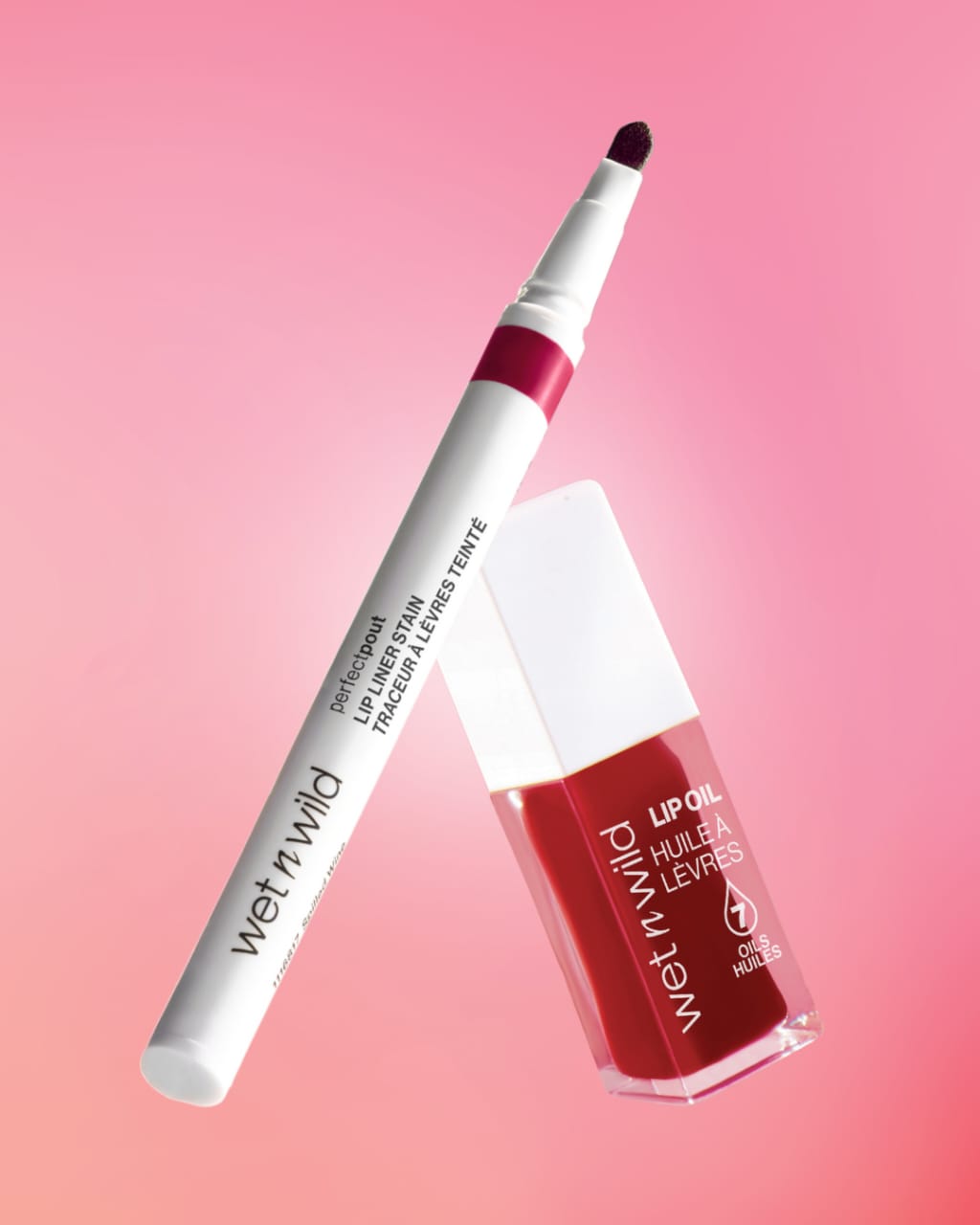
Photo – Instagram
Wet n Wild offers affordable colour cosmetics, including eyeshadow palettes, blushes and highlighters. The brand provides access to trend-led shades without requiring significant spending. Pigmentation across many of its powders is strong for the price category, and products blend effectively with standard brushes. For shoppers adding variety to their makeup collection, Wet n Wild remains a cost-conscious option available in national retail chains.
Essence
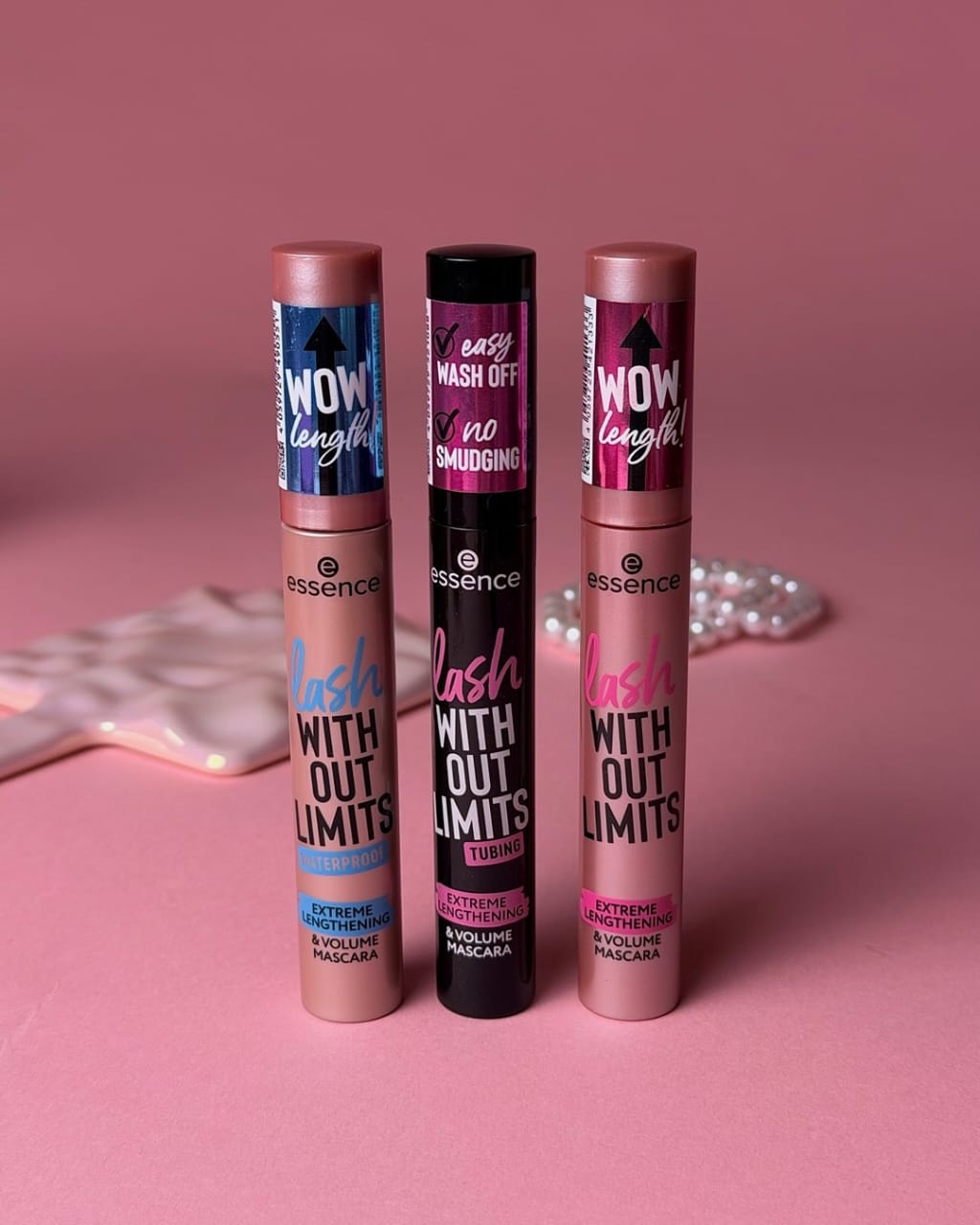
Photo – Instagram
Essence keeps its range focused on core items such as mascaras, eyeliners, brow pencils and compact powders. Pricing sits at the lower end of the drugstore scale, making it accessible to younger consumers and first-time buyers. Despite the price point, several of its eye products deliver consistent results suitable for daily wear. Shade selections lean toward wearable neutrals, making the brand practical for school, campus or workplace routines.
Swiitch Beauty
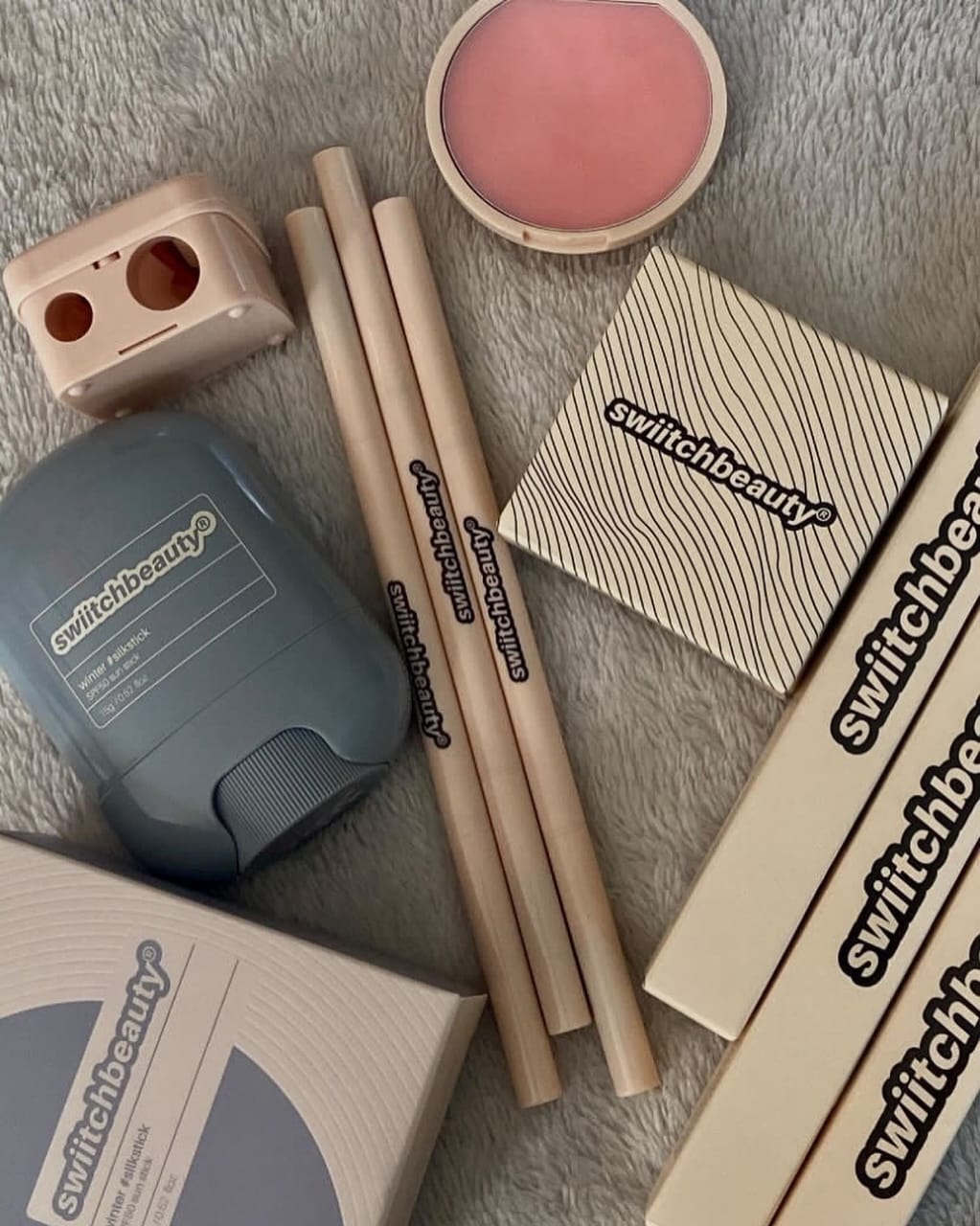
Photo – Instagram
Swiitch Beauty is a South African makeup brand developed with local consumers in mind. Its range includes foundations, concealers and setting powders formulated to suit a broad spectrum of skin tones. The brand has expanded its presence through online platforms and selected retail partnerships, offering competitively priced products aligned with local demand for inclusive shade ranges. For shoppers interested in supporting a domestic label while staying within budget, Swiitch Beauty presents a relevant option.
Together, these brands reflect the direction of South Africa’s accessible beauty market: practical products, inclusive shade offerings and pricing aligned with everyday spending.
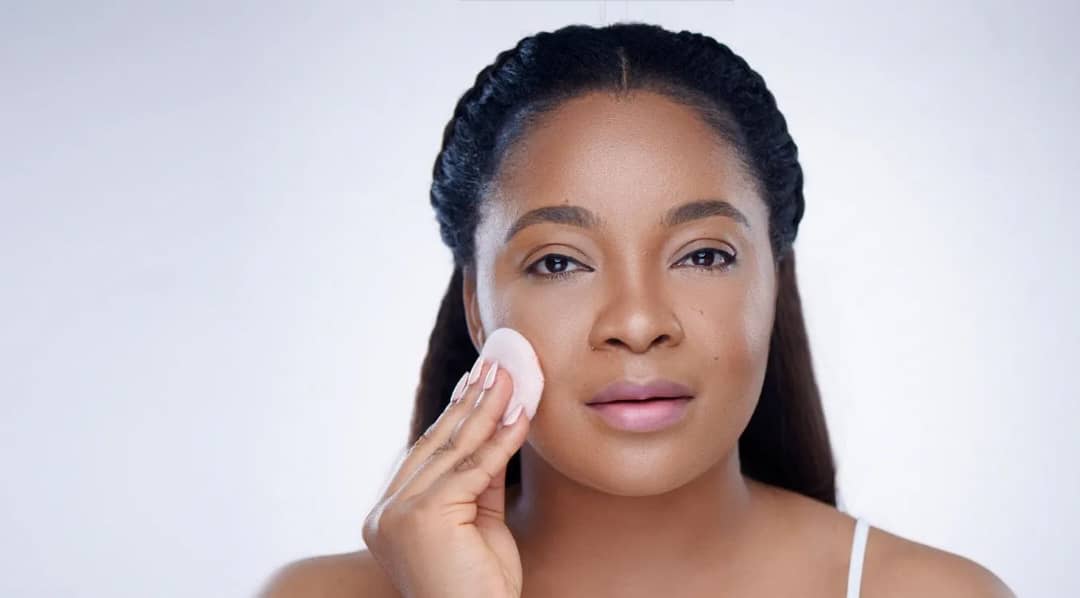
Dry skin isn’t just a seasonal concern. It indicates that your routine isn’t providing sufficient hydration. You might already be cleansing, moisturizing, and using serums, yet still wake up to tight, rough skin. The missing step involves applying hydration immediately after cleansing, before moisturizer, which significantly improves results.
Many people assume dry skin can be resolved by using a richer cream or lotion. While this can help, it does not address the main issue: losing water faster than the skin can retain it. If moisture isn’t retained immediately after cleansing, the skin begins dehydrating again before a moisturizer can be effective. Dermatologists note that adding a hydrating step between cleansing and moisturizing significantly improves skin hydration.
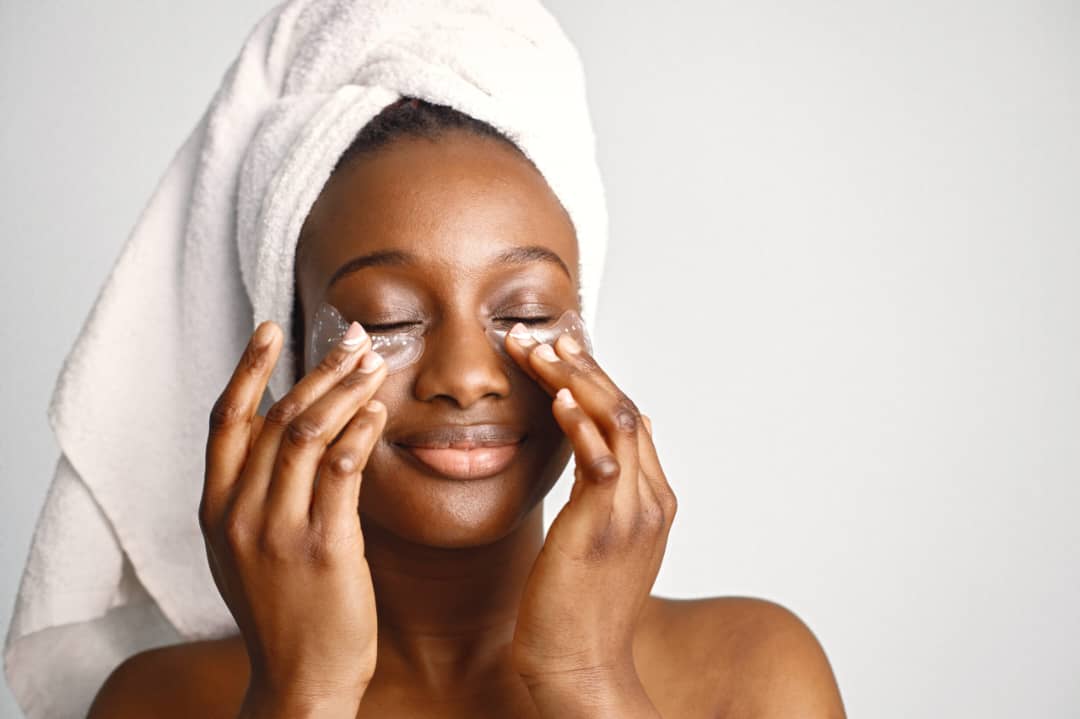
Photo Credit – Google
After cleansing, many routines proceed directly to applying cream or lotion. However, moisturizers lock in hydration but do not add it. To hydrate effectively, the skin needs water first, then a product to seal it in. This is the step most people overlook.
Applying a hydrating serum or essence to slightly damp skin is essential. After cleansing, leave the skin slightly damp and apply a serum containing ingredients such as hyaluronic acid, then follow with a cream or lotion. Hydrating ingredients draw water into the skin, but they require available moisture to be effective. If the skin is completely dry, serums cannot perform their function, and creams remain on the surface rather than absorbing. This two-stage approach provides more effective hydration and reduces dryness.
This step addresses the main causes of dry skin. Dryness is typically due to insufficient water, not only a lack of oil. Thick creams alone do not draw in moisture if the skin is already dry. Dead skin can block absorption, preventing products from working properly. Hot showers, harsh cleansers, or skipping hydrating serums can damage the moisture barrier, worsening dryness.
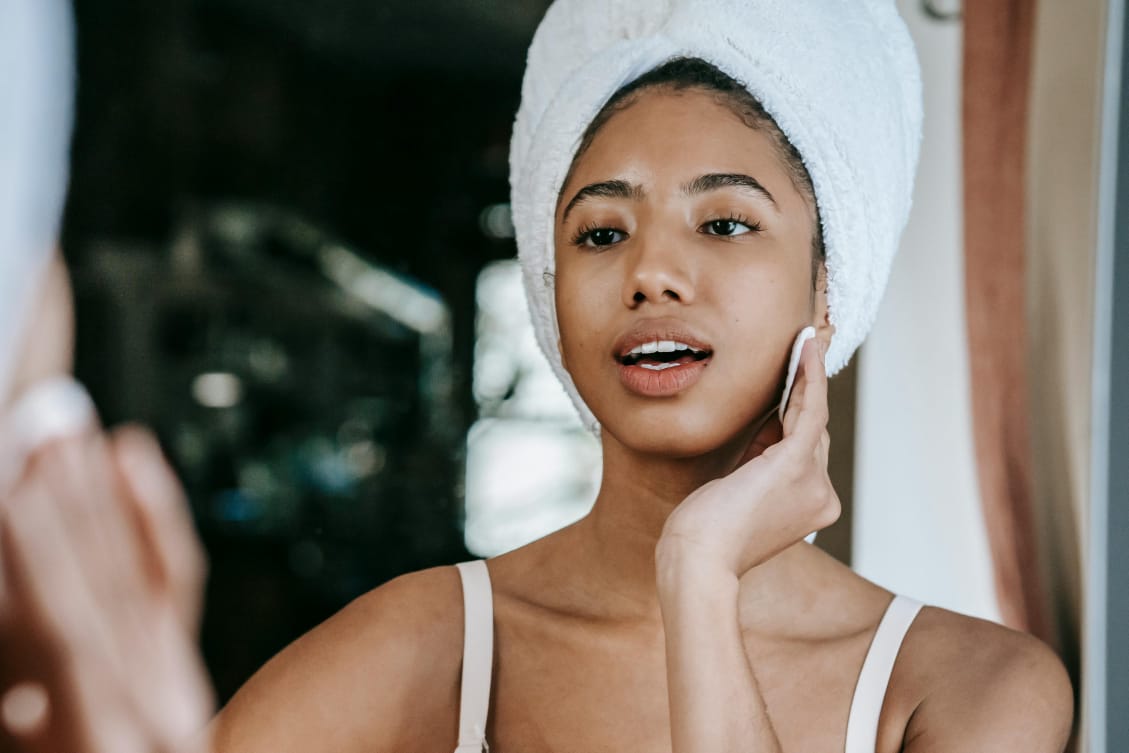
Photo Credit – Google
A complex routine is not necessary. Cleanse gently with a hydrating product, leave the skin slightly damp, apply a serum or essence to draw in moisture, and then seal with a cream or lotion. For very dry skin, adding a facial oil or balm can further increase hydration.
Omitting any of these steps can reduce the effectiveness of hydration. Hot water or harsh soaps strip natural oils and water, applying moisturizer to dry skin does not retain moisture, and skipping serums removes an essential hydration step.
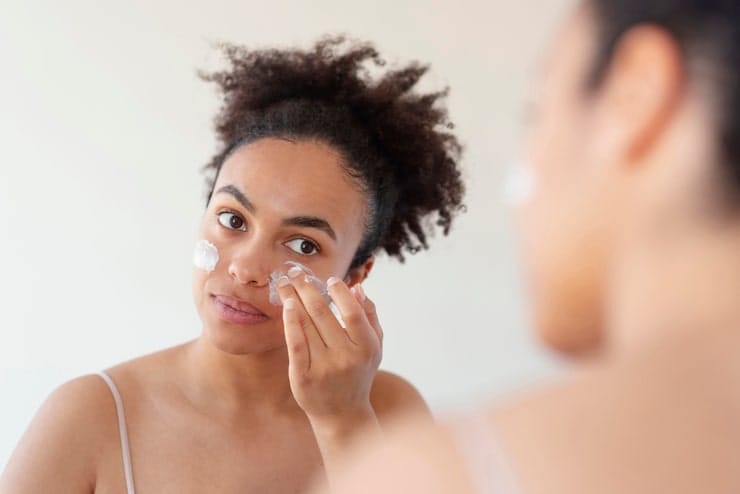
Photo Credit – Google
If dry skin persists despite using cleansers, moisturizers, and rich creams, the issue is likely the order of application. Starting with moisture binding while the skin is still damp is a proven method that improves hydration effectively. Following this approach helps dry skin recover rather than merely masking the symptoms.


South Africa’s Hit Telenovela “Inimba” Returns for Its Highly Anticipated Season 2

Zanele Potelwa is Making a Return as the Host of Tropika Island of Treasure

Tyla Goes Black and Silver at the NAACP Image Awards



-

 Fashion8 months ago
Lee Khuzwayo in a Long Black Dress, Done Right
-

 Fashion8 months ago
Sinqobile Tusani Signature Love Affair with White Outfits
-

 Fashion7 months ago
Sinqobile Tusani Elevates the Mini Skirt with Urban Cool
-

 Fashion4 months ago
Thabee Happy Paints Johannesburg Pink in Chic Style
-

 Fashion6 months ago
Siphosethu Nkosi Lights up the Scene in Yellow
-

 TV2 months ago
Big Brother Mzansi Season 6 Welcomes Ashay Sewlall: From Footballer to Rising Star
-
 Music4 months ago
Tyla just dropped her latest single ‘Chanel’
-

 Fashion8 months ago
Siyanda Bani Dazzles in Bold Polka Dot for Studio Shoot