
Sex & Relashionships
Making Love Work When Your Significant Other Still Lives With Their Parents


Dating someone who still lives with their parents can lead to quick assumptions. Some people see it as a lack of ambition. Others interpret it as immaturity or emotional dependence. In reality, more adults are staying at home longer because housing costs, unstable salaries, student debt and caregiving responsibilities have changed how adulthood is now experienced.
The real issue is whether the relationship functions in a healthy adult way despite the living arrangement.
Living at home does not automatically mean someone lacks direction. In many cases, it is a financially necessary decision. Some people are paying off debt. Others are supporting family members, saving for property, recovering from a career setback or managing rising living costs.
Even when the reasons make sense, the relationship itself can become complicated if clear boundaries do not exist.

Photo: Pinterest
Privacy is usually the first issue couples face. Spending time together may feel restricted, especially when parents are heavily involved in the household routine. Simple things like planning overnight visits, having serious conversations or spending uninterrupted time together often involve coordination with other people in the house.
Over time, that can create frustration if one partner starts feeling like the relationship is unable to progress into a more independent stage.
Independence can also become a concern. A healthy adult relationship depends on decision-making, accountability and emotional maturity. If a partner relies on their parents for everything, from finances to daily responsibilities, tension can develop. The problem is rarely the living arrangement itself. The problem starts when the person avoids growth because the arrangement reduces pressure to become independent.

Photo: Pinterest
Clear communication becomes necessary here. Couples in this situation need direct conversations about expectations. Is the living arrangement temporary or open-ended? Is there a financial goal attached to it? Are they actively working toward financial or personal stability or simply postponing responsibility? Those answers reveal more about the relationship than the living arrangement itself.
Finances often become a major pressure point. If one partner feels burdened while the other appears financially passive, conflict becomes more likely. Couples who openly discuss savings, responsibilities and future plans usually handle these situations better because they share the same expectations.

Photo: Pinterest
Family dynamics can also create additional pressure. Some parents struggle to adjust to their child’s adult relationship, especially when everyone shares the same space. Boundaries may become unclear. Parents may comment on the relationship, influence decisions or unintentionally create tension between the couple.
Adults can also slip back into familiar family behaviours when living under their parents’ roof again. Someone who appears confident outside the home may become defensive, withdrawn or overly dependent around family. Partners who understand this dynamic are often better equipped to separate the person from their family dynamic.
Understanding should not replace accountability.

Photo: Pinterest
A relationship cannot depend only on future promises. If one person carries most of the emotional responsibility while the other avoids difficult conversations about the future, the imbalance usually creates tension over time. Living with parents should not prevent someone from contributing emotionally, planning seriously or showing commitment.
Some couples do benefit from the experience. Financially, living at home can create room to save more money, invest or avoid unnecessary debt. For couples who treat the arrangement as a temporary arrangement rather than a long-term dependency, it can support larger financial goals.
The relationship works best when both people are honest about expectations and future plans.
Living arrangements alone do not determine the quality of a relationship.












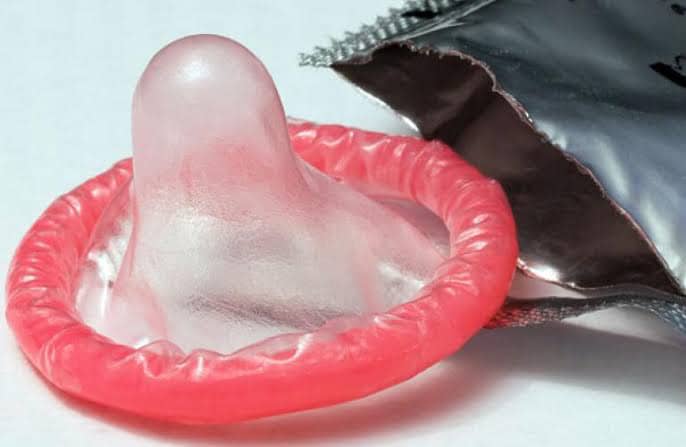
Condoms remain one of the most accessible ways to prevent pregnancy and reduce the risk of sexually transmitted infections (STIs). Yet concerns about condoms breaking, slipping or failing can make people question how much protection they actually provide.
The short answer is that condoms are highly effective when used correctly and consistently. The World Health Organization estimates that male condoms are 98% effective at preventing pregnancy with correct use every time. With typical use, effectiveness is about 87%, largely because condoms are sometimes used incorrectly or not every time sex takes place.
That difference is important. It does not mean that 13% of condoms break or fail. The figure reflects the number of people who experience an unintended pregnancy over a year while relying on condoms as their contraceptive method.
Why Condoms Fail
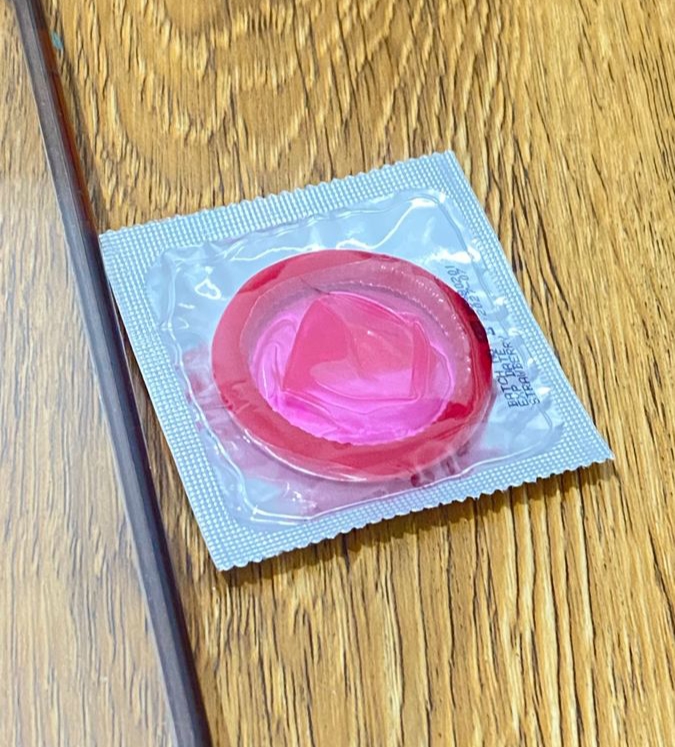
Photo – Stock
Breakage and slipping can happen, but they are not the most common reason condoms fail. Incorrect or inconsistent use is a bigger concern.
Check the expiry date and make sure the packet is intact before opening it. Take care when removing the condom from its packaging, as fingernails, jewellery or teeth can damage it.
Put the condom on before any genital contact. Squeeze the tip to remove air and leave room for semen, then roll it down to the base of the penis. After ejaculation, hold the base while withdrawing to reduce the chance of slipping.
Storage also matters. Condoms should be kept somewhere cool and dry. Prolonged exposure to heat or friction can damage the material.
Lubricant Can Make a Difference
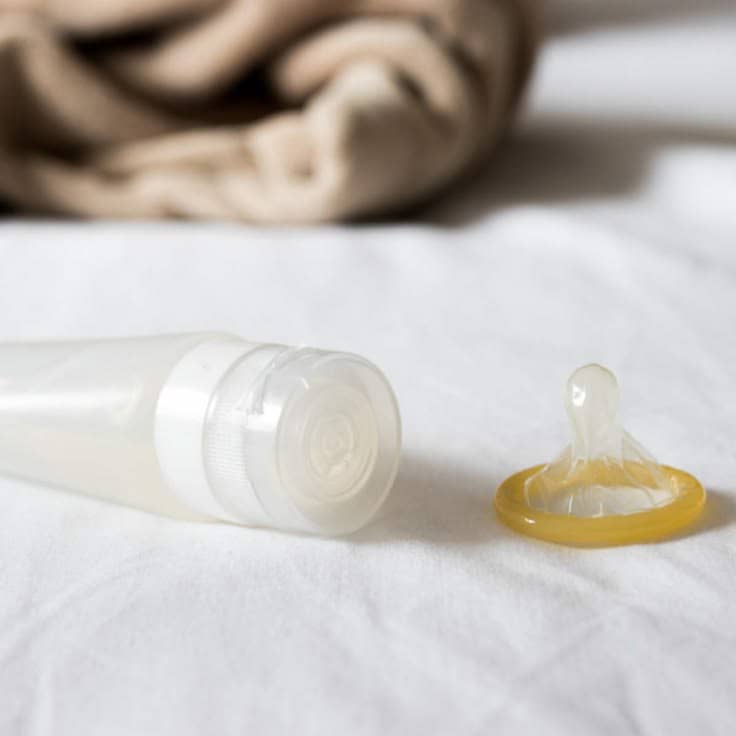
Photo – Stock
The wrong lubricant can weaken latex condoms and increase the risk of breakage. Oil-based products such as petroleum jelly and some body oils and lotions should not be used with latex condoms.
Water-based and silicone-based lubricants are generally suitable for use with latex. Adequate lubrication is particularly important during anal sex, where there may be less natural lubrication and more friction.
Using two condoms at the same time does not provide extra protection. The friction between them can increase the chance of tearing. A new condom should also be used for every act of vaginal, anal or oral sex.
How Much Protection Do Condoms Offer Against STIs?

Photo – Stock
Condoms reduce the risk of many STIs, including HIV, gonorrhoea and chlamydia, when used correctly and consistently. However, they do not cover all genital skin.
Infections such as herpes, HPV and syphilis can sometimes spread through skin-to-skin contact involving areas outside the condom. This means condoms can reduce the risk but cannot eliminate it completely.
Regular STI testing remains important, particularly for people with new or multiple sexual partners or when a partner’s STI status is unknown.
What If a Condom Breaks?

Photo – Stock
If a condom breaks or slips during sex, do not assume there is nothing you can do.
If pregnancy is possible, emergency contraception can be used within five days of unprotected sex, although it is more effective when used sooner. A healthcare professional or clinic can advise on the most appropriate option.
If there may have been exposure to HIV, post-exposure prophylaxis (PEP) should be considered urgently. It needs to be started as soon as possible and no later than 72 hours after exposure. A healthcare professional can assess whether PEP is appropriate.
The Bottom Line

Photo – Stock
Condoms are not perfect, but they remain a dependable way to reduce the risk of unintended pregnancy and many STIs. Their effectiveness depends heavily on using them correctly and every time.
Check the expiry date, use a suitable lubricant, put the condom on before genital contact, avoid using two condoms together and never reuse one. When used properly, condoms remain an important part of safer sex.


Relationship language keeps changing as people find new ways to describe how couples deal with love and commitment. One of the newer terms is tolyamory, which describes a situation that can look similar to polyamory but works differently.
Tolyamory Means Tolerating a Partner’s Outside Relationships

Photo: Getty Images
Tolyamory combines the words “tolerate” and “polyamory.” This is a term used in which a partner knows that his lover is cheating but tolerates it.
It does not mean the person approves the arrangement. They just continue in the relationship for reasons known to them.
It Differs From Polyamory

Photo:Getty Images
Tolyamory is not non-monogamy or polyamory. In polyamorous relationships, the people involved openly discuss their relationship desires. They agree to having multiple romantic relationships.
Tolyamory, on the other hand, is silence and unwillingness to confront a cheating partner. This difference in these concepts are consent and communication.
Read Also: Small Lies That Slowly Destroy Trust in Relationships
Dan Savage Coined the Term

Photo: Getty Images
Sex and relationship columnist and podcaster Dan Savage is credited with coming up with the term. He introduced it on his Savage Lovecast podcast in 2024 while discussing people who tolerate their partners having sexual encounters outside their relationships.
There is a debate about if tolyamory is a genuine relationship or just a new name for accepted cheating.
People Stay for Different Reasons

Photo: Getty Images
Someone might tolerate a partner’s infidelity because they want to protect their family or for financial security. There is also the social and cultural angle to accepting cheating without complaints.
For some couples, staying together despite an affair is easier than dealing with the consequences of separation. However, tolerating something does not mean the other person is comfortable with it.
Lack of Communication Can Create Problems

Photo: Getty Images
One of the concerns around tolyamory is the absence of clear communication. If one partner is unhappy but stays silent, emotional distress grows.
While there is no perfect way to measure healthy relationships, boundaries should be respected.
If one person wants monogamy while the other wants multiple partners, an honest conversation should take place.
Tolyamory is a situation in which one partner tolerates behaviour they don’t want. Understanding the term can help people distinguish between consensual non-monogamy, cheating and simply staying silent about a problem.

Sex may end with an orgasm, but research suggests that it offers more. There is evidence that shows that cuddling helps your relationship. Talking, holding hands or kissing can help tighten the bond. Here are some findings that show the benefits from staying close to your partner after sex.
Sexual Satisfaction
A 2014 study published in Archives of Sexual Behavior examined 335 people in romantic relationships. It found that spending time showing affection after sex was associated with greater sexual satisfaction. That higher sexual satisfaction was, the greater relationship satisfaction.
The researchers then followed 101 established couples through daily reports and a three-month follow-up. They found that couples who experienced longer and more satisfying periods of affection after sex also reported higher sexual and relationship satisfaction later.
Emotional Intimacy

Photo: Istock
Cuddling after intercourse allows time for lovers to remain close. That closeness creates a sense of emotional connection when couples hold each other.
Research involving 1,493 Americans found a connection between cuddling and emotional intimacy. 70% of respondents reported cuddling during their most recent sexual event, and cuddling was the only one of the behaviours studied that was associated with emotional intimacy.
Read Also: 6 Ways to Improve Your Sex Life
Affection May Help Couples Feel Better After Sex
Cuddling is an affectionate behaviour that researchers have linked to positive emotions. A 2017 study examined how affection benefits people from sexual activity.
The researchers found that affection helped explain the relationship between sex and positive emotions. In a study involving 106 couples with children, affection explains the link between sexual activity and increased positive feelings. They also found that the strength of this daily connection allows both partners’ enjoy their relationship.
It Shows That Sex is Above the Physical Act

Photo: Istock
Couples can benefit from the affectionate moments surrounding sex. Kissing and caressing can give partners another opportunity to bond together.
A separate study of midlife couples found that frequent kissing and caressing were associated with sexual satisfaction and relationship happiness. The study also found that a partner’s behaviour mattered when predicting an individual’s satisfaction.
Gives Couples Time to Connect
The minutes immediately after sex can be useful for simple forms of connection. A couple may talk about their day, laugh together and lie quietly in each other’s arms.
That does not mean every couple should follow the same routine. The research shows a relationship between post-sex affection and relationship. Although it does not state that only cuddling promotes a better relationship.
Overall, science suggests that what couples do after sex can matter. Cuddling may help extend feelings of closeness, support sexual satisfaction and keep a relationship strong.


Siyanda Bani Steps Out in Head-to-Toe Neutrals for Fenty Event

How to Use Honey to Soothe Dry, Chapped Lips

Tamar Braxton Set to Headline Ndlala Grandeur Season 1




-

 Food3 months ago
Traditional South African Foods Every Visitor Should Try
-

 Netflix3 months ago
‘The Polygamist’: South Africans Weigh In on Netflix’s New Series
-

 Lifestyle3 months ago
Four South African Beaches Earn Spots on Global Best Beaches List
-

 Movies3 months ago
Tyla Joins the Cast of “Toy Story 5”
-

 Lifestyle3 months ago
The Ultimate Father’s Day Gift Guide for Every Type of Dad
-

 Netflix3 months ago
6 Netflix Shows and Films You Definitely Need to Watch this Week
-

 Celebrity Bios3 months ago
How Gugu Gumede Became One of South Africa’s Most Recognisable TV Stars
-

 Music3 months ago
Tyla Drops ‘Is It Love’ Ahead of Upcoming Projects