
Wellness
This 20-Minute Power Yoga Workout Builds Serious Strength


This 20 minute power yoga workout focuses on full-body strength using continuous movement and body-weight poses. It combines flowing sequences with controlled holds to increase muscular strength and improve balance. The routine creates effective strength training in a short time.
Pose Flow and Controlled Movement

Source: Women’s Health
Power yoga is continuous pose flow keeping muscles active through motion. Instead of long pauses, poses connect smoothly, keeping muscles engaged. This workout style increases muscular coordination. The steady pace will improve control and body awareness, making each transition part of the strength work.
Core Engagement and Stability Skills
Source : Freepik
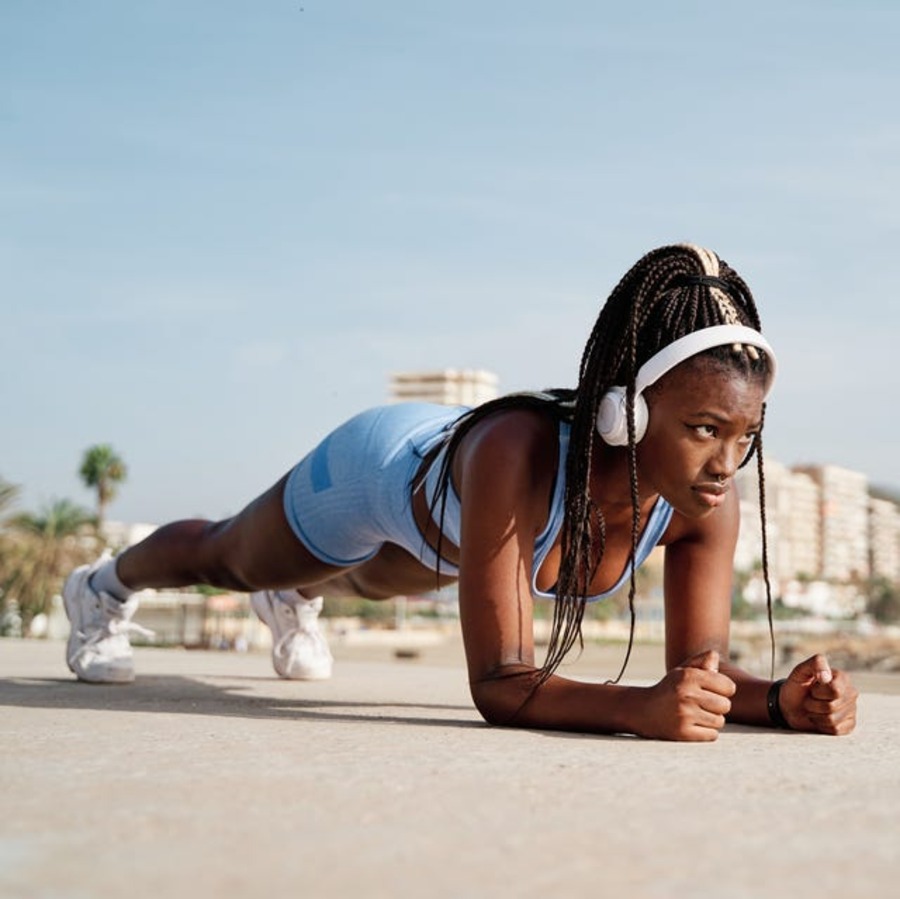
Core strength is key to power yoga practice. Many poses engage the abdomen and lower back to stay active and maintain balance. Movements like planks, controlled twists, and standing balances support posture. Rather than isolating one area, power yoga helps stabilize the body. This supports safer movement on everyday activities.
Upper Body Strength Through Weight Bearing Poses
Source: Women’s health
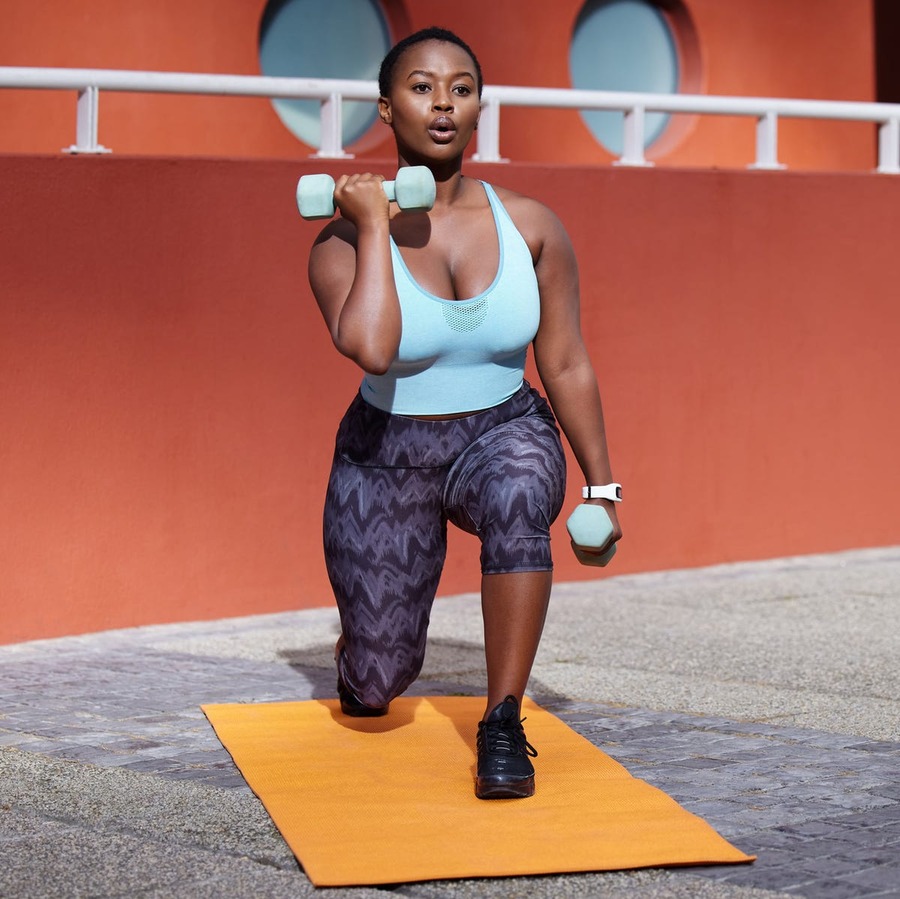
Power yoga develops upper body strength by placing body weight through the arms and shoulders. These poses involve pushing into the floor, making the arms, chest, and upper back stronger. Repeated transitions between these poses build endurance and control.
Read Also:How I-Y-T Workouts Can Prevent Injuries and Boost Performance
Lower Body Strength and Balance Control
Source: Getty images
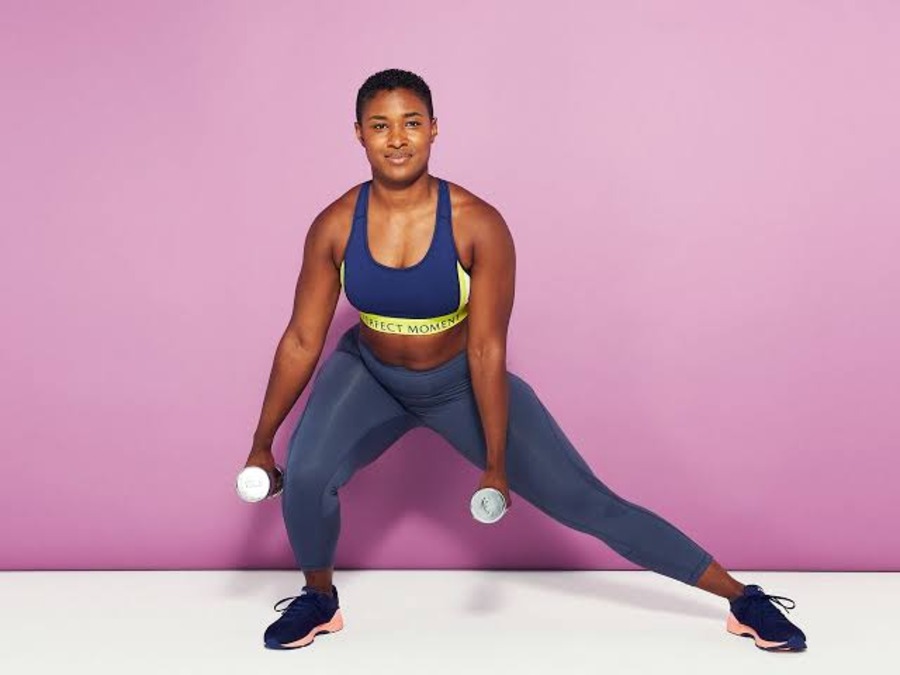
Standing poses during workouts build lower body strength. Lunges, squats, and single-leg poses engage the thighs, hips, and glutes. Holding these poses strengthens muscles, while flowing between them improves body coordination.
Breath Control and Mental Focus Skills

Breath awareness remains during a power yoga workout. Controlled breathing keeps the body steady during challenging poses. Staying focused on the breath also improves concentration and prevents rushing. This connection between breath and motion supports both physical strength and mental health. With regular practice, this workout improves stability and mobility.




A poor night’s sleep can affect your concentration, mood and energy the following day. Stress, screen time, caffeine and an inconsistent sleep routine can all contribute to disrupted sleep, but your diet may also influence how well you rest.
No single food can guarantee better sleep. However, research suggests that certain nutrients and dietary patterns may support the body’s normal sleep processes. Foods providing nutrients such as magnesium, tryptophan and omega-3 fatty acids can form part of a balanced diet that supports healthy sleep.
Kiwi
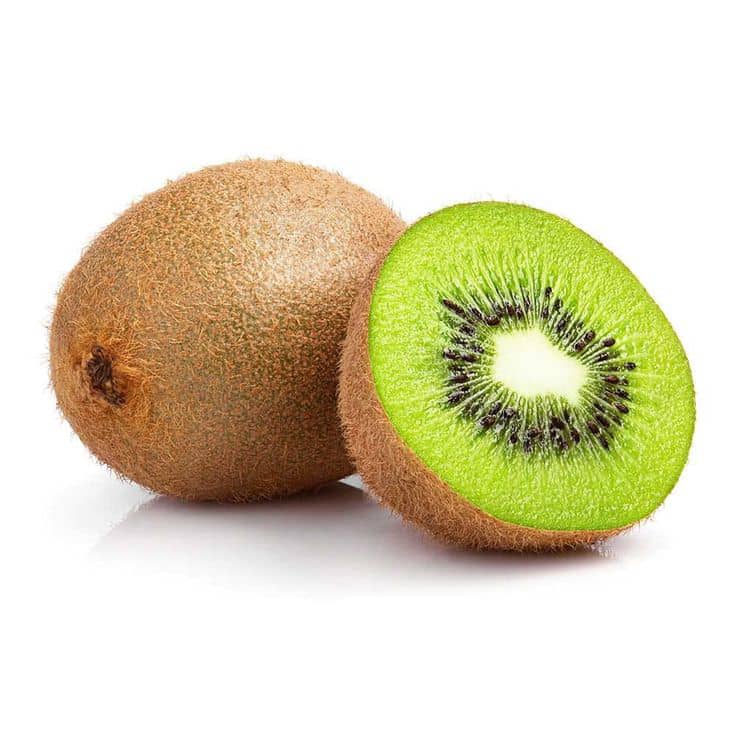
Photo – Pinterest
Small studies suggest that kiwifruit may improve some measures of sleep. It provides folate and vitamin C, while limited research has linked regular kiwifruit consumption with longer sleep and better perceived sleep quality.
The evidence is still limited, so kiwifruit should be viewed as part of a balanced diet rather than a treatment for sleep problems.
Tart cherries
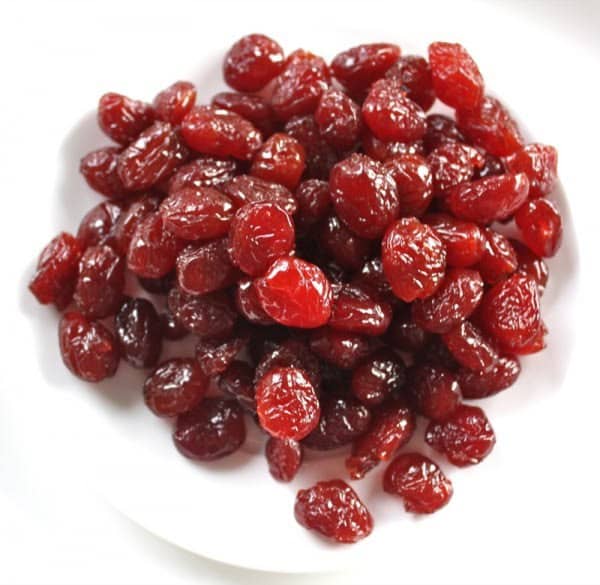
Photo – Pinterest
Tart cherries, particularly Montmorency cherries, contain naturally occurring melatonin, a hormone involved in regulating the sleep-wake cycle. Some small clinical studies have reported improvements in sleep duration or quality after consuming tart cherry products, but more research is needed.
If you choose tart cherry juice, an unsweetened option can help limit added sugar.
Almonds and other nuts
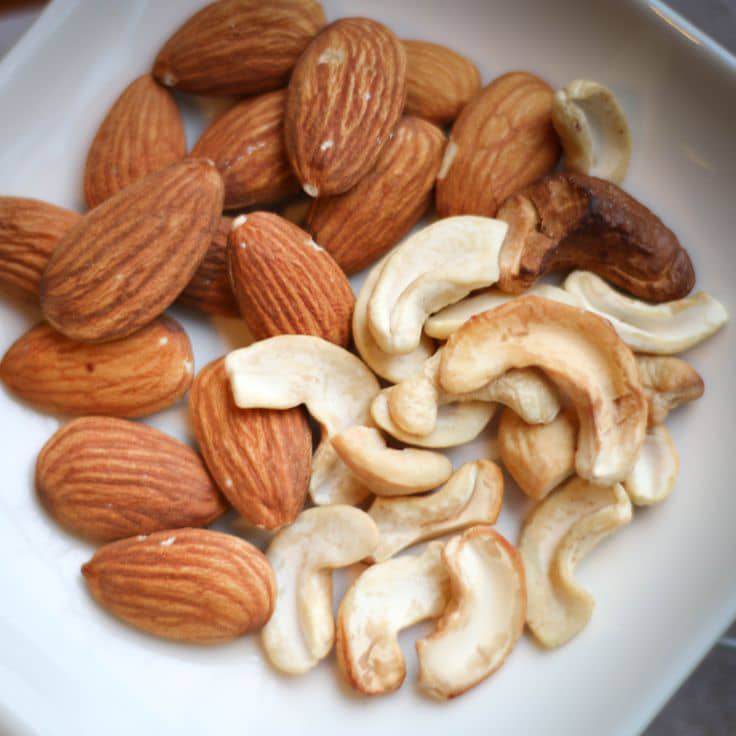
Photo – Pinterest
Almonds are a source of magnesium, a mineral involved in normal muscle and nerve function. Magnesium is also being studied for its potential role in sleep, although research on magnesium supplementation and sleep remains mixed.
Walnuts and pistachios can also contribute useful nutrients, including healthy fats and protein. A moderate serving is enough, particularly if you are eating them close to bedtime.
Oats
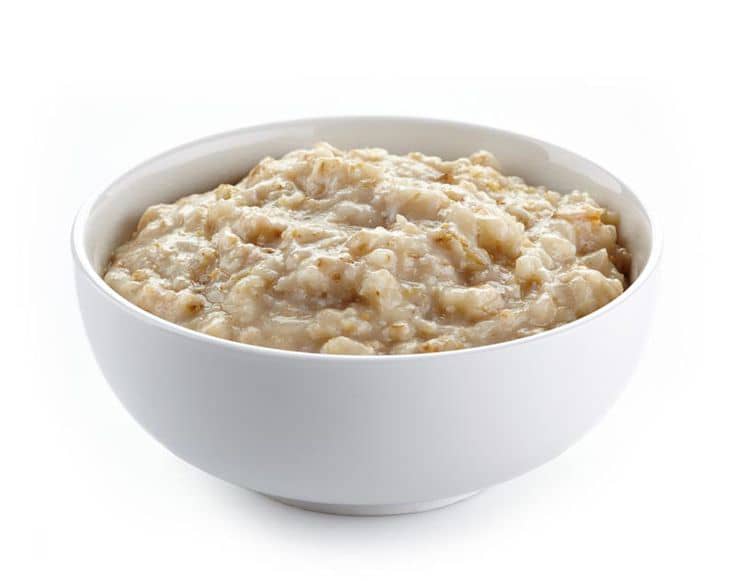
Photo – Pinterest
Oats provide carbohydrates, fibre and tryptophan. Tryptophan is an amino acid involved in the production of compounds such as serotonin and melatonin.
A small bowl of porridge can be an option earlier in the evening, especially when paired with fruit, yoghurt or nuts. If hunger is likely to disrupt your sleep, a small, balanced snack may be more appropriate than a large meal.
Eggs
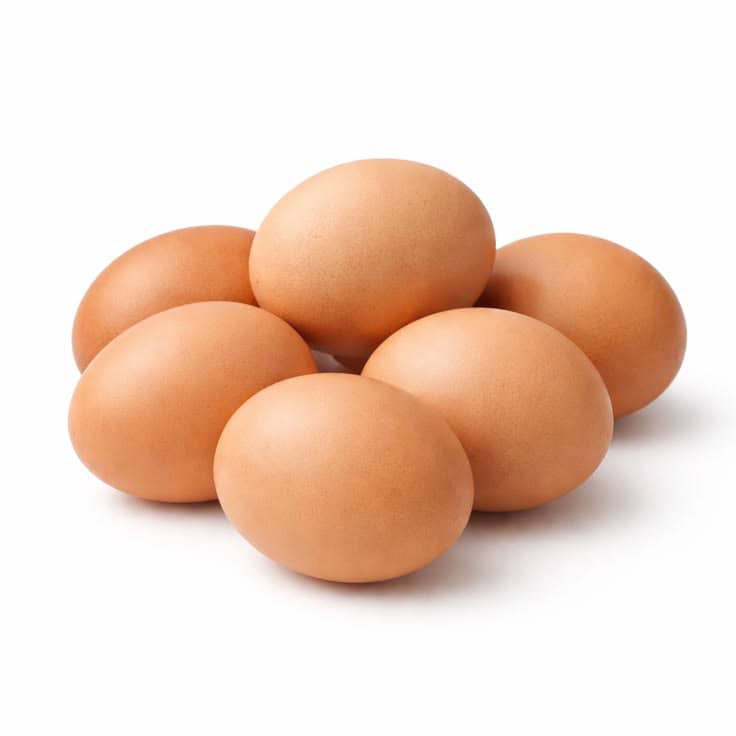
Photo – Pinterest
Eggs provide protein and tryptophan, making them a source of nutrients involved in normal bodily functions. They can also be included in an evening meal without requiring a particularly heavy dish.
Bananas

Photo – Pinterest
Bananas contain potassium, magnesium, vitamin B6 and tryptophan. Vitamin B6 is involved in normal metabolism, while magnesium and potassium support normal muscle and nerve function.
A banana can be a convenient light snack if hunger tends to interfere with your bedtime routine.
Oily fish
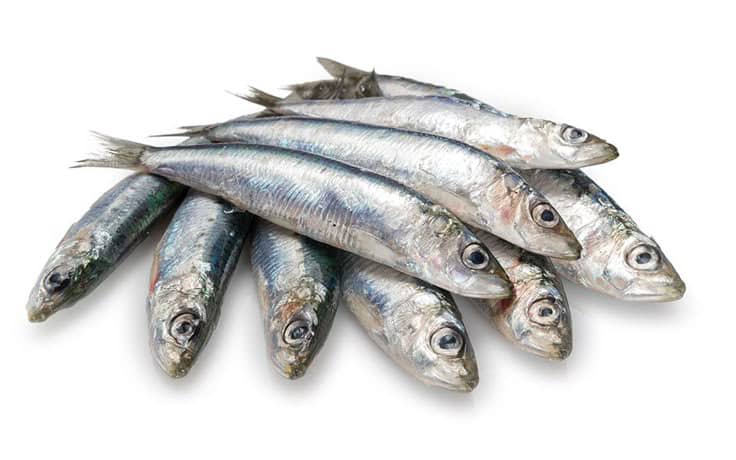
Photo – Pinterest
Salmon, sardines and other oily fish provide omega-3 fatty acids and vitamin D. Both nutrients have been studied in relation to sleep, although research has not established that eating oily fish produces an immediate improvement in sleep.
The evidence supports including oily fish as part of an overall healthy diet, rather than treating it as a specific bedtime remedy.
Yoghurt and milk
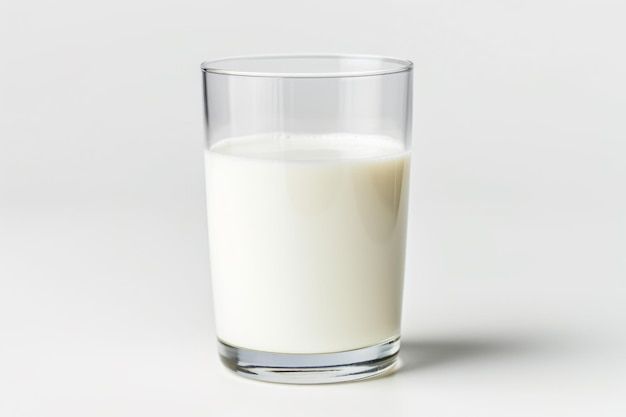
Photo – Pinterest
Dairy foods provide protein, calcium and tryptophan. They can be included as part of a balanced diet, although there is not enough evidence to suggest that milk or yoghurt alone will significantly improve sleep.
Plain yoghurt can provide protein and tryptophan without requiring a large evening meal.
Pumpkin seeds
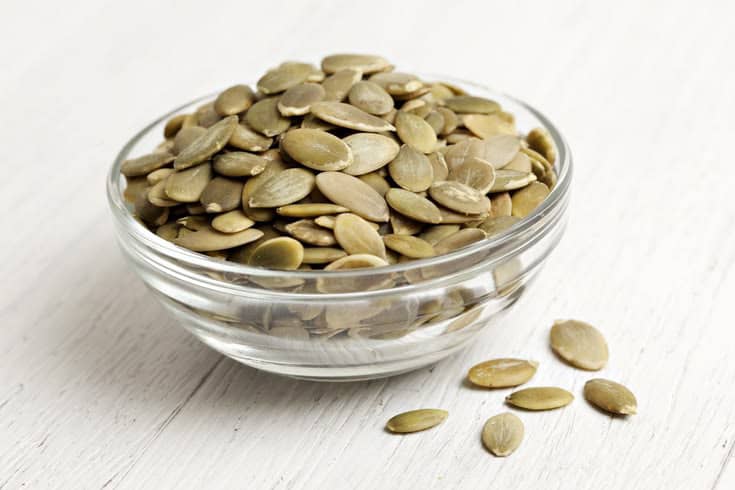
Photo – Pinterest
Pumpkin seeds are a source of magnesium, zinc and tryptophan. They can be added to meals such as porridge or yoghurt, or eaten in a moderate portion as a snack.
Eating these foods regularly is different from expecting a single snack to significantly change your sleep. Overall dietary habits are more important than relying on one ingredient.
Your overall routine still matters
Photo – Pinterest
Changing your diet is unlikely to compensate for habits that consistently interfere with sleep. Caffeine later in the day, alcohol, very heavy meals and large amounts of sugary food can make it harder to get a good night’s rest.
Meal timing can also matter. A large meal close to bedtime may cause digestive discomfort or worsen reflux for some people. If you need something to eat in the evening, a lighter option may be more comfortable.
Ultimately, foods such as fruit, whole grains, nuts, seeds, dairy, eggs and oily fish can contribute nutrients associated with healthy sleep. They work best as part of a balanced diet and a consistent sleep routine, not as quick fixes for persistent sleep problems.
If poor sleep continues regularly despite changes to your routine, it is worth speaking to a healthcare professional to identify the underlying cause.

If you notice that your appetite increases in the days before your period, you are not imagining it. Food cravings and increased appetite can occur during the luteal phase, the part of the menstrual cycle between ovulation and the start of your next period. They are also recognised symptoms of premenstrual syndrome (PMS).
Your body may need more energy

Photo: Pinterest
Research suggests that energy intake can increase during the luteal phase. Hormonal fluctuations during this part of the cycle may affect appetite, hunger and feelings of fullness.
That does not mean everyone needs to eat significantly more before their period. However, feeling hungrier than usual during this phase is not unusual.
Why the cravings can feel specific

Photo: Pinterest
It is not only the amount of food that can change. Many people notice stronger cravings for sweet or carbohydrate-rich foods before their period.
Mood and the brain’s reward system may contribute. Fatigue, irritability, anxiety and low mood can also occur with PMS, potentially making highly palatable foods more appealing.
Researchers use the term hedonic hunger to describe the desire to eat for pleasure or reward rather than because of physical hunger. A 2025 study of 150 women found an association between PMS, greater hedonic hunger, food cravings and higher energy intake. The findings show a relationship, however, rather than proving that PMS directly causes these changes.
There is still more to learn

Photo: Pinterest
Scientists are continuing to investigate how the menstrual cycle affects appetite. Insulin sensitivity and appetite-regulating hormones such as ghrelin and leptin have all been studied as possible contributors.
One small study suggested that brain insulin sensitivity may vary across the menstrual cycle, but larger studies are needed before this can be used to explain premenstrual cravings.
So, if you find yourself reaching for chocolate or wanting a larger meal before your period, there may be several factors involved: hormonal changes, energy requirements, mood and the way your brain responds to rewarding foods.
How to handle the extra hunger

Photo: Pinterest
Rather than trying to ignore your appetite, pay attention to when it changes. Balanced meals containing protein, fibre-rich carbohydrates and healthy fats can help keep you satisfied, while having a planned snack available can prevent you from becoming excessively hungry.
You do not need to completely avoid foods you enjoy. A craving does not automatically mean that your body is deficient in a particular nutrient, either.
Tracking your appetite alongside your menstrual cycle for a few months can help you identify your own pattern. You may find that the increased hunger appears at roughly the same point each month.
An increase in appetite before your period can be a normal part of the menstrual cycle. But if you regularly experience episodes of binge eating, feel unable to control your eating or find these changes significantly distressing, speak to a healthcare professional instead of assuming they are simply PMS.

Fasted training has become a popular fitness trend, especially among women who exercise first thing in the morning. It involves working out after an overnight fast, usually before breakfast. During this time, insulin levels are lower and the body relies more on stored fat for energy during lower-intensity exercise.
Some fitness enthusiasts say this helps the body burn more fat. While research supports that claim during the workout itself, experts say it does not automatically lead to greater fat loss over time. Lasting results still depend on factors such as diet, training quality, recovery and consistency.
Potential Benefits for Women
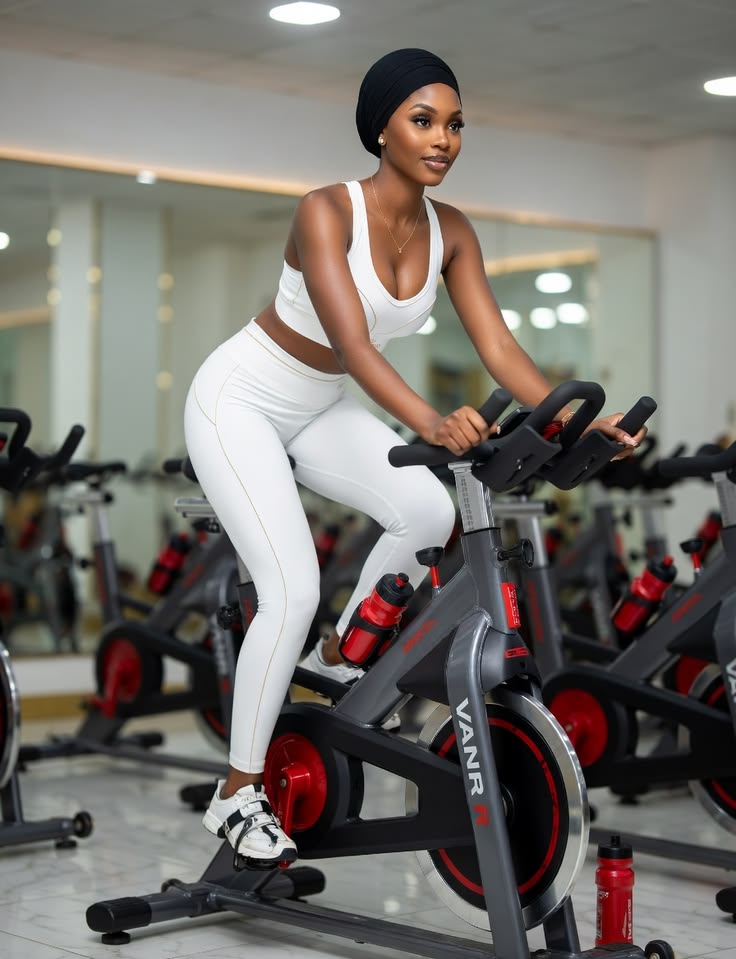
Photo: Pinterest
Research shows that fasted exercise increases fat oxidation, meaning the body uses a higher percentage of fat as fuel during lower- to moderate-intensity activities such as brisk walking, cycling or an easy run. For women with busy schedules, exercising before breakfast can also make it easier to maintain a regular fitness routine without having to plan meals around workouts.
Some studies suggest fasted exercise may help the body respond more effectively to insulin, which plays an important role in regulating blood sugar, although researchers say more studies are needed before firm conclusions can be drawn. Some women also find it more comfortable to exercise on an empty stomach, especially if eating beforehand causes bloating or a heavy feeling.
The Risks to Consider

Photo: Pinterest
High-intensity workouts depend heavily on carbohydrates for energy. Without enough fuel, some women may tire more quickly, struggle to maintain performance or lift less weight.
Recovery can also be slower if protein and carbohydrates are not consumed after demanding workouts. In addition, some women experience dizziness, headaches, nausea or low energy when exercising without eating, particularly during longer sessions or if they are dehydrated.
Women’s hormonal responses to fasting may also differ from men’s. Some experts believe combining frequent fasting with intense exercise may place extra stress on the body, although more research involving women is still needed.
Does It Help With Weight Loss?
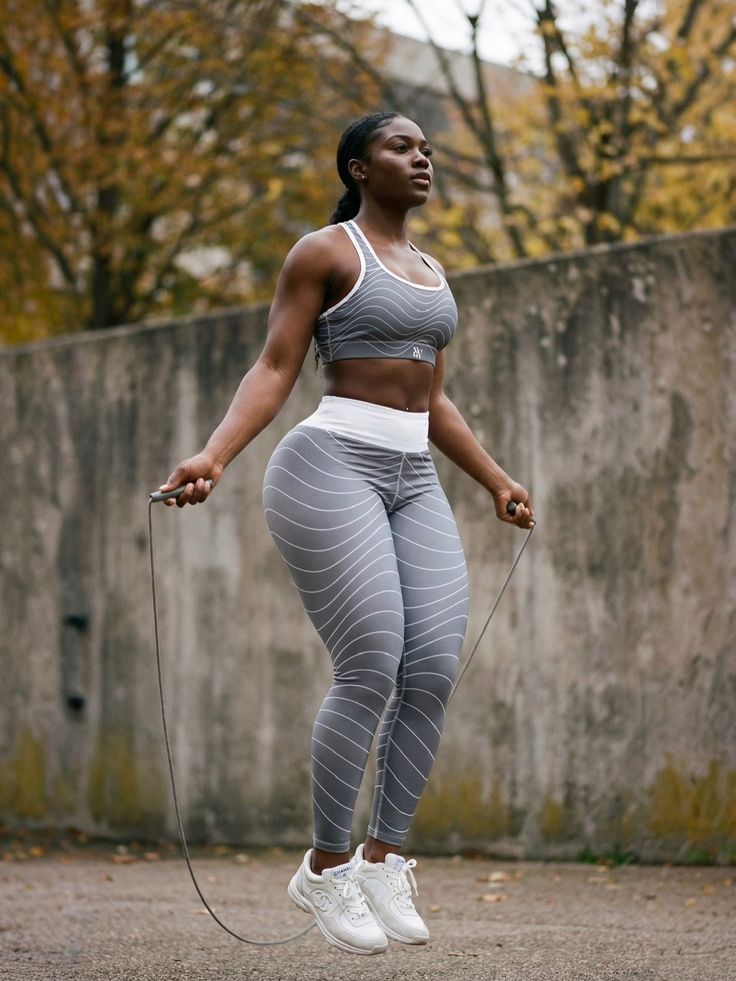
Photo: Pinterest
A common belief is that burning more fat during exercise leads to faster weight loss. Current evidence does not support that conclusion.
Studies comparing fasted and fed exercise generally find little difference in body fat loss when calorie intake and training are similar. Fasted training changes how the body uses energy during exercise, but it is not a shortcut to losing weight.
Should You Try It?
Fasted training may suit women who enjoy low- to moderate-intensity morning workouts and feel comfortable exercising before breakfast. It may be less suitable for heavy strength training, high-intensity interval workouts or endurance sessions, where eating beforehand can help maintain performance.
If you want to try fasted training, start with shorter sessions, stay hydrated and pay attention to how your body responds. Feeling persistently dizzy, weak or unwell is a sign to stop and reassess your routine.
After your workout, eat a balanced meal containing protein and carbohydrates to support recovery and restore energy levels.

Photo: Pinterest
Fasted training can increase fat burning during exercise, but current evidence does not show that it leads to greater weight loss than exercising after eating. Whether it is the right choice depends on your fitness goals, the type of exercise you do and how your body responds.
Rather than focusing on when you eat, experts agree that a balanced diet, consistent training and proper recovery remain the biggest drivers of long-term fitness and weight management.


Fitness Clubs Around Cape Town for High-Intensity Workouts

Khanyi Dhlomo’s Journey From News Anchor to Media Entrepreneur

Faith Nketsi Stuns in Wide-Leg Palazzo Trousers




-

 Food3 months ago
Traditional South African Foods Every Visitor Should Try
-

 Netflix3 months ago
‘The Polygamist’: South Africans Weigh In on Netflix’s New Series
-

 Netflix3 months ago
6 Netflix Shows and Films You Definitely Need to Watch this Week
-

 Lifestyle3 months ago
The Ultimate Father’s Day Gift Guide for Every Type of Dad
-

 Celebrity Bios3 months ago
How Gugu Gumede Became One of South Africa’s Most Recognisable TV Stars
-

 Music3 months ago
Tyla Drops ‘Is It Love’ Ahead of Upcoming Projects
-
 Wellness3 months ago
How to Build Muscle with the Right Meal Plan
-

 Miss South Africa3 months ago
Miss South Africa 2026 Reveals Its Semifinal Judging Panel