
Wellness
This New Year, Set Boundaries and Master the Art of Saying No for Better Well-Being


As the new year begins, many of us plan to eat healthier, work harder, or socialise more. One change often overlooked is learning to set clear personal boundaries. Boundaries are not walls; they are practical guidelines that protect your time, energy, and well-being.
Boundaries define how much of yourself you make available to others. Without them, it’s easy to overcommit, feel drained, or become frustrated. Psychologists emphasise that establishing limits is a straightforward way to manage stress and maintain control over your schedule. Accepting tasks or invitations beyond your capacity often leaves you exhausted and resentful, while saying no frees time for priorities that matter.

Photo Credit – Google
Saying no is not selfish. It allows you to invest energy in meaningful work, relationships, and personal goals. For instance, declining a last-minute social invitation gives you space to rest or focus on a project you value. Setting work boundaries, like not answering emails after a certain hour, ensures that professional demands do not encroach on personal time. These actions do not require long explanations; clear, consistent communication is enough.

Photo Credit – Google
Many people fear that saying no will harm relationships or make them appear unhelpful. In reality, clear boundaries strengthen relationships by creating mutual respect and preventing misunderstandings. A colleague or friend who knows your limits can plan around them, and over time, your consistent boundaries foster trust. You do not need to feel guilty for prioritising your well-being. Prioritisation is not rejection; it is responsible self-management.
Boundaries are flexible and evolve with your life. Start small. Identify one area where your limits are often tested and practise saying no this week. For example, you might tell a friend, “I won’t be able to join this week, but we can meet next week,” or let a colleague know, “I’m unavailable for calls after 6 p.m.” Clear statements like these communicate your limits respectfully and effectively.

Photo Credit – Google
The benefits of respecting your boundaries are tangible. You will notice more focused attention on important tasks, deeper and healthier relationships, and less stress from overextending yourself. By consciously choosing how you spend your time, you can create a balanced and fulfilling year.
This year, focus on protecting your energy and making deliberate choices. Saying no is not about avoiding responsibility; it is about directing your attention and effort where it counts most. By honouring your boundaries, you gain the clarity and space to say yes to opportunities that truly enhance your life.













Fasted training has become a popular fitness trend, especially among women who exercise first thing in the morning. It involves working out after an overnight fast, usually before breakfast. During this time, insulin levels are lower and the body relies more on stored fat for energy during lower-intensity exercise.
Some fitness enthusiasts say this helps the body burn more fat. While research supports that claim during the workout itself, experts say it does not automatically lead to greater fat loss over time. Lasting results still depend on factors such as diet, training quality, recovery and consistency.
Potential Benefits for Women
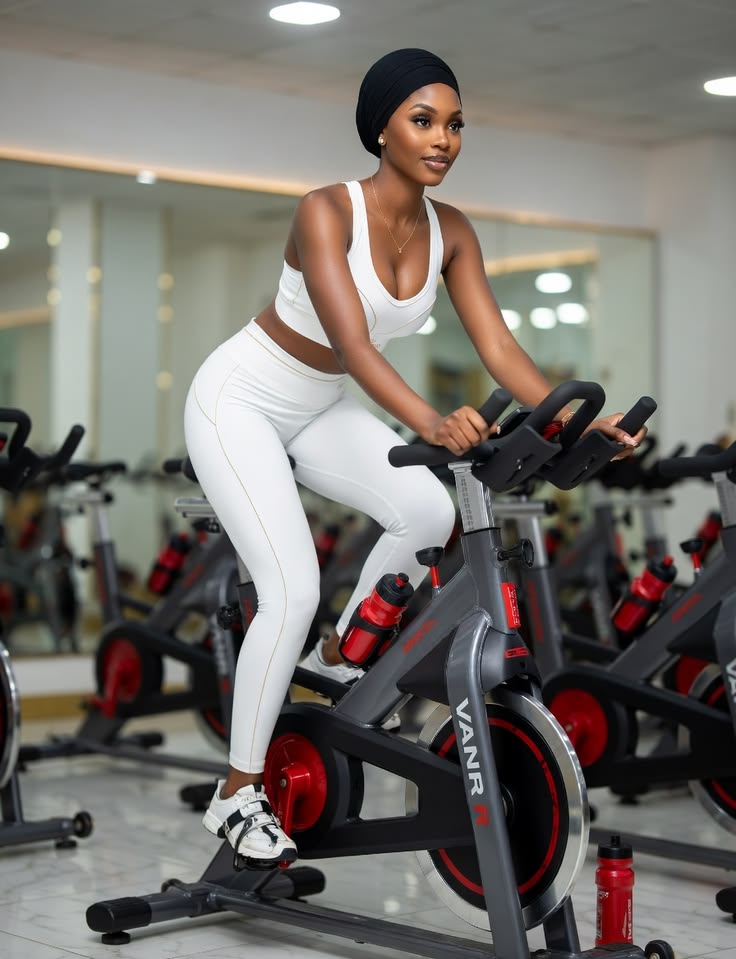
Photo: Pinterest
Research shows that fasted exercise increases fat oxidation, meaning the body uses a higher percentage of fat as fuel during lower- to moderate-intensity activities such as brisk walking, cycling or an easy run. For women with busy schedules, exercising before breakfast can also make it easier to maintain a regular fitness routine without having to plan meals around workouts.
Some studies suggest fasted exercise may help the body respond more effectively to insulin, which plays an important role in regulating blood sugar, although researchers say more studies are needed before firm conclusions can be drawn. Some women also find it more comfortable to exercise on an empty stomach, especially if eating beforehand causes bloating or a heavy feeling.
The Risks to Consider

Photo: Pinterest
High-intensity workouts depend heavily on carbohydrates for energy. Without enough fuel, some women may tire more quickly, struggle to maintain performance or lift less weight.
Recovery can also be slower if protein and carbohydrates are not consumed after demanding workouts. In addition, some women experience dizziness, headaches, nausea or low energy when exercising without eating, particularly during longer sessions or if they are dehydrated.
Women’s hormonal responses to fasting may also differ from men’s. Some experts believe combining frequent fasting with intense exercise may place extra stress on the body, although more research involving women is still needed.
Does It Help With Weight Loss?

Photo: Pinterest
A common belief is that burning more fat during exercise leads to faster weight loss. Current evidence does not support that conclusion.
Studies comparing fasted and fed exercise generally find little difference in body fat loss when calorie intake and training are similar. Fasted training changes how the body uses energy during exercise, but it is not a shortcut to losing weight.
Should You Try It?
Fasted training may suit women who enjoy low- to moderate-intensity morning workouts and feel comfortable exercising before breakfast. It may be less suitable for heavy strength training, high-intensity interval workouts or endurance sessions, where eating beforehand can help maintain performance.
If you want to try fasted training, start with shorter sessions, stay hydrated and pay attention to how your body responds. Feeling persistently dizzy, weak or unwell is a sign to stop and reassess your routine.
After your workout, eat a balanced meal containing protein and carbohydrates to support recovery and restore energy levels.

Photo: Pinterest
Fasted training can increase fat burning during exercise, but current evidence does not show that it leads to greater weight loss than exercising after eating. Whether it is the right choice depends on your fitness goals, the type of exercise you do and how your body responds.
Rather than focusing on when you eat, experts agree that a balanced diet, consistent training and proper recovery remain the biggest drivers of long-term fitness and weight management.


While workouts are good, combining it with the right nutrition is better. Nutrition helps muscle growth, recovery and performance. A well planned meal is needed to support muscle development. Research shows combining resistance training with proper nutrition helps increase muscle mass.
Take Enough Protein

Photo: Getty Images
Protein supports muscle growth because it contains amino acids. To gain muscle, take about 2 grams of protein per kilogram daily.
High quality protein include:
- Chicken breast
- Turkey
- Fish
- Eggs
- Milk
- Soya products
- Beans
Eat Calories
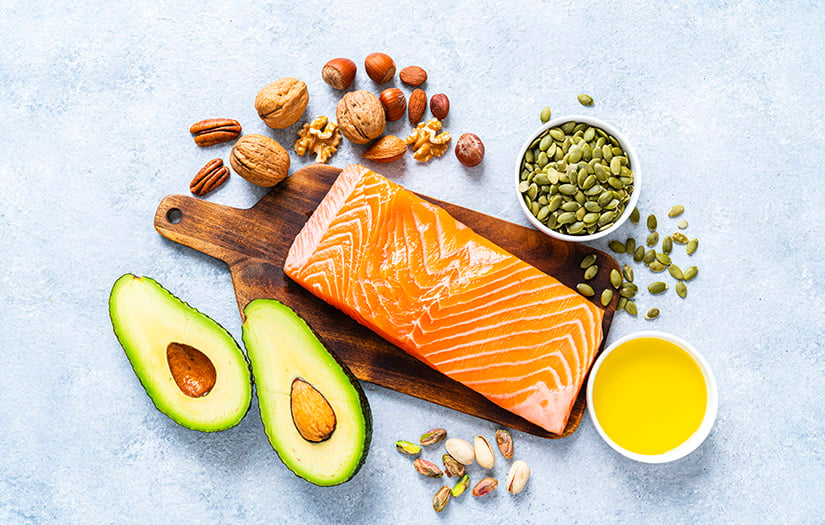
Photo: Getty images
Asides protein, another nutrient you should have are calories. Without them, the body struggles to build new muscle tissue. Consider your body size when taking calories. However, be careful because calories affect body mass. Always check your body weight to determine if it is enough. Take dense foods over junk for good health.
Carbohydrates
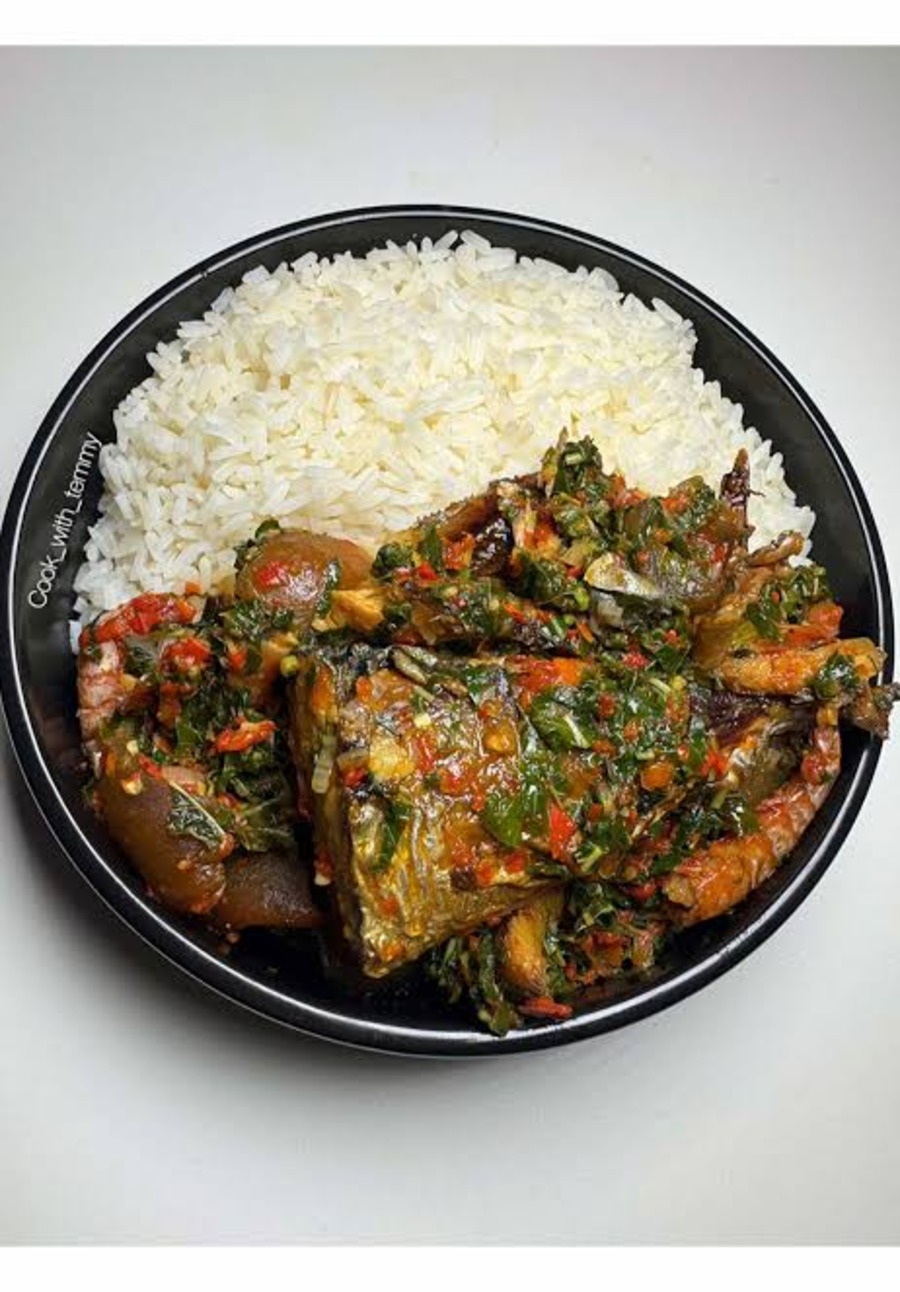
Photo: Getty Images
Carbohydrates provide the energy everyone needs. When glycogen in muscles deplete, they restore it. This makes them ideal for workout performance.
Good carbohydrates to consider are:
- Brown rice
- Oats
- Sweet potatoes
- Whole grain bread
- Whole grain pasta
- Fruits
Read Also: Simple Habits That Naturally Boost Your Mind and Body
Healthy Fats
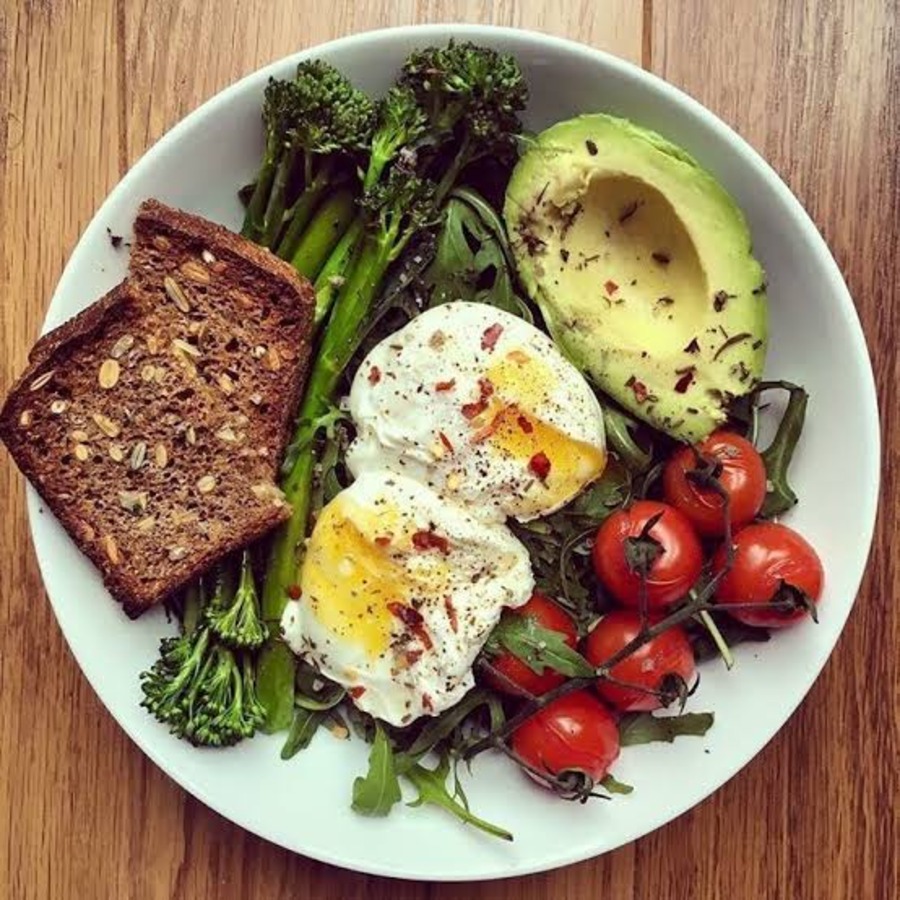
Photo: Getty Images
There are good and bad fats, if you want a strong muscle, take good fats. These fats support hormone production, and promote muscle development. With them, you can absorb nutrients easily into the body.
Healthy fat sources you should try are:
- Avocados
- Nuts
- Seeds
- Olive oil
- Salmon
- Natural nut butters
You need about 25 percent of daily calories from healthy fats.
Water
Photo: Getty Images
While meals are ideal, you can not achieve optimal performance with a dehydrated body. Water should be your best friend if muscle building is what you seek. You can take two litres of water daily for Best results.
A meal plan will help your fitness goals. With good nutrition, your body performance will improve. By keeping yourself hydrated and eating a balanced diet, your wellness goals will be achieved.
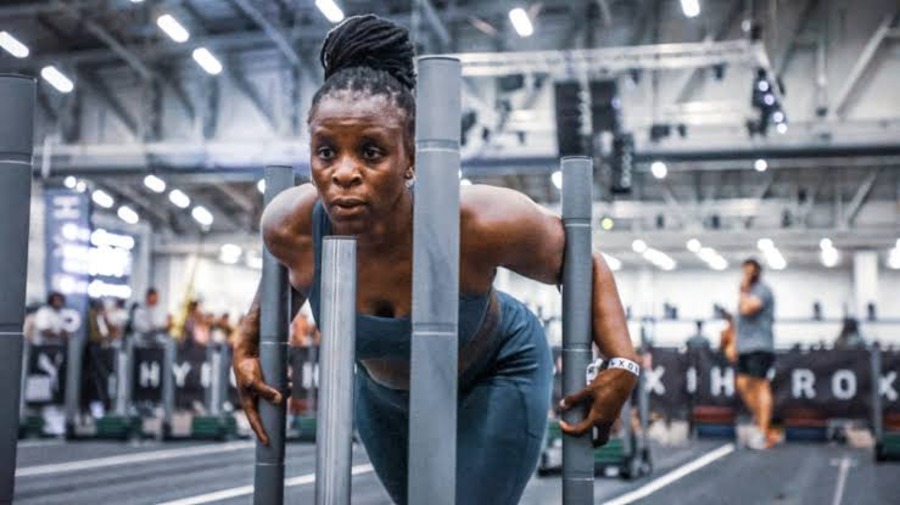
HYROX is a global fitness race that attracts athletes and fitness enthusiasts. If you plan to compete and succeed at the HYROX event in Cape Town, you should be fit mentally and physically.
Understand the HYROX Race Format
Before training begins, you need to understand the HYROX race format. Participants complete eight rounds of 1 kilometre running, each followed by a functional workout station. These include sled pushes, rowing, lunges, and wall balls. Athletes run 8 kilometres while completing eight strength and conditioning challenges.

Photo: Instagram
Build a Strong Running Base
Running makes up about half of the race and often determines overall performance. Training guidance from HYROX coaches suggests increasing running volume and practising running both before and after workouts to simulate race fatigue.
A good weekly plan may include:
- Easy runs to build endurance
- Interval sessions for speed
- Tempo runs to improve pacing
- Practice runs after strength exercises
Training your body to run on tired legs is essential, as each run comes under fatigue.
Train Functional Strength
Functional strength exercises play a major role. Stations include sled push and pull, farmer’s carry, burpee broad jumps, rowing, sandbag lunges, and wall balls.
Your strength training should focus on:
- Full-body endurance
- High repetitions with moderate weight
- Grip strength
- Movement efficiency
Training should help your body adapt with transitions between exercises.
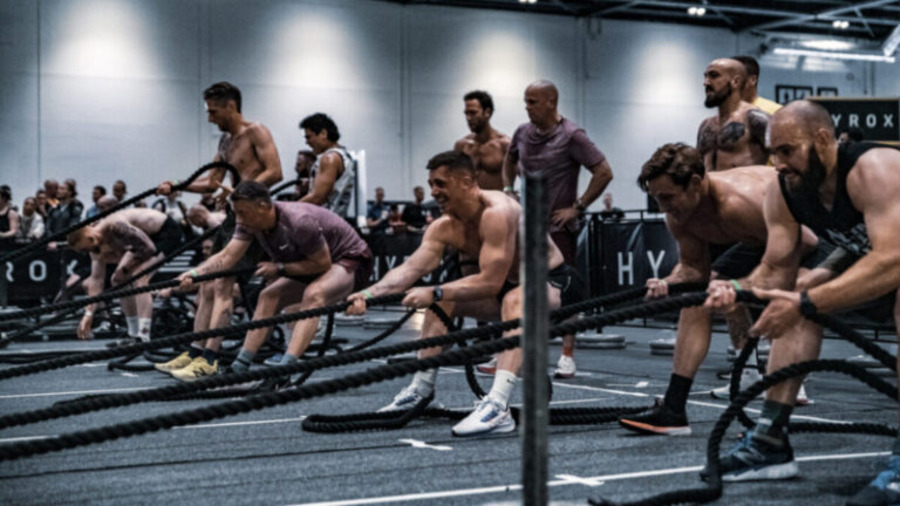
Photo: Instagram
Practice Compromised Running
One unique feature of HYROX preparation is compromised running. This means running immediately after strength work to copy race conditions. Training improves pacing under fatigue.
Read Also: Why Training with Your Circle Keeps You Consistent
Prioritise Recovery and Consistency
The pressure to succeed pushes many beginners to train too hard. Gradual progress is recommended to reduce injury risk. HYROX training works best when workouts are consistent.
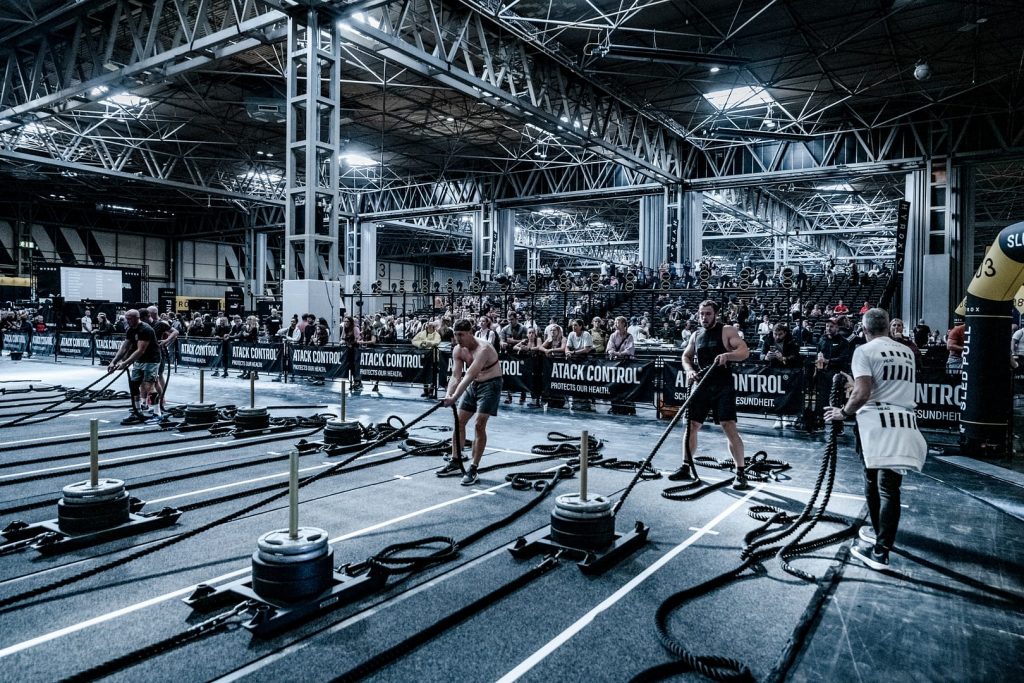
Photo: Instagram
Key recovery elements include:
- Enough sleep
- Drink water
- Rest
- Stretching
- Mobility work
Prepare Mentally for Race Day
HYROX events are long, often lasting around 90 minutes or more. Learning how to pace yourself and stay calm under fatigue is important. Breaking the race helps with pacing. Knowing the race flow ahead will boost confidence.
IWhile anyone can participate in the HYROX event in Cape Town, success comes from consistency.


Rihanna Surprises Fans With Her First Live Performance in Years at Jay-Z’s Concert

Why Solo Travel Could Be the Best Decision You Ever Make

Shannon Benting Set to Compete at Miss Supranational 2026 in Poland




-

 Travels3 months ago
5 Ways to Ensure Your Luggage Stays Safe During Your Travels
-

 Netflix3 months ago
African Films and TV Series to Watch on Netflix April 2026
-

 Movies3 months ago
Bontle Modiselle, Bobby van Jaarsveld and Chad Jones Bring South African Presence to “Michael” Premiere in Berlin
-

 Movies3 months ago
Buntu Petse Joins “Inimba” Season 2
-

 Beauty3 months ago
5 Morning Rituals to Boost Your Skin’s Metabolic Glow
-

 Health3 months ago
Unexplained Weight Gain? It Could Be a Sign of PCOS
-

 Events3 months ago
Miss South Africa Qhawekazi Mazaleni and First Runner-up Luyanda Zuma to Host at the Metro FM Music Awards
-

 Celebrity News3 months ago
Charlize Theron Opens Up About Childhood Trauma and Mother’s Act of Self-Defence