
Lifestyle
International Women’s Day: Financial Moves Every Woman Should Make in 2026


Financial independence is increasingly defined by control over savings, debt, and investment decisions instead of income alone. As International Women’s Day is marked on March 8, 2026, the conversation around women’s finances continues to move toward practical wealth protection and long-term planning. In South Africa, where living costs and employment pressures affect household budgets, financial structure has become as important as earnings.
An emergency fund is a practical foundation for financial stability. Women who manage household responsibilities or irregular income patterns are often exposed to unexpected expenses such as medical bills or urgent family needs. Maintaining liquid savings helps reduce financial pressure during emergencies. Regular monthly savings transfers can support consistent saving behaviour. Instead of following a fixed international benchmark, building a reserve that reflects personal living costs is often more realistic in South Africa.

Photo: Pinterest
Retirement planning remains important because research in several markets indicates that women sometimes retire with lower accumulated wealth due to career interruptions and income differences. The South African Reserve Bank oversees monetary policy that influences inflation and interest rate movements, factors that can affect long-term savings returns. Increasing pension contributions by a small percentage can strengthen retirement accumulation over time. Where employers offer matching retirement contributions, using the full matching benefit supports faster savings growth.
Setting one personal financial goal for the year helps create clearer money management boundaries. In many households, family expenses may naturally take priority when women are responsible for budgeting. Maintaining a separate savings target helps protect personal financial plans from routine household spending. This could include building a business capital fund, supporting professional certification, or saving toward property investment.

Photo: Pinterest
High-interest debt management is important where borrowing costs remain elevated. Concentrating repayment efforts on one debt account at a time, either the smallest balance or the highest interest obligation, may help reduce total repayment costs. Debt consolidation can be considered if it lowers interest charges and simplifies repayment schedules.
Diversifying savings and investment choices is widely recommended for long-term financial planning. Traditional savings accounts alone may struggle to keep pace with inflation over extended periods. Many investors combine cash savings with collective investment schemes, equity-linked funds, and selected broader market exposure to balance liquidity and growth potential.

Photo: Pinterest
Insurance remains a practical risk protection strategy. Medical insurance helps shield savings from unexpected healthcare expenses, while life and income protection policies provide financial continuity for dependents and existing obligations. Reviewing coverage whenever income levels, marital status, or family responsibilities change is advisable.
Financial education supports better decision-making across budgeting, investing, and taxation. Access to reliable financial information improves confidence when handling personal money matters. Workshops, advisory services, and credible financial resources remain useful learning tools.
Personal wellbeing spending can also be incorporated into financial planning. Allocating funds for professional development, health maintenance, or carefully planned leisure activities supports long-term productivity and career growth.

Photo: Pinterest
Financial discussions in South Africa often reflect inflation pressure, employment conditions in some sectors, and household financial responsibility. Long-term security is generally linked to consistent saving behaviour, controlled borrowing, and informed investment decisions.
International Women’s Day 2026 serves as a reminder that financial independence is built through structured planning instead of sudden financial moves. Regular saving contributions, disciplined debt repayment, and thoughtful investment choices strengthen future stability.


The Luxurious Marble Circus returned to Johannesburg for its third edition on 26 and 27 September 2026, bringing together food, fashion, music, theatre and elaborate brand experiences at Ground The Venue in Muldersdrift. This year’s theme, “Evophoria”, combined the ideas of evolution and euphoria shaping the festival’s overall look.
Held at Ground The Venue on 26 and 27 September, the third edition continued the festival’s mix of luxury and playful spectacle. According to the organisers, the concept represented how the festival has developed while keeping the sense of excitement that attracts its audience.
Music Took Centre Stage
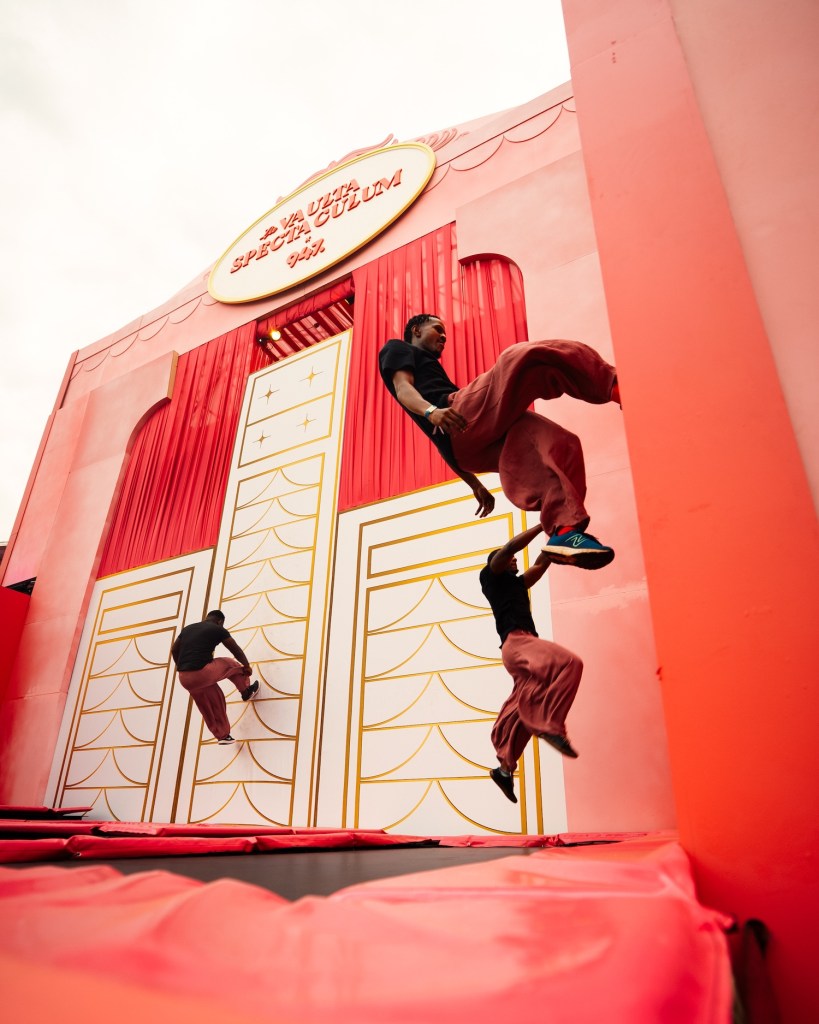
Photo: Getty Images
Music was central to the weekend. Saturday featured Belgian DJ and producer Lost Frequencies alongside South African DJ Shimza, with performances from Sxncello, Abby Nurock, DBN Gogo and several other acts.
Sunday featured the Scorpion Kings, Dlala Thukzin, Chronical Deep, DJ Kent and others taking over the stages. Shimza also returned for the second day.
Food Was Part of the Experience
Food played a major role throughout the festival. Chef David Higgs and The Marble Group were behind several of the culinary experiences. Their accommodations offered guests a selection of food and grazing options.
The festival also introduced the Imperial Terrace, a double-storey space serving cocktails and Asian-inspired dishes with views of the main stage. Guests with access to the Grand Dining Room and Royal Lounge had more formal dining options.
Read Also: South Africa Targets Guinness World Record for Biggest Braai
Fashion Became Part of the Show
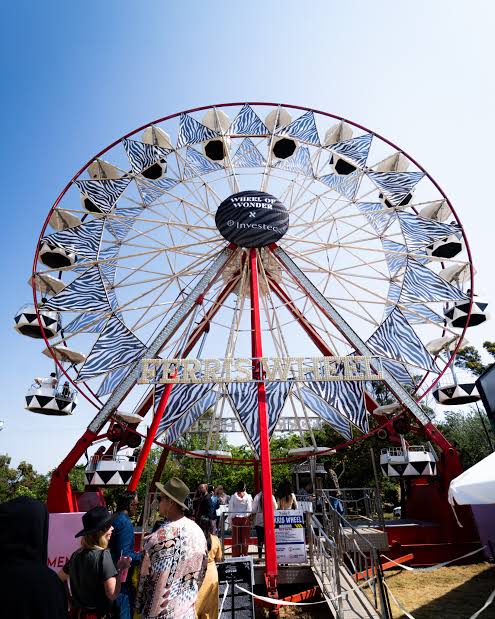
Photo: Getty Images
The Evophoria theme was shown in the guests’ fashion choices, with bold styling, elaborate accessories and carefully planned looks visible across the festival grounds.
According to Luxurious Marble Circus director of operations Dino Constantinou, some guests begin preparing their outfits three or four months before the event. The festival’s dress code encourages guests to wear lavish gowns, suits, playful prints and other distinctive looks.
Brand Activations

Photo: Getty Images
Several major brands created dedicated spaces across the venue. Time Out reported that Heineken hosted a beer masterclass where guests could learn how foam affects the taste, aroma and feel of beer.
Savanna also created an interactive armband station where guests could personalise their accessories with names of their choice. Other brand experiences included Mercedes-Benz and Moët et Chandon.
Circus Entertainment Kept the Theme Alive
The event also delivered plenty of theatrical entertainment away from the main music stages. The official programme included aerial performers, tightrope acts, trampoline tumblers, mimes, dancers, magicians and other circus performers.
As the final fireworks closed the event on Sunday night, the 2026 edition brought the Evophoria concept to an end after two days of entertainment in Muldersdrift.
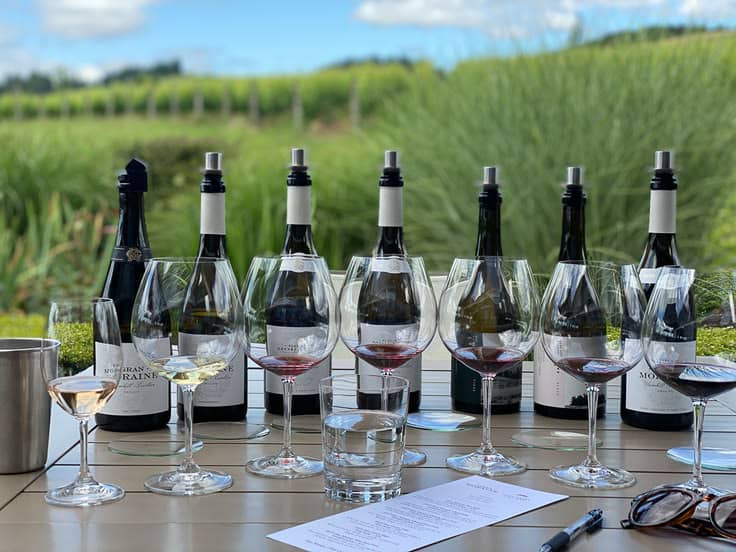
Becoming a wine connoisseur starts with understanding what is in your glass, not memorising expensive bottles. You do not need a cellar filled with rare vintages or encyclopaedic knowledge. The important skills are tasting systematically, comparing wines and remembering what you experience.
Start by looking at the wine. Hold the glass by the stem and examine its colour and clarity against a pale background. Its appearance may offer clues about the grape variety, age and winemaking, although it should not be used alone to identify a wine.

Photo: AP
Smelling the wine is equally important. Swirl the glass gently before taking a few short sniffs. Begin with familiar aromas such as citrus, apple, berries, herbs, flowers, vanilla, toast and spices. With regular tasting, your ability to identify and remember aromas will improve.
When you taste, take your time. Pay attention to sweetness, acidity, tannin, alcohol, body and flavour intensity. Notice how the wine feels in your mouth and what happens after you swallow. Does the acidity make your mouth water? Does the tannin leave your gums feeling dry? How long does the flavour remain?
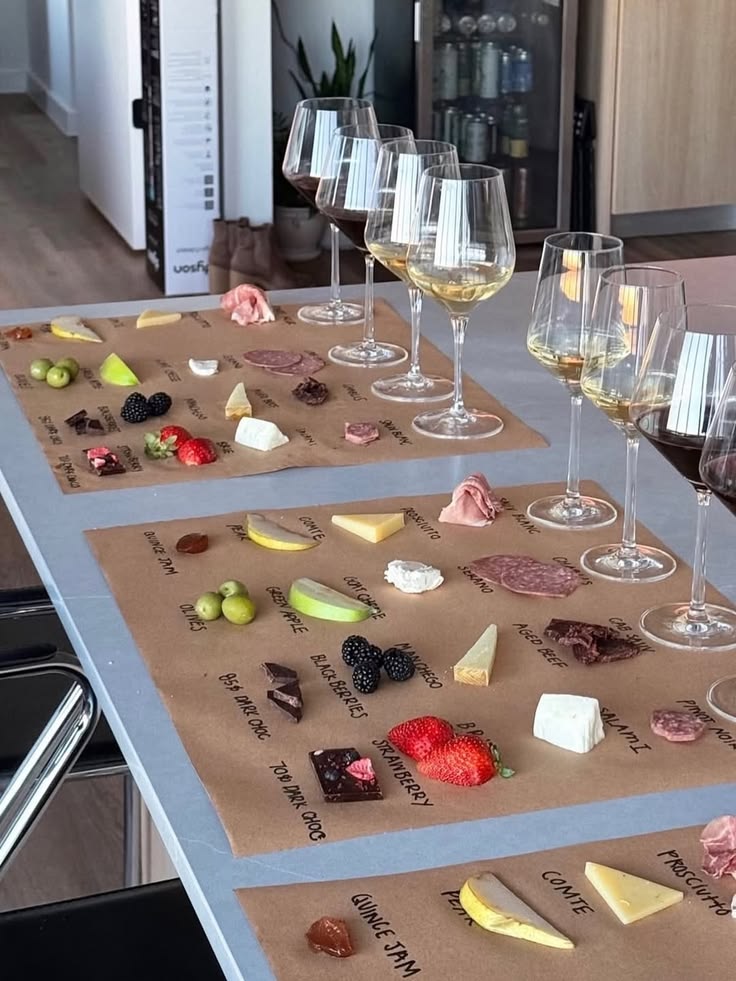
Photo: Pinterest/@Wine-oh!
Tasting notes can help you track your progress. Record the wine’s name, grape variety, country or region, vintage and your impressions of its aroma and taste. Note whether you enjoyed it and why. Over time, these records make it easier to recognise patterns in your preferences.
Side-by-side tasting is another useful way to develop your palate. Pour two Chardonnays from different regions and compare them. Try Cabernet Sauvignon from South Africa alongside a bottle from another country. Compare Sauvignon Blanc with Riesling, noting differences in acidity, body, fruit character, oak and finish.
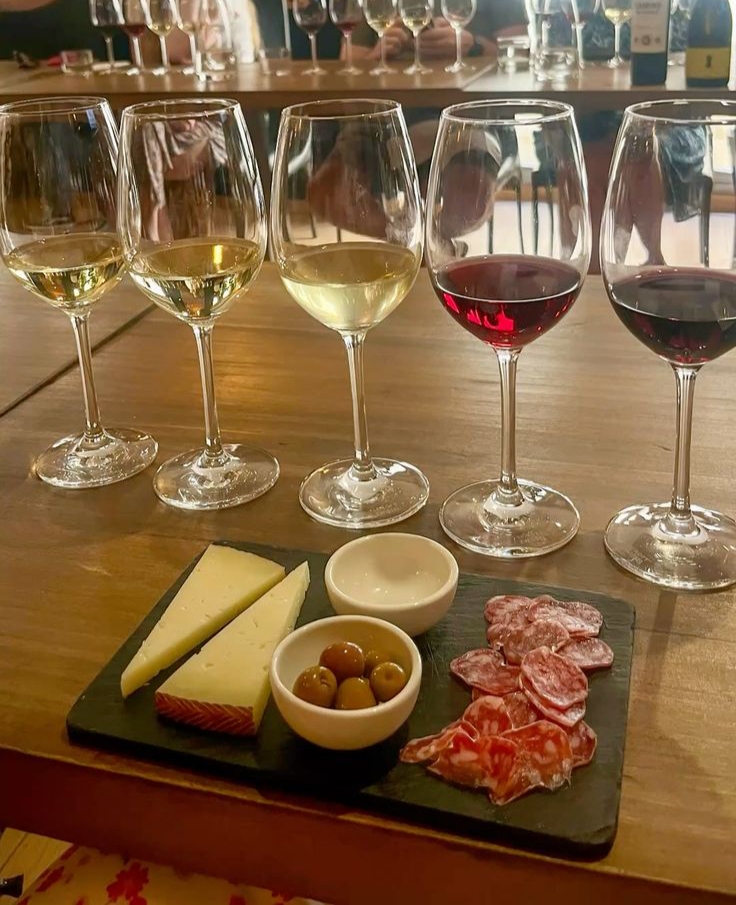
Photo: Pinterest/@BellaRico
Learning major grape varieties and their associated regions will make wine labels easier to understand. Start with Chardonnay, Sauvignon Blanc, Riesling, Cabernet Sauvignon, Merlot, Pinot Noir and Syrah. South Africa offers plenty of opportunities to explore these grapes, from Stellenbosch and Paarl to Constantia, Franschhoek, Robertson and the Hemel-en-Aarde Valley.
Where grapes are grown and how they are made influence the finished wine. Climate, soil, vineyard practices, fermentation, oak and ageing all contribute to a bottle’s character. Understanding these factors helps you make more informed choices when buying wine.
Food and wine pairing can also develop your palate. Try the same wine with different dishes and observe how the food changes its taste. Acidity can work particularly well with rich foods, while tannin, sweetness and alcohol affect how wine interacts with a meal. Experimenting is often more useful than following rigid rules.

Attend tastings led by winemakers, sommeliers or knowledgeable professionals. Ask about the grape variety, vintage, region, winemaking methods and ageing. Formal study is another option. The Wine & Spirit Education Trust offers qualifications covering wine styles, grape varieties, regions, tasting and production.
You do not need to become a sommelier to understand wine seriously. Taste unfamiliar varieties, compare regions and record what you enjoy. Price alone does not determine whether a wine will suit your taste. With repeated tasting and comparison, you will begin recognising producers and grape varieties, understanding labels and explaining why one bottle appeals to you more than another. That is what turns drinking wine into knowing your wine.

Heritage Day falls on Thursday, 24 September, giving South Africans a public holiday to spend with family and friends. Plans can range from a braai or picnic to a festival, road trip or day outdoors. Whatever is on your calendar, packing for the full day can save you from making unnecessary stops along the way.
Sunscreen comes first

Photo: Pinterest/@Everyday Health
September brings warmer weather, so sunscreen is essential for a day outdoors. Pack enough to reapply during the day, particularly if you will be spending several hours in direct sunlight.
Sunglasses and a hat are useful additions, too. A wide-brimmed hat can provide extra protection at a picnic, braai or outdoor event where shade may be limited.
Bring your own water
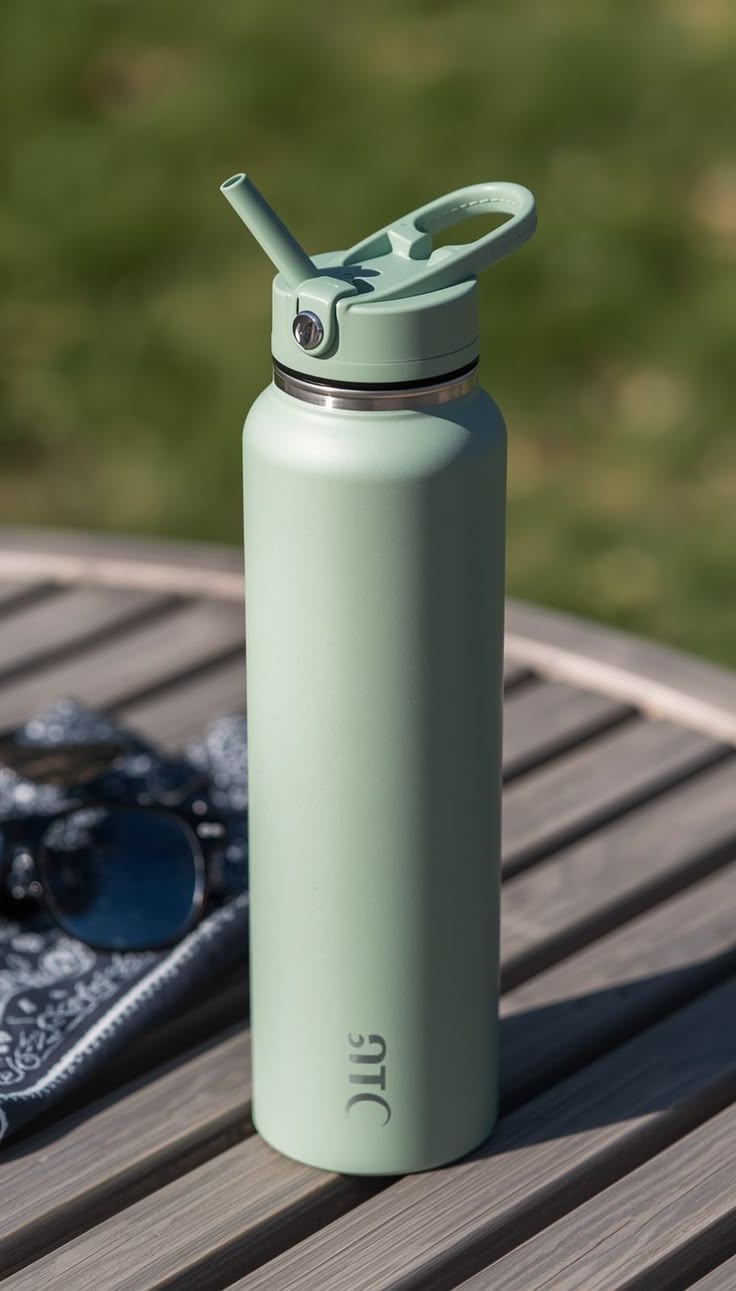
Photo: Pinterest/@Findsitworthit
Do not rely entirely on finding a shop or water station when you arrive. A reusable water bottle is easy to carry and useful whether you are travelling by car, sitting at a braai or walking around an outdoor event.
If you are driving for several hours, take enough water for the journey as well as the time you expect to spend at your destination.
Pack something to sit on

Photo: Pinterest/@Too Much Time
A picnic blanket is useful when there are limited places to sit. It can also provide space for children, food and bags.
For larger outdoor gatherings, a foldable camping chair may be more practical, particularly if you expect to spend most of the day at the venue.
Dress for the whole day

Photo: Pinterest/@Brijett
If you will be outside for several hours, dress for changing temperatures. Choose clothes that allow you to sit, walk and move comfortably, and take a light jacket or warm layer if you expect to be out after sunset.
Your shoes matter too. If your plans involve a festival, heritage site, market or plenty of walking, choose a pair you can comfortably wear for several hours.
Keep a small essentials bag

Photo: Pinterest/@Lione
A compact crossbody bag or tote can carry the things you do not want to leave in the car: your phone, power bank, wallet, keys, sunscreen, tissues, hand sanitiser and any medication you normally need.
Make sure your phone is fully charged before leaving, especially if you are travelling, meeting people at a busy venue or relying on your phone for directions.
If you are braaiing, think beyond the meat
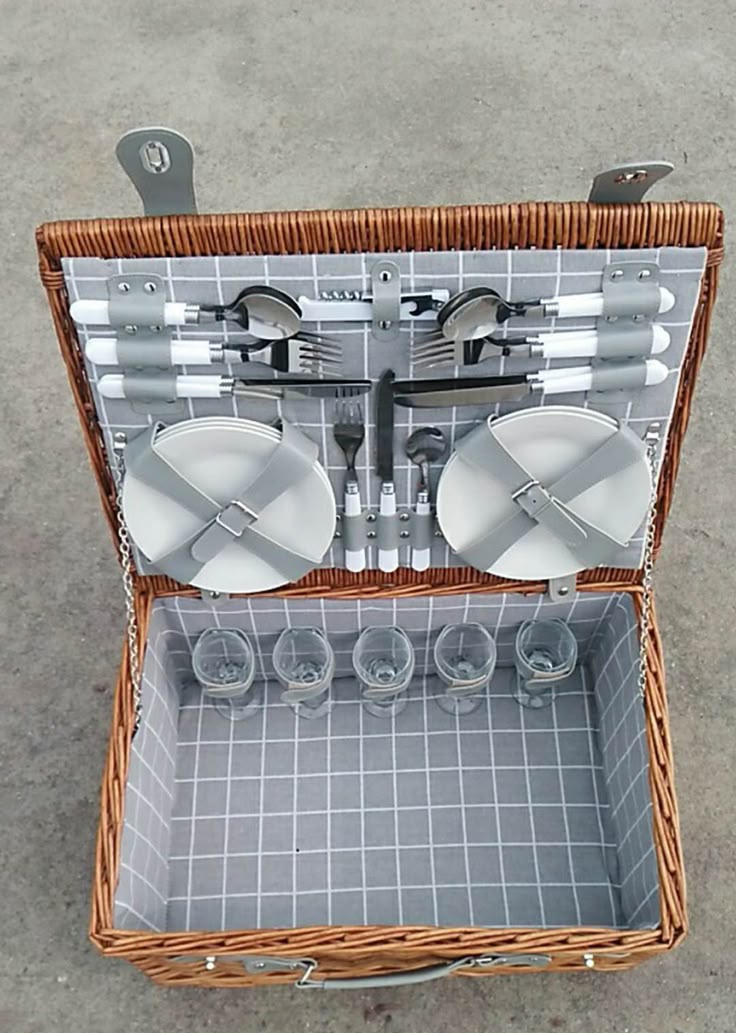
Photo: Pinterest/@Hebei Qianchi
If you are responsible for the braai setup, make a checklist before leaving home. Tongs, gloves, a sturdy grid, serving utensils, plates, cups, cutlery, napkins and rubbish bags are easy to overlook when you are focused on the food.
A cooler bag and picnic blanket are also useful when the braai is away from home. If you are heading to a public event, check the venue rules before packing food, drinks, chairs or a cooler box, as some venues have restrictions on what visitors can bring inside.
Do not forget the drive home
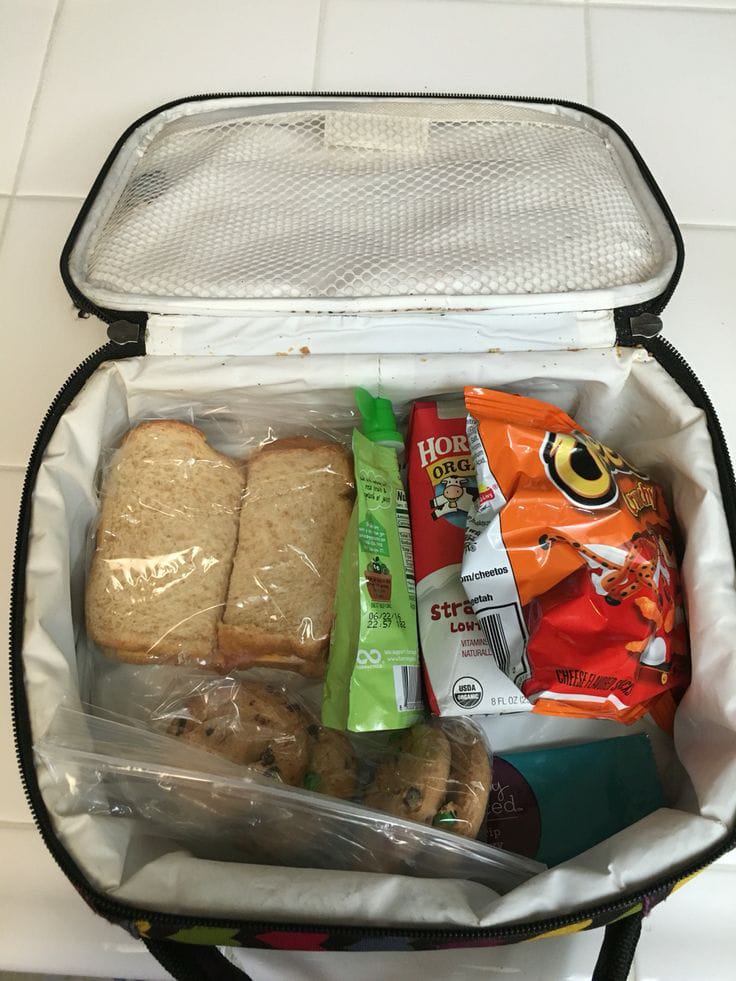
Photo: Pinterest/@Amy Roemer
Heritage Day falls on a Thursday this year, so taking Friday off can create a four-day break. If you are travelling, keep your driver’s licence, vehicle documents, phone charger and emergency essentials accessible.
For longer trips, check your vehicle before leaving and plan your route in advance. If you are travelling with children, pack the snacks, water, entertainment and other essentials they will need for the journey.
Pack according to where you are going, how long you will be there and what the day requires. A little preparation before leaving home means fewer things to worry about once the Heritage Day celebrations begin.


New South African Movies to Watch on Netflix

Thabsie Shows Off Toned Figure in Bikini on Tanzania Getaway

O.J. Simpson Associate’s Brother Claims He Had Bloody Hands on Night of Murders




-
 Travels3 months ago
6 Best Hotels in Cape Town
-

 Dj Men3 months ago
The Male DJs Keeping South Africa’s Nightlife Alive
-

 Health3 months ago
Apple Cider Vinegar: From Health and Skin to Everyday Uses
-

 Netflix2 months ago
8 Mzansi Series and Films on Netflix to Watch This August
-

 Sex & Relashionships3 months ago
5 Ways ‘Parallel Life Syndrome’ Kills Relationships
-

 Music3 months ago
Tyla Officially Releases A*POP
-

 Top 202 months ago
20 Greatest South African Songs of All Time
-

 Movies3 months ago
Thuso Mbedu Leads Star-Studded Cast in Children of Blood and Bone