
Sex & Relashionships
Is Ghostlighting the Most Toxic Dating Trend Yet


There is a silence in relationships that is more damaging than conflict. If you have ever tried sending a message to someone and hesitating to continue because you have not heard from the other person in days, you already know what ghost lighting feels like. It is not just about disappearing. It is returning in subtle, inconsistent gestures that creates doubt. I have had my share of this and it is a deeply draining pattern. Many people pretend it is normal, but it is quietly becoming one of the most toxic trends in dating today.
It Creates Emotional Confusion

Arguing couples : News 24
Ghost lighting leaves uncertain about what to believe. One moment the person is warm and present, the next moment they are silent without explanation. I once spoke to someone who would disappear for days and then send a short message as though nothing had occurred. It left me confused because the actions contradicted their expressions. That confusion can make you question yourself when the actual problem is their inconsistency.
It Damages Self Worth
This trend often makes you feel like you are doing something wrong when you are not. Many people start to think they are not engaging or inadequate. I remember feeling that way. I found myself reading old messages trying to find what I said wrong. The issue is a lack of emotional maturity from the other person. But the recurring silence and sudden appearance can make anyone doubt themselves.
It Encourages Avoidance Instead of Honest Communication

Couples with issues : Unsplash
Healthy dating needs clarity. It needs people who can express themselves openly even when it feels uncomfortable. Ghost lighting removes that and is one of the reasons people break up in a relationship. It rewards people who avoid conversations rather than face them. I once asked someone directly if everything was fine because their behavior has shifted. Instead of explaining, they pulled away and then came back later acting friendly again. That behaviour teaches no one anything and leaves no room for real connection.
Read Also: Thinking of Moving in Together? Key Things to Know
It Wastes Time and Emotional Energy
There is nothing more draining than building with someone who cannot decide what they want. You invest in conversations, time, plans and emotions only for them to disappear. Then just when you are ready to move on, they return and start the cycle again. I have experienced that loop and it drained energy from other areas of my life. You feel stuck waiting for a message that may not come. It is emotionally expensive and offers no benefit
It Normalises Unhealthy Relationship Habits

Unhappy Black Couples : Stock Images
The reason ghost lighting is one of the most toxic dating trends is because it trains people to accept minimal engagement. It makes emotional instability look normal. When someone disappears and returns repeatedly, it conditions you to expect inconsistent behavior in future relationships. This is not how a functional relationship works. A stable bond needs presence, honesty and accountability, not sudden silence and random reappearing acts.
Ghost lighting may look like a small issue in the modern dating world, but it carries significantly emotional impact. No one deserves to be left in uncertainty. It is important to protect your peace in such situations.






You find yourself checking your phone repeatedly, analysing their replies and wondering why they watched your WhatsApp status but did not reach out. A single message can reassure you, while a period of silence leaves you questioning where you stand. You may call it love, but there is another possibility worth considering: you could be fixated on the person.
There is a difference between developing genuine feelings for someone and becoming emotionally consumed by the idea of having them. Both can involve intense attraction, frequent thoughts and a desire to spend time together. However, love develops as you get to know someone, while fixation can involve becoming attached to an imagined version of them.
Psychologists use the term limerence to describe an intense form of romantic infatuation involving persistent thoughts, idealisation and a strong desire for reciprocation. The term was introduced by psychologist Dorothy Tennov. Someone experiencing limerence may become preoccupied with whether their feelings are returned, with their mood often influenced by even small signs of attention or rejection.
When attraction becomes a preoccupation

Photo: Pinterest/@Lovetips
A possible sign of fixation is how frequently you think about someone, even when you are occupied with other things. It becomes more concerning when these thoughts interfere with your work, sleep or other relationships.
You may struggle to concentrate at work, lose sleep waiting for a response or repeatedly check their social media accounts. Even limited attention can feel significant when you are strongly preoccupied with whether the person likes you. A compliment or unexpected phone call may provide reassurance, even if the person has shown little consistent interest.
Are you attracted to the person or the version you have created?

Photo: Pinterest/@the infinitrillionaire
Strong attraction can make you draw conclusions about someone before you know them well. You might interpret one affectionate conversation as evidence of emotional availability or assume that shared interests mean you have compatible values.
You may start imagining a future together before establishing whether your personalities, expectations and priorities are compatible. There is nothing wrong with looking forward to a possible relationship, but your expectations should reflect what the person has consistently shown you, not what you hope they will eventually become.
With genuine affection, you can acknowledge someone’s shortcomings. Fixation may make you more likely to excuse behaviour that would otherwise concern you. You might dismiss inconsistent communication, overlook disrespect or excuse a lack of effort because you are invested in the relationship you hope to have.
The uncertainty that keeps you interested

Photo: Instagram/@clever dude
Someone who is attentive one day but barely responds the next can leave you uncertain about their intentions. Instead of considering whether their behaviour meets your needs, you may focus on finding out why their attention has changed.
When they eventually show interest again, the relief can reinforce your attachment. Unpredictable attention can strengthen emotional preoccupation, leaving you increasingly focused on when the person will show affection again.
Social media can add another layer to the situation. WhatsApp’s last-seen status, Instagram stories and read receipts can encourage you to interpret someone’s online behaviour, even though they reveal little about how that person actually feels.
Checking their online activity, monitoring who interacts with their posts or trying to establish who they spend time with can become habitual. These behaviours may leave you more preoccupied with their activities than with the quality of your actual relationship.
What does genuine love look like?

Photo: Instagram/@Artsydee
Genuine love can involve excitement, anxiety and uncertainty, particularly when a relationship is new. However, it also involves getting to know someone beyond physical attraction and the excitement of receiving their attention.
There is room for honest conversations, individual interests, disagreements and personal boundaries. Both people make an effort to understand each other, and affection is not dependent on one person constantly proving their worth.
You can miss someone, disagree with them and maintain your responsibilities without constantly fearing that the relationship will end. You should also be able to express your needs without feeling that doing so will automatically drive the other person away.
Love requires mutual effort. One person’s feelings cannot sustain a relationship without the other’s participation. Consistency, respect and genuine interest matter more than occasional displays of affection.
How to recognise what you are experiencing

Photo: Pinterest/@Yourtango
Look at the relationship as it currently exists, rather than the one you hope to have. Are they making consistent efforts to spend time with you? Do their actions match their words? Pay attention to whether you can communicate your needs and feel heard.
Limit how often you check their online activity, reread conversations or search for hidden meanings in ordinary interactions. Continue making time for friendships, personal interests and responsibilities outside the relationship. Your daily life should not revolve around whether someone has contacted you.
If persistent thoughts begin affecting your sleep, work or emotional wellbeing, a qualified mental health professional can help you explore the underlying attachment and develop ways to manage it.
Being intensely attracted to someone does not automatically mean you are in love with them. You may be more attached to the attention, reassurance or possibility of a relationship than to the person themselves.
Before deciding to pursue a relationship, consider how well you actually know the person. The difference is not how often you think about someone, but whether your feelings are grounded in the person you know and the effort they return.

Condoms remain one of the most accessible ways to prevent pregnancy and reduce the risk of sexually transmitted infections (STIs). Yet concerns about condoms breaking, slipping or failing can make people question how much protection they actually provide.
The short answer is that condoms are highly effective when used correctly and consistently. The World Health Organization estimates that male condoms are 98% effective at preventing pregnancy with correct use every time. With typical use, effectiveness is about 87%, largely because condoms are sometimes used incorrectly or not every time sex takes place.
That difference is important. It does not mean that 13% of condoms break or fail. The figure reflects the number of people who experience an unintended pregnancy over a year while relying on condoms as their contraceptive method.
Why Condoms Fail
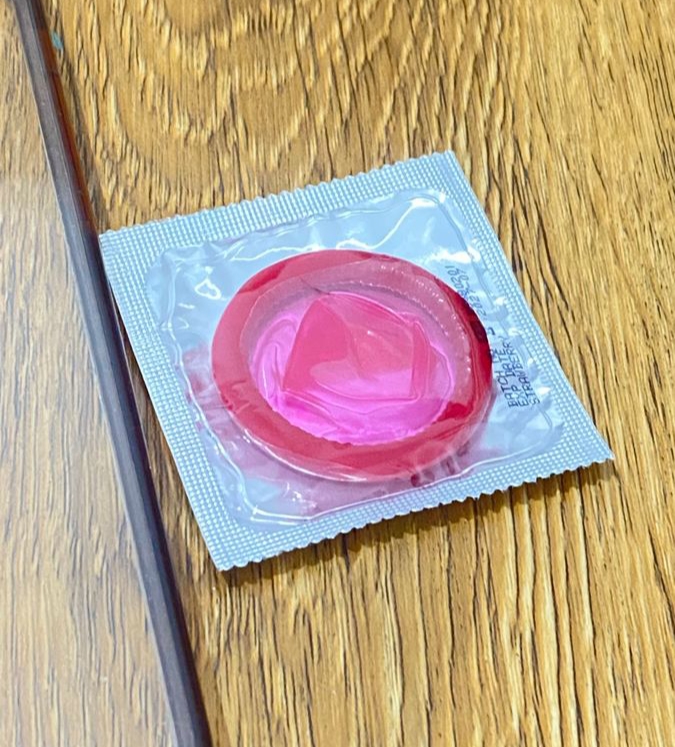
Photo – Stock
Breakage and slipping can happen, but they are not the most common reason condoms fail. Incorrect or inconsistent use is a bigger concern.
Check the expiry date and make sure the packet is intact before opening it. Take care when removing the condom from its packaging, as fingernails, jewellery or teeth can damage it.
Put the condom on before any genital contact. Squeeze the tip to remove air and leave room for semen, then roll it down to the base of the penis. After ejaculation, hold the base while withdrawing to reduce the chance of slipping.
Storage also matters. Condoms should be kept somewhere cool and dry. Prolonged exposure to heat or friction can damage the material.
Lubricant Can Make a Difference

Photo – Stock
The wrong lubricant can weaken latex condoms and increase the risk of breakage. Oil-based products such as petroleum jelly and some body oils and lotions should not be used with latex condoms.
Water-based and silicone-based lubricants are generally suitable for use with latex. Adequate lubrication is particularly important during anal sex, where there may be less natural lubrication and more friction.
Using two condoms at the same time does not provide extra protection. The friction between them can increase the chance of tearing. A new condom should also be used for every act of vaginal, anal or oral sex.
How Much Protection Do Condoms Offer Against STIs?

Photo – Stock
Condoms reduce the risk of many STIs, including HIV, gonorrhoea and chlamydia, when used correctly and consistently. However, they do not cover all genital skin.
Infections such as herpes, HPV and syphilis can sometimes spread through skin-to-skin contact involving areas outside the condom. This means condoms can reduce the risk but cannot eliminate it completely.
Regular STI testing remains important, particularly for people with new or multiple sexual partners or when a partner’s STI status is unknown.
What If a Condom Breaks?

Photo – Stock
If a condom breaks or slips during sex, do not assume there is nothing you can do.
If pregnancy is possible, emergency contraception can be used within five days of unprotected sex, although it is more effective when used sooner. A healthcare professional or clinic can advise on the most appropriate option.
If there may have been exposure to HIV, post-exposure prophylaxis (PEP) should be considered urgently. It needs to be started as soon as possible and no later than 72 hours after exposure. A healthcare professional can assess whether PEP is appropriate.
The Bottom Line

Photo – Stock
Condoms are not perfect, but they remain a dependable way to reduce the risk of unintended pregnancy and many STIs. Their effectiveness depends heavily on using them correctly and every time.
Check the expiry date, use a suitable lubricant, put the condom on before genital contact, avoid using two condoms together and never reuse one. When used properly, condoms remain an important part of safer sex.

Relationship language keeps changing as people find new ways to describe how couples deal with love and commitment. One of the newer terms is tolyamory, which describes a situation that can look similar to polyamory but works differently.
Tolyamory Means Tolerating a Partner’s Outside Relationships

Photo: Getty Images
Tolyamory combines the words “tolerate” and “polyamory.” This is a term used in which a partner knows that his lover is cheating but tolerates it.
It does not mean the person approves the arrangement. They just continue in the relationship for reasons known to them.
It Differs From Polyamory

Photo:Getty Images
Tolyamory is not non-monogamy or polyamory. In polyamorous relationships, the people involved openly discuss their relationship desires. They agree to having multiple romantic relationships.
Tolyamory, on the other hand, is silence and unwillingness to confront a cheating partner. This difference in these concepts are consent and communication.
Read Also: Small Lies That Slowly Destroy Trust in Relationships
Dan Savage Coined the Term

Photo: Getty Images
Sex and relationship columnist and podcaster Dan Savage is credited with coming up with the term. He introduced it on his Savage Lovecast podcast in 2024 while discussing people who tolerate their partners having sexual encounters outside their relationships.
There is a debate about if tolyamory is a genuine relationship or just a new name for accepted cheating.
People Stay for Different Reasons

Photo: Getty Images
Someone might tolerate a partner’s infidelity because they want to protect their family or for financial security. There is also the social and cultural angle to accepting cheating without complaints.
For some couples, staying together despite an affair is easier than dealing with the consequences of separation. However, tolerating something does not mean the other person is comfortable with it.
Lack of Communication Can Create Problems

Photo: Getty Images
One of the concerns around tolyamory is the absence of clear communication. If one partner is unhappy but stays silent, emotional distress grows.
While there is no perfect way to measure healthy relationships, boundaries should be respected.
If one person wants monogamy while the other wants multiple partners, an honest conversation should take place.
Tolyamory is a situation in which one partner tolerates behaviour they don’t want. Understanding the term can help people distinguish between consensual non-monogamy, cheating and simply staying silent about a problem.


Are You Falling for Them or Just Fixated on Them?

Tiyani Makamu Crowned Miss South Africa 2026

Tems to Lead Soundtrack Production for Hollywood’s ‘Children of Blood and Bone’ Film




-

 Netflix3 months ago
8 Mzansi Series and Films on Netflix to Watch This August
-

 Top 203 months ago
20 Greatest South African Songs of All Time
-

 Beauty3 months ago
Best Hand Creams for Dry Hands This Winter
-

 Fitness3 months ago
5 Low-Impact Workouts for People With Joint Pain
-

 Sex & Relashionships3 months ago
Should Couples Have Joint or Separate Finances?
-

 Awards3 months ago
4 Unforgettable Moments From the 32nd South African Music Awards
-

 Beauty3 months ago
How Often Should You Really Moisturise Your Lips
-

 CEO3 months ago
What You Didn’t Know About Mary Vilakazi