
Beauty
Your Underarms Deserve More Than Just Deodorant


Most people give their underarms attention for less than a minute each day. A quick swipe of deodorant, and that’s the end of the routine. But dermatologists increasingly recommend treating your underarms as part of your skincare routine. Interest in underarm skincare has grown, with more consumers looking beyond deodorants to address irritation, uneven skin tone and razor bumps.
The skin under your arms is thinner than many other parts of your body. Constant friction from clothing, repeated shaving or waxing, sweat and ingredients found in personal care products can leave the area feeling dry, itchy or darker than nearby skin. Simply masking body odour does little to deal with these everyday concerns.
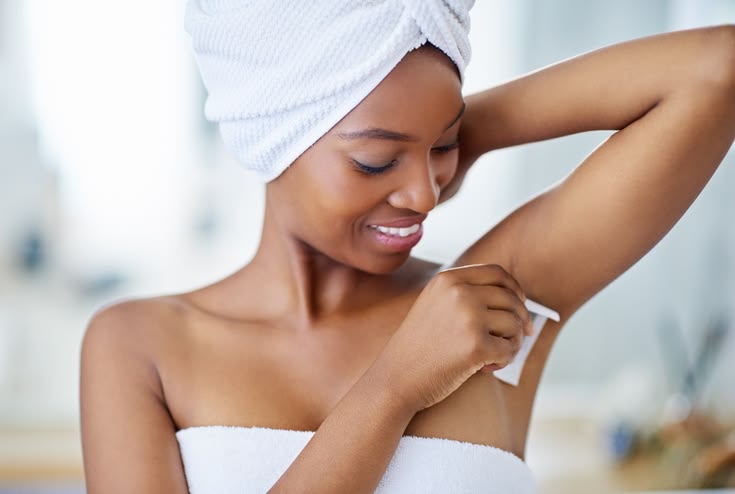
Photo: Pinterest
A better approach starts in the shower. Washing your underarms with a gentle cleanser removes sweat, bacteria and product build-up that ordinary rinsing may leave behind. This matters because fresh sweat has very little smell. The familiar body odour develops when bacteria on the skin break down sweat. Clean skin gives deodorant or antiperspirant a better chance of doing its job.
Exfoliation is another step many people overlook. Dead skin cells, trapped deodorant residue and clogged pores can leave the skin rough and uneven. A mild chemical exfoliant used once or twice a week can help smooth the area without the harsh scrubbing that often causes more irritation. Overdoing it, however, may irritate the skin and make sensitivity worse.
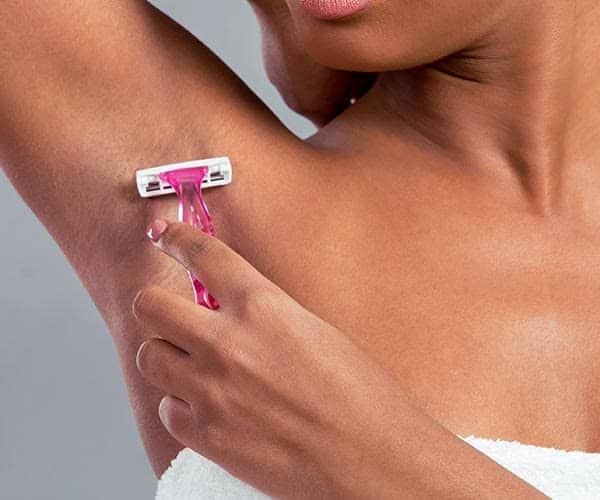
Photo: Pinterest
Shaving habits also deserve attention. Using a blunt razor or shaving dry skin creates tiny cuts that may lead to irritation and ingrown hairs. A clean, sharp razor, combined with a shaving cream or gel, reduces friction and helps reduce irritation while shaving. If your underarms feel irritated afterwards, allowing the skin to recover before applying heavily fragranced products can help minimise discomfort.

Photo: Pinterest
Hydration is just as important here as it is on your face or legs. While underarms do not usually need daily moisturising, applying a fragrance-free moisturiser after shaving or whenever the area feels dry can help protect the skin and reduce tightness. For people with sensitive skin, choosing products without added fragrance may lower the risk of irritation.

Photo: Pinterest
Choosing between a deodorant and an antiperspirant also depends on your needs. Deodorants target odour by reducing or masking the bacteria responsible for unpleasant smells, while antiperspirants reduce sweating by temporarily blocking sweat glands. People who experience excessive sweating may benefit from antiperspirants, while others may only need odour protection. Dermatologists also note that antiperspirants tend to work best when applied at night because sweat production is lower while you sleep.
Dark underarms are another common concern, but they rarely have a single cause. Repeated friction, shaving, irritation, hormonal changes and certain skin conditions can all play a role. Results usually take time. Products promising instant lightening should be approached with caution. Consistent skincare, reducing irritation and seeking medical advice when pigmentation changes suddenly are safer long-term strategies.
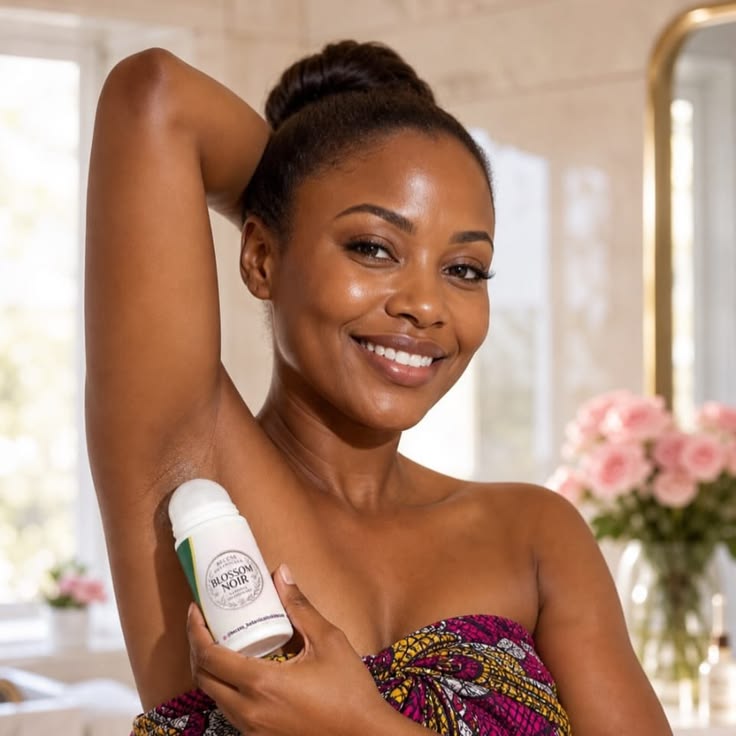
Photo: Pinterest
Looking after your underarms is not about chasing perfection. Healthy skin can have texture, visible hair follicles and natural colour variations. The goal is comfort and healthier skin. Deodorant remains an important part of personal care, but it should not be the only step. A few extra minutes each week can help improve how your underarms look, feel and respond to daily wear.
Facial skincare routines have received far more attention than underarm care. People are now applying similar skincare habits to their underarms. Looking after your underarms is a practical part of maintaining healthy skin.







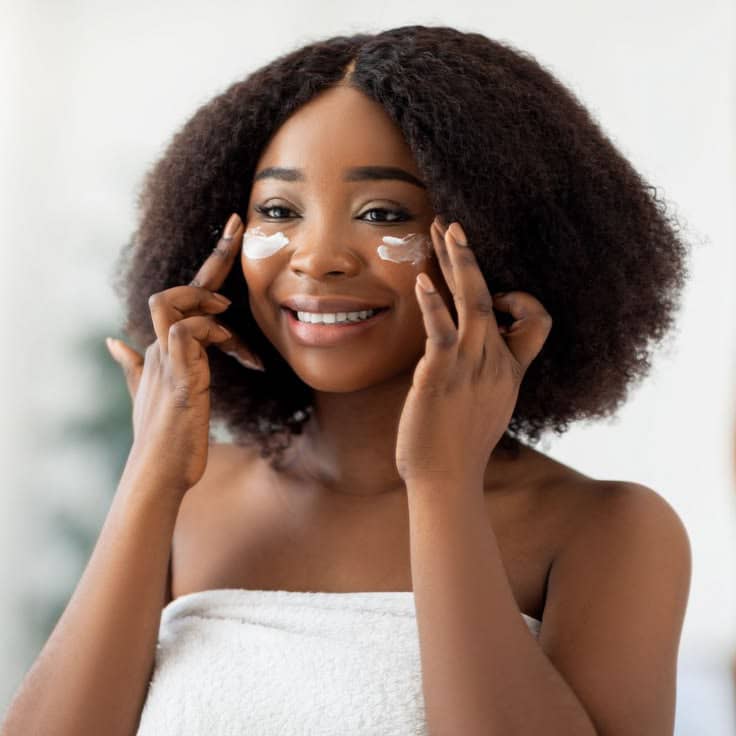
Healthy-looking skin does not require a bathroom shelf full of products. A consistent routine that cleanses, moisturises, addresses specific concerns and protects against the sun can provide a stronger foundation for the complexion. The key is choosing products that suit your skin and using them consistently.
Cleanse without overdoing it
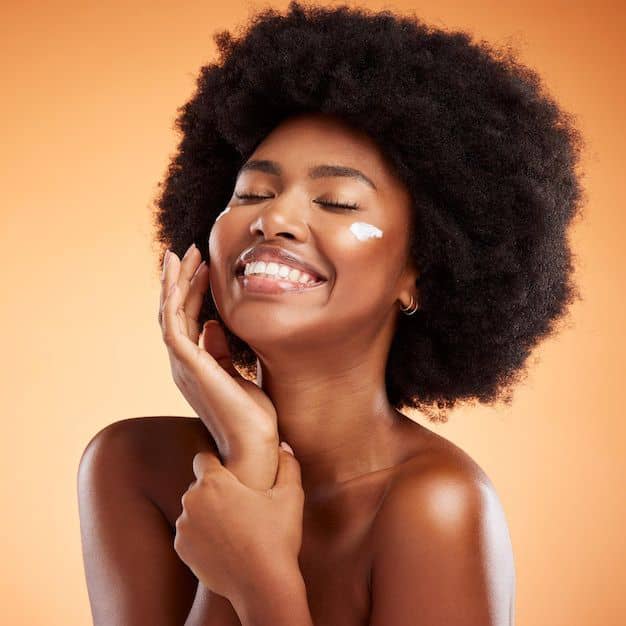
Photo – Pinterest
Cleansing removes sweat, excess oil, sunscreen and makeup from the skin. A suitable cleanser should do this without leaving the face feeling tight or uncomfortable.
A simple routine is often easier to maintain than one built around multiple products. Start with a cleanser suited to your skin type, particularly if your skin is sensitive or prone to dryness.
At night, cleanse your skin thoroughly if you have worn makeup or sunscreen. In the morning, your routine can depend on how your skin feels. If it is dry or sensitive, a gentle cleanser may be preferable to a stronger formula.
Keep your skin moisturised
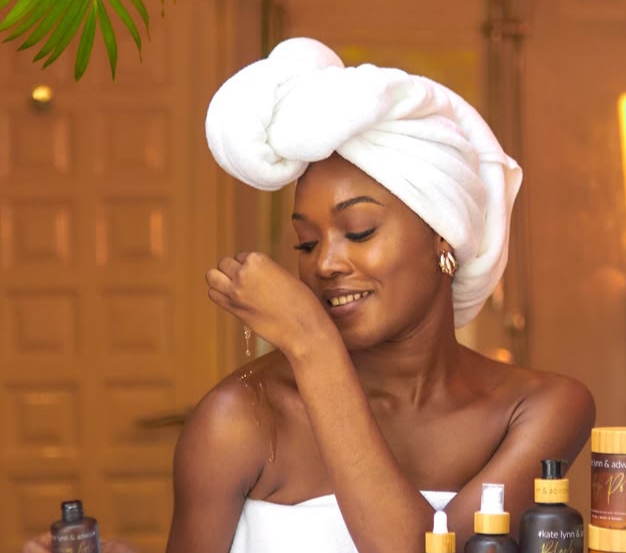
Photo – Pinterest
Hydration is important for all skin types, including oily skin. When the skin barrier is disrupted, it can become dry, flaky, tight or more sensitive.
Moisturisers containing ingredients such as glycerin, ceramides, hyaluronic acid or squalane can help support the skin’s moisture levels. The right texture also matters. Oily or acne-prone skin may be more comfortable with a lightweight lotion or gel, while dry skin may benefit from a richer cream.
Moisturising is particularly important when using active ingredients that can cause dryness or irritation. Supporting the skin barrier can make a treatment routine easier to tolerate.
Choose a treatment for your main concern
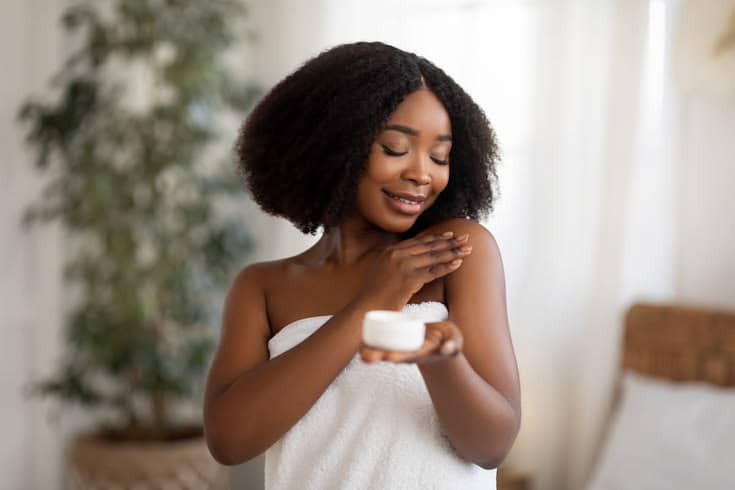
Photo – Pinterest
This is where your routine should reflect what you want to improve.
For uneven pigmentation, ingredients such as vitamin C can be considered. Salicylic acid is commonly used for acne and clogged pores, while retinoids can help with acne, uneven texture and signs of skin ageing.
Avoid introducing several strong active ingredients at the same time. Doing so can increase the risk of irritation and make it difficult to identify which product is causing a reaction. Introduce treatments gradually and give your skin time to adjust.
Most importantly, choose a treatment based on your skin concern instead of adding products simply because they are popular.
Wear sunscreen every morning
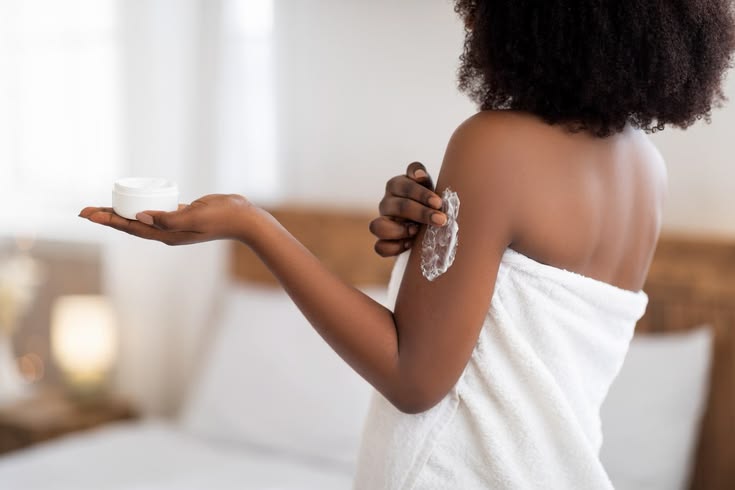
Photo – Pinterest
Sun protection should be part of your morning routine, even when the weather is overcast. UV exposure contributes to premature skin ageing, pigmentation and other forms of skin damage.
Choose a broad-spectrum sunscreen with at least SPF 30 and apply it generously to exposed skin. If you are spending extended periods outdoors, reapply as directed, particularly after sweating or swimming.
For people dealing with pigmentation, a tinted sunscreen may also be worth considering. Some tinted formulas contain iron oxides, which can provide additional protection against visible light that may worsen hyperpigmentation.
Glowing skin is not about making the face look shiny. It is more useful to think about maintaining skin that is hydrated, protected and comfortable while addressing specific concerns with appropriate products.
A routine does not have to contain numerous steps to be effective. Start with the basics, introduce treatments according to your needs and give the routine enough time to work before deciding that you need something else.
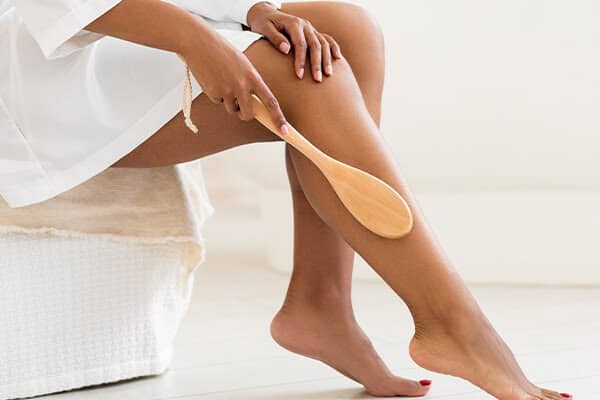
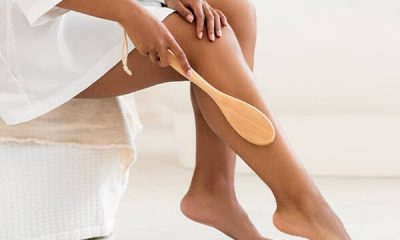
Dry brushing is a simple body-care technique that involves moving a firm-bristled brush over dry skin, usually before a shower. It has become popular among people looking for ways to smooth rough skin without adding another product to their routine.
Its clearest cosmetic benefit is exfoliation. The bristles help loosen dead skin cells from the surface, which can leave areas such as the legs, knees and elbows feeling smoother. It can be particularly useful when the skin feels rough or flaky, provided it is done gently.
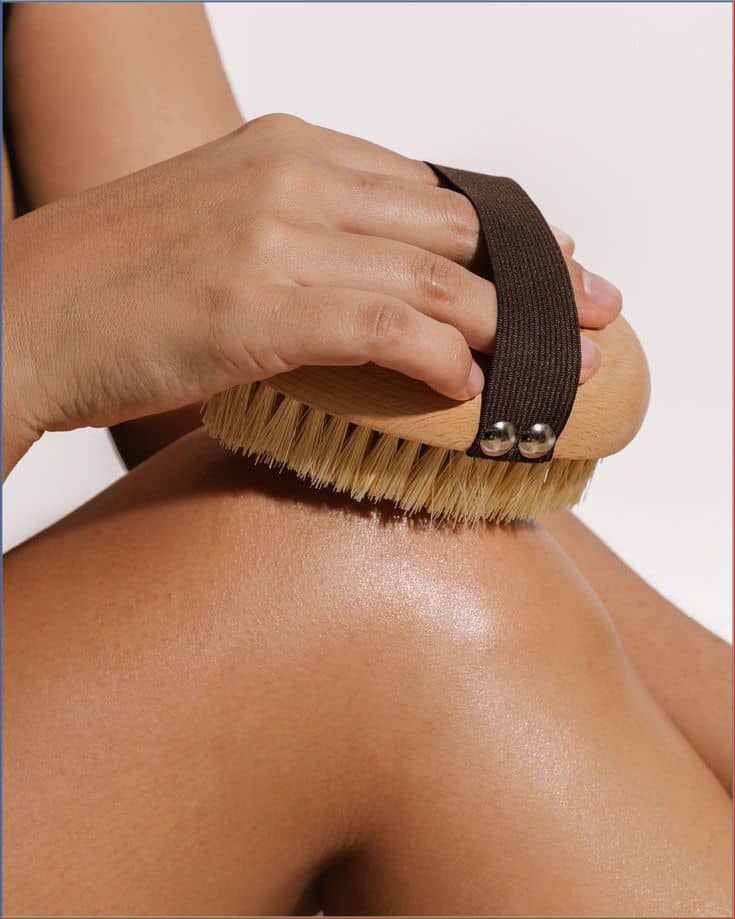
Photo – Pinterest
The technique is also quick. A few minutes before showering can be enough, after which you can wash away the loosened skin cells and apply a body moisturiser. However, dry brushing should not replace moisturising, especially if your skin tends to become dry.
Some people also enjoy the sensation of brushing the skin. The friction can temporarily increase blood flow near the skin’s surface, which may leave the area looking slightly red or feeling warm. This effect is short-lived and should not be confused with treatment for circulation problems.
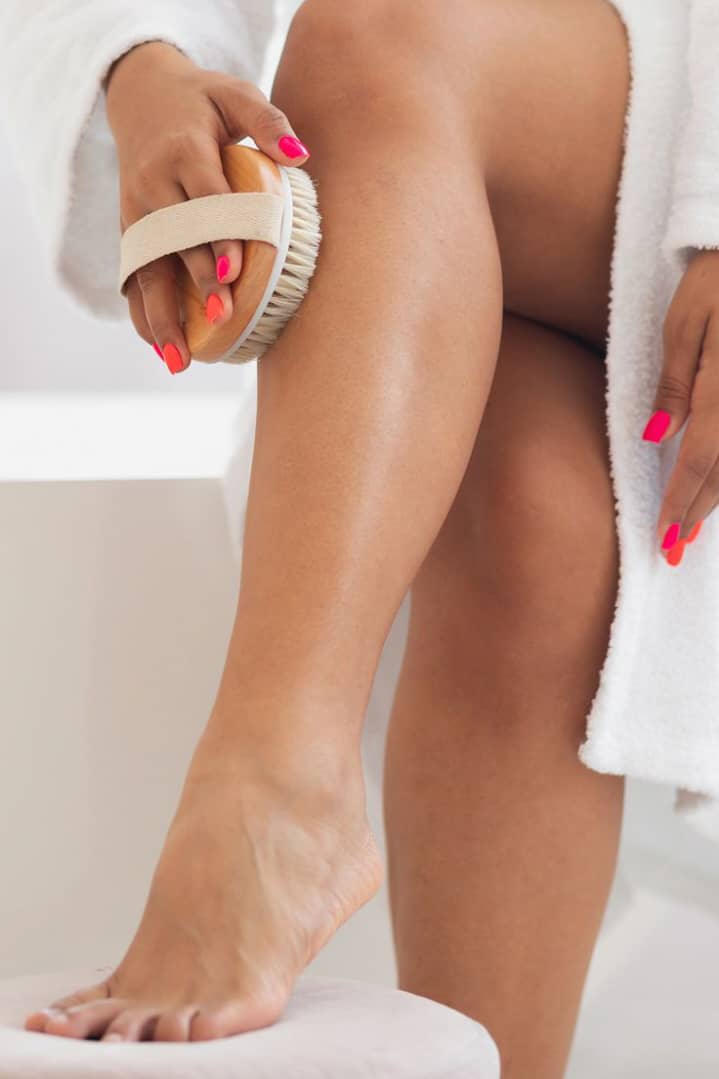
Photo – Pinterest
The claims surrounding dry brushing are less convincing. It is frequently promoted as a way to detox the body, reduce cellulite or improve lymphatic drainage. There is not enough evidence to support these claims. Dry brushing may temporarily make the skin look smoother, but it does not remove cellulite or toxins from the body.
How you brush matters. Applying excessive pressure can irritate the skin and damage its protective barrier. Use light, controlled strokes and stop if the skin becomes painful, scratched or persistently red. There is no benefit to brushing harder in an attempt to get better results.
Dry brushing should also be avoided over sunburn, cuts, wounds, rashes or irritated skin. Anyone with a skin condition that causes inflammation or sensitivity should check with a healthcare professional before adding physical exfoliation to their routine.
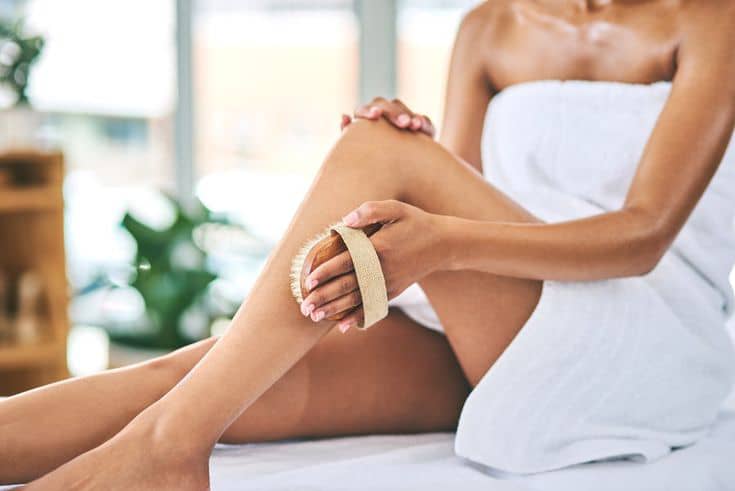
Photo – Pinterest
Daily brushing is not necessary. Start with occasional sessions and adjust according to how your skin responds. If your skin becomes dry, sore or irritated, reduce the frequency or stop altogether.
For those who tolerate physical exfoliation well, dry brushing can be a straightforward addition to body care. Its value lies in what it can realistically offer: removing surface dead skin and helping rough areas feel smoother, without the exaggerated detox and cellulite claims often attached to the practice.
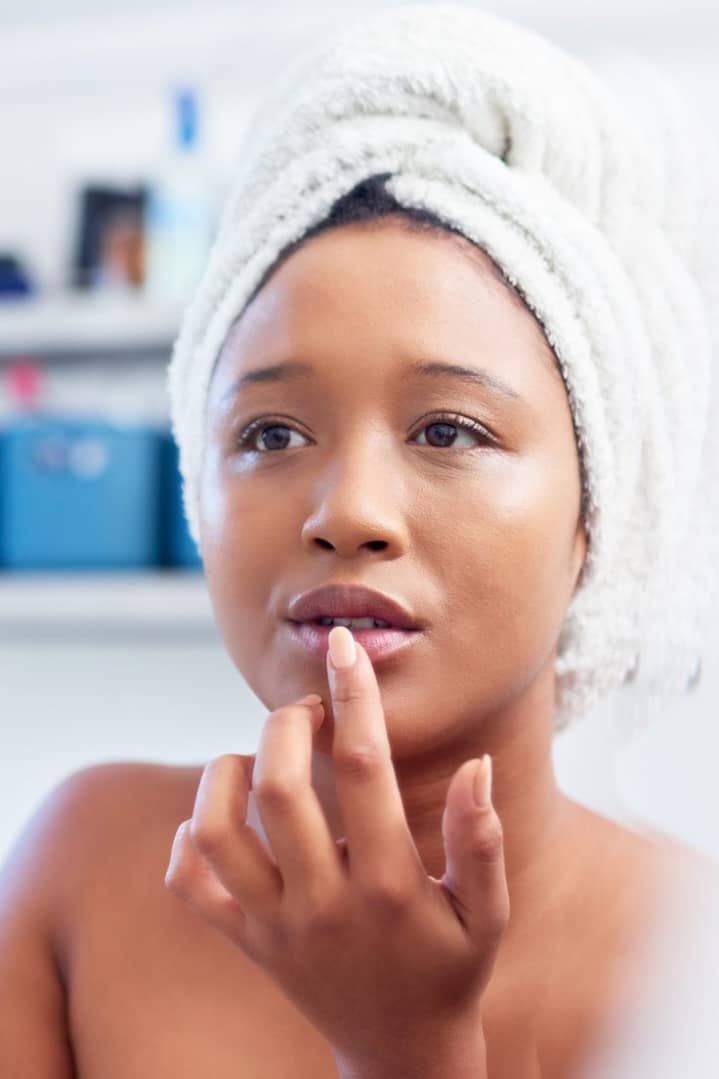
If you find yourself reaching for lip balm every hour, you may wonder whether you are applying it too often. There is no fixed number of applications that works for everyone. How often you need to moisturise your lips depends on their condition, the product you use and their exposure to factors such as sun, wind and dry air.
Dermatologists generally recommend applying a non-irritating lip balm when your lips feel dry and before bed, with more frequent application when conditions require it. For severely dry or cracked lips, a thicker ointment can form a stronger barrier against moisture loss.
So, How Often Is Enough?
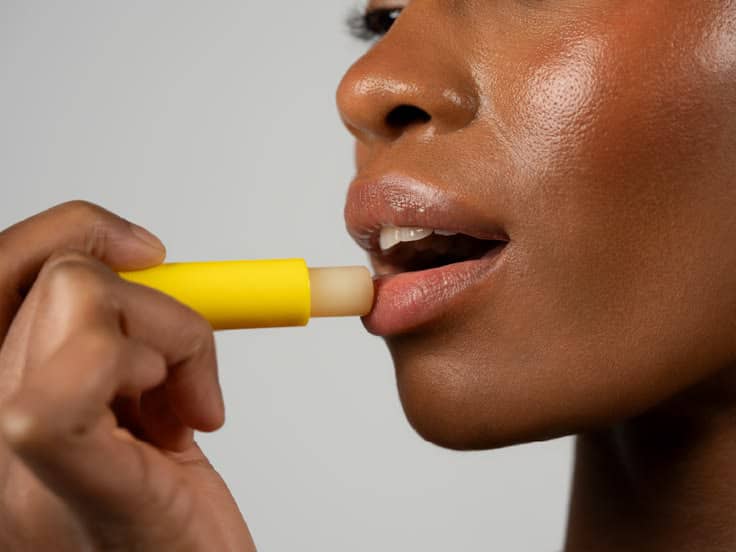
Photo – Pinterest
If your lips are generally healthy and comfortable, you may only need lip balm when they feel dry, with an application before bed if they tend to become dry overnight. If they become dry during the day, reapply whenever needed, particularly after eating, drinking or wiping the product away.
Your routine should also change when you are spending extended periods outdoors. Sun protection is a separate part of lip care, so use a lip product with broad-spectrum SPF 30 or higher during the day. When using an SPF lip product outdoors, reapply about every two hours and after eating, drinking or activities that remove it.
Weather can also affect how often you need lip balm. Dry air, wind and cold conditions can increase moisture loss, so you may need to reapply more frequently. In particularly dry conditions, use your balm as often as needed, provided the product is not irritating your lips.
If Your Lip Balm Is Not Helping
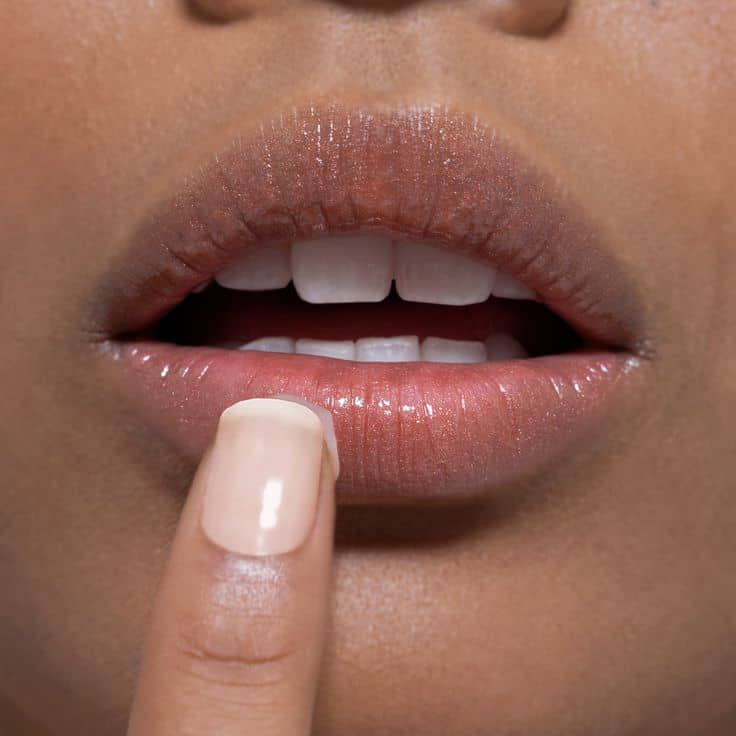
Photo – Pinterest
If you are constantly reapplying lip balm but your lips remain flaky, sore or tight, the problem may not be that you need more of it. The formula itself could be irritating your lips.
Fragrance, flavouring, menthol, camphor and eucalyptus can irritate already-chapped lips in some people. Persistent burning, stinging or tingling can indicate irritation, so stop using a product that causes these reactions.
For dry or cracked lips, fragrance-free products with moisturising and occlusive ingredients are generally a better choice. Ingredients such as petrolatum, mineral oil, glycerin, dimethicone, ceramides and shea butter can help reduce moisture loss. Ointments can be particularly useful because they form a stronger barrier than lighter products.
Do You Need to Moisturise Overnight?
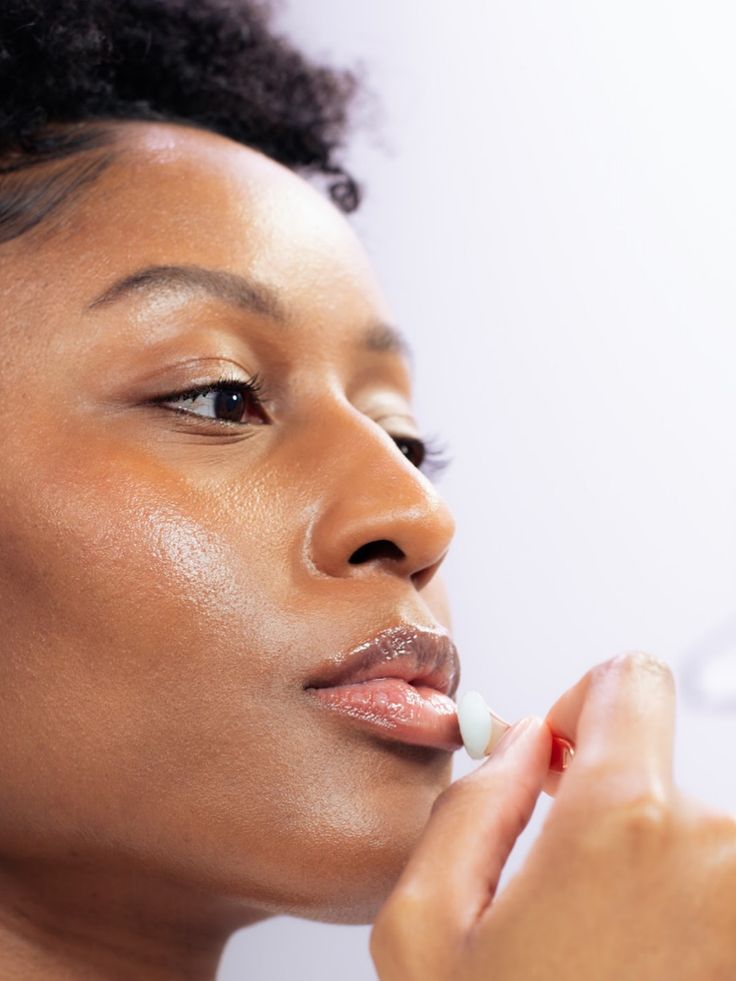
Photo – Pinterest
It can help, particularly if your lips tend to feel dry when you wake up. Applying a thicker, fragrance-free ointment before bed allows it to remain on the lips for several hours without being removed by eating or drinking.
This is also a practical time to use a richer product because you do not have to consider how it looks under lipstick or gloss.
Avoid Licking or Picking Your Lips
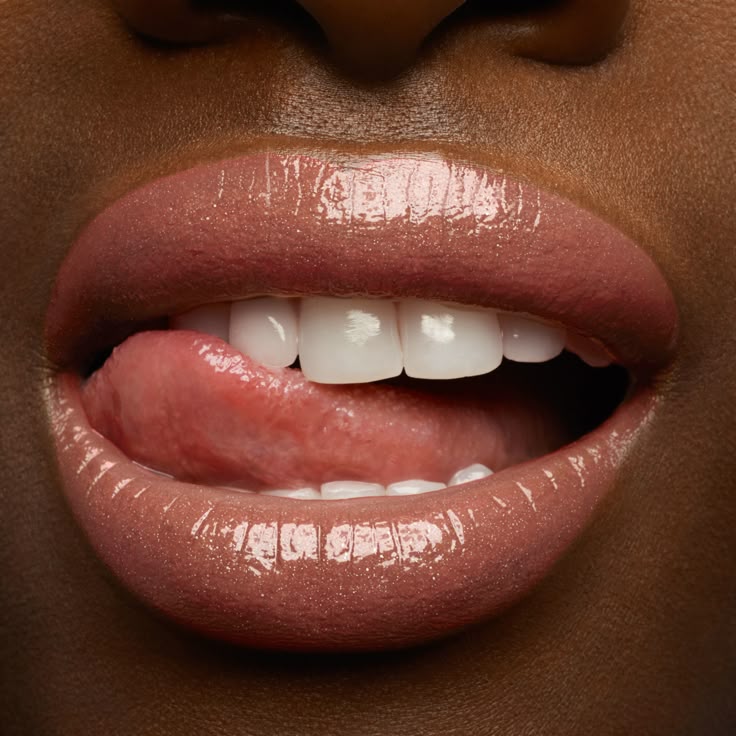
Photo – Pinterest
Repeatedly licking your lips can make dryness worse. Saliva may temporarily make them feel wet, but as it evaporates, it can leave the lips drier and more irritated. Picking or biting peeling skin can also cause further damage and delay healing.
While adequate hydration is important for overall health, persistent chapping is not necessarily caused by drinking too little water. External irritation, allergies, weather and certain products can all play a role.
If your lips remain cracked, scaly or painful despite consistent care, see a doctor or dermatologist. Seek medical advice sooner if they are bleeding significantly, becoming swollen or showing signs of infection.
The best approach is simple: use a non-irritating moisturiser when your lips need it, protect them from the sun and change products if you develop irritation. There is no need to follow a strict number of applications. Your lips and the conditions around you are better guides.


4 Steps to Glowing Skin, According to Experts

The Best Fragrances to Add to Your Collection This September

Ciara Is Pregnant, Expecting Her Fifth Child With Russell Wilson




-

 Netflix Series3 months ago
Rorisang Mohapi-Grootboom Leads a Tense Opening Episode of “Kwa Baba
-

 Lifestyle3 months ago
Youth Month: 5 Young South Africans to Know in Fashion, Beauty, Lifestyle and Entertainment
-

 Fashion3 months ago
Bonang Matheba Shares New Photos in an All-Gucci Outfit
-

 Food3 months ago
Traditional South African Foods Every Visitor Should Try
-

 Netflix3 months ago
‘The Polygamist’: South Africans Weigh In on Netflix’s New Series
-

 Lifestyle3 months ago
Four South African Beaches Earn Spots on Global Best Beaches List
-

 Movies3 months ago
Tyla Joins the Cast of “Toy Story 5”
-

 Lifestyle3 months ago
The Ultimate Father’s Day Gift Guide for Every Type of Dad