Movies
Head of States Movie Thriller Review


What if the most powerful man in the world became the most hunted? Head of State opens not with a speech, but with chaos—sirens wailing, the President fleeing in the dead of night, and a sniper’s red dot flickering across the Oval Office. In that first breathless moment, you know this isn’t business as usual. This is survival. And for the next two hours, your heart will race alongside his. This is not just a movie—it’s a pressure cooker of suspense that dares you to look away, but you won’t.
A President Under Siege: Stellar Performances Drive the Drama

Idris Elba commands the screen as President Anthony Bradshaw, a decorated war hero turned head of state, who discovers a plot so deep and dark, it shakes the White House to its core. Thrown into a deadly game of deception, Bradshaw finds an unlikely ally in CIA agent Lana Morse, played with fierce brilliance by Jessica Chastain. Their chemistry is not just believable—it crackles. Every conversation, glance, and moment of silence between them is charged with tension and trust forged under fire.
A City of Secrets: Visual Storytelling at Its Finest
Visually, Head of States is a stunning achievement. The cinematography dances between the grand and the gritty—sweeping aerial shots of Washington D.C. give way to shadowy corners and high-tech war rooms. Director Marcus Renner uses light and movement with precision, making the city itself feel like a character—beautiful, powerful, and full of secrets.
Strong Characters and Real Chemistry

The characters in Head of States feel real and natural. Idris Elba’s President Bradshaw is tough but shows just enough emotion to connect with the audience. Jessica Chastain’s Agent Morse is smart, focused, and strong, with a calm confidence that stands out. Their partnership grows through trust and shared danger—not romance, but something deeper. The bond between them adds heart to the action and makes every scene they share more powerful.
Words That Cut Deep: Sharp, Purposeful Dialogue
The dialogue is sharp, real, and emotionally grounded. There’s no over-the-top monologuing here. Instead, characters speak with purpose. From fast-paced exchanges in war rooms to quiet, tense conversations in safehouses, every word pulls you deeper into the plot. It’s smart writing that never talks down to the audience.
Tension in Every Corner: Atmosphere Through Setting

The film’s setting amplifies its tension. From the elegance of the White House to cold, anonymous CIA black sites, each location adds another layer to the story. You feel the weight of every room, every hallway—each one soaked in history, power, and fear. The contrast between public image and hidden truth is beautifully captured through space and setting.
Style with Substance: Costume Design That Tells a Story
Costume design in Head of States does more than dress the cast—it mirrors their journey. President Bradshaw begins in tailored perfection, but as the stakes rise, his look breaks down—bloodied sleeves, bulletproof vests, a leader stripped to his core. Agent Morse’s wardrobe is functional and sleek, highlighting her no-nonsense mindset and military precision. Even background players are styled to reflect the invisible lines between truth and loyalty.
Final Verdict

In the end, Head of States delivers a story that’s not only thrilling but deeply human. It’s about leadership under fire, trust in the face of betrayal, and the fight to protect a nation when everything seems lost. With powerhouse performances, gripping visuals, and a story that never lets up, this film proves that the biggest battles aren’t always fought on the battlefield—they’re fought in the heart of government, and sometimes, in the soul of one man.














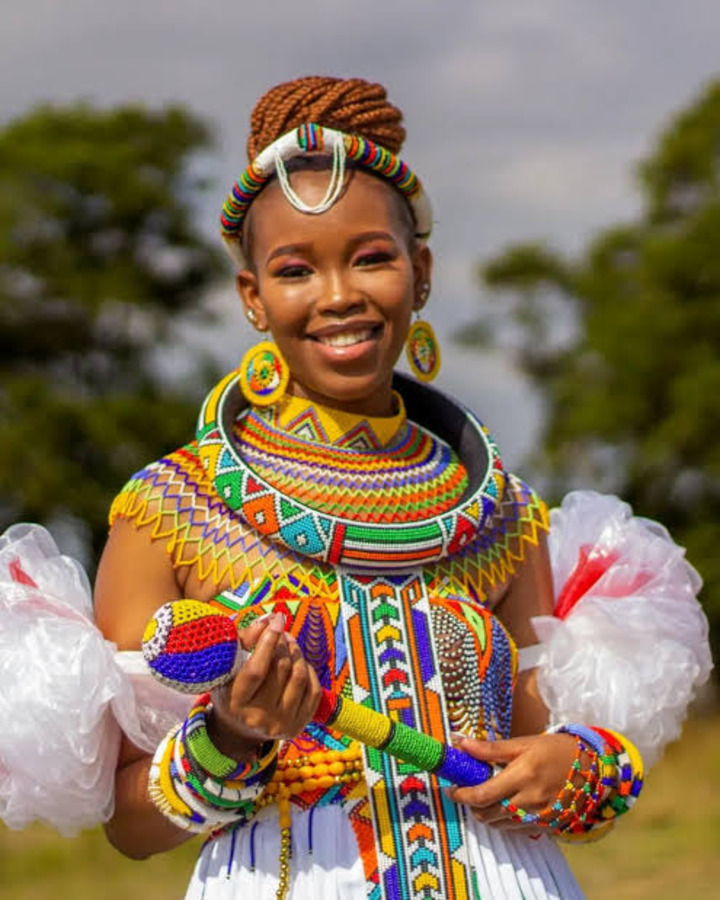
Heritage Day, observed on 24 September, is the perfect time to celebrate the country’s diverse cultural heritage and history. Film is one way to revisit important moments that shaped the country. Here are 5 classic films worth watching on this occasion.
Sarafina
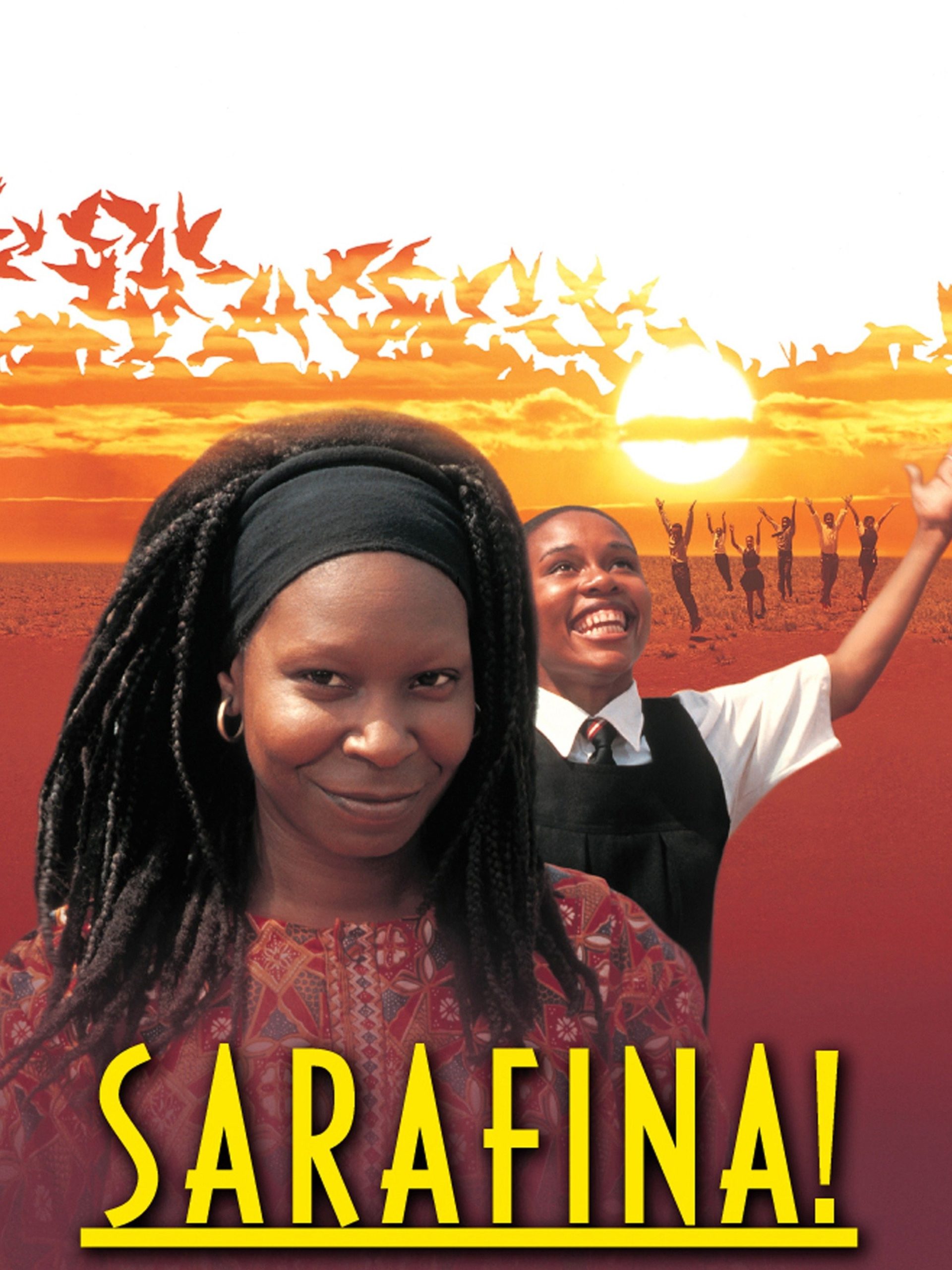
Photo: Rotten Images
Sarafina tells the story of a student in Soweto involved in 1976 student protests. Leleti Khumalo played Sarafina. Whoopi Goldberg, John Kani and Miriam Makeba were in the film. It was adapted from Mbongeni Ngema’s stage production and premiered at the 1992 Cannes Film Festival.
Tsotsi
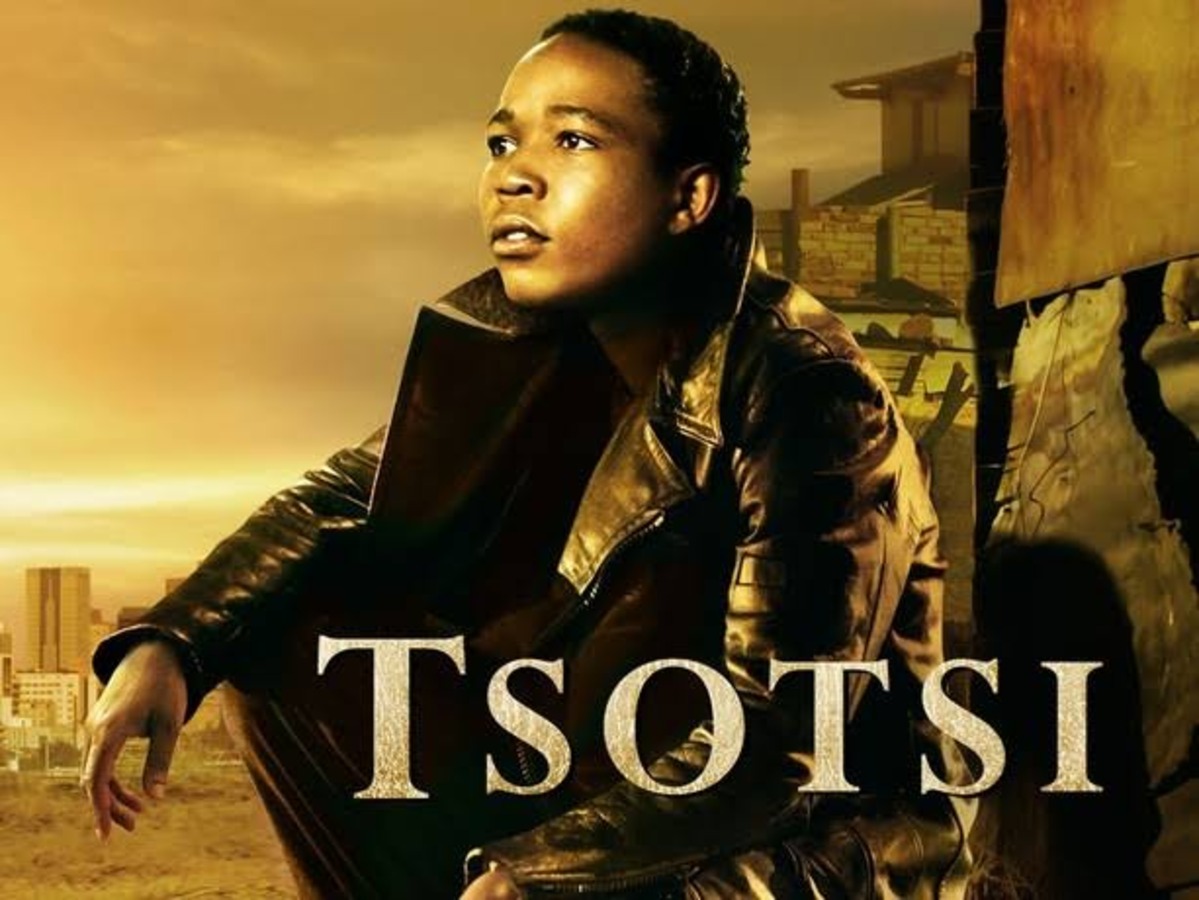
Photo: Rotten Tomatoes
Gavin Hood’s Tsotsi came out in 2005 and is set in Johannesburg. The film follows a gangster who takes a baby after discovering him in a car he has hijacked. Presley Chweneyagae starred as Tsotsi. He won the Academy Award for Best Foreign Language Film.
Read Also: 5 Movies to Watch in 2026
Yesterday
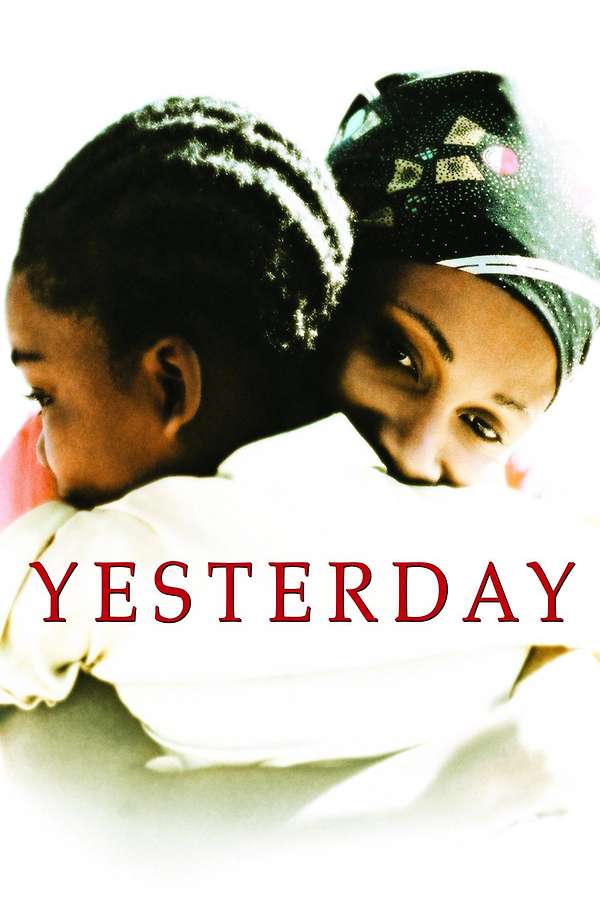
Photo: Rotten Tomatoes
Leleti Khumalo starred as Yesterday in the film. It tells the story of a young woman who cares for her daughter after being diagnosed with HIV. Darrell James Roodt directed this movie.
District 9

Photo: Rotten Images
Neill Blomkamp’s District 9 is a 2009 science-fiction film. The film follows Sharlto Copley’s character, Wikus van de Merwe, a government official tasked with overseeing the relocation of aliens living in Johannesburg. The film got Oscar nominations in four categories. They are Best Picture, Adapted Screenplay, Film Editing and Visual Effects.
Invictus

Photo: Rotten Tomatoes
Invictus was directed by Clint Eastwood in 2009. This story is about Nelson Mandela’s presidency and the 1995 Rugby World Cup. Morgan Freeman played Nelson Mandela, while Matt Damon played Springboks. It was based on John Carlin’s book Playing the Enemy and was filmed in Johannesburg and Cape Town.
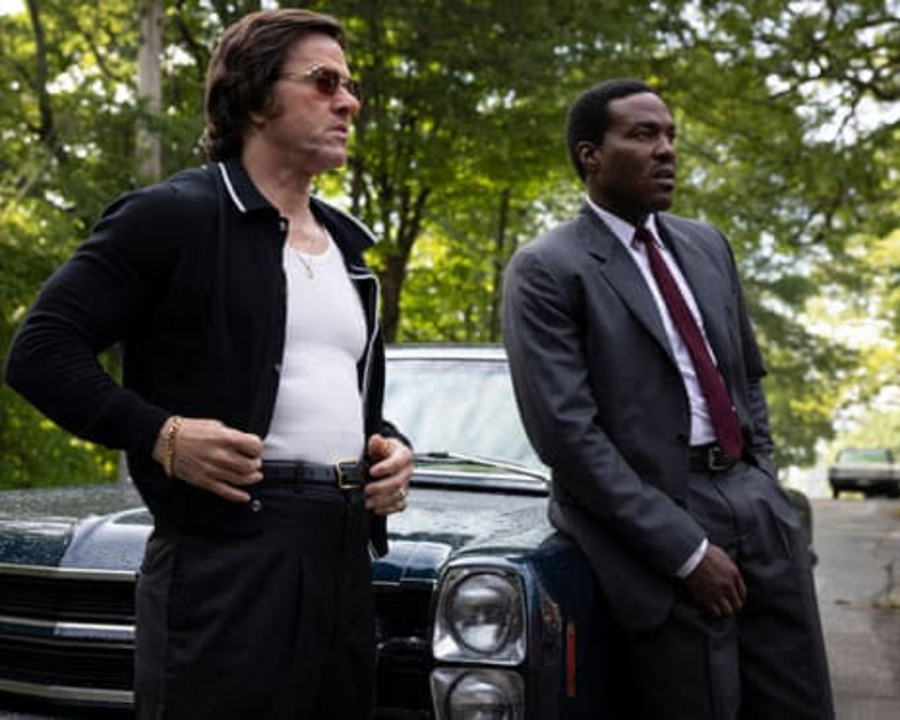
By Any Means takes a dark chapter of American history and makes it into a crime thriller. Set against the violence and racial tensions of 1966 Mississippi, the film follows an FBI investigation into the murders of civil rights leaders. It does not present Mississippi as just a backdrop. It makes the setting part of the story.
Plot
The story is about a young Black FBI agent sent to Mississippi to investigate a series of murders connected to the civil rights movement. When he arrived, he landed in an uncomfortable position. He represents an institution that many Black communities have little reason to trust. He has to work in an environment that is unfamiliar.
By Any Means builds tension around the obstacles facing the investigators. Information is difficult to obtain, loyalties are uncertain and the threat of violence is real.
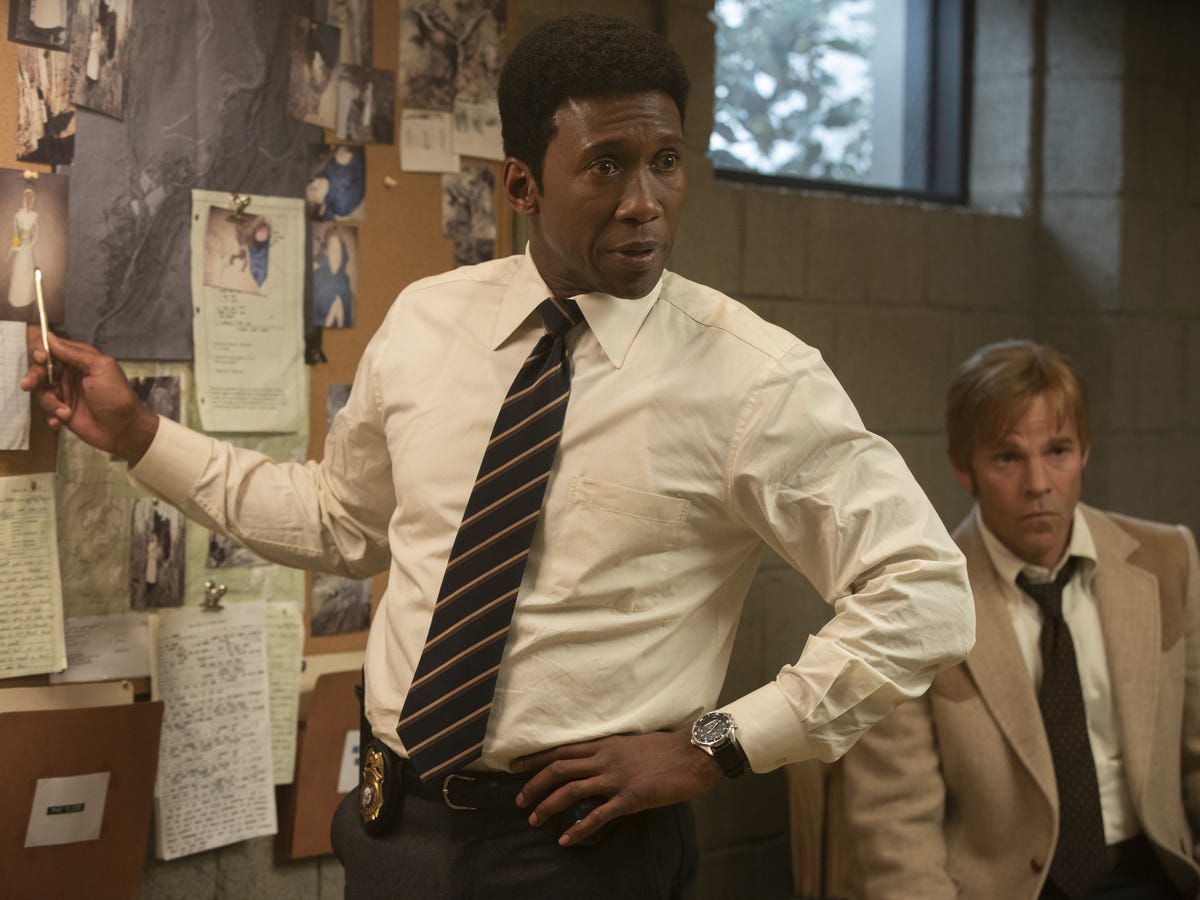
Photo : Just Jared
A Thriller With Something to Say
What makes By Any Means good is the way its social themes are built into the thriller. The film explores racism, institutional distrust and the struggle for justice, but these ideas influence the characters and the investigation.
The main character has to navigate several conflicting identities. His position as a Black agent allows him to connect to the people affected by the violence.
That tension gives the film much of its emotional weight. It also prevents the protagonist from becoming a standard crime thriller hero who simply arrives, solves the case and leaves.
Read Also: Buntu Petse Joins “Inimba” Season 2
Cast
Mark Wahlberg plays Gregory Scarpa, the Mafia hitman who becomes an unlikely ally. He underwent a major physical transformation for the role.
Giancarlo Esposito plays civil rights leader Vernon Dahmer, while Nicole Beharie, Josh Lucas, LisaGay Hamilton, LaChanze, Ethan Embry and David Strathairn appear in important roles.
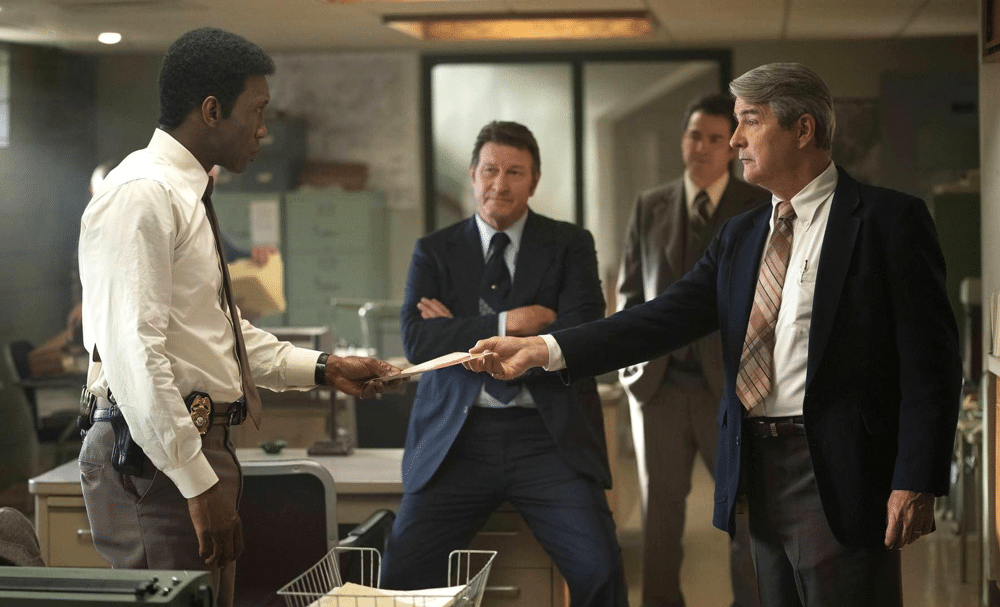
Photo: Just Jared
Production and Visual Style
The production uses the period setting to create an uneasy atmosphere. The locations, costumes and cinematography help establish a Mississippi where danger feels close even when nothing violent is happening.
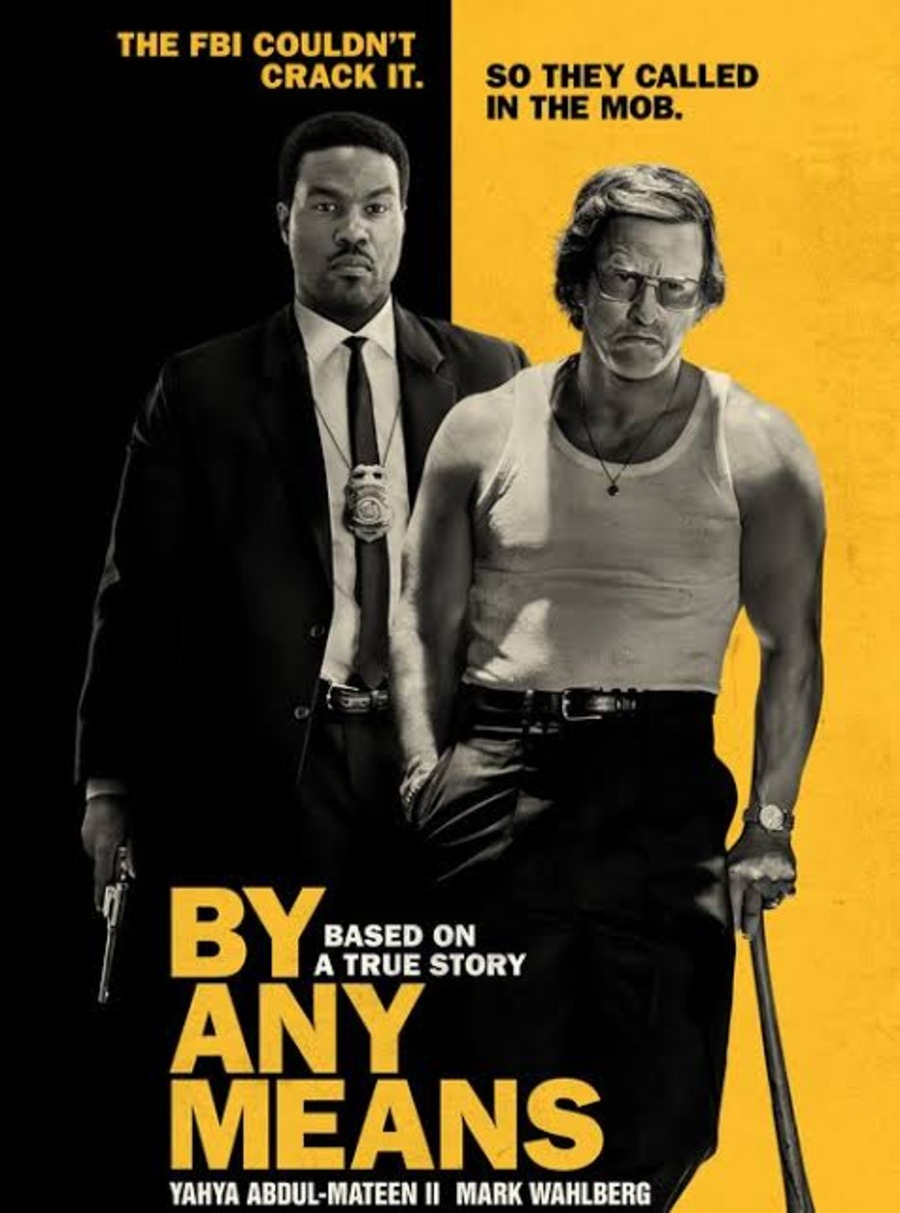
Photo: Just Jared
This is not a movie for viewers looking for a fast, action-packed mystery. It is for audiences interested in crime dramas that combine suspense with a difficult chapter of American history.
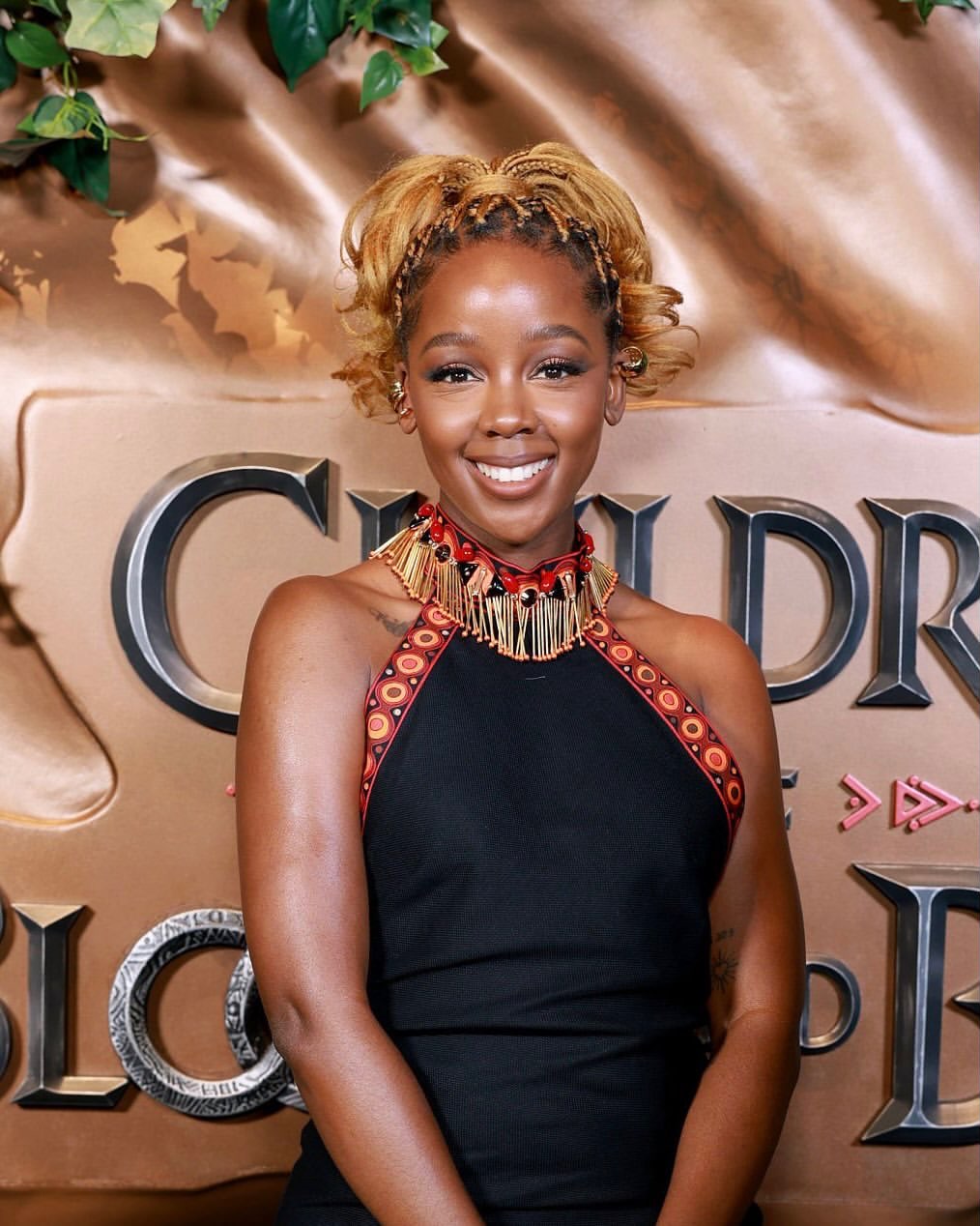
Thuso Mbedu leads the other cast in Children of Blood and Bone. The movie is an adaptation of Tomi Adeyemi’s novel. It is directed by Gina Prince-Bythewood, and arrives in cinemas on 15 January 2027.
Mbedu plays Zélie Adebola, a young woman who seeks restoration of magic to the kingdom of Orïsha. King Saran has carried out raids among the people in a bid to destroy all traces of magic that could become a threat to Zele with her brother Tzain went on a dangerous journey to restore their magical powers.
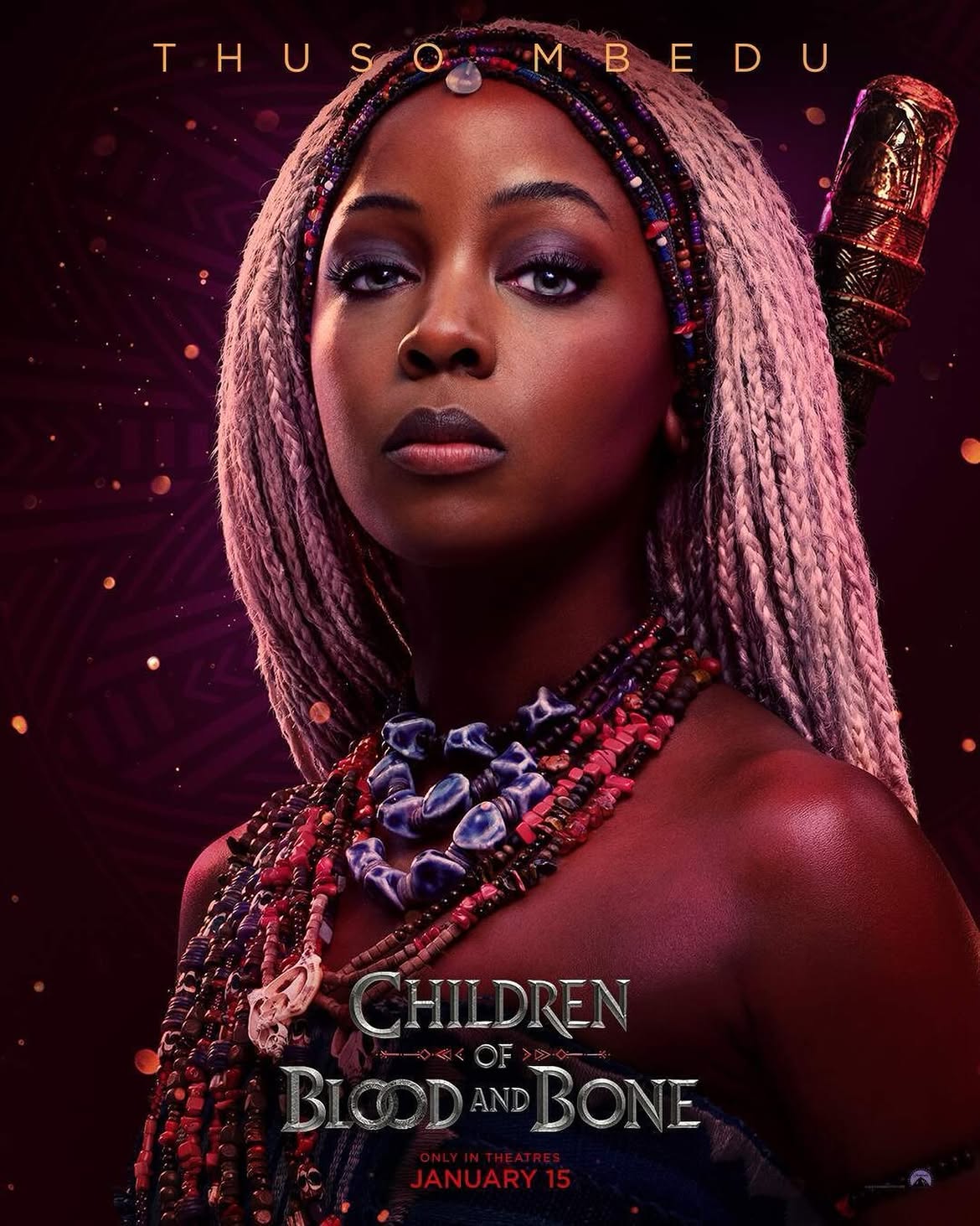
Photo: Instagram
The film cast includes Damson Idris as Prince Inan, while Amandla Stenberg plays Princess Amari. Tosin Cole takes on the role of Tzain, Zélie’s older brother. Idris Elba plays Lekan. Chiwetel Ejiofor is the ruthless King Saran, while Cynthia Erivo stars as Admiral Kaea.
Also in the production are Richard Mofe-Damijo, Ayra Starr, Temi Fagbenle, Shamz Garuba, and Kola Bodunde. Children of Blood and Bone themes are injustice, determination and hope.
Read Also: Thuso Mbedu Knows How to Rock Big Hair, These Two Images Say It All
After the casting announcement, Mbedu talked about how the project had been years in the making for her. She revealed that reading Adeyemi’s novel in 2019 left a lasting impression and even inspired her to hope she would one day be part of its screen adaptation.
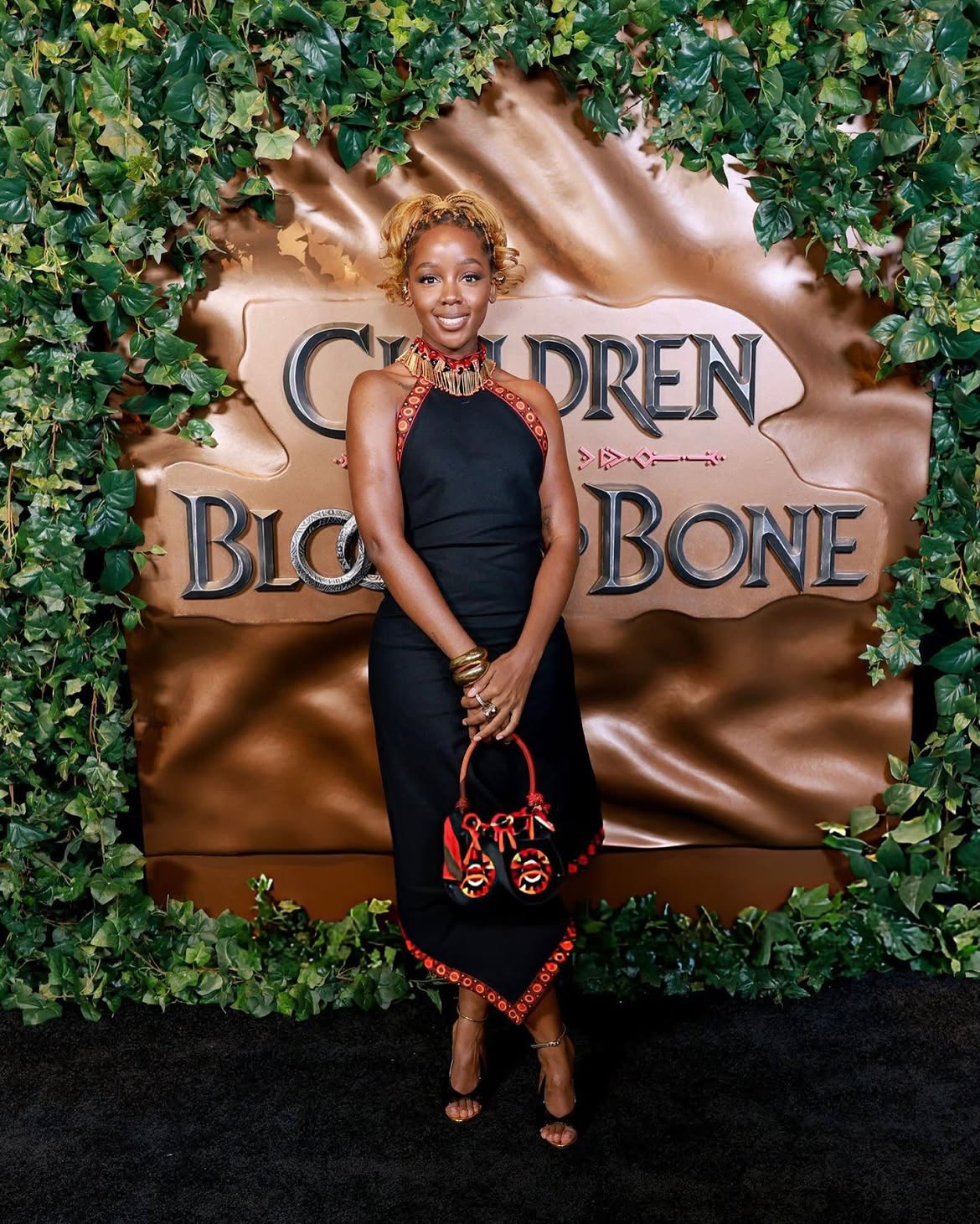
Photo: Instagram
“Children of Blood and Bone was gifted to me in 2019 and, truly, it’s one of the best gifts I’ve received. Upon reading it I fell in love with it – to the point that I made it a prayer point.”
The author said she was moved to come up with the movie after seeing the backlash against casting two black actors in 2012’s The Hunger Games.
“I was like, ‘Oh man, I’m going to write a story that’s so good and so Black that everyone’s going to have to read it even if you’re racist,’
The director, Prince-Bythewood told Variety that:
“I am so honored and excited to bring Tomi’s ‘Children of Blood and Bone’ and the vibrant world of Orisha to life,”
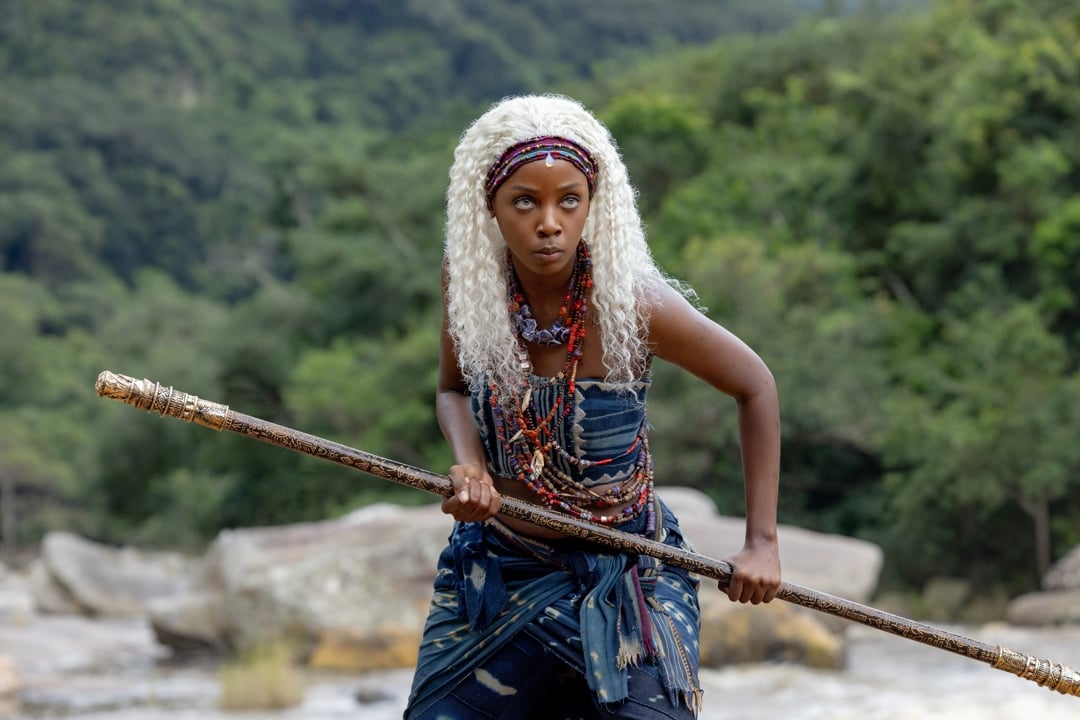
Photo: Instagram
Filming was done in Cape Town(South Africa), Canary Island (Spain) and Lagos (Nigeria). Despite facing issues over casting decisions, fans still look forward to this movie. With the stars involved, Children of Blood and Bone could be one of the top fantasy releases of 2027.


New South African Movies to Watch on Netflix

Thabsie Shows Off Toned Figure in Bikini on Tanzania Getaway

O.J. Simpson Associate’s Brother Claims He Had Bloody Hands on Night of Murders




-

 Travels3 months ago
6 Best Hotels in Cape Town
-

 Health3 months ago
Constantly Tired? Your Liver Could Be Telling You Something
-

 Dj Men3 months ago
The Male DJs Keeping South Africa’s Nightlife Alive
-

 Fitness3 months ago
How to Recover Faster After a Heavy Gym Session
-

 Netflix2 months ago
8 Mzansi Series and Films on Netflix to Watch This August
-

 Health3 months ago
Apple Cider Vinegar: From Health and Skin to Everyday Uses
-

 Sex & Relashionships3 months ago
5 Ways ‘Parallel Life Syndrome’ Kills Relationships
-

 Music3 months ago
Tyla Officially Releases A*POP