
Beauty
Hair Growth Supplements: Game Changer or Just a Gimmick?


You notice more hair in your comb. Maybe it’s on your pillow, in the shower drain, or just a sense that your hair isn’t as full as it used to be. You haven’t changed your routine, but something feels different. Then, you scroll through your feed and see it — shiny capsules and sugary gummies promising longer, thicker, glossier hair in just weeks. They’re everywhere, and the promises sound tempting. But do these supplements actually deliver? Or are we just buying hope in a bottle?
The Promise in a Pill

Hair supplements have carved out a massive space in the beauty market, offering an easy fix for everything from thinning edges to slow growth. Most contain familiar nutrients — biotin, zinc, collagen, folic acid — all ingredients linked to hair and skin health. The logic seems simple enough: give your body what it may be missing, and your hair should respond.
But hair health isn’t always that straightforward. If your diet is already balanced and your body isn’t lacking any key vitamins, adding more may not make a difference. And if your hair loss is driven by stress, hormones, or genetics, no supplement — no matter how well-reviewed — can fix that on its own.
When Supplements Might Help

That said, not all hair supplements are a waste of money. Some people do see improvement — less shedding, stronger strands, maybe even faster growth. But results vary, and they usually take time. Hair grows slowly, and most changes, if they happen at all, can take a few months to show up.
Supplements tend to work best when they address an actual deficiency. For example, if someone’s losing hair due to low iron or a lack of certain B vitamins, then the right supplement might help. But taking a product blindly, without understanding what your body needs, is unlikely to produce noticeable results.
The Factors We Often Overlook

Hair loss and thinning can be triggered by a wide range of issues. Stress, hormonal changes, thyroid conditions, certain medications, heat damage, tight hairstyles, and harsh chemicals — all of these can affect hair growth. Sometimes it’s not about what’s missing inside your body, but what’s happening on the outside.
Before reaching for a supplement, it’s worth asking: have you ruled out medical causes? Are your styling habits doing more harm than good? Are you nourishing your body overall? It’s easy to blame a vitamin shortage, but the real cause might be sitting quietly in the background.
A Market Light on Regulation

Unlike medicine, supplements aren’t held to the same regulatory standards. That means what’s written on the label isn’t always a guarantee of what’s in the bottle — or whether it works. Some brands are reputable. Others are more interested in branding than science. This makes it even more important to approach supplements with a healthy dose of skepticism.
Talk to a healthcare provider or nutritionist before starting anything new. A simple blood test might reveal exactly what you need — and what you don’t.
The Bottom Line
Hair supplements aren’t miracles, but they’re not entirely useless either. When used thoughtfully, they might support healthier hair. But they’re just one part of a bigger picture. Sleep, stress, diet, styling habits, and genetics all play a role — and no single product can override them all.
So before you spend a few hundred rand on the next trending hair supplement, pause. Look at your routine. Listen to your body. And maybe ask your stylist or doctor what they think — before
you trust the label on a bottle.


Most people give their underarms attention for less than a minute each day. A quick swipe of deodorant, and that’s the end of the routine. But dermatologists increasingly recommend treating your underarms as part of your skincare routine. Interest in underarm skincare has grown, with more consumers looking beyond deodorants to address irritation, uneven skin tone and razor bumps.
The skin under your arms is thinner than many other parts of your body. Constant friction from clothing, repeated shaving or waxing, sweat and ingredients found in personal care products can leave the area feeling dry, itchy or darker than nearby skin. Simply masking body odour does little to deal with these everyday concerns.
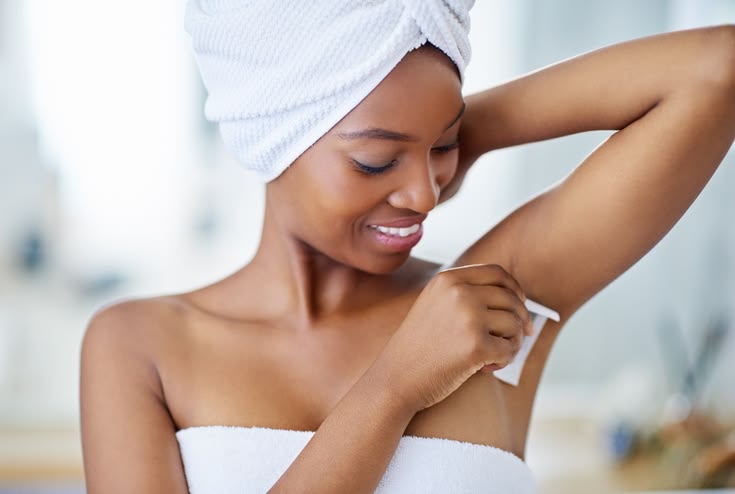
Photo: Pinterest
A better approach starts in the shower. Washing your underarms with a gentle cleanser removes sweat, bacteria and product build-up that ordinary rinsing may leave behind. This matters because fresh sweat has very little smell. The familiar body odour develops when bacteria on the skin break down sweat. Clean skin gives deodorant or antiperspirant a better chance of doing its job.
Exfoliation is another step many people overlook. Dead skin cells, trapped deodorant residue and clogged pores can leave the skin rough and uneven. A mild chemical exfoliant used once or twice a week can help smooth the area without the harsh scrubbing that often causes more irritation. Overdoing it, however, may irritate the skin and make sensitivity worse.
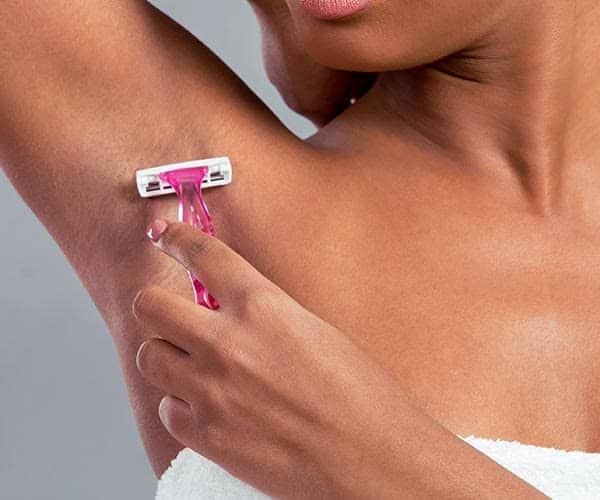
Photo: Pinterest
Shaving habits also deserve attention. Using a blunt razor or shaving dry skin creates tiny cuts that may lead to irritation and ingrown hairs. A clean, sharp razor, combined with a shaving cream or gel, reduces friction and helps reduce irritation while shaving. If your underarms feel irritated afterwards, allowing the skin to recover before applying heavily fragranced products can help minimise discomfort.

Photo: Pinterest
Hydration is just as important here as it is on your face or legs. While underarms do not usually need daily moisturising, applying a fragrance-free moisturiser after shaving or whenever the area feels dry can help protect the skin and reduce tightness. For people with sensitive skin, choosing products without added fragrance may lower the risk of irritation.

Photo: Pinterest
Choosing between a deodorant and an antiperspirant also depends on your needs. Deodorants target odour by reducing or masking the bacteria responsible for unpleasant smells, while antiperspirants reduce sweating by temporarily blocking sweat glands. People who experience excessive sweating may benefit from antiperspirants, while others may only need odour protection. Dermatologists also note that antiperspirants tend to work best when applied at night because sweat production is lower while you sleep.
Dark underarms are another common concern, but they rarely have a single cause. Repeated friction, shaving, irritation, hormonal changes and certain skin conditions can all play a role. Results usually take time. Products promising instant lightening should be approached with caution. Consistent skincare, reducing irritation and seeking medical advice when pigmentation changes suddenly are safer long-term strategies.
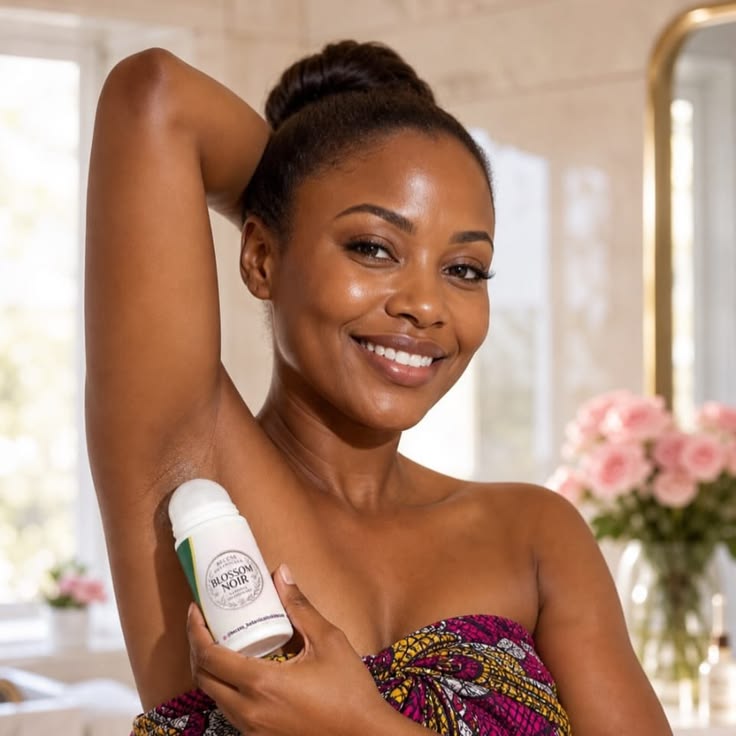
Photo: Pinterest
Looking after your underarms is not about chasing perfection. Healthy skin can have texture, visible hair follicles and natural colour variations. The goal is comfort and healthier skin. Deodorant remains an important part of personal care, but it should not be the only step. A few extra minutes each week can help improve how your underarms look, feel and respond to daily wear.
Facial skincare routines have received far more attention than underarm care. People are now applying similar skincare habits to their underarms. Looking after your underarms is a practical part of maintaining healthy skin.
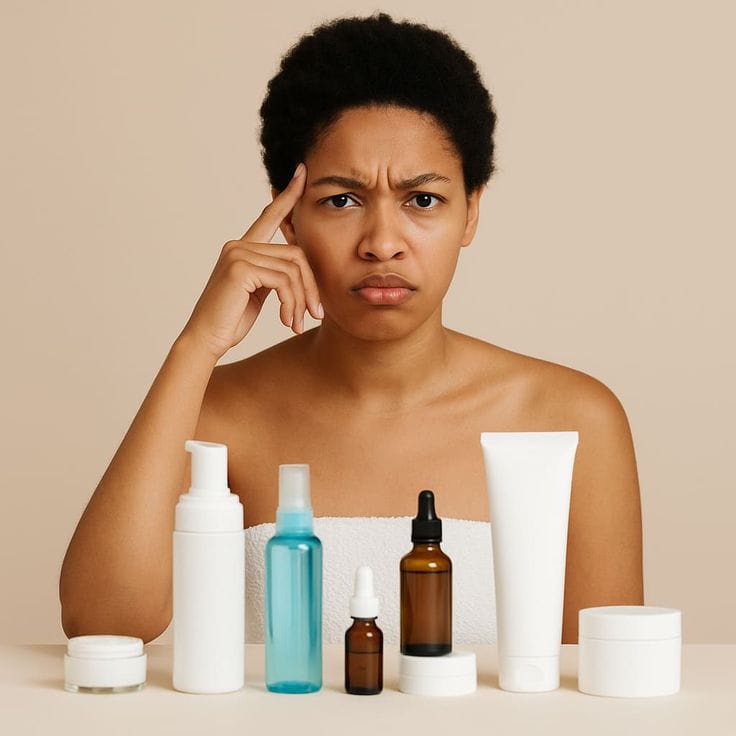
Interest in skincare among children and teenagers has grown rapidly in recent years. Social media, influencer recommendations and colourful packaging have encouraged many young people to treat skincare as a trend instead of focusing on healthy skin. As a result, many are using products developed for adults without understanding how they affect younger skin.
Dermatologists have raised concerns about this growing habit. While basic skincare can benefit young people, many adult products contain active ingredients that are unnecessary and may irritate developing skin.
Young Skin Needs a Different Approach
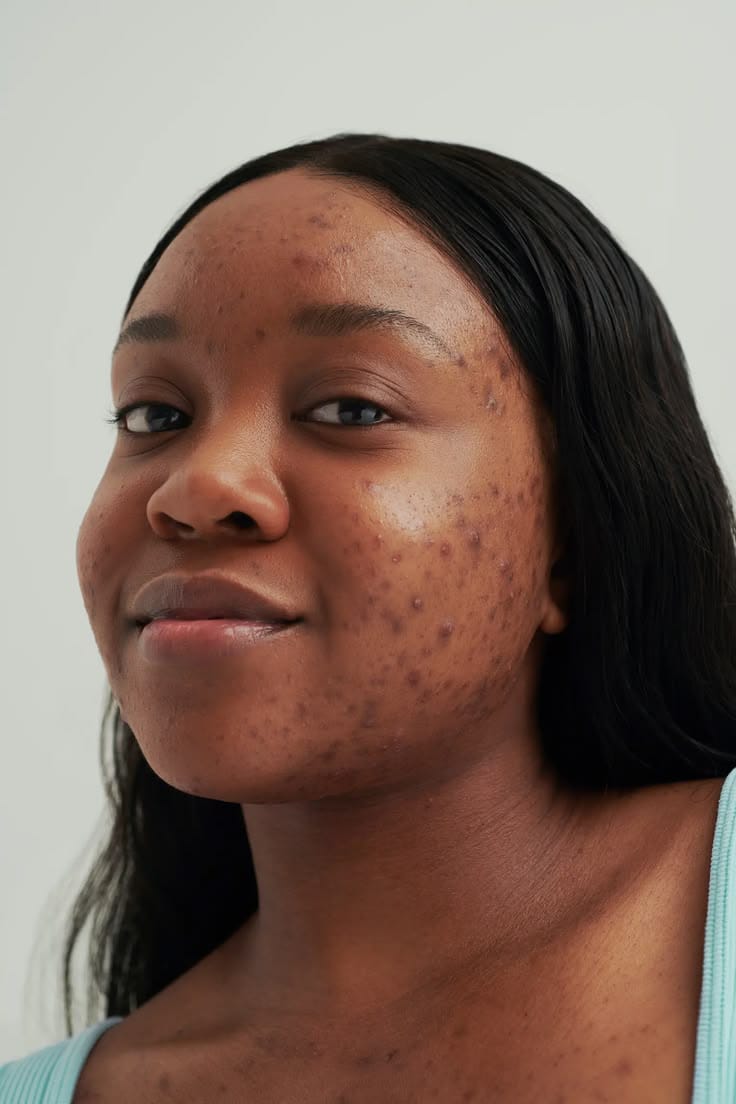
Photo – Pinterest
Children’s and teenagers’ skin has different needs from adult skin. Its protective barrier is still developing, making it more vulnerable to irritation and moisture loss. Hormonal changes during adolescence can also make skin more prone to excess oil and breakouts.
Using strong active ingredients too early or too often can leave the skin dry, red and sensitive instead of improving it.
Ingredients to Watch
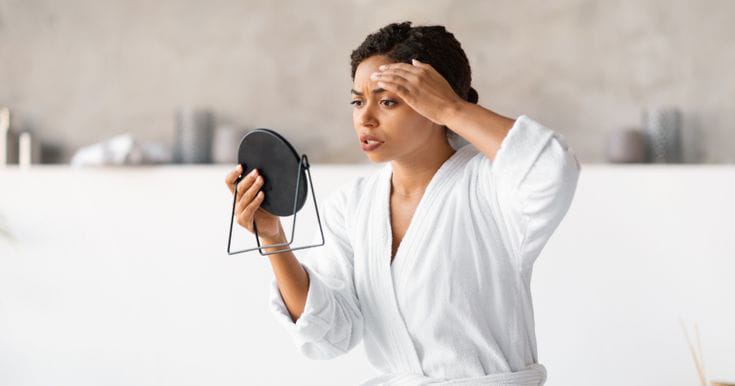
Photo – Pinterest
One of the biggest concerns is the growing use of anti-ageing products by children and young teenagers.
Retinol and other retinoids are designed to treat signs of ageing but can cause peeling, dryness and increased sensitivity to sunlight. Unless prescribed by a dermatologist for acne, they are generally unnecessary for young skin.
Chemical exfoliants, including alpha hydroxy acids (AHAs) and beta hydroxy acids (BHAs), can weaken the skin barrier when overused, leading to irritation and peeling.
Highly concentrated vitamin C products may also irritate sensitive skin, particularly when combined with other active ingredients. Fragrances and essential oils can trigger allergic reactions or skin irritation in some children and teenagers.
When Trends Replace Good Advice
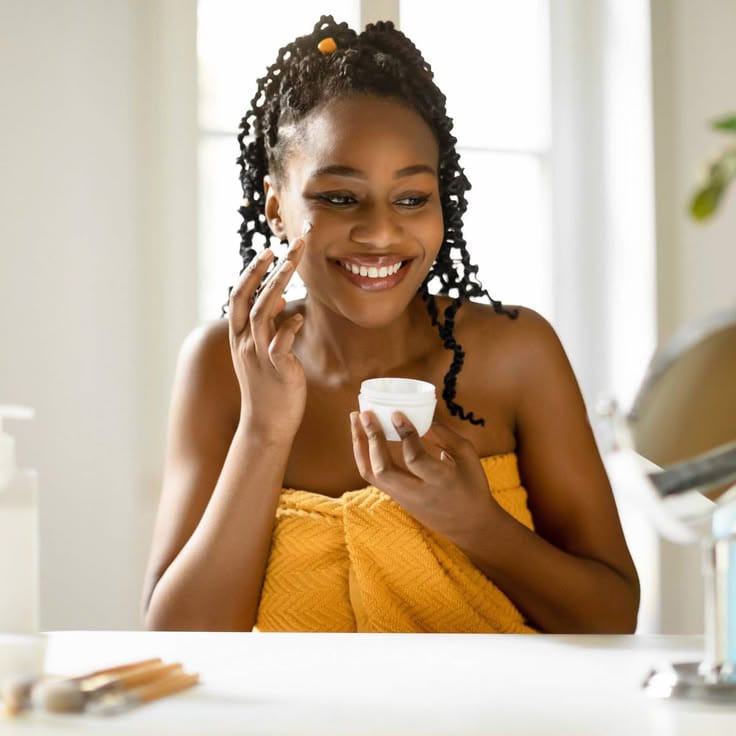
Photo – Pinterest
Many viral skincare routines feature six or more products layered together. Young viewers often copy these routines without understanding whether the ingredients are suitable for their age or skin type.
More products do not automatically mean healthier skin. In fact, overloading the skin with active ingredients can damage its protective barrier and make existing problems worse.
Keep It Simple
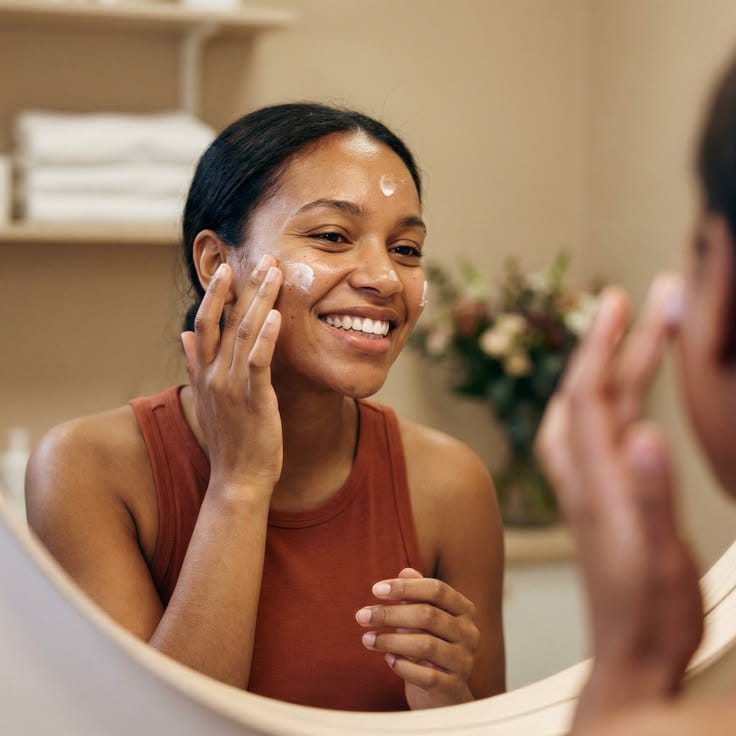
Photo – Pinterest
For most children, a gentle cleanser, a fragrance-free moisturiser and daily sunscreen are enough to maintain healthy skin. Teenagers with acne or persistent skin concerns should seek advice from a healthcare professional or dermatologist instead of relying on social media recommendations.
Warning signs that a routine is too harsh include persistent redness, burning, peeling, itching, increased sensitivity or worsening breakouts. If these symptoms develop, stop using the products and seek professional advice.
The Bottom Line
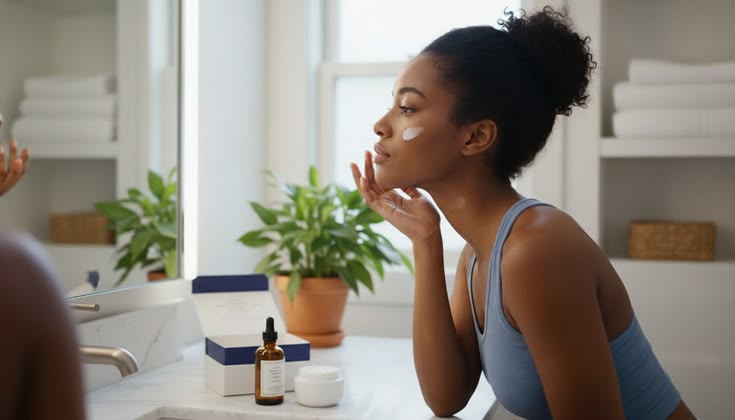
Photo – Pinterest
Skincare trends change quickly, but young skin does not need powerful anti-ageing products or lengthy routines. Products made for adults are designed to address concerns that children simply do not have, and using them too early can do more harm than good.
A simple routine centred on gentle cleansing, moisturising and daily sun protection is usually the safest choice. Building healthy skincare habits early is far more valuable than following the latest beauty trend.

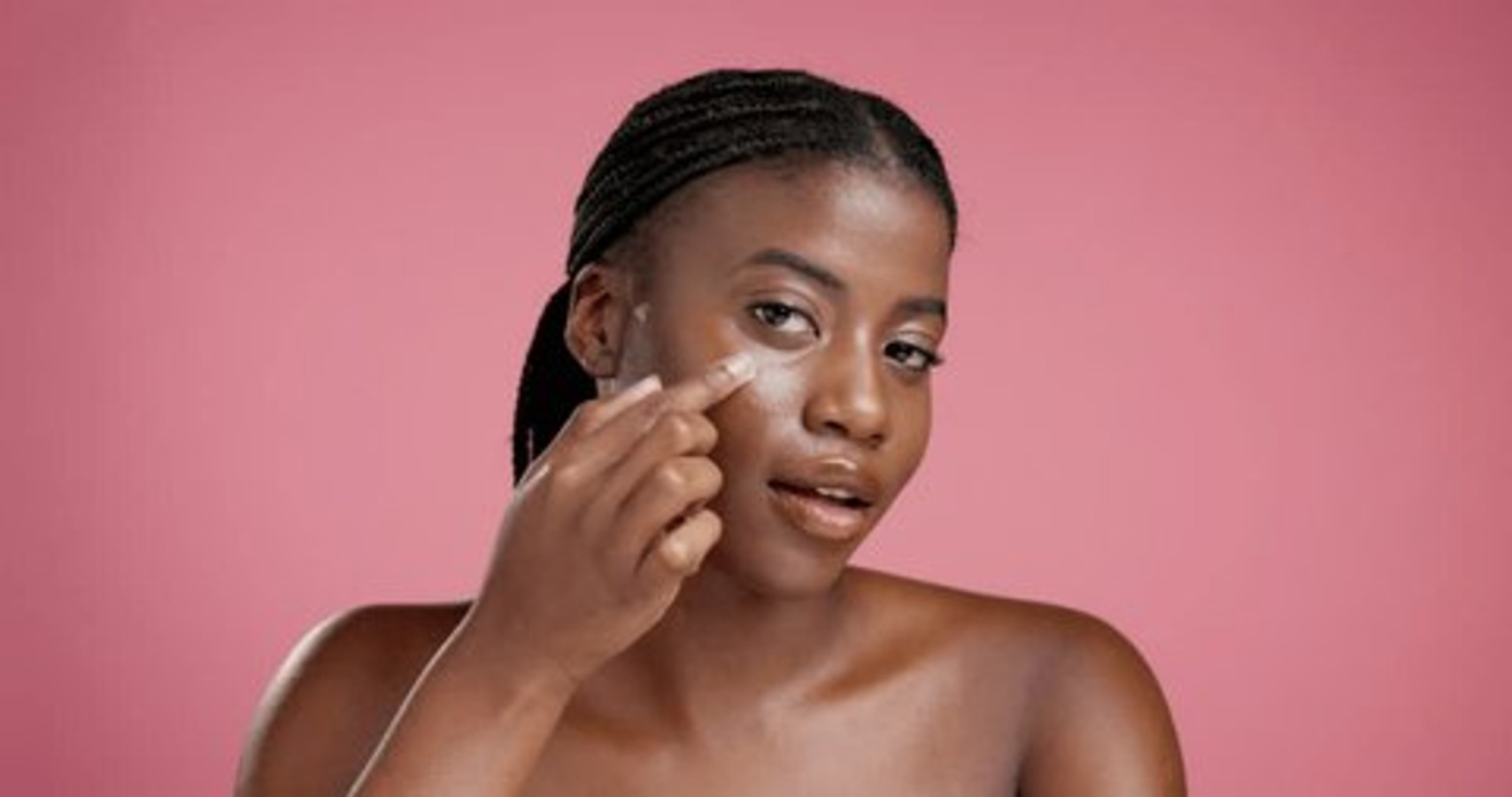
Winter can be tough on the skin. While people use several skincare products to keep their skin in good condition, it doesn’t always work. Many people make small skincare mistakes during this season which worsen the problem. According to the American Academy of Dermatology, some adjustments are needed to keep the skin barrier healthy during colder months. Here are five common skincare mistakes to avoid this winter.
Using Hot Water
When you use hot water on your skin it can remove the skin’s natural oils. These oils protect the skin from damage. When these oils are no longer available, dryness comes. Experts recommend using lukewarm water during colder months. Just cleansing your skin twice daily is ideal.
Not Using Moisturizer
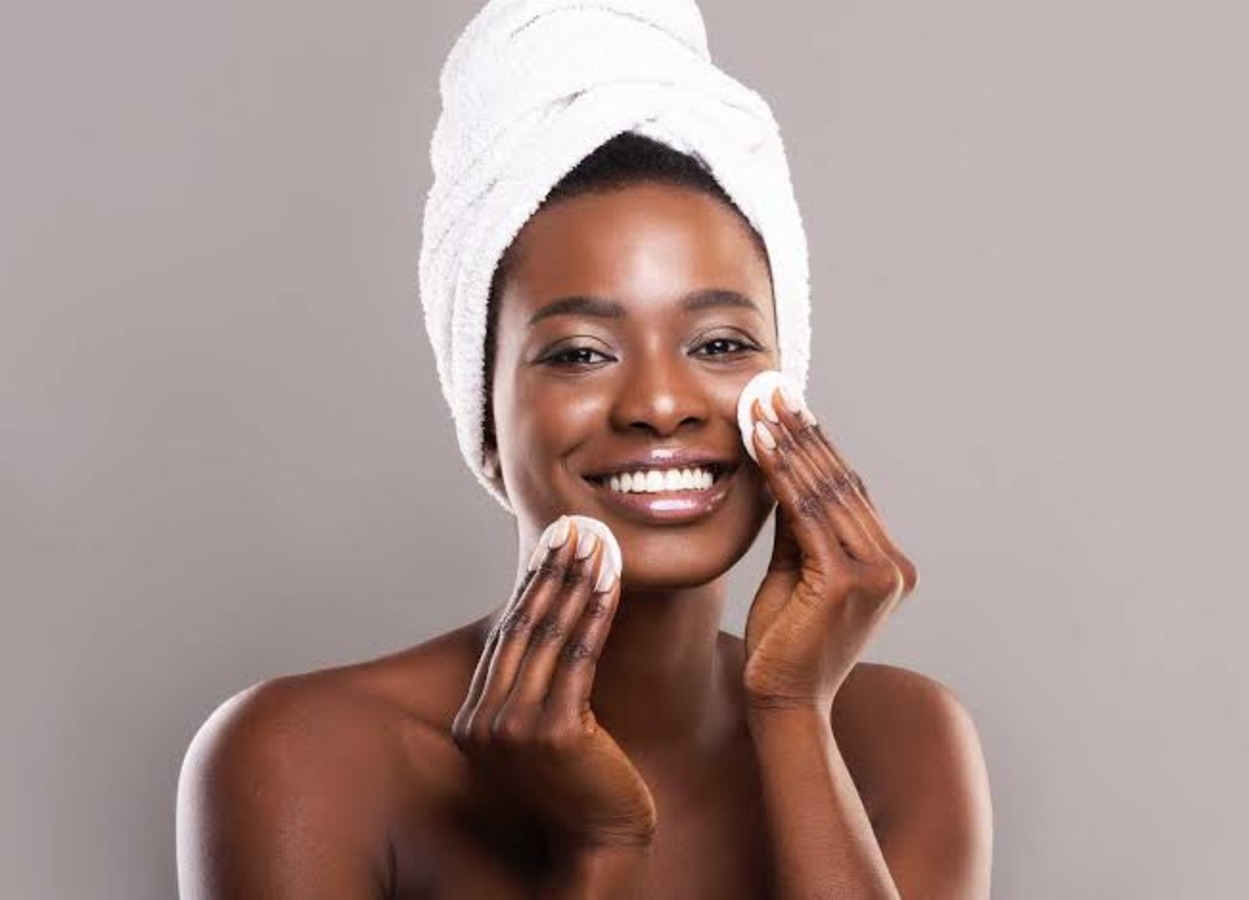
Photo: Getty Images
Avoiding moisturizer can cause severe skin damage during winter. Cold weather reduces the skin’s ability to hold moisture, which leads to flaking. The Mayo Clinic explains that moisturizers protect the skin barrier. Applying moisturizer immediately after washing helps keep your skin hydrated. Thicker creams have a better effectiveness than light lotions during winter period.
Read Also: Bell Pepper for Skincare, Myth or Miracle?
Ignoring Sunscreen
Even in winter, UV rays can still damage the skin. Many people stop using sunscreen, because they believe the sun is not too hot. The Cleveland Clinic notes that UV exposure causes premature aging. A broad spectrum SPF 30 should be used for the face and hands.
Overexfoliating the skin
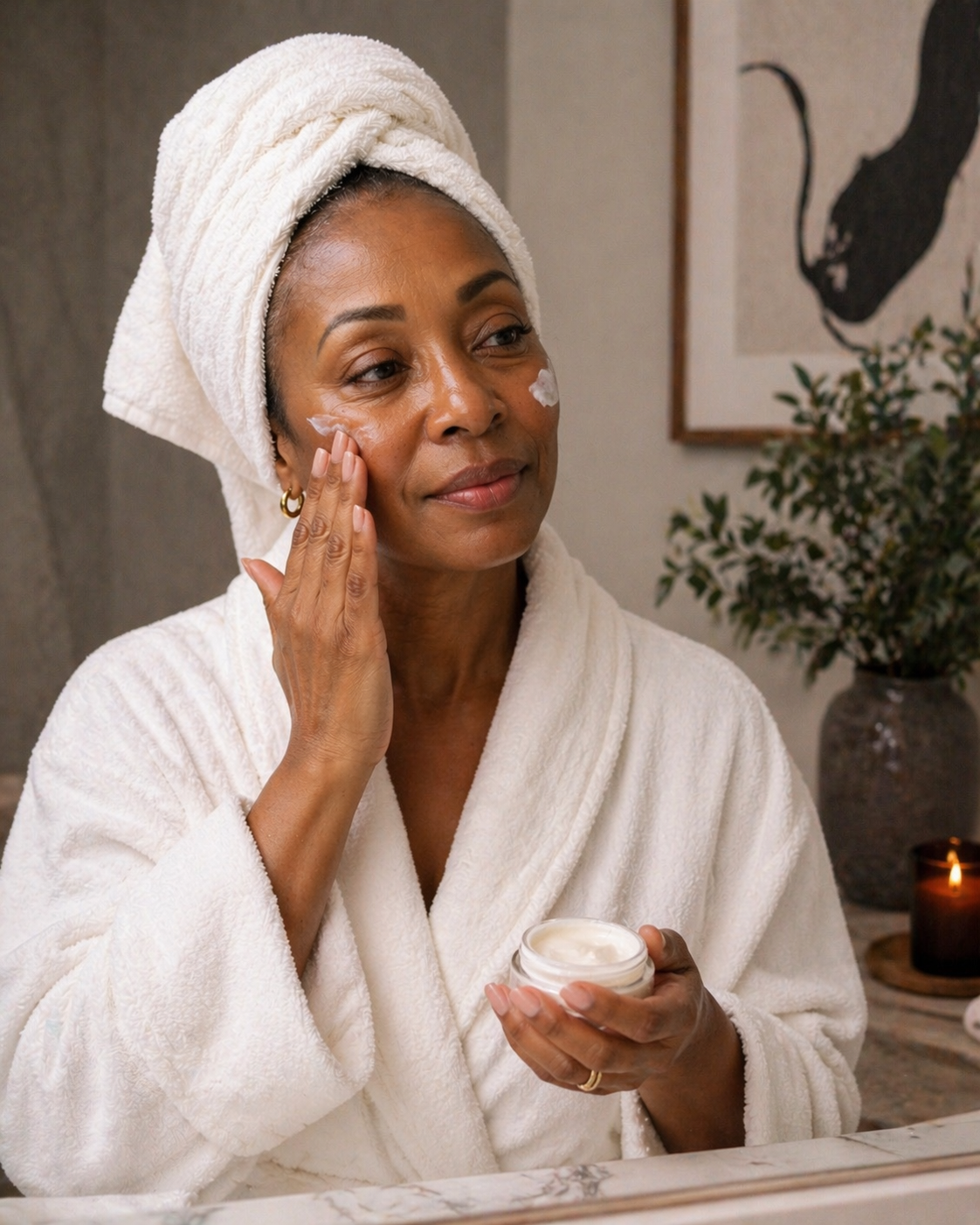
Photo: Getty Images
Exfoliating too often can weaken the skin barrier. This is true especially in winter when the skin is dry. When this happens, it causes irritation. The National Health Service advises exfoliation should be done minimally during colder months. Twice a week with a gentle product is usually enough.
Not adjusting your skincare Routine
It is advised to always make changes to skincare routines. Winter conditions need people to keep their body hydrated. Dermatologists state that alcohol based toners are bad during this period. Their harsh ingredients cause redness to the skin. You will know when these changes are needed when you pay proper attention to your skin condition.


Apple Cider Vinegar: From Health and Skin to Everyday Uses

Tems Becomes First Female African Artist to Earn RIAA Diamond Certification

Didintle Makobane Takes on Nthabiseng Role in New Film Coming on Women’s Day




-

 Movies3 months ago
Bontle Modiselle, Bobby van Jaarsveld and Chad Jones Bring South African Presence to “Michael” Premiere in Berlin
-

 Events3 months ago
Miss South Africa Qhawekazi Mazaleni and First Runner-up Luyanda Zuma to Host at the Metro FM Music Awards
-

 Celebrity News3 months ago
Charlize Theron Opens Up About Childhood Trauma and Mother’s Act of Self-Defence
-

 Movies3 months ago
SA Stars Danica De La Rey Jones and Masasa Mbangeni Join the Cast of Thriller ‘Sniper: No Nation’
-

 Top Shows3 months ago
Top Billing Returns for Its Long-Awaited Season 3
-

 TV3 months ago
Sinemivuyo Mpulu Joins ‘Top Billing’: How the TikTok Creator Earned His Place
-
 Beauty3 months ago
5 Best Budget Makeup Brands to Shop in South Africa
-

 Sex & Relashionships3 months ago
Arguing in a Relationship Isn’t Always a Bad Thing, Here’s How to Handle It Well