Food
Top Notch Restaurants in Cape Town


When it comes to South Africa’s culinary scene, no city compares to Cape Town. The Cape Town food scene is heavily influenced by Malaysian, Dutch, and other African cuisines. The city boasts top-notch restaurants, which is why many consider it the South African Food Capital. The criteria used include quality of meals, diversity, cleanliness, customer service, and affordability. Based on these factors, here is a list of the top restaurants in Cape Town.

Clarke’s, Bree Street
This restaurant is usually busy to the brim due to its delicious burgers and brunch. Due to the crowds, it’s best to always book a table earlier before going. Their mimosa and Bloody Mary cocktails are among the favorites. Also worth trying are their mashed potatoes, asparagus, and poached eggs. Meals are relatively cheap, and they accept various payment methods.

Kleinskys Sea Point
Kleinskys Sea Point is popular among the locals because of its delicious bagels and tasty meals . During chilly days, you shouldn’t miss Their matzo ball soup and grilled chicken which are must-tries on chilly days. They have a spacious parking space, and it is located in a quiet part of Sea Point. It is one of the top restaurants in Cape Town to take your friends and family for lunch.

Life Grand Cafe
Life Grand Cafe is located at the harbour’s edge of the V&A Waterfront and is one of the favourite restaurants to visit in the city. The seats are clean, and the servers are well-trained. You can sit by the window and watch ships depart. They offer lots of seafood and have a wide variety of dishes. Their meals are affordable, and a glass of wine costs as low as R40.
Read Also : Willow Smith: The New Face For Mugler’s Alien Goddess Fragrance!

Cousins Trattoria
If you love pasta, Cousins Trattoria should be your next destination. This highly sought-after restaurant is known for its signature cheesy pasta dish. If you are visiting on weekends, then you need to make a booking a few days in advance because of the crowds.

Rick’s Americain
Rick’s Americain is a favourite spot for dinner and cocktails around Kloof Street, which is a popular nightlife destination in Cape Town. The atmosphere is relaxed, yet classy. There is a well-decorated rooftop arena where you can eat if you want some privacy. Be sure to try their Moroccan fish skewers, one of the signature dishes. Their crunchy chicken and burgers is also highly recommended.
Final Thoughts
Cape Town’s culinary scene is very competitive, as there are numerous top restaurants to choose from. These restaurants offer both local and international dishes at affordable rates. The restaurants mentioned above are some of the best restaurants Cape Town has to offer. A visit to any of these restaurants will surely impress

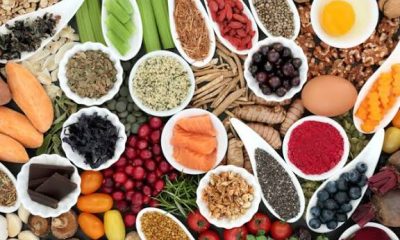


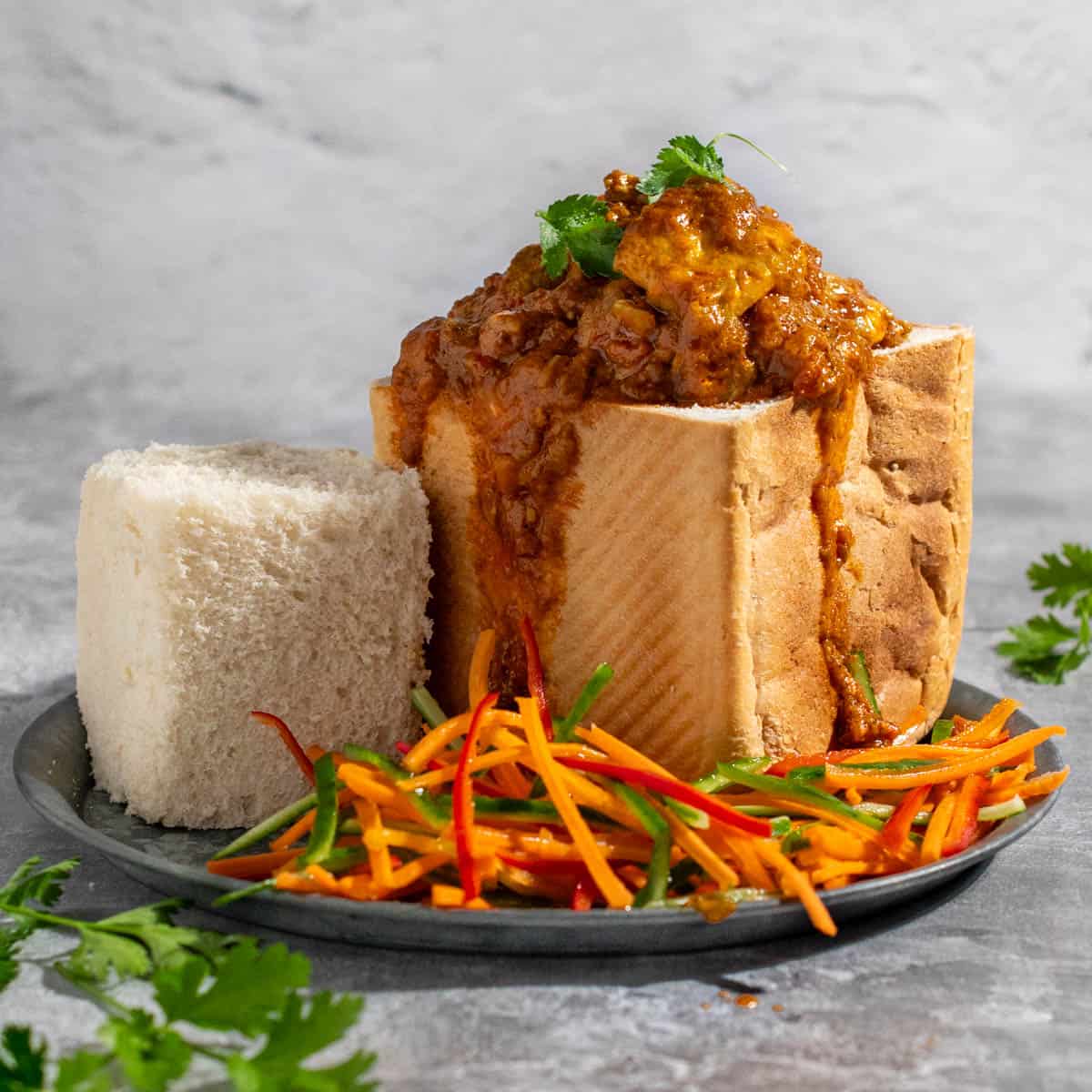
South Africa’s cuisine shows how rich and diverse the cultural diversity is. Food in the country has combined indigenous African traditions with some influences from Dutch settlers and Indian immigrants. The result is an excellent food culture with history and customs of many ethnic groups. Here are traditional foods that visitors can enjoy in South Africa.
Pap
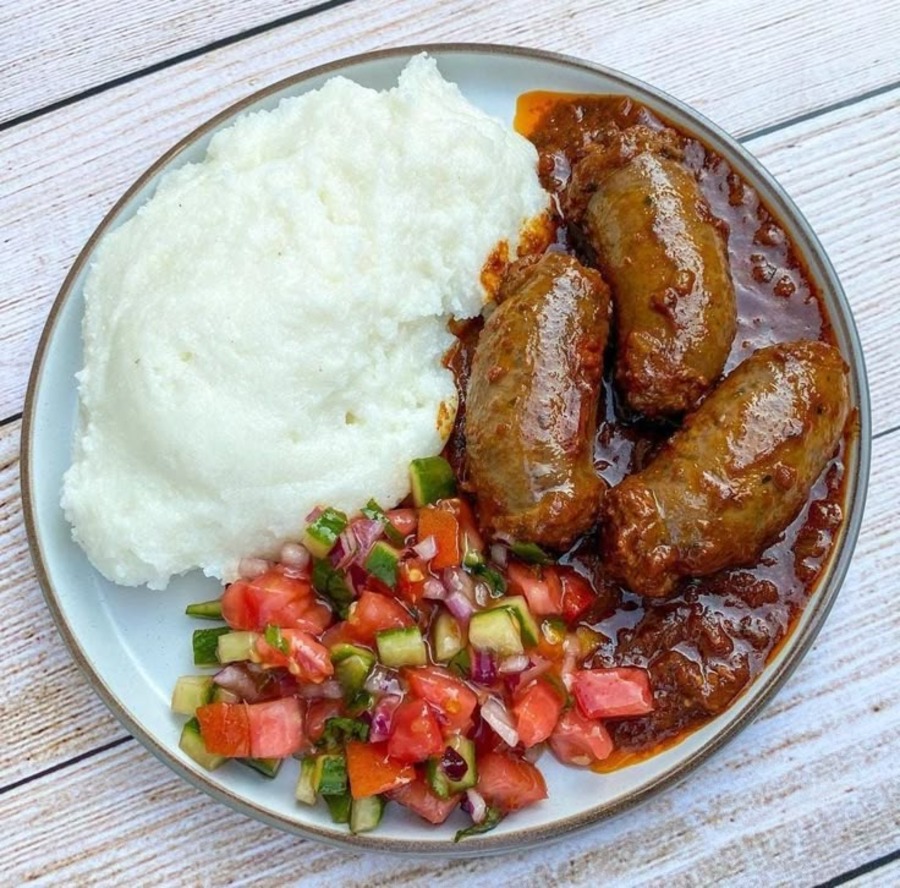
Photo: Facebook
Pap is made from maize meal and water. It can be prepared as a soft porridge or side dish. Pap is taken with meat and vegetables. The dish is a staple among the Zulu, Xhosa, and Ndebele peoples. It is enjoyed during family gatherings and celebrations.
Bobotie
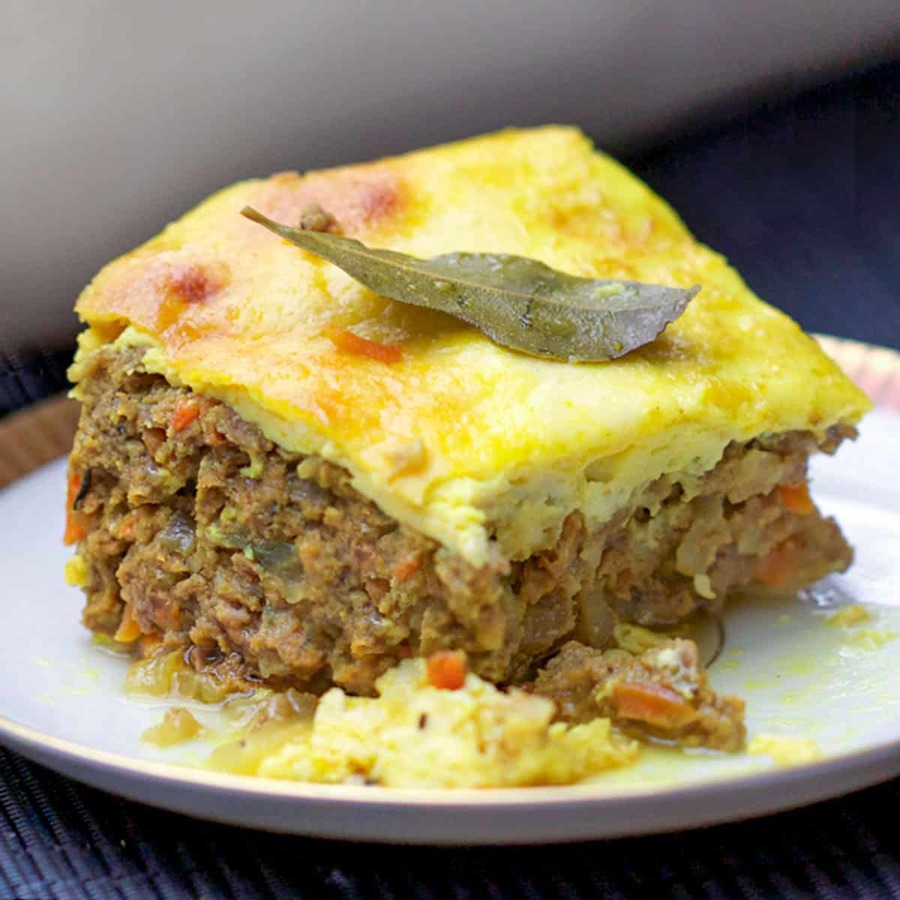
Photo: Getty Images
Bobotie is made from baked minced meat. It tastes better with yellow rice and chutney. The dish comes from the Cape Malay community of the Western Cape. The origin is lined with Asian culinary traditions.
Chakalaka
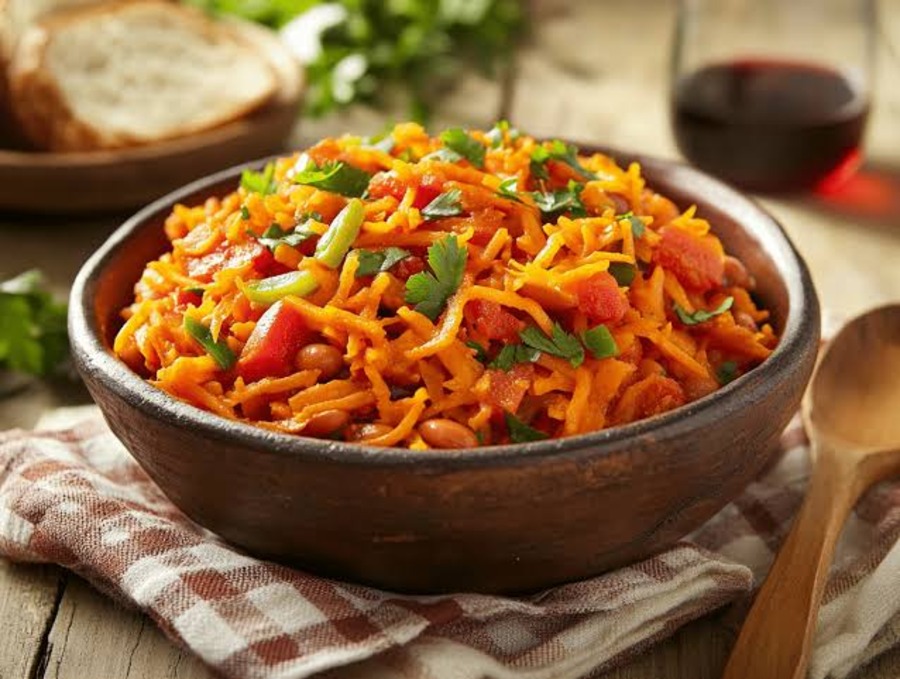
Photo: Instagram
Chakalaka is a vegetable food made from tomatoes and onions. The dish comes from the townships around Johannesburg. It is enjoyed by various communities in South Africa. Chakalaka is a popular side dish in the country.
Read Also: Best Foods for Women’s Heart Health After 30
Bunny Chow
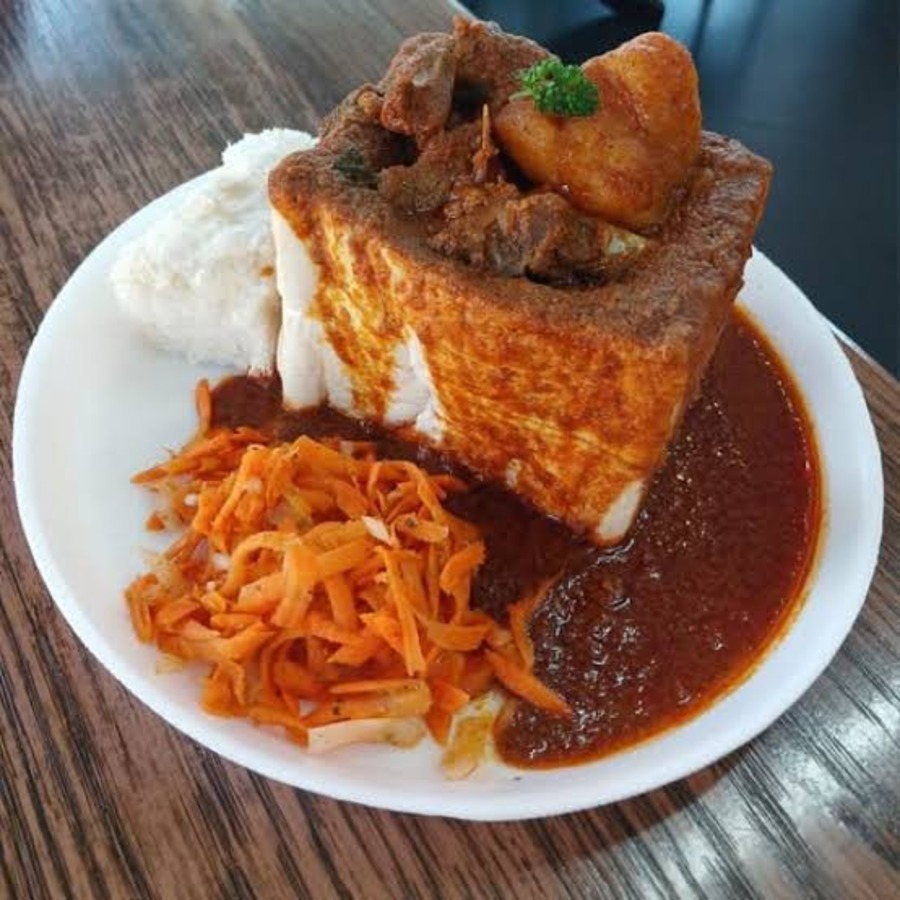
Photo: Facebook
Bunny Chow is a street food made from bread filled with curry. The dish is common among Durban’s Indian community in KwaZulu Natal. Descendants of Indian labourers developed Bunny Chow as a meal that could be carried easily. It is enjoyed by South Africans and remains a choice for those who love spicy flavours.
Umngqusho
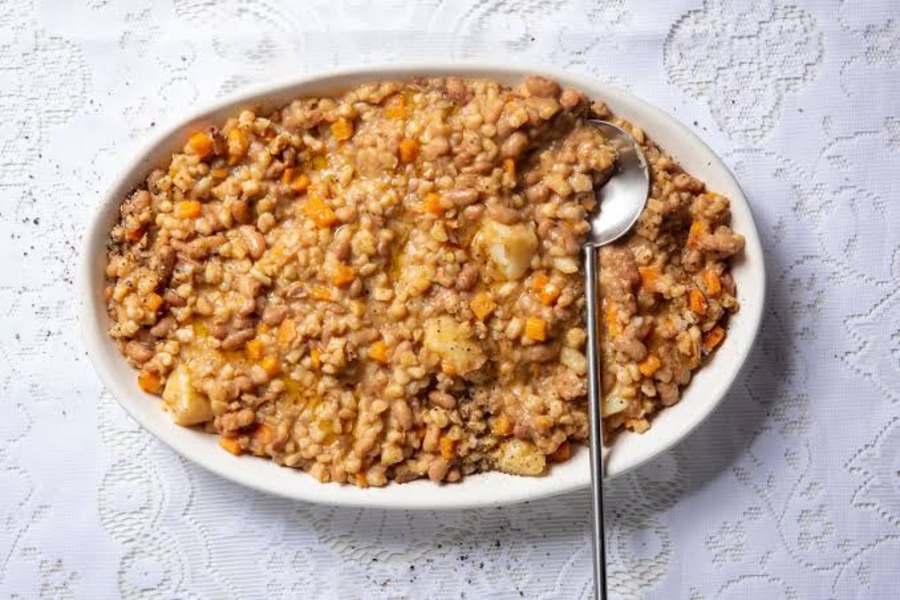
Photo: Instagram
Umngqusho is made from samp and sugar beans cooked together until it becomes soft . It is an important part of South African cuisine. The dish is loved by the Xhosa people of the Eastern Cape. Umngqusho became popular because it was said to be one of Nelson Mandela’s favourite meals.
Biltong
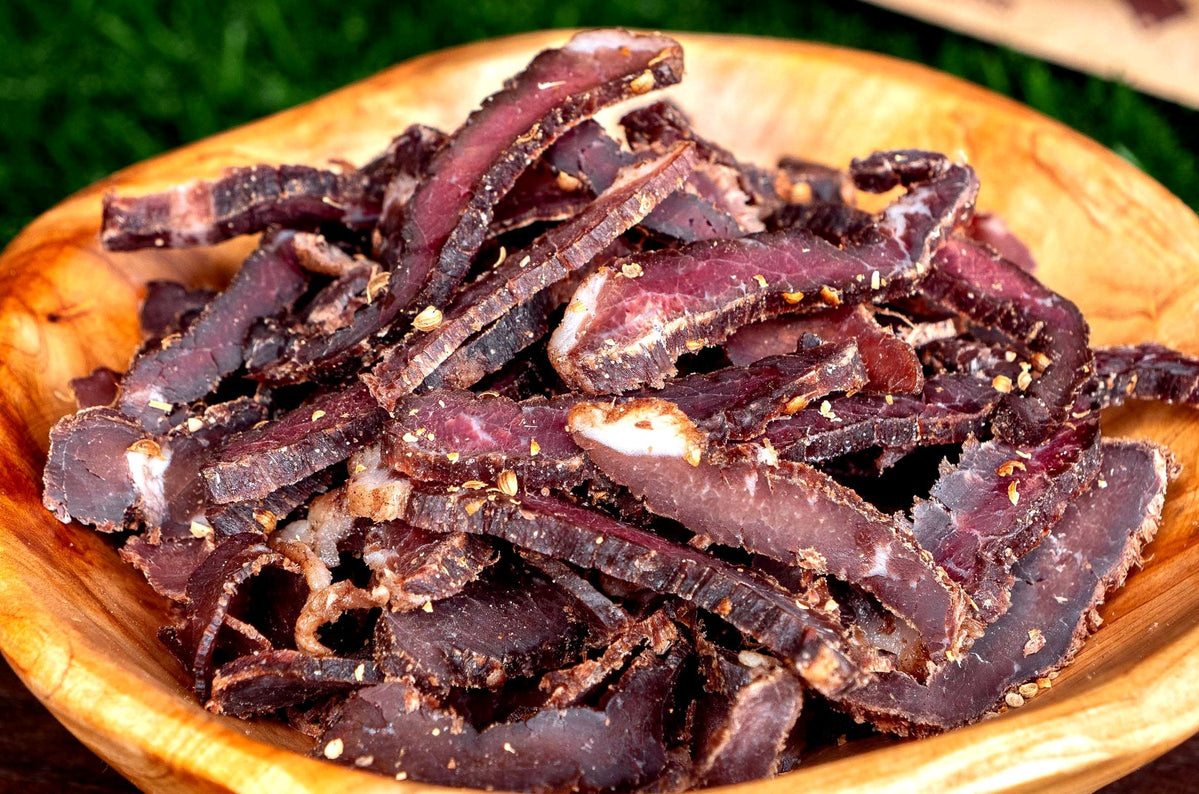
Photo: Getty Images
Biltong is made from beef and game meat. It tastes better when seasoned with vinegar. The origins of biltong are the Southern African communities and early European settlers. Biltong is a good snack for road trips and sporting events.
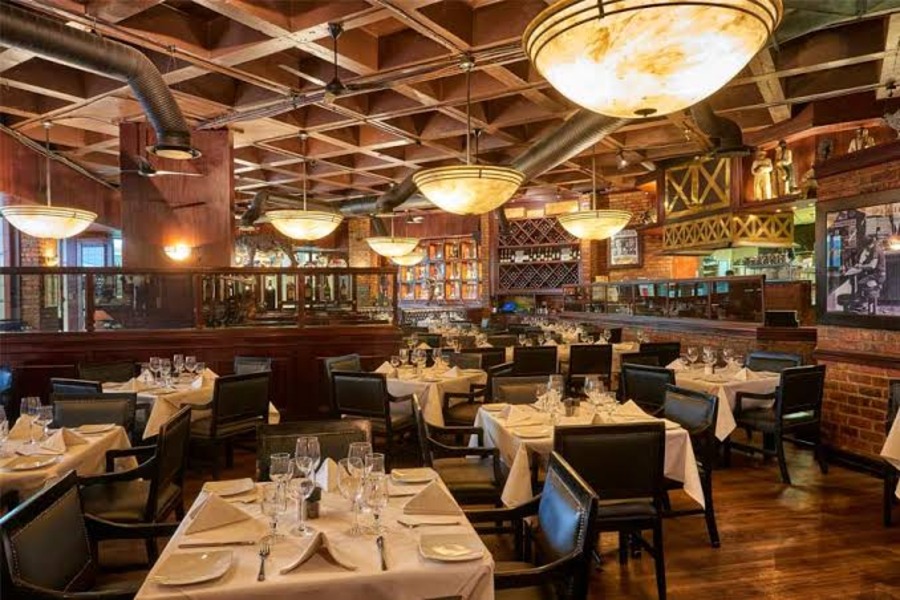
South Africa’s winter dining scene boasts of fireplaces, rich food, intimate lighting, and warm interiors that make cold evenings more inviting. From Cape Town’s candlelit heritage houses to Johannesburg’s grill restaurants, these places stand out as winter dining destinations across South Africa.
Kloof Street House
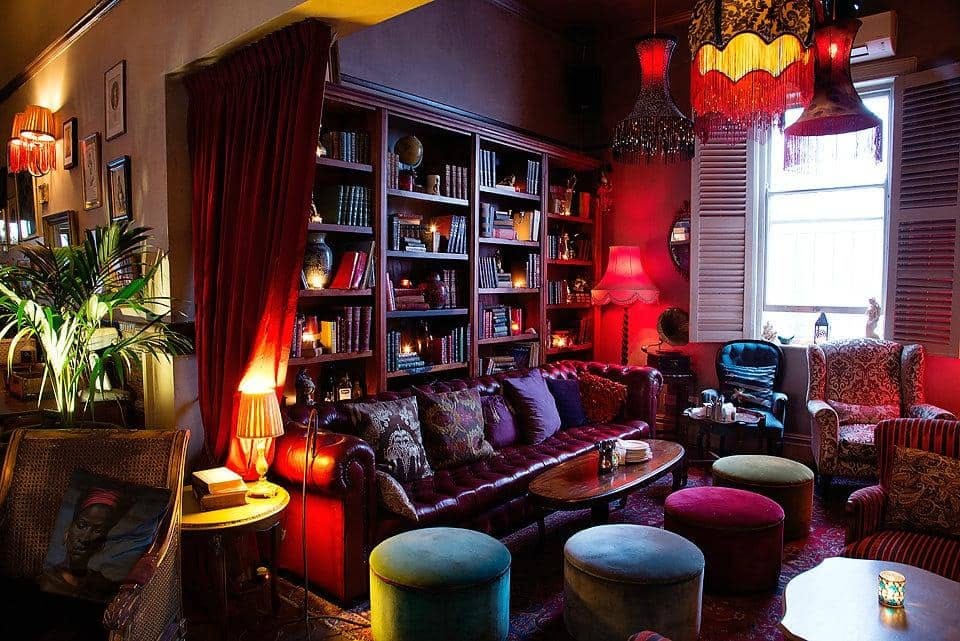
Photo: Instagram
Set inside a Victorian era house in Cape Town, Kloof Street House has become one of the city’s best winter dinner spots because of its dim lighting and eclectic décor. The restaurant feels especially atmospheric on rainy evenings, with diners beside candles. Rich seafood dishes, truffle fries, and creamy desserts. The cocktail selection contributes to the experience, with some whisky spiced cocktails.
Marble Restaurant
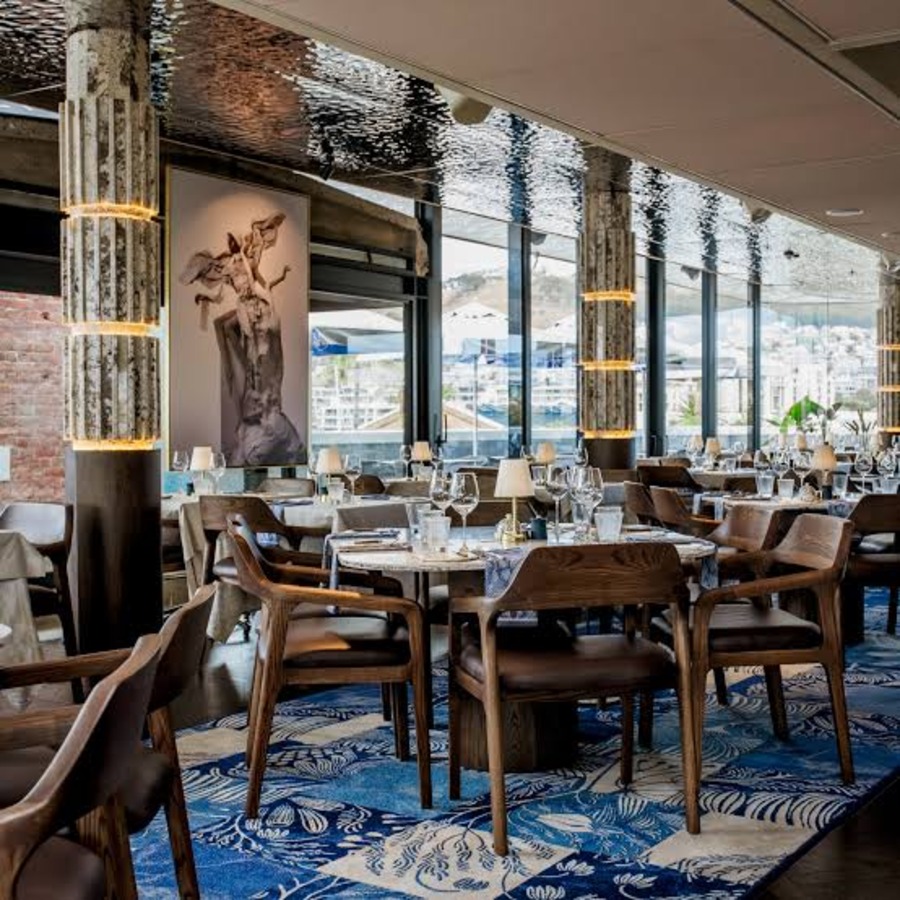
Photo: Instagram
Johannesburg winters are known for cold evenings despite sunny afternoons. Located in Rosebank, the restaurant is centred around open-flame cooking. This gives the dining room a dramatic atmosphere. The restaurant has modern South African-inspired food which is locally sourced. The floor to ceiling city views come alive at night as Johannesburg’s skyline lights up.
The Grillhouse Rosebank
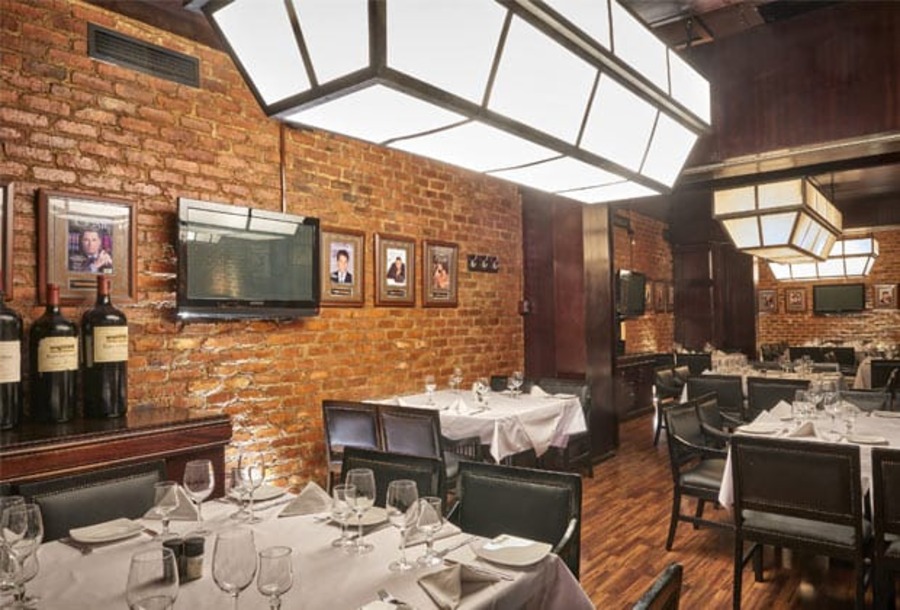
Photo: Instagram
For diners looking for cold-weather dining, The Grillhouse remains one of South Africa’s strongest steakhouse experiences. What makes it perfect is the dark wood exteriors and décor which create a cosy atmosphere during winter evenings. The restaurant has hearty portions suited to colder weather. Visitors can enjoy matured steaks, ribs, baked potatoes, and pepper sauces. They have a notable whisky selection.
Read Also: 5 South African Street Foods You Have to Try This August
La Colombe
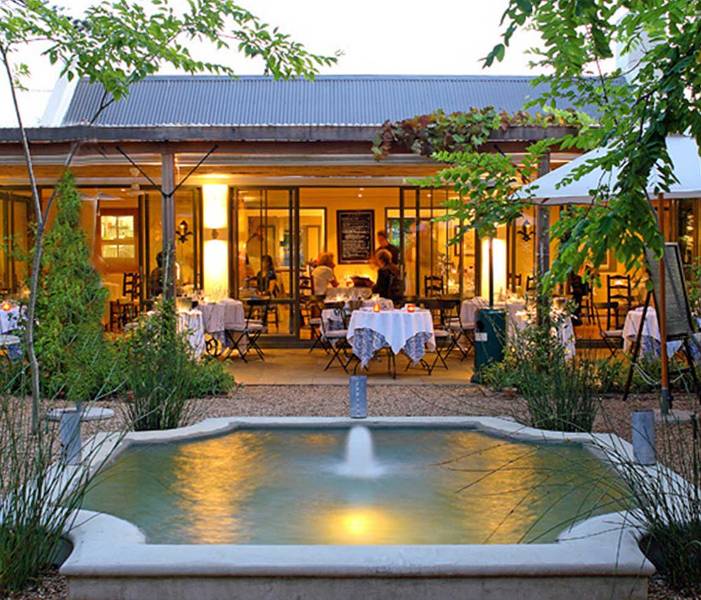
Photo: Instagram
La Colombe is surrounded by forests and vineyards. The restaurant is a sought-after fine dining destination year-round. It incorporates seasonal South African ingredients on its menu. Rich sauces, seafood courses, and luxury wines create a refined dining experience. The quiet ambience also makes it popular for romantic winter dinners.
Foxcroft
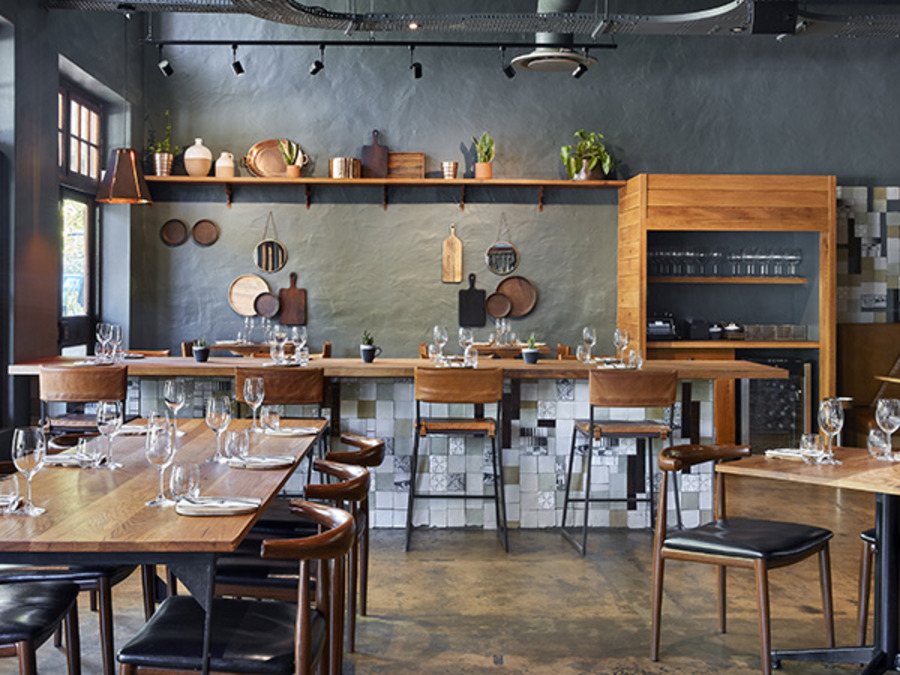
Photo: Instagram
Foxcroft is in Constantia and offers a refined winter dining experience. The restaurant’s beautiful interiors, soft lighting, and intimate table layout are ideal for colder It offers seasonal dishes with layered flavour profiles suited to colder months. Dishes often include slow-cooked meats, rich broths, and refined desserts.
Vine Restaurant & Wine Bar
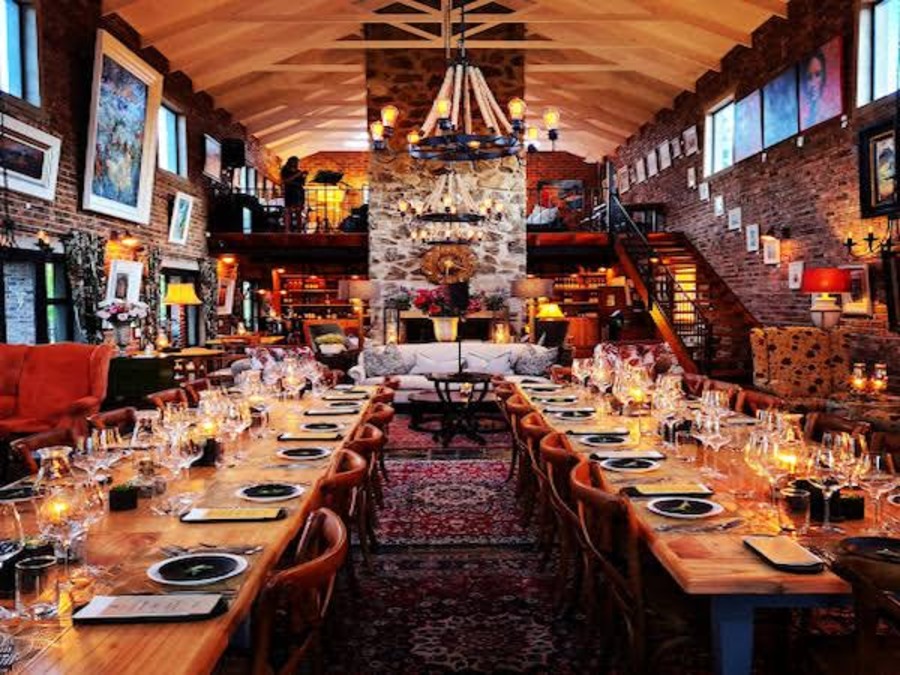
Photo: Instagram
Vine Restaurant & Wine Bar is located in Dullstroom and has built its identity around relaxed winter evenings and beautiful fireplaces. The lounge seating and extensive wine collection contribute to the restaurant’s winter atmosphere. The restaurant is known for fireside dining experiences. Its warm interiors make it an attractive weekend winter getaway destination.
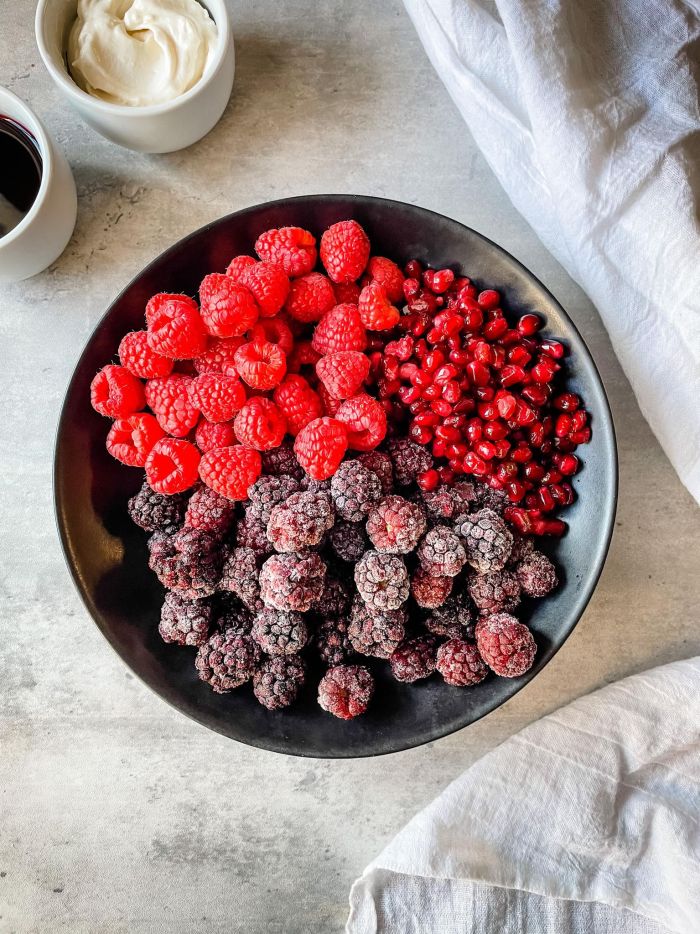
Everyone seeks beautiful skin, but it takes some effort to achieve it. While using soaps and lotions are important, natural foods can support it. Consider how nutritional the foods you take to healthy-looking skin. Below are some foods to add to your diet to keep your skin in good shape.
Fatty Fish

Photo: Getty Images
Fish help strengthen the skin barrier. This is because they are rich in Omega 3. This nutrient reduces inflammation. Fish that are good for your skin include mackerel (locally known as Titus) and salmon.
Chocolate

Photo: Getty Images
The addition of chocolate will surprise many, but when taken in moderation dark chocolate can support healthier-looking skin. Chocolates contain compounds which improve blood flow to the skin. If you are also keen on looking younger, they are great options.
Read Also: Top 6 Foods that Cause Bloating and How to Avoid Them
Tomatoes

Photo: Getty Images
Tomatoes are underrated but they help with skin health. If not eaten raw, they can be blended or cooked into stews. Grape and Roma tomatoes are the best choices for your skin.
Green Vegetables
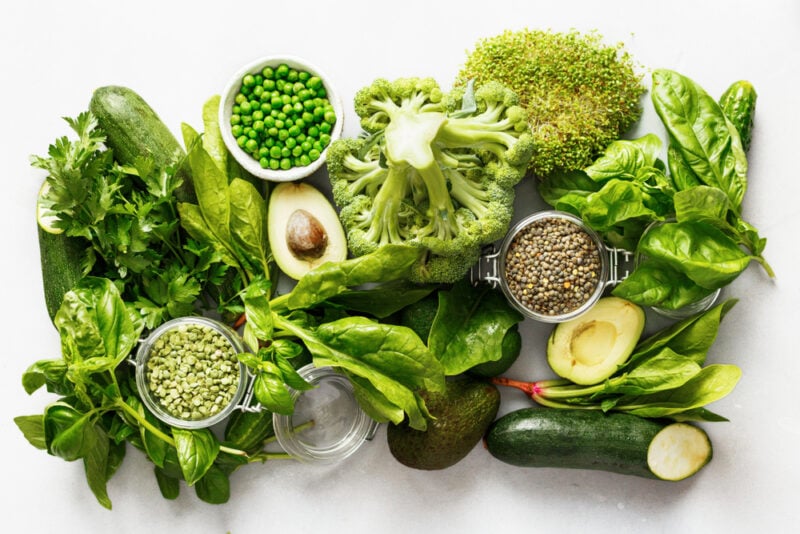
Photo: Getty Images
Vegetables provide essential nutrients like fibre, vitamin C, potassium, and antioxidants that support healthy skin. However, not all vegetables have the same impact on skin health. Select cabbage and spinach as they improve skin cell repair. Their richness in lutein also helps brighten your skin.
Berries and Pomegranates
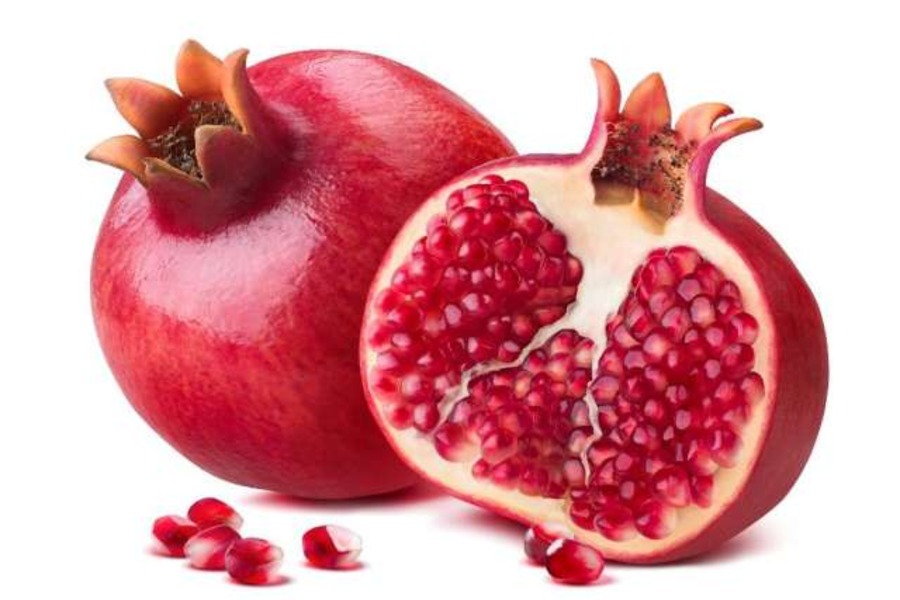
Photo: Getty Images
Berries and pomegranates help reduce wrinkles on your face. Blueberries support collagen production while pomegranates contain polyphenols that protect the skin from damage caused by pollution, UV rays, and stress.
WaterMelon

Photo: Getty Images
Watermelons are fruits that can be a hydrating addition to the diet. Your body needs water to be in good shape, and watermelons have the right amount of water that can help your skin. Some eat their seeds because it is believed to offer immunity against skin diseases.


New South African Movies to Watch on Netflix

Thabsie Shows Off Toned Figure in Bikini on Tanzania Getaway

O.J. Simpson Associate’s Brother Claims He Had Bloody Hands on Night of Murders




-

 Travels3 months ago
6 Best Hotels in Cape Town
-

 Dj Men3 months ago
The Male DJs Keeping South Africa’s Nightlife Alive
-

 Health3 months ago
Apple Cider Vinegar: From Health and Skin to Everyday Uses
-

 Fitness3 months ago
How to Recover Faster After a Heavy Gym Session
-

 Netflix2 months ago
8 Mzansi Series and Films on Netflix to Watch This August
-

 Sex & Relashionships3 months ago
5 Ways ‘Parallel Life Syndrome’ Kills Relationships
-

 Music3 months ago
Tyla Officially Releases A*POP
-

 Top 202 months ago
20 Greatest South African Songs of All Time