
Lifestyle
The Best Hotels in Pretoria for a Luxurious Stay


Pretoria doesn’t make a lot of noise. Compared to Johannesburg’s rush or Cape Town’s steady stream of tourists, it moves more slowly—and that’s part of its charm. If you’re in town for a few nights, whether for meetings, a break, or a bit of quiet, you’ll find places that keep things simple and get the important details right.
Here are five hotels that are steady, comfortable, and well worth considering.
1. The Capital Menlyn Maine — Clear-Cut Comfort in the Middle of It All

Right in the centre of Menlyn Maine, this hotel is surrounded by restaurants, shops, and offices. The rooms are clean and straightforward, with enough space to get work done or just put your feet up. There’s a rooftop pool if you’re looking to take a short break. It’s an easy choice for people who prefer convenience without clutter.
2. Castello di Monte — Quiet Corners and Old-World Touches

Tucked into Waterkloof Ridge, Castello di Monte isn’t trying to fit in with chain hotels. Built like a villa, it has stone walls, wooden beams, and rooms that open onto their own terraces. The staff know when to step in and when to leave you alone, and the garden gives the whole place a stillness that’s hard to find elsewhere. If you want to stay somewhere calm and well cared for, it fits the bill.
3. The Maslow Time Square — Close to the Buzz

Attached to a complex that includes a casino, restaurants, and live venues, The Maslow suits guests who like having options nearby. The rooms are practical and clean. If you’re in town for a conference, an event, or a night out, you won’t have far to go. It’s not the quietest spot, but it’s convenient and gets the job done.
4. Apogee Boutique Hotel & Spa — Unassuming and Still

Set in the quiet suburb of Groenkloof, Apogee keeps a low profile. Inside, it’s tidy and thoughtfully arranged, with a small spa and a kitchen that handles meals with care. The rooms aren’t flashy, but they’re comfortable, with good beds and warm lighting. It’s a good place to switch off and stay in one place for a while.
5. Ivory Manor — Low-Key Warmth with Room to Breathe

Ivory Manor has the feel of a private house, but the structure of a proper hotel. The furniture and design are plain but well chosen, and the garden offers a quiet place to sit if the weather holds. The staff are friendly and tend to remember your name. Breakfast isn’t rushed, and nothing feels forced. It’s a steady place—good for people who travel often and want to feel settled.
Places That Don’t Try Too Hard
These hotels won’t overwhelm you with design or dazzle. What they offer is steadiness: clean spaces, decent food, and people who know how to make guests feel comfortable. That’s often all you need—especially in a city like Pretoria, where quiet moments are easy to find.













Becoming a wine connoisseur starts with understanding what is in your glass, not memorising expensive bottles. You do not need a cellar filled with rare vintages or encyclopaedic knowledge. The important skills are tasting systematically, comparing wines and remembering what you experience.
Start by looking at the wine. Hold the glass by the stem and examine its colour and clarity against a pale background. Its appearance may offer clues about the grape variety, age and winemaking, although it should not be used alone to identify a wine.

Photo: AP
Smelling the wine is equally important. Swirl the glass gently before taking a few short sniffs. Begin with familiar aromas such as citrus, apple, berries, herbs, flowers, vanilla, toast and spices. With regular tasting, your ability to identify and remember aromas will improve.
When you taste, take your time. Pay attention to sweetness, acidity, tannin, alcohol, body and flavour intensity. Notice how the wine feels in your mouth and what happens after you swallow. Does the acidity make your mouth water? Does the tannin leave your gums feeling dry? How long does the flavour remain?

Photo: Pinterest/@Wine-oh!
Tasting notes can help you track your progress. Record the wine’s name, grape variety, country or region, vintage and your impressions of its aroma and taste. Note whether you enjoyed it and why. Over time, these records make it easier to recognise patterns in your preferences.
Side-by-side tasting is another useful way to develop your palate. Pour two Chardonnays from different regions and compare them. Try Cabernet Sauvignon from South Africa alongside a bottle from another country. Compare Sauvignon Blanc with Riesling, noting differences in acidity, body, fruit character, oak and finish.

Photo: Pinterest/@BellaRico
Learning major grape varieties and their associated regions will make wine labels easier to understand. Start with Chardonnay, Sauvignon Blanc, Riesling, Cabernet Sauvignon, Merlot, Pinot Noir and Syrah. South Africa offers plenty of opportunities to explore these grapes, from Stellenbosch and Paarl to Constantia, Franschhoek, Robertson and the Hemel-en-Aarde Valley.
Where grapes are grown and how they are made influence the finished wine. Climate, soil, vineyard practices, fermentation, oak and ageing all contribute to a bottle’s character. Understanding these factors helps you make more informed choices when buying wine.
Food and wine pairing can also develop your palate. Try the same wine with different dishes and observe how the food changes its taste. Acidity can work particularly well with rich foods, while tannin, sweetness and alcohol affect how wine interacts with a meal. Experimenting is often more useful than following rigid rules.

Attend tastings led by winemakers, sommeliers or knowledgeable professionals. Ask about the grape variety, vintage, region, winemaking methods and ageing. Formal study is another option. The Wine & Spirit Education Trust offers qualifications covering wine styles, grape varieties, regions, tasting and production.
You do not need to become a sommelier to understand wine seriously. Taste unfamiliar varieties, compare regions and record what you enjoy. Price alone does not determine whether a wine will suit your taste. With repeated tasting and comparison, you will begin recognising producers and grape varieties, understanding labels and explaining why one bottle appeals to you more than another. That is what turns drinking wine into knowing your wine.

Heritage Day falls on Thursday, 24 September, giving South Africans a public holiday to spend with family and friends. Plans can range from a braai or picnic to a festival, road trip or day outdoors. Whatever is on your calendar, packing for the full day can save you from making unnecessary stops along the way.
Sunscreen comes first

Photo: Pinterest/@Everyday Health
September brings warmer weather, so sunscreen is essential for a day outdoors. Pack enough to reapply during the day, particularly if you will be spending several hours in direct sunlight.
Sunglasses and a hat are useful additions, too. A wide-brimmed hat can provide extra protection at a picnic, braai or outdoor event where shade may be limited.
Bring your own water
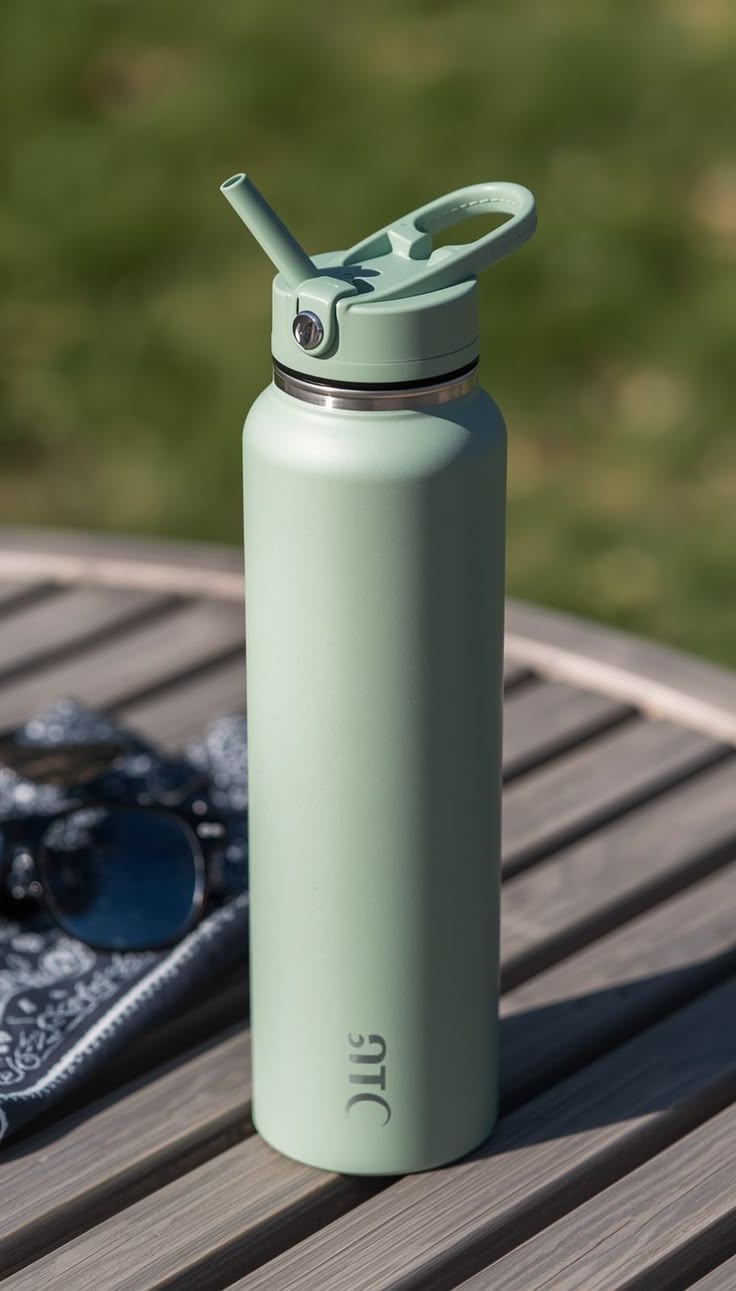
Photo: Pinterest/@Findsitworthit
Do not rely entirely on finding a shop or water station when you arrive. A reusable water bottle is easy to carry and useful whether you are travelling by car, sitting at a braai or walking around an outdoor event.
If you are driving for several hours, take enough water for the journey as well as the time you expect to spend at your destination.
Pack something to sit on

Photo: Pinterest/@Too Much Time
A picnic blanket is useful when there are limited places to sit. It can also provide space for children, food and bags.
For larger outdoor gatherings, a foldable camping chair may be more practical, particularly if you expect to spend most of the day at the venue.
Dress for the whole day

Photo: Pinterest/@Brijett
If you will be outside for several hours, dress for changing temperatures. Choose clothes that allow you to sit, walk and move comfortably, and take a light jacket or warm layer if you expect to be out after sunset.
Your shoes matter too. If your plans involve a festival, heritage site, market or plenty of walking, choose a pair you can comfortably wear for several hours.
Keep a small essentials bag

Photo: Pinterest/@Lione
A compact crossbody bag or tote can carry the things you do not want to leave in the car: your phone, power bank, wallet, keys, sunscreen, tissues, hand sanitiser and any medication you normally need.
Make sure your phone is fully charged before leaving, especially if you are travelling, meeting people at a busy venue or relying on your phone for directions.
If you are braaiing, think beyond the meat
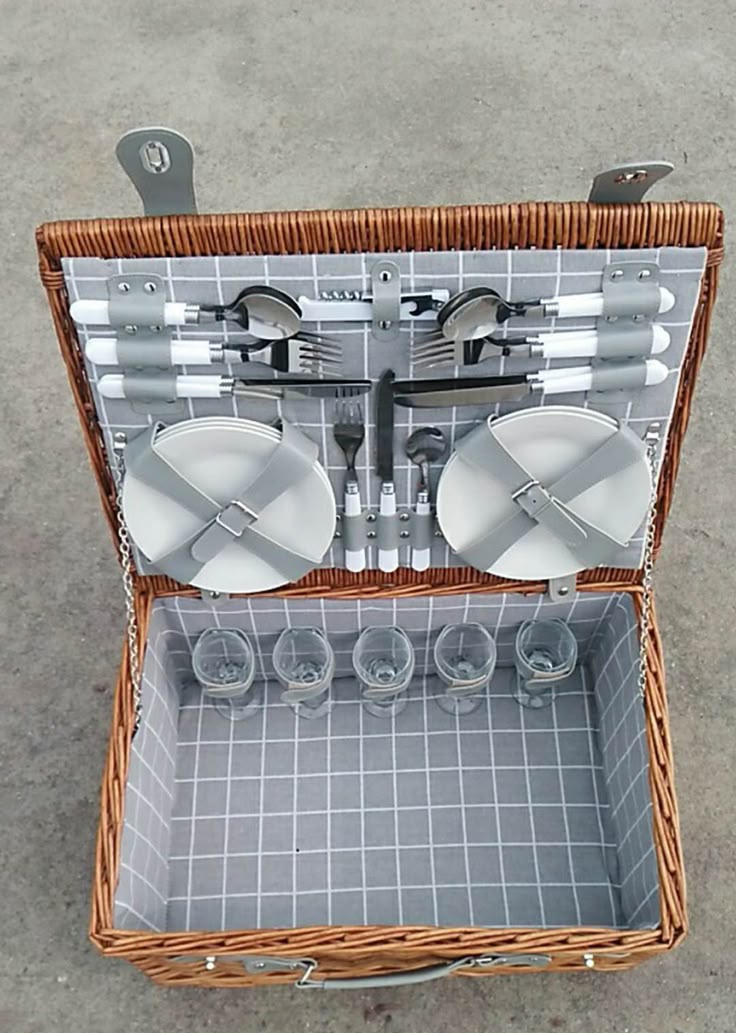
Photo: Pinterest/@Hebei Qianchi
If you are responsible for the braai setup, make a checklist before leaving home. Tongs, gloves, a sturdy grid, serving utensils, plates, cups, cutlery, napkins and rubbish bags are easy to overlook when you are focused on the food.
A cooler bag and picnic blanket are also useful when the braai is away from home. If you are heading to a public event, check the venue rules before packing food, drinks, chairs or a cooler box, as some venues have restrictions on what visitors can bring inside.
Do not forget the drive home
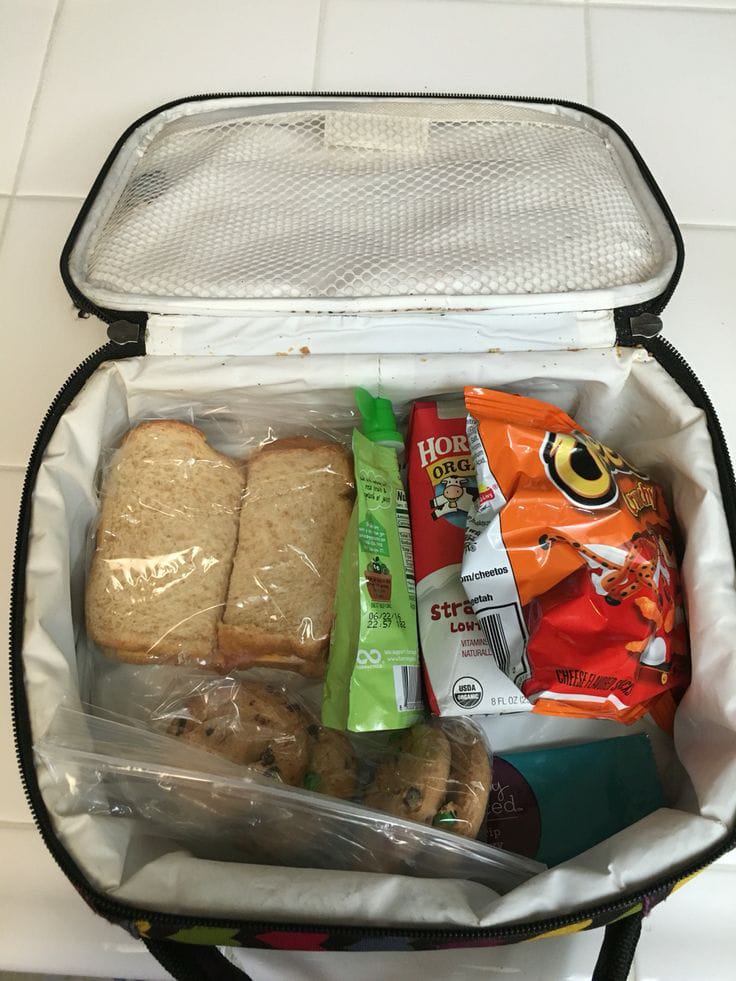
Photo: Pinterest/@Amy Roemer
Heritage Day falls on a Thursday this year, so taking Friday off can create a four-day break. If you are travelling, keep your driver’s licence, vehicle documents, phone charger and emergency essentials accessible.
For longer trips, check your vehicle before leaving and plan your route in advance. If you are travelling with children, pack the snacks, water, entertainment and other essentials they will need for the journey.
Pack according to where you are going, how long you will be there and what the day requires. A little preparation before leaving home means fewer things to worry about once the Heritage Day celebrations begin.
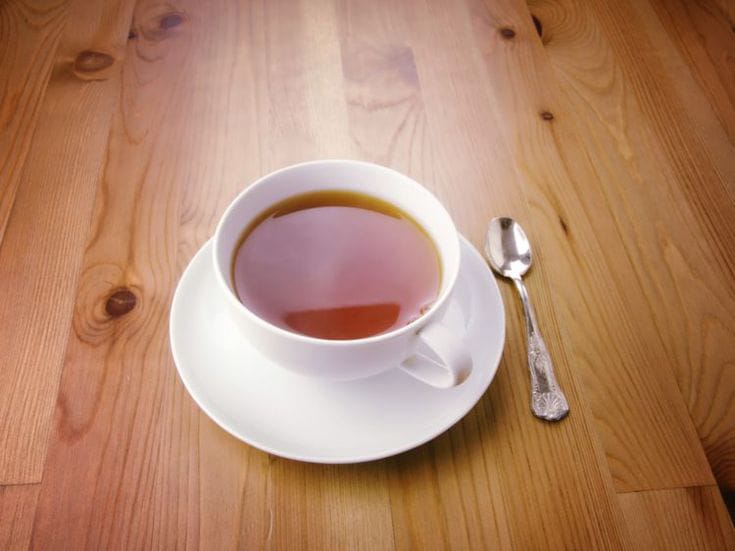
Rooibos has long been part of South African tea culture. Made from the leaves of Aspalathus linearis, a shrub indigenous to South Africa, rooibos is technically a herbal infusion rather than a true tea. It is naturally caffeine-free, unlike black and green tea, and has a naturally sweet taste with a distinctive reddish-brown colour.
One reason rooibos stands out is its antioxidant content. It contains plant compounds including aspalathin and quercetin, which have been studied for their potential effects on oxidative stress and inflammation. Antioxidants can help neutralise free radicals, unstable molecules that can damage cells.
It contains no caffeine
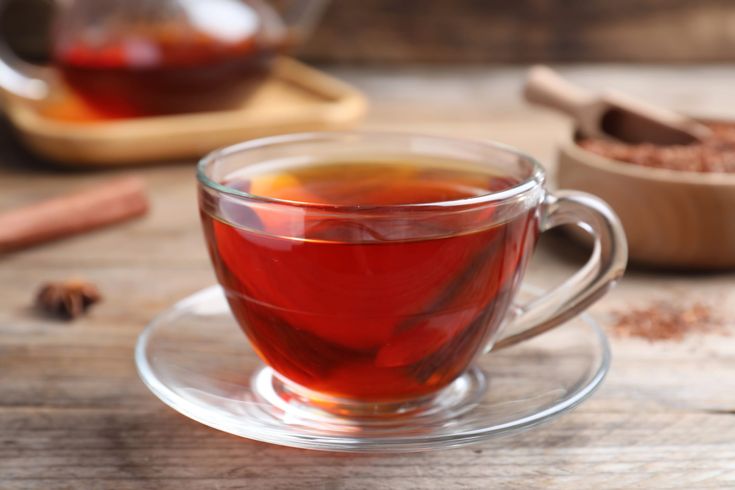
Photo: Pinterest/@Claire
For people avoiding caffeine, rooibos is an alternative to coffee, black tea and green tea. Because it contains no caffeine, it can be enjoyed later in the day without increasing your caffeine intake. However, this does not make rooibos a treatment for insomnia. There is currently limited evidence that it directly improves sleep.
It is low in tannins
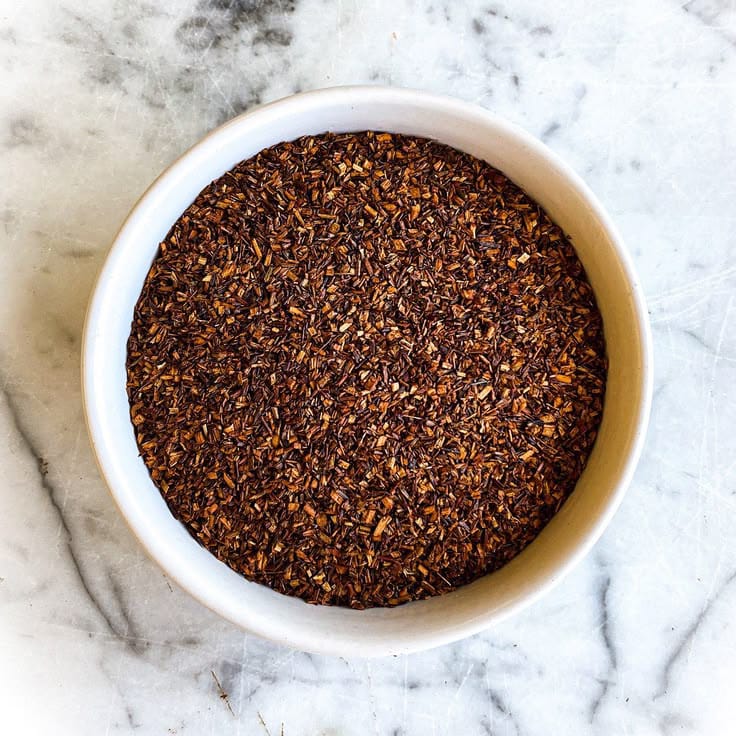
Photo: Pinterest/@Home Folk
Rooibos contains very low levels of tannins compared with traditional black and green teas. Tannins can reduce the absorption of non-haem iron from food. This makes rooibos an option for people looking for a lower-tannin alternative to conventional tea.
It may support heart health
Research into rooibos and cardiovascular health is ongoing. Human studies have reported changes in some cardiovascular risk factors, including blood lipid profiles, while other research has produced mixed findings. Larger clinical trials are still needed, and rooibos should not be considered a treatment for high blood pressure or heart disease.
It may affect blood sugar
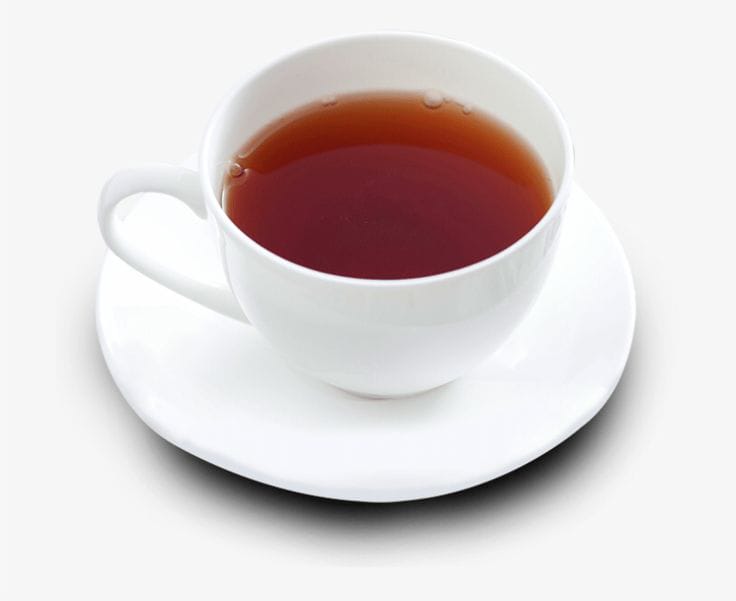
Photo: Pinterest/@Home Folk
Aspalathin, a compound found in rooibos, has been studied for its possible effects on glucose metabolism. A review of human studies found limited evidence of effects on blood glucose, although the studies were small and used different amounts and forms of rooibos. More research is needed before rooibos can be considered a reliable way to manage blood sugar.
Green rooibos is processed differently
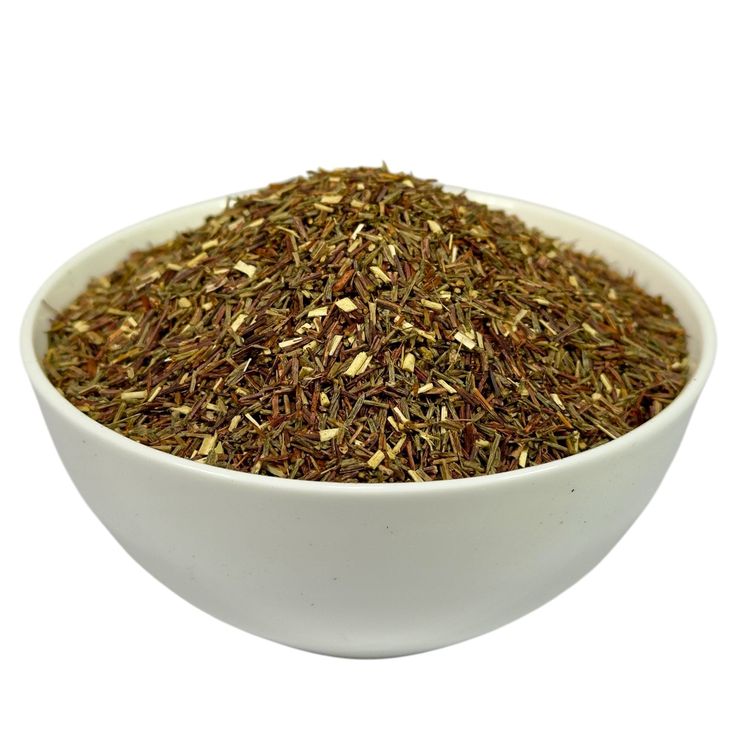
Photo: Pinterest/@Nibelungentee
Traditional rooibos is fermented, giving it its familiar reddish-brown appearance. Green rooibos is left unfermented and generally contains higher levels of certain antioxidants. The concentration of these compounds can vary depending on growing conditions and how the rooibos is prepared.
What about inflammation and disease?
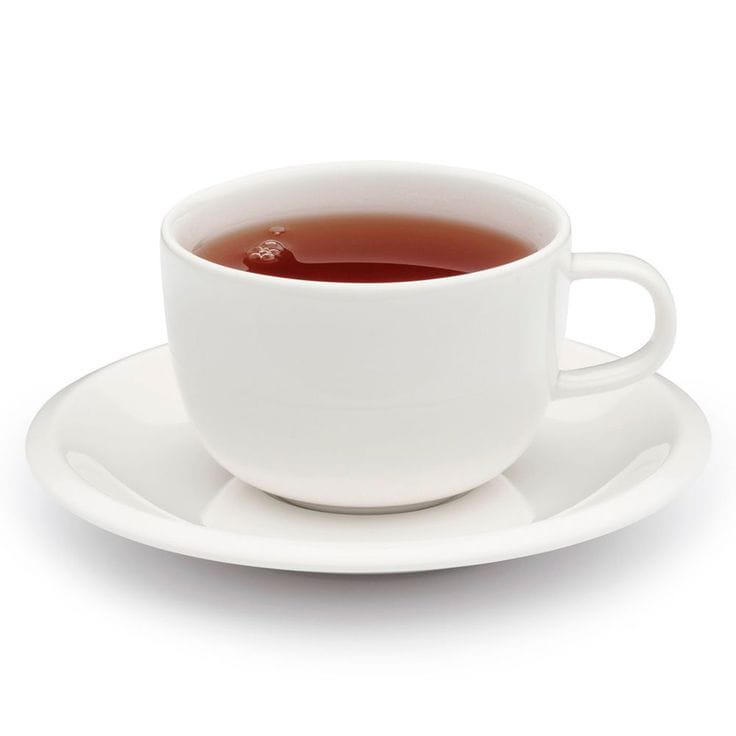
Photo: Pinterest/@Home Folk
Claims about rooibos and disease prevention require caution. Laboratory and animal research has found antioxidant and anti-inflammatory effects, but these findings do not establish that drinking rooibos prevents cancer, protects the liver or treats disease in humans.
A review of human research found a limited number of intervention studies involving relatively small numbers of participants. This means there is still a gap between what researchers have observed in laboratory studies and what has been demonstrated in people.
For most people, rooibos can be a simple way to replace a caffeinated drink while adding plant compounds to the diet. It should not be treated as medicine or used as a substitute for prescribed treatment. If you have a medical condition or take prescription medicines, speak to a healthcare professional before making rooibos a regular part of your diet.


Wine Tasting: How to Become a Connoisseur

Tyla’s A*POP Tour Johannesburg Show Moves to SunBet Arena

5 Classic South African Movies to Watch Today on Heritage Day




-

 Netflix3 months ago
6 Netflix Shows and Films You Definitely Need to Watch this Week
-

 Lifestyle3 months ago
The Ultimate Father’s Day Gift Guide for Every Type of Dad
-

 Celebrity Bios3 months ago
How Gugu Gumede Became One of South Africa’s Most Recognisable TV Stars
-

 Music3 months ago
Tyla Drops ‘Is It Love’ Ahead of Upcoming Projects
-

 Wellness3 months ago
How to Build Muscle with the Right Meal Plan
-

 Miss South Africa3 months ago
Miss South Africa 2026 Reveals Its Semifinal Judging Panel
-

 Events3 months ago
Events to Look Forward to in South Africa This July
-

 TV3 months ago
Married at First Sight Mzansi Returns as Season 3 Premieres on Sunday