
Beauty
The Hidden Risks of Adult Skincare Products for Young Skin

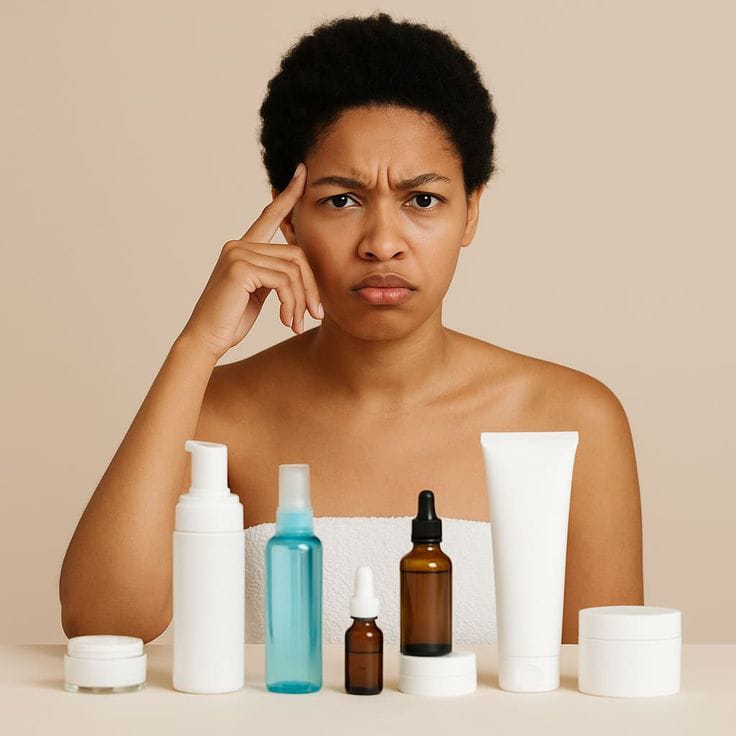
Interest in skincare among children and teenagers has grown rapidly in recent years. Social media, influencer recommendations and colourful packaging have encouraged many young people to treat skincare as a trend instead of focusing on healthy skin. As a result, many are using products developed for adults without understanding how they affect younger skin.
Dermatologists have raised concerns about this growing habit. While basic skincare can benefit young people, many adult products contain active ingredients that are unnecessary and may irritate developing skin.
Young Skin Needs a Different Approach
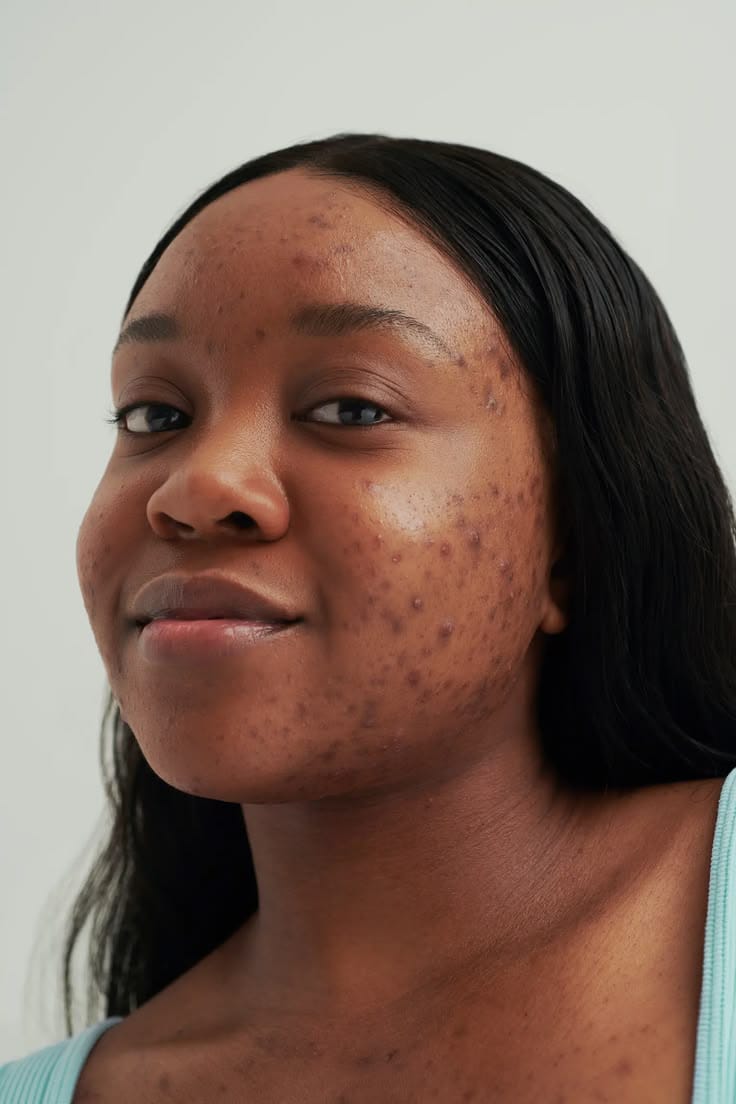
Photo – Pinterest
Children’s and teenagers’ skin has different needs from adult skin. Its protective barrier is still developing, making it more vulnerable to irritation and moisture loss. Hormonal changes during adolescence can also make skin more prone to excess oil and breakouts.
Using strong active ingredients too early or too often can leave the skin dry, red and sensitive instead of improving it.
Ingredients to Watch
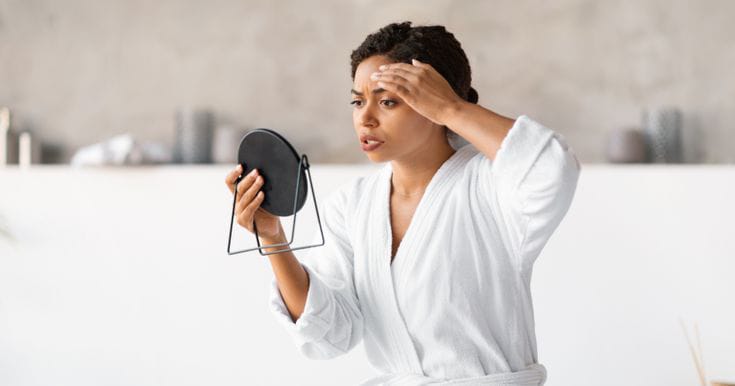
Photo – Pinterest
One of the biggest concerns is the growing use of anti-ageing products by children and young teenagers.
Retinol and other retinoids are designed to treat signs of ageing but can cause peeling, dryness and increased sensitivity to sunlight. Unless prescribed by a dermatologist for acne, they are generally unnecessary for young skin.
Chemical exfoliants, including alpha hydroxy acids (AHAs) and beta hydroxy acids (BHAs), can weaken the skin barrier when overused, leading to irritation and peeling.
Highly concentrated vitamin C products may also irritate sensitive skin, particularly when combined with other active ingredients. Fragrances and essential oils can trigger allergic reactions or skin irritation in some children and teenagers.
When Trends Replace Good Advice
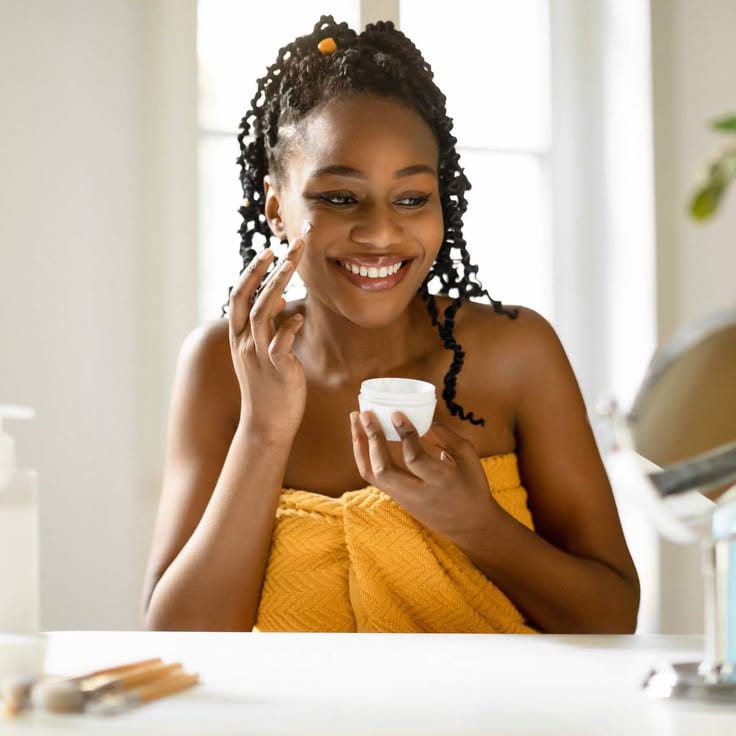
Photo – Pinterest
Many viral skincare routines feature six or more products layered together. Young viewers often copy these routines without understanding whether the ingredients are suitable for their age or skin type.
More products do not automatically mean healthier skin. In fact, overloading the skin with active ingredients can damage its protective barrier and make existing problems worse.
Keep It Simple
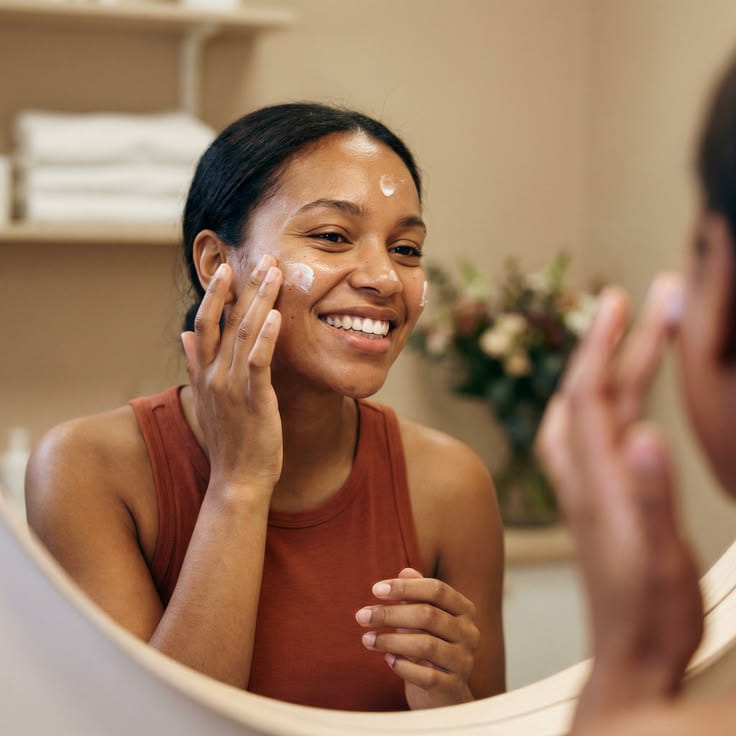
Photo – Pinterest
For most children, a gentle cleanser, a fragrance-free moisturiser and daily sunscreen are enough to maintain healthy skin. Teenagers with acne or persistent skin concerns should seek advice from a healthcare professional or dermatologist instead of relying on social media recommendations.
Warning signs that a routine is too harsh include persistent redness, burning, peeling, itching, increased sensitivity or worsening breakouts. If these symptoms develop, stop using the products and seek professional advice.
The Bottom Line
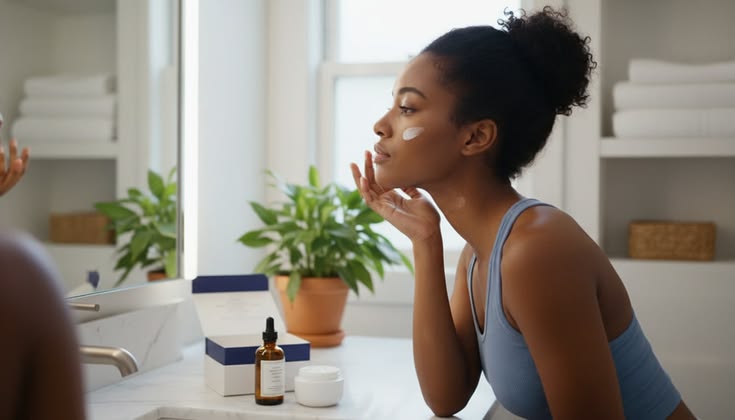
Photo – Pinterest
Skincare trends change quickly, but young skin does not need powerful anti-ageing products or lengthy routines. Products made for adults are designed to address concerns that children simply do not have, and using them too early can do more harm than good.
A simple routine centred on gentle cleansing, moisturising and daily sun protection is usually the safest choice. Building healthy skincare habits early is far more valuable than following the latest beauty trend.








South African skincare brand lelive has expanded into lip care with the launch of its first Peptide Plumping Lip Oils, introducing two products designed to hydrate the lips while giving them a fuller-looking, glossy finish. Launched on November 18, the new range comes in two variants, Melon Melt and Cocoa Glaze.
The launch follows more than two years of development, with the products formulated and manufactured in South Africa. Lelive, founded by actress and entrepreneur Amanda du-Pont in 2020, has built its skincare range around combining African botanicals with active ingredients. The new lip oils continue that approach, featuring marula oil alongside SH-01 Bio-Peptide.
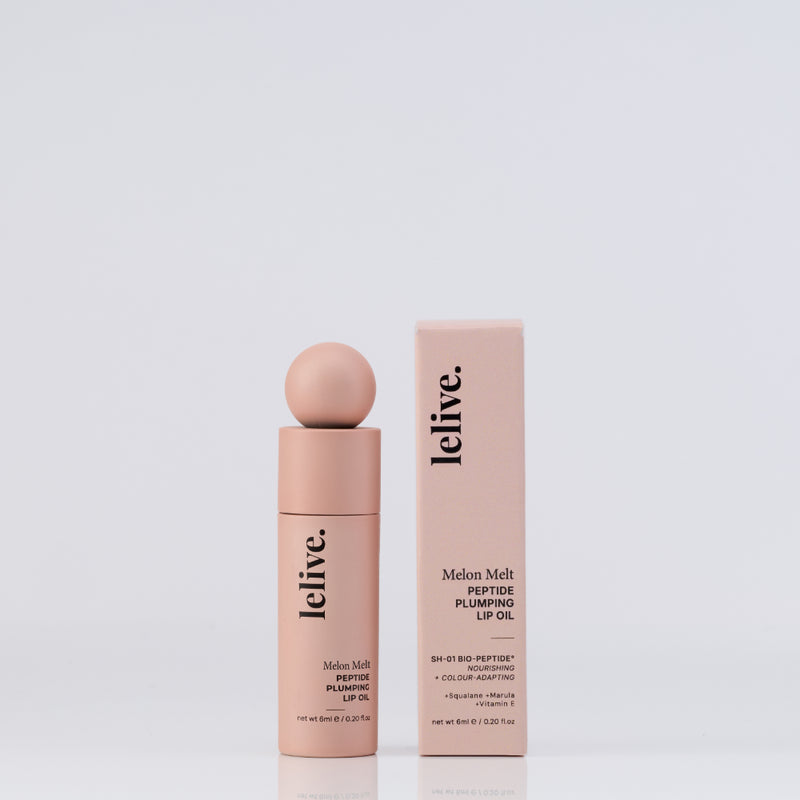
Photo: leliveafrica.com
Lelive describes SH-01 Bio-Peptide, also known as sh-Oligopeptide-1, as a biomimetic peptide designed to mimic a renewal signal associated with the skin. The formula also contains squalane, jojoba oil, castor seed oil and vitamin E, which the brand says help condition the lips, retain moisture and leave them looking smoother.
Melon Melt offers a sheer pink finish that the brand says adapts to complement the wearer’s natural lip colour. It also has a sweet melon scent. Cocoa Glaze, on the other hand, is a clear lip oil with a high-shine finish and a soft cocoa-vanilla scent. Both share the same formula, with the main differences being their colour and fragrance.
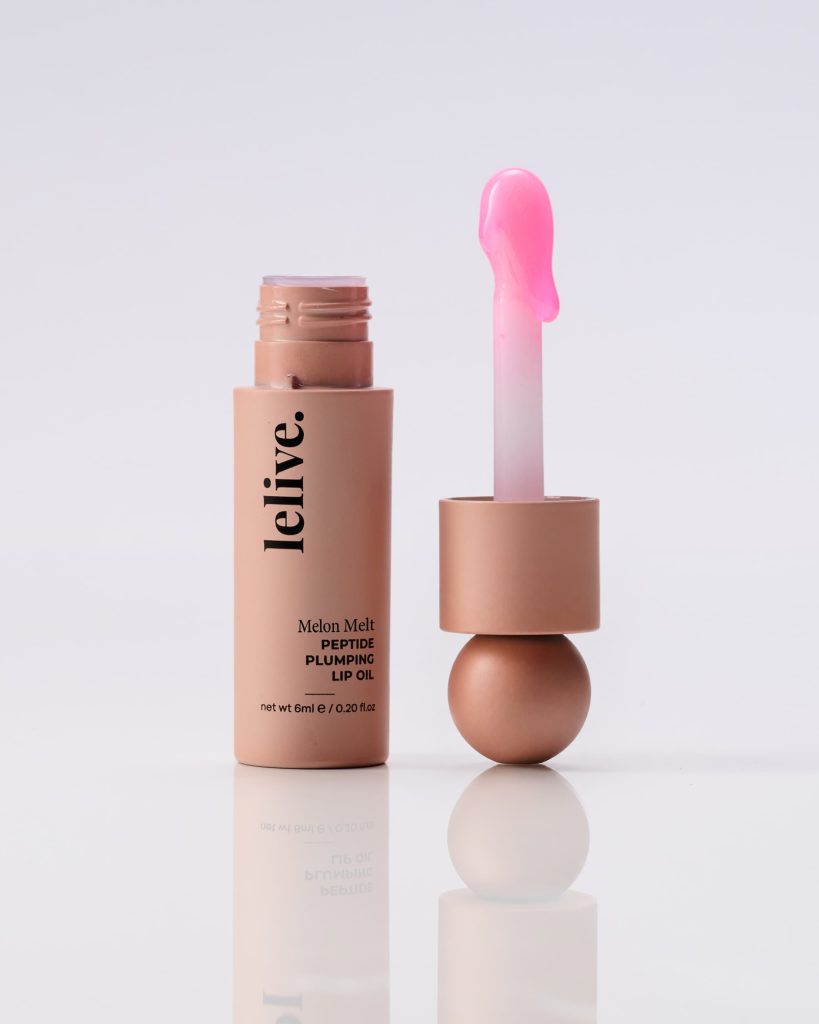
Photo: Instagram/@weare_egg
Lelive also shared results from consumer trials conducted in August and September 2026. In a seven-day trial involving 27 participants, all reported that their lips felt instantly hydrated. A separate 28-day trial involving 24 participants found that all reported the product conditioned their lips, while 96% said their lips were in better condition than when they started. All participants in the 28-day trial also reported no irritation, sensitivity or reaction. These findings were reported by the brand and are based on consumer feedback rather than independent clinical evidence.
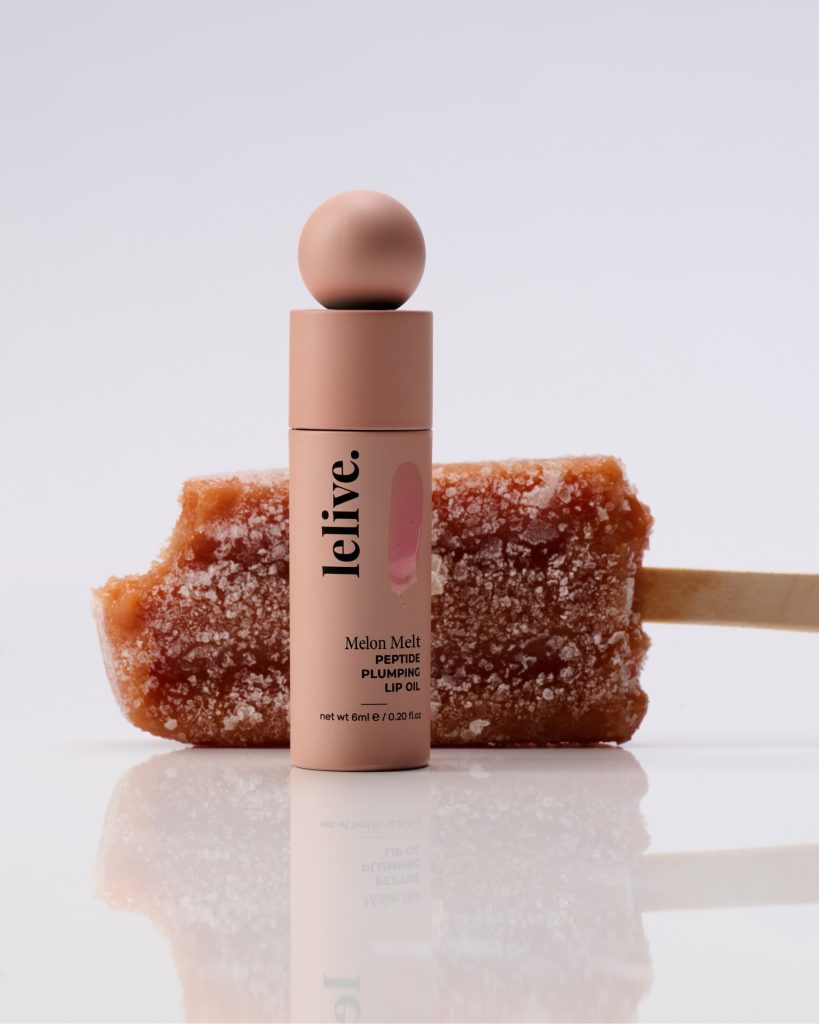
Photo: Instagram/@studentspaza
The Peptide Plumping Lip Oils retail for R249 each for a 6ml tube, with both shades also available as a duo for R498. The products are available through lelive’s online store.

Maybelline New York has revised one of the beauty industry’s most recognisable advertising slogans, changing “Maybe she’s born with it. Maybe it’s Maybelline” to “Maybe. We’re born with it. Maybe. It’s Maybelline.” The update marks a major change to a phrase that has been associated with the cosmetics brand for 35 years.
First introduced in 1991, the tagline became a defining part of Maybelline’s identity. The revised version replaces “she’s” with “we’re”, shifting the focus from an individual woman to women collectively. The brand has also introduced full stops after each use of “Maybe”, turning the word from a question into a declaration of possibility.

Photo: Instagram/@Maybelline
The change accompanies a new global campaign, The Beauty of Infinite Possibility, which presents makeup as a means of self-expression, experimentation and personal reinvention. Maybelline says the campaign encourages women to explore different aspects of themselves through beauty.
Sandrine Jolly, Global Brand President of Maybelline New York, explained that the brand wanted to preserve the recognition of its original slogan while adapting its message for a new generation. She described the change from “she” to “we” as a deliberate move towards a more inclusive message. The punctuation is equally intentional, with the full stop intended to present possibility as a statement rather than a question.

Photo: Instagram/@Maybelline
Singer and actress Miley Cyrus leads the campaign as Maybelline’s Global Brand Ambassador. Her involvement follows a 2025 collaboration with the brand, when she recorded an original song incorporating the familiar “Maybe it’s Maybelline” phrase.
Cyrus has also shared her interpretation of the updated message, saying: “Who you are is something you’re born with, but you can always become something that you’ve dreamt of being by staying true to yourself.”
The revised slogan has attracted criticism, particularly over its punctuation. Some critics have questioned whether the additional full stops interrupt the rhythm that made the original phrase so memorable. While the change from “she” to “we” gives the slogan a broader message, the revised wording may prove less natural to say or sing.
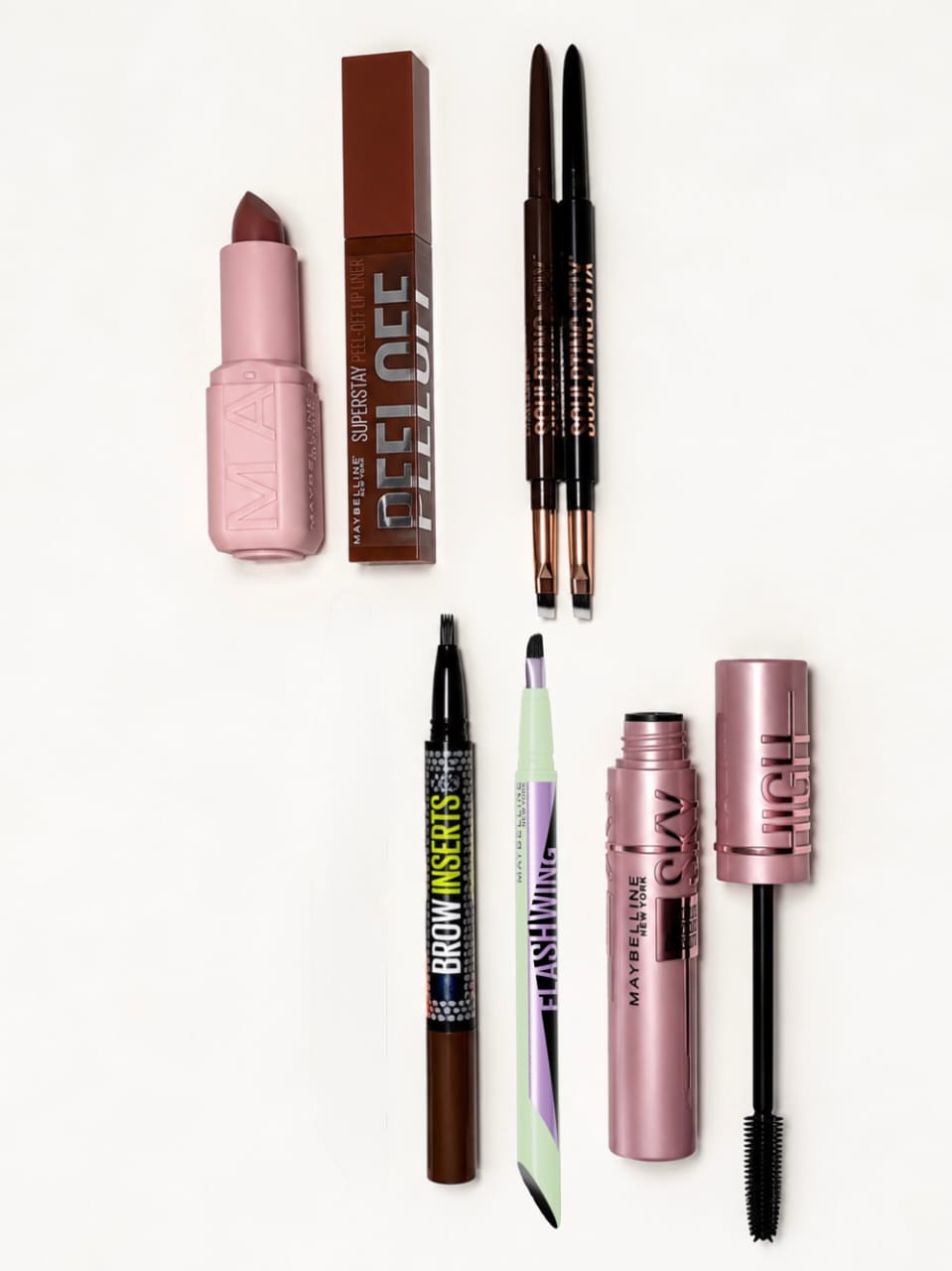
Photo: Instagram/@Maybelline
This is not Maybelline’s first attempt to change its advertising identity. In 2015, the brand replaced its original tagline with “Make It Happen”. It eventually returned to the familiar “Maybe” message in 2024 through a campaign featuring Gigi Hadid and Storm Reid. Cyrus also helped reinterpret the phrase in a musical campaign in 2025.
Maybelline is presenting the latest revision as a permanent change. Whether the new version will achieve the same recognition as its predecessor remains to be seen. The brand has kept the phrase that made its advertising memorable, but changing a slogan familiar to generations of customers comes with the challenge of getting them to embrace a different version.
Melanin offers some natural protection against ultraviolet (UV) radiation, but it does not prevent sun damage. Darker skin tones can still experience premature ageing, sunspots and hyperpigmentation. Prolonged sun exposure can also worsen melasma and dark marks left behind by acne.
Finding sunscreen that blends properly into deeper skin tones can be challenging. Some formulas leave a visible white or grey cast, while others feel greasy or sit uncomfortably under makeup. For this reason, lightweight and tinted options are worth considering.
For South Africans, sunscreen should be part of everyday skincare, not something reserved for beach visits and summer holidays.
Sunscreens worth considering for melanin-rich skin
La Roche-Posay Anthelios UVMune 400 Invisible Fluid SPF50+
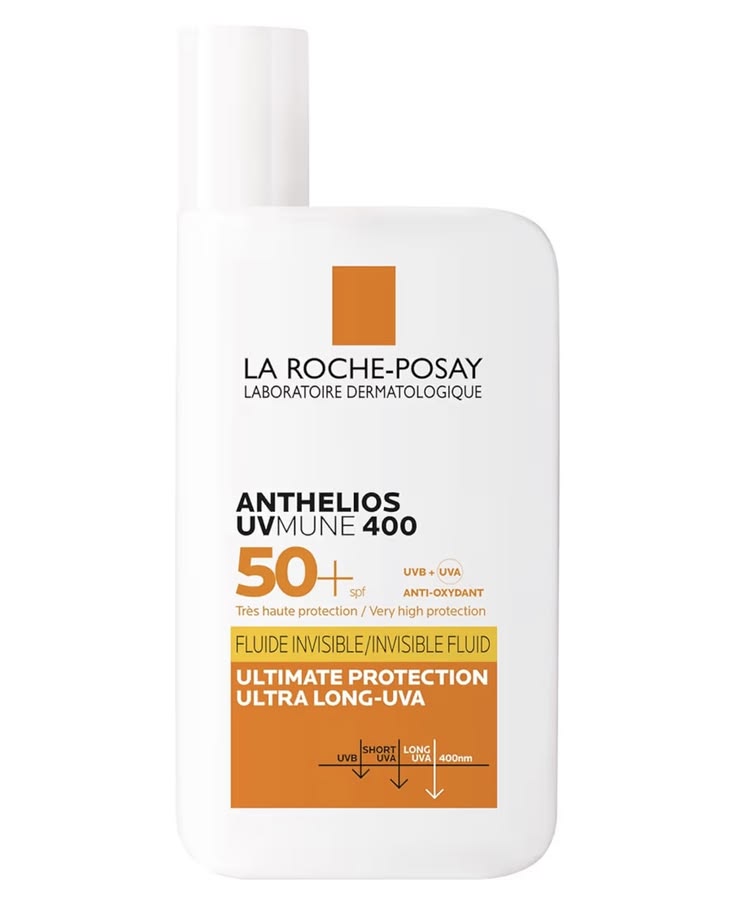
Photo: Pinterest/@All in one
This lightweight facial sunscreen contains Mexoryl 400, a filter developed to protect against very long UVA rays. Its fluid consistency makes it suitable for people who dislike heavier sunscreen creams. It is an option for those looking to limit UV-related skin damage and photoageing.
Eucerin Sun Pigment Control Tinted SPF50+
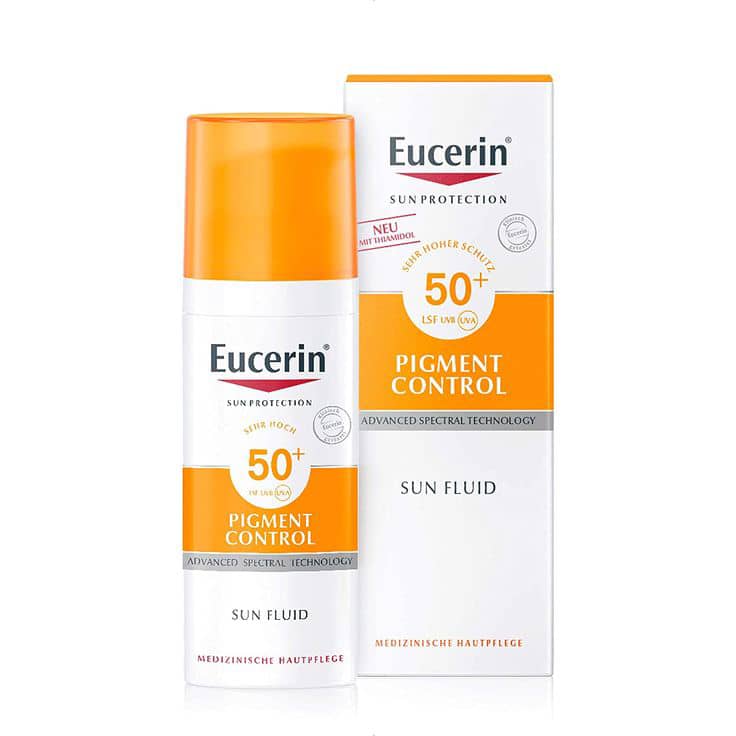
Photo: Pinterest/@Lisa Mejia
Eucerin’s Pigment Control range combines sun protection with Thiamidol, an ingredient developed to address hyperpigmentation. Its tinted version offers complexion coverage alongside sun protection. Check the available shade before purchasing to ensure it complements your skin tone.
Heliocare 360 Color Gel Oil-Free SPF50+
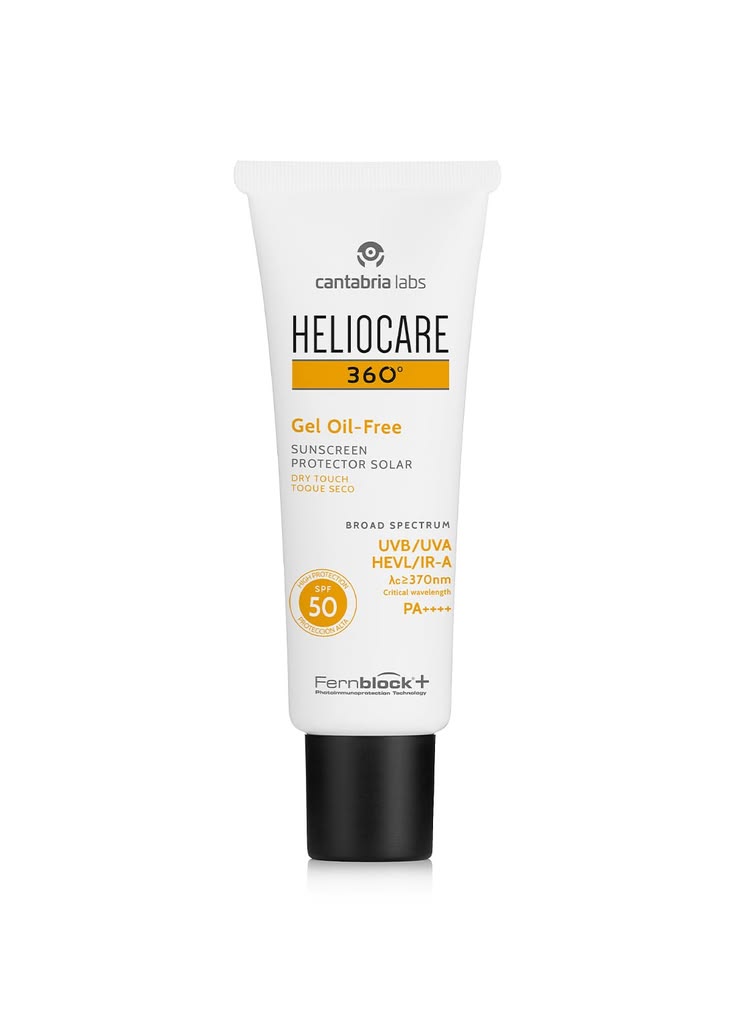
Photo: Pinterest/@Marie Claire UK
This sunscreen combines protection with a tinted finish. Its oil-free gel formulation may appeal to people with oily or combination skin who prefer lighter facial products. Check the available shade to ensure it blends naturally with your complexion.
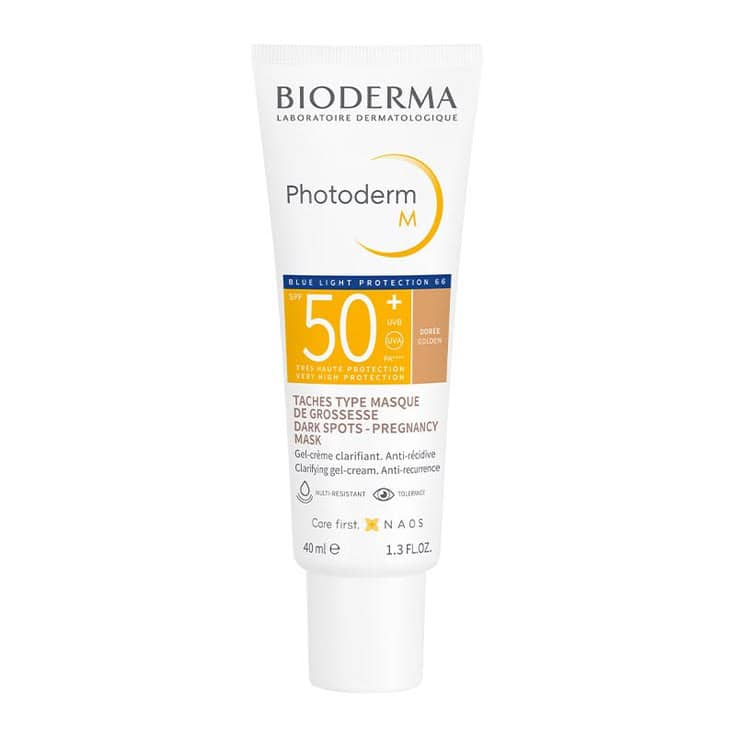
Bioderma Photoderm M SPF50+
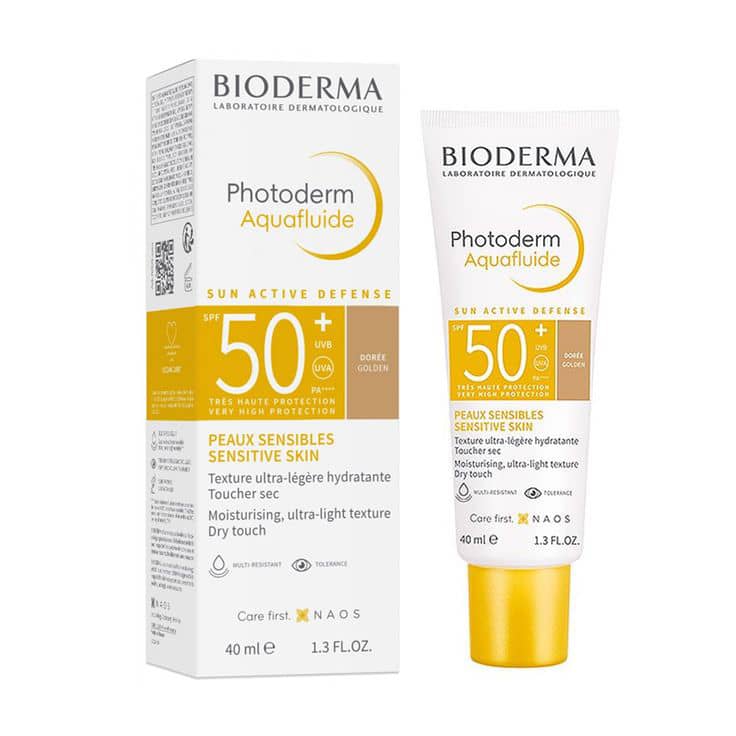
Photo: Pinterest/@Cloud 10 beauty
Designed with pigmentation-prone skin in mind, Bioderma Photoderm M offers a tinted formula alongside sun protection. It is an option for people who prefer some complexion coverage, although shade suitability should be considered before buying.
ISDIN Fusion Water Magic SPF50
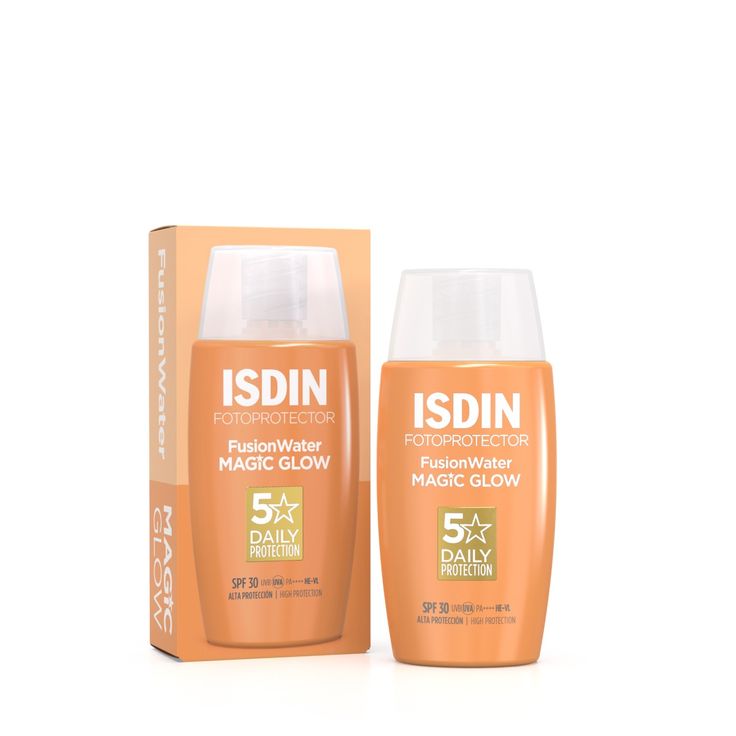
Photo: Pinterest/@Isdin
ISDIN Fusion Water Magic is designed for people who prefer lightweight facial sunscreens. Its water-based texture makes it an option for those who find traditional sunscreen creams too rich. It can be incorporated into a morning skincare routine before makeup.
What should you look for when buying sunscreen?
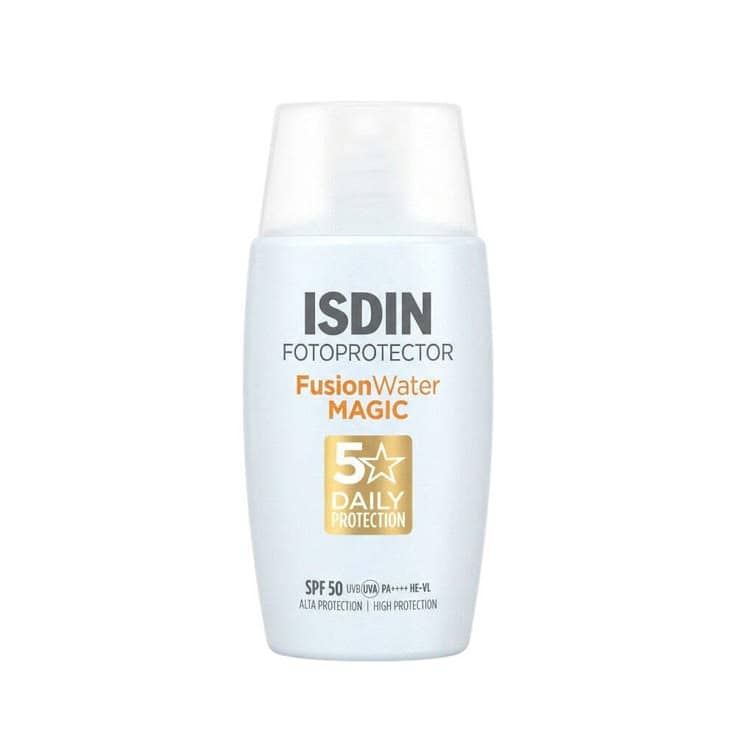
Photo: Pinterest/@Isdin
Look for a broad-spectrum SPF50 or SPF50+ sunscreen with strong UVA protection. SPF primarily indicates protection against UVB rays, which cause sunburn, while UVA radiation contributes to photoageing and pigmentation.
Tinted sunscreen may offer an additional benefit for people prone to dark marks or melasma. Visible light can contribute to pigmentation changes, particularly in darker skin tones. Tinted formulas containing iron oxides can provide additional visible-light protection.
Shade selection matters. A product advertised as suitable for all skin tones may still appear too light or orange on deeper complexions.
Your skin type should also influence your choice. People with oily or acne-prone skin may prefer lightweight, non-comedogenic formulas. Those with dry skin may benefit from moisturising sunscreens, while fragrance-free options can be worth considering for sensitive skin.
How to get the most out of your sunscreen
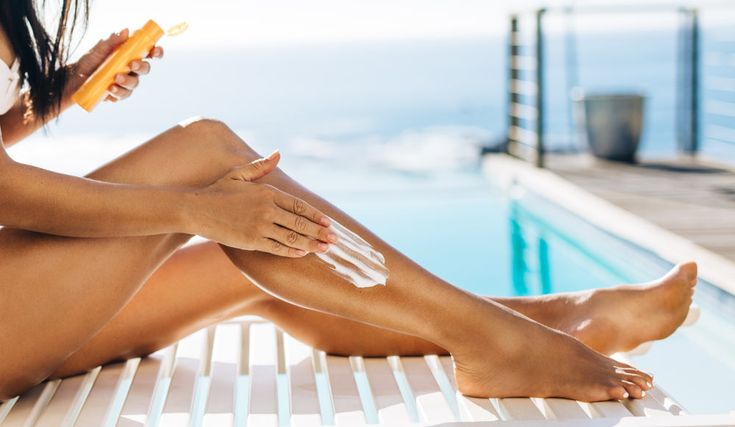
Photo: Pinterest/@Colour science
Apply sunscreen generously to your face, ears, neck and other exposed areas. Pay attention to the hairline and backs of your hands. Use it as the final step of your morning skincare routine, before makeup.
Reapply approximately every two hours when outdoors, and after swimming, heavy sweating or towel-drying. Sunglasses, wide-brimmed hats, protective clothing and seeking shade during intense sunlight also help reduce UV exposure.
For melanin-rich skin, the priority is a sunscreen that offers reliable broad-spectrum protection, suits your skin type and blends comfortably into your complexion. Consistent application matters more than choosing the most expensive product.


5 South African Songs Worth Adding to Your Playlist This Weekend

Lelive Takes Lip Care to the Next Level With New Peptide Plumping Lip Oils

Skepta Joins Milk + Cookies Festival 2027 Line-Up in South Africa



-

 Top 203 months ago
20 Greatest South African Songs of All Time
-

 CEO3 months ago
What You Didn’t Know About Mary Vilakazi
-

 Sex & Relashionships3 months ago
5 Things You Should Know About Tolyamory
-

 Celebrity News3 months ago
Beyoncé Celebrates 20 Years of B’Day With Deluxe Edition
-
 Beauty3 months ago
5 Under-Eye Creams for Brighter-Looking Eyes and Dark Circles
-

 Wellness3 months ago
Why You Crave More Food Before Your Period
-

 Wellness3 months ago
Foods That May Help You Sleep Better Naturally
-
 Beauty3 months ago
How Often Should You Really Moisturise Your Lips