
Fashion
The Finer Things: Mihlali Shows How to Make Denim Feel Expensive


Denim is usually treated as functional rather than aspirational. It is reliable, familiar, and often positioned as the easiest part of a wardrobe. What Mihlali Ndamase does differently is remove denim from that default role and place it firmly inside a conversation about intention, control, and taste.
Across recent appearances and fashion imagery, one detail keeps resurfacing: when Mihlali wears denim, it never looks incidental. It looks chosen. That effect is the result of measured decisions rather than surface-level tricks.

Mihlali Ndamase – Instagram
The look itself is simple and precise. A crisp white shirt, mid-wash jeans, white boots, minimal jewellery, and a compact quilted bag worn crossbody. None of these pieces depend on layering for impact. There is no visible effort to impress. Yet the outcome reads composed and assured.
The first decision is fit. The denim sits high on the waist and falls with structure rather than slouch. It neither clings nor collapses. This kind of cut does most of the work before anything else is considered. Poorly fitting denim cheapens an outfit quickly; here, proportion is carefully managed. The jeans define the body without distortion, which immediately shifts how they are perceived.

Mihlali Ndamase – Instagram
The white shirt reinforces that precision. It leaves little room for error, which is precisely why it sharpens the look. Cropped to align with the waistline of the jeans and worn cleanly, it avoids distraction. Sleeves hold their shape, buttons sit flat, and the fabric remains crisp. Denim gains authority through that level of control.
Accessories are kept deliberately small in scale. The bag remains understated, shifting the focus without altering the balance of the look. The boots follow the same logic. White, streamlined, and uninterrupted by unnecessary detail, they extend the line of the leg and ground the denim without softening it.

Mihlali Ndamase – Instagram
Colour choice plays a quiet but critical role. Blue denim paired with white is familiar, but here it is handled with clarity rather than familiarity. The colour combination allows texture and cut to do the talking. Gold jewellery adds warmth without pulling focus, acting as punctuation rather than decoration.
A defining feature of Mihlali’s approach to dress is her refusal to overcrowd a look. Denim becomes expensive when nothing around it tries to prove a point. There is no stacking of statements, no reliance on trend-led composition.

Equally important is how the clothes are worn. Mihlali approaches denim with the same assurance she brings to tailored or high-fashion pieces. That consistency matters. When casual clothing is worn without apology or exaggeration, it stops reading as casual. It becomes deliberate.
This is why her denim looks continue to resonate. They do not attempt to transform denim into something it is not. Instead, they treat it with the same seriousness given to more traditionally elevated fabrics. Good fit, controlled composition, thoughtful contrast, and clear judgement.
Denim does not need extra detail to feel expensive. It needs clarity. Refinement here is not something layered on top. It comes from what is deliberately left out.









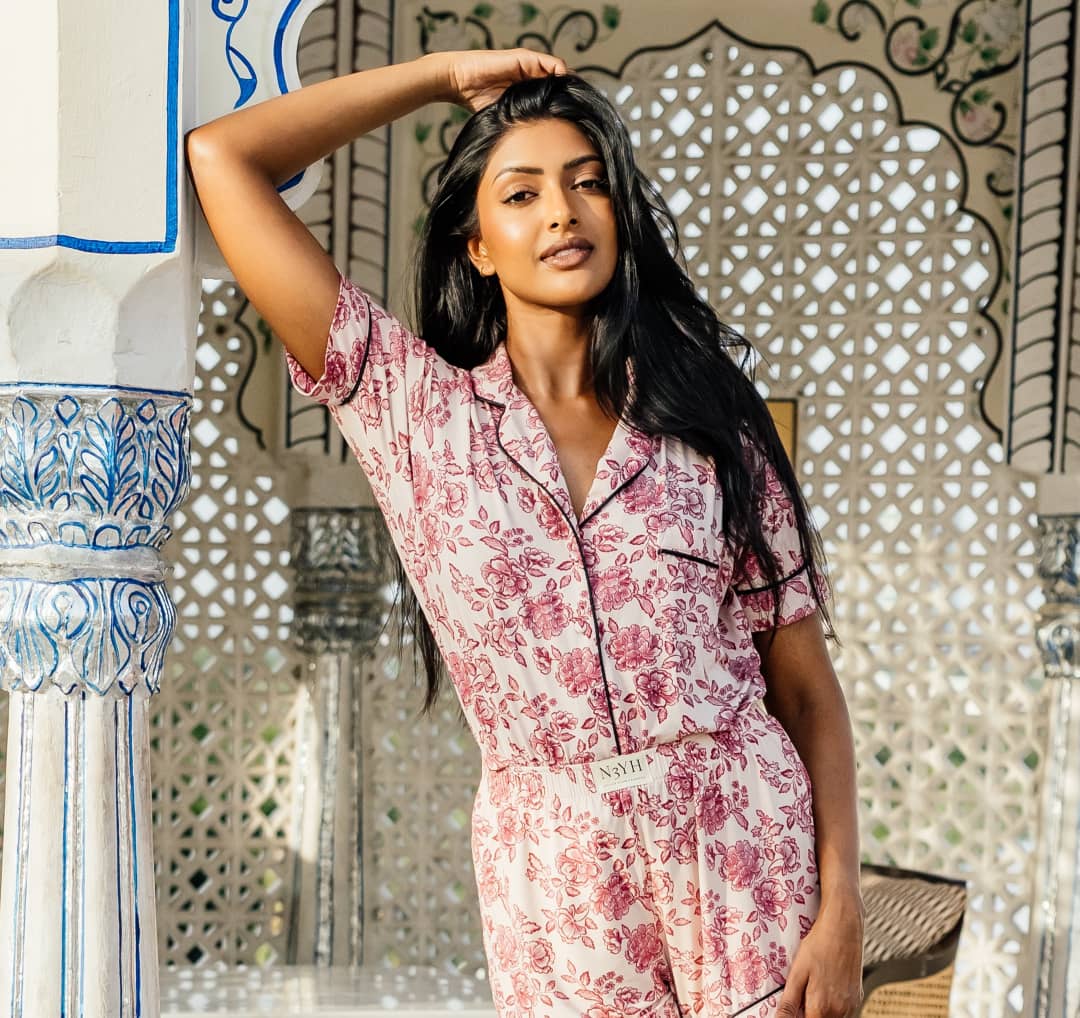
Bryoni Govender has joined a South African creative project in Jaipur, India, as part of the 2026 Art of Collaboration. The project brings together fashion, beauty, jewellery, design, film and photography under the theme Heritage in Dialogue, Luxury Redefined.
Founded by South African designer Stephen Van Eeden, the Jaipur edition places South African creative work alongside the city’s established traditions of craftsmanship, textiles, jewellery and architecture.
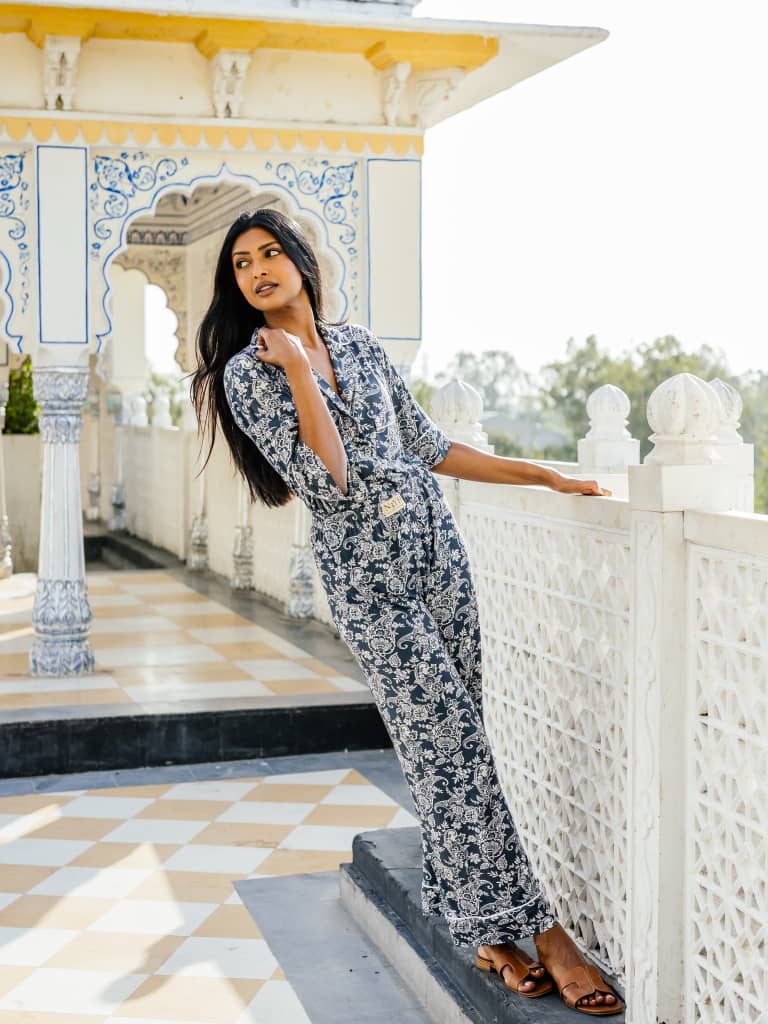
Photo: PR
Govender’s involvement also reflects her own South African and Indian heritage. That connection is explored in Where I Belong, a fashion film directed by Paula Zapata, with Maropeng Vushangwe as director of photography. The film forms part of the wider Jaipur project.
Van Eeden led the creative direction, while fashion and lifestyle photographer Christine Le Roux captured the still images. Tanya Vos worked on make-up and Carissa Bosman handled hair styling in Jaipur, with Marlene du Toit contributing to the hair work at Lanzerac in South Africa.
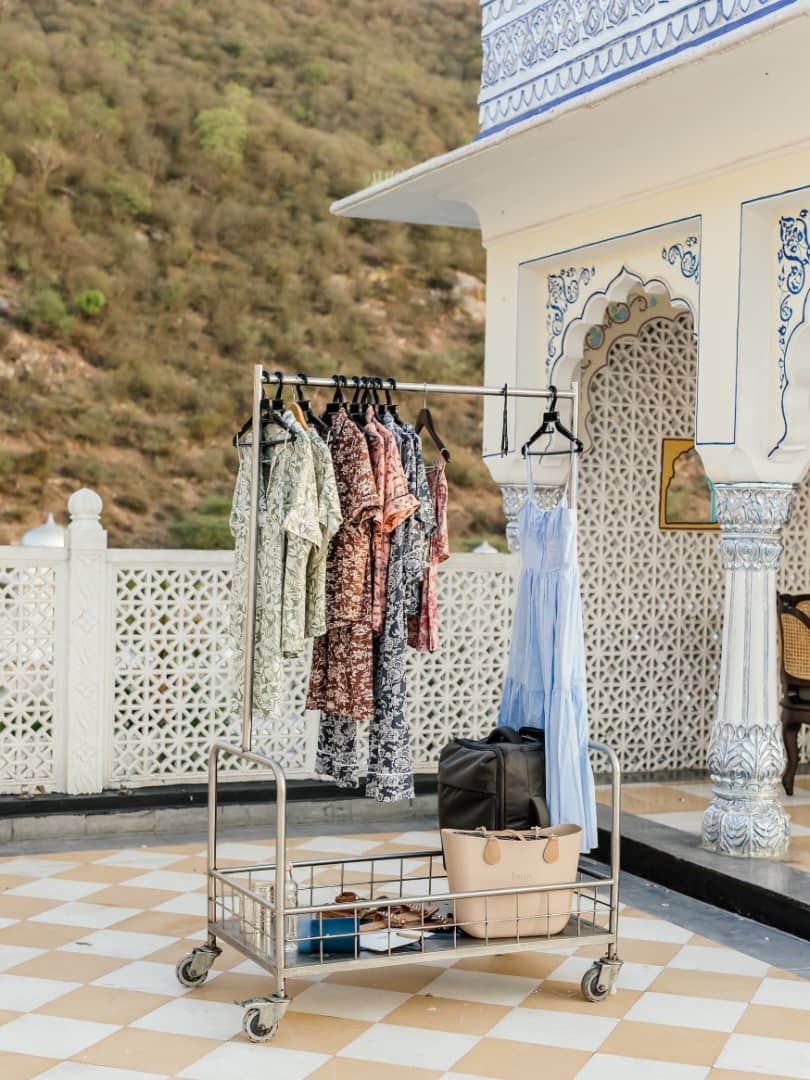
Photo: PR
The project includes South African brands and creative businesses across beauty, fragrance, eyewear, fashion and hospitality. The Leela Palace Jaipur and Lanzerac Hotel & Spa are also part of the project.
The Jaipur edition follows previous Art of Collaboration projects in New York in 2019, Cape Town in 2020, Paris in 2022 and Marrakech in 2024. The 2026 edition was unveiled on 10 September with the premiere of the project film and documentary trailer, alongside presentations of the work created for the Jaipur chapter.
For Govender, the project follows her previous use of fashion to explore her heritage. In 2023, when she represented South Africa at Miss Universe, her national costume drew from Indian and African influences, combining a sari-inspired design with Zulu beadwork and an Ndebele-inspired pattern. Govender described the outfit as a reflection of her two heritages.
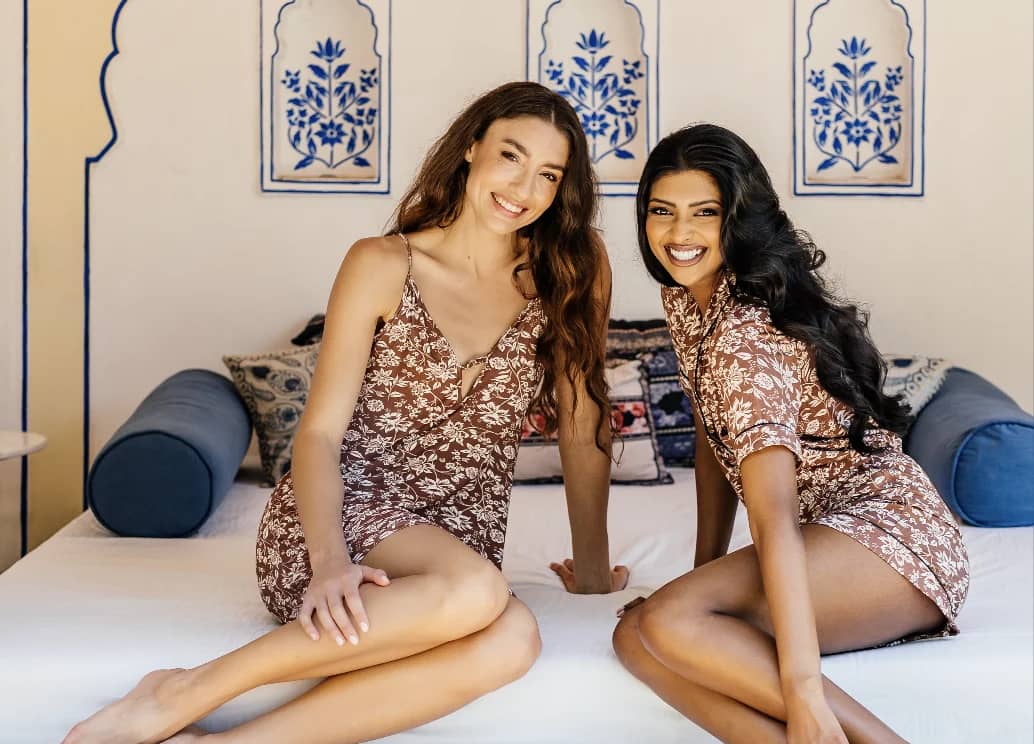
Photo: PR
She also spoke about her changing approach to fashion in a 2024 interview with TrueLove, saying she was still learning what suited her in terms of colour, texture and shape. She discussed moving away from darker clothing and becoming more comfortable with colours that complemented her skin tone.
Her appearance in Jaipur brings those elements together in a project that places South African creative work in an Indian setting, while using fashion, film and photography to explore heritage and identity.

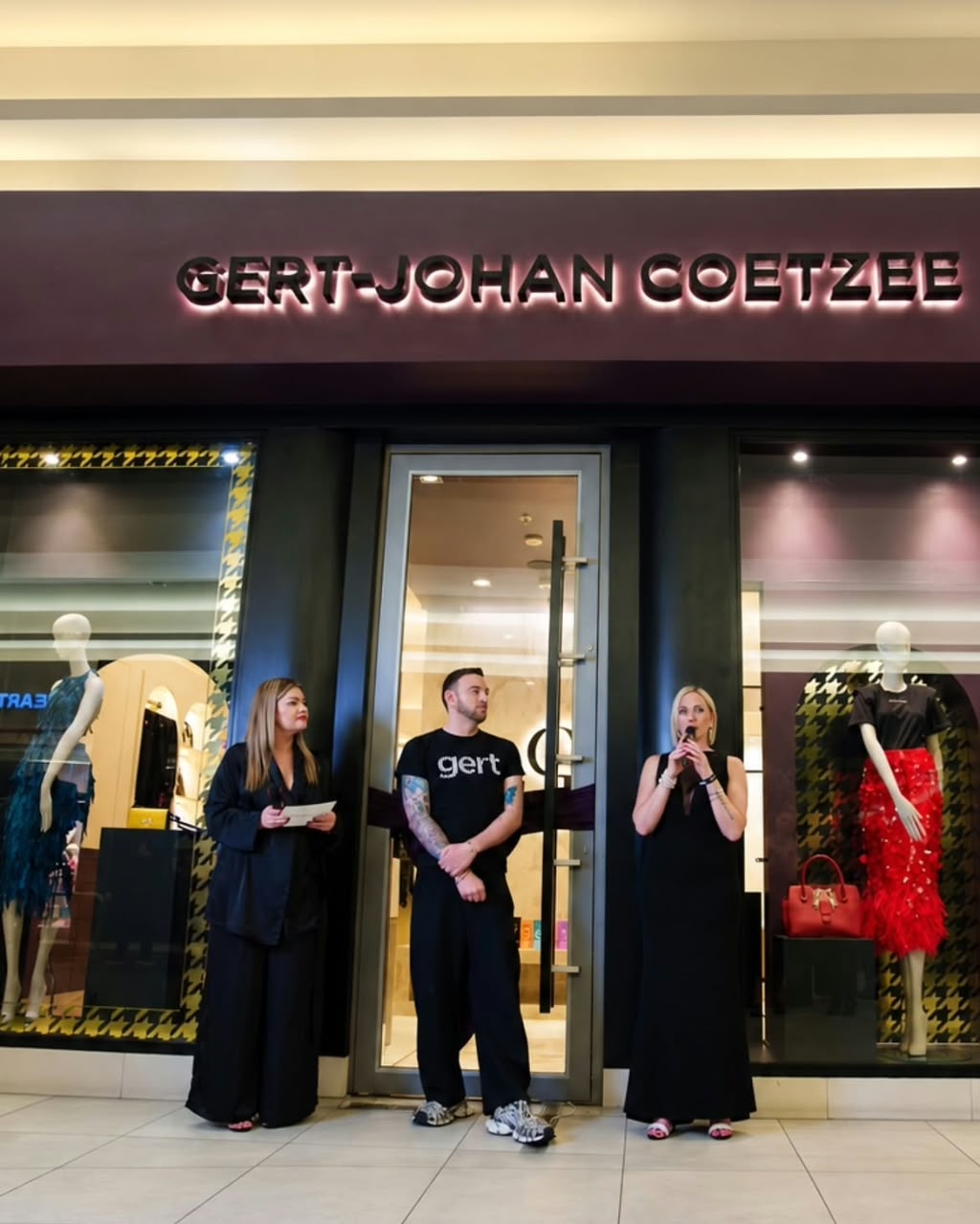
Gert-Johan Coetzee has launched his first retail boutique in Johannesburg. This will allow customers a permanent space to shop his designs. The place is located at the Winifred Mandela Precinct at Nicolway Shopping Centre in Bryanston.
The designer is known for his red-carpet creations and celebrity dressing. Customers can shop ready-to-wear pieces from the latest collection. It also carries limited-edition accessories and merchandise created for the Bryanston location. One of the additions to the store is the designer’s Ndlovu luxury handbag range. The bags are available in-store and on demand.
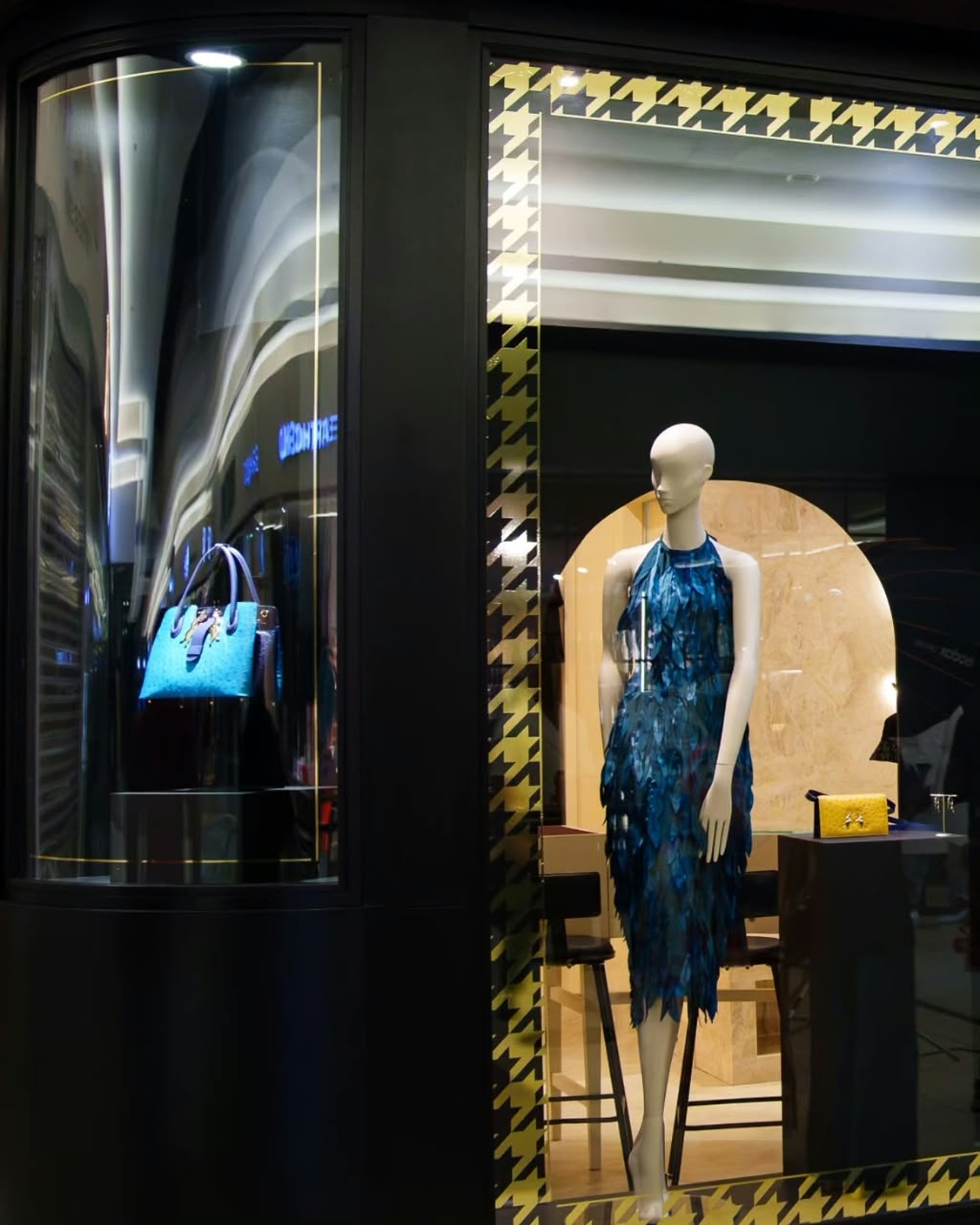
Photo: Instagram/@GertJohancoetzee
The store also stocks Coetzee’s fragrance collection. The range consists of six fragrances which are Gimme Gimme, Eau de Trouble, Rumours & Roses, Top Secret, Shhhh and Uncontainable. The designer draws inspiration from fashion career and his experiences in Grasse, France.
Read Also: 8 Female Designers Leading the Way in Fashion
The fragrance collection was introduced to South African shoppers in August through a retail collaboration with TFG, with a launch at Foschini in Sandton City. According to Ofentse Marobane, Head of Retail at Gert-Johan Coetzee :
“Our goal with the private shopping experience is to offer clients an intimate, elevated environment where they receive our complete and undivided attention,”
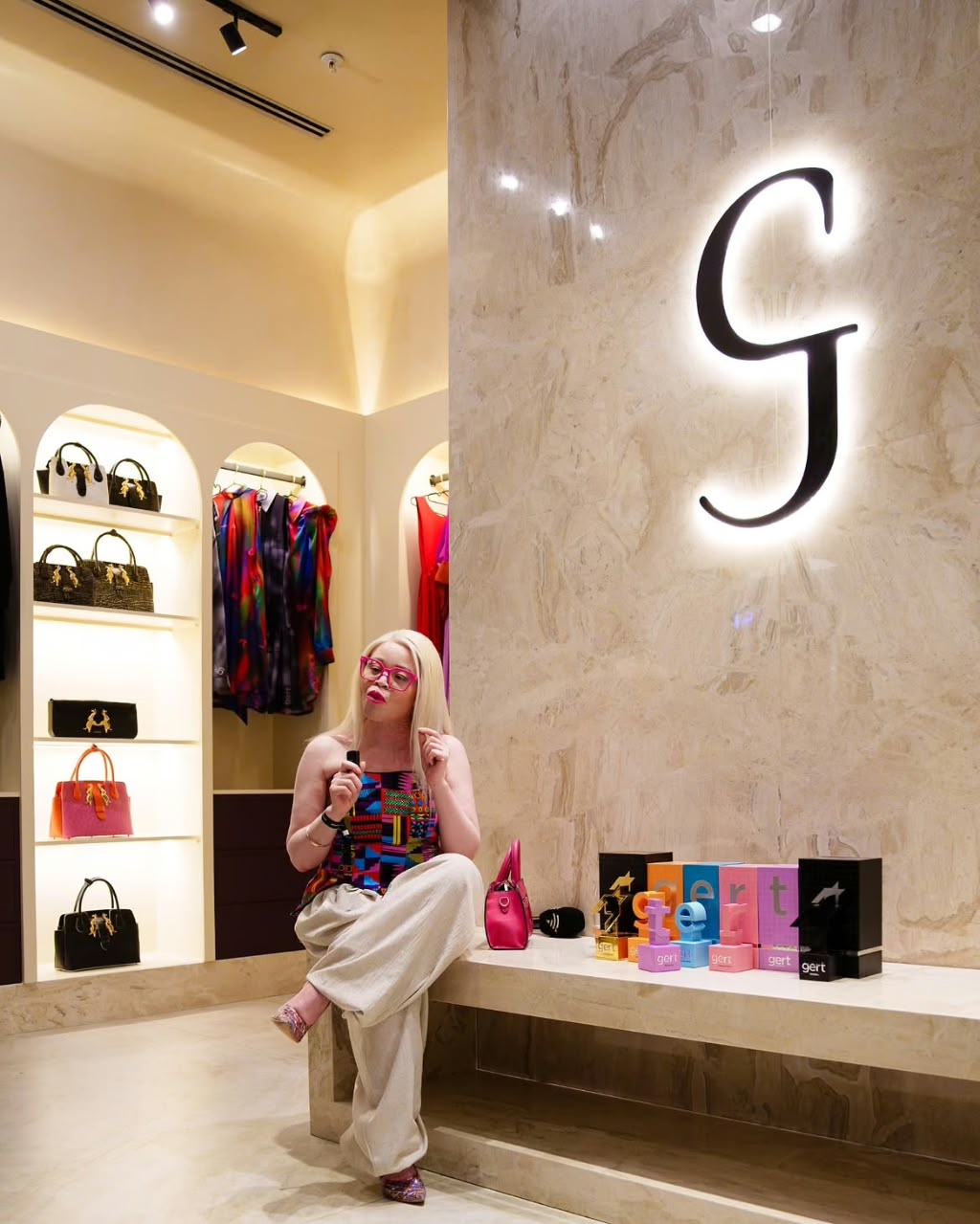
Photo: Instagram/@GertJohancoetzee
The new boutique has been designed to match the look of the fashion house. The interior uses marble and other premium stone surfaces, with aubergine accents. Clothing is displayed as part of the store’s interior design.
Opening hours are from Monday to Saturday between 9am and 6pm. On Sundays and public holidays, they open from 9am to 3pm.
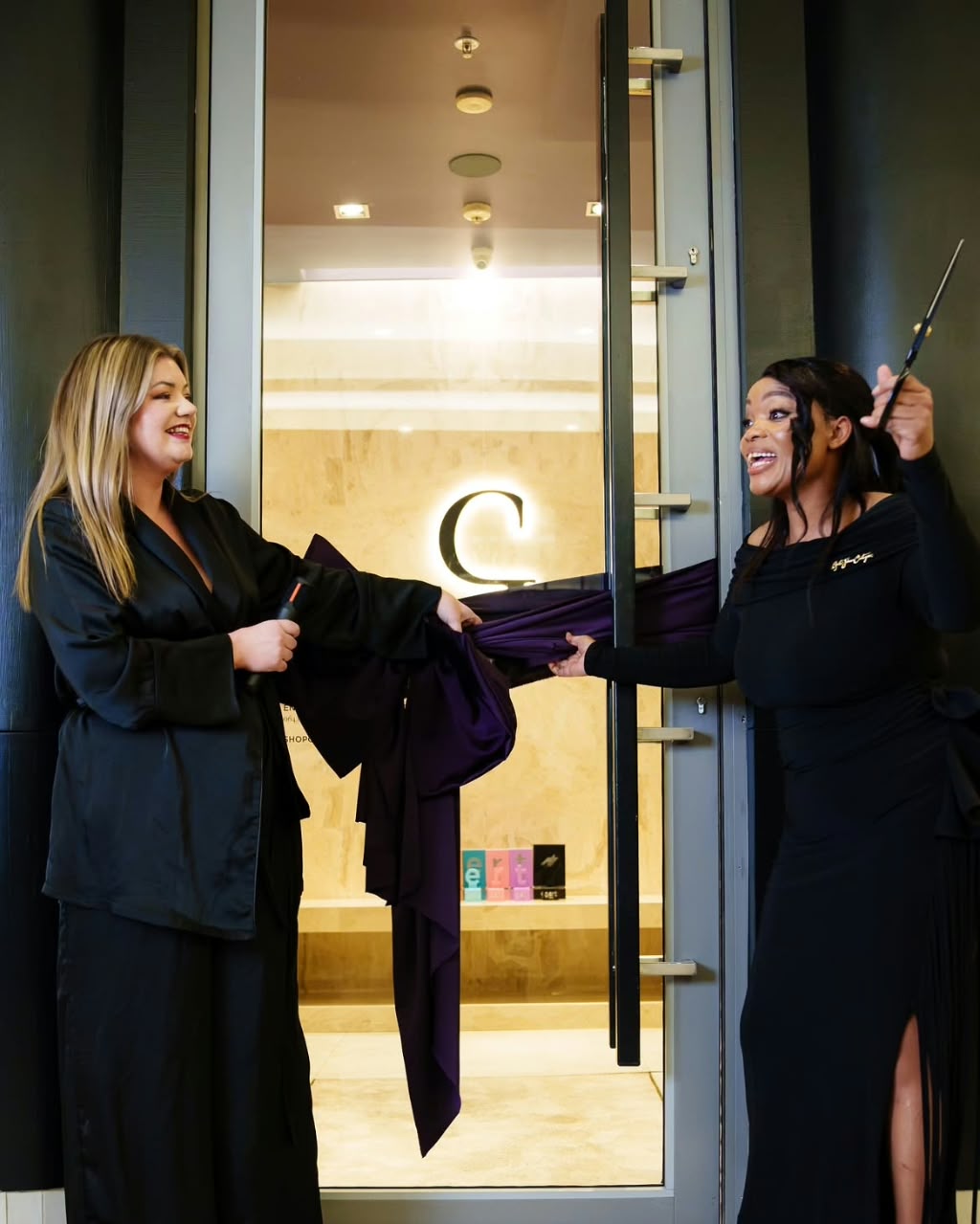
Photo: Instagram/@GertJohancoetzee
The new boutique brings Coetzee’s fashion, accessories and fragrance offerings together under one retail destination.
The new retail space offers direct access to Gert-Johan Coetzee’s collections without relying on external stockists. It also gives the designer a physical presence in the city as his brand continues to grow.

Precious Moloi-Motsepe has built a career spanning medicine, fashion, business and philanthropy, but her strongest influence on South Africa’s fashion industry has come through African Fashion International (AFI), the organisation she founded in 2007.
AFI was created to promote African designers and give them access to platforms beyond the traditional fashion show. Over the years, it has grown to include fashion weeks in Johannesburg and Cape Town, designer development, retail, international showcases and industry partnerships.
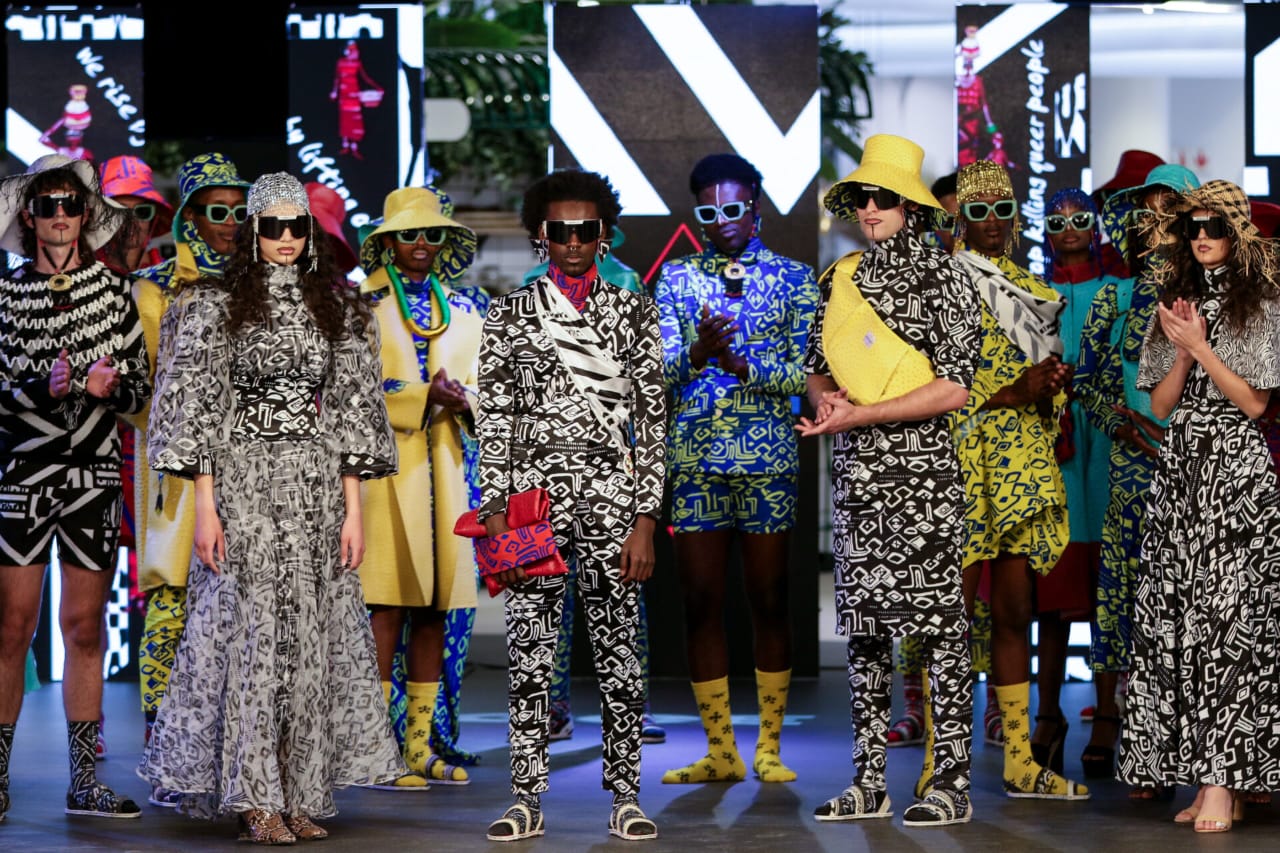
Photo: Getty Images
One of its key initiatives is the AFI Fastrack programme, which supports emerging designers with business development, mentorship, networking and market exposure. Its alumni include South African designers Thebe Magugu and Rich Mnisi, who have since built international careers. The programme reflects Moloi-Motsepe’s focus on the business side of fashion, giving young creatives tools to develop brands as well as collections.
That approach has helped position fashion as more than a creative pursuit. AFI has consistently placed emphasis on the commercial realities facing designers, including production, marketing, business management and access to markets. Moloi-Motsepe has also spoken about the challenges facing South Africa’s clothing industry, including production costs and limited manufacturing infrastructure.
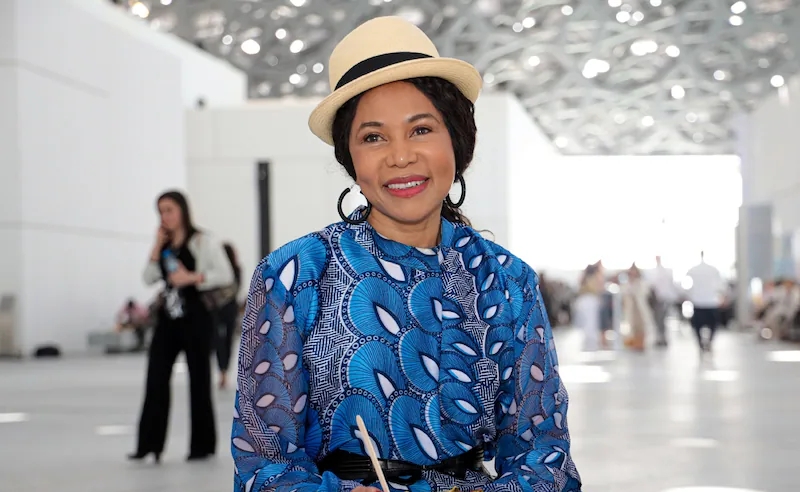
Photo: Simon Deiner / SDR
Her influence reaches into beauty and lifestyle through the broader fashion platforms AFI has developed. Its events bring together designers, stylists, musicians, celebrities and beauty professionals, placing clothing alongside hair, make-up and entertainment. AFI’s work around major events, including the Metro FM Music Awards, has further connected fashion with South Africa’s music and entertainment industries.
The international side of her work has also expanded. In 2025, AFI was involved with Superfine: Tailoring Black Style, the Metropolitan Museum of Art exhibition exploring Black dandyism and its history. AFI also co-hosted Afro Dandy: Tailored for Africa with Harvard’s Center for African Studies in New York, extending the conversation around African fashion beyond the continent.
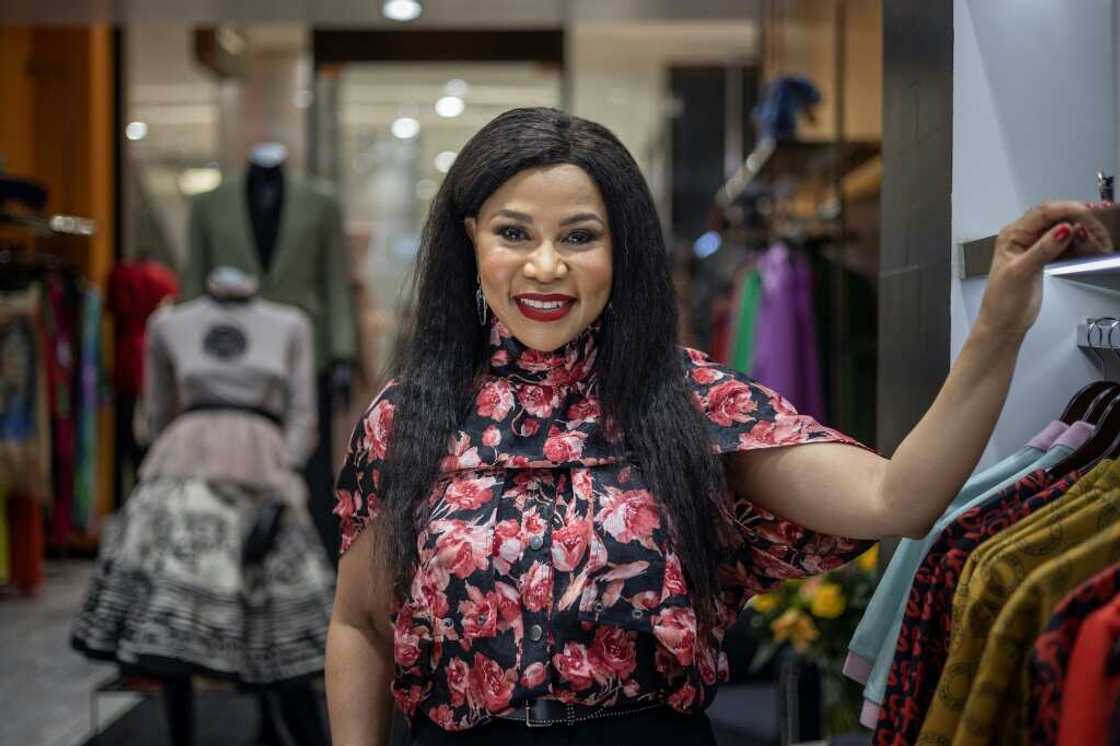
Photo: Getty
Back in South Africa, AFI continues to provide platforms for established and emerging designers through fashion events, retail initiatives and collaborations. The organisation has also developed its own fashion ventures, including NALA Privé.
Moloi-Motsepe’s business interests extend beyond fashion. Through the Motsepe Foundation, which she co-founded with Patrice Motsepe, she has been involved in education, entrepreneurship, community development, sport, music and leadership programmes. The foundation has also supported bursaries and initiatives aimed at expanding opportunities for young people.
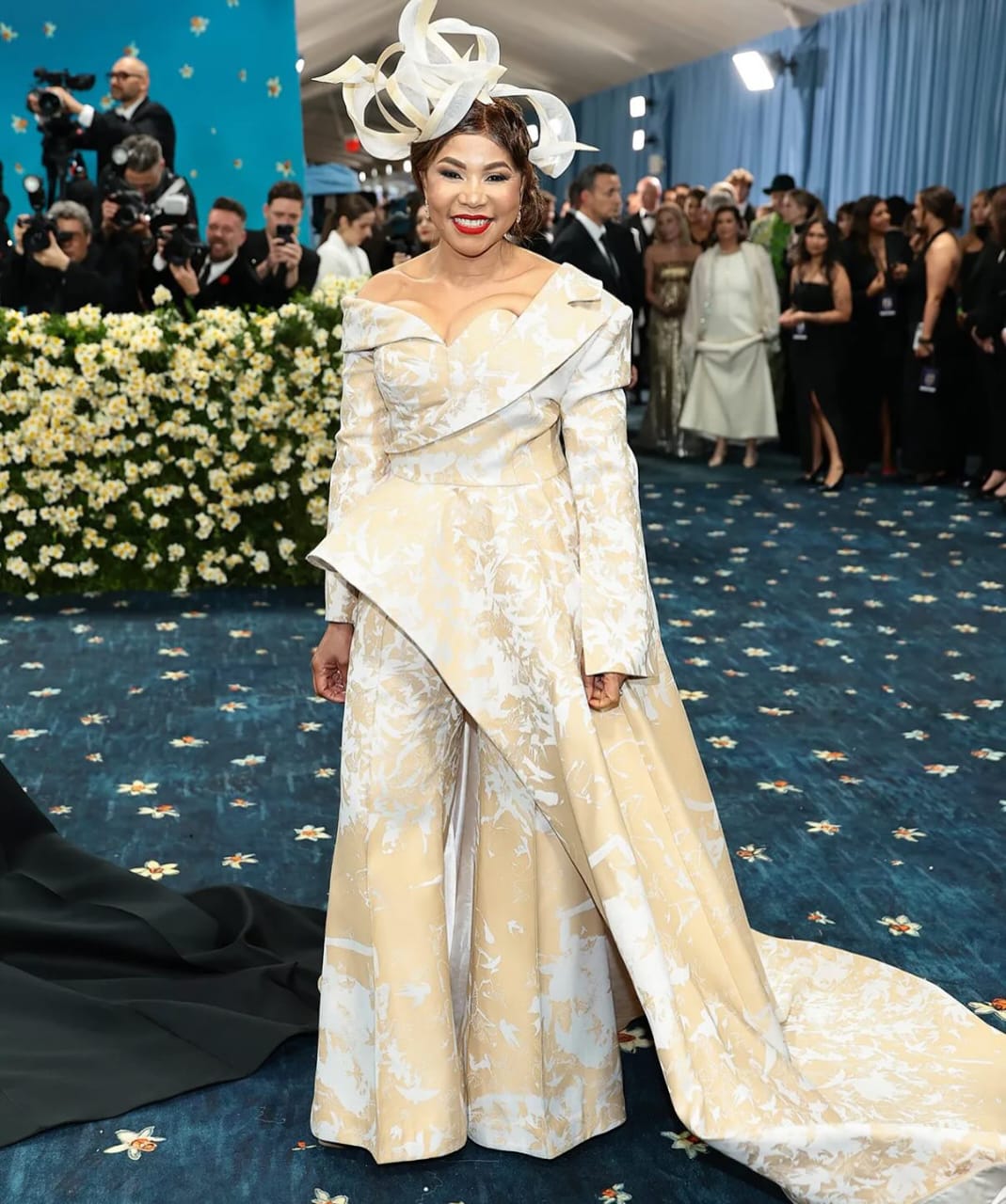
Photo: Getty
Her career is therefore less about designing clothes herself and more about building the structures around those who do. Through AFI, she has spent almost two decades connecting African designers with audiences, industry professionals and commercial opportunities.
That has made her work relevant across fashion, beauty and business. The clothes may be what audiences see first, but Moloi-Motsepe’s contribution has largely been behind the platforms, programmes and partnerships that help African creative businesses grow.


Homba Mazaleni Named New Top Billing Presenter After 2026 Search Win

Bonang Matheba Goes All Black in Gucci

Boobs, Bras and Breast Health: What Every Woman Should Know




-
 Travels3 months ago
6 Best Hotels in Cape Town
-

 Dj Men3 months ago
The Male DJs Keeping South Africa’s Nightlife Alive
-

 Netflix3 months ago
8 Mzansi Series and Films on Netflix to Watch This August
-

 Sex & Relashionships3 months ago
5 Ways ‘Parallel Life Syndrome’ Kills Relationships
-

 Top 202 months ago
20 Greatest South African Songs of All Time
-

 Beauty3 months ago
Best Hand Creams for Dry Hands This Winter
-

 Movies3 months ago
Thuso Mbedu Leads Star-Studded Cast in Children of Blood and Bone
-

 Sex & Relashionships3 months ago
Should Couples Have Joint or Separate Finances?