
Beauty
Products to Use on Your Hair to Keep It Healthy This Winter

Have you noticed your hair feeling drier, rougher, or more prone to breakage as the weather gets colder? Winter has a way of removing moisture from your strands, leaving even the healthiest hair looking dull. The good news is that the right products can help restore hydration, improve texture, and keep your hair looking its best. From nourishing leave-in conditioners to lightweight oils, here are the hair care products worth adding to your routine this season.
Shea Moisture Jamaican Black Castor Oil
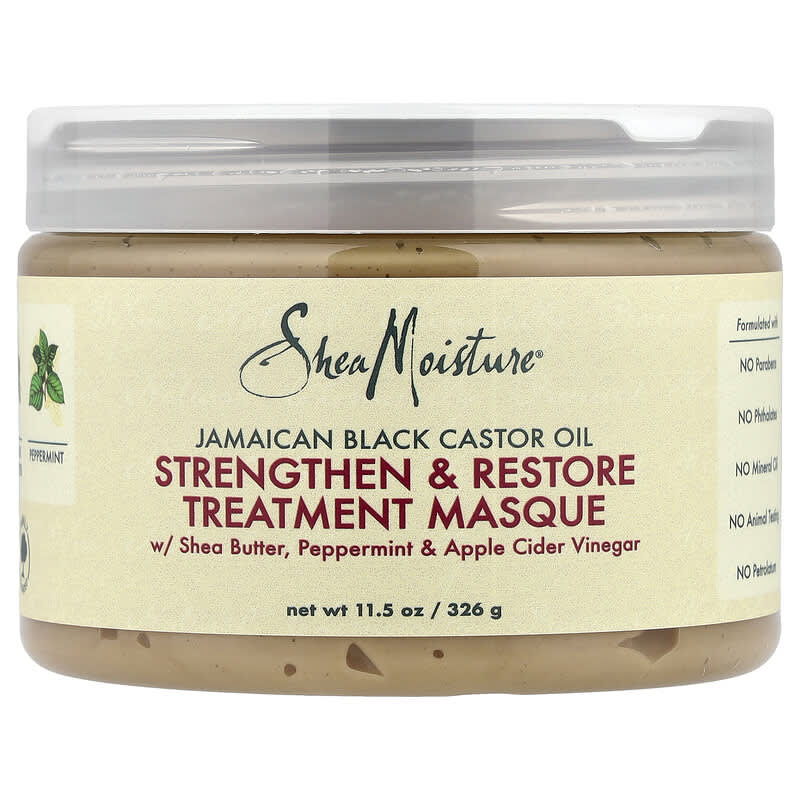
Photo: Allure store
This hair product contains Jamaican black castor oil, shea butter, and peppermint oil. This product makes it difficult for your hair to snap during brushing. If you have coily hair, this is an effective solution during winter. It is available from selected beauty retailers for around R280, depending on size and location.
Moroccanoil Treatment
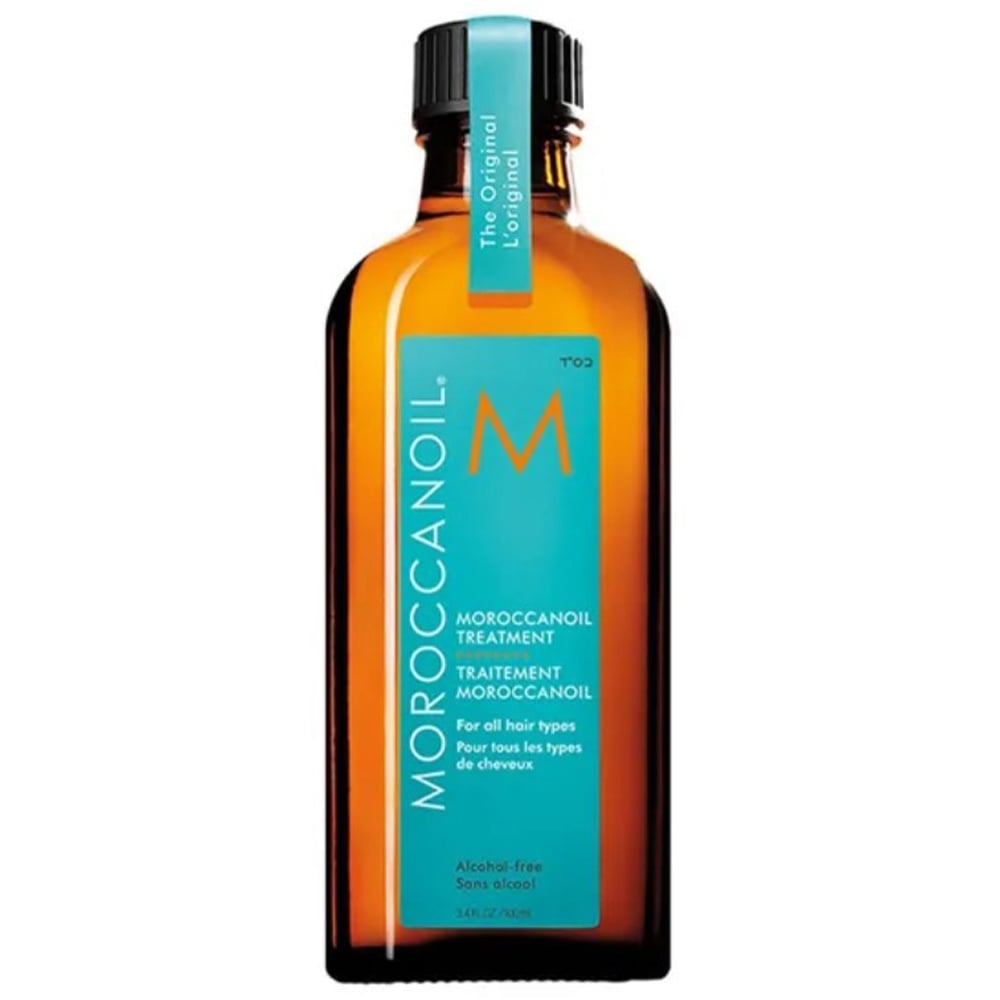
Photo: Allure Store
Moroccanoil Treatment contains nutrients that help nourish the hair. The oil protects hair from dryness caused by cold weather. It reduces split ends and makes your hair look better. A bottle lasts for several months. A bottle costs around R900 per bottle.
Cantu Shea Butter Leave-In Cream
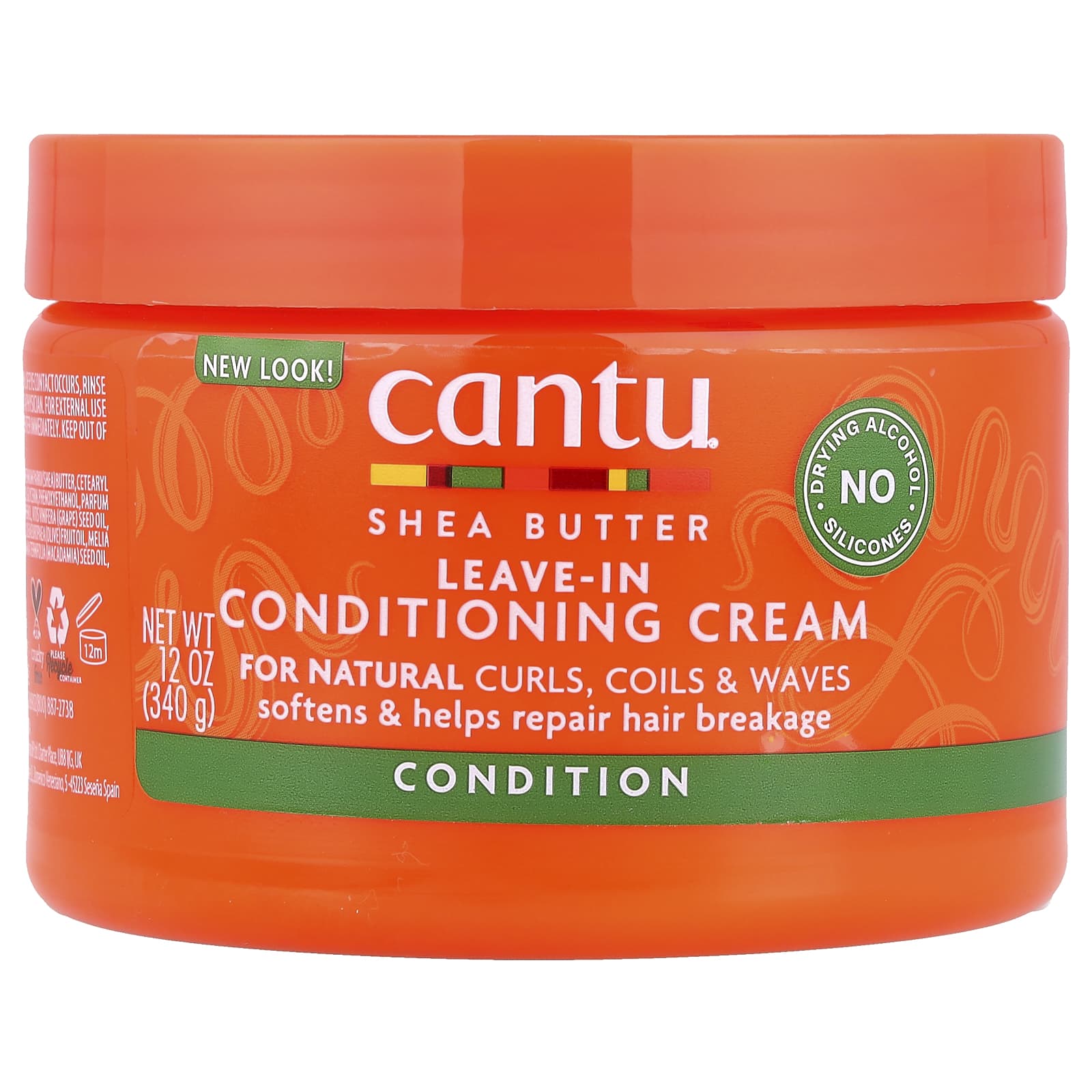
Photo: Allure Store
Cantu’s Leave-In Conditioning Repair Cream contains shea butter with natural oils. This cream provides deep moisture for your hair. It stops hair breakage and prevents frizz. Cantu is a better alternative to silicone and drying alcohols. Available at Amazon stores for R134.
Read Also: 5 Best Budget Makeup Brands to Shop in South Africa
OGX Argan Oil of Morocco Shampoo and Conditioner
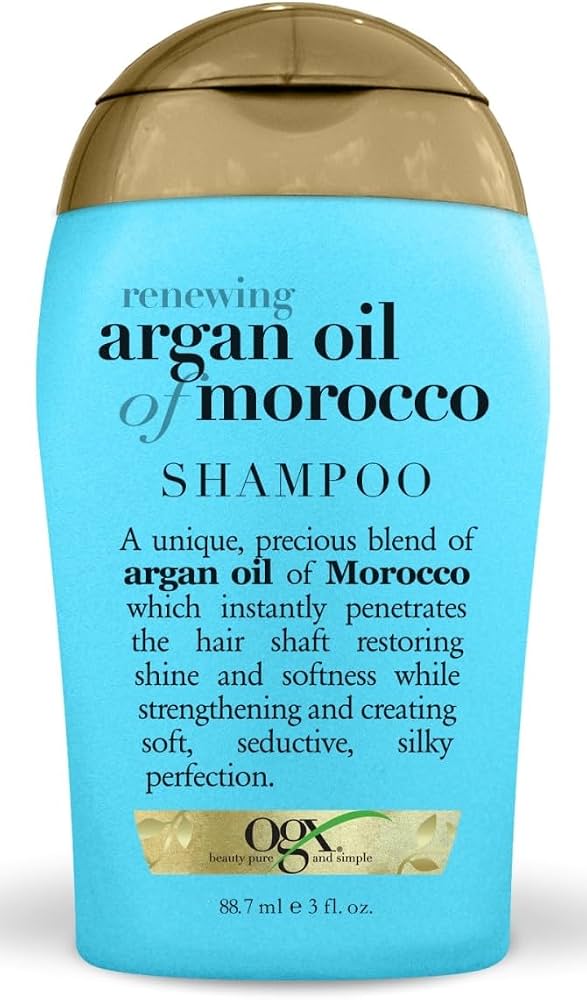
Photo: Amazon
A moisturising hair product like this is recommended because some shampoos can remove natural oils from the scalp. The OGX Argan Oil of Morocco replaces lost moisture.
It leaves your hair easier to style. It helps reduce frizz and protect the hair from becoming dry after washing. Using both the shampoo and conditioner together gives the best results. You can get them for around R230 at most beauty stores.
Aunt Jackie’s Flaxseed Recipes Don’t Shrink Curling Gel
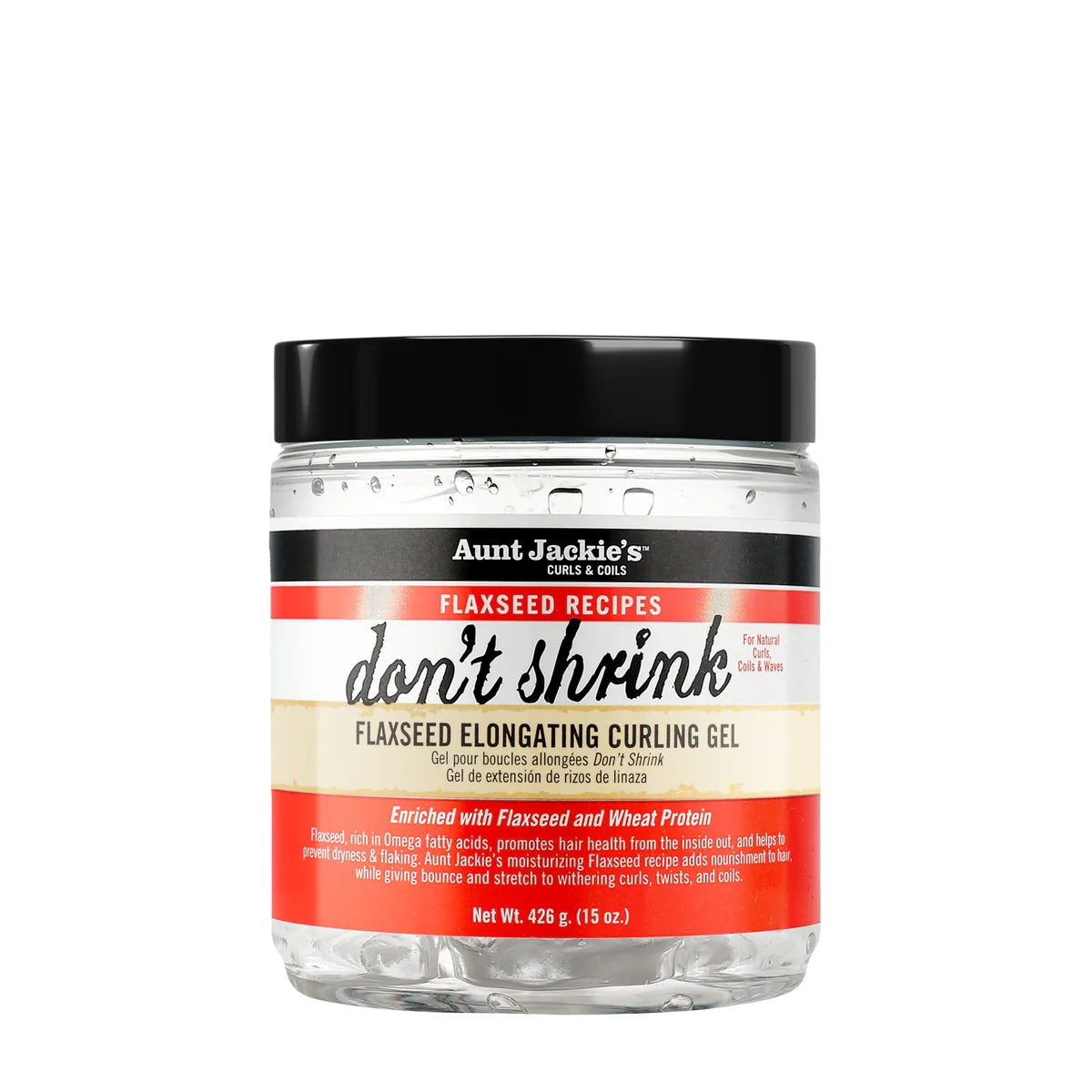
Photo: Allure Store
This flaxseed gel locks hair moisture due to its richness in omega 3 fatty acids. It does not leave hair feeling flaky. This product keeps hair hydrated throughout the day. It does not have sulphate or parabens which could damage your hair. It costs about R200 in many stores.
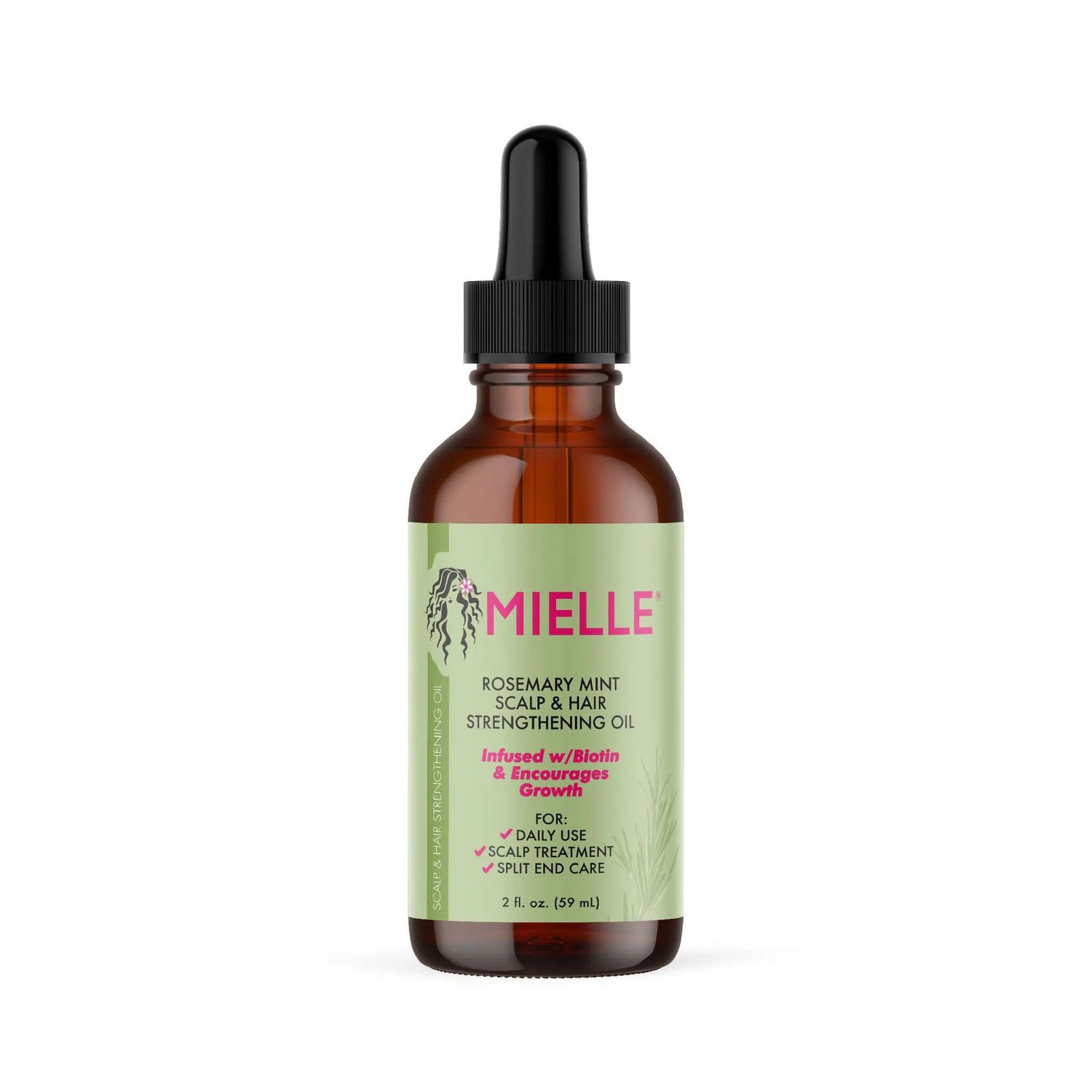
Mielle Rosemary Mint Scalp & Hair Strengthening Oil
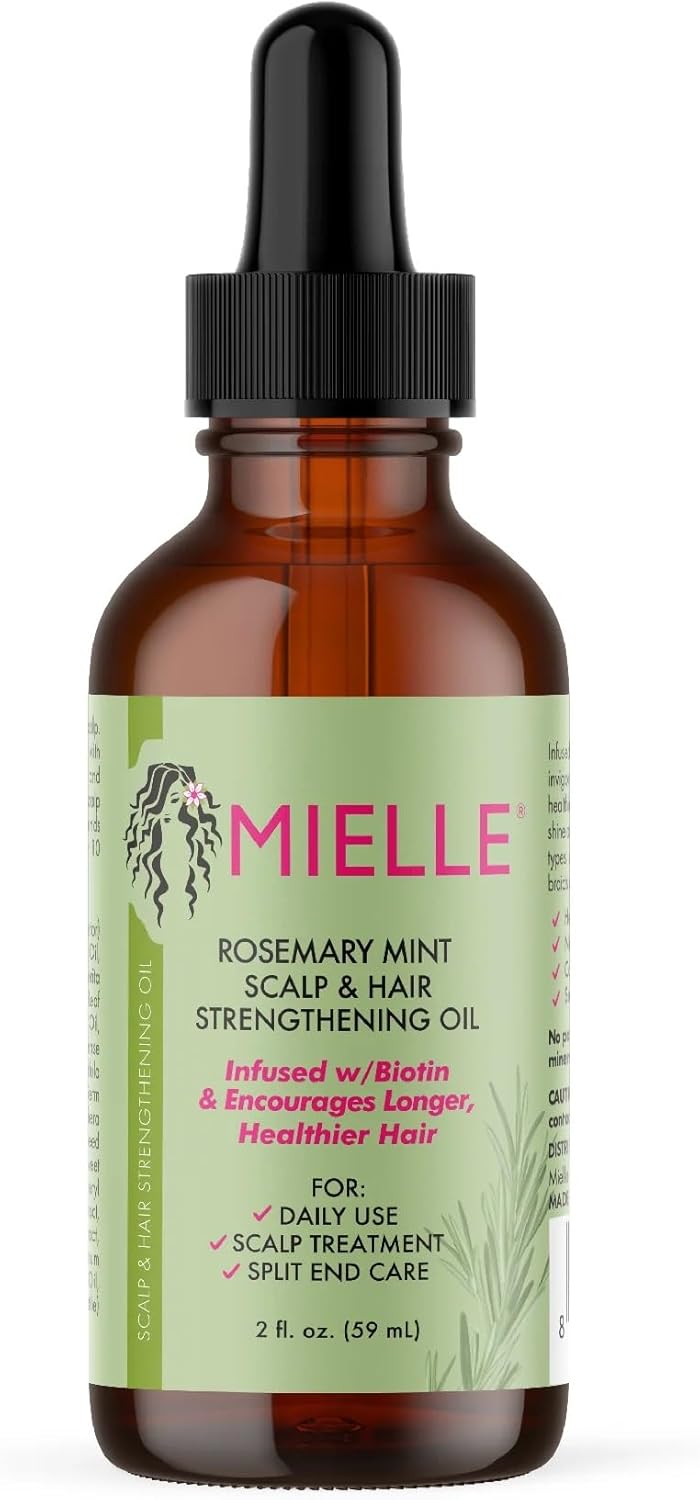
Photo: Allure Store
With Mielle’s Rosemary Mint Oil, your hair is properly taken care of during winter. Massaging a few drops into the scalp reduced itching common during winter. It can be applied to the ends of the hair to reduce dryness and improve softness. It cost around R300.
To prevent hair dryness, choose the right hair care products. Don’t consider the price alone, check for the product that suits your hair. Proper use guarantees a healthy hair all season.
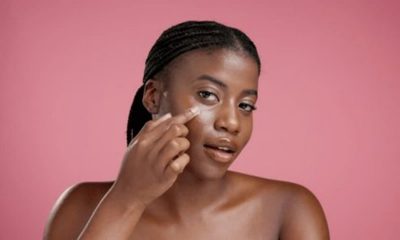


Melanin offers some natural protection against ultraviolet (UV) radiation, but it does not prevent sun damage. Darker skin tones can still experience premature ageing, sunspots and hyperpigmentation. Prolonged sun exposure can also worsen melasma and dark marks left behind by acne.
Finding sunscreen that blends properly into deeper skin tones can be challenging. Some formulas leave a visible white or grey cast, while others feel greasy or sit uncomfortably under makeup. For this reason, lightweight and tinted options are worth considering.
For South Africans, sunscreen should be part of everyday skincare, not something reserved for beach visits and summer holidays.
Sunscreens worth considering for melanin-rich skin
La Roche-Posay Anthelios UVMune 400 Invisible Fluid SPF50+
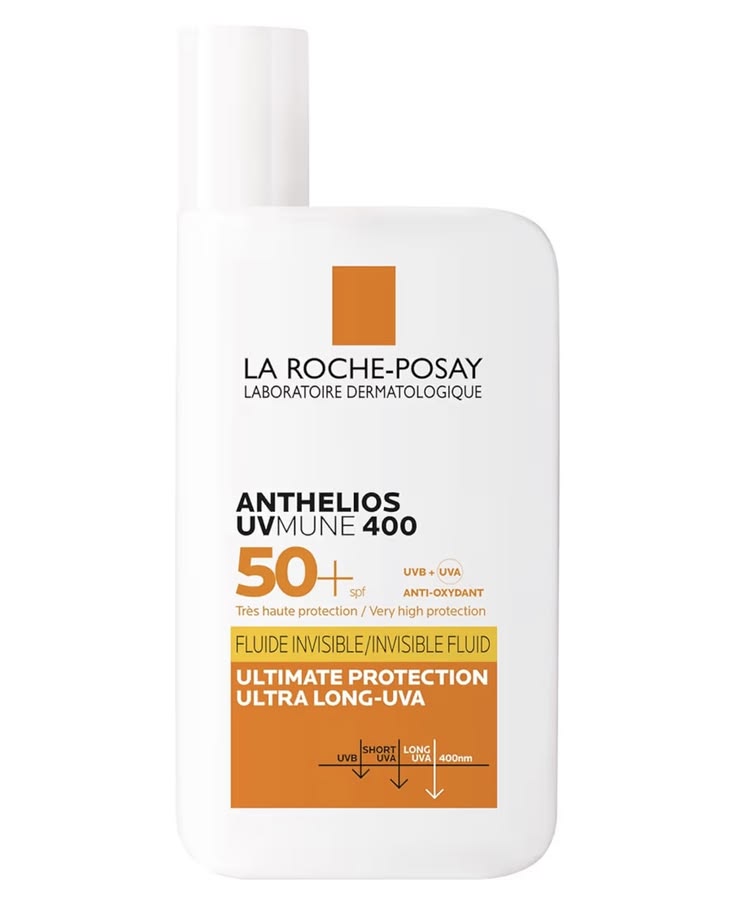
Photo: Pinterest/@All in one
This lightweight facial sunscreen contains Mexoryl 400, a filter developed to protect against very long UVA rays. Its fluid consistency makes it suitable for people who dislike heavier sunscreen creams. It is an option for those looking to limit UV-related skin damage and photoageing.
Eucerin Sun Pigment Control Tinted SPF50+
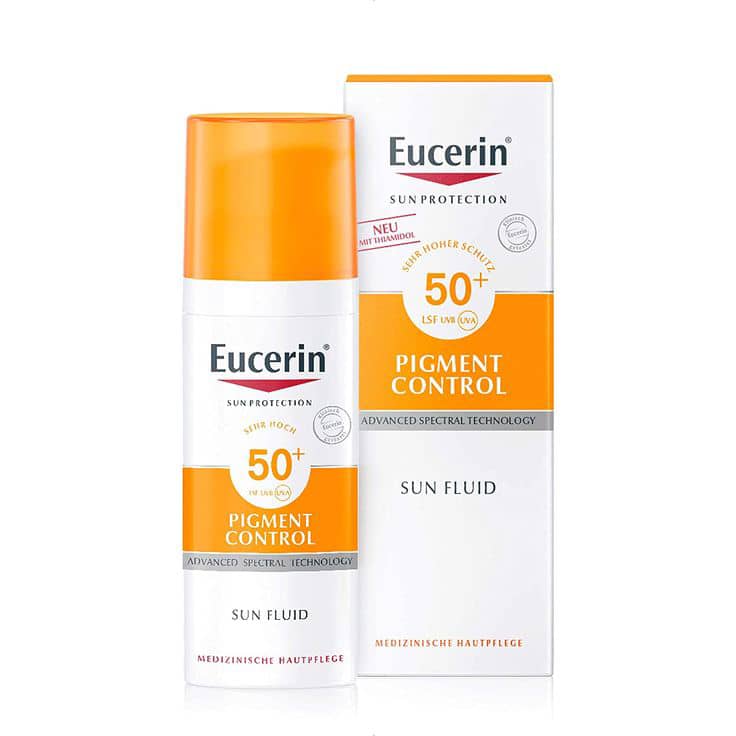
Photo: Pinterest/@Lisa Mejia
Eucerin’s Pigment Control range combines sun protection with Thiamidol, an ingredient developed to address hyperpigmentation. Its tinted version offers complexion coverage alongside sun protection. Check the available shade before purchasing to ensure it complements your skin tone.
Heliocare 360 Color Gel Oil-Free SPF50+
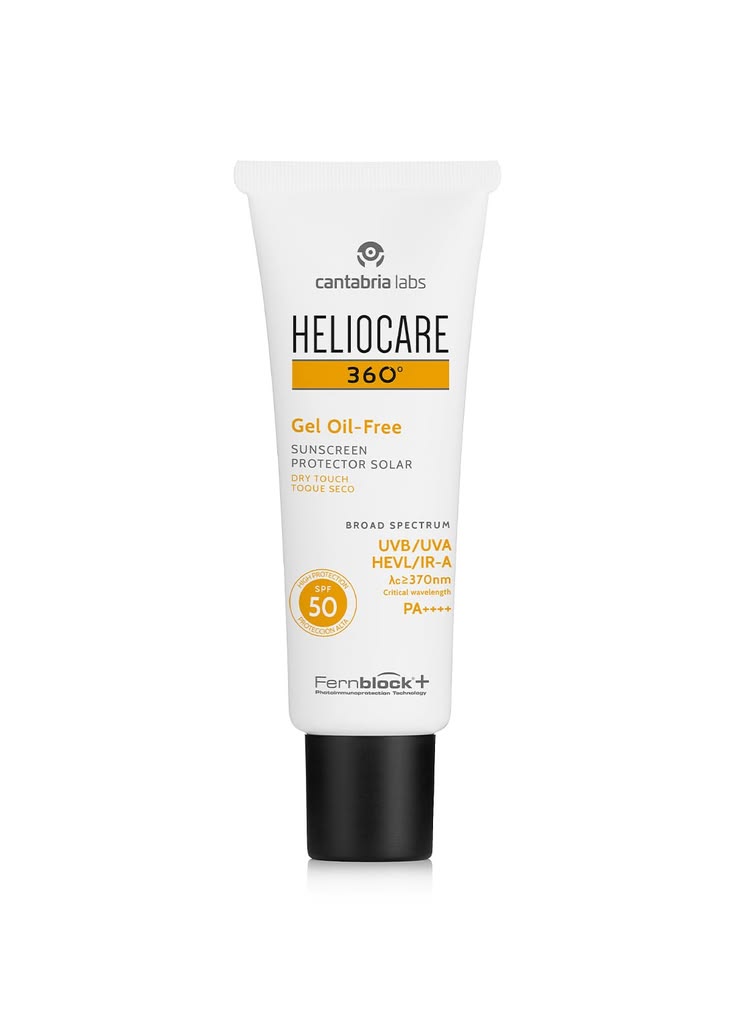
Photo: Pinterest/@Marie Claire UK
This sunscreen combines protection with a tinted finish. Its oil-free gel formulation may appeal to people with oily or combination skin who prefer lighter facial products. Check the available shade to ensure it blends naturally with your complexion.
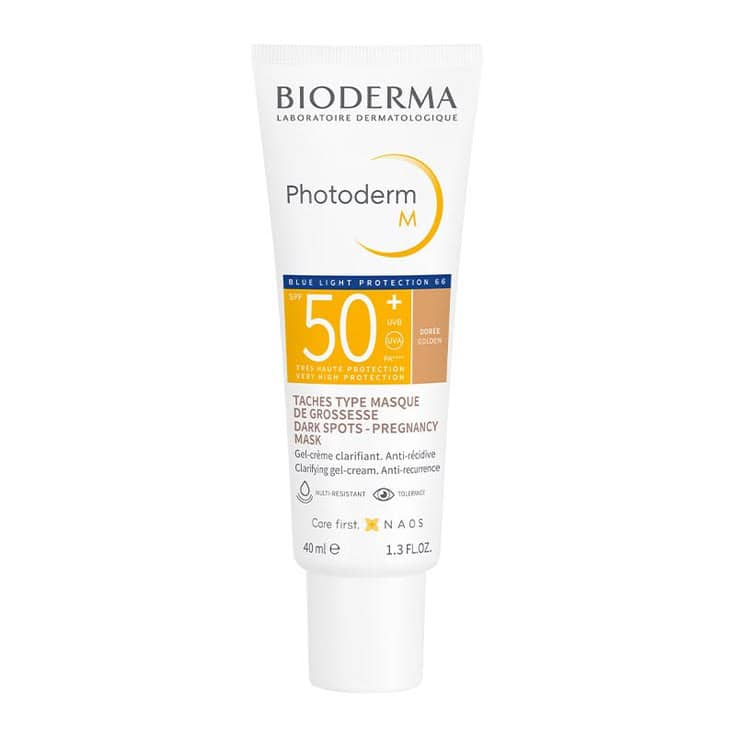
Bioderma Photoderm M SPF50+
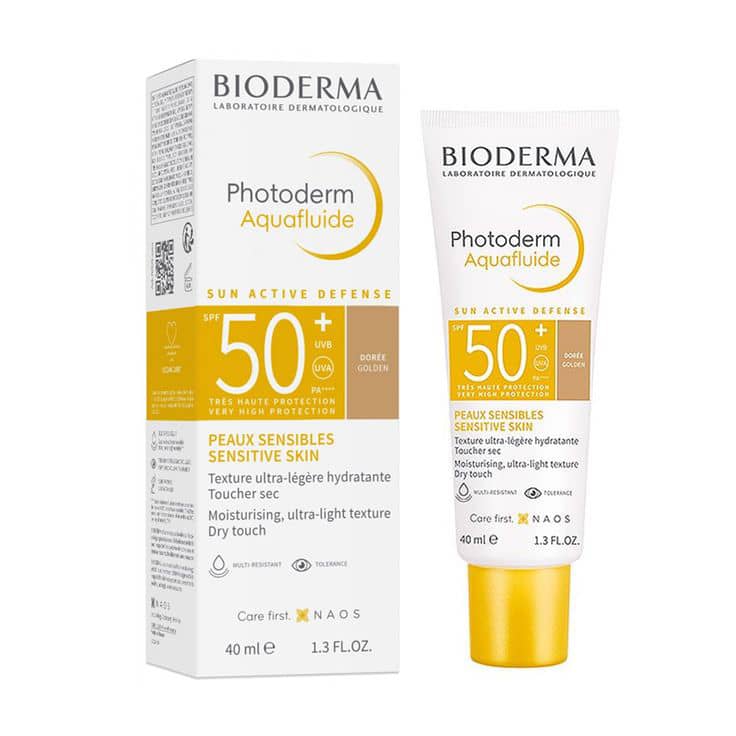
Photo: Pinterest/@Cloud 10 beauty
Designed with pigmentation-prone skin in mind, Bioderma Photoderm M offers a tinted formula alongside sun protection. It is an option for people who prefer some complexion coverage, although shade suitability should be considered before buying.
ISDIN Fusion Water Magic SPF50
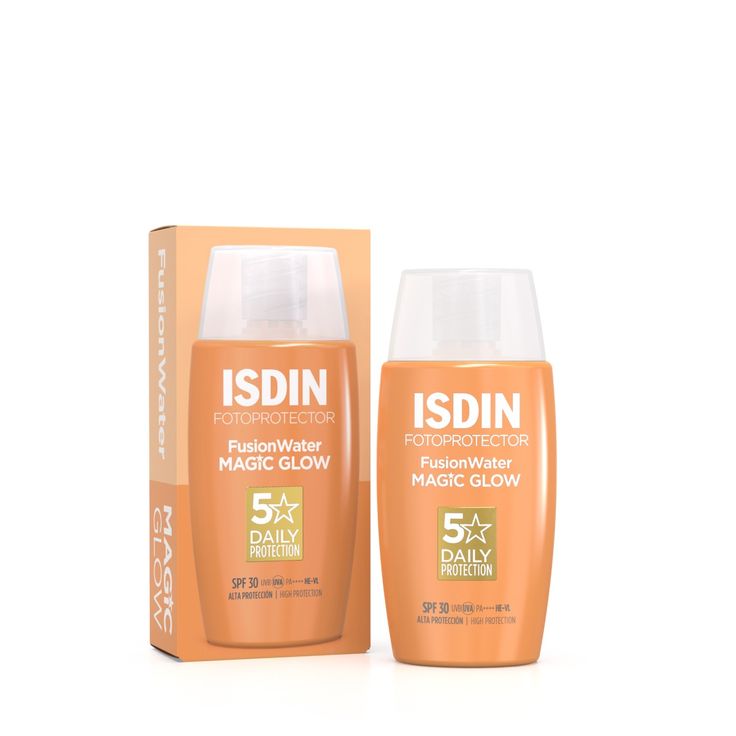
Photo: Pinterest/@Isdin
ISDIN Fusion Water Magic is designed for people who prefer lightweight facial sunscreens. Its water-based texture makes it an option for those who find traditional sunscreen creams too rich. It can be incorporated into a morning skincare routine before makeup.
What should you look for when buying sunscreen?
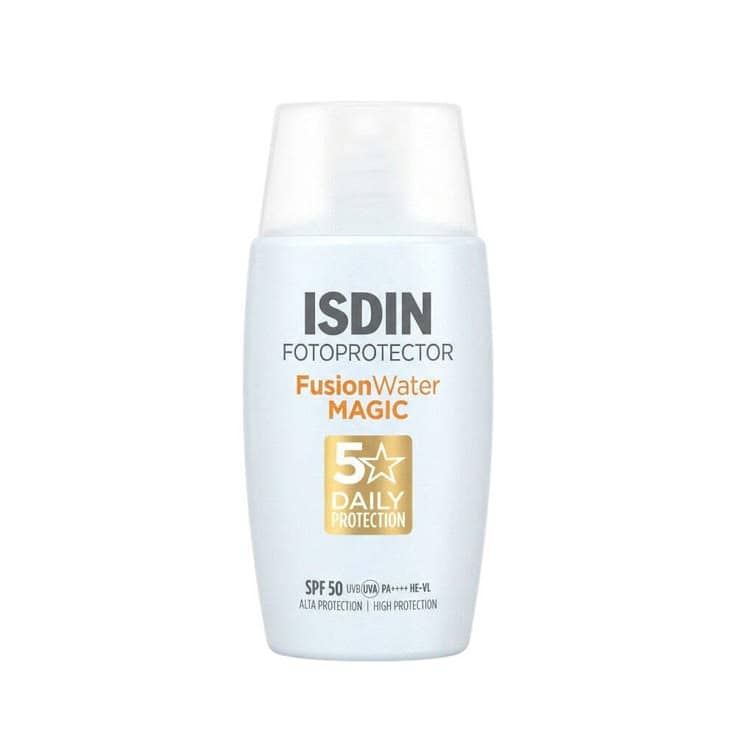
Photo: Pinterest/@Isdin
Look for a broad-spectrum SPF50 or SPF50+ sunscreen with strong UVA protection. SPF primarily indicates protection against UVB rays, which cause sunburn, while UVA radiation contributes to photoageing and pigmentation.
Tinted sunscreen may offer an additional benefit for people prone to dark marks or melasma. Visible light can contribute to pigmentation changes, particularly in darker skin tones. Tinted formulas containing iron oxides can provide additional visible-light protection.
Shade selection matters. A product advertised as suitable for all skin tones may still appear too light or orange on deeper complexions.
Your skin type should also influence your choice. People with oily or acne-prone skin may prefer lightweight, non-comedogenic formulas. Those with dry skin may benefit from moisturising sunscreens, while fragrance-free options can be worth considering for sensitive skin.
How to get the most out of your sunscreen
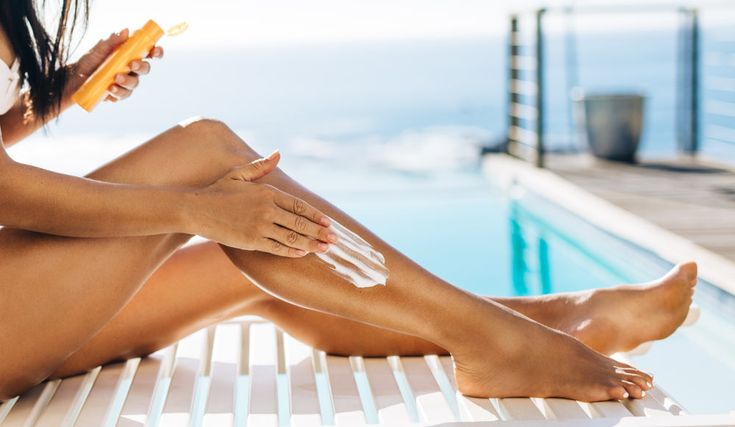
Photo: Pinterest/@Colour science
Apply sunscreen generously to your face, ears, neck and other exposed areas. Pay attention to the hairline and backs of your hands. Use it as the final step of your morning skincare routine, before makeup.
Reapply approximately every two hours when outdoors, and after swimming, heavy sweating or towel-drying. Sunglasses, wide-brimmed hats, protective clothing and seeking shade during intense sunlight also help reduce UV exposure.
For melanin-rich skin, the priority is a sunscreen that offers reliable broad-spectrum protection, suits your skin type and blends comfortably into your complexion. Consistent application matters more than choosing the most expensive product.
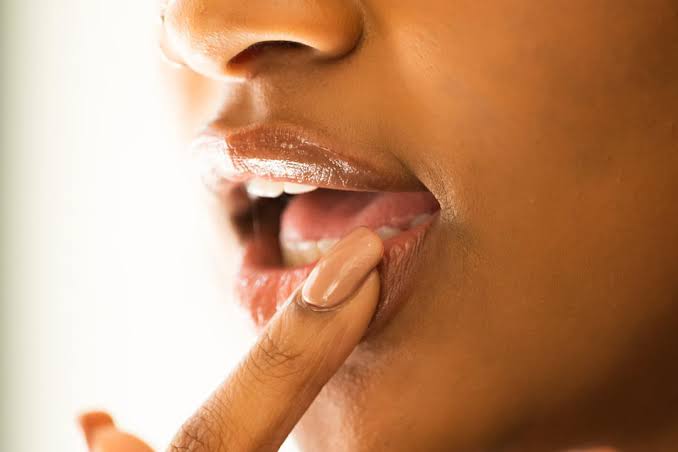
Dry, chapped lips can become uncomfortable quickly, particularly when the skin starts to peel or crack. While a good lip balm is usually the simplest option, honey is another ingredient sometimes used to soothe dry lips.
Honey has humectant properties, which means it can help draw and retain moisture. It also has antimicrobial and anti-inflammatory properties that have been studied in wound care. These properties are part of the reason honey appears in skincare remedies, although evidence specifically supporting ordinary household honey as a treatment for chapped lips is limited.
How to apply honey to chapped lips

Photo: Pinterest
If you want to try honey, start with clean lips. Rinse gently with lukewarm water and pat them dry. Avoid scrubbing or removing peeling skin, as this can cause further irritation.
Apply a small amount of plain, food-grade honey to your lips using a clean fingertip. Some beauty guides recommend leaving it on for a few minutes before gently rinsing it off with lukewarm water.
There is no need to apply a thick layer. If your lips are very dry, follow with a plain, fragrance-free lip ointment to help reduce moisture loss.
Honey is not a replacement for lip ointment
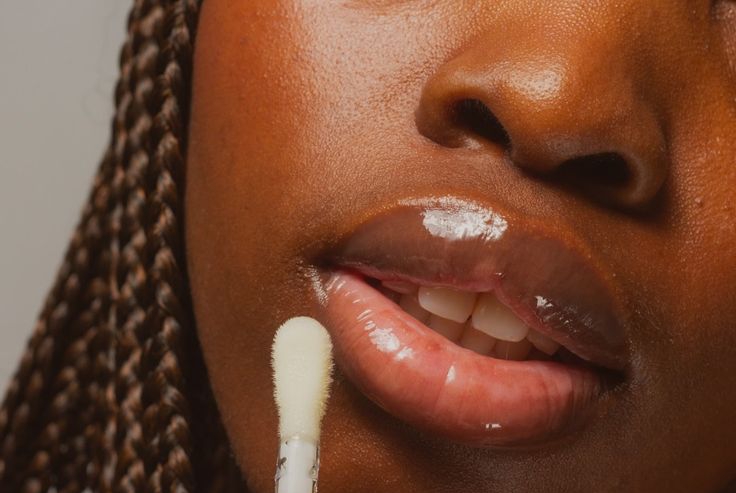
Photo: Pinterest
Honey may provide temporary soothing, but it should not replace basic lip care. Dermatologists commonly recommend bland, non-irritating products containing ingredients such as petrolatum, mineral oil, ceramides, dimethicone or shea butter for dry, chapped lips.
Petrolatum, in particular, forms a protective layer that helps prevent water from escaping from the skin. This can be especially useful when lips are cracked or repeatedly becoming dry.
During the day, remember to protect your lips from the sun. Choose a lip product with SPF 30 or higher when spending time outdoors, as sun exposure can contribute to dry and damaged lips.
Avoid habits that prolong chapping
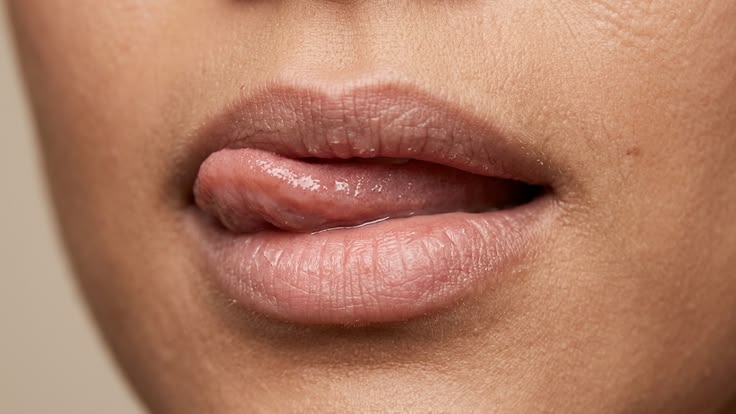
Photo: Pinterest
Lip licking can make dryness worse. Saliva evaporates quickly, and repeatedly wetting the lips can contribute to further irritation. Picking or biting peeling skin can also delay healing.
It is also worth checking the ingredients in your lip products. Menthol, camphor, eucalyptus, fragrance and some flavourings may irritate already-chapped lips. If a product causes burning, stinging or tingling, stop using it instead of assuming the sensation means it is working.
When to see a dermatologist
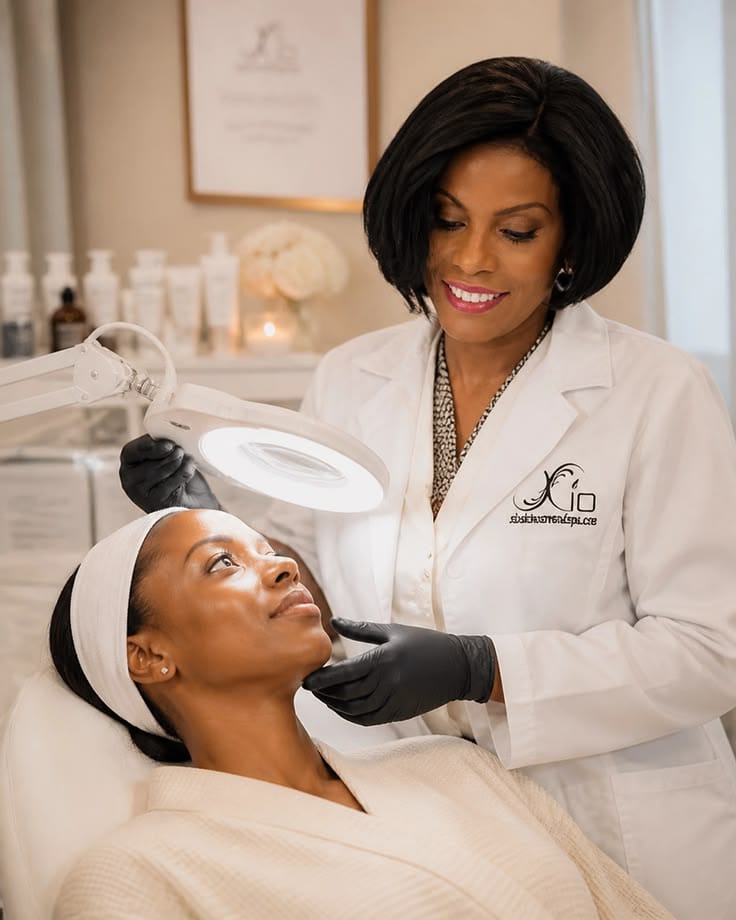
Photo: Pinterest
Most cases of dry lips can be managed with simple care, but persistent or severe cracking deserves attention. If your lips do not improve with basic care, or remain repeatedly dry, painful or cracked, speak to a dermatologist. Persistent lip problems can sometimes be associated with irritation, allergic reactions, infection or other skin conditions.
Honey can be tried as an occasional soothing ingredient, but the basics remain more important: avoid irritating the lips, keep them moisturised and use a protective ointment when they are dry or cracked.
Dark circles can have several causes, including genetics, pigmentation, visible blood vessels, dehydration, allergies and the natural structure of the area beneath the eyes. This means an eye cream that works well for one person may not produce the same result for someone else.
The ingredients in an eye cream matter. Caffeine can temporarily help reduce the appearance of puffiness, while niacinamide and vitamin C are commonly used in products targeting uneven skin tone. Hyaluronic acid and ceramides can help with dryness, while retinol is often included in products aimed at fine lines and other signs of ageing.
If you are looking for an eye product available in South Africa, these five are worth considering.
CeraVe Eye Repair Cream
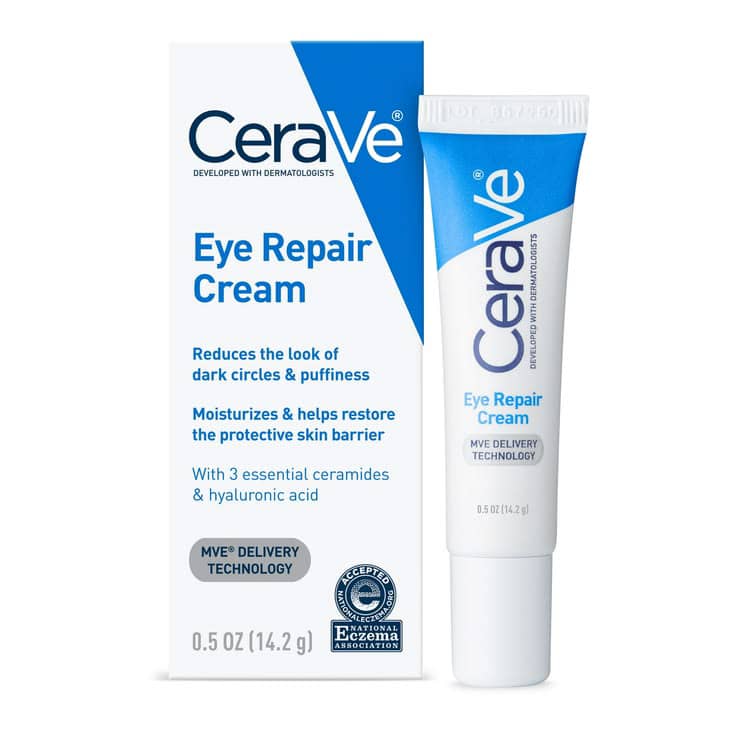
Photo: Pinterest
CeraVe Eye Repair Cream is formulated with ceramides, hyaluronic acid and niacinamide. It is designed to hydrate the delicate skin around the eyes while supporting the skin barrier.
The formula is particularly worth considering if dryness is making the under-eye area look dull or making fine lines more noticeable.
African Extracts Rooibos Advantage Rejuvenating Eye Cream
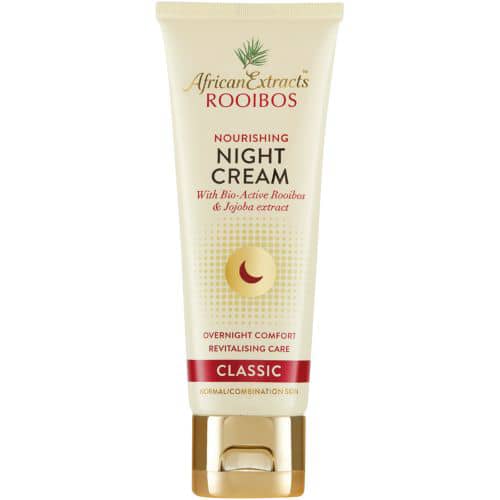
Photo: Pinterest
African Extracts offers a South African skincare option with its Rooibos Advantage Rejuvenating Eye Cream. The formula contains rooibos extract, sea fennel peptides, buckwheat seed extract and allantoin.
The product is designed for concerns including dark circles, puffiness, fine lines and dehydration, making it an option for several common under-eye concerns.
Vichy Minéral 89 Eye Fortifier
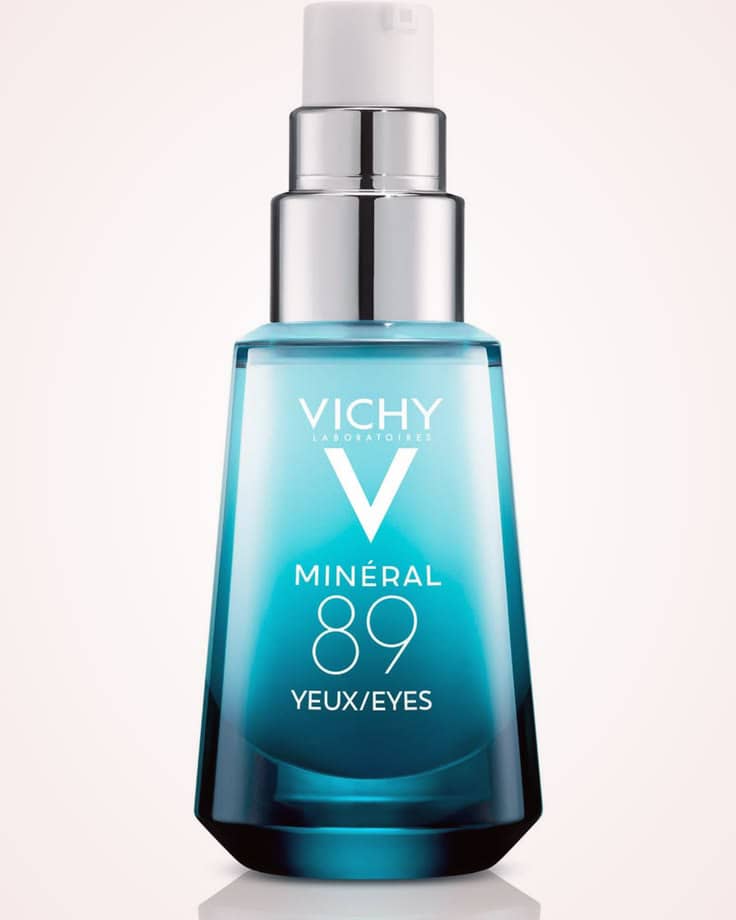
Photo: Pinterest
For those who prefer a lightweight formula, Vichy’s Minéral 89 Eye Fortifier is a gel designed to hydrate and refresh the eye area. It contains hyaluronic acid and caffeine, along with Vichy’s mineralising thermal water.
Hyaluronic acid helps the skin retain moisture, while caffeine is commonly used in eye products aimed at the appearance of puffiness.
Olay Ultimate Eye Cream
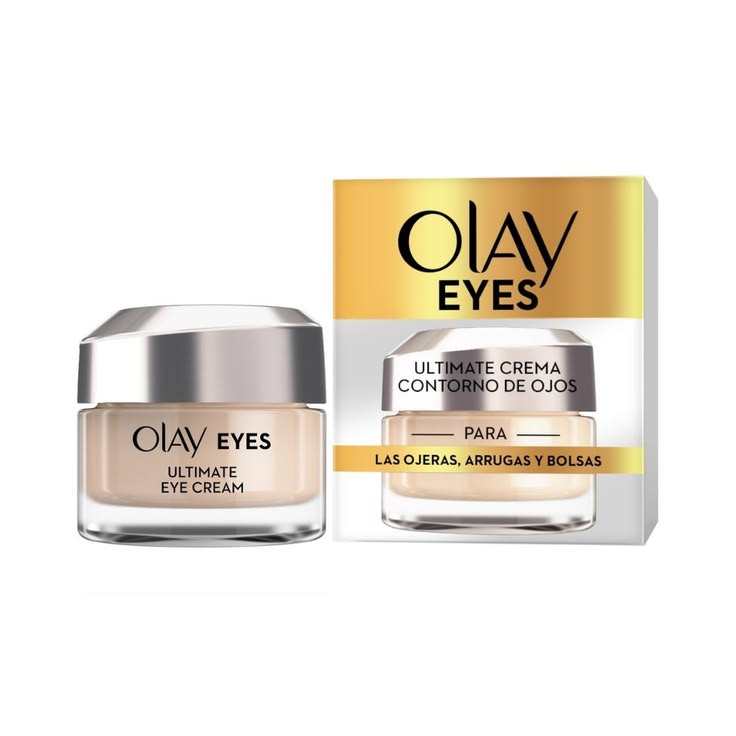
Photo: Pinterest
Olay Ultimate Eye Cream combines skincare ingredients with colour-correcting pigments. Its formula includes niacinamide and a peptide, while mineral pigments help reduce the appearance of dark circles immediately after application.
This makes it useful if you want an eye cream that provides both skincare benefits and a cosmetic brightening effect.
Neutrogena Retinol Boost Eye Cream
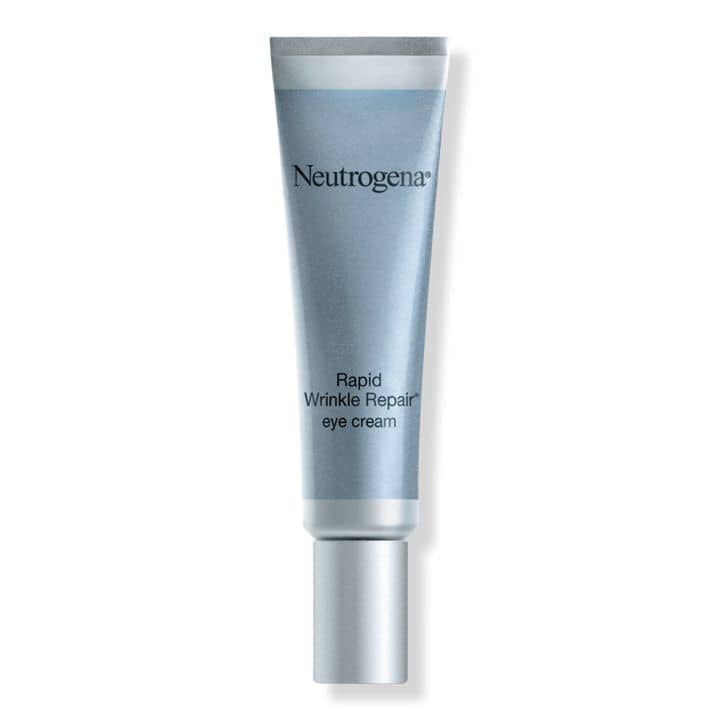
Photo: Pinterest
If fine lines are your main concern, Neutrogena Retinol Boost Eye Cream offers a retinol-based option. Retinol is a form of vitamin A commonly used in anti-ageing skincare because it can support collagen production and increase skin-cell turnover.
The eye area is sensitive, so retinol products should be introduced gradually and used according to the instructions on the packaging.
Choose according to your concern
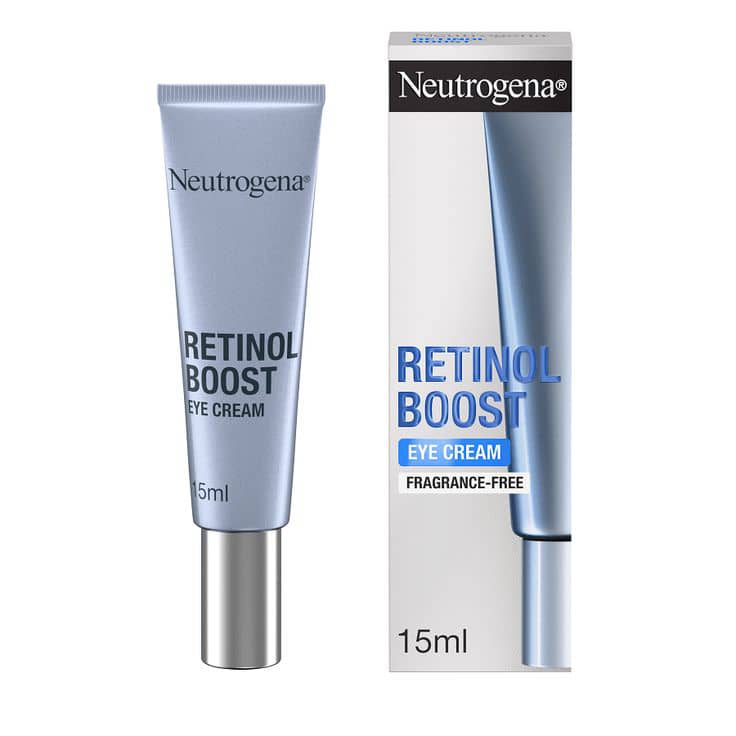
Photo: Pinterest
There is no single eye cream that can remove every type of dark circle. If pigmentation is the main issue, a formula containing brightening ingredients may be more appropriate. Caffeine can be useful when puffiness is the concern, while moisturising ingredients can help when dryness makes the area look dull.
It is also worth remembering that genetics, facial structure and hollowness beneath the eyes can contribute to dark circles. In these cases, an eye cream may improve the appearance of the skin but cannot completely change the underlying cause.
Whichever product you choose, apply only a small amount around the eye area and avoid getting the product into the eyes. If you experience persistent irritation, stop using it and consider speaking to a dermatologist.


Tems to Lead Soundtrack Production for Hollywood’s ‘Children of Blood and Bone’ Film

Nadia Jaftha and Reece Meyer Are Officially Married

Best Sunscreens for Melanin-Rich Skin



-

 Travels3 months ago
6 Best Hotels in Cape Town
-

 Netflix3 months ago
8 Mzansi Series and Films on Netflix to Watch This August
-

 Top 203 months ago
20 Greatest South African Songs of All Time
-
 Beauty3 months ago
Best Hand Creams for Dry Hands This Winter
-

 Fitness3 months ago
5 Low-Impact Workouts for People With Joint Pain
-

 Sex & Relashionships3 months ago
Should Couples Have Joint or Separate Finances?
-

 Awards3 months ago
4 Unforgettable Moments From the 32nd South African Music Awards
-

 Beauty3 months ago
How Often Should You Really Moisturise Your Lips