
Lifestyle
Inside the Tik Tok Awards Sub-Saharan Africa’s Night


The TikTok Awards Sub-Saharan Africa delivered a lively and engaging night. This event highlights the continent’s growing influence in the digital space. Creators, entertainers, and industry players gathered in Johannesburg to celebrate a key moment in Africa’s creator ecosystem. The theme was ‘New Era New Icons.’ It captured the spirit of a generation using short-form content to shape trends and influence entertainment.

Mihlali : Instagram
The event was designed to recognise hardworking creators who have built communities and offered meaningful content. It uses viral videos to spotlight voices across various fields including music, education, food, comedy, storytelling, sports, and social impact. The awards demonstrate how TikTok has grown into a cultural hub. We now have creative content from Lagos, Nairobi, Accra, Cotonou, and Johannesburg widely enjoyed across the continent.

Thabsie : Instagram
Johannesburg welcomed top creators, celebrities, and digital personalities from across the continent. Bontle Modiselle Moloi was the host and she brought her signature presence to the stage. The red carpet was handled by Keegan Gordon and Zayaan Noorani, who engaged guests as they arrived. Music also played a central part in the experience, with Ciza, Lord Kez, and Thabsie delivering some of the night’s most memorable performances. DJ sets from Thuli P and DJ Fif Laa kept the energy high between award segments, blending popular hits with emerging sounds that have dominated TikTok trends in 2025.

Thuli Phongolo :Instagram
Read Also : Scoop Makhathini and Pamela Mtanga Set to Host 2025 South African Music Awards
The winners reflected a broad range of creative talent. Nigerian musician Shallipopi took home Artist of the Year after his music repeatedly drove viral challenges and viral soundtrack use across the platform. Raja’atu Muhammed Ibrahim, known for her food-focused videos, earned Creator of the Year for the way she blends culture and storytelling through cooking. Fanuel John Masamaki from Tanzania won Video of the Year for a video that resonates across the continent and drew steady attention. Nigerian storyteller Brian Nwana claimed Storyteller of the Year, while Kenya’s Tunero Animations received the Rising Star award, showing how animation is expanding rapidly within African digital circles.

Keegan Gordon : Instagram
With categories such as beauty, education, food, entertainment, and social change in the spotlight, it highlights the range of creativity on the platform. The audience was excited, celebrating not only the winners but the wider digital community.
What made the night significant was its message about African creativity and global visibility. The awards show the impact of digital storytelling and how powerful real-life stories are. It emphasizes that digital platforms like TikTok can now be used to show the diversity of the African continent. Today, African creators are reshaping perspective, showing the world that talents from the continent are as capable as their western counterparts.


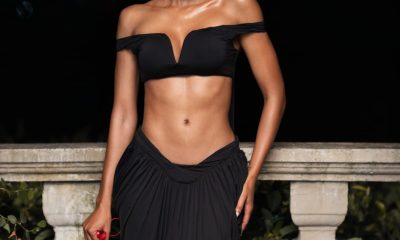





Tatjana Smith has announced that she will represent the Netherlands in international swimming competitions. The 29-year-old confirmed the decision on November 10, explaining that her Dutch heritage and better opportunities influenced her choice.
Smith is South Africa’s most decorated Olympian. She shared this in an emotional video message on her Instagram handle.
The swimmer acknowledged that some South Africans might not be happy with her decision. She also expressed gratitude to the country, her coaches and her supporters.
“I know that not everyone will understand or agree with my decision,” she said.
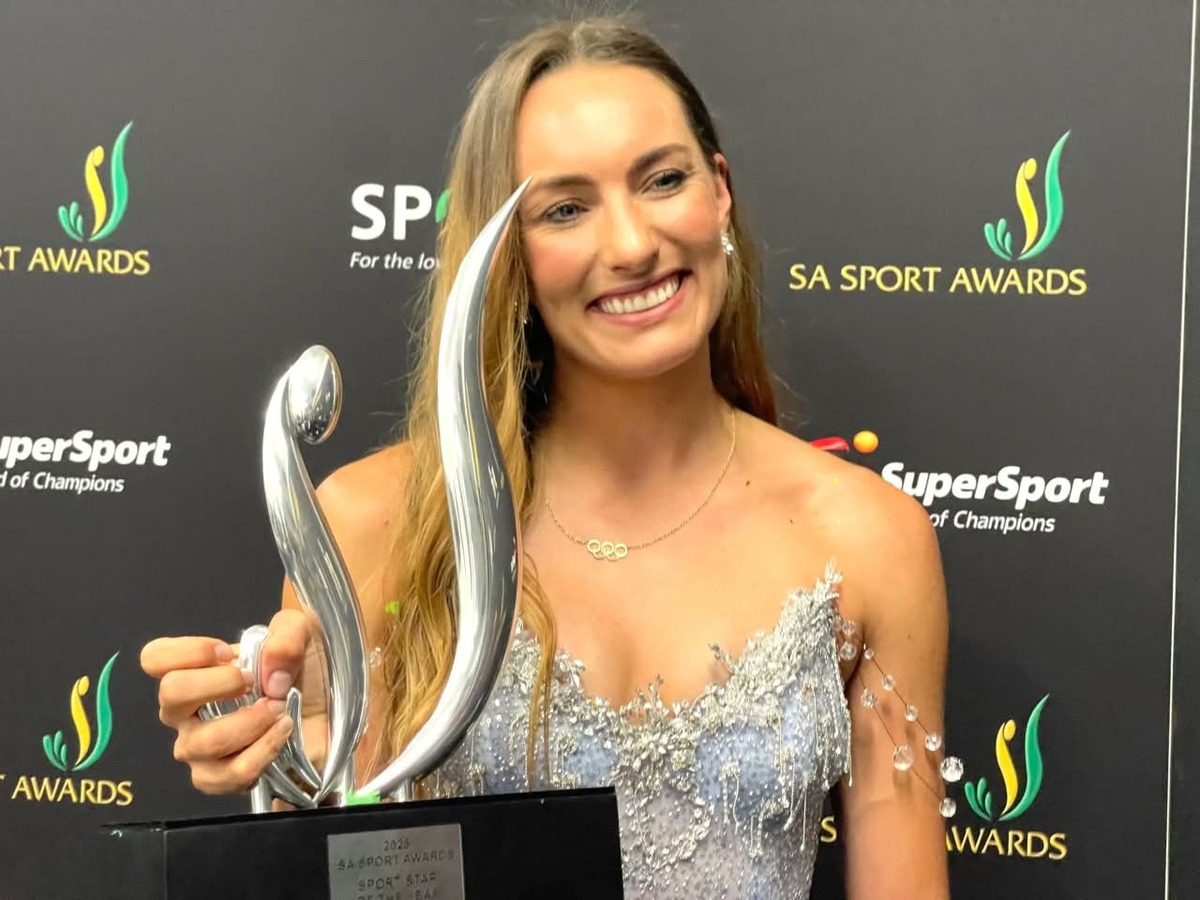
Photo: Getty Images
Smith explained that financial and practical challenges had made it difficult to sustain her swimming career. Representing the Netherlands, she believes her cultural heritage and greater high-performance support will remove such hurdles.
“Both South Africa and the Netherlands have always been part of who I am,” she said, explaining that the change would also allow her to explore her Dutch heritage through sport.
Read Also: Faith Nketsi’s Game-Day Style Is Anything But Basic
Her announcement quickly received messages of support from several South African celebrities and sports personalities. Rugby star Bryan Habana encouraged her with the words, “Onwards and upwards”
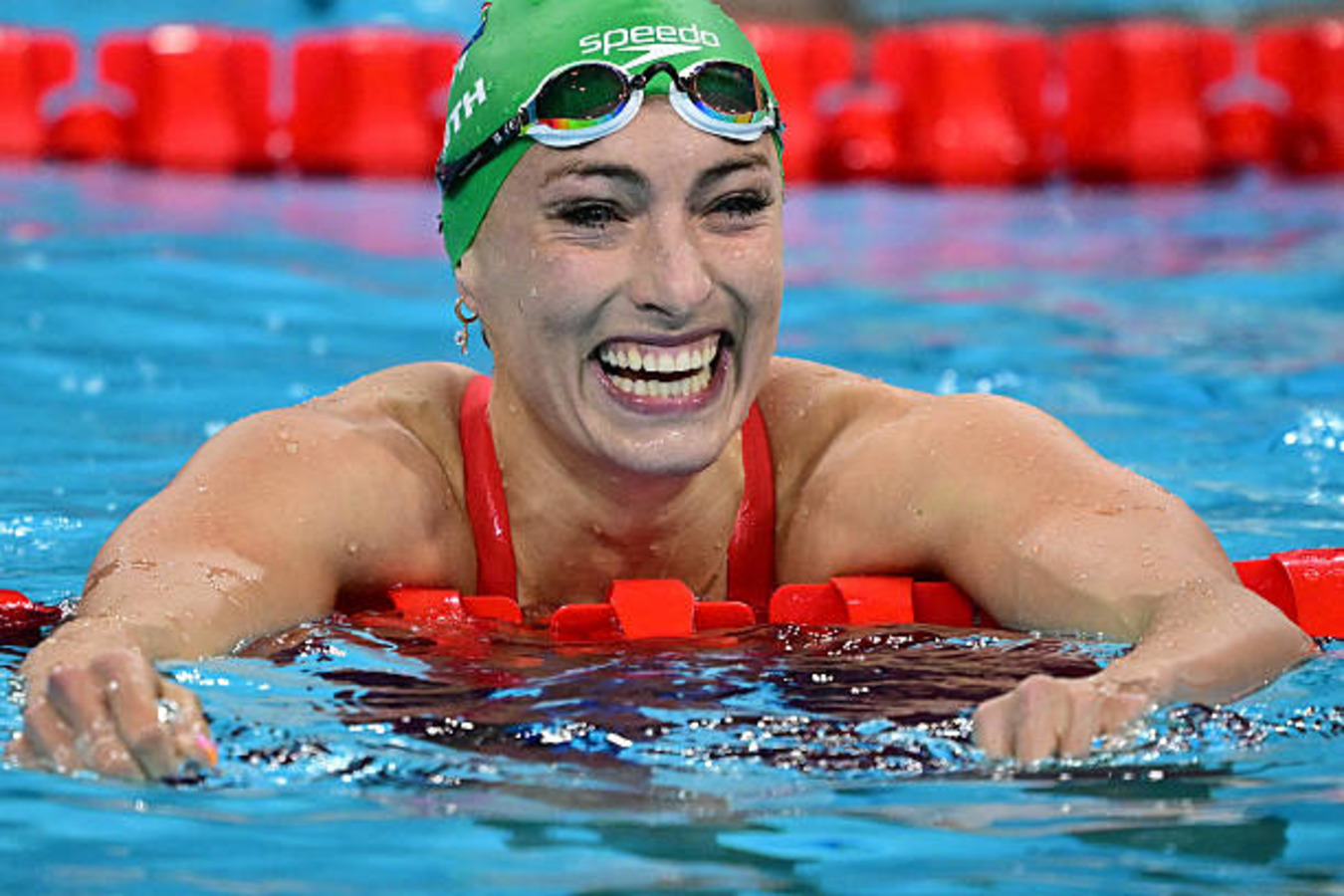
Photo: Getty Images
TV presenter Maps Maponyane also expressed his support.
“It’s heartbreaking knowing just how much SA means to you, but it’s definitely what is best for you! Keep flying high! We’re behind you all the way!!”
Radio personality Anele Mdoda said: “Sisi. Start with yourself” , while actress Masasa Mbangeni thanked Smith for representing South Africa and said she was sorry the country had failed to give her the support she needed. Rachel Kolisi, Smith’s sister-in-law, also shared a message of affection.
Jess Mokoena, an X user, blamed the Swimming SA for Smith’s decision.
“The real betrayal wasn’t Tatjana Smith choosing another flag. It was Swimming SA withholding her R570k prize money for more than a year over a swimsuit dispute. An Olympic champion shouldn’t have to fight that hard to get paid.“
The South Africa’s Minister of Sport, Arts and Culture, Gayton Mckenzie also made a statement after the announcement. He said Smith had informed him of her decision before making it public and thanked her for that courtesy.
“It speaks volumes about her character,” he said.
McKenzie also addressed criticism directed at his department following the news.
“It is regrettable that some people have used a deeply personal decision by one of South Africa’s most loved athletes to attack me.”
He explained that national sporting federations operate separately from the government and manage their finances.
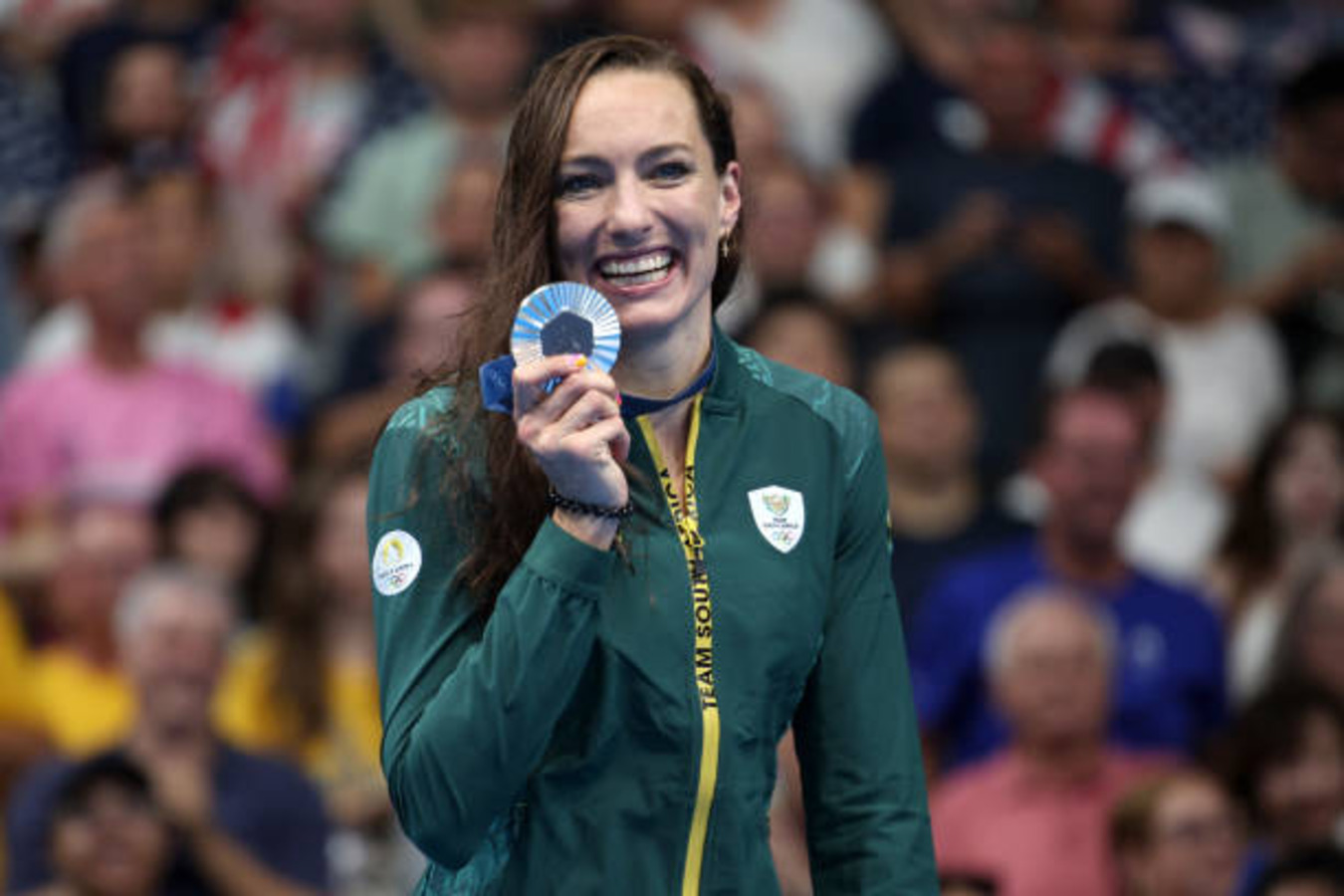
Photo: Getty Images
However, he acknowledged concerns about Swimming South Africa, saying the department was aware of issues raised by athletes and that reforms are ongoing.
“These problems are being addressed through a reform process underway and overseen by World Aquatics,” he said.
Smith’s first competition representing the Netherlands will be the World Aquatics Swimming Championships (25m), scheduled to take place in Beijing from December 1 to 6, 2026.
Smith also plans to remain involved in South African swimming through the Lighthouse Sport Foundation, where she hopes to support local athletes and create opportunities for young sports enthusiasts. As she begins this next chapter, she also has her sights set on competing at the 2028 Olympic Games in Los Angeles (LA 2028).
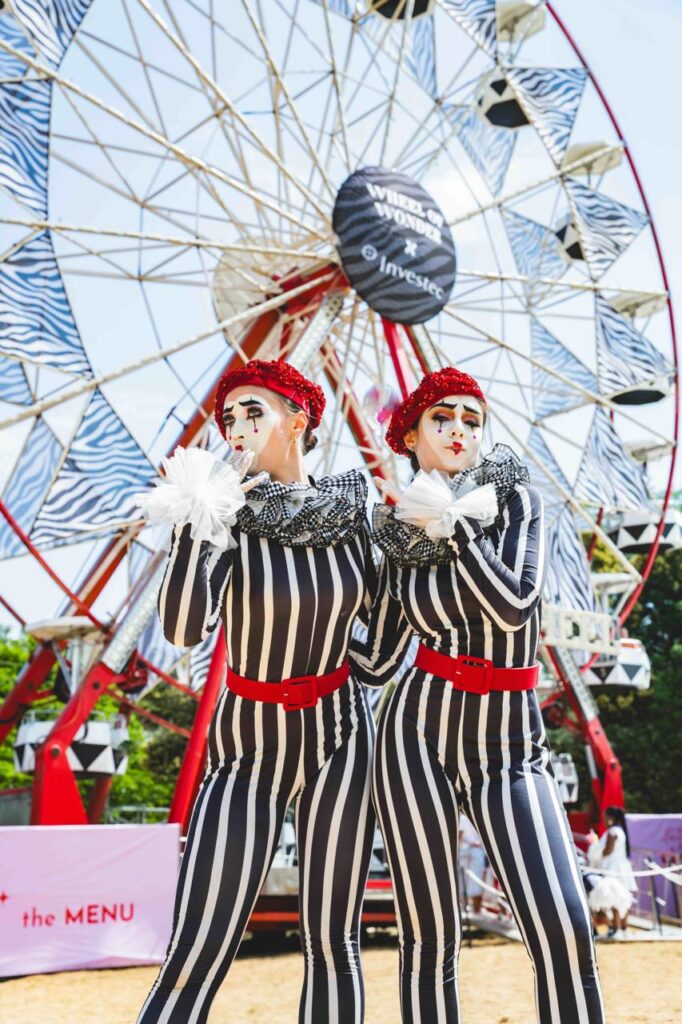
The Luxurious Marble Circus returned to Johannesburg for its third edition on 26 and 27 September 2026, bringing together food, fashion, music, theatre and elaborate brand experiences at Ground The Venue in Muldersdrift. This year’s theme, “Evophoria”, combined the ideas of evolution and euphoria shaping the festival’s overall look.
Held at Ground The Venue on 26 and 27 September, the third edition continued the festival’s mix of luxury and playful spectacle. According to the organisers, the concept represented how the festival has developed while keeping the sense of excitement that attracts its audience.
Music Took Centre Stage
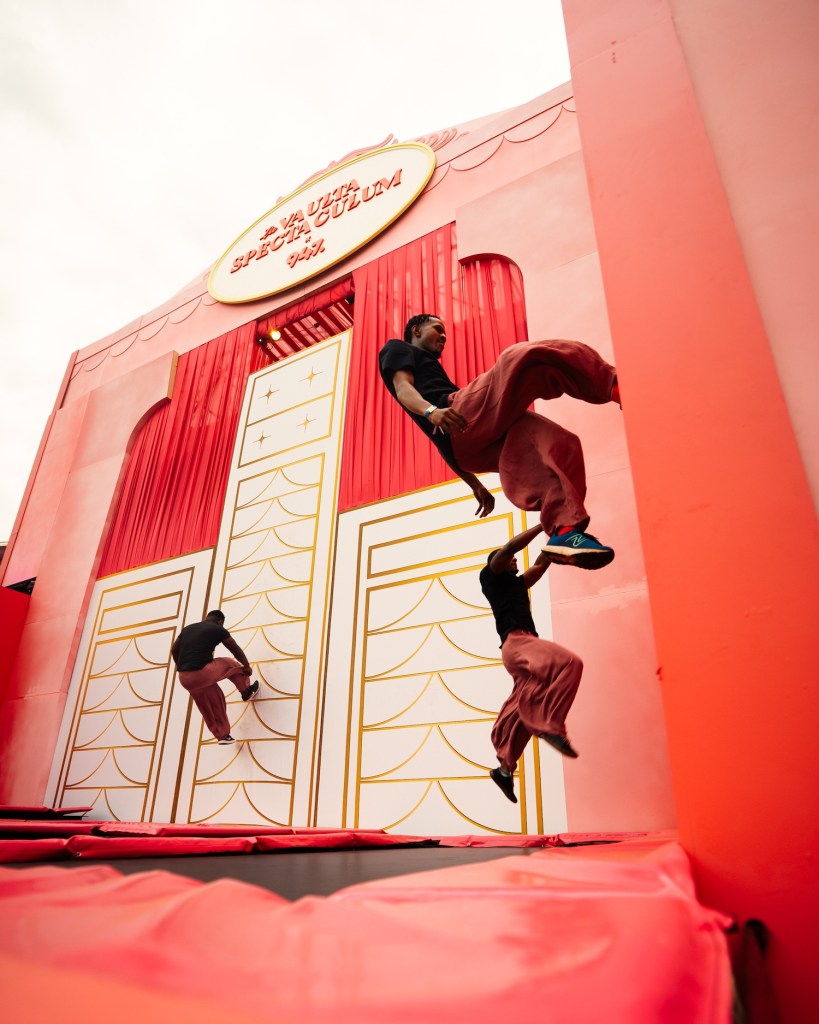
Photo: Getty Images
Music was central to the weekend. Saturday featured Belgian DJ and producer Lost Frequencies alongside South African DJ Shimza, with performances from Sxncello, Abby Nurock, DBN Gogo and several other acts.
Sunday featured the Scorpion Kings, Dlala Thukzin, Chronical Deep, DJ Kent and others taking over the stages. Shimza also returned for the second day.
Food Was Part of the Experience
Food played a major role throughout the festival. Chef David Higgs and The Marble Group were behind several of the culinary experiences. Their accommodations offered guests a selection of food and grazing options.
The festival also introduced the Imperial Terrace, a double-storey space serving cocktails and Asian-inspired dishes with views of the main stage. Guests with access to the Grand Dining Room and Royal Lounge had more formal dining options.
Read Also: South Africa Targets Guinness World Record for Biggest Braai
Fashion Became Part of the Show
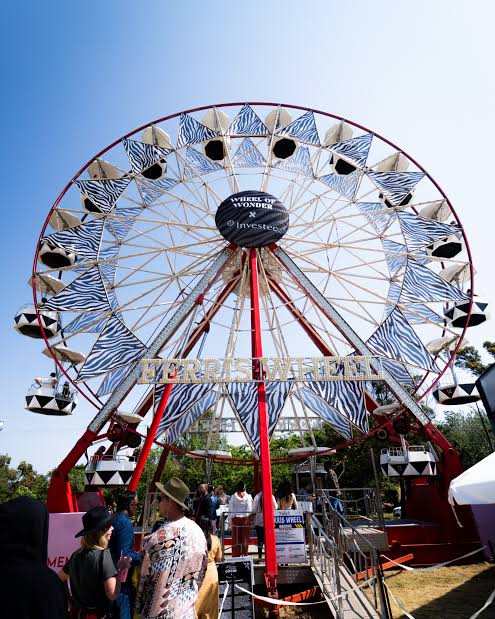
Photo: Getty Images
The Evophoria theme was shown in the guests’ fashion choices, with bold styling, elaborate accessories and carefully planned looks visible across the festival grounds.
According to Luxurious Marble Circus director of operations Dino Constantinou, some guests begin preparing their outfits three or four months before the event. The festival’s dress code encourages guests to wear lavish gowns, suits, playful prints and other distinctive looks.
Brand Activations
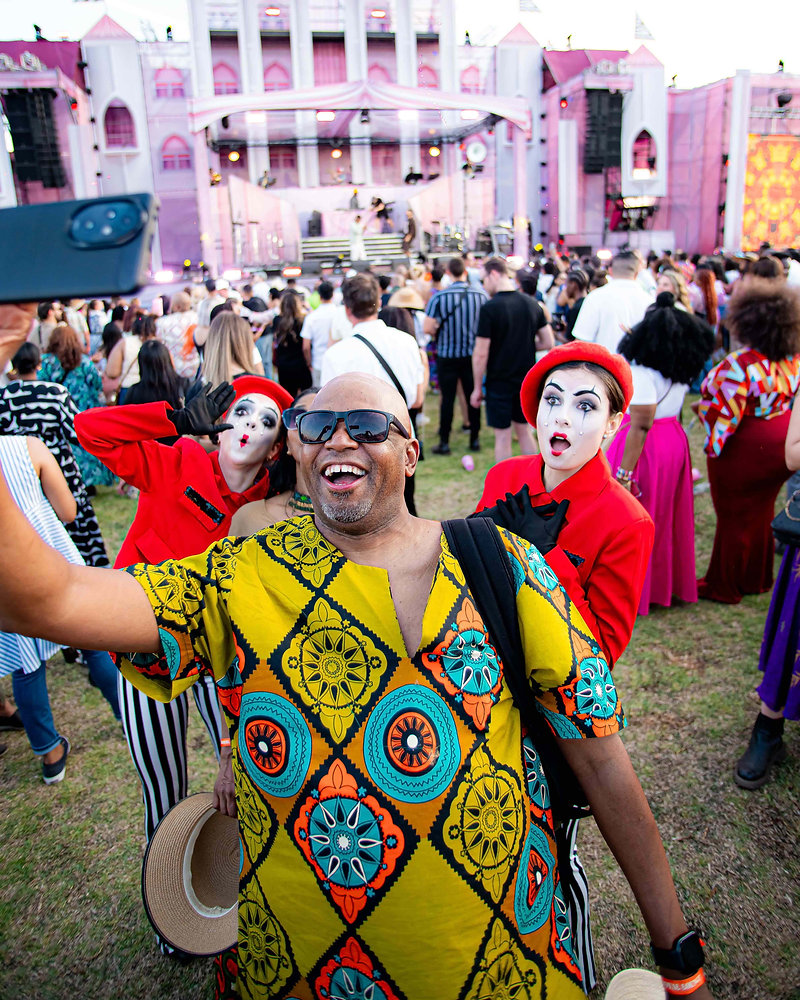
Photo: Getty Images
Several major brands created dedicated spaces across the venue. Time Out reported that Heineken hosted a beer masterclass where guests could learn how foam affects the taste, aroma and feel of beer.
Savanna also created an interactive armband station where guests could personalise their accessories with names of their choice. Other brand experiences included Mercedes-Benz and Moët et Chandon.
Circus Entertainment Kept the Theme Alive
The event also delivered plenty of theatrical entertainment away from the main music stages. The official programme included aerial performers, tightrope acts, trampoline tumblers, mimes, dancers, magicians and other circus performers.
As the final fireworks closed the event on Sunday night, the 2026 edition brought the Evophoria concept to an end after two days of entertainment in Muldersdrift.

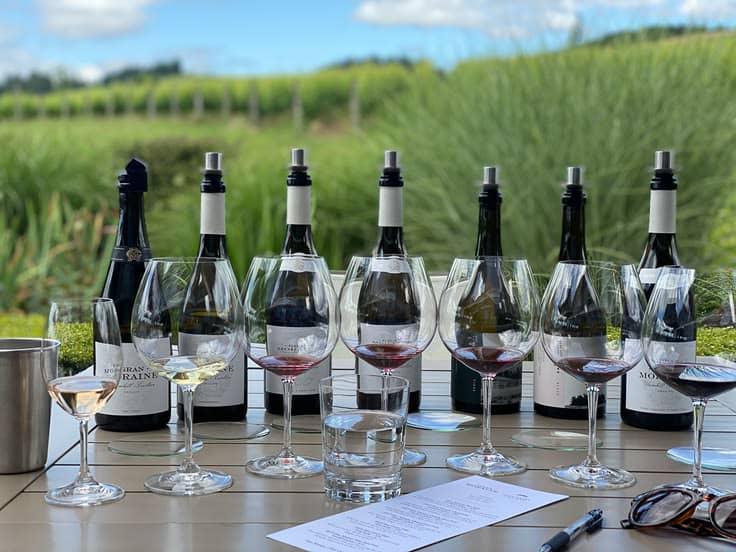
Becoming a wine connoisseur starts with understanding what is in your glass, not memorising expensive bottles. You do not need a cellar filled with rare vintages or encyclopaedic knowledge. The important skills are tasting systematically, comparing wines and remembering what you experience.
Start by looking at the wine. Hold the glass by the stem and examine its colour and clarity against a pale background. Its appearance may offer clues about the grape variety, age and winemaking, although it should not be used alone to identify a wine.
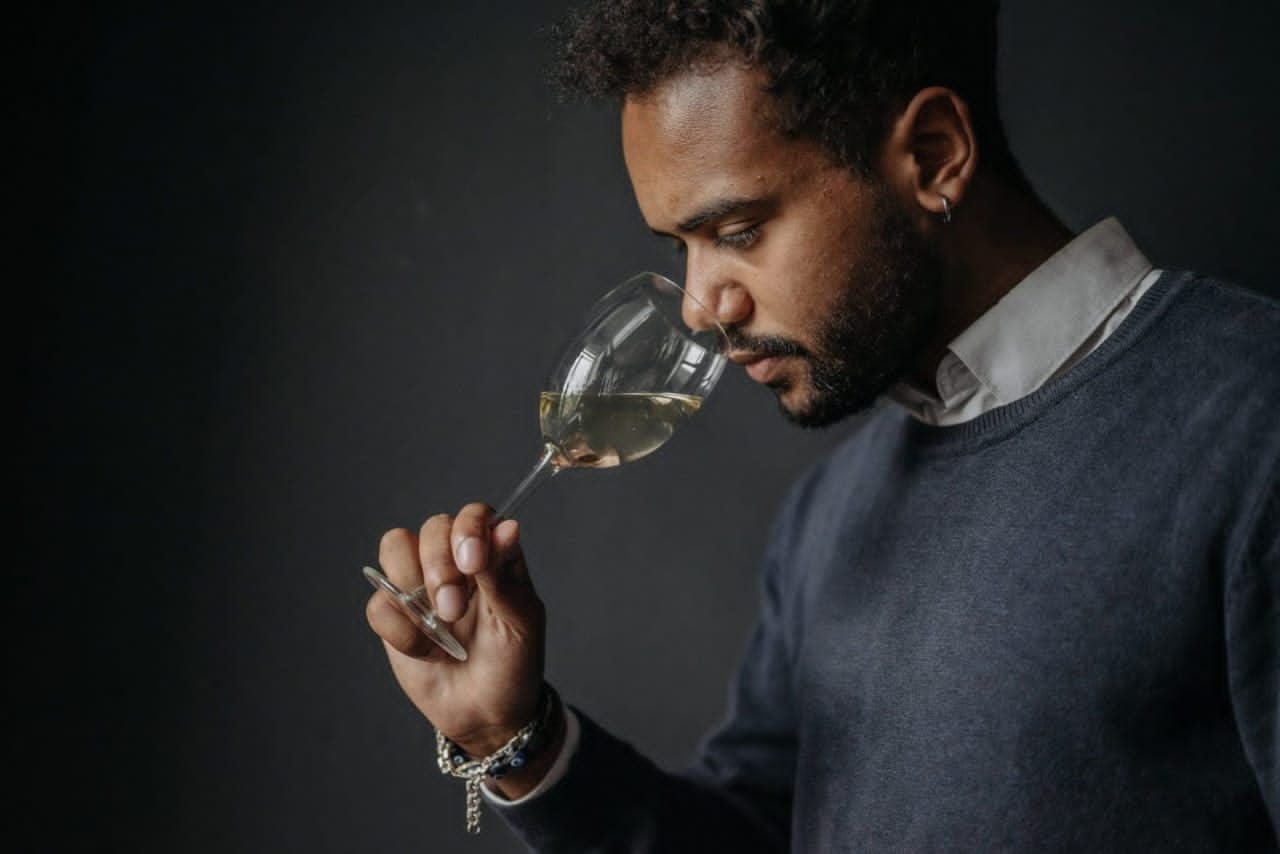
Photo: AP
Smelling the wine is equally important. Swirl the glass gently before taking a few short sniffs. Begin with familiar aromas such as citrus, apple, berries, herbs, flowers, vanilla, toast and spices. With regular tasting, your ability to identify and remember aromas will improve.
When you taste, take your time. Pay attention to sweetness, acidity, tannin, alcohol, body and flavour intensity. Notice how the wine feels in your mouth and what happens after you swallow. Does the acidity make your mouth water? Does the tannin leave your gums feeling dry? How long does the flavour remain?
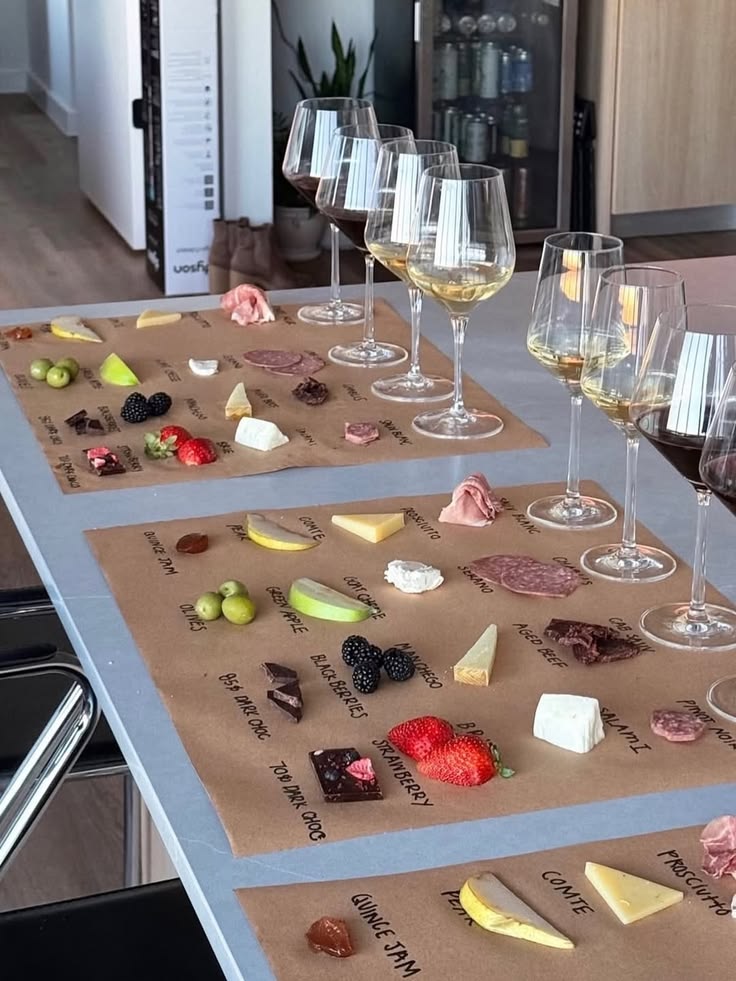
Photo: Pinterest/@Wine-oh!
Tasting notes can help you track your progress. Record the wine’s name, grape variety, country or region, vintage and your impressions of its aroma and taste. Note whether you enjoyed it and why. Over time, these records make it easier to recognise patterns in your preferences.
Side-by-side tasting is another useful way to develop your palate. Pour two Chardonnays from different regions and compare them. Try Cabernet Sauvignon from South Africa alongside a bottle from another country. Compare Sauvignon Blanc with Riesling, noting differences in acidity, body, fruit character, oak and finish.
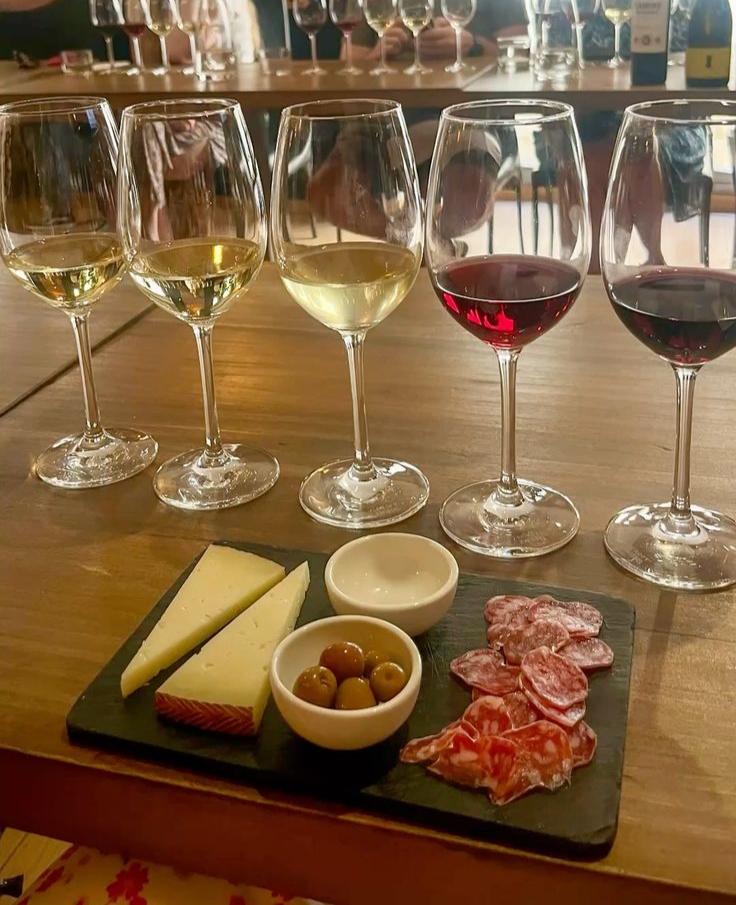
Photo: Pinterest/@BellaRico
Learning major grape varieties and their associated regions will make wine labels easier to understand. Start with Chardonnay, Sauvignon Blanc, Riesling, Cabernet Sauvignon, Merlot, Pinot Noir and Syrah. South Africa offers plenty of opportunities to explore these grapes, from Stellenbosch and Paarl to Constantia, Franschhoek, Robertson and the Hemel-en-Aarde Valley.
Where grapes are grown and how they are made influence the finished wine. Climate, soil, vineyard practices, fermentation, oak and ageing all contribute to a bottle’s character. Understanding these factors helps you make more informed choices when buying wine.
Food and wine pairing can also develop your palate. Try the same wine with different dishes and observe how the food changes its taste. Acidity can work particularly well with rich foods, while tannin, sweetness and alcohol affect how wine interacts with a meal. Experimenting is often more useful than following rigid rules.
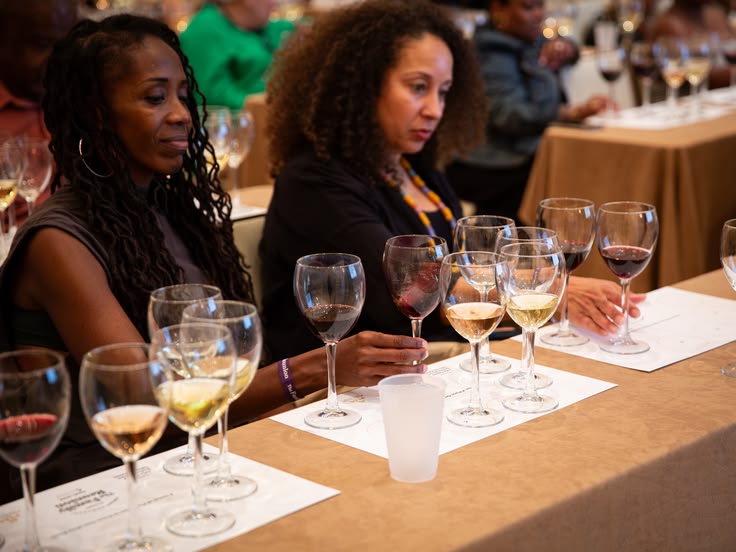
Attend tastings led by winemakers, sommeliers or knowledgeable professionals. Ask about the grape variety, vintage, region, winemaking methods and ageing. Formal study is another option. The Wine & Spirit Education Trust offers qualifications covering wine styles, grape varieties, regions, tasting and production.
You do not need to become a sommelier to understand wine seriously. Taste unfamiliar varieties, compare regions and record what you enjoy. Price alone does not determine whether a wine will suit your taste. With repeated tasting and comparison, you will begin recognising producers and grape varieties, understanding labels and explaining why one bottle appeals to you more than another. That is what turns drinking wine into knowing your wine.


Are You Falling for Them or Just Fixated on Them?

Tiyani Makamu Crowned Miss South Africa 2026

Tems to Lead Soundtrack Production for Hollywood’s ‘Children of Blood and Bone’ Film




-

 Netflix3 months ago
8 Mzansi Series and Films on Netflix to Watch This August
-

 Top 203 months ago
20 Greatest South African Songs of All Time
-

 Beauty3 months ago
Best Hand Creams for Dry Hands This Winter
-

 Fitness3 months ago
5 Low-Impact Workouts for People With Joint Pain
-

 Sex & Relashionships3 months ago
Should Couples Have Joint or Separate Finances?
-

 Awards3 months ago
4 Unforgettable Moments From the 32nd South African Music Awards
-

 CEO3 months ago
What You Didn’t Know About Mary Vilakazi
-

 Beauty3 months ago
How Often Should You Really Moisturise Your Lips