
CEO
What You Didn’t Know About Mary Vilakazi

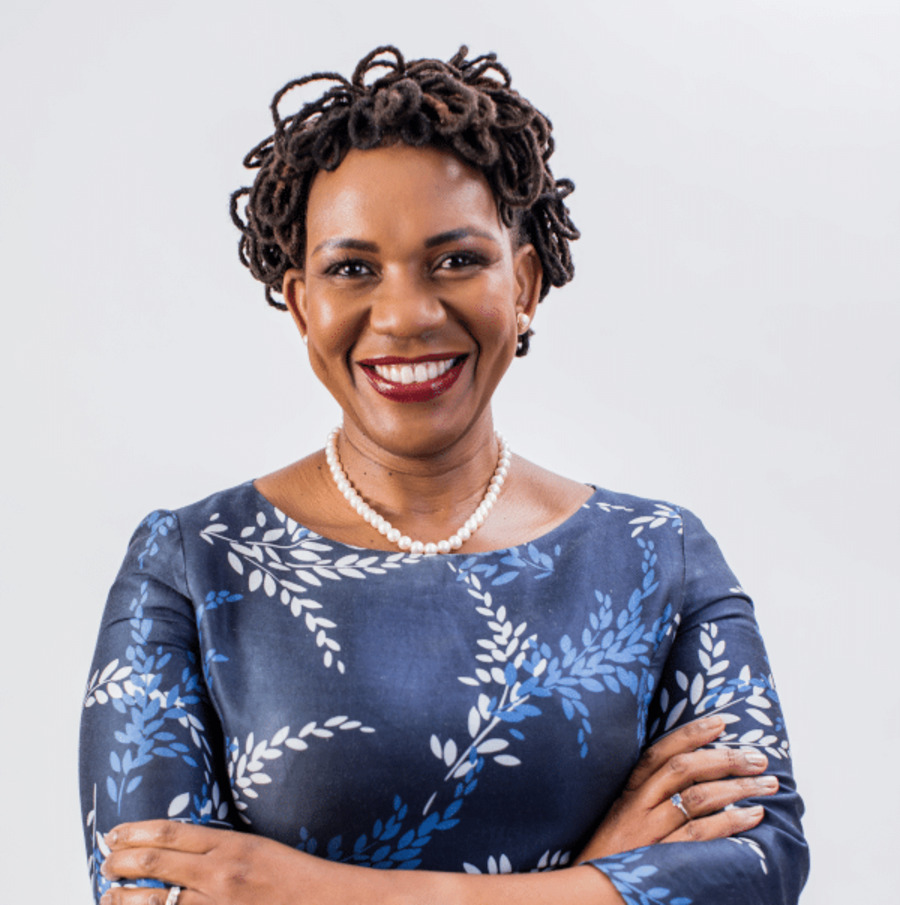
Mary Vilakazi has built one of the most notable careers in South African finance. She was born in August 1977 and raised in Alexandra, Johannesburg. She went from a modest background to becoming the first woman and second Black chief executive of FirstRand.
Her Early Life and Education
Vilakazi’s mother worked as a bookkeeper and also an entrepreneur. Vilakazi recalled making and selling sweets and popcorn as a child.
Her education was supported by several educational opportunities. She participated in the Gifted Child Programme, which included Saturday classes at Redhill School. Later she got a Rotary Fund scholarship that helped her attend St Enda’s Secondary School in Braamfontein.
Despite becoming a mother during her final year of high school, it didn’t affect her academics. She studied at the University of the Witwatersrand, completing a Bachelor of Commerce in 1999 and an Honours degree in Accounting in 2000. She completed a Higher Diploma in Auditing and qualified as a chartered accountant in 2002.
Her original ambitions were not banking and accounting. As a young woman, she considered becoming a lawyer after seeing lawyers help her family, and later became interested in psychology. Her strength in numbers eventually pushed her towards commerce and accounting.
Read Also: Grace Harding: Leading Ocean Baskets Global Expansions
Her Career at PwC
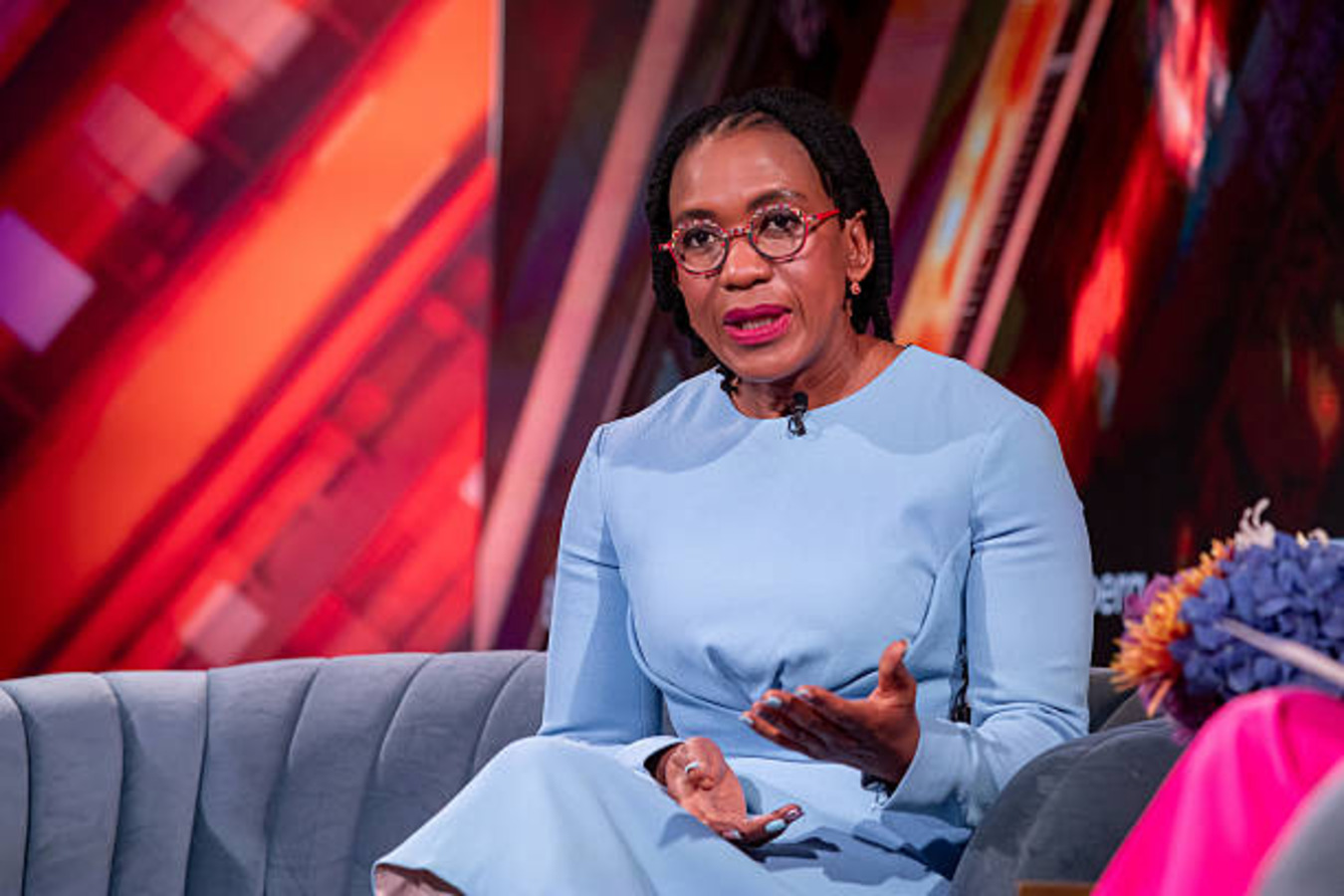
Photo: Getty Images
Vilakazi began her professional career at PricewaterhouseCoopers, commonly known as PwC, after receiving a bursary from the firm. She completed her articles there and developed expertise in auditing financial services companies, particularly investment management businesses.
Her progress was rapid. In 2005, at just 27, she became a partner in PwC’s Cape Town office, making her one of the youngest partners in the firm’s global network at the time. She remained at PwC until 2008 before moving into an executive role outside the auditing profession.
From Mining Services to Financial Services
In 2008, Vilakazi became chief financial officer of the Mineral Services Group, a mining services consultancy. The move gave her experience outside the large corporate environment.
She later returned to the financial services industry through MMI Holdings. She joined the group in 2014, became group finance director in 2015 and was appointed deputy CEO in 2017. During this period, she was involved in major financial and strategic decisions within the business.
Becoming FirstRand CEO
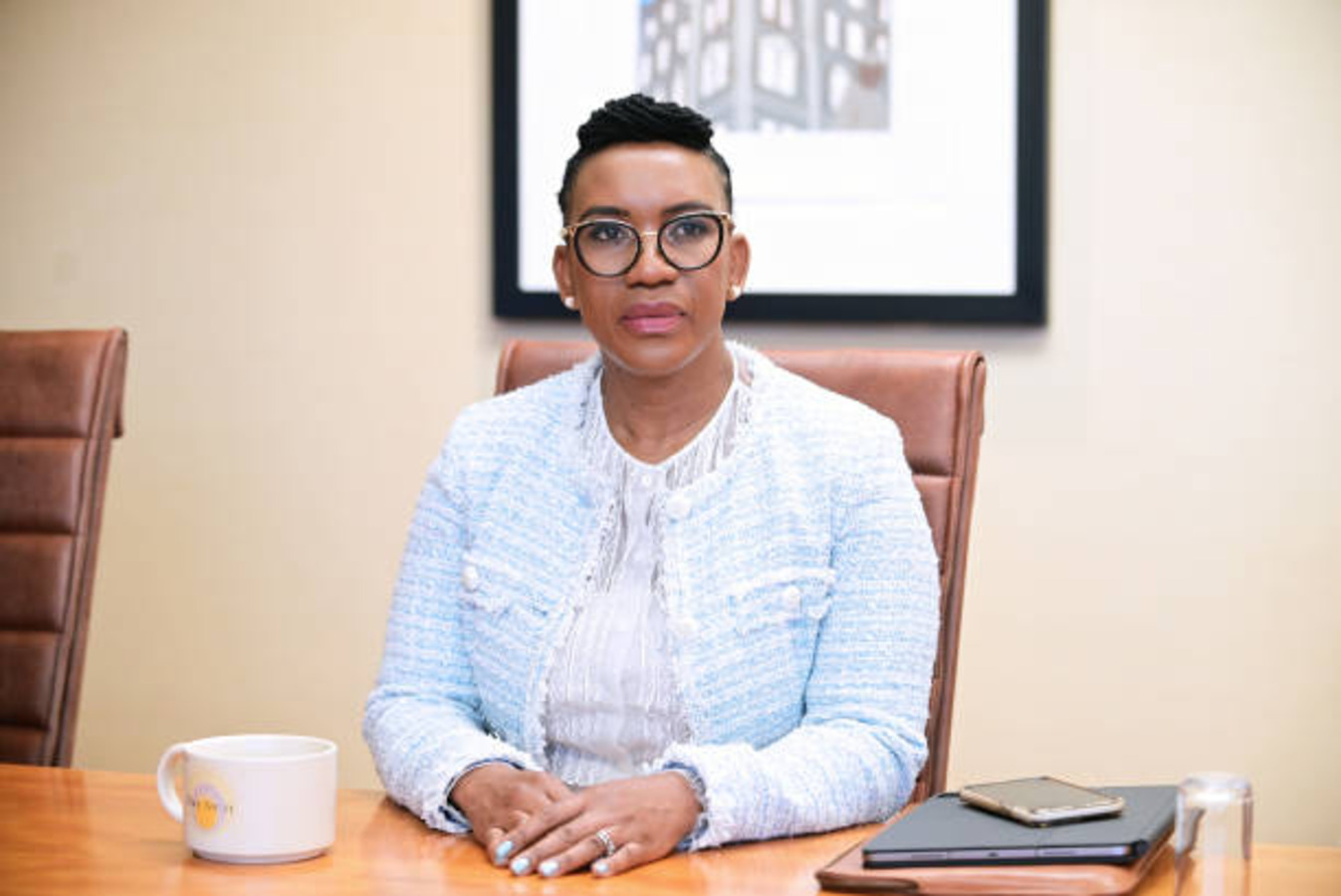
Photo: Getty Images
Vilakazi joined FirstRand in 2018 as group chief operating officer. Her responsibilities included diversification into insurance and investment management, as well as overseeing parts of the group’s operations across Africa.
In October 2023, FirstRand announced that Vilakazi would succeed Alan Pullinger. She officially took over on 1 April 2024. .
Her Interests and Leadership
Vilakazi has been involved in programmes supporting women in accounting and has served on boards including St Mary’s School. She has held non-executive roles at organisations such as the Development Bank of South Africa and Kagiso Media.
She has also spoken about the importance of creating opportunities for young people. Vilakazi said:
“I think my success is proof that you cannot underestimate the power of being given opportunities”
Vilakazi was named a World Economic Forum Young Global Leader in 2016 and has remained active in professional and leadership networks. Her achievements made her one of the prominent figures in South Africa’s business sector.




Khanyi Dhlomo is a popular name in television, publishing, and fashion. From becoming the first black newscaster on SABC1 to founding her own media company, she has made giant strides as an entrepreneur.
Born in 1974, Dhlomo grew up in KwaZulu-Natal. She attended Durban Girls’ College and later studied at the University of the Witwatersrand. Her interest in media began early. At 16, she won the Thandi Face Cover Girl competition, an experience that introduced her to the world of magazines.
Her father was the late Oscar Dhlomo, a prominent South African academic and politician. Dhlomo has also spoken about growing up around her family’s retail businesses, which allowed her to understand entrepreneurship.
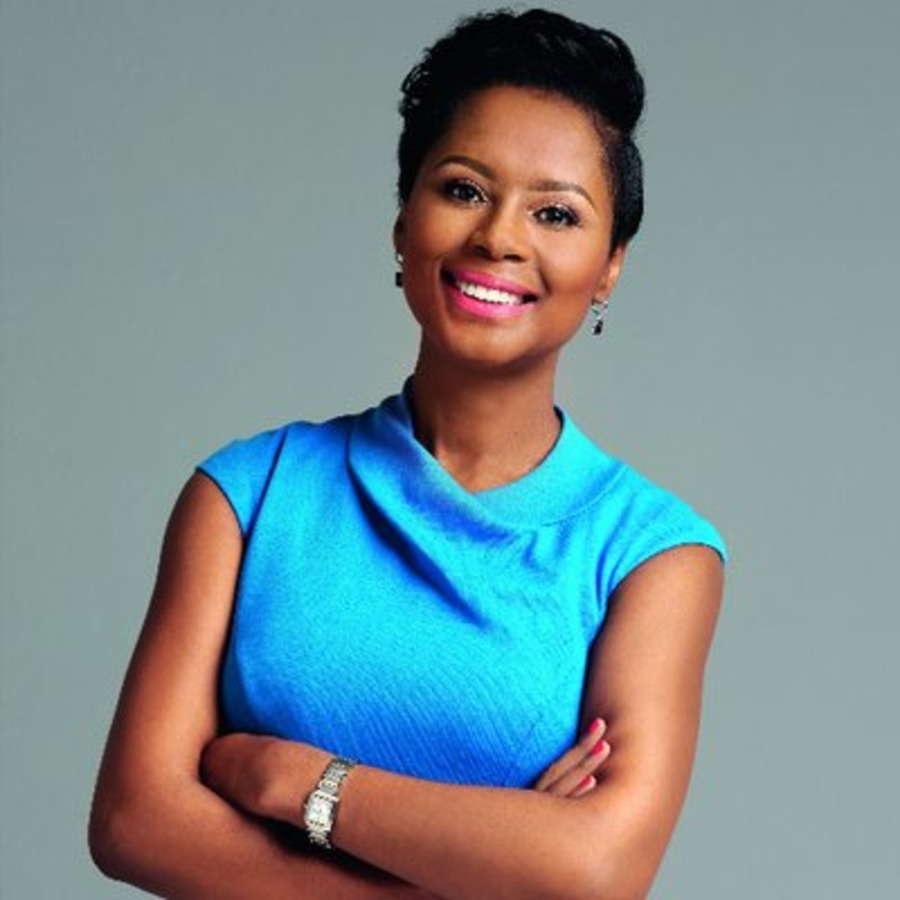
Photo: Getty Images
In 1995, while studying journalism, Dhlomo became the first black newscaster on SABC1 at 20. She moved to True Love magazine, initially working in fashion and beauty. At 22, she became the magazine’s editor. Under her leadership, circulation increased from about 70,000 to 140,000 within a year. The publication became one of South Africa’s popular women’s magazines.
Dhlomo remained at True Love for eight years before leaving the editorship and moving to Paris. She worked as a manager for South Africa’s Tourism Board in Paris.
Read Also: Grace Harding: Leading Ocean Baskets Global Expansions
She moved to the United States for an MBA at Harvard and graduated in 2007. During her studies, she met Jonathan Newhouse of Condé Nast, who mentored her.
After returning to South Africa, she founded Ndalo Media in partnership with Media24. The company launched Destiny magazine and later Destiny Man. She merged business, fashion and lifestyle coverage. Ndalo also launched DestinyConnect.com as its digital platform.
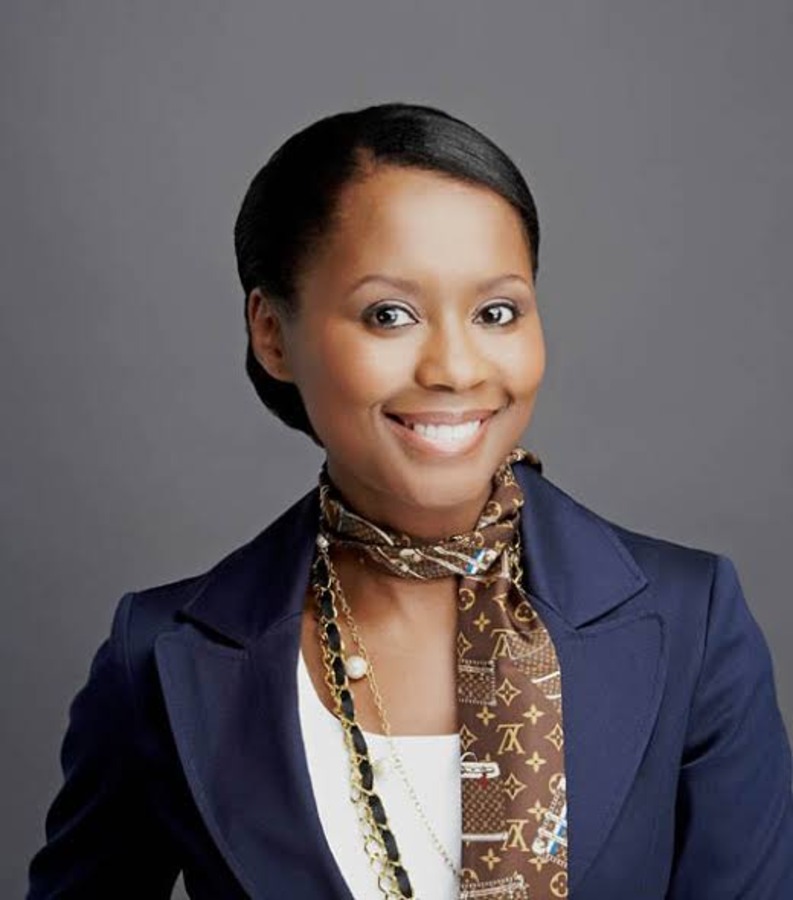
Photo: Getty Images
Dhlomo went into luxury retail in 2013 when she launched Luminance, a luxury multi-brand store in Johannesburg. She later left the venture. In 2017, Ndalo Media secured the South African licences for Elle and Elle Decoration.
Dhlomo’s personal life has also attracted public interest. Her early success at True Love established her as a major figure in South African publishing, while her Harvard MBA added a business dimension to her career.
In December 2018, Dhlomo announced that Ndalo Media would shut down on January 31, 2019, citing financial difficulties. The company had employed staff and operated major media brands before its shutdown.
Despite the setback, Dhlomo has remained a top figure in South African media and business. Her career has taken her from television news to magazine editing, publishing, luxury retail and entrepreneurship, making her one of the prominent figures in modern South African media.
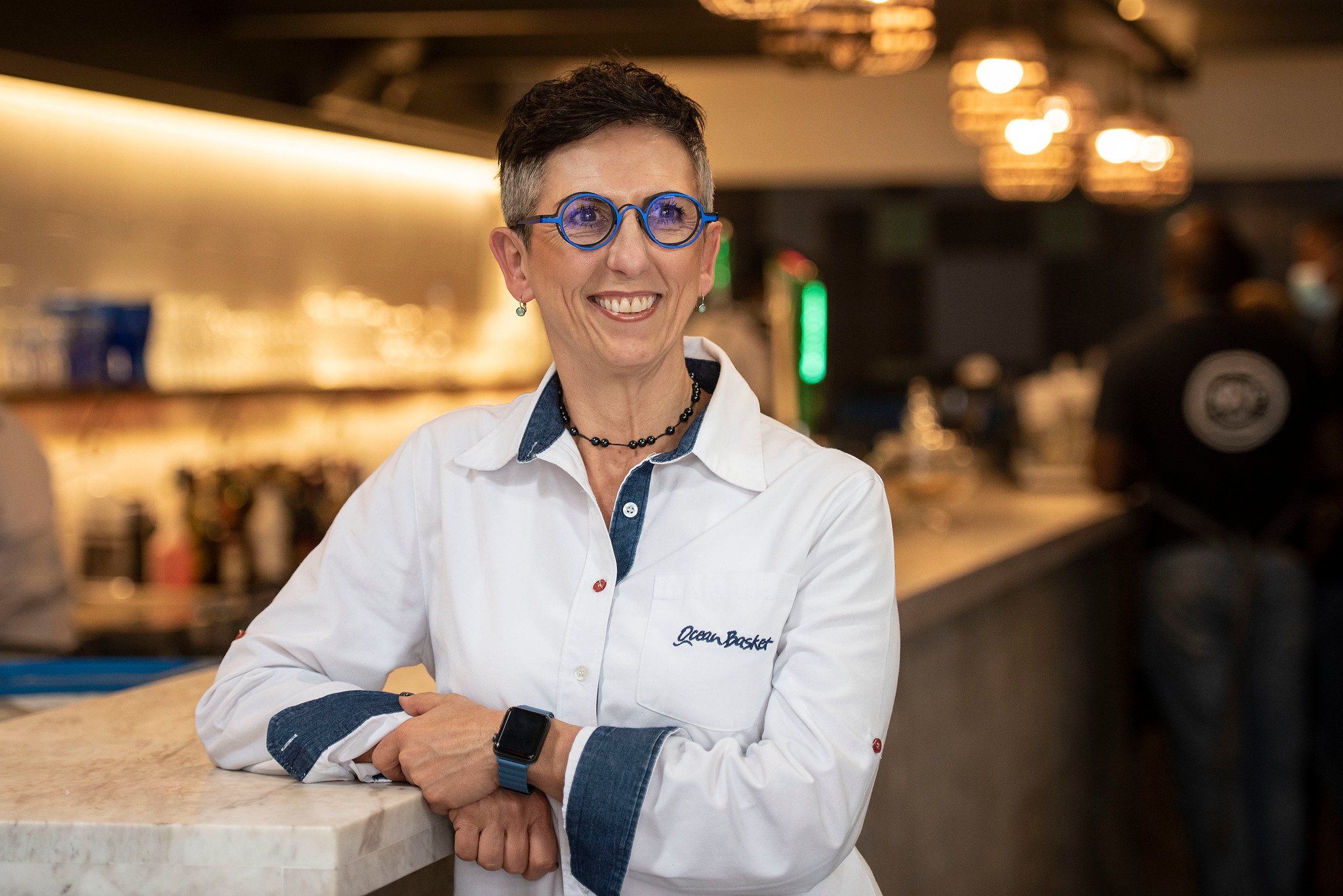
Grace Harding has a degree in Human Resources from Wits Technikon (now part of the University of the Witwatersrand). She began her career in people and culture before moving into the food and franchise industry. Grace joined Ocean Basket in the mid-2000s and rose to the current position of CEO in 2012.
Since then, Grace Harding has led Ocean Basket for many years, taking it from a local South African seafood chain into a thriving global franchise. The brand is renowned for its spirit of generosity and affordable seafood, all under her leadership. The brand flourished under her people-first leadership style.
How She Captured the Brand’s Essence
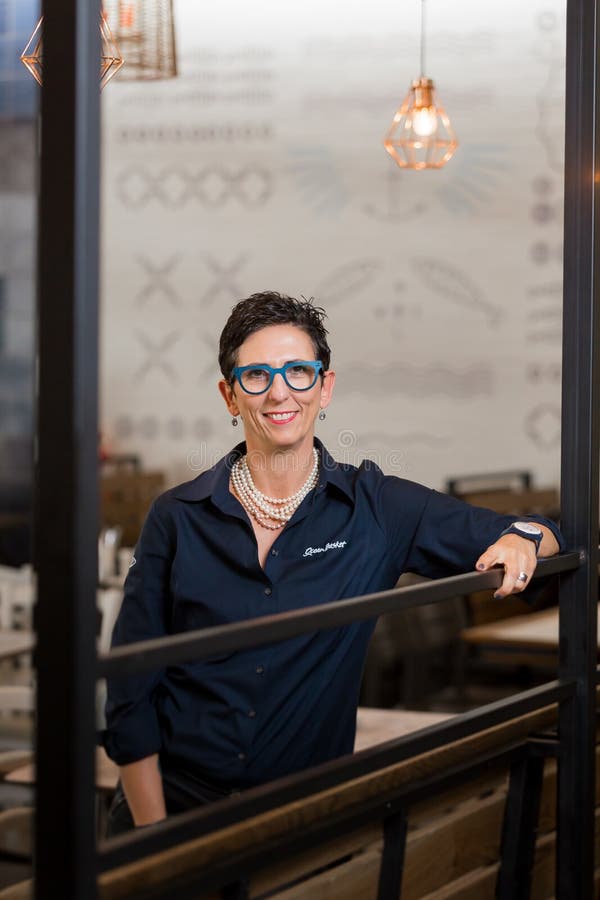
When Grace Harding joined Ocean Basket in 2012, founder Fats Lazarides gave her a clear mission. According to News24, he said:
“How do we make people fall in love and stay in love with us?” When Harding pressed, “Which people?” he replied, “All the people, Grace.” It was a challenge she took to heart.
Harding focused on preserving what made Ocean Basket special fresh seafood, simplicity, and people-first hospitality. Even signature favorites like the creamy lemon sauce remained untouched.
Ocean Basket Strategic International Expansion Under Her
Under Harding’s guidance, Ocean Basket grew from a local favorite into a global player. By 2016, the brand had expanded to over 203 stores across 16 countries—including Dubai, Saudi Arabia, Egypt, Malta, Cyprus with plans to open dozens more in places like Kazakhstan, Oman, and Qatar. The journey also reached Kuwait via a licensing agreement.
Read Also : Bonang Matheba, The Gucci Blondie!
Method and Innovation
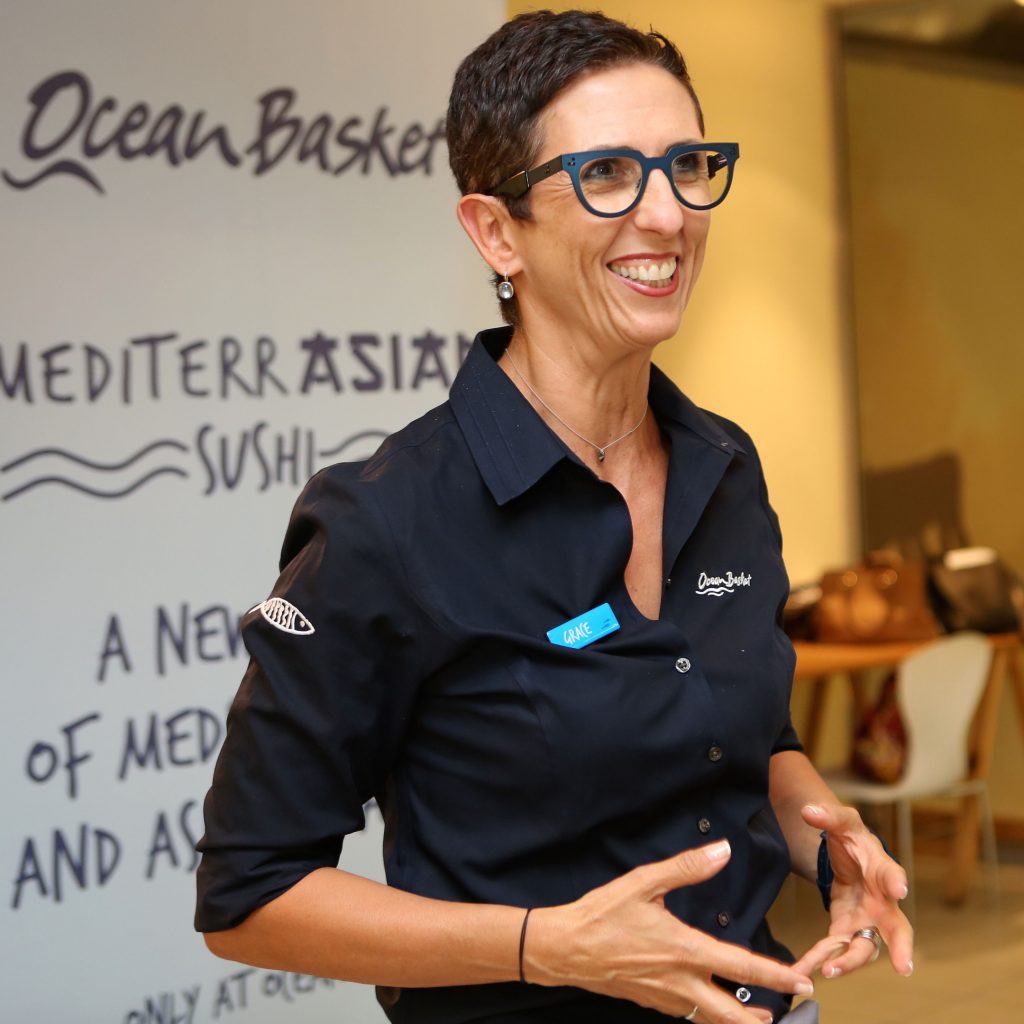
To keep the franchise relevant, Harding encouraged thoughtful innovation. Menus were adapted to local tastes without losing the brand’s identity. Sushi, introduced in 2006 and refreshed with creative offerings in 2013, was one of the bold additions that cemented Ocean Basket’s reputation as more than just a seafood grill.
Leadership Style
Sustainability was central to Harding’s approach. Ocean Basket sourced only from responsible fisheries certified by the MSC or rated Green by SASSI. In an interview with Glamour South Africa, she believes her team will describe her leadership as real.
She also elevated the franchise model, prioritizing rigorous support, training, and infrastructure for partners to ensure consistent quality and a shared family ethos across borders.
How Staying True and Trusted Grew the Brand
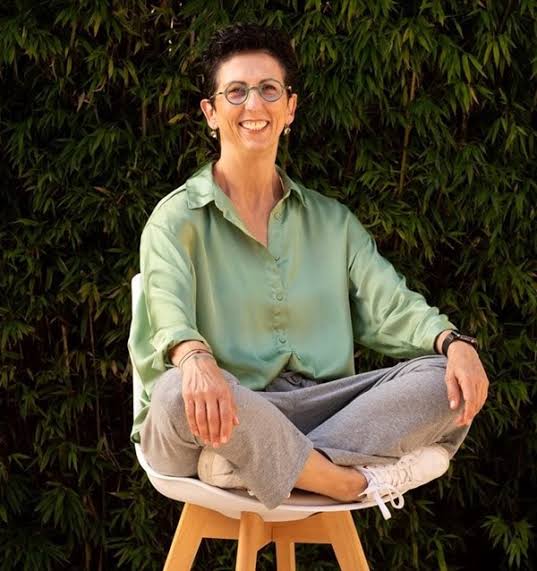
Despite rapid growth, the brand stayed true to the founding principles, bringing a taste of SA to the world while maintaining its family-owned heritage. Customer engagement also played a huge role. The brand took care of its customer needs and prioritised their interests.
Conclusion
Grace Harding’s leadership and dedication has helped transform Ocean Basket into a global and respected franchise. She guided thoughtful expansion into new markets, while championing responsible sourcing. Harding also ensured franchisees had the tools to compete with other brands. She did this without compromising the brand’s authenticity and spirit.Ocean Basket’s success today is a testament to her leadership


Siyanda Banny Gives White a Sculptural New Shape

Mihlali Ndamase’s Energy in Pinstripe Speaks Before She Does

October 2026 Gig Guide: The Shows, Concerts and Festivals on Our Radar




-

 Gift Ideas3 months ago
5 Thoughtful Anniversary Gift Ideas
-

 Music3 months ago
Beyoncé Releases ‘Morning Dew (Donk)’ in Surprise Release
-

 TV3 months ago
Married at First Sight Mzansi Returns as Season 3 Premieres on Sunday
-
 Actress3 months ago
The South African Actresses Everyone Is Talking About in 2026
-
 Fragrance3 months ago
Message in a Bottle: A New Wave of Fragrances for Winter
-

 Sex & Relashionships3 months ago
6 Signs You are Falling Out Of Love
-
 Travels3 months ago
Why Solo Travel Could Be the Best Decision You Ever Make
-

 Health3 months ago
Why Bananas Deserve a Place in your Diet