
Beauty
Soap Nails: The Chic Girl Aesthetic


It’s clean, glossy, and effortlessly pretty, this nail trend is redefining minimal glam.
Have you ever looked at someone’s nails and thought, “So simple, yet so stunning”? That’s the effect of soap nails. And it is quietly becoming the signature of the modern chic girl, soap nails are the ultimate blend of clean beauty and soft elegance. They’re not loud, glittery, or overly designed, but they still make heads turn.
From runways to Instagram feeds, this barely noticeable manicure is the new go-to for beauty lovers who want to look polished, fresh, and feminine—without doing too much. But what exactly are soap nails, and why is it the latest obsession?

Soap nails
What Are Soap Nails?
What the beauty world calls “less is more” A glossy top coat applied over a barely noticeable pink, nude or baby blue paint tone creates the natural manicure effect known as “soap nails.” Gel or conventional polish can be used to obtain the effect. You can even use a builder in a bottle gel to promote natural nail growth and strengthen your nails.
It’s the type of manicure that whispers luxury and cleanliness. No gems. No graphic designs. Just sleek, simple perfection.
Why Soap Nails Are Taking Over
In a time where “clean girl” makeup and minimalism are reigning, soap nails fit right in. They’re chic, low-maintenance, and versatile, perfect for work, brunch, or a night out. Here’s why they’re winning hearts:

Appealing to everyone
1. Universally Flattering
One thing about soap nails is that no matter the tone of your skin, soap nails have a way of enhancing your natural beauty. The neutral tones create a soft contrast that complements all hands.

Easy to maintain
2. Easy to Maintain
Because they’re light and subtle, chips or imperfections aren’t as noticeable as they would be with darker shades or bold designs.

Beautiful always
3. Timeless Appeal
They work in every season, for every event, and never go out of style. Soap nails aren’t trendy, they are classy.
How to Achieve the Soap Nail Look
You don’t need a celebrity manicurist to rock this trend. You can get it right at a simple salon or even try it at home. Here’s what you need:
Step 1: Shape it Right
Go for rounded or soft square tips. These natural shapes enhance the soft aesthetic of the look.
Step 2: Prep Like a Pro
Clean, buff, and push back your cuticles. The cleaner your base, the better the final look.
Step 3: Pick the Right Color
Look for sheer or milky polish shades:
- Milky white
- Soft nude beige
- Cloudy pink
- Pale peach
- Icy blue
- Step 4: Gloss It Up
For the final touch use a high-shine top coat. This gives the nails that freshly-washed, soap-bar gleam that defines the trend.
Pro tip: Gel polishes offer longer wear and a glossier finish.

Fit for every girl
Soap Nails for Every Personality
What is amazing about these nails is how customizable it can be while still keeping that minimalist charm. Want to add a little flair?
Try:
- A tiny pearl or stud on one nail
- A subtle shimmer topcoat for a glazed look
- A French tip twist with soft pink bases
You can still express your style while staying within the soft-girl chic lane.

Soap nails
Final Thoughts:
Confidence Is the Best Polish
The beauty of soap nails isn’t just in how they look, but how they make you feel. Clean, put-together, and quietly confident, there is this charm it has that makes everyone ask, please where did you do your nails. This aesthetic says: “I take care of myself, and I don’t need to shout to be noticed.”
So whether you’re a nail art lover or a minimalist queen, soap nails are the perfect canvas to make your natural beauty shine.
Chic is simple. Polished is powerful. And with soap nails, you’re already halfway there. Go ahead and book that appointment, or DIY your way to the prettiest nails in the room.
also read: How to Have a Beautiful Hydrated Skin

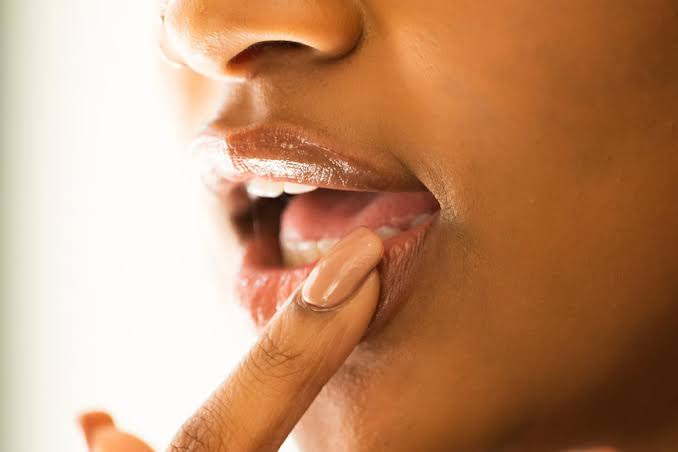
Dry, chapped lips can become uncomfortable quickly, particularly when the skin starts to peel or crack. While a good lip balm is usually the simplest option, honey is another ingredient sometimes used to soothe dry lips.
Honey has humectant properties, which means it can help draw and retain moisture. It also has antimicrobial and anti-inflammatory properties that have been studied in wound care. These properties are part of the reason honey appears in skincare remedies, although evidence specifically supporting ordinary household honey as a treatment for chapped lips is limited.
How to apply honey to chapped lips
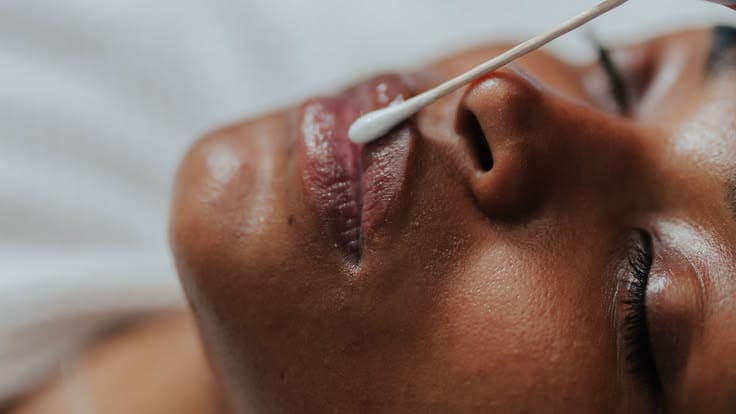
Photo: Pinterest
If you want to try honey, start with clean lips. Rinse gently with lukewarm water and pat them dry. Avoid scrubbing or removing peeling skin, as this can cause further irritation.
Apply a small amount of plain, food-grade honey to your lips using a clean fingertip. Some beauty guides recommend leaving it on for a few minutes before gently rinsing it off with lukewarm water.
There is no need to apply a thick layer. If your lips are very dry, follow with a plain, fragrance-free lip ointment to help reduce moisture loss.
Honey is not a replacement for lip ointment
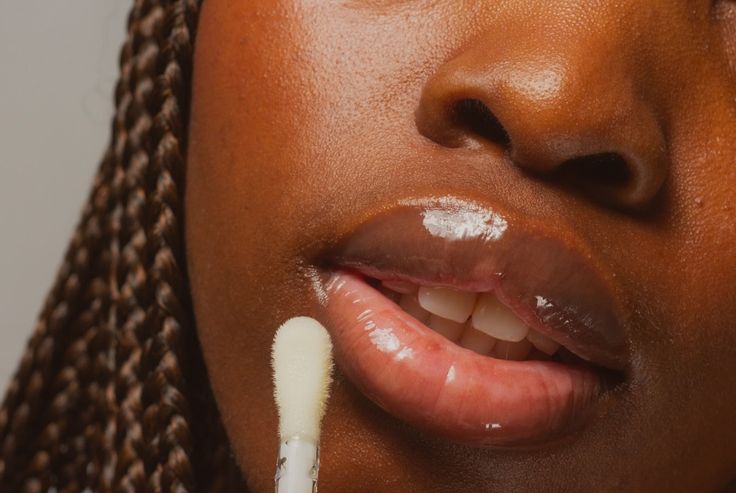
Photo: Pinterest
Honey may provide temporary soothing, but it should not replace basic lip care. Dermatologists commonly recommend bland, non-irritating products containing ingredients such as petrolatum, mineral oil, ceramides, dimethicone or shea butter for dry, chapped lips.
Petrolatum, in particular, forms a protective layer that helps prevent water from escaping from the skin. This can be especially useful when lips are cracked or repeatedly becoming dry.
During the day, remember to protect your lips from the sun. Choose a lip product with SPF 30 or higher when spending time outdoors, as sun exposure can contribute to dry and damaged lips.
Avoid habits that prolong chapping
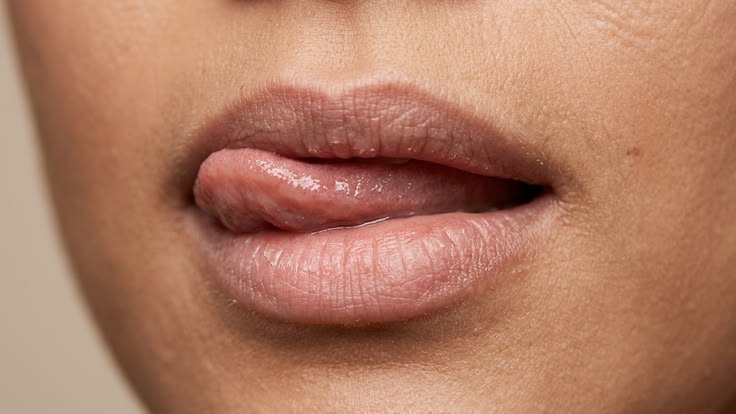
Photo: Pinterest
Lip licking can make dryness worse. Saliva evaporates quickly, and repeatedly wetting the lips can contribute to further irritation. Picking or biting peeling skin can also delay healing.
It is also worth checking the ingredients in your lip products. Menthol, camphor, eucalyptus, fragrance and some flavourings may irritate already-chapped lips. If a product causes burning, stinging or tingling, stop using it instead of assuming the sensation means it is working.
When to see a dermatologist
Photo: Pinterest
Most cases of dry lips can be managed with simple care, but persistent or severe cracking deserves attention. If your lips do not improve with basic care, or remain repeatedly dry, painful or cracked, speak to a dermatologist. Persistent lip problems can sometimes be associated with irritation, allergic reactions, infection or other skin conditions.
Honey can be tried as an occasional soothing ingredient, but the basics remain more important: avoid irritating the lips, keep them moisturised and use a protective ointment when they are dry or cracked.
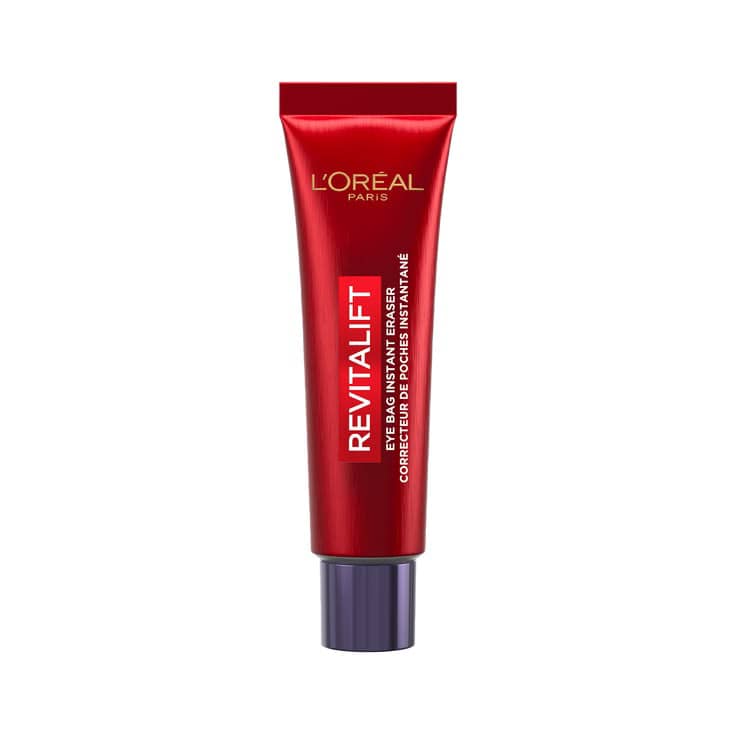
Dark circles can have several causes, including genetics, pigmentation, visible blood vessels, dehydration, allergies and the natural structure of the area beneath the eyes. This means an eye cream that works well for one person may not produce the same result for someone else.
The ingredients in an eye cream matter. Caffeine can temporarily help reduce the appearance of puffiness, while niacinamide and vitamin C are commonly used in products targeting uneven skin tone. Hyaluronic acid and ceramides can help with dryness, while retinol is often included in products aimed at fine lines and other signs of ageing.
If you are looking for an eye product available in South Africa, these five are worth considering.
CeraVe Eye Repair Cream
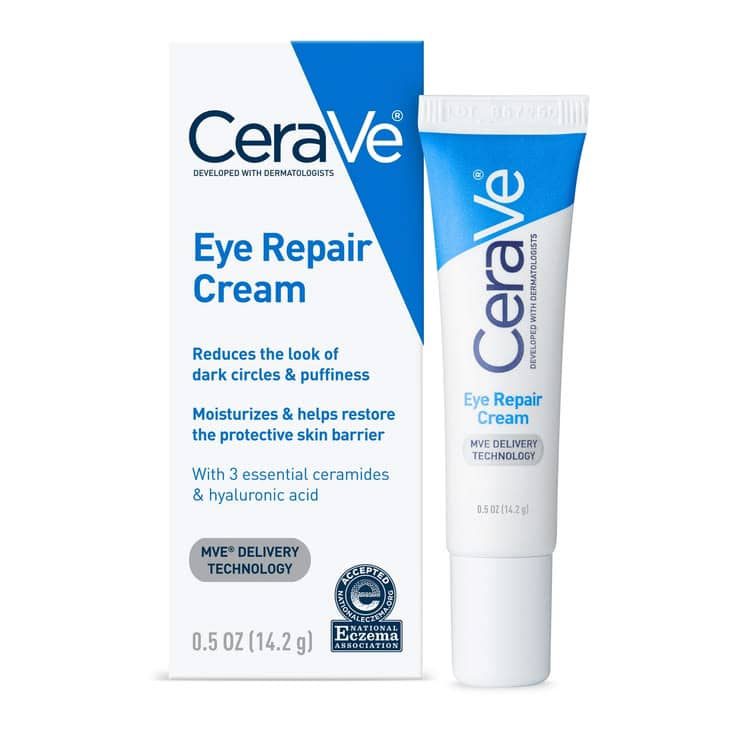
Photo: Pinterest
CeraVe Eye Repair Cream is formulated with ceramides, hyaluronic acid and niacinamide. It is designed to hydrate the delicate skin around the eyes while supporting the skin barrier.
The formula is particularly worth considering if dryness is making the under-eye area look dull or making fine lines more noticeable.
African Extracts Rooibos Advantage Rejuvenating Eye Cream
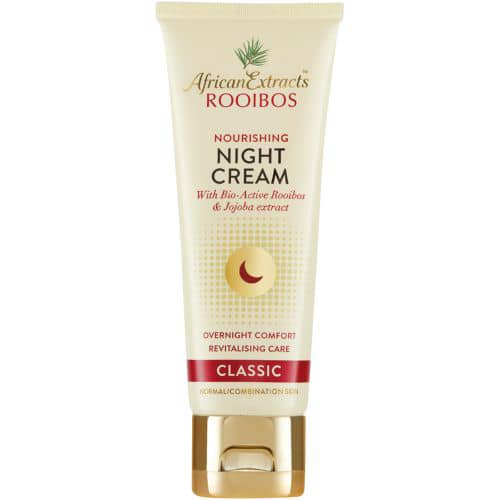
Photo: Pinterest
African Extracts offers a South African skincare option with its Rooibos Advantage Rejuvenating Eye Cream. The formula contains rooibos extract, sea fennel peptides, buckwheat seed extract and allantoin.
The product is designed for concerns including dark circles, puffiness, fine lines and dehydration, making it an option for several common under-eye concerns.
Vichy Minéral 89 Eye Fortifier
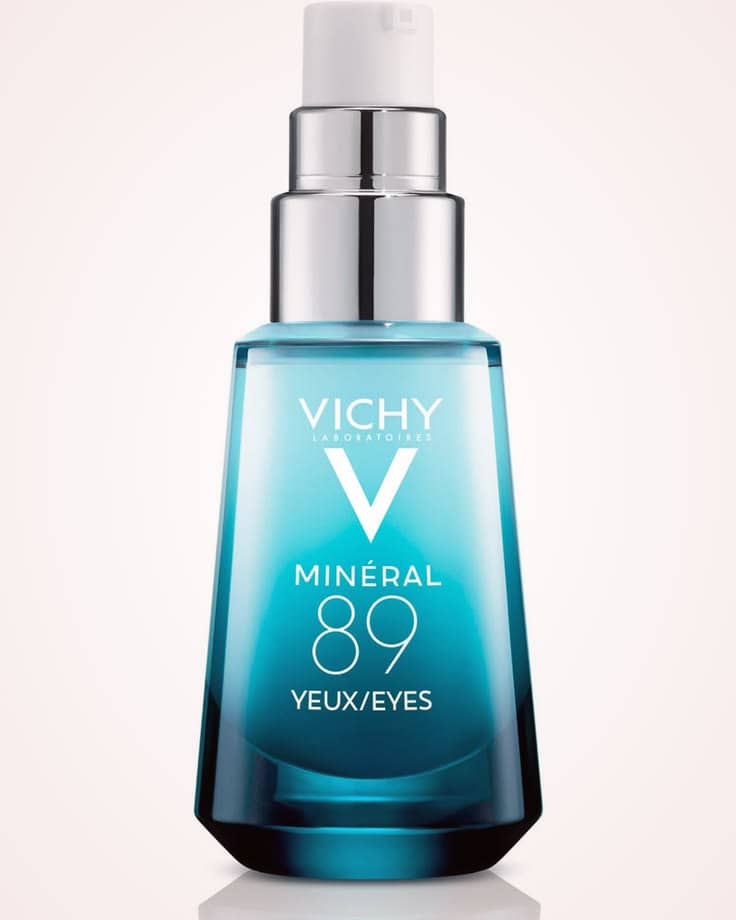
Photo: Pinterest
For those who prefer a lightweight formula, Vichy’s Minéral 89 Eye Fortifier is a gel designed to hydrate and refresh the eye area. It contains hyaluronic acid and caffeine, along with Vichy’s mineralising thermal water.
Hyaluronic acid helps the skin retain moisture, while caffeine is commonly used in eye products aimed at the appearance of puffiness.
Olay Ultimate Eye Cream
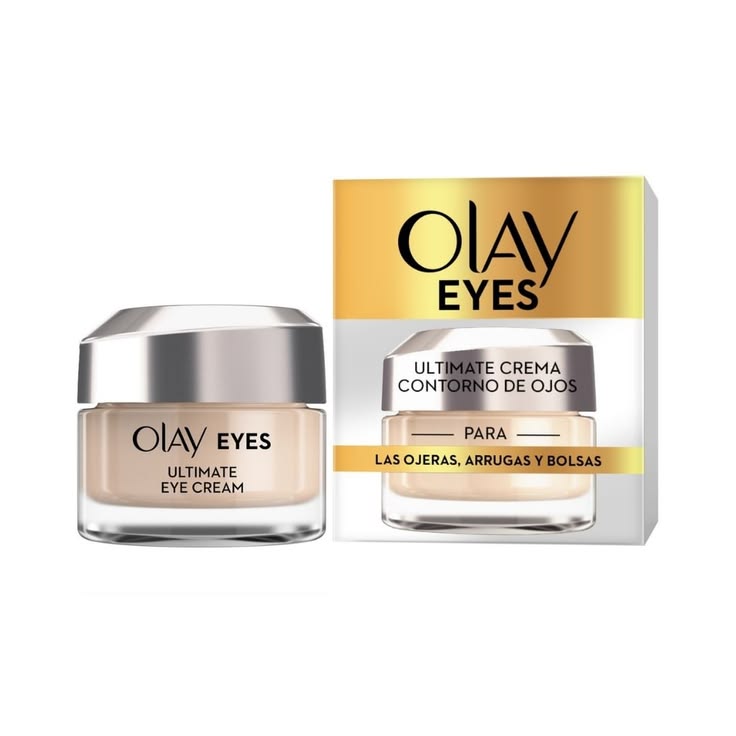
Photo: Pinterest
Olay Ultimate Eye Cream combines skincare ingredients with colour-correcting pigments. Its formula includes niacinamide and a peptide, while mineral pigments help reduce the appearance of dark circles immediately after application.
This makes it useful if you want an eye cream that provides both skincare benefits and a cosmetic brightening effect.
Neutrogena Retinol Boost Eye Cream
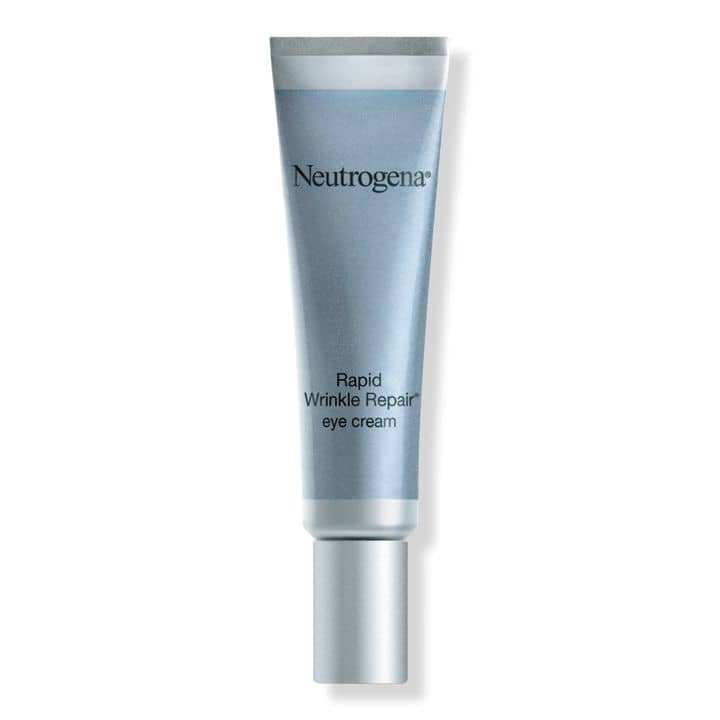
Photo: Pinterest
If fine lines are your main concern, Neutrogena Retinol Boost Eye Cream offers a retinol-based option. Retinol is a form of vitamin A commonly used in anti-ageing skincare because it can support collagen production and increase skin-cell turnover.
The eye area is sensitive, so retinol products should be introduced gradually and used according to the instructions on the packaging.
Choose according to your concern
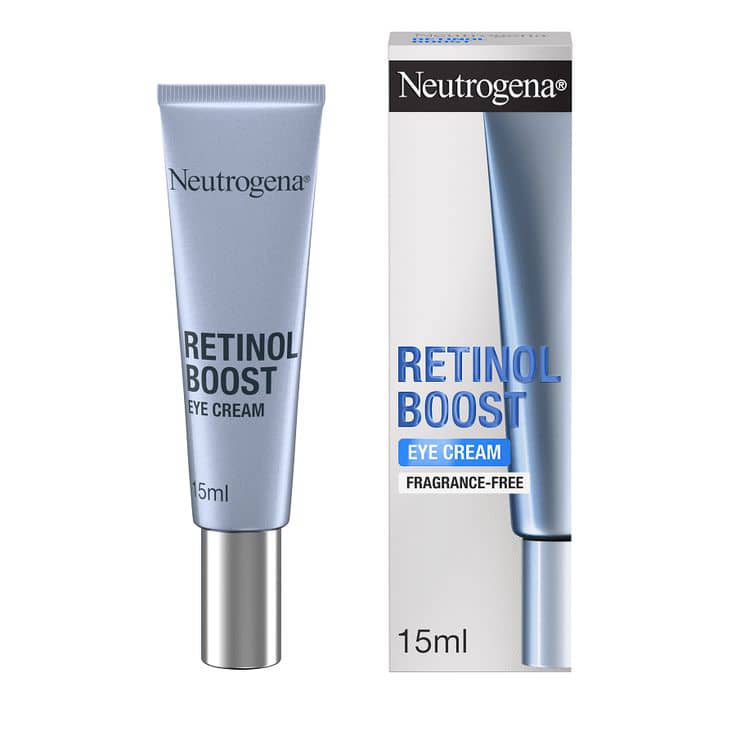
Photo: Pinterest
There is no single eye cream that can remove every type of dark circle. If pigmentation is the main issue, a formula containing brightening ingredients may be more appropriate. Caffeine can be useful when puffiness is the concern, while moisturising ingredients can help when dryness makes the area look dull.
It is also worth remembering that genetics, facial structure and hollowness beneath the eyes can contribute to dark circles. In these cases, an eye cream may improve the appearance of the skin but cannot completely change the underlying cause.
Whichever product you choose, apply only a small amount around the eye area and avoid getting the product into the eyes. If you experience persistent irritation, stop using it and consider speaking to a dermatologist.
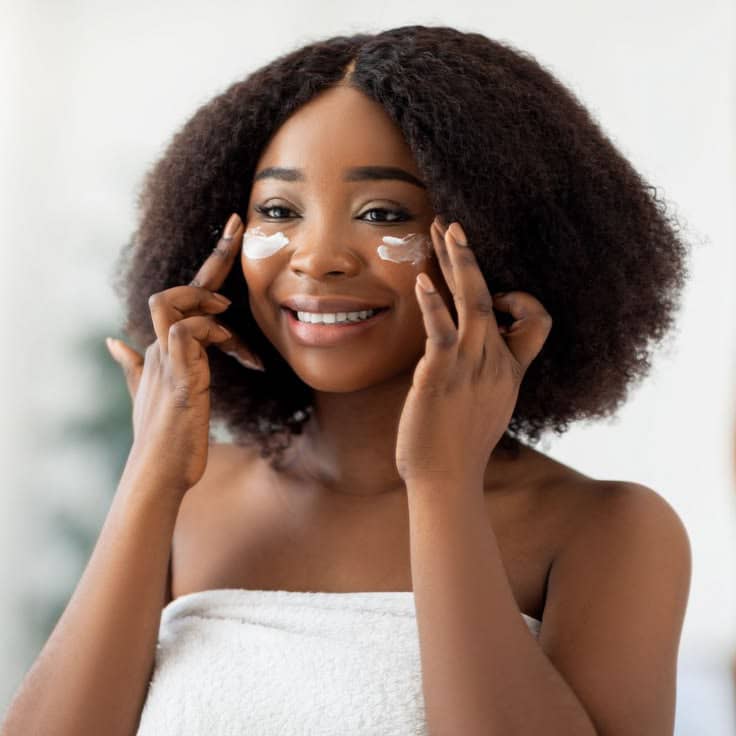
Healthy-looking skin does not require a bathroom shelf full of products. A consistent routine that cleanses, moisturises, addresses specific concerns and protects against the sun can provide a stronger foundation for the complexion. The key is choosing products that suit your skin and using them consistently.
Cleanse without overdoing it
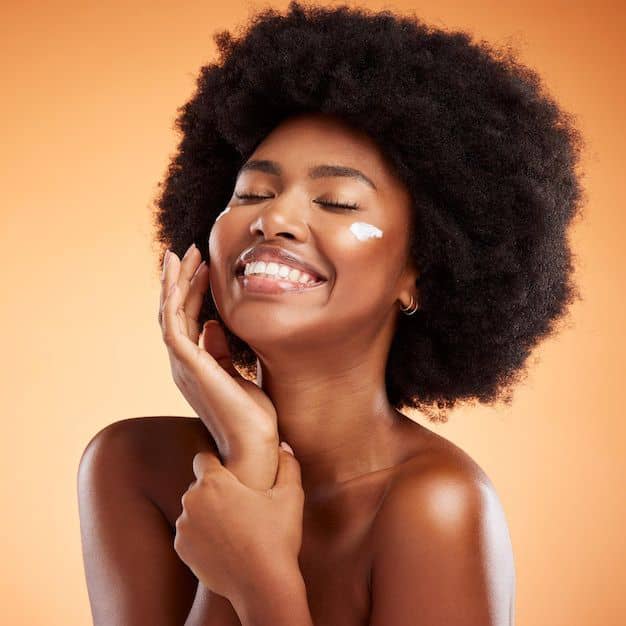
Photo – Pinterest
Cleansing removes sweat, excess oil, sunscreen and makeup from the skin. A suitable cleanser should do this without leaving the face feeling tight or uncomfortable.
A simple routine is often easier to maintain than one built around multiple products. Start with a cleanser suited to your skin type, particularly if your skin is sensitive or prone to dryness.
At night, cleanse your skin thoroughly if you have worn makeup or sunscreen. In the morning, your routine can depend on how your skin feels. If it is dry or sensitive, a gentle cleanser may be preferable to a stronger formula.
Keep your skin moisturised
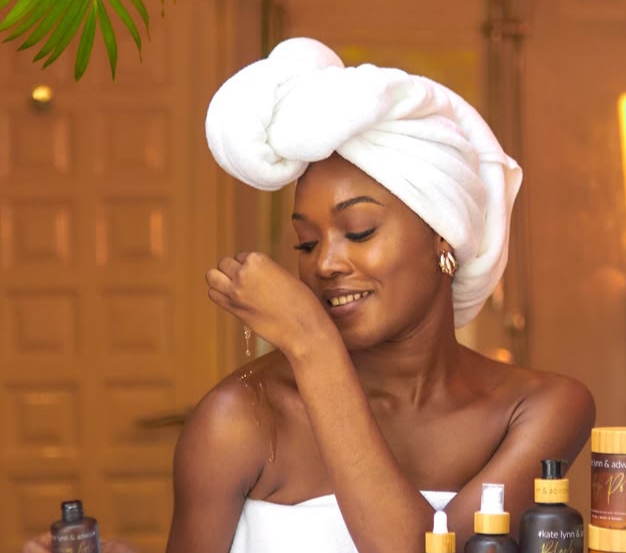
Photo – Pinterest
Hydration is important for all skin types, including oily skin. When the skin barrier is disrupted, it can become dry, flaky, tight or more sensitive.
Moisturisers containing ingredients such as glycerin, ceramides, hyaluronic acid or squalane can help support the skin’s moisture levels. The right texture also matters. Oily or acne-prone skin may be more comfortable with a lightweight lotion or gel, while dry skin may benefit from a richer cream.
Moisturising is particularly important when using active ingredients that can cause dryness or irritation. Supporting the skin barrier can make a treatment routine easier to tolerate.
Choose a treatment for your main concern
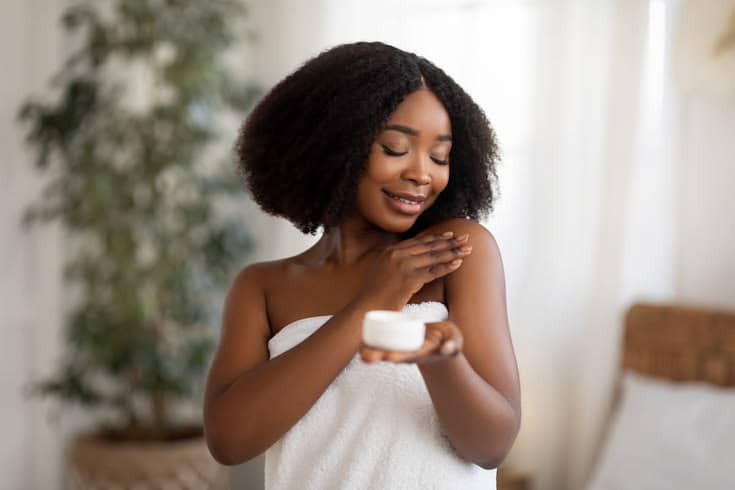
Photo – Pinterest
This is where your routine should reflect what you want to improve.
For uneven pigmentation, ingredients such as vitamin C can be considered. Salicylic acid is commonly used for acne and clogged pores, while retinoids can help with acne, uneven texture and signs of skin ageing.
Avoid introducing several strong active ingredients at the same time. Doing so can increase the risk of irritation and make it difficult to identify which product is causing a reaction. Introduce treatments gradually and give your skin time to adjust.
Most importantly, choose a treatment based on your skin concern instead of adding products simply because they are popular.
Wear sunscreen every morning
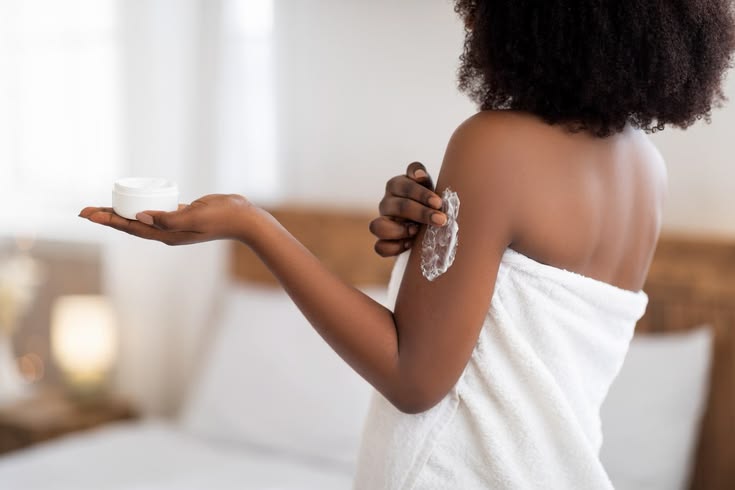
Photo – Pinterest
Sun protection should be part of your morning routine, even when the weather is overcast. UV exposure contributes to premature skin ageing, pigmentation and other forms of skin damage.
Choose a broad-spectrum sunscreen with at least SPF 30 and apply it generously to exposed skin. If you are spending extended periods outdoors, reapply as directed, particularly after sweating or swimming.
For people dealing with pigmentation, a tinted sunscreen may also be worth considering. Some tinted formulas contain iron oxides, which can provide additional protection against visible light that may worsen hyperpigmentation.
Glowing skin is not about making the face look shiny. It is more useful to think about maintaining skin that is hydrated, protected and comfortable while addressing specific concerns with appropriate products.
A routine does not have to contain numerous steps to be effective. Start with the basics, introduce treatments according to your needs and give the routine enough time to work before deciding that you need something else.


Uncle Waffles to Perform at Gallo 100 Centenary Music Festival in Cape Town

French Montana to Headline Two South African Shows This December

Diddy’s Head Injury Reportedly Linked to Fight With Jamaican Drug Lord



-

 Travels3 months ago
Why Solo Travel Could Be the Best Decision You Ever Make
-

 Music3 months ago
Rihanna Surprises Fans With Her First Live Performance in Years at Jay-Z’s Concert
-

 Events3 months ago
Shannon Benting Set to Compete at Miss Supranational 2026 in Poland
-

 Health3 months ago
Constantly Tired? Your Liver Could Be Telling You Something
-

 Travels2 months ago
6 Best Hotels in Cape Town
-

 Dj Men3 months ago
The Male DJs Keeping South Africa’s Nightlife Alive
-

 Fitness3 months ago
How to Recover Faster After a Heavy Gym Session
-

 Health3 months ago
Apple Cider Vinegar: From Health and Skin to Everyday Uses