
Sex & Relashionships
Respectful Ways to Talk About Your Partner’s Habits


We all have quirks that can get under someone’s skin. Maybe it’s leaving socks by the couch, checking the phone mid-conversation, or forgetting to take out the trash. Addressing these habits doesn’t have to spark arguments. Handled with care, it can actually strengthen your relationship.
Wait for a calm moment

Credit – Google
Timing makes all the difference. Bringing up a habit during a heated moment, such as after a stressful day at work or mid-argument, almost always leads to defensiveness. Instead, look for a relaxed setting where you both feel at ease. This could be over a quiet Sunday morning coffee, while cooking together, or even during a drive. Choosing a calm moment signals that you’re approaching the conversation thoughtfully rather than impulsively. It also gives your partner a chance to be present and receptive instead of feeling ambushed.
Talk about how it affects you

Credit – Google
When discussing habits, avoid blaming or criticising. Instead, focus on your feelings and the impact on your daily life. For example, you could say, “I feel stressed when the dishes pile up,” rather than, “You never do the dishes.” This approach communicates your experience without making your partner defensive. It also encourages empathy, as they’re more likely to listen and understand how their habits affect you rather than feeling attacked.
Recognise the effort they do put in

Credit – Google
Nobody is perfect, and everyone has responsibilities outside the relationship. Starting with acknowledgement of your partner’s efforts sets a positive tone. A simple, “I know you’ve been juggling a lot this week,” or “I really appreciate how you’ve been handling work and the kids lately,” can make your feedback feel supportive rather than critical. This reinforces that you’re on the same team and makes the conversation about working together instead of pointing fingers.
Suggest practical solutions together

Credit – Google
Highlighting a habit is only part of the solution; you also need to explore ways to make life easier for both of you. This could be setting reminders, establishing small routines, or dividing household tasks differently. For instance, you might agree that one person handles the morning dishes while the other tidies up in the evening, or that the braai utensils get returned immediately after cooking. Framing it as a shared problem rather than a personal failing makes the conversation feel collaborative instead of confrontational.
Keep it light

Credit – Google
Adding humour can make a serious conversation feel less tense. Playful teasing, such as joking about the ever-growing pile of socks or laundry, can help both of you laugh rather than argue. Just be careful to keep the humour gentle; it should lighten the mood, not make your partner feel criticised. A little laughter can go a long way in turning a tricky conversation into a bonding moment.
Talking about habits doesn’t have to be uncomfortable. With careful timing, empathy, practical solutions, and a touch of humour, what could be a stressful conversation can actually strengthen your connection. It’s not about being perfect; it’s about understanding each other better and growing together.












Condoms remain one of the most accessible ways to prevent pregnancy and reduce the risk of sexually transmitted infections (STIs). Yet concerns about condoms breaking, slipping or failing can make people question how much protection they actually provide.
The short answer is that condoms are highly effective when used correctly and consistently. The World Health Organization estimates that male condoms are 98% effective at preventing pregnancy with correct use every time. With typical use, effectiveness is about 87%, largely because condoms are sometimes used incorrectly or not every time sex takes place.
That difference is important. It does not mean that 13% of condoms break or fail. The figure reflects the number of people who experience an unintended pregnancy over a year while relying on condoms as their contraceptive method.
Why Condoms Fail
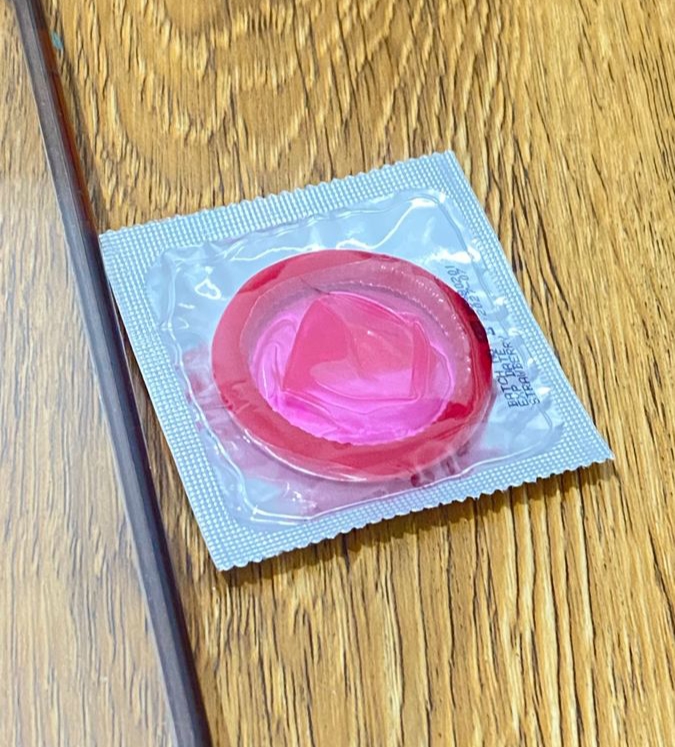
Photo – Stock
Breakage and slipping can happen, but they are not the most common reason condoms fail. Incorrect or inconsistent use is a bigger concern.
Check the expiry date and make sure the packet is intact before opening it. Take care when removing the condom from its packaging, as fingernails, jewellery or teeth can damage it.
Put the condom on before any genital contact. Squeeze the tip to remove air and leave room for semen, then roll it down to the base of the penis. After ejaculation, hold the base while withdrawing to reduce the chance of slipping.
Storage also matters. Condoms should be kept somewhere cool and dry. Prolonged exposure to heat or friction can damage the material.
Lubricant Can Make a Difference
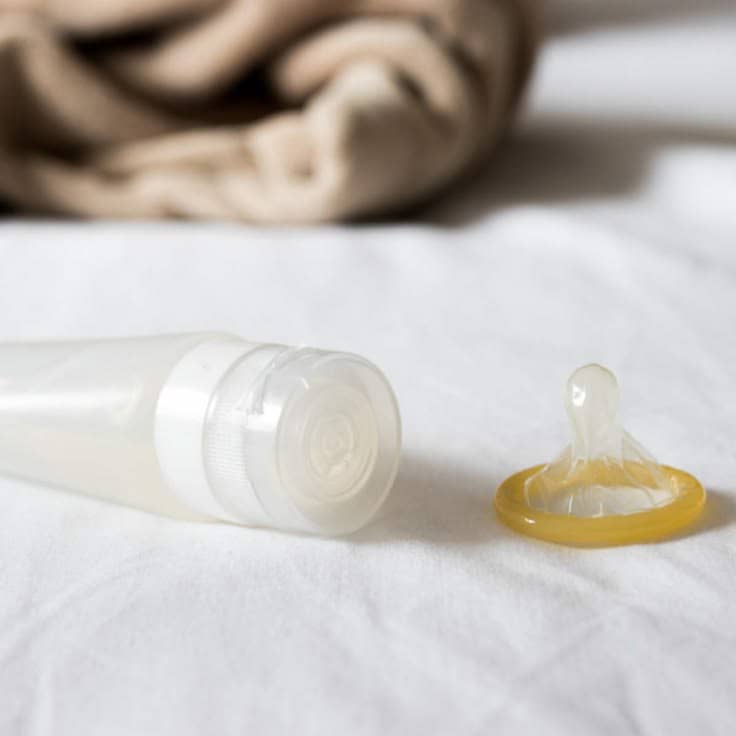
Photo – Stock
The wrong lubricant can weaken latex condoms and increase the risk of breakage. Oil-based products such as petroleum jelly and some body oils and lotions should not be used with latex condoms.
Water-based and silicone-based lubricants are generally suitable for use with latex. Adequate lubrication is particularly important during anal sex, where there may be less natural lubrication and more friction.
Using two condoms at the same time does not provide extra protection. The friction between them can increase the chance of tearing. A new condom should also be used for every act of vaginal, anal or oral sex.
How Much Protection Do Condoms Offer Against STIs?

Photo – Stock
Condoms reduce the risk of many STIs, including HIV, gonorrhoea and chlamydia, when used correctly and consistently. However, they do not cover all genital skin.
Infections such as herpes, HPV and syphilis can sometimes spread through skin-to-skin contact involving areas outside the condom. This means condoms can reduce the risk but cannot eliminate it completely.
Regular STI testing remains important, particularly for people with new or multiple sexual partners or when a partner’s STI status is unknown.
What If a Condom Breaks?

Photo – Stock
If a condom breaks or slips during sex, do not assume there is nothing you can do.
If pregnancy is possible, emergency contraception can be used within five days of unprotected sex, although it is more effective when used sooner. A healthcare professional or clinic can advise on the most appropriate option.
If there may have been exposure to HIV, post-exposure prophylaxis (PEP) should be considered urgently. It needs to be started as soon as possible and no later than 72 hours after exposure. A healthcare professional can assess whether PEP is appropriate.
The Bottom Line

Photo – Stock
Condoms are not perfect, but they remain a dependable way to reduce the risk of unintended pregnancy and many STIs. Their effectiveness depends heavily on using them correctly and every time.
Check the expiry date, use a suitable lubricant, put the condom on before genital contact, avoid using two condoms together and never reuse one. When used properly, condoms remain an important part of safer sex.


Relationship language keeps changing as people find new ways to describe how couples deal with love and commitment. One of the newer terms is tolyamory, which describes a situation that can look similar to polyamory but works differently.
Tolyamory Means Tolerating a Partner’s Outside Relationships

Photo: Getty Images
Tolyamory combines the words “tolerate” and “polyamory.” This is a term used in which a partner knows that his lover is cheating but tolerates it.
It does not mean the person approves the arrangement. They just continue in the relationship for reasons known to them.
It Differs From Polyamory

Photo:Getty Images
Tolyamory is not non-monogamy or polyamory. In polyamorous relationships, the people involved openly discuss their relationship desires. They agree to having multiple romantic relationships.
Tolyamory, on the other hand, is silence and unwillingness to confront a cheating partner. This difference in these concepts are consent and communication.
Read Also: Small Lies That Slowly Destroy Trust in Relationships
Dan Savage Coined the Term

Photo: Getty Images
Sex and relationship columnist and podcaster Dan Savage is credited with coming up with the term. He introduced it on his Savage Lovecast podcast in 2024 while discussing people who tolerate their partners having sexual encounters outside their relationships.
There is a debate about if tolyamory is a genuine relationship or just a new name for accepted cheating.
People Stay for Different Reasons

Photo: Getty Images
Someone might tolerate a partner’s infidelity because they want to protect their family or for financial security. There is also the social and cultural angle to accepting cheating without complaints.
For some couples, staying together despite an affair is easier than dealing with the consequences of separation. However, tolerating something does not mean the other person is comfortable with it.
Lack of Communication Can Create Problems

Photo: Getty Images
One of the concerns around tolyamory is the absence of clear communication. If one partner is unhappy but stays silent, emotional distress grows.
While there is no perfect way to measure healthy relationships, boundaries should be respected.
If one person wants monogamy while the other wants multiple partners, an honest conversation should take place.
Tolyamory is a situation in which one partner tolerates behaviour they don’t want. Understanding the term can help people distinguish between consensual non-monogamy, cheating and simply staying silent about a problem.

Sex may end with an orgasm, but research suggests that it offers more. There is evidence that shows that cuddling helps your relationship. Talking, holding hands or kissing can help tighten the bond. Here are some findings that show the benefits from staying close to your partner after sex.
Sexual Satisfaction
A 2014 study published in Archives of Sexual Behavior examined 335 people in romantic relationships. It found that spending time showing affection after sex was associated with greater sexual satisfaction. That higher sexual satisfaction was, the greater relationship satisfaction.
The researchers then followed 101 established couples through daily reports and a three-month follow-up. They found that couples who experienced longer and more satisfying periods of affection after sex also reported higher sexual and relationship satisfaction later.
Emotional Intimacy

Photo: Istock
Cuddling after intercourse allows time for lovers to remain close. That closeness creates a sense of emotional connection when couples hold each other.
Research involving 1,493 Americans found a connection between cuddling and emotional intimacy. 70% of respondents reported cuddling during their most recent sexual event, and cuddling was the only one of the behaviours studied that was associated with emotional intimacy.
Read Also: 6 Ways to Improve Your Sex Life
Affection May Help Couples Feel Better After Sex
Cuddling is an affectionate behaviour that researchers have linked to positive emotions. A 2017 study examined how affection benefits people from sexual activity.
The researchers found that affection helped explain the relationship between sex and positive emotions. In a study involving 106 couples with children, affection explains the link between sexual activity and increased positive feelings. They also found that the strength of this daily connection allows both partners’ enjoy their relationship.
It Shows That Sex is Above the Physical Act

Photo: Istock
Couples can benefit from the affectionate moments surrounding sex. Kissing and caressing can give partners another opportunity to bond together.
A separate study of midlife couples found that frequent kissing and caressing were associated with sexual satisfaction and relationship happiness. The study also found that a partner’s behaviour mattered when predicting an individual’s satisfaction.
Gives Couples Time to Connect
The minutes immediately after sex can be useful for simple forms of connection. A couple may talk about their day, laugh together and lie quietly in each other’s arms.
That does not mean every couple should follow the same routine. The research shows a relationship between post-sex affection and relationship. Although it does not state that only cuddling promotes a better relationship.
Overall, science suggests that what couples do after sex can matter. Cuddling may help extend feelings of closeness, support sexual satisfaction and keep a relationship strong.


New South African Movies to Watch on Netflix

Thabsie Shows Off Toned Figure in Bikini on Tanzania Getaway

O.J. Simpson Associate’s Brother Claims He Had Bloody Hands on Night of Murders




-

 Travels3 months ago
6 Best Hotels in Cape Town
-

 Dj Men3 months ago
The Male DJs Keeping South Africa’s Nightlife Alive
-

 Health3 months ago
Apple Cider Vinegar: From Health and Skin to Everyday Uses
-

 Fitness3 months ago
How to Recover Faster After a Heavy Gym Session
-

 Netflix2 months ago
8 Mzansi Series and Films on Netflix to Watch This August
-

 Sex & Relashionships3 months ago
5 Ways ‘Parallel Life Syndrome’ Kills Relationships
-

 Music3 months ago
Tyla Officially Releases A*POP
-

 Top 202 months ago
20 Greatest South African Songs of All Time