
Top Xclusive
Duane ‘Keffe D’ Davis Found Guilty of Orchestrating Tupac Shakur’s Murder After 30 Years

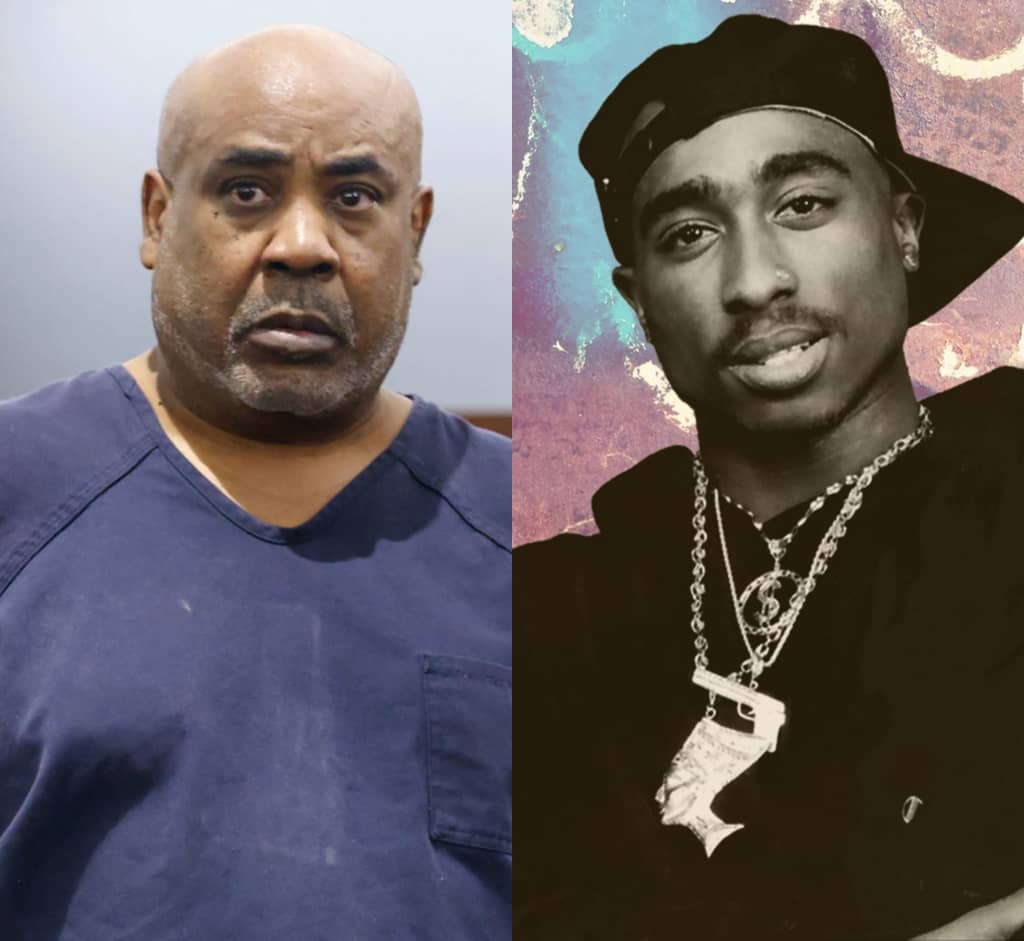
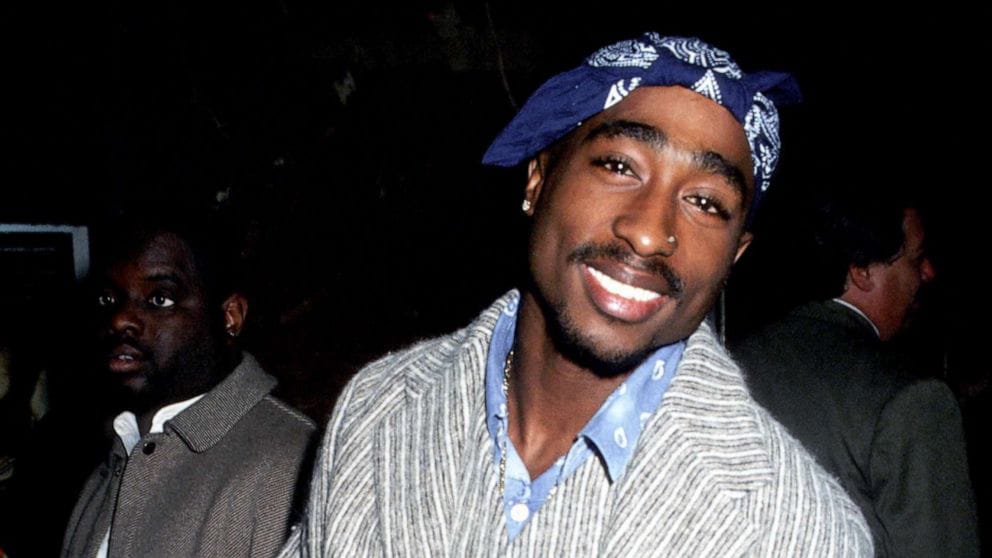
Nearly 30 years after Tupac Shakur was killed in a drive-by shooting in Las Vegas, Duane “Keffe D” Davis has been convicted in connection with the rapper’s murder.
On 31 August, a Las Vegas jury found Davis guilty of first-degree murder in Shakur’s 1996 killing. Davis, 63, is the only person to have been charged in the case and is now the first to be convicted. Prosecutors did not accuse him of pulling the trigger. They argued that he helped organise the attack, obtained the firearm and handed it to those who carried out the shooting.
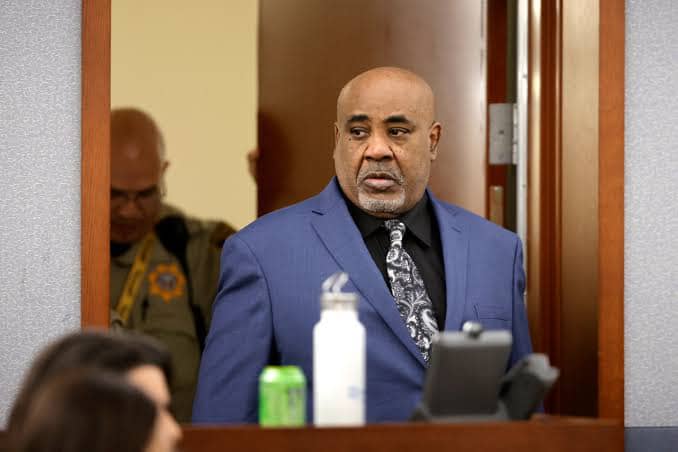
Photo: Marcus/REUTERS
The verdict followed less than three hours of jury deliberations after a weeks-long trial. Davis had pleaded not guilty. His defence argued that he had exaggerated or fabricated parts of his accounts over the years, particularly when discussing the killing publicly and promoting his memoir, Compton Street Legend. His lawyers also questioned the lack of independent evidence placing him in the Cadillac from which the shots were fired.
The events that led to the shooting began earlier that evening. Shakur was in Las Vegas with Death Row Records co-founder Marion “Suge” Knight for Mike Tyson’s fight against Bruce Seldon at the MGM Grand. After the fight, Shakur and members of his entourage confronted Orlando “Baby Lane” Anderson, Davis’ nephew and a member of the South Side Compton Crips. Anderson was beaten during the confrontation.
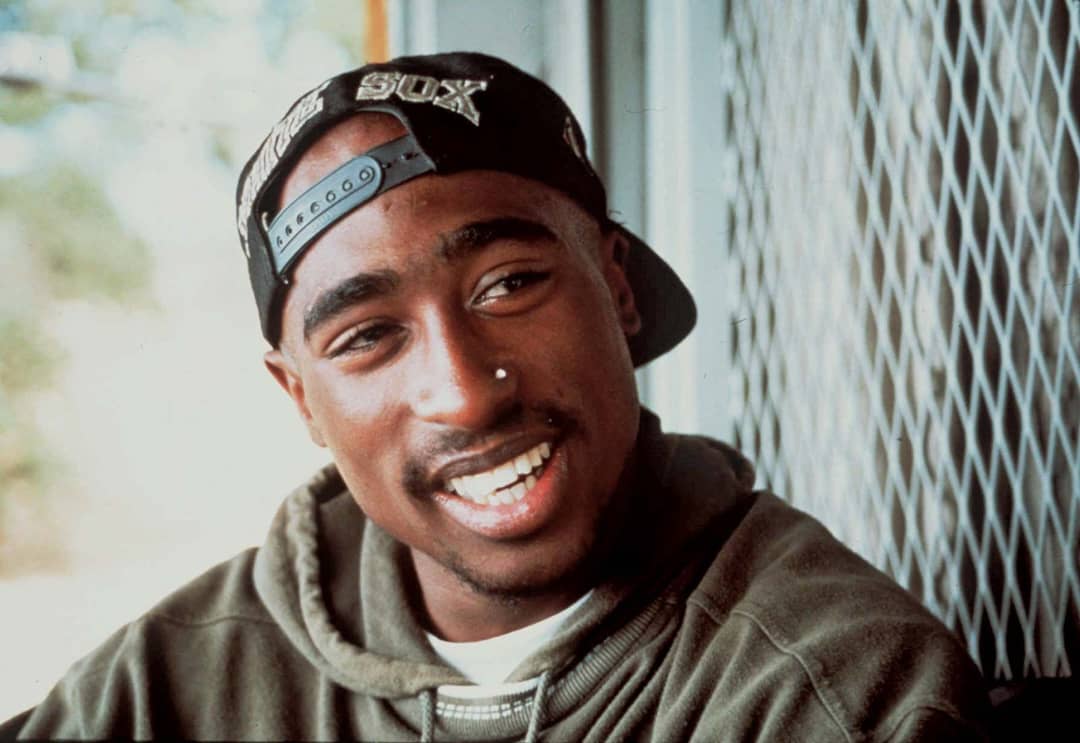
Photo: REUTERS
Prosecutors said the incident prompted a retaliation against Shakur and Knight. They argued that Davis and other gang members went looking for them after the fight.
Later that night, Shakur was sitting in the passenger seat of a BMW driven by Knight when a white Cadillac pulled alongside them at a red light. Someone inside the Cadillac opened fire. Shakur was hit four times, while Knight was also wounded.
Shakur was taken to hospital and died six days later, on 13 September 1996. He was 25.
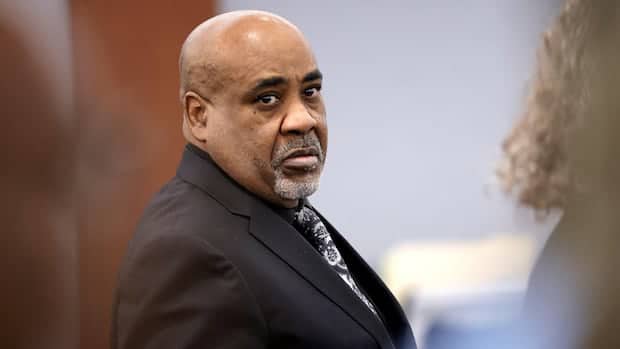
Photo: REUTERS
A key part of the prosecution’s case was Davis’ own public account of the killing. He had discussed the shooting for years before his arrest in 2023, giving investigators, filmmakers and journalists accounts of what happened. Prosecutors argued that his statements amounted to admissions that he had helped organise the retaliation and supplied the gun.
Davis’ lawyers disputed that interpretation. They argued that his accounts had changed over time and that he had exaggerated his involvement for attention and financial gain. The defence also challenged the prosecution’s reliance on Davis’ statements and argued that they were not enough to prove he was responsible for the murder.
Photo; AP
The case had remained unresolved for decades, during which Shakur’s death became the subject of numerous theories. Some centred on the rivalry between Death Row Records and Bad Boy Records, while others suggested involvement by figures in the music industry. None of those theories resulted in criminal charges against the people they implicated.
Davis’ conviction is based on the evidence presented at trial and does not establish the wider theories that have circulated about Shakur’s death. Prosecutors argued specifically that the shooting was retaliation for the confrontation involving Anderson and that Davis helped arrange the attack.
The conviction also does not identify a convicted shooter. Anderson, whom prosecutors have identified as the person who fired the shots, was killed in Compton in 1998. The other men prosecutors alleged were involved have also died.
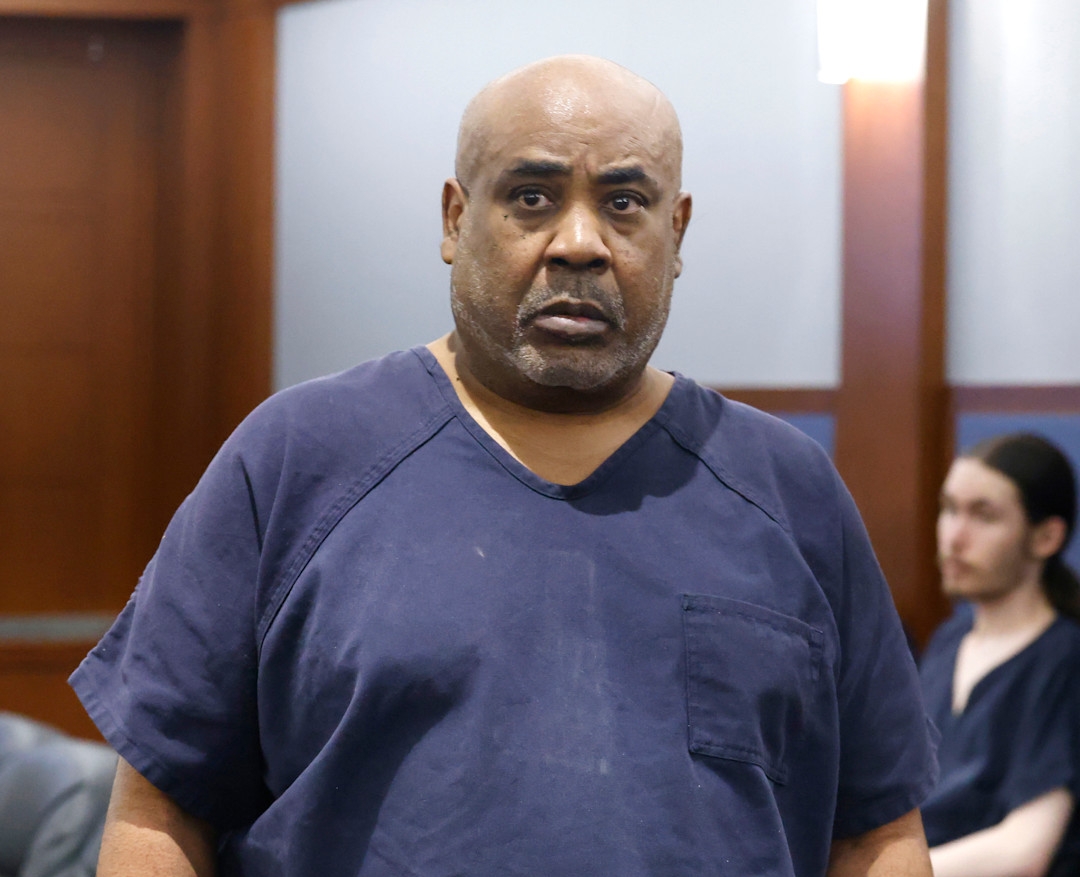
Photo: REUTERS
Davis remains in custody and faces a possible life sentence. His lawyer has said he plans to appeal. He is due to be sentenced on 13 October.
Shakur’s family reacted in court after the verdict. His sister, Sekyiwa “Set” Shakur, cried and embraced members of the prosecution team.
The conviction marks the first time someone has been held criminally responsible for Shakur’s death. For a case that remained open for almost three decades, the verdict finally establishes a legal finding against one of the people prosecutors said helped organise the attack.









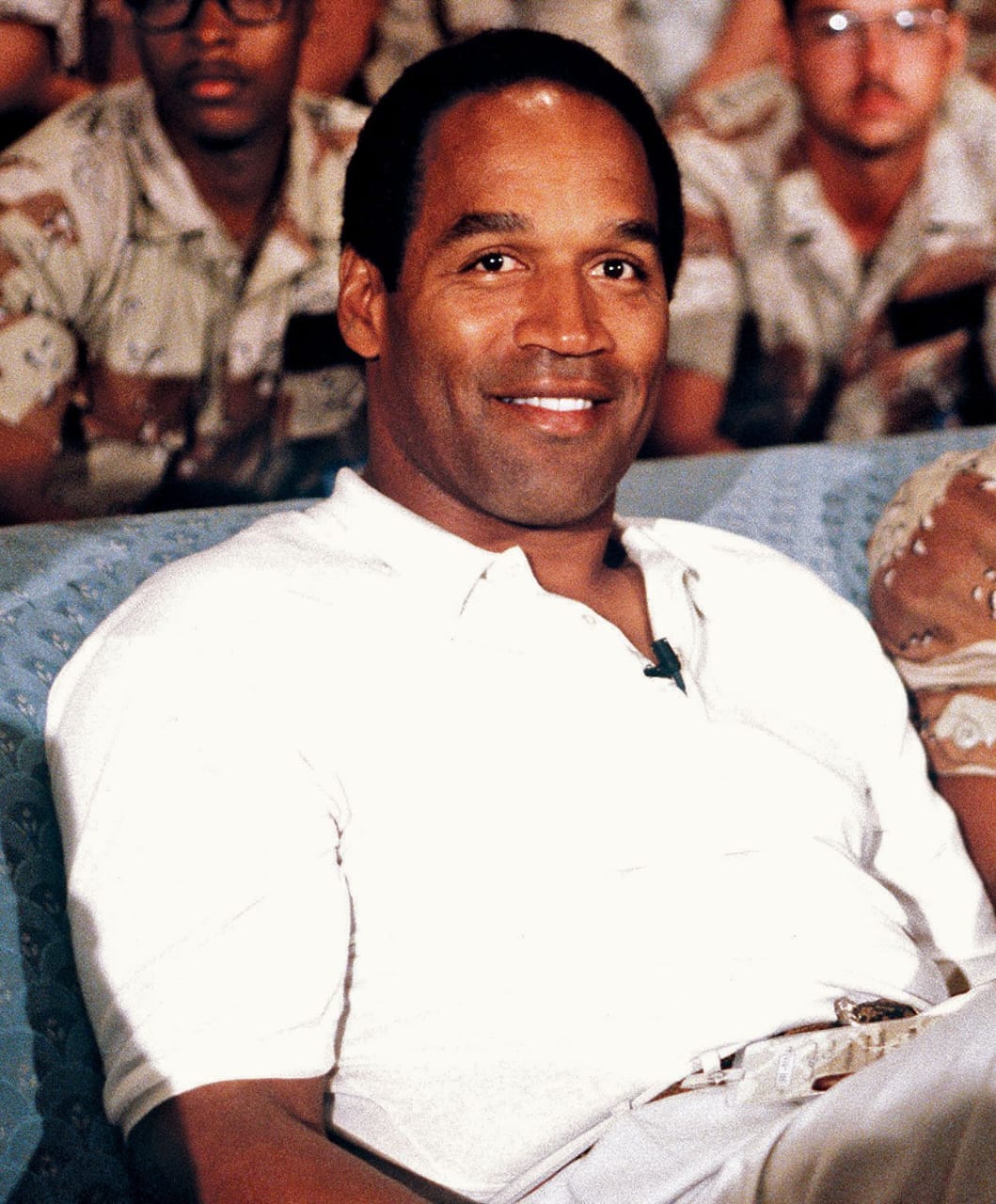
More than three decades after the murders of Nicole Brown Simpson and Ronald Goldman, there are questions about whether O.J. Simpson received help while trying to dispose of evidence. Sam Ippolito, the brother of Simpson associate Joseph “Joey” Ippolito, claims Joey came back to their apartment on the night of the murders with blood on his hands and a heavy bag.
The allegations emerged in an investigation by The New York Times published on October 18, 2026. The newspaper checked previously sealed federal court records and spoke with people involved in the case. However, the claims remain unproven, and Sam later attempted to withdraw his account.
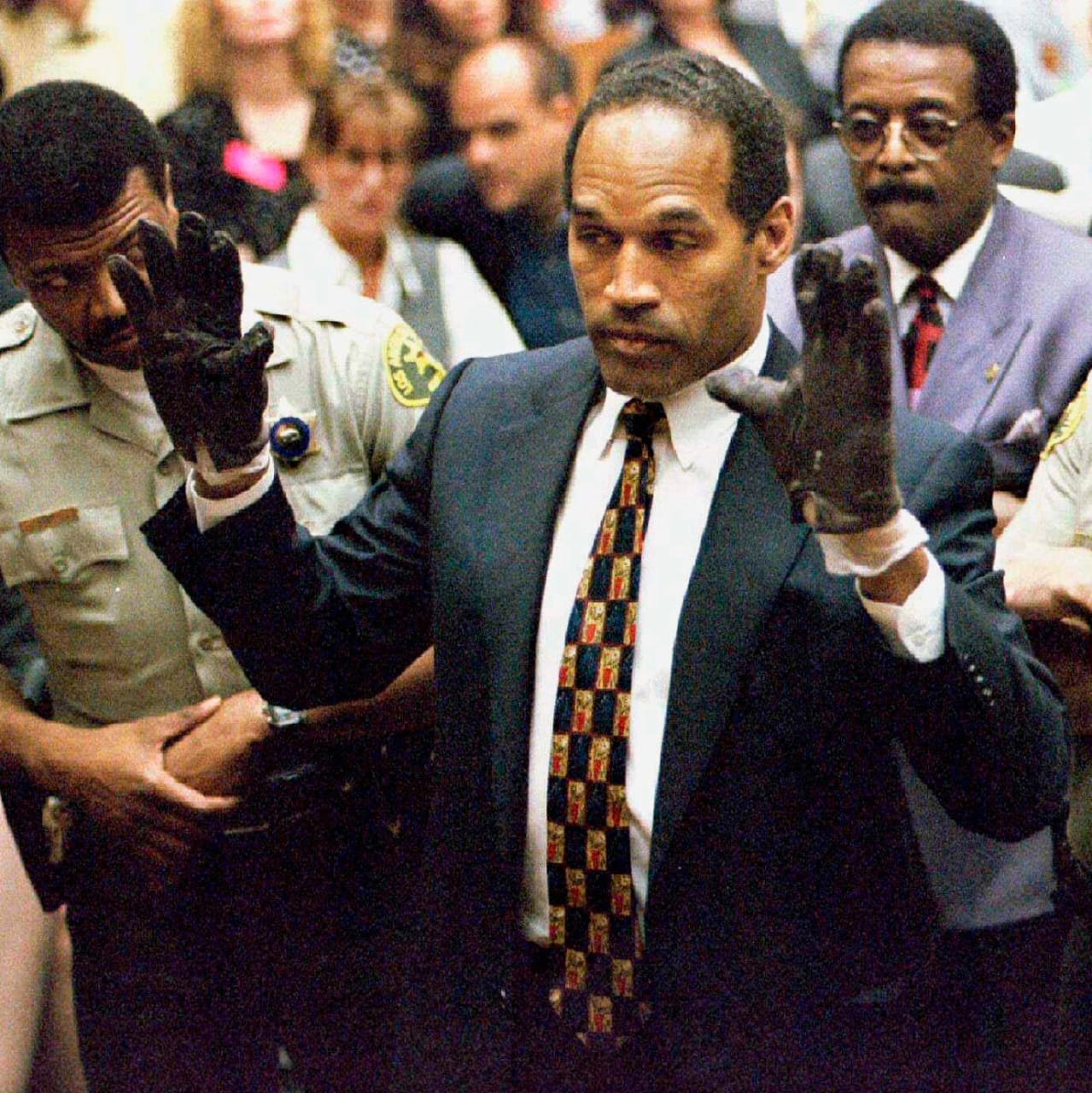
Photo: Getty Images
According to Sam’s initial account, Joey left the apartment on the evening of June 12, 1994, saying he was going to help a friend. He returned around midnight carrying a bag containing what Sam described as a heavy object.
Sam alleged that his brother appeared to have blood on his hands, removed his clothes and placed them inside the bag before asking him to dispose of it. Sam said he threw the bag into a dumpster near a construction site along Doheny Drive in Los Angeles. The contents were never independently confirmed.
Sam also claimed he overheard Joey speaking with Al Cowlings, Simpson’s longtime friend, about helping Simpson that night. These allegations have caused speculation about whether another person helped Simpson while disposing evidence.
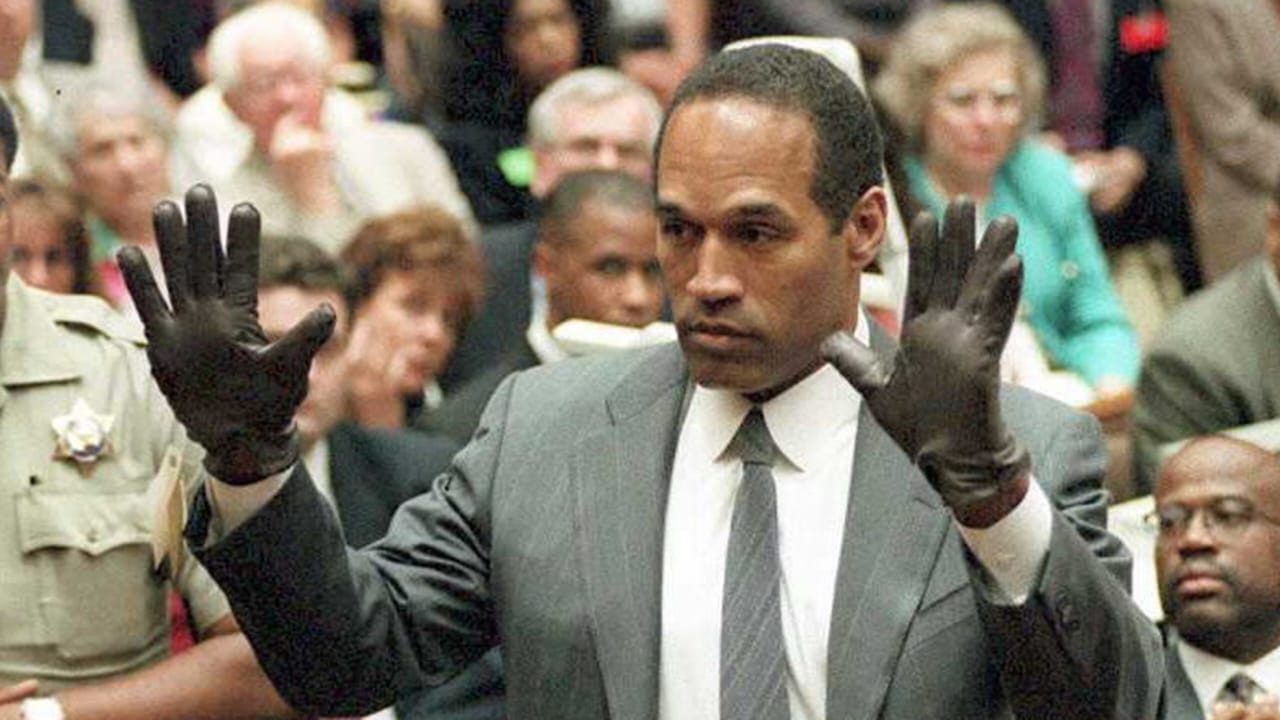
Photo: Getty Images
Joey Ippolito was a convicted drug trafficker with connections to organised crime. He knew Simpson through Cowlings, who drove Simpson’s white Ford Bronco.
Read Also: Tobey Macquire Officiates His Ex-wife Wedding to Billionaire Heir
Joey had escaped from a Florida prison in May 1994. Authorities arrested him in August 1995, and he subsequently became a federal informant.
New court records revealed that Joey provided information relevant to the Simpson investigation, including details concerning the alleged disposal of the murder weapon. The weapon was never recovered.
A December 1996 federal prosecution memorandum described Joey as a valuable source of information. However, he was never called to testify at the trial. Former federal prosecutor David Kelley, who worked with Joey, said he did not believe Joey was involved in the murders. Former lead prosecutor Marcia Clark also said she had not known about Joey and questioned whether the allegations would have been credible enough to reach her.
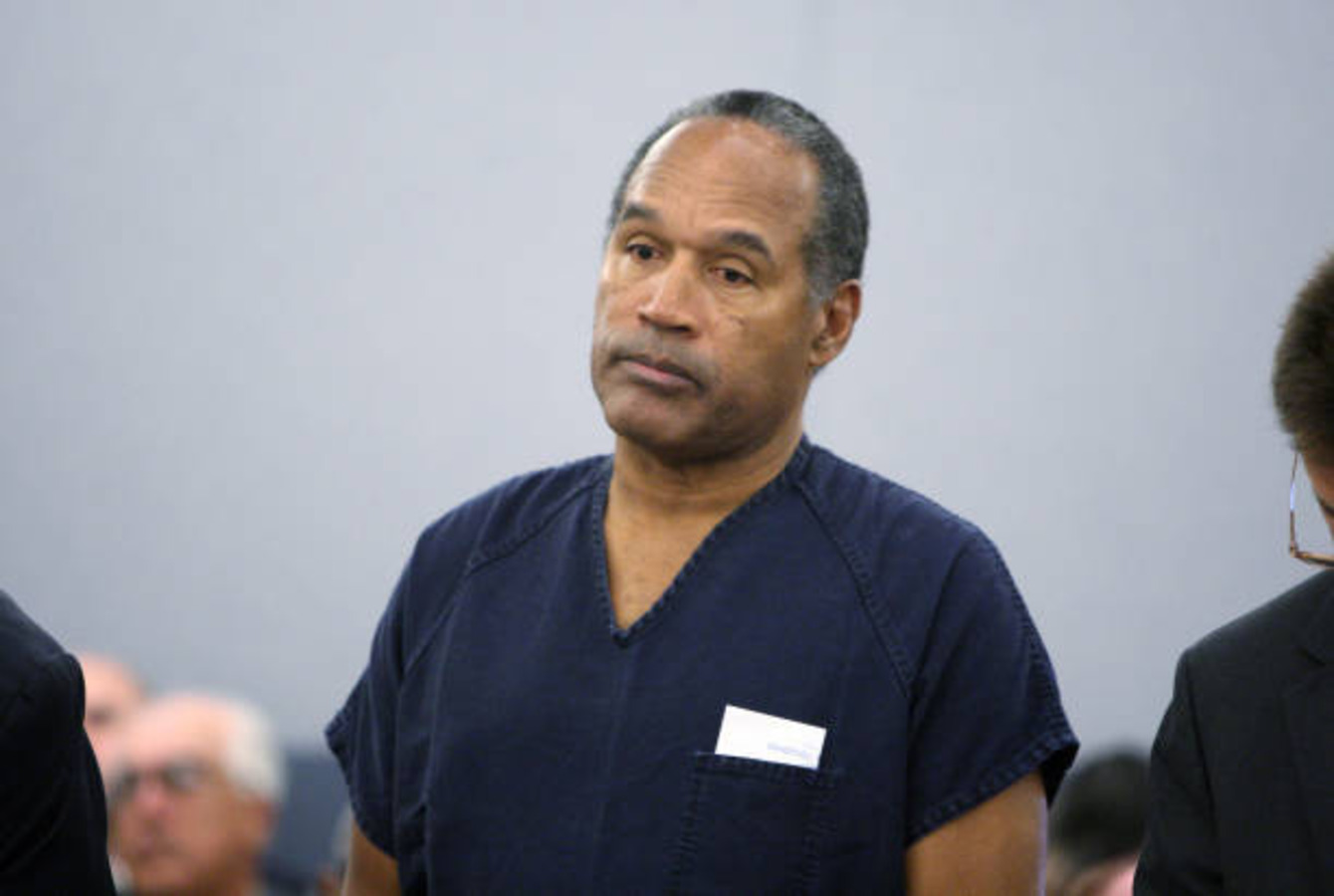
Photo: Getty Images
Sam’s credibility is also an issue. According to the newspaper’s , he sought payment for his story and later tried to retract his allegations after the newspaper declined. He said he could no longer distinguish between his memories and confusion surrounding the events.
Retired Los Angeles Police Department detective Tom Lange also rejected the accomplice theory. He believes there was no evidence connecting Joey to the killings. The Los Angeles Police Department has confirmed that the case remains open and that investigators will examine new leads.
The latest allegations have reopened questions about the missing murder weapon and the handling of evidence. However, the claims against Joey remain unverified, and the available information does not establish that he helped Simpson conceal evidence or took part in the killings.
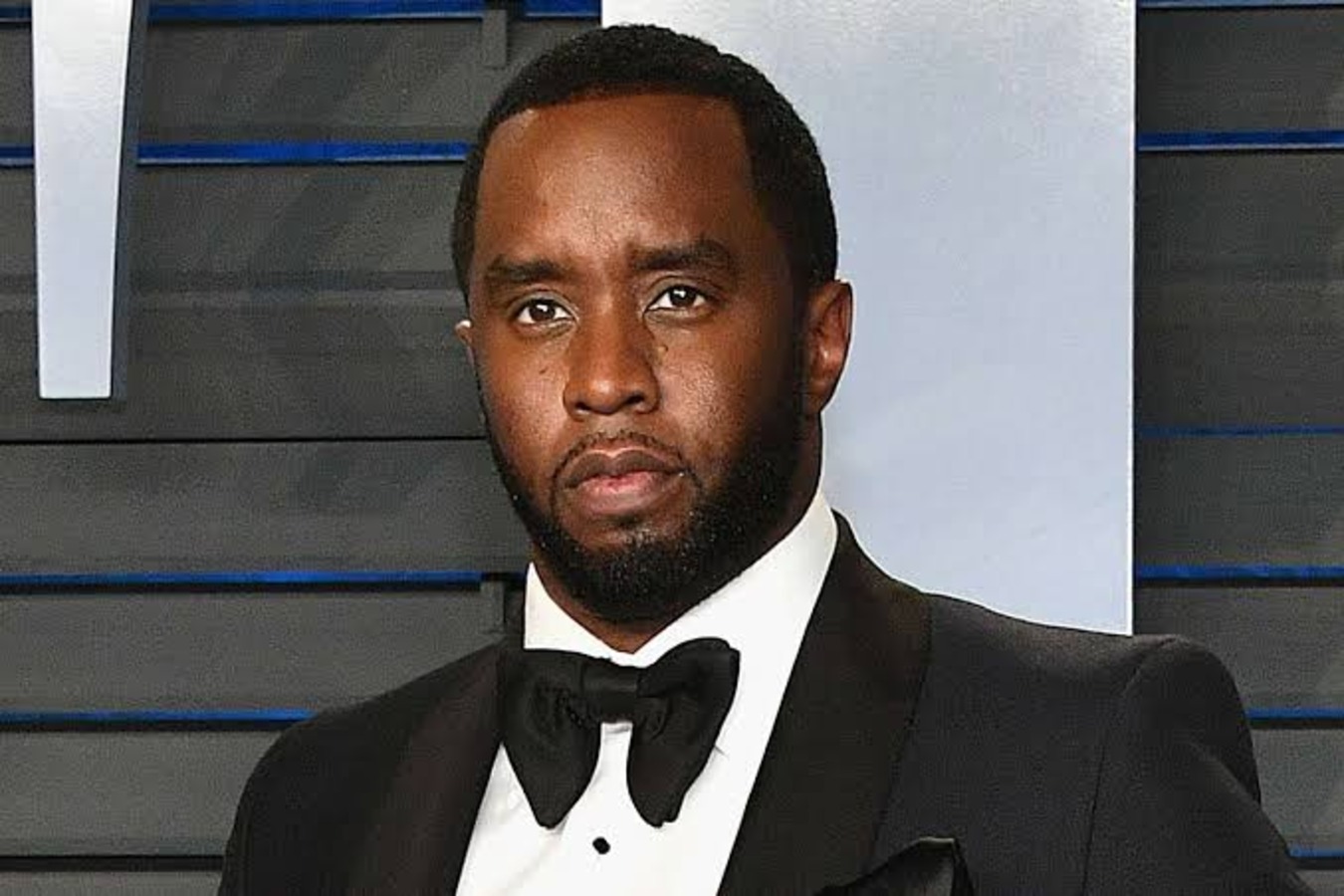
Sean ‘Diddy’ Combs’ head injury has been linked to a fight with fellow inmate Christopher “Dudus” Coke, a convicted Jamaican drug lord. This happened at the federal prison where the rapper is serving his sentence in New Jersey.
The confrontation reportedly followed increased tension among inmates over allegations of special treatment for Combs.
Combs, 56, was taken to a hospital on Saturday, October 10, after being injured at the Federal Correctional Institution in Fort Dix. The injury was not life-threatening, and he returned to prison that day..
The confrontation reportedly followed allegations about Combs’ living conditions inside Fort Dix, including claims that he had access to prohibited items such as a cellphone and alcohol, while other inmates assisted him with cooking and cleaning.
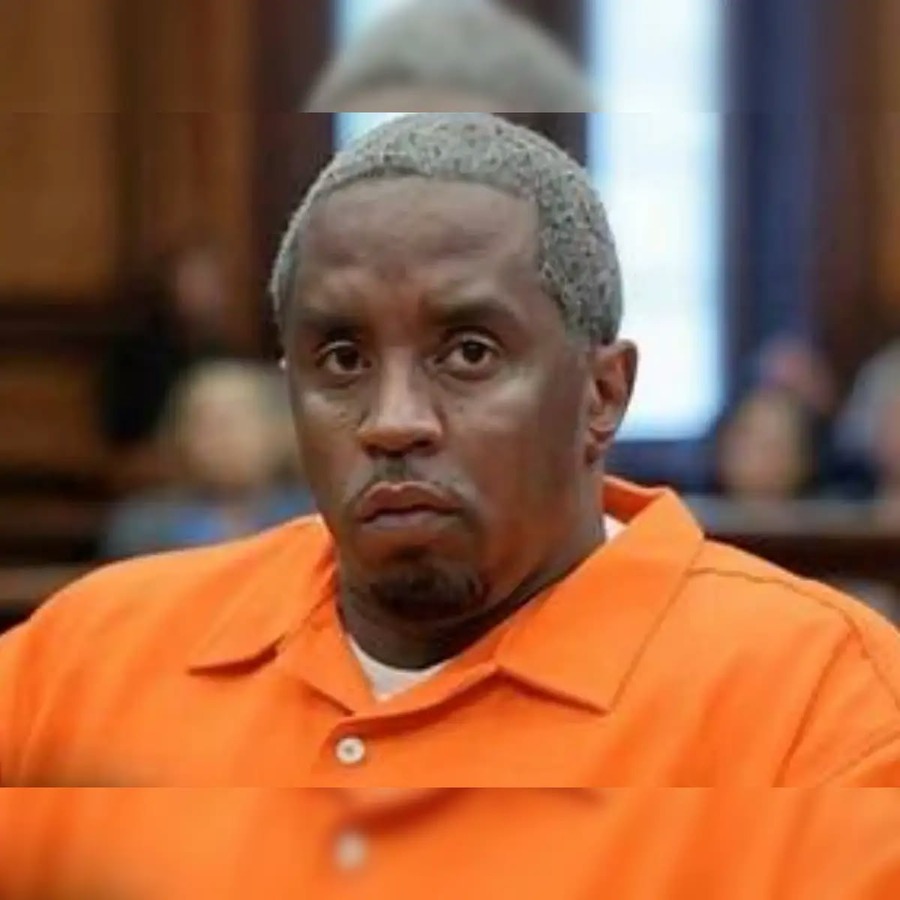
Photo: Getty Images
These allegations prompted scrutiny of his prison arrangements. Combs was subsequently placed in the Special Housing Unit, separate from other inmates.
Prison officials conducted searches and confiscated prohibited items, fuelling tensions among inmates. The alleged confrontation between Coke and Combs was reportedly connected to the fallout.
Coke led the Shower Posse, a criminal organisation involved in drug trafficking. He was arrested in Jamaica and extradited to the United States in 2010.
Read Also: Beyoncé Celebrates 20 Years of B’Day With Deluxe Edition
Coke pleaded guilty to commit assault with a dangerous weapon in aid of racketeering. He was sentenced to 23 years in prison in 2012.
Both Coke and Combs were reportedly placed in restrictive housing following the alleged confrontation. However, prison officials have not publicly confirmed those details.
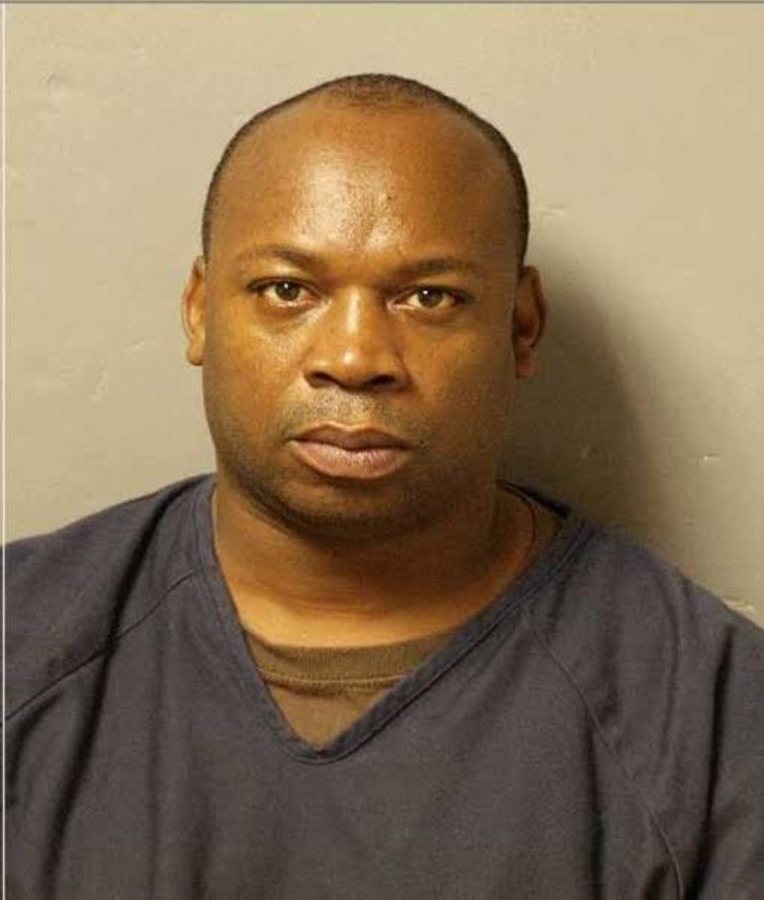
Photo: Getty Images
Following reports of Combs’ hospital visit, his spokesperson, Juda Engelmayer, said the rapper’s well-being were the immediate concern.
A spokesperson for the Federal Bureau of Prisons declined to discuss Combs’ medical status or conditions of confinement.
Combs is serving a 50-month federal prison sentence after being convicted of two counts of transportation to engage in prostitution. A jury acquitted him of racketeering conspiracy and sex trafficking charges.
He has been in custody since his September 2024 arrest. His projected release date is March 2, 2028.
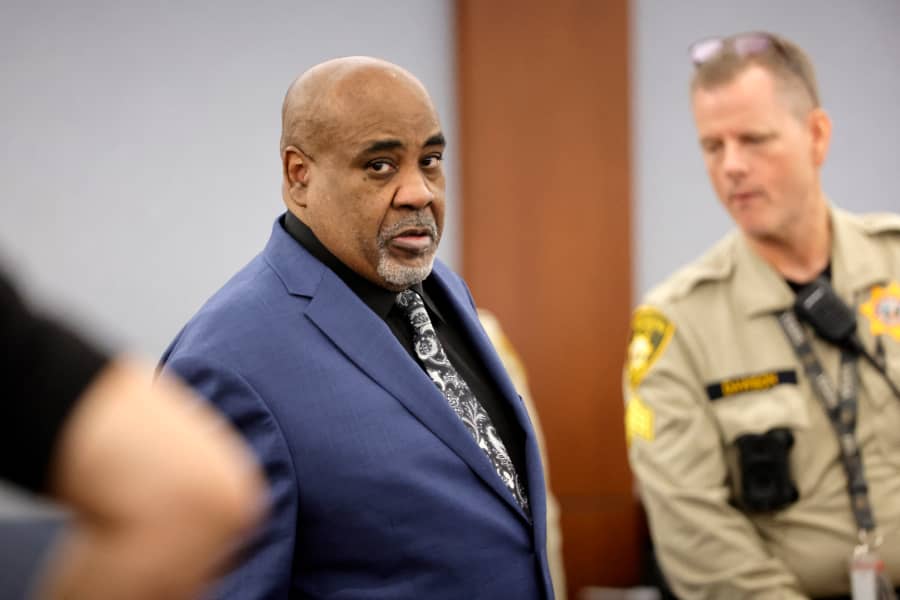
Duane “Keffe D” Davis has been sentenced to 40 years to life in prison for his role in the 1996 murder of rapper Tupac Shakur. A Las Vegas judge handed down the sentence on Tuesday, 13 October 2026, nearly 30 years after the shooting that killed the 25-year-old artist.
Davis, 63, was convicted of first-degree murder in August after prosecutors argued that he helped organise the attack and supplied the firearm used in the shooting. He is the only person to have been charged in connection with Shakur’s death.
During sentencing, Judge Carli Kierny addressed Davis directly, saying: “You don’t get to take a man from his family … and just walk away from it, especially Tupac Shakur. The world never forgot about him and his death, and neither did Las Vegas.”
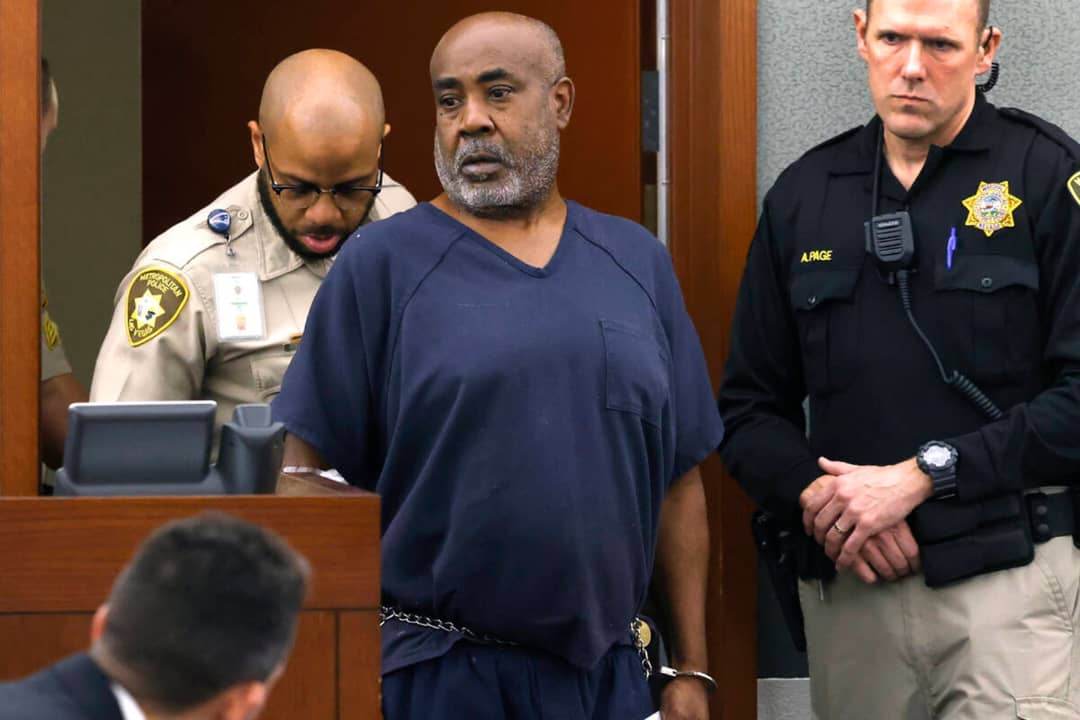
Photo: AP/John Locher, Pool
Davis said he would appeal the conviction. His lawyer, Michael Sanft, had challenged the prosecution’s case, arguing that Davis’ accounts of the killing were exaggerated and that the evidence did not independently establish his involvement.
Shakur’s sister, Sekyiwa “Set” Shakur, and half-brother, Mopreme Shakur, addressed the court during the sentencing proceedings. Sekyiwa described the emotional damage her brother’s death had caused the family, while Mopreme spoke about the future Shakur never had the opportunity to experience, including raising children and watching his nieces and nephews grow up.
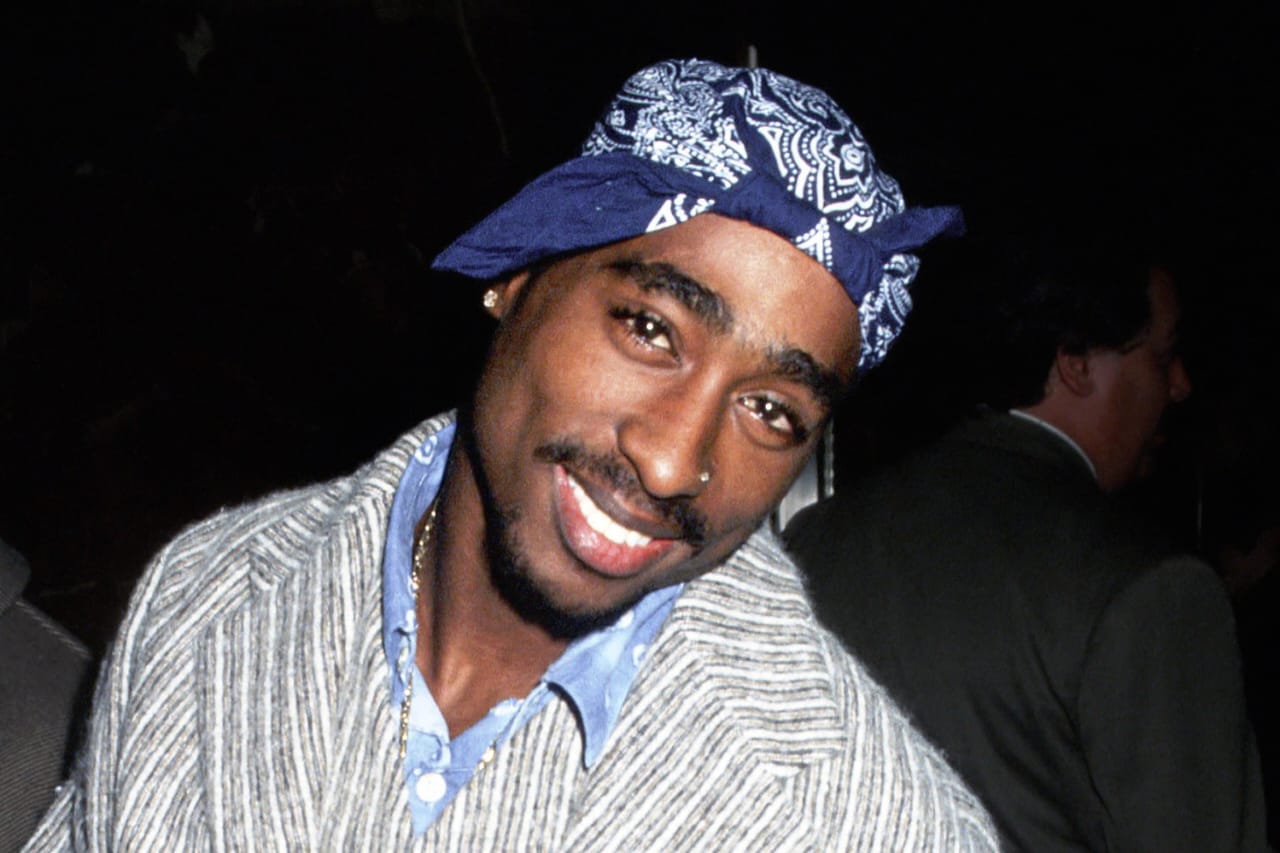
Photo: Getty Images
On 7 September 1996, Shakur was travelling in a black BMW driven by Marion “Suge” Knight, co-founder of Death Row Records, after attending a Mike Tyson boxing match in Las Vegas.
Earlier that evening, Shakur and members of his entourage had been involved in a physical altercation with Orlando “Baby Lane” Anderson, Davis’ nephew, at the MGM Grand hotel. Prosecutors argued that the confrontation prompted a retaliatory attack.
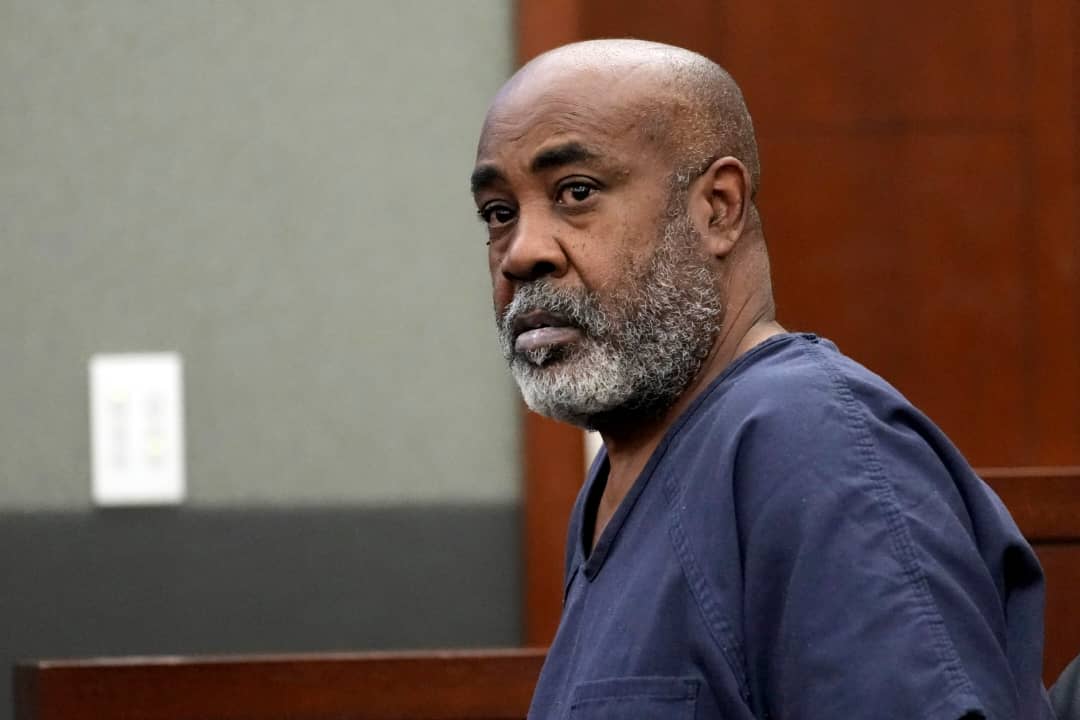
Photo: AP/John Locher, Pool
According to the prosecution, Davis and three other men were in a white Cadillac that pulled alongside Shakur and Knight’s BMW at an intersection. The occupants opened fire, hitting Shakur multiple times. Knight survived, but Shakur died in hospital six days later, on 13 September.
Prosecutors argued that Davis helped arrange the shooting and passed a firearm to an associate in the Cadillac. They did not identify him as the gunman.
The investigation gained renewed momentum after Davis spoke publicly about the killing. In a 2008 interview with law enforcement, he described being in the Cadillac and passing a gun to someone in the back seat. He also discussed the incident in interviews and his 2019 memoir, Compton Street Legend.
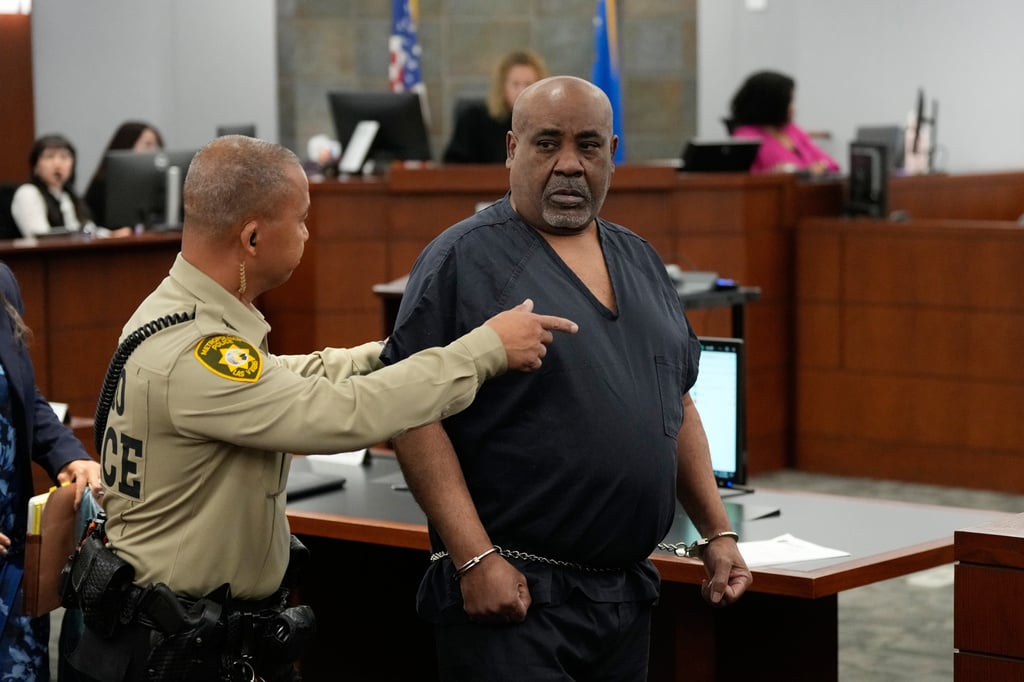
Photo: AP/John Locher, Pool
Prosecutors used his statements to support their case, while the defence argued that he had made claims to attract attention and earn money. Davis was arrested in September 2023 after investigators revisited the case. His conviction marked the first successful prosecution in Shakur’s murder.
Shakur remains an influential figure in hip-hop, with music addressing racial inequality, poverty and family struggles. His posthumous induction into the Rock & Roll Hall of Fame in 2017 recognised his contribution to music.
Davis’ sentence marks a major development in a case that remained unresolved for decades. His planned appeal means the legal proceedings may continue.


O.J. Simpson Associate’s Brother Claims He Had Bloody Hands on Night of Murders

Jill Scott Cancels 2026 South Africa Tour

Thabee Happy Steps Out in Her Best Uniform for Madden Show




-

 Music3 months ago
Rihanna Surprises Fans With Her First Live Performance in Years at Jay-Z’s Concert
-

 Health3 months ago
Constantly Tired? Your Liver Could Be Telling You Something
-

 Travels2 months ago
6 Best Hotels in Cape Town
-
 Dj Men3 months ago
The Male DJs Keeping South Africa’s Nightlife Alive
-

 Fitness3 months ago
How to Recover Faster After a Heavy Gym Session
-

 Health3 months ago
Apple Cider Vinegar: From Health and Skin to Everyday Uses
-

 Netflix2 months ago
8 Mzansi Series and Films on Netflix to Watch This August
-

 Music3 months ago
Tyla Officially Releases A*POP