
High Tech
Do Smart Glasses Have a Surveillance Problem?


Smart glasses are a growing trend in wearable technology. Meta, Google, and Snap now integrate cameras and artificial intelligence into eyewear. This is used to take photos, record videos, and answer questions. Their convenience has attracted consumers, but there is a debate about privacy. As these devices become powerful, many experts believe the biggest challenge is not the technology itself but it could become an instrument for surveillance.
Why Smart Glasses Are Different
Smart glasses allow users to capture photos and videos without a camera. This is a concern for many people. A person may be unaware they are being recorded while speaking with an individual with smart glasses. That uncertainty has made some workplaces change their policies on wearable technology. New York announced a statewide ban on smart glasses inside its courthouses, citing concerns about unauthorized recording.
Artificial Intelligence Raises the Stakes

Photo: Getty Images
The latest generation of smart glasses has many improved features. They analyze what users are looking at, answer questions about nearby objects and provide information in real-time using AI.
Privacy experts say these features could make surveillance better. Reports suggest that future smart glasses could collect information from a user’s surroundings, allowing AI systems to remember what the wearer has seen throughout the day.
According to experts, privacy regulations can’t cope with wearable AI. They warn that if smart glasses start collecting biometric information, there will be abuse.
Read Also: HUAWEI nova 14 Pro Launches in South Africa: Design Meets Performance
Facial Recognition Is another Concern
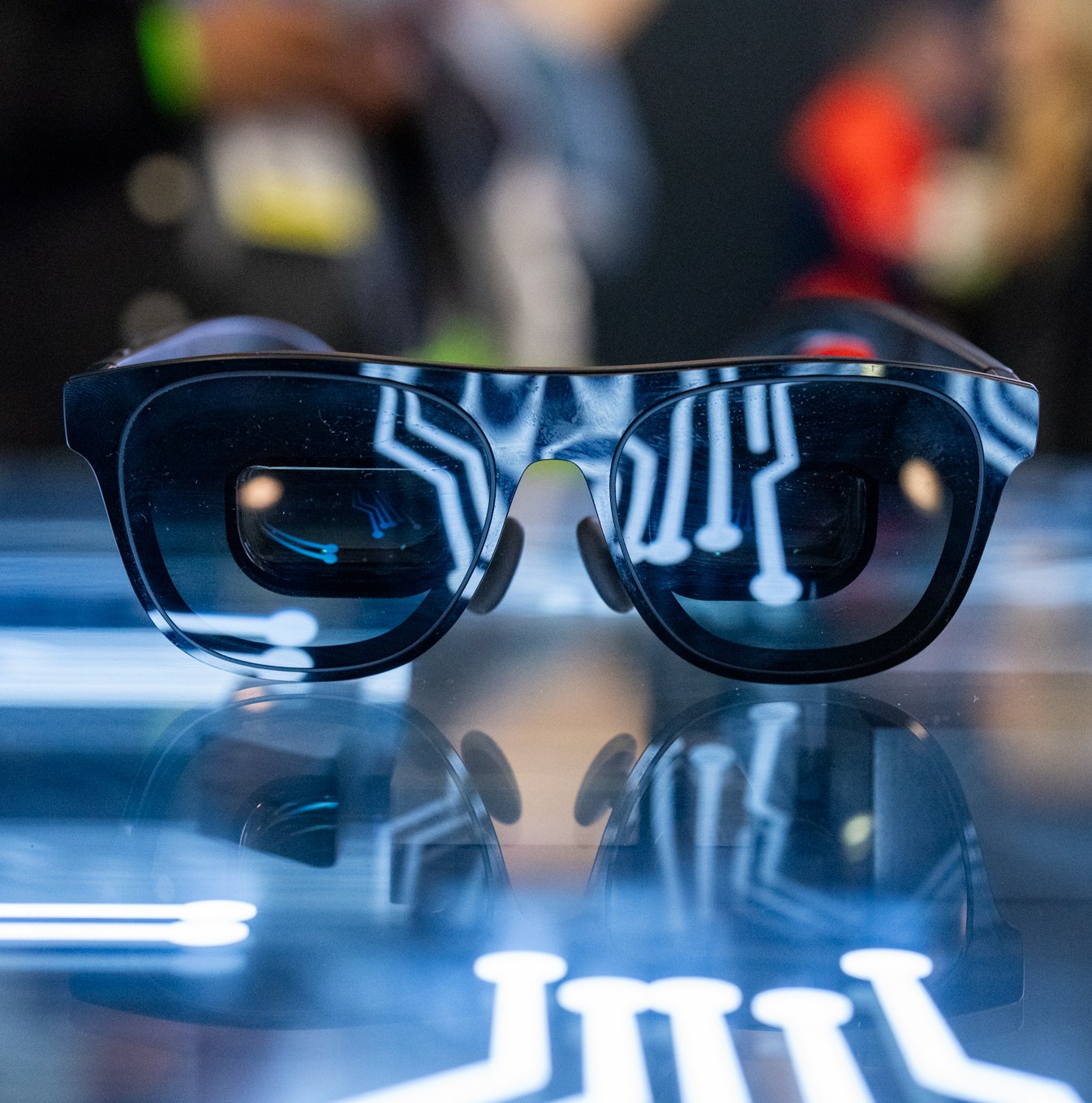
Photo: Getty Images
Privacy advocates believe facial recognition represents surveillance risk associated with smart glasses.
The Electronic Privacy Information Center (EPIC) has urged regulators to stop proposals that would integrate facial recognition into smart glasses. In a letter to the U.S. The Federal Trade Commission, the organization, warned that such technology “would pose a grave risk to privacy, safety, and civil liberties.”
He said that could lead to heightened surveillance of Americans by foreign governments and increase their risk around identity theft and fraud.
Several U.S. senators warned that smart glasses are capable of identifying people in real – time could increase the risks of stalking, harassment, and intimidation.
Companies Say Privacy Is a Priority

Photo: Getty Images
Technology companies argue that they are aware of these concerns and have introduced safeguards. Current smart glasses include recording indicator lights, physical buttons to activate cameras, privacy settings, and user controls for managing stored recordings.
Meta said its smart glasses are designed with privacy in mind..
“As our glasses become more capable and common, our teams continue to work on ways to make them even safer and more trustworthy. We set a high standard for our AI glasses because we believe it’s an essential component of any good technology,” said the company in its statement.
However, recent reports indicate the company is testing more advanced AI features that would allow glasses to observe a user’s surroundings. This has created renewed concerns among privacy experts about transparency.
Questions have also been raised about how captured information may be reviewed. Privacy advocates argue that companies should be transparent about how collected data is used.
Finding the Right Balance
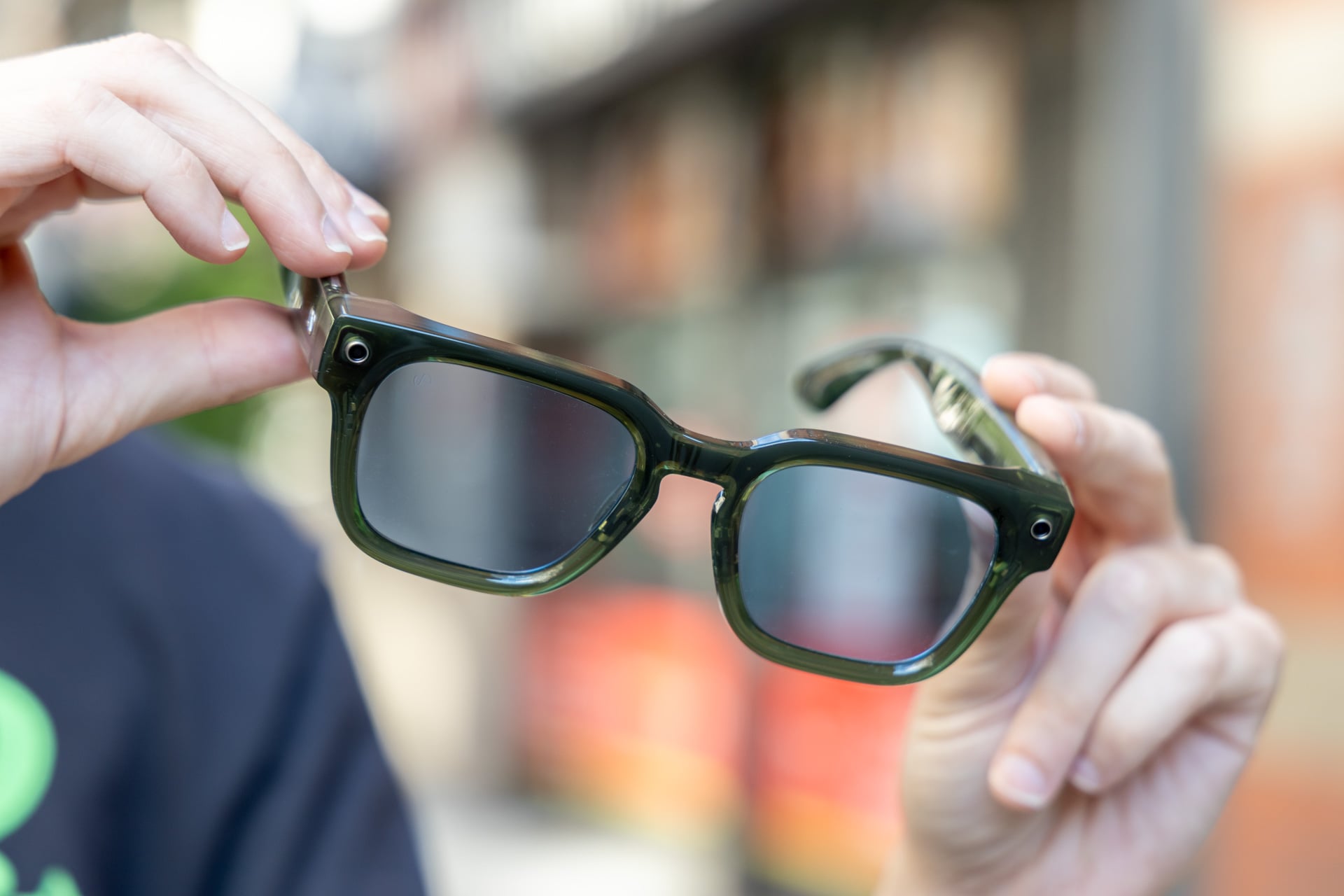
Photo: Getty Images
Despite the concerns, smart glasses have benefits. People with visual impairments can mow around better, it provides real time language translation, and supports easy communication.
Technology experts agree that innovation must not affect privacy. What is required are stronger regulations and transparent data policies to build public trust.
Smart glasses have their limitations, but the main problem is its usage. As AI becomes better, wearable devices will collect large amounts of information about everyone. That is what makes privacy protections and updated regulations necessary. Without those safeguards, the convenience of smart glasses could create more problems.




Artificial intelligence is no longer a novelty. It helps people write emails, summarise meetings, organise schedules, generate images, analyse data and brainstorm ideas. For many South Africans, AI has become another digital tool, much like search engines or online banking.
As AI becomes part of daily life, one question is becoming more relevant: are people using AI better, or are they simply using it more?
There is an important difference.

Photo: Pinterest
The growing availability of platforms such as ChatGPT, Google Gemini, Microsoft Copilot and Claude has made AI easier to access than ever. Students use it to study, entrepreneurs use it to improve workflows, professionals rely on it to draft documents, and content creators use it to develop ideas. Increased use, however, does not always translate into better results.
The value of AI depends largely on how it is used.
Many people approach AI as though it were a search engine. They type a short request, accept the first answer and move on. While this may work for simple tasks, it often produces generic or incomplete results.

Photo: Pinterest
People who consistently get better outcomes usually provide more context. They explain the purpose of the task, identify the intended audience, specify the tone and refine the response until it meets their needs.
For example, asking AI to “write an article about healthy eating” will produce a broad response. Explaining that the article is for a South African lifestyle magazine, aimed at adults looking for practical nutrition advice, will generally produce content that is more relevant and useful.

Photo: Pinterest
AI also delivers better results when it supports human expertise instead of replacing it. Journalists use it to organise research, marketers use it to generate campaign ideas, and software developers use it to speed up coding. In each case, the final work still depends on human judgement, editing and fact-checking.
That human oversight remains essential. AI can present incorrect information with confidence, misunderstand instructions or miss important context. It should not be treated as the final authority, particularly when accuracy matters.
Another habit that separates experienced users from casual users is the way they ask questions. Instead of relying on a single prompt, they break complex tasks into smaller steps. This makes it easier to refine the information and produce more accurate results.

Photo: Pinterest
The greatest advantage of AI is not simply that it saves time. It is what people do with the time they gain. Some use those extra minutes to improve the quality of their work, learn new skills or focus on tasks that require creativity and sound judgement. Others simply complete more work without improving its quality.
As AI becomes more common in workplaces, employers are placing greater value on people who know how to use it responsibly. That includes writing clear prompts, reviewing AI-generated content carefully, protecting sensitive information and recognising when human expertise is needed.

Photo: Pinterest
Using AI every day is no longer unusual. Using it well is what makes the difference.
The people who benefit most from AI are not necessarily those who spend the most time using it. They are the ones who ask better questions, evaluate the responses critically and combine AI’s speed with their own knowledge and experience.
As AI continues to develop, success will not be measured by how often people use it, but by how effectively they turn it into a practical tool that supports better decisions, stronger work and meaningful results.
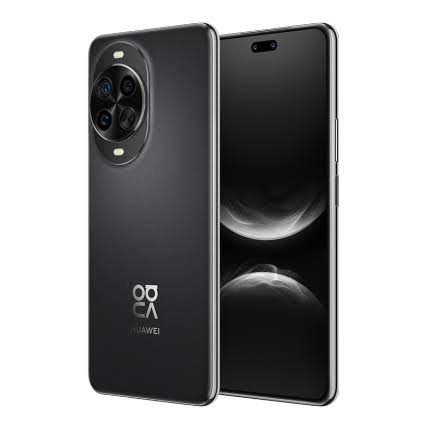
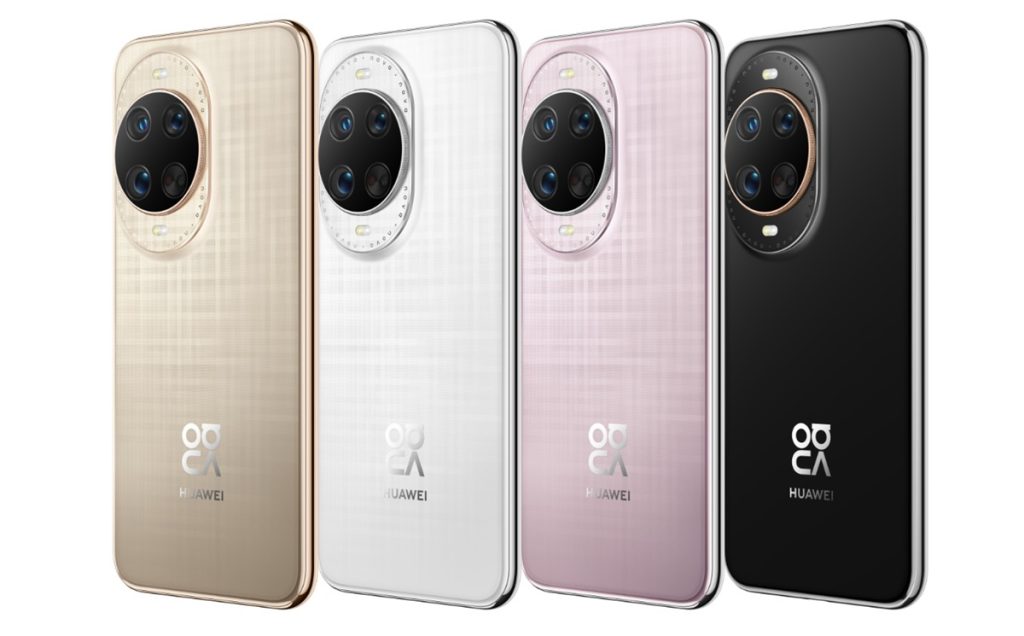
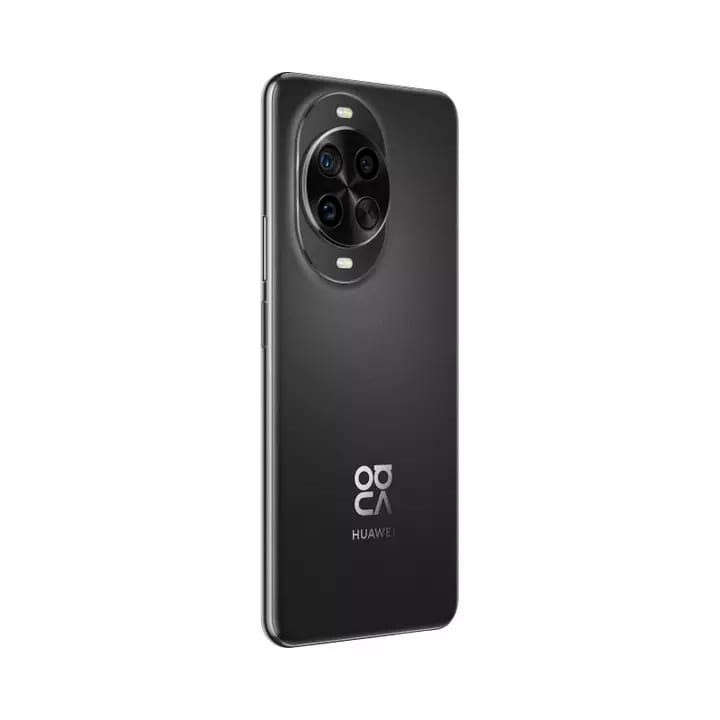
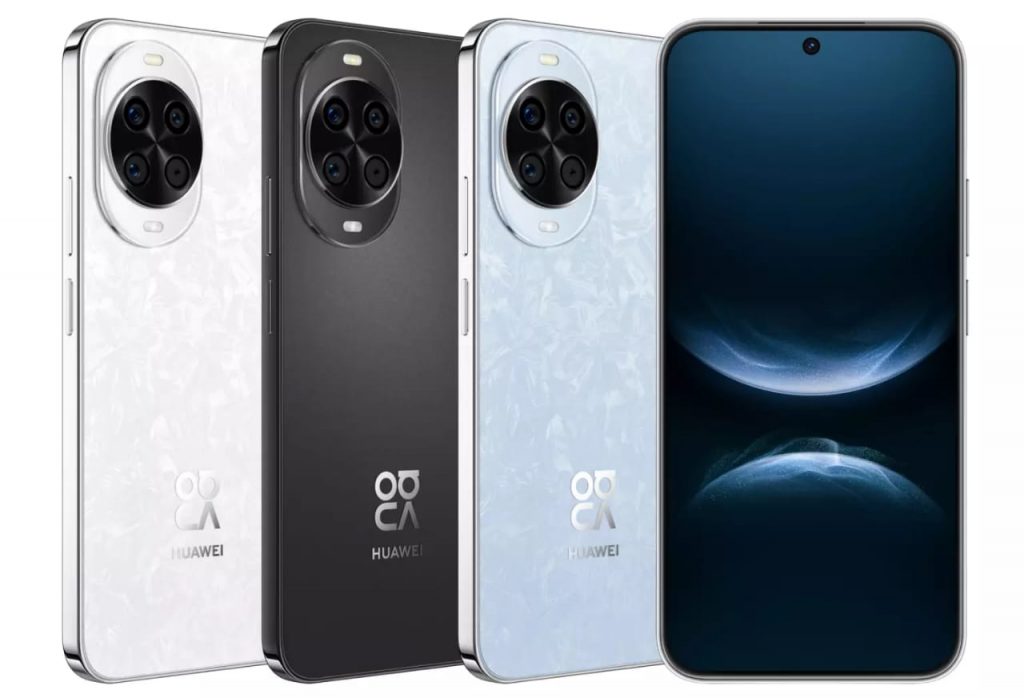
Huawei has introduced the nova 14 Pro to the South African market, offering a combination of display, camera, and battery features aimed at users seeking a versatile smartphone. The device is available in Crystal Blue and Black, with local pricing starting at approximately R12,999 via Huawei’s online store. Retail plans are also offered from R499 per month over 36 months.
Credit – Google
The nova 14 Pro comes with a 6.78‑inch quad‑curved display that wraps around the edges, supporting LTPO adaptive refresh rates up to 120Hz and HDR Vivid technology. The screen is designed to maintain high brightness for outdoor use, while the curved edges provide a distinctive look and feel.
Photography features are delivered through the Ultra Chroma Camera System, complemented by a front-facing dual-camera setup with a 50MP Ultra Portrait Autofocus Camera and an 8MP Close-up Portrait Camera. The XD Portrait Engine 3.0 software analyses colour, shape, and texture, and tools such as AI Remove and multiple portrait styles allow users to adjust images.
Credit – Google
Performance is supported by a 5,500mAh battery and 100W fast charging, with AI-assisted temperature management helping to prevent overheating. The device also includes an ergonomic design, premium materials, and IP protection against dust and splashes. Features like AI Gesture Control enable hands-free navigation.
Credit – Google
In South Africa, the nova 14 Pro is positioned in the mid-to-upper smartphone segment. Its combination of large display, multiple camera functions, and battery performance makes it a complete package for users who require versatility in one device.
With the launch of the nova 14 Pro, Huawei adds to its smartphone lineup a device that brings together design, camera technology, and battery capacity for everyday use. The specifications highlight the company’s focus on providing a functional device suitable for a wide range of users.

Have you ever fantasised living in a world where your health can be monitored continuously without regular annual checkups? With wearable technology, it is now a reality. The invention of smartwatches, glucose monitors and other wearable devices is fast becoming an important part of healthcare. This tech is simple and designed to help everyone make better health choices.
About Wearable Technology

Wearable technology refers to smart devices that collect and share information. They help track sleeping patterns, heartbeat, glucose level, among others. Some examples of devices are fitness bands, health-management patches, and smart watches. Most are synchronised with apps (Android or IOS) to provide necessary data about your well-being. The aim is to ensure that health monitoring is easily accessible. Instead of visiting the doctor (which can take time), users can get real-time health data instantly.
Helps With Everyday Health
One fascinating use of these devices is their ability to track all fitness activities. They can count steps (even when you use a treadmill) and check your pulse. Some signal you to change your position if you have been stagnant for long. These actions help prevent serious health problems like obesity, high blood pressure, and stroke. Meanwhile, for those with sleeping problems, these wearables help suggest the best time to sleep and the ideal position. Proper use of these devices helps you feel more motivated, eat better, and have improved overall health.
Read Also : Is Self-Care Just Marketing? The Truth Behind Beauty and Mental Health
Manage Serious Health Issues

These devices have also changed how people manage serious health conditions. There are now ECG monitors that can help track irregular heartbeats and give an early warning. Also, diabetics who use early glucose monitors can check their blood sugar levels and know when to use Insulin or stop. With the help of these gadgets, hospital visits have reduced, and people have better control of their health. There has also been a growth in remote monitoring after the COVID-19 pandemic
Data Privacy
One major issue that remains controversial about wearable gadgets is privacy. These devices collect sensitive user health data. Users must understand that this information remains private and isn’t shared with outsiders. Luckily, many countries have laws that state how data from these devices is handled.
What the Future Holds?

This technology will definitely become better in the next few years. There are plans to create devices that can manage anxiety levels and detect early signs of mental burnout. Some firms like Mojo Vision and Innovega are already working on smart contact lenses and glass combinations. We also have traditional lens manufacturers like Johnson & Johnson and Alcon exploring various smart lens prototypes.
Final Thoughts
Wearable technology revolution is beyond fashion, it’s about resting a simple and smarter way to care for your health. These devices have become valuable to anyone who seeks to stay fit and keep their health in good condition. You can stay on track and get reliable health insights in real-time. With these gadgets, the future of healthcare is in good hands.


Diddy’s Head Injury Reportedly Linked to Fight With Jamaican Drug Lord

Tyla Opens A*POP Tour in Paris

Duane ‘Keffe D’ Davis Sentenced to 40 Years to Life for Tupac Shakur’s Murder




-

 Travels3 months ago
Why Solo Travel Could Be the Best Decision You Ever Make
-

 Music3 months ago
Rihanna Surprises Fans With Her First Live Performance in Years at Jay-Z’s Concert
-

 Movies3 months ago
Zendaya Wraps ‘Euphoria’ Run With Third Emmy Nomination
-

 Events3 months ago
Shannon Benting Set to Compete at Miss Supranational 2026 in Poland
-

 Health3 months ago
Constantly Tired? Your Liver Could Be Telling You Something
-

 Travels2 months ago
6 Best Hotels in Cape Town
-

 Dj Men3 months ago
The Male DJs Keeping South Africa’s Nightlife Alive
-

 Fitness3 months ago
How to Recover Faster After a Heavy Gym Session