
Wellness
How to Prepare for the HYROX Event in Cape Town


HYROX is a global fitness race that attracts athletes and fitness enthusiasts. If you plan to compete and succeed at the HYROX event in Cape Town, you should be fit mentally and physically.
Understand the HYROX Race Format
Before training begins, you need to understand the HYROX race format. Participants complete eight rounds of 1 kilometre running, each followed by a functional workout station. These include sled pushes, rowing, lunges, and wall balls. Athletes run 8 kilometres while completing eight strength and conditioning challenges.

Photo: Instagram
Build a Strong Running Base
Running makes up about half of the race and often determines overall performance. Training guidance from HYROX coaches suggests increasing running volume and practising running both before and after workouts to simulate race fatigue.
A good weekly plan may include:
- Easy runs to build endurance
- Interval sessions for speed
- Tempo runs to improve pacing
- Practice runs after strength exercises
Training your body to run on tired legs is essential, as each run comes under fatigue.
Train Functional Strength
Functional strength exercises play a major role. Stations include sled push and pull, farmer’s carry, burpee broad jumps, rowing, sandbag lunges, and wall balls.
Your strength training should focus on:
- Full-body endurance
- High repetitions with moderate weight
- Grip strength
- Movement efficiency
Training should help your body adapt with transitions between exercises.

Photo: Instagram
Practice Compromised Running
One unique feature of HYROX preparation is compromised running. This means running immediately after strength work to copy race conditions. Training improves pacing under fatigue.
Read Also: Why Training with Your Circle Keeps You Consistent
Prioritise Recovery and Consistency
The pressure to succeed pushes many beginners to train too hard. Gradual progress is recommended to reduce injury risk. HYROX training works best when workouts are consistent.

Photo: Instagram
Key recovery elements include:
- Enough sleep
- Drink water
- Rest
- Stretching
- Mobility work
Prepare Mentally for Race Day
HYROX events are long, often lasting around 90 minutes or more. Learning how to pace yourself and stay calm under fatigue is important. Breaking the race helps with pacing. Knowing the race flow ahead will boost confidence.
IWhile anyone can participate in the HYROX event in Cape Town, success comes from consistency.














Fasted training has become a popular fitness trend, especially among women who exercise first thing in the morning. It involves working out after an overnight fast, usually before breakfast. During this time, insulin levels are lower and the body relies more on stored fat for energy during lower-intensity exercise.
Some fitness enthusiasts say this helps the body burn more fat. While research supports that claim during the workout itself, experts say it does not automatically lead to greater fat loss over time. Lasting results still depend on factors such as diet, training quality, recovery and consistency.
Potential Benefits for Women
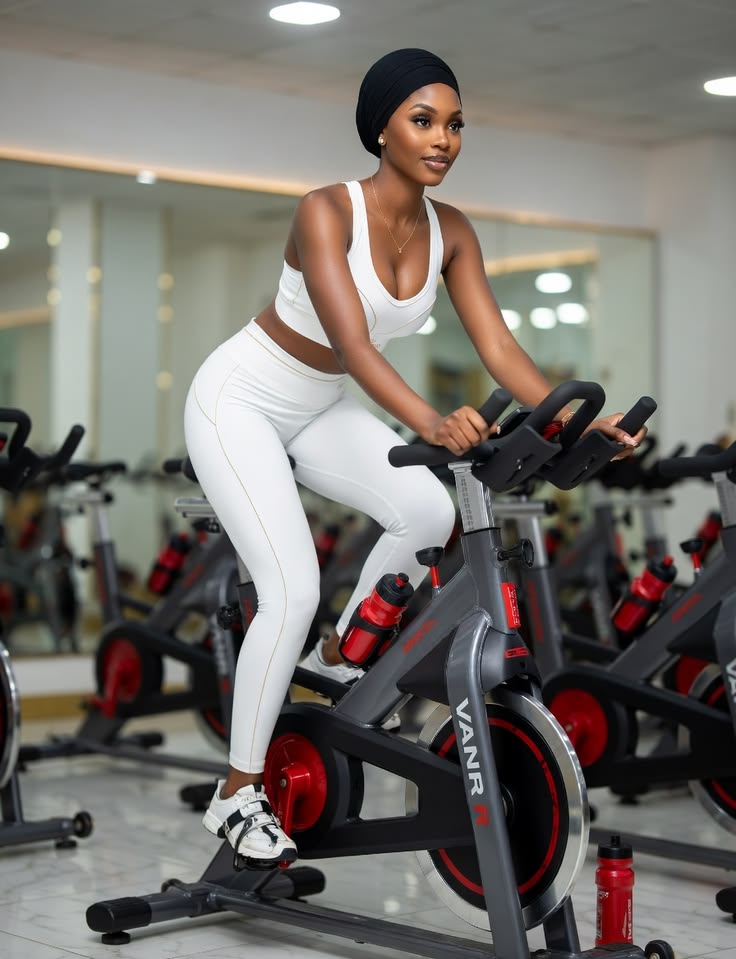
Photo: Pinterest
Research shows that fasted exercise increases fat oxidation, meaning the body uses a higher percentage of fat as fuel during lower- to moderate-intensity activities such as brisk walking, cycling or an easy run. For women with busy schedules, exercising before breakfast can also make it easier to maintain a regular fitness routine without having to plan meals around workouts.
Some studies suggest fasted exercise may help the body respond more effectively to insulin, which plays an important role in regulating blood sugar, although researchers say more studies are needed before firm conclusions can be drawn. Some women also find it more comfortable to exercise on an empty stomach, especially if eating beforehand causes bloating or a heavy feeling.
The Risks to Consider

Photo: Pinterest
High-intensity workouts depend heavily on carbohydrates for energy. Without enough fuel, some women may tire more quickly, struggle to maintain performance or lift less weight.
Recovery can also be slower if protein and carbohydrates are not consumed after demanding workouts. In addition, some women experience dizziness, headaches, nausea or low energy when exercising without eating, particularly during longer sessions or if they are dehydrated.
Women’s hormonal responses to fasting may also differ from men’s. Some experts believe combining frequent fasting with intense exercise may place extra stress on the body, although more research involving women is still needed.
Does It Help With Weight Loss?
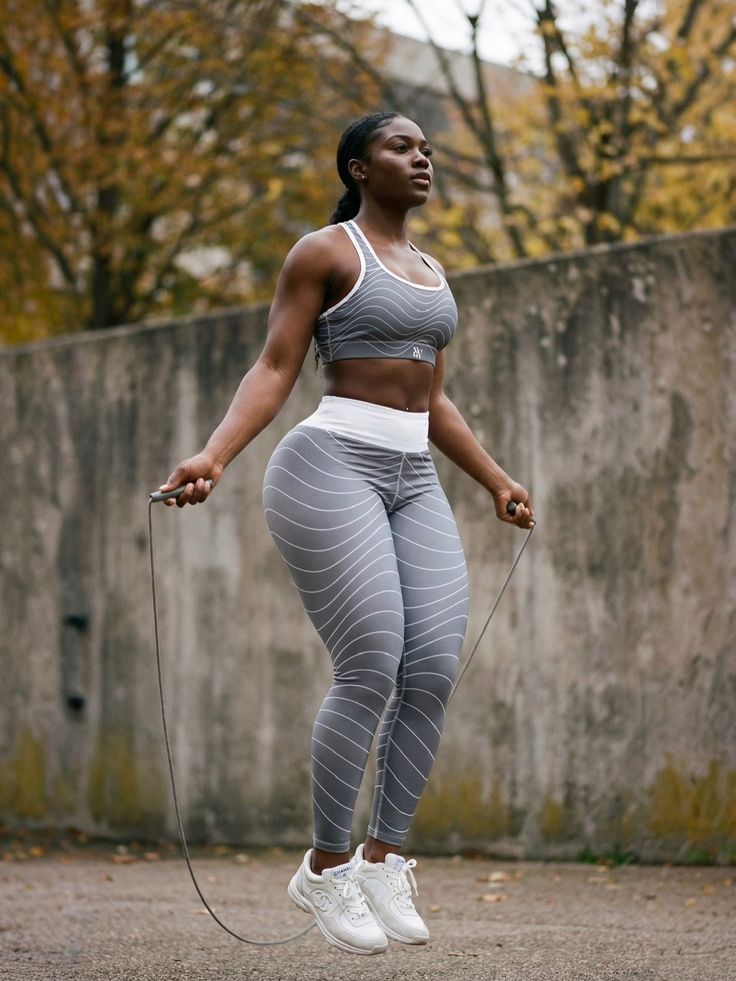
Photo: Pinterest
A common belief is that burning more fat during exercise leads to faster weight loss. Current evidence does not support that conclusion.
Studies comparing fasted and fed exercise generally find little difference in body fat loss when calorie intake and training are similar. Fasted training changes how the body uses energy during exercise, but it is not a shortcut to losing weight.
Should You Try It?
Fasted training may suit women who enjoy low- to moderate-intensity morning workouts and feel comfortable exercising before breakfast. It may be less suitable for heavy strength training, high-intensity interval workouts or endurance sessions, where eating beforehand can help maintain performance.
If you want to try fasted training, start with shorter sessions, stay hydrated and pay attention to how your body responds. Feeling persistently dizzy, weak or unwell is a sign to stop and reassess your routine.
After your workout, eat a balanced meal containing protein and carbohydrates to support recovery and restore energy levels.

Photo: Pinterest
Fasted training can increase fat burning during exercise, but current evidence does not show that it leads to greater weight loss than exercising after eating. Whether it is the right choice depends on your fitness goals, the type of exercise you do and how your body responds.
Rather than focusing on when you eat, experts agree that a balanced diet, consistent training and proper recovery remain the biggest drivers of long-term fitness and weight management.

While workouts are good, combining it with the right nutrition is better. Nutrition helps muscle growth, recovery and performance. A well planned meal is needed to support muscle development. Research shows combining resistance training with proper nutrition helps increase muscle mass.
Take Enough Protein
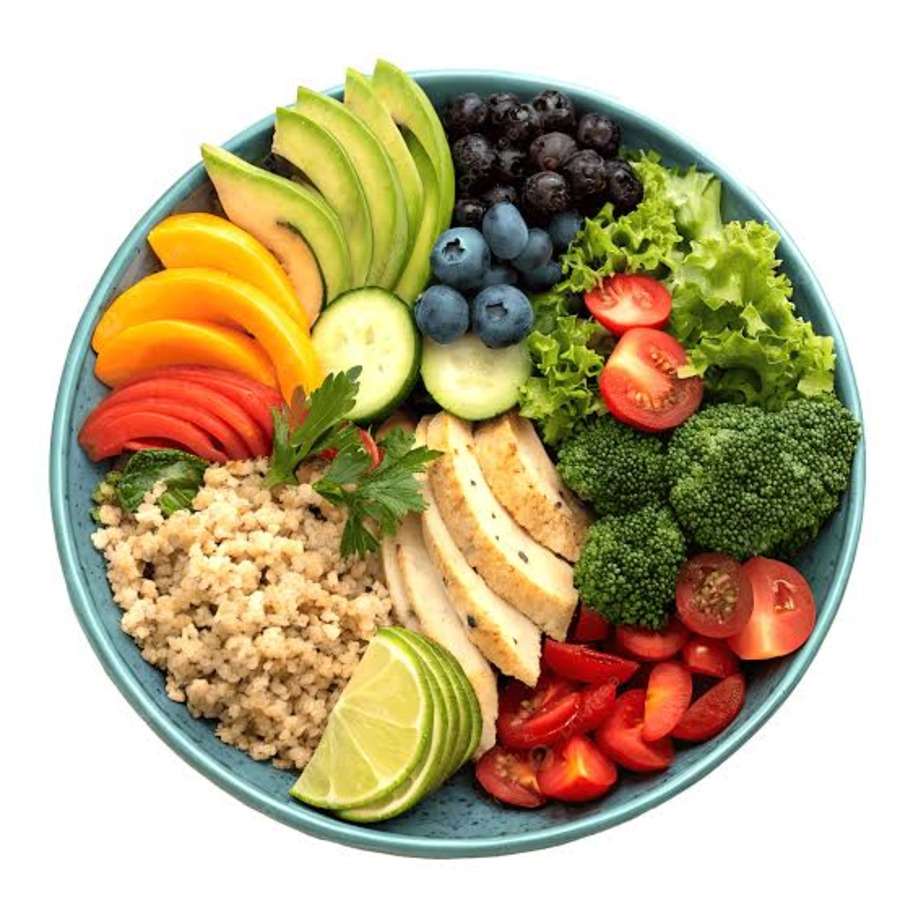
Photo: Getty Images
Protein supports muscle growth because it contains amino acids. To gain muscle, take about 2 grams of protein per kilogram daily.
High quality protein include:
- Chicken breast
- Turkey
- Fish
- Eggs
- Milk
- Soya products
- Beans
Eat Calories
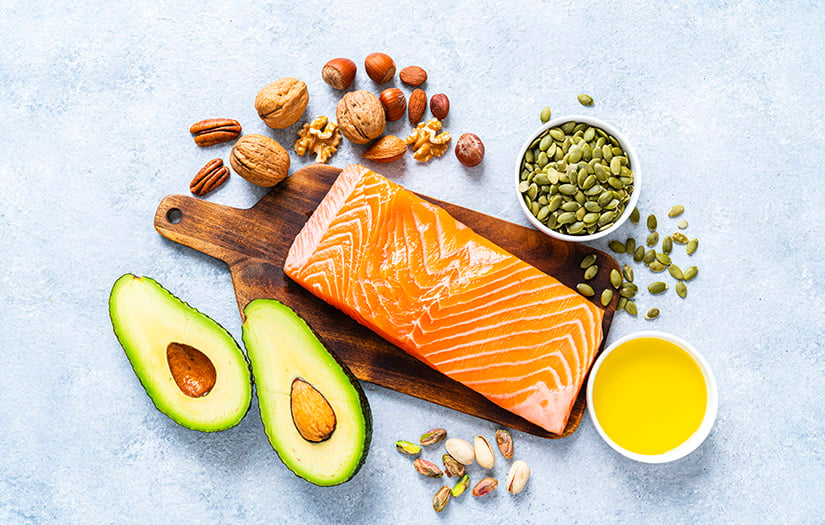
Photo: Getty images
Asides protein, another nutrient you should have are calories. Without them, the body struggles to build new muscle tissue. Consider your body size when taking calories. However, be careful because calories affect body mass. Always check your body weight to determine if it is enough. Take dense foods over junk for good health.
Carbohydrates
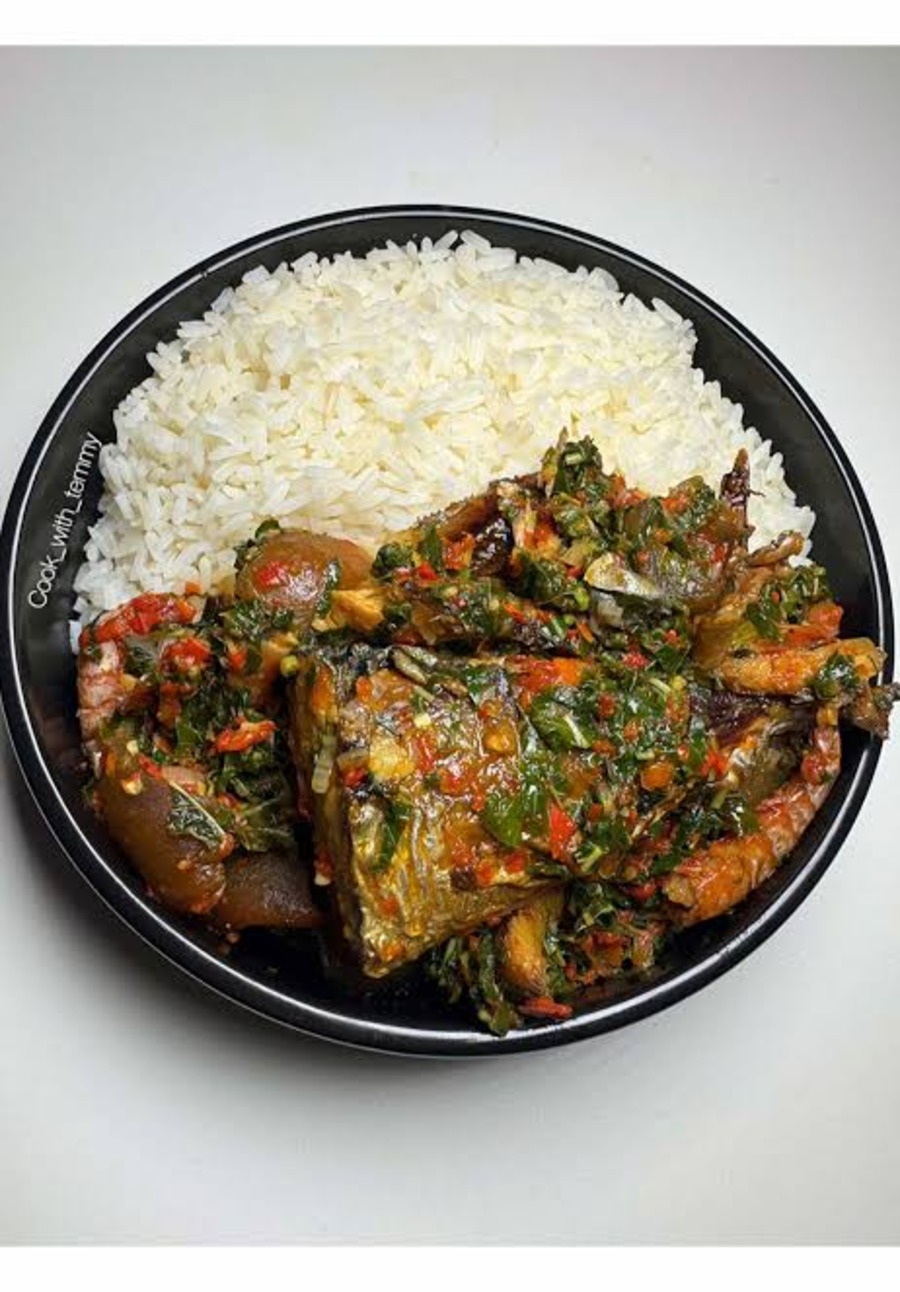
Photo: Getty Images
Carbohydrates provide the energy everyone needs. When glycogen in muscles deplete, they restore it. This makes them ideal for workout performance.
Good carbohydrates to consider are:
- Brown rice
- Oats
- Sweet potatoes
- Whole grain bread
- Whole grain pasta
- Fruits
Read Also: Simple Habits That Naturally Boost Your Mind and Body
Healthy Fats
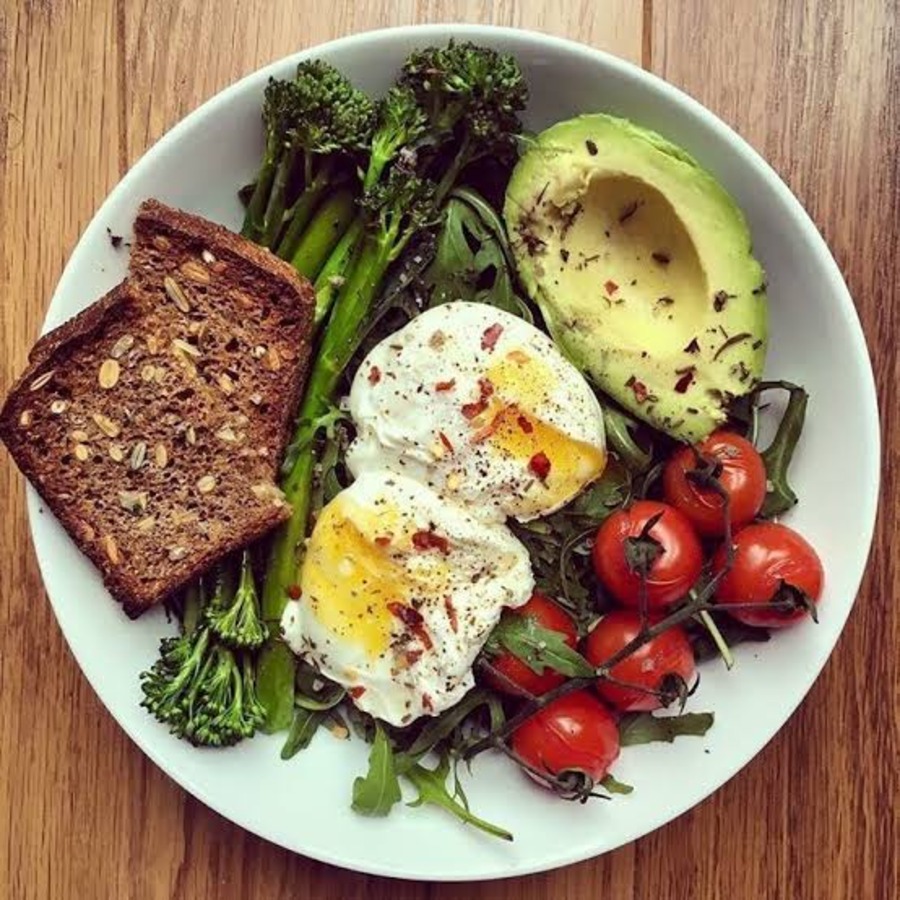
Photo: Getty Images
There are good and bad fats, if you want a strong muscle, take good fats. These fats support hormone production, and promote muscle development. With them, you can absorb nutrients easily into the body.
Healthy fat sources you should try are:
- Avocados
- Nuts
- Seeds
- Olive oil
- Salmon
- Natural nut butters
You need about 25 percent of daily calories from healthy fats.
Water
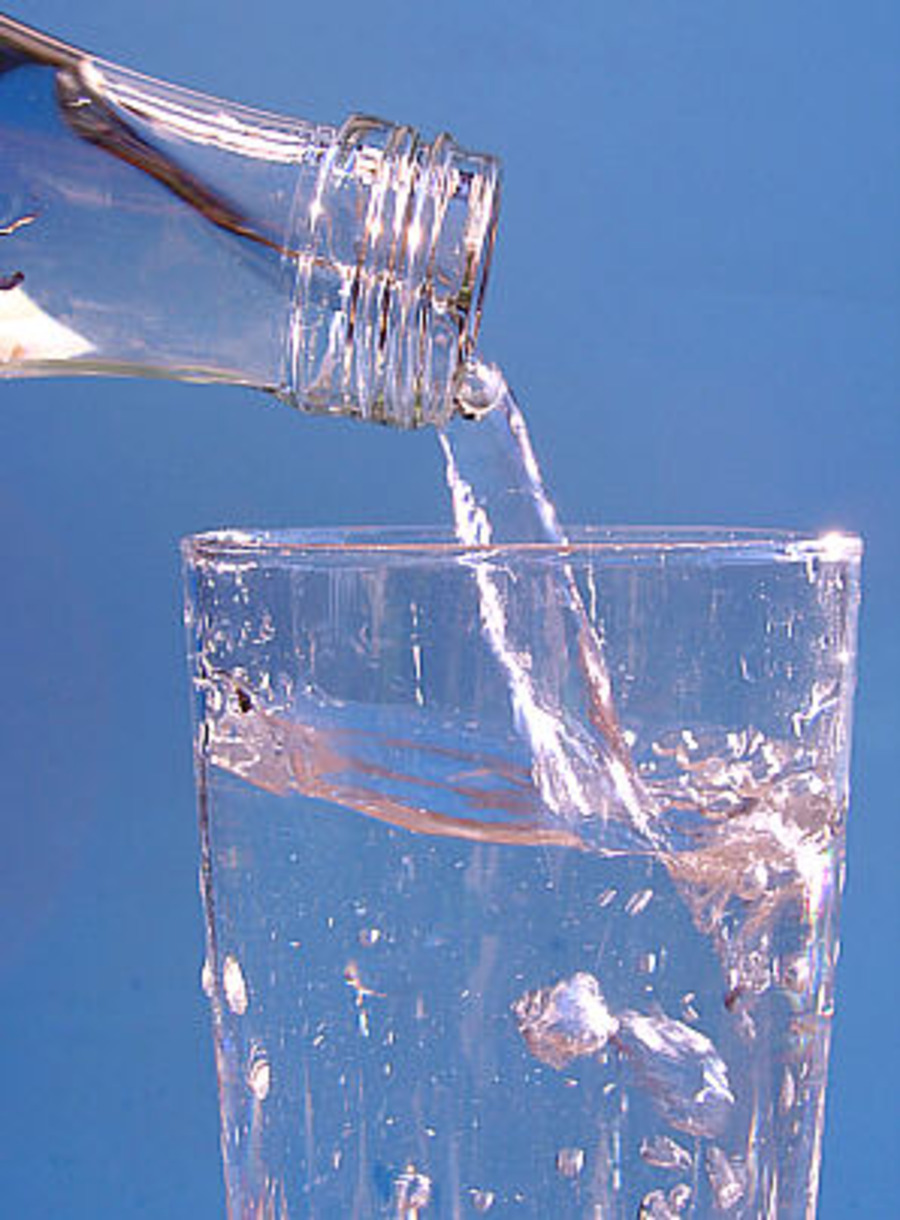
Photo: Getty Images
While meals are ideal, you can not achieve optimal performance with a dehydrated body. Water should be your best friend if muscle building is what you seek. You can take two litres of water daily for Best results.
A meal plan will help your fitness goals. With good nutrition, your body performance will improve. By keeping yourself hydrated and eating a balanced diet, your wellness goals will be achieved.

The question appears straightforward: when should you eat yogurt to maximise its benefits? Nutrition experts do not point to a fixed hour. What they highlight instead is a pattern shaped by digestion, gut activity, and how yogurt functions in the body.
Recent coverage in publications like Vogue and dietitian-led health platforms indicates a change in dietary guidance. Timing plays a role, but it is not fixed.
Most experts agree there is no universal clock for yogurt consumption. It can be consumed at different times and still deliver benefits. Consistency and product quality are more important. Yogurt contains probiotics, live bacteria that support gut health, and these benefits rely on regular intake and choosing options with live and active cultures. Timing, however, can influence how efficiently the body uses those benefits.

Photo – Pixabay
Yogurt is often easier to digest earlier in the day. Digestive activity is higher during daylight hours. Stomach acid, enzymes and gut movement are more active, helping break down food and allowing probiotics to survive long enough to reach the intestines. This is why many nutritionists suggest eating yogurt mid-morning, at lunch or in the early afternoon. These periods are less likely to cause discomfort compared to late-night consumption. Research also suggests that metabolic efficiency is higher earlier in the day, making yogurt easier to process.
How yogurt is eaten also matters. Experts often recommend consuming it with meals rather than on an empty stomach. A slower digestive process gives probiotics more time to survive and reduces the chance of acidity or discomfort. Eating yogurt shortly before or alongside a meal can further support probiotic survival.

Photo – Pinterest
There is limited evidence that eating yogurt at night is harmful. If the body tolerates it well, it still provides nutritional value. However, digestion slows in the evening, and some people experience bloating or discomfort. Dairy products may feel harder to process late at night. Some traditional dietary practices discourage nighttime consumption, but modern nutrition does not apply this restriction universally. Individual tolerance remains important.
Timing matters more when there are specific health goals. For digestion and gut health, daytime intake with meals supports probiotic survival. For weight management, eating yogurt earlier in the day or before meals may help control appetite due to its protein content. For sleep or recovery, nighttime yogurt may provide limited benefits due to nutrients like calcium and tryptophan, although evidence remains limited.

Photo – Pinterest
Overall, choosing yogurt with live cultures, keeping added sugar low, pairing it with fibre-rich foods such as fruit, oats or nuts, and eating it regularly matter more than timing.
There is no strict best time to eat yogurt, but consistent trends exist. Earlier in the day, especially with meals, supports digestion and probiotic effectiveness. Nighttime consumption is still acceptable if it suits the individual. Yogurt works best when it fits into a balanced routine.


Siyanda Bani Gives the Tiered Dress a Glamorous Update in Powder Blue

8 Mzansi Series and Films on Netflix to Watch This August

Elvira Dyangani Ose Named Zeitz MOCAA’s New Artistic Director




-

 Celebrity News3 months ago
Focalistic Becomes First African Musician to Collaborate With Adidas South Africa
-

 Netflix3 months ago
What Happened at Kevin Hart’s ‘Get Roasted’ Show and Why It’s Going Viral
-

 Lifestyle3 months ago
10 Best Mother’s Day Gifts for Mom This Year
-

 Travels3 months ago
6 National Parks to Visit in South Africa This Autumn
-

 Health3 months ago
The 5 Best Anti-Inflammatory Drinks to Enjoy Throughout the Day
-
 Food3 months ago
Best Foods for Women’s Heart Health After 30
-

 Movies3 months ago
5 African Films to Stream Before May Ends
-

 Celebrity News3 months ago
Moozlie Opens Up About Split From Jr Ecko, Says They Parted on Good Terms