
Movies
Classic South African Movies to Binge On


When talking about the African movie industry, SA classics are among the best. It doesn’t matter your preferred movie genre; these classics will entertain you always. They are rooted in true stories and remain evergreen. Here are Mzansi classics worth binge-watching.
Tsotsi

Tsotsi’ is widely regarded as one of South Africa’s most important films. Presley Chweneyagae stars as a young thug who accidentally kidnaps a baby during a carjacking. The film follows his struggle to overcome the harsh realities of township life while caring for the baby. Released in 2005 and directed by Gavin Hood, it won the Academy Award for Best Foreign Language Film.
The Gods Must Be Crazy
This is a South African comedy movie released in 1980. The film began when a coca cola bottle dropped from the sky inside an African village. The villagers were surprised and believe it is from the gods. However due to the spread of jealousy and conflicts among them, Xi, a bushman, was determined to return the bottle. Setting off, he met different people along the way and had some funny moments. The movie is educational and shows the culture and tradition of different people. It is a classic movie that will put a smile on your face.
Mapantsula

The 1988 movie was directed by Oliver Schmitz and portrays the truth about apartheid in Johannesburg. Thomas Mogotlane (Panic), played the character of a petty criminal who wanted to survive on the streets. He tried evading police but was drawn into political activism. Although banned in the country for some time, it remains one of SA’s classics that tells the truth of what happened during apartheid.
Read Also : Bride Hard Trailer Review– Rebel Wilson Goes Full Spy
Cry,The Beloved Country
This is an emotional South African movie set during the era of apartheid in Africa. The story is about a black reverend who goes to Johannesburg from his small village in search of his son. His view about city life changes when he sees his family struggles. The film shows how poverty, race and crime affects people. Khumalo (the priest) meets another white clergyman whose son was killed by Khumalo’s son. Despite the sorrow and pain, both men learnt a lot from one another with the aim of healing. The movie teaches about forgiveness, unity and how to effect change in a society despite all those obstacles.
Sarafina

Despite having been released over three decades ago, Sarafina! remains a top international movie. It was inspired by Mbongeni Ngema’s stage musical. The 1992 film talks about the 1976 Soweto Uprising, when students protested against apartheid education policies. Leleti Khumalo delivers a powerful performance that cemented her as one of South Africa’s finest actresses in the country. Hollywood actress Whoopi Goldberg also stars as a teacher who inspires her students to fight for change. At its heart, the film explores what apartheid meant for South African youth
Final Thoughts
These classics are beyond entertainment; they have cultural and social values. They show the voice and struggle of a nation that’s striving for perfection. It doesn’t matter if you have watched them before or how; they are timeless. Just sit down, grab a bottle of Amarula and popcorn, and watch stories that shape the South African movie industry.
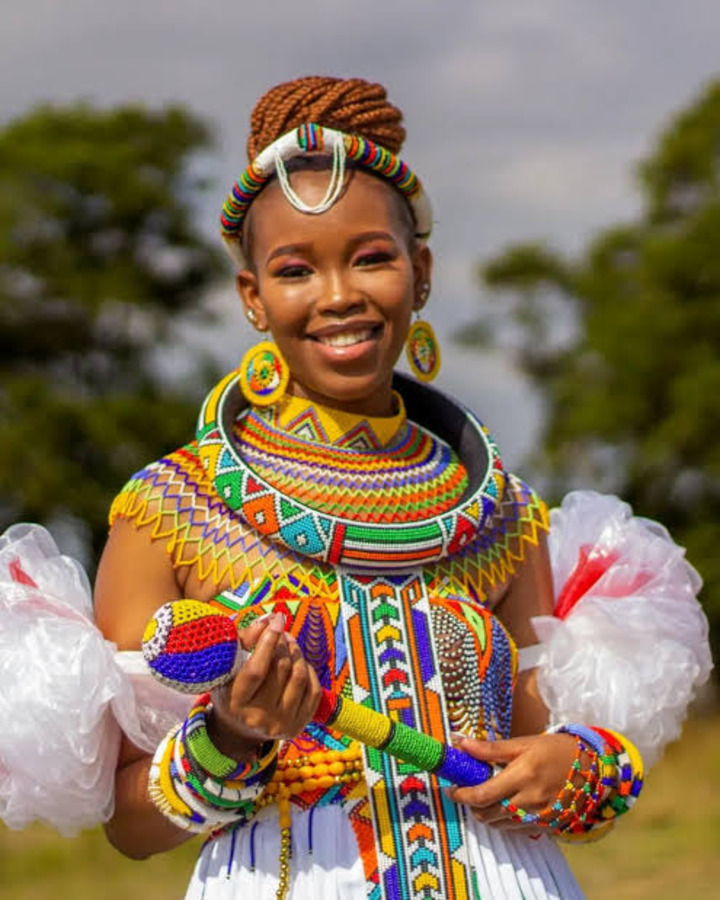
Heritage Day, observed on 24 September, is the perfect time to celebrate the country’s diverse cultural heritage and history. Film is one way to revisit important moments that shaped the country. Here are 5 classic films worth watching on this occasion.
Sarafina
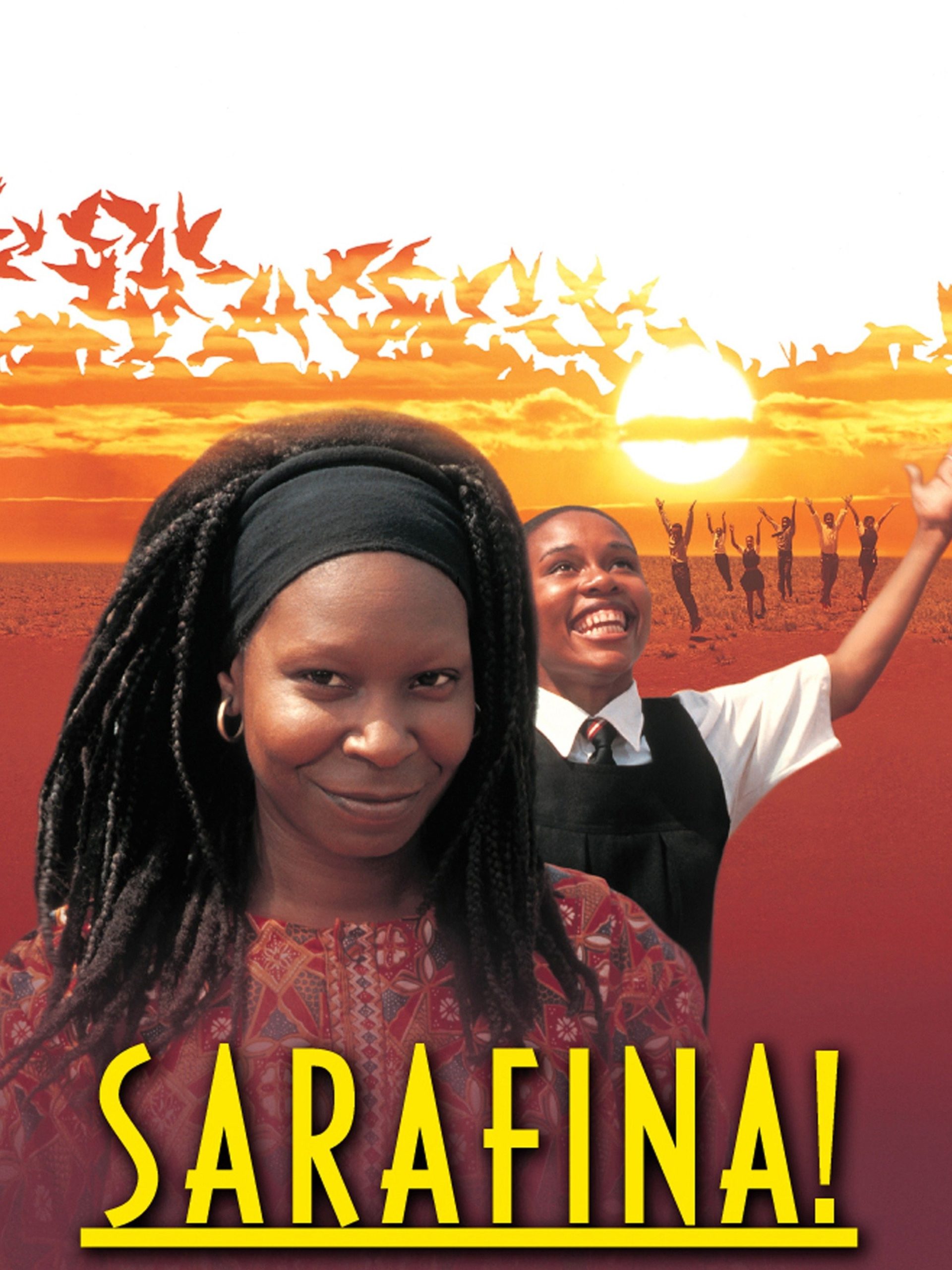
Photo: Rotten Images
Sarafina tells the story of a student in Soweto involved in 1976 student protests. Leleti Khumalo played Sarafina. Whoopi Goldberg, John Kani and Miriam Makeba were in the film. It was adapted from Mbongeni Ngema’s stage production and premiered at the 1992 Cannes Film Festival.
Tsotsi
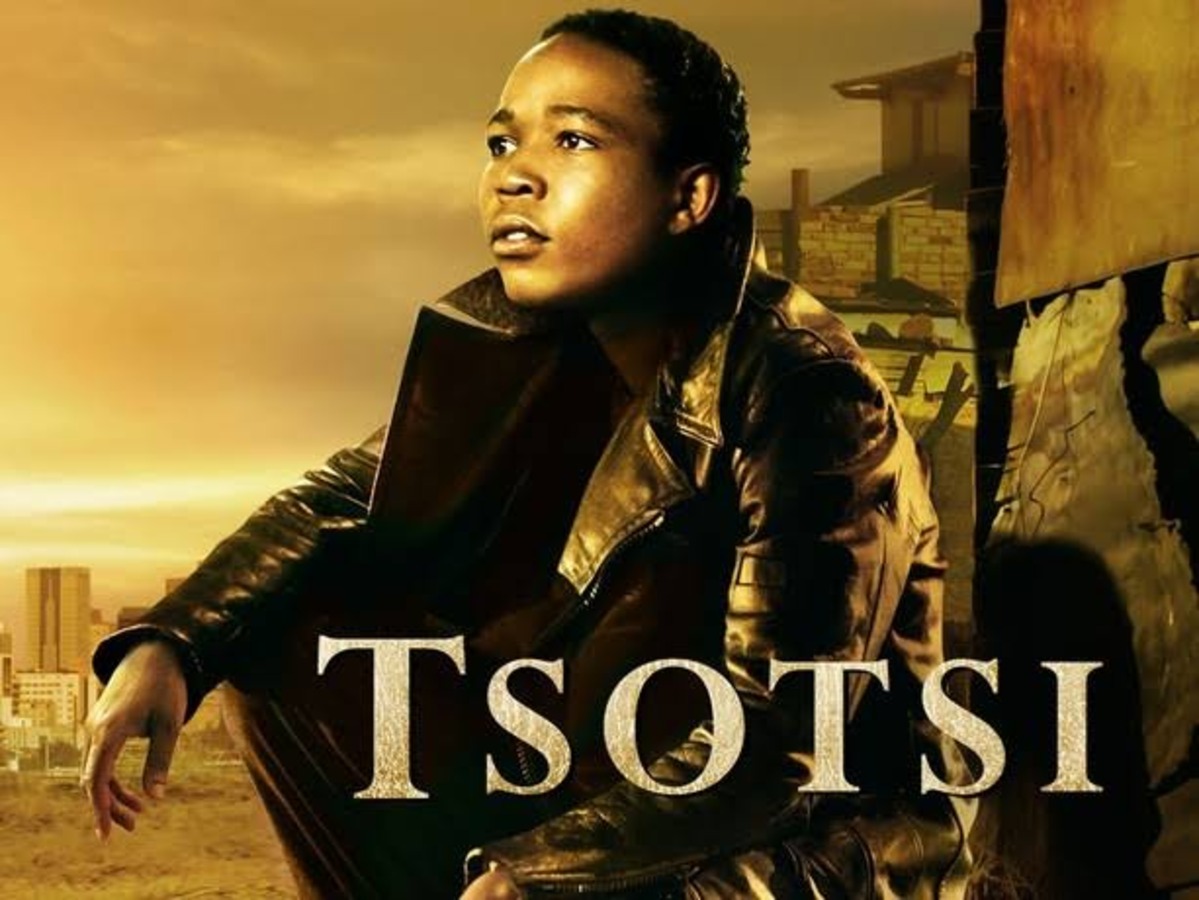
Photo: Rotten Tomatoes
Gavin Hood’s Tsotsi came out in 2005 and is set in Johannesburg. The film follows a gangster who takes a baby after discovering him in a car he has hijacked. Presley Chweneyagae starred as Tsotsi. He won the Academy Award for Best Foreign Language Film.
Read Also: 5 Movies to Watch in 2026
Yesterday
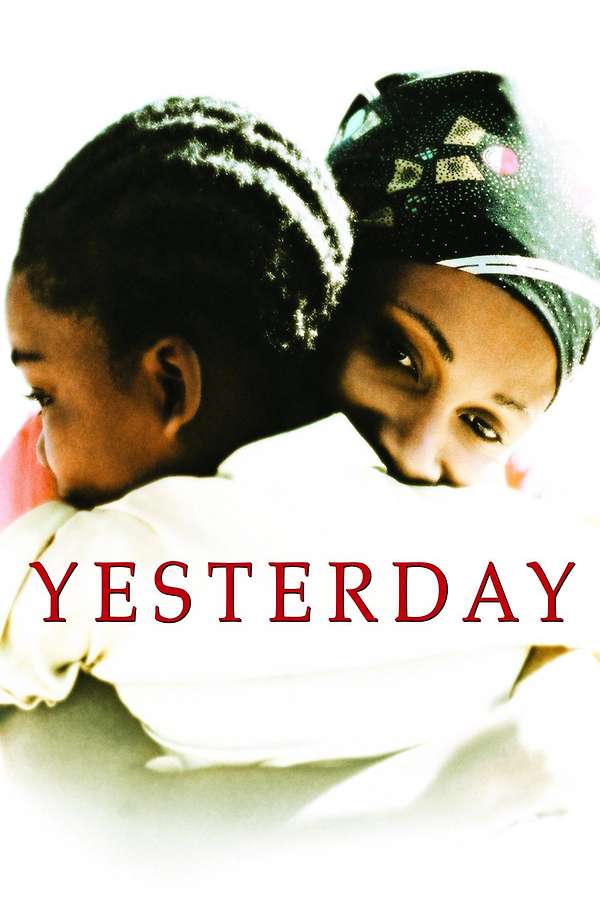
Photo: Rotten Tomatoes
Leleti Khumalo starred as Yesterday in the film. It tells the story of a young woman who cares for her daughter after being diagnosed with HIV. Darrell James Roodt directed this movie.
District 9
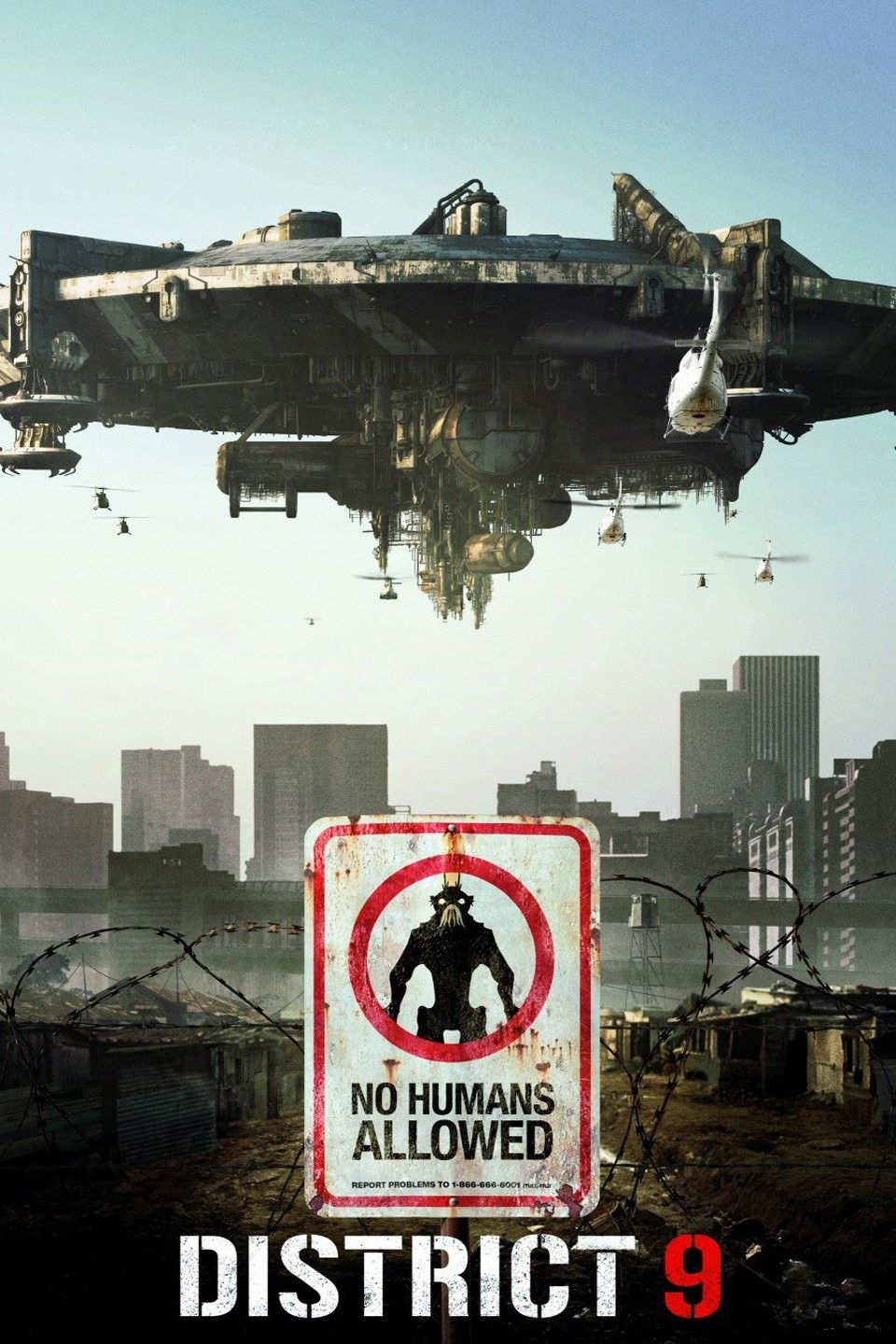
Photo: Rotten Images
Neill Blomkamp’s District 9 is a 2009 science-fiction film. The film follows Sharlto Copley’s character, Wikus van de Merwe, a government official tasked with overseeing the relocation of aliens living in Johannesburg. The film got Oscar nominations in four categories. They are Best Picture, Adapted Screenplay, Film Editing and Visual Effects.
Invictus

Photo: Rotten Tomatoes
Invictus was directed by Clint Eastwood in 2009. This story is about Nelson Mandela’s presidency and the 1995 Rugby World Cup. Morgan Freeman played Nelson Mandela, while Matt Damon played Springboks. It was based on John Carlin’s book Playing the Enemy and was filmed in Johannesburg and Cape Town.
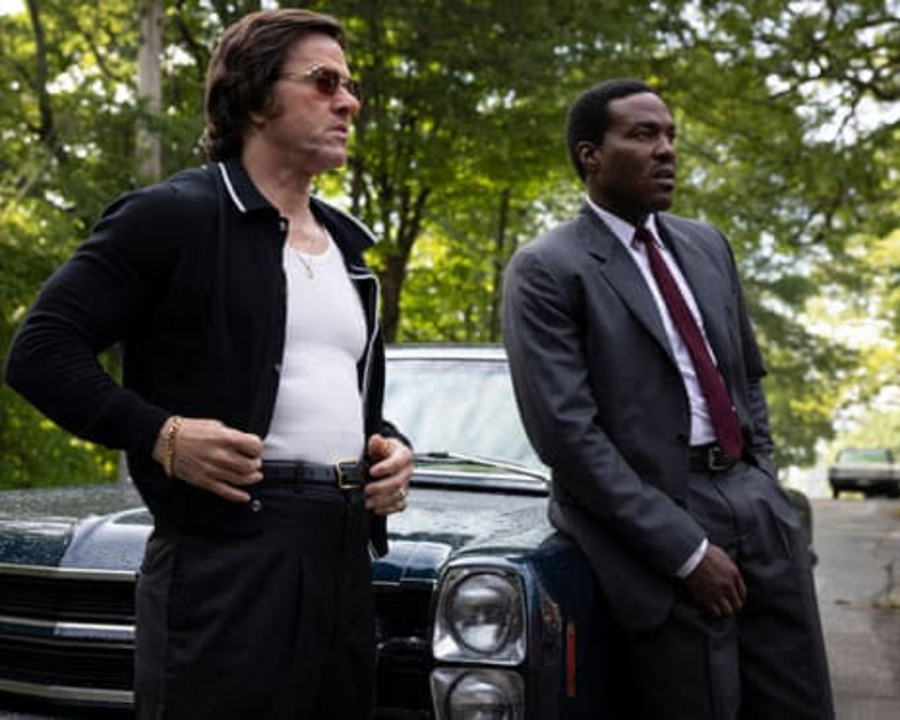
By Any Means takes a dark chapter of American history and makes it into a crime thriller. Set against the violence and racial tensions of 1966 Mississippi, the film follows an FBI investigation into the murders of civil rights leaders. It does not present Mississippi as just a backdrop. It makes the setting part of the story.
Plot
The story is about a young Black FBI agent sent to Mississippi to investigate a series of murders connected to the civil rights movement. When he arrived, he landed in an uncomfortable position. He represents an institution that many Black communities have little reason to trust. He has to work in an environment that is unfamiliar.
By Any Means builds tension around the obstacles facing the investigators. Information is difficult to obtain, loyalties are uncertain and the threat of violence is real.
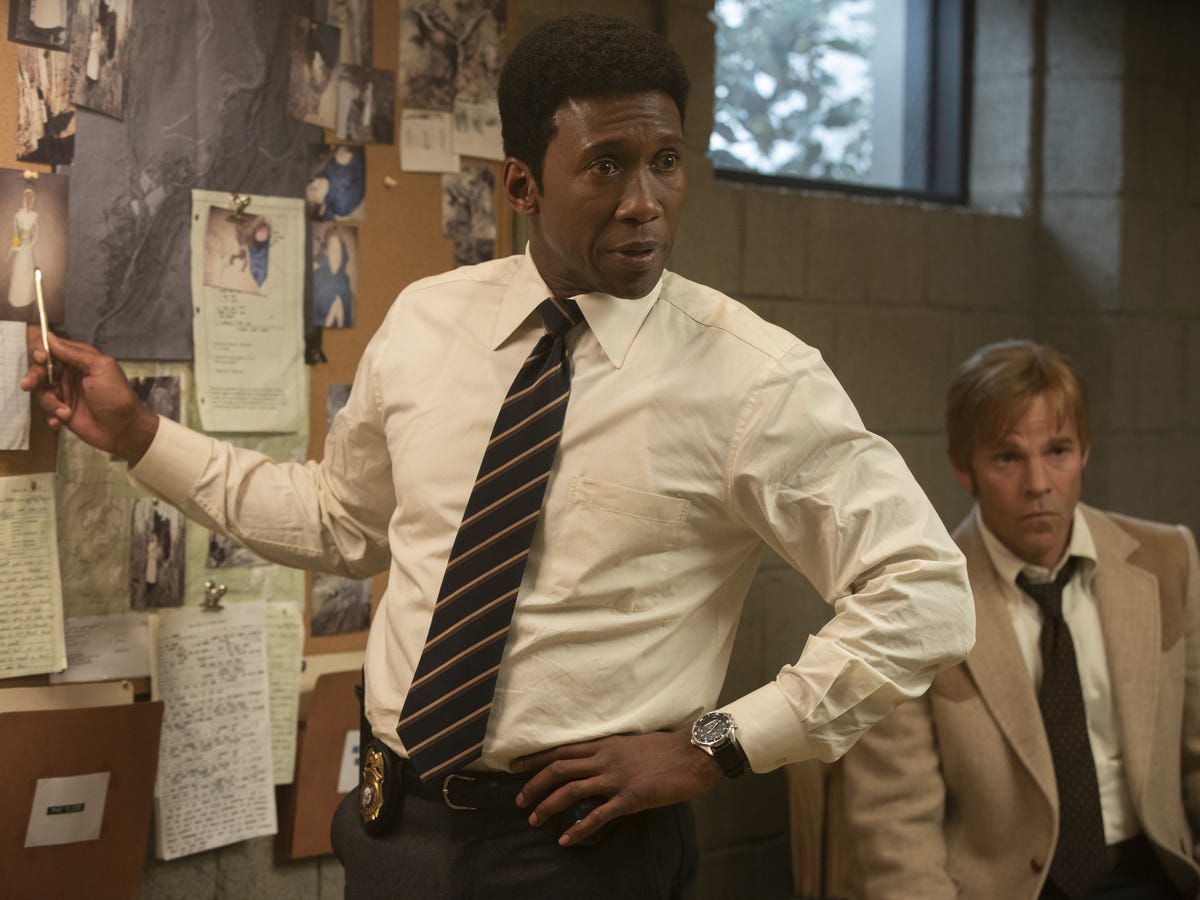
Photo : Just Jared
A Thriller With Something to Say
What makes By Any Means good is the way its social themes are built into the thriller. The film explores racism, institutional distrust and the struggle for justice, but these ideas influence the characters and the investigation.
The main character has to navigate several conflicting identities. His position as a Black agent allows him to connect to the people affected by the violence.
That tension gives the film much of its emotional weight. It also prevents the protagonist from becoming a standard crime thriller hero who simply arrives, solves the case and leaves.
Read Also: Buntu Petse Joins “Inimba” Season 2
Cast
Mark Wahlberg plays Gregory Scarpa, the Mafia hitman who becomes an unlikely ally. He underwent a major physical transformation for the role.
Giancarlo Esposito plays civil rights leader Vernon Dahmer, while Nicole Beharie, Josh Lucas, LisaGay Hamilton, LaChanze, Ethan Embry and David Strathairn appear in important roles.
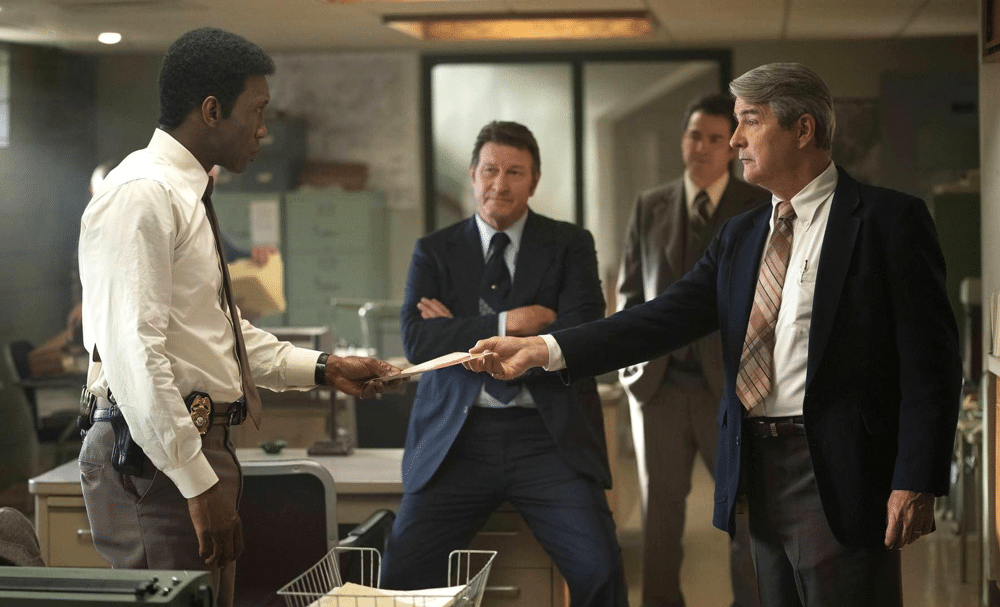
Photo: Just Jared
Production and Visual Style
The production uses the period setting to create an uneasy atmosphere. The locations, costumes and cinematography help establish a Mississippi where danger feels close even when nothing violent is happening.
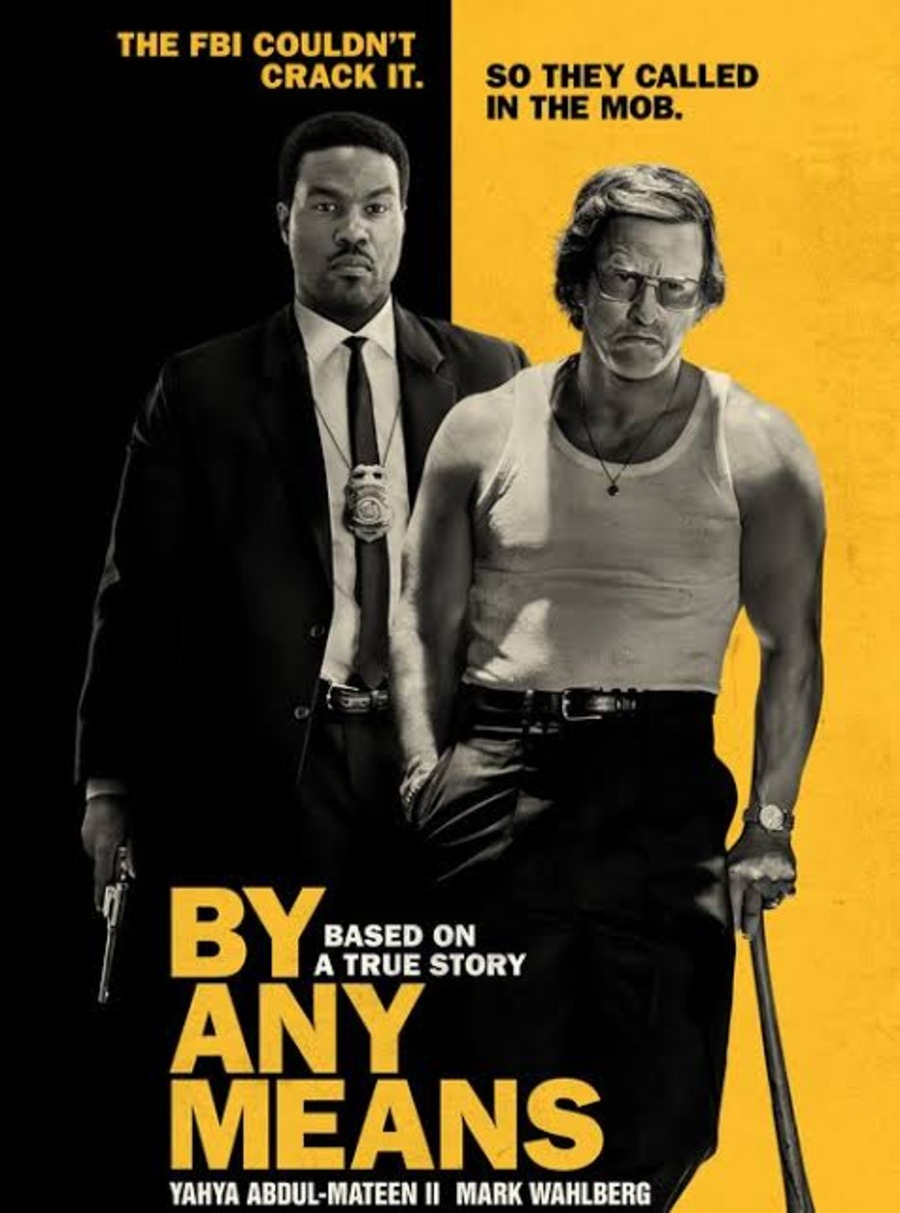
Photo: Just Jared
This is not a movie for viewers looking for a fast, action-packed mystery. It is for audiences interested in crime dramas that combine suspense with a difficult chapter of American history.
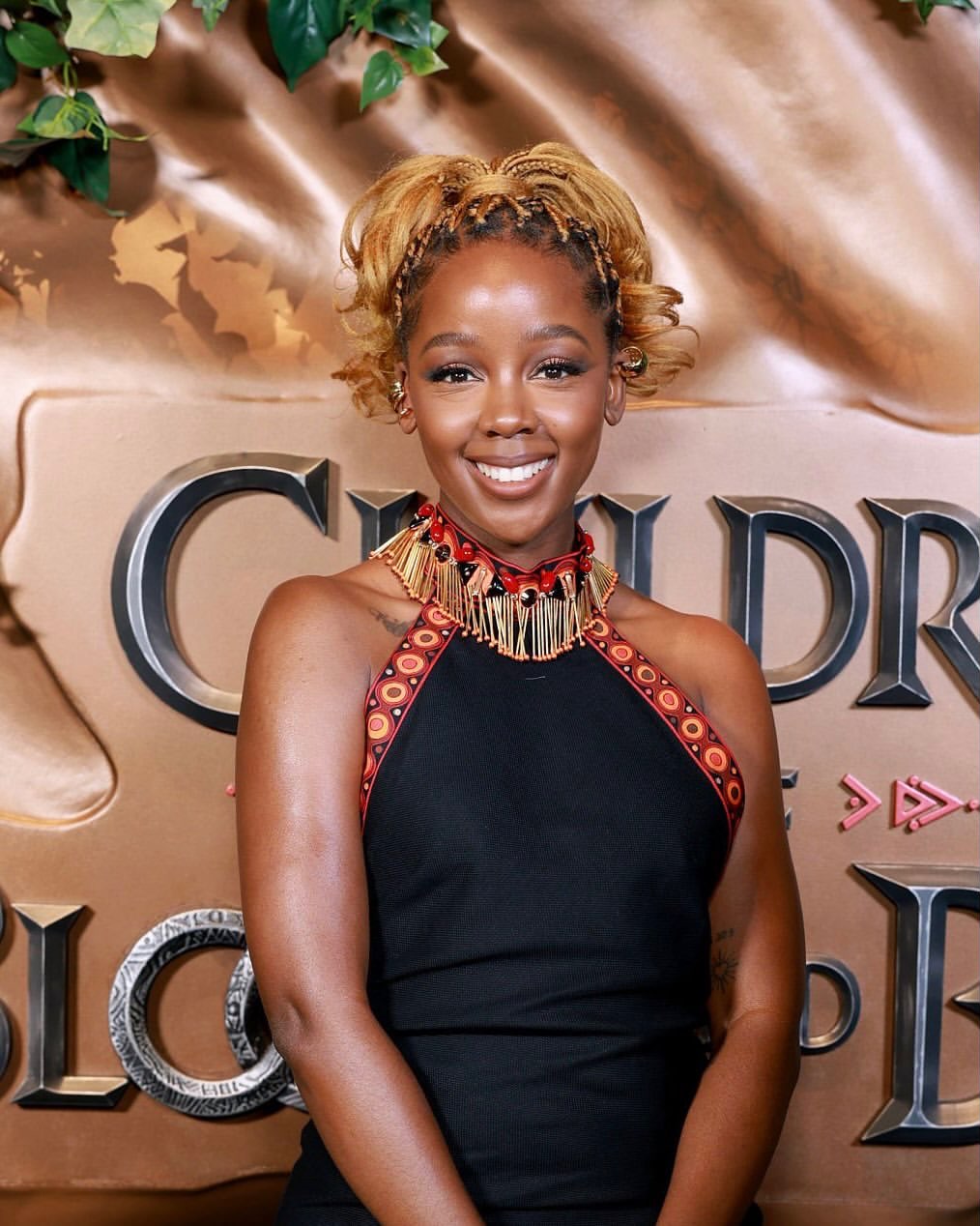
Thuso Mbedu leads the other cast in Children of Blood and Bone. The movie is an adaptation of Tomi Adeyemi’s novel. It is directed by Gina Prince-Bythewood, and arrives in cinemas on 15 January 2027.
Mbedu plays Zélie Adebola, a young woman who seeks restoration of magic to the kingdom of Orïsha. King Saran has carried out raids among the people in a bid to destroy all traces of magic that could become a threat to Zele with her brother Tzain went on a dangerous journey to restore their magical powers.
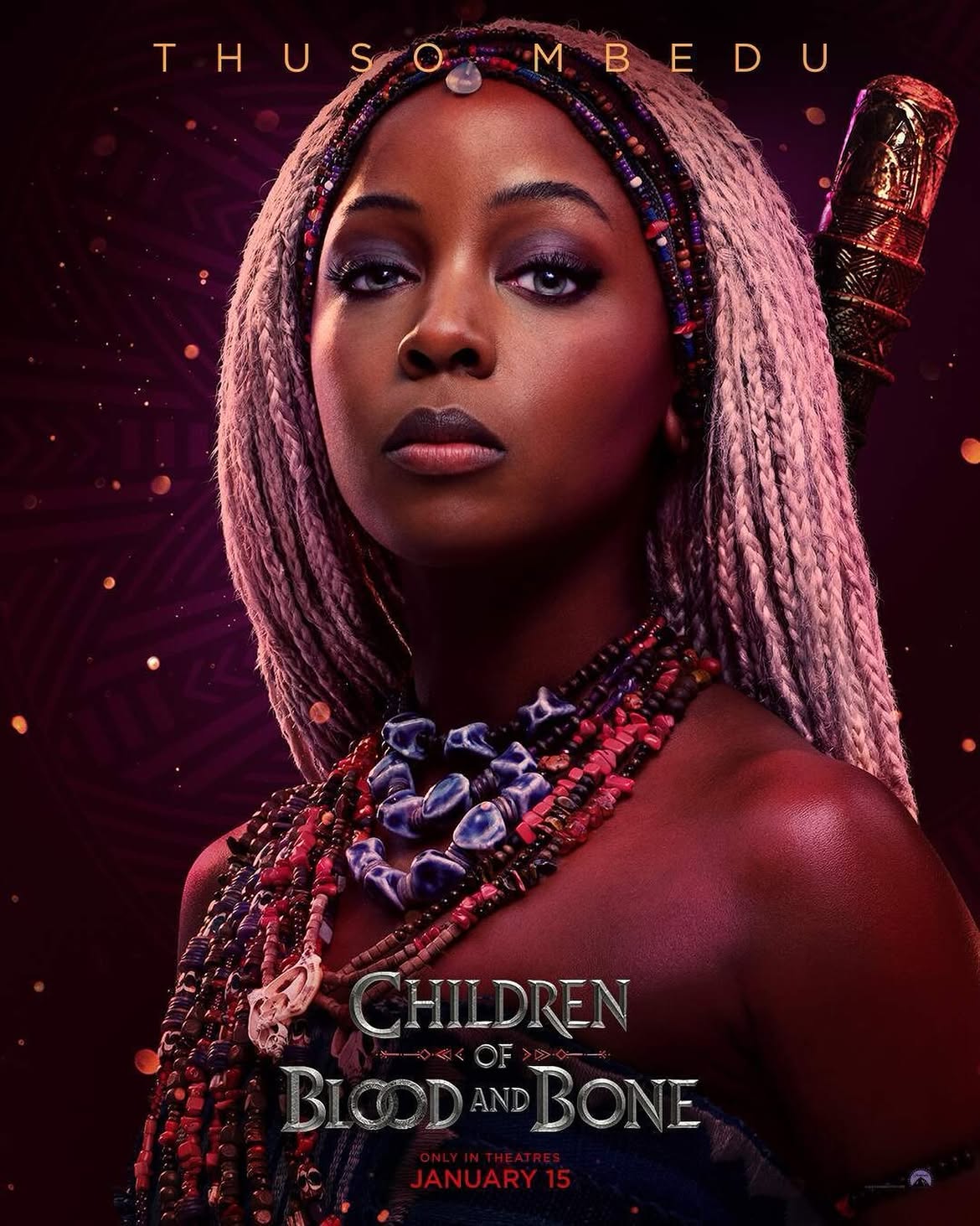
Photo: Instagram
The film cast includes Damson Idris as Prince Inan, while Amandla Stenberg plays Princess Amari. Tosin Cole takes on the role of Tzain, Zélie’s older brother. Idris Elba plays Lekan. Chiwetel Ejiofor is the ruthless King Saran, while Cynthia Erivo stars as Admiral Kaea.
Also in the production are Richard Mofe-Damijo, Ayra Starr, Temi Fagbenle, Shamz Garuba, and Kola Bodunde. Children of Blood and Bone themes are injustice, determination and hope.
Read Also: Thuso Mbedu Knows How to Rock Big Hair, These Two Images Say It All
After the casting announcement, Mbedu talked about how the project had been years in the making for her. She revealed that reading Adeyemi’s novel in 2019 left a lasting impression and even inspired her to hope she would one day be part of its screen adaptation.
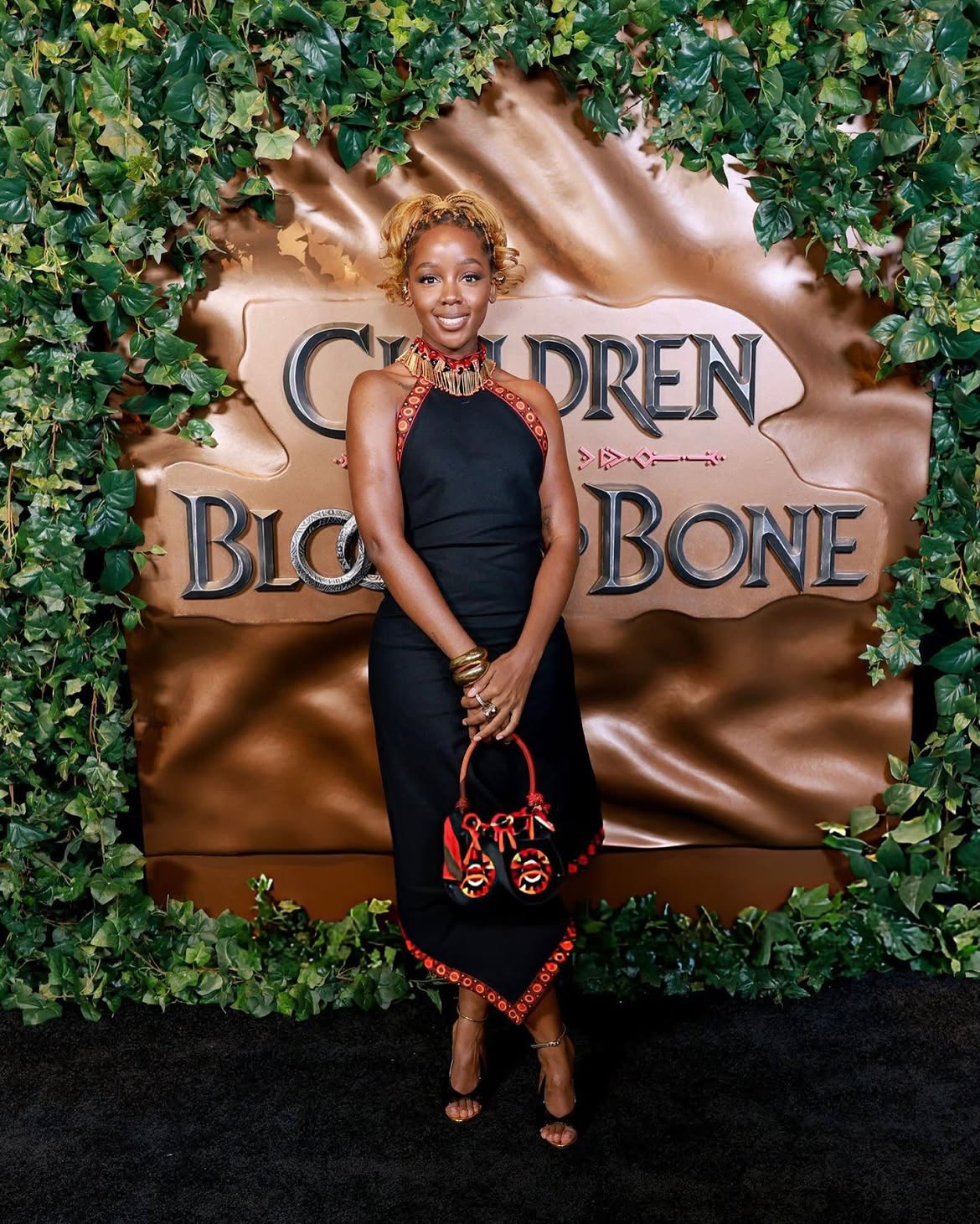
Photo: Instagram
“Children of Blood and Bone was gifted to me in 2019 and, truly, it’s one of the best gifts I’ve received. Upon reading it I fell in love with it – to the point that I made it a prayer point.”
The author said she was moved to come up with the movie after seeing the backlash against casting two black actors in 2012’s The Hunger Games.
“I was like, ‘Oh man, I’m going to write a story that’s so good and so Black that everyone’s going to have to read it even if you’re racist,’
The director, Prince-Bythewood told Variety that:
“I am so honored and excited to bring Tomi’s ‘Children of Blood and Bone’ and the vibrant world of Orisha to life,”
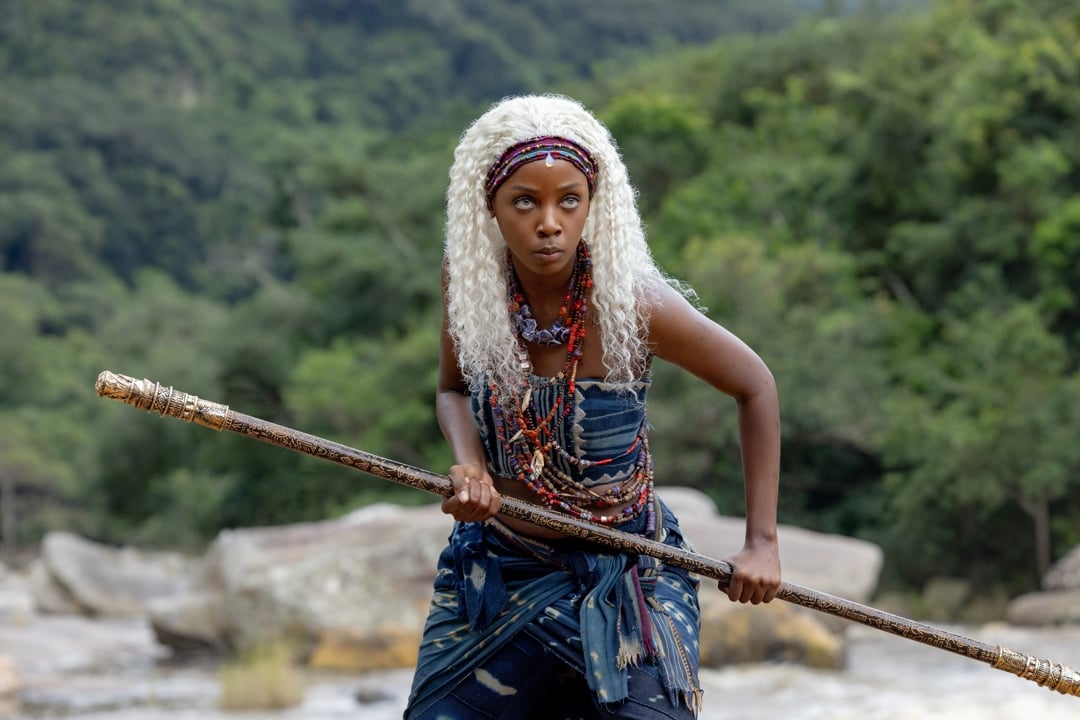
Photo: Instagram
Filming was done in Cape Town(South Africa), Canary Island (Spain) and Lagos (Nigeria). Despite facing issues over casting decisions, fans still look forward to this movie. With the stars involved, Children of Blood and Bone could be one of the top fantasy releases of 2027.


Uncle Waffles to Perform at Gallo 100 Centenary Music Festival in Cape Town

French Montana to Headline Two South African Shows This December

Diddy’s Head Injury Reportedly Linked to Fight With Jamaican Drug Lord




-

 Travels3 months ago
Why Solo Travel Could Be the Best Decision You Ever Make
-

 Music3 months ago
Rihanna Surprises Fans With Her First Live Performance in Years at Jay-Z’s Concert
-

 Health3 months ago
Constantly Tired? Your Liver Could Be Telling You Something
-

 Events3 months ago
Shannon Benting Set to Compete at Miss Supranational 2026 in Poland
-

 Travels2 months ago
6 Best Hotels in Cape Town
-

 Dj Men3 months ago
The Male DJs Keeping South Africa’s Nightlife Alive
-

 Fitness3 months ago
How to Recover Faster After a Heavy Gym Session
-

 Health3 months ago
Apple Cider Vinegar: From Health and Skin to Everyday Uses