Health
The Reality of Postpartum Depression

The arrival of a baby is often presented as one of the happiest moments in a woman’s life. But for some mothers, the period after childbirth can bring persistent sadness, anxiety, exhaustion and emotional distress that goes far beyond the usual challenges of adjusting to a newborn.
Postpartum depression is a serious mental health condition that can develop after childbirth. It is not a sign that a mother does not love her baby, nor does it mean she is failing at motherhood. The World Health Organization estimates that about 13% of women who have recently given birth experience a mental health disorder, primarily depression. In developing countries, the figure is estimated at almost 20%.
More than the baby blues

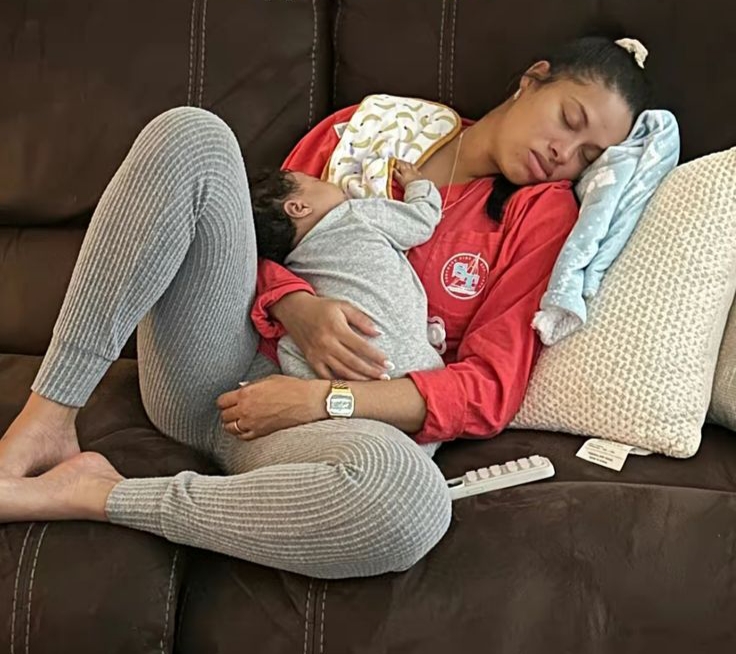
Photo: Pinterest
The first weeks with a newborn can be difficult. Sleep is often disrupted, routines change and a new mother may find herself crying or feeling overwhelmed. These experiences can form part of the so-called “baby blues”, which usually settle within about two weeks.
Postpartum depression is different. Symptoms can last longer and interfere with a woman’s ability to manage everyday life. They may include persistent sadness, loss of interest in activities, severe anxiety, changes in appetite or sleep, difficulty concentrating, intense guilt, feelings of worthlessness and withdrawing from family or friends.
Some women may struggle to bond with their baby or feel frightened by intrusive thoughts. Thoughts of suicide or harming the baby require immediate professional help.
You cannot always see it


Photo: Pinterest
Postpartum depression does not necessarily look like a mother who cannot get out of bed.
A woman may continue breastfeeding, prepare meals, attend medical appointments and care for her baby while privately struggling. She may even appear cheerful to relatives and friends while feeling emotionally disconnected or overwhelmed when she is alone.
This can make the condition harder to identify. A new mother may also dismiss her symptoms as tiredness or believe she simply needs to cope better.
That is why conversations about maternal mental health need to go beyond whether a mother and baby are physically healthy after delivery.
Support matters


Photo: Pinterest
The pressure surrounding motherhood can make asking for help difficult. Women may worry about being judged, criticised or labelled as ungrateful when they admit that they are struggling.
Practical support can make a difference, whether that means helping with meals, household responsibilities, childcare or simply giving a mother an opportunity to rest and speak honestly about how she is feeling. But support from family should not replace professional care when depression is present.
Postpartum depression is treatable. Depending on the individual’s needs, treatment may include psychotherapy, medication, support groups or a combination of these. A healthcare professional can also discuss appropriate treatment options with mothers who are breastfeeding.
Partners should not be overlooked either. Fathers and other parents can also experience depression and anxiety following the birth of a child.
Knowing when it is an emergency

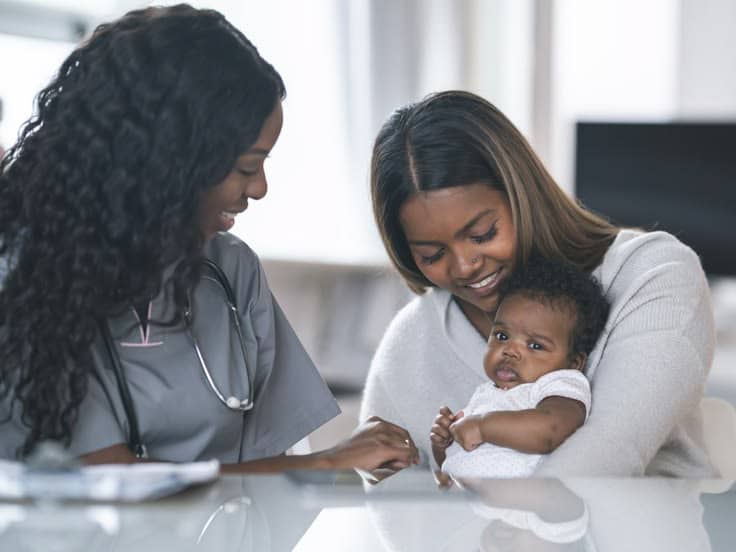
Photo: Pinterest
Postpartum depression should also be distinguished from postpartum psychosis, a rare but serious condition that can involve hallucinations, delusions, severe confusion or paranoia. It is a medical emergency and requires immediate treatment.
For everyone else, the message is simpler: a mother does not have to wait until she is completely overwhelmed before seeking help.
Having a baby can be a major life change, but struggling emotionally does not make a woman a bad mother. Recognising the problem early, speaking to a healthcare professional and accepting support can be an important part of recovery.