
Health
Exercise May Aid Stroke Recovery by Transporting Mitochondria to the Brain


Exercise may support recovery after a stroke by facilitating the transfer of healthy mitochondria to damaged areas of the brain. Mitochondria are small structures inside cells that produce energy. After a stroke, many brain cells lose their energy supply. Exercise may help cellular energy production and improve neurological recovery.
Exercise Boosts the Release of Healthy Mitochondria

Exercise Drills: Istock
Regular exercise increases mitochondrial production. During physical activity, cells are stimulated to make more mitochondria. Some supporting cells can release healthy mitochondria into the surrounding environment. However, knowing the best time to workout is ideal for better results.
Research suggests that these mitochondria can move beyond their original cells. Exercise may increase this release, creating a greater availability of healthy mitochondria that the body can use to support damaged brain tissues.
Exercise Improves Blood Flow that Carries Mitochondria

Strength Exercise: IStock
Exercise increases blood circulation. With increased blood flow, oxygen, nutrients, and cellular components circulate easily. This improved circulation helps transport mitochondrial signals toward the brain.
After a stroke, blood flow to the affected brain is limited. By engaging in regular exercise, circulation improves. This may increase the likelihood that healthy mitochondria reach affected brain cells.
Exercise helps Brain Cells Receive Mitochondria
Exercise triggers the release of chemical signals that helps repair themselves. These signals may help brain cells take in healthy mitochondria from nearby cells. This process may support energy production inside damaged neurons.
Once inside the brain cells, healthy mitochondria can improve cellular energy production and reduce cellular repair. This may help neurons survive and regain function after stroke.
Read also : Fiber Supplements That Support Weight Management and Brain Health
Exercise Supports Mitochondrial Repair inside the Brain

Arms exercises: IStock
Physical activity also improves the health of mitochondria already present in brain cells. Exercise supports cellular repair systems that remove to clean damaged mitochondria and replace them with healthier ones.
This process supports better energy use and reduces damaging byproducts inside brain cells. Stronger mitochondrial function allows the brain to promote healing and rebuild lost connections after a stroke.
Exercise Strengthens Brain Recovery through Energy Support
Recovery after stroke depends on the brain’s ability to form new pathways. This process requires energy. With better mitochondrial delivery and function, exercise may provide the required energy for motor recovery.
Safe exercise programs are commonly used in stroke rehabilitation. Aside from strength and balance, these activities may help the brain recover more effectively.



Uterine fibroids is a common growth among women. While some women experience no symptoms, others witness heavy various fertility problems. Myomectomy is an option used to treat troublesome fibroids. Here are things to know about the procedure.
1. Myomectomy Removes Fibroids
A myomectomy is a procedure that removes fibroids from the uterus. It differs from hysterectomy, which removes the uterus.
This makes it an option for women who want to have children. However, whether surgery is needed depends on the size, number and location of the fibroids.
2. There Are Different Types of Myomectomy
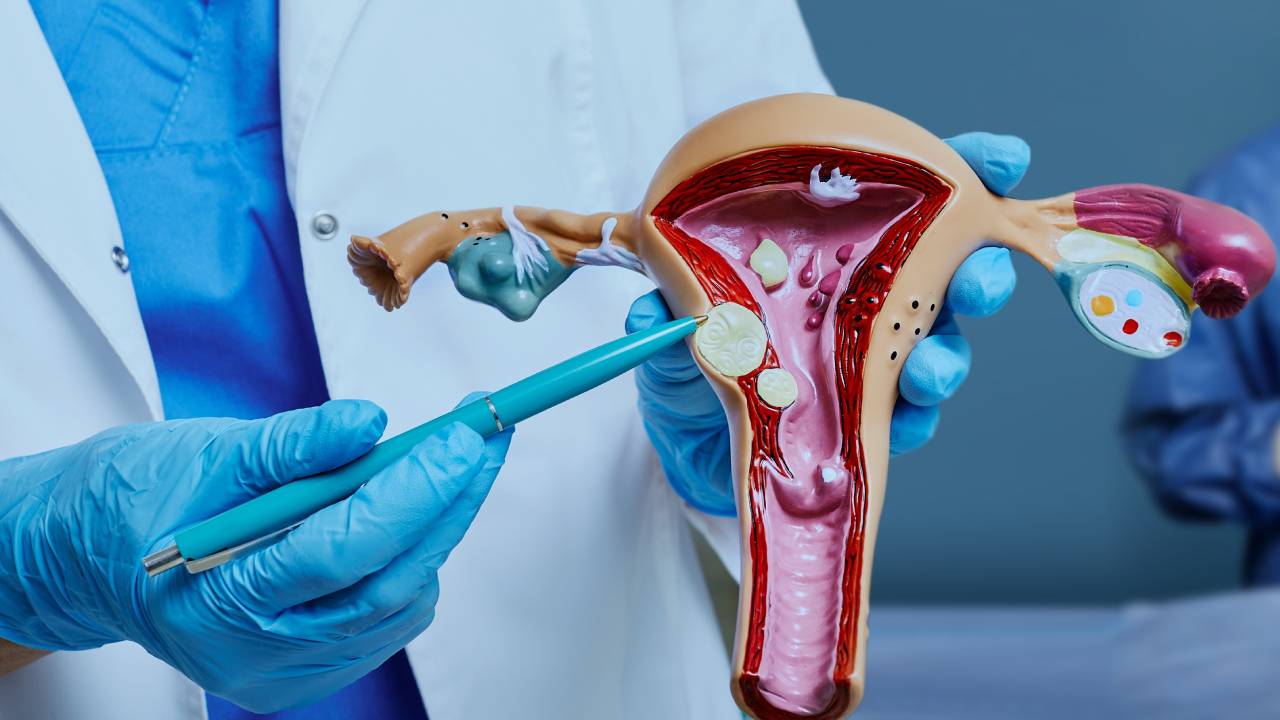
Photo: Getty Images
The procedure can be performed in different ways. An abdominal myomectomy involves making a larger incision in the abdomen when fibroids are large.
With laparoscopic myomectomy, small abdominal incisions are made. Robotic surgery is another approach where medical robots are controlled by the surgeon.
There is also hysteroscopic myomectomy. In this procedure, instruments are passed through the vagina and cervix to remove fibroids.
Read Also: Living with PCOS? Here’s What Every Woman Should Know
3. It Relieves Fibroid Symptoms
Myomectomy improves symptoms caused by fibroids. Some of which are menstrual bleeding and abdominal pain. Heavy menstrual bleeding may cause anemia because of blood loss. Treating the fibroids addresses the source of these symptoms. However, not every woman with fibroids requires surgery.
4. Fertility Can Be Preserved
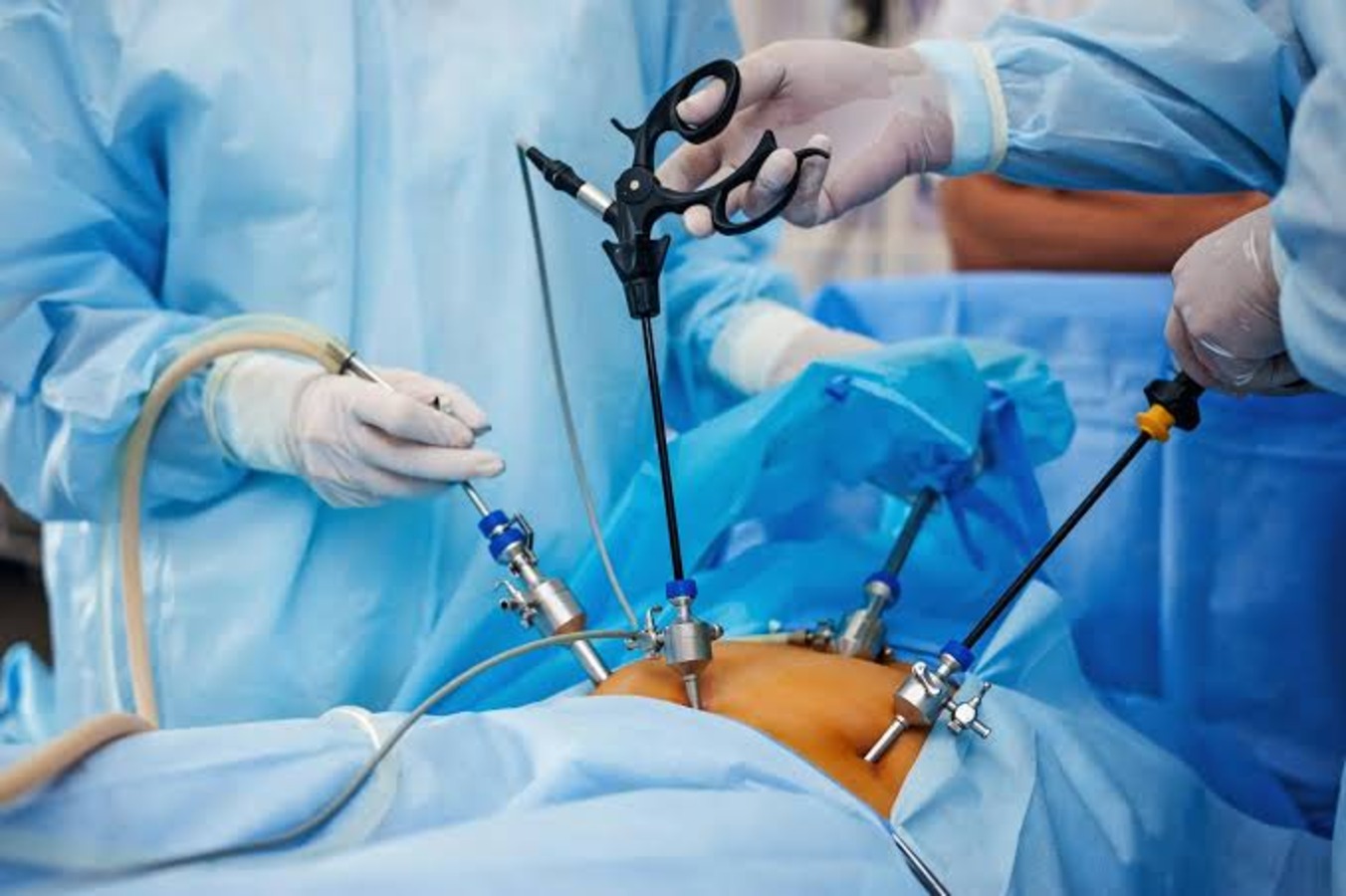
Photo: Getty Images
In some women, removing fibroids that interfere with fertility may improve pregnancy chances. However, surgery can also cause internal scar tissue, and pregnancy. Some women are advised to have a caesarean birth depending on how deeply the uterus was cut.
5. Fibroids Can Develop Again
Removing fibroids does not mean they won’t reappear. Fibroids not completely removed may cause problems later.
Like other surgeries, myomectomy has risks. Some of which are infection, scar formation and complications related to the surgical approach. Recovery also varies depending on the woman.


The arrival of a baby is often presented as one of the happiest moments in a woman’s life. But for some mothers, the period after childbirth can bring persistent sadness, anxiety, exhaustion and emotional distress that goes far beyond the usual challenges of adjusting to a newborn.
Postpartum depression is a serious mental health condition that can develop after childbirth. It is not a sign that a mother does not love her baby, nor does it mean she is failing at motherhood. The World Health Organization estimates that about 13% of women who have recently given birth experience a mental health disorder, primarily depression. In developing countries, the figure is estimated at almost 20%.
More than the baby blues

Photo: Pinterest
The first weeks with a newborn can be difficult. Sleep is often disrupted, routines change and a new mother may find herself crying or feeling overwhelmed. These experiences can form part of the so-called “baby blues”, which usually settle within about two weeks.
Postpartum depression is different. Symptoms can last longer and interfere with a woman’s ability to manage everyday life. They may include persistent sadness, loss of interest in activities, severe anxiety, changes in appetite or sleep, difficulty concentrating, intense guilt, feelings of worthlessness and withdrawing from family or friends.
Some women may struggle to bond with their baby or feel frightened by intrusive thoughts. Thoughts of suicide or harming the baby require immediate professional help.
You cannot always see it

Photo: Pinterest
Postpartum depression does not necessarily look like a mother who cannot get out of bed.
A woman may continue breastfeeding, prepare meals, attend medical appointments and care for her baby while privately struggling. She may even appear cheerful to relatives and friends while feeling emotionally disconnected or overwhelmed when she is alone.
This can make the condition harder to identify. A new mother may also dismiss her symptoms as tiredness or believe she simply needs to cope better.
That is why conversations about maternal mental health need to go beyond whether a mother and baby are physically healthy after delivery.
Support matters

Photo: Pinterest
The pressure surrounding motherhood can make asking for help difficult. Women may worry about being judged, criticised or labelled as ungrateful when they admit that they are struggling.
Practical support can make a difference, whether that means helping with meals, household responsibilities, childcare or simply giving a mother an opportunity to rest and speak honestly about how she is feeling. But support from family should not replace professional care when depression is present.
Postpartum depression is treatable. Depending on the individual’s needs, treatment may include psychotherapy, medication, support groups or a combination of these. A healthcare professional can also discuss appropriate treatment options with mothers who are breastfeeding.
Partners should not be overlooked either. Fathers and other parents can also experience depression and anxiety following the birth of a child.
Knowing when it is an emergency

Photo: Pinterest
Postpartum depression should also be distinguished from postpartum psychosis, a rare but serious condition that can involve hallucinations, delusions, severe confusion or paranoia. It is a medical emergency and requires immediate treatment.
For everyone else, the message is simpler: a mother does not have to wait until she is completely overwhelmed before seeking help.
Having a baby can be a major life change, but struggling emotionally does not make a woman a bad mother. Recognising the problem early, speaking to a healthcare professional and accepting support can be an important part of recovery.

Apple cider vinegar is no longer used only in cooking. It is now found in skincare routines, wellness drinks, hair care products and household cleaning cupboards. Its widespread use has also fuelled countless health claims, making it difficult to separate proven benefits from popular myths.
Apple cider vinegar (ACV) is made by fermenting crushed apples. During fermentation, the natural sugars are converted into alcohol and then into acetic acid, the compound responsible for its sharp taste and many of its studied effects. Unfiltered versions also contain a cloudy substance known as “the mother”, but most research focuses on the vinegar’s acetic acid rather than the mother itself.

Photo: Pinterest
Research has mainly focused on ACV’s effect on blood sugar after meals. Some studies suggest that drinking diluted apple cider vinegar with a meal may help reduce the rise in blood glucose after eating carbohydrates. Researchers believe acetic acid may slow stomach emptying and improve the body’s response to insulin. While these findings are encouraging, ACV is not a treatment for diabetes, and anyone taking blood sugar lowering medication should speak to a healthcare professional before using it regularly.
Many people also use apple cider vinegar to support weight management. Some research suggests it may increase feelings of fullness, which could reduce calorie intake, but the effect is modest. It should be viewed as one part of a balanced lifestyle, not a shortcut to losing weight.

Photo: Pinterest
Skincare is another area where apple cider vinegar attracts attention. Because it is acidic and has mild antimicrobial properties, some people use it as a toner or spot treatment. However, dermatologists warn against applying undiluted apple cider vinegar directly to the skin. It can cause irritation and, in some cases, chemical burns. If used at all, it should be well diluted and patch tested first. People with eczema, rosacea or sensitive skin should be especially cautious.
Apple cider vinegar has also become a popular hair rinse. A diluted rinse may help remove product build up and leave hair looking smoother. However, it cannot repair damaged hair, prevent hair loss or change hair texture. Using it too often may dry out the hair and irritate the scalp, so occasional use is generally enough.

Photo: Pinterest
Its usefulness extends beyond personal care. Apple cider vinegar adds flavour to salad dressings and marinades, helps neutralise some household odours and can be used to clean certain non stone surfaces. It should not be used on marble, granite or other natural stone because the acid can damage these materials.
Despite its popularity, there are common mistakes to avoid. Drinking undiluted apple cider vinegar can erode tooth enamel and irritate the throat and oesophagus. Taking large amounts may also cause digestive discomfort and contribute to low potassium levels in some people. Using a straw and rinsing the mouth with water afterwards may help reduce contact with teeth.

Photo: Pinterest
For most healthy adults, experts generally recommend limiting intake to one or two tablespoons diluted in a large glass of water, preferably with a meal. People with diabetes, chronic kidney disease, stomach ulcers, severe acid reflux or those taking insulin, diuretics or certain heart medications should seek medical advice before making it a regular part of their routine.
Apple cider vinegar has both proven uses and clear limitations. Current research supports modest blood sugar benefits, while evidence for many other claims remains limited. Used sensibly, it can be a useful kitchen ingredient with a few evidence backed health applications and practical household uses. It should not be seen as a cure all, but it can still earn a place in everyday life when used safely.


Uncle Waffles to Perform at Gallo 100 Centenary Music Festival in Cape Town

French Montana to Headline Two South African Shows This December

Diddy’s Head Injury Reportedly Linked to Fight With Jamaican Drug Lord




-

 Travels3 months ago
Why Solo Travel Could Be the Best Decision You Ever Make
-

 Music3 months ago
Rihanna Surprises Fans With Her First Live Performance in Years at Jay-Z’s Concert
-

 Events3 months ago
Shannon Benting Set to Compete at Miss Supranational 2026 in Poland
-

 Health3 months ago
Constantly Tired? Your Liver Could Be Telling You Something
-

 Travels2 months ago
6 Best Hotels in Cape Town
-

 Dj Men3 months ago
The Male DJs Keeping South Africa’s Nightlife Alive
-

 Fitness3 months ago
How to Recover Faster After a Heavy Gym Session
-

 Health3 months ago
Apple Cider Vinegar: From Health and Skin to Everyday Uses