
Beauty
Nail Trends You Should Try ASAP


Let’s face it — your nails deserve more than just a quick coat of polish. This season, nails are going from basic to bold, and everyone’s talking about it. From soft and subtle styles to eye-catching 3D designs, the hottest nail trends right now are fun, fresh, and full of personality. If you’re ready to give your fingers a makeover, these are the styles you should try ASAP. Trust us — your hands are about to become your favorite accessory.
Bespoke Nail Art: Let Your Nails Tell Your Story

Say goodbye to boring nails and hello to designs that are as unique as you are. Bespoke nail art is all about showing off your personality. Whether it’s tiny hearts, bold patterns, initials, or even cute little drawings, this trend lets you wear your vibe on your fingertips. You don’t need to follow any rules — just get creative and have fun with it!
Blush Nails: Soft, Sweet, and Totally Chic

Blush nails are the definition of pretty and polished. With their soft pink tones and natural glow, they give your nails a healthy, flushed look — kind of like a perfect blush on your cheeks. This style is simple yet stunning, and it works for literally every occasion. Whether you’re headed to work or a weekend brunch, blush nails keep things fresh and feminine without trying too hard.
3D Nails: Bold, Fun, and Unforgettable

If you’re ready to make a statement, 3D nails are the way to go. These designs pop — literally. From raised flowers to tiny gems and cool swirls, 3D nails add texture and drama to your look. They’re playful, trendy, and guaranteed to grab attention. Perfect for parties, photo ops, or just turning everyday moments into fashion moments.
Short Nails: Small but Stylish

Who says you need long nails to be trendy? Short nails are making a serious comeback, and they’re cuter than ever. They’re easy to maintain, super comfortable, and surprisingly stylish. Add a splash of color, a shiny finish, or some minimal nail art, and you’ve got a look that’s clean, modern, and totally on trend.
Glass Nails: Shine Like Crystal

Glass nails are giving major fairy-tale vibes. With their clear or jelly-like look and shiny, light-catching finish, they make your nails look like sparkling crystal. Whether you go full clear or add a hint of shimmer, this trend is fresh, fun, and seriously eye-catching. It’s the perfect pick if you love a dreamy, magical look.
Velvet Nails: Soft Look, Big Impact

Velvet nails are pure luxury. They have a soft, glowing effect that looks just like real velvet — and it’s totally mesmerizing. Created with magnetic or shimmery polish, this style shines in the light and gives your nails a rich, velvety finish. Go for deep colors like emerald, wine, or royal blue to really make them pop.
So, are you ready to give your nails the upgrade they deserve? Whether you like soft and simple or bold and wild, there’s a trend waiting for you. Head to your favorite nail tech (or DIY if you’re feeling brave), and let your hands do the talking. This season, your nails are more than just nails — they’re a whole vibe.





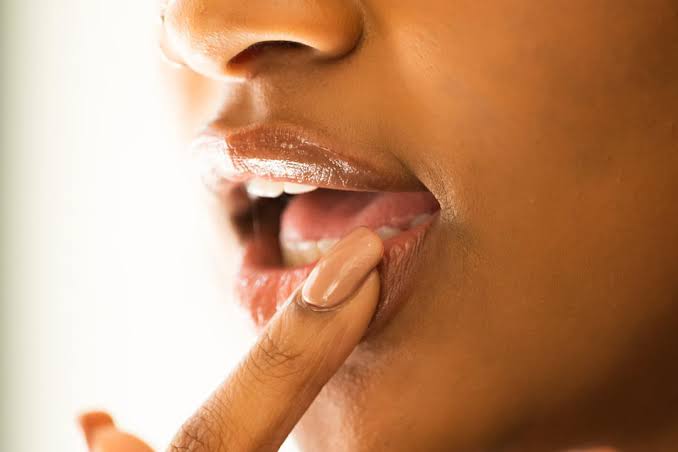
Dry, chapped lips can become uncomfortable quickly, particularly when the skin starts to peel or crack. While a good lip balm is usually the simplest option, honey is another ingredient sometimes used to soothe dry lips.
Honey has humectant properties, which means it can help draw and retain moisture. It also has antimicrobial and anti-inflammatory properties that have been studied in wound care. These properties are part of the reason honey appears in skincare remedies, although evidence specifically supporting ordinary household honey as a treatment for chapped lips is limited.
How to apply honey to chapped lips
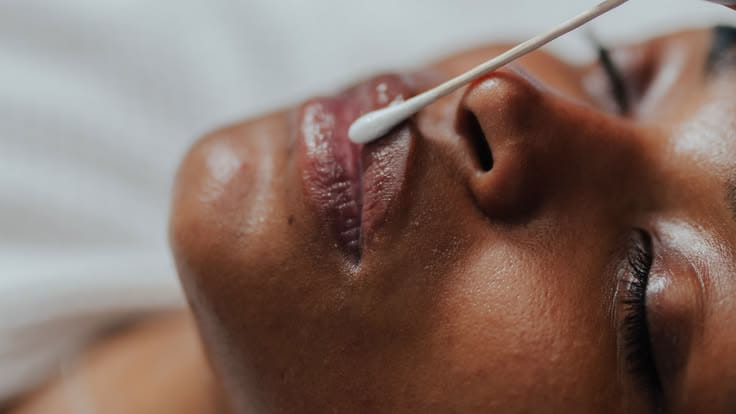
Photo: Pinterest
If you want to try honey, start with clean lips. Rinse gently with lukewarm water and pat them dry. Avoid scrubbing or removing peeling skin, as this can cause further irritation.
Apply a small amount of plain, food-grade honey to your lips using a clean fingertip. Some beauty guides recommend leaving it on for a few minutes before gently rinsing it off with lukewarm water.
There is no need to apply a thick layer. If your lips are very dry, follow with a plain, fragrance-free lip ointment to help reduce moisture loss.
Honey is not a replacement for lip ointment
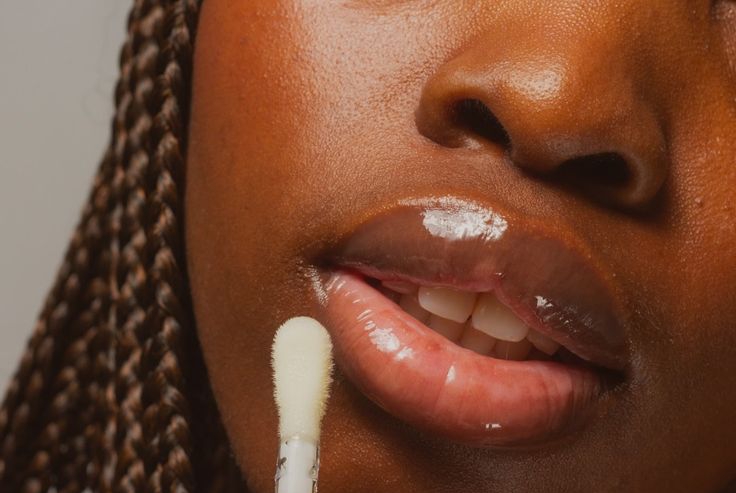
Photo: Pinterest
Honey may provide temporary soothing, but it should not replace basic lip care. Dermatologists commonly recommend bland, non-irritating products containing ingredients such as petrolatum, mineral oil, ceramides, dimethicone or shea butter for dry, chapped lips.
Petrolatum, in particular, forms a protective layer that helps prevent water from escaping from the skin. This can be especially useful when lips are cracked or repeatedly becoming dry.
During the day, remember to protect your lips from the sun. Choose a lip product with SPF 30 or higher when spending time outdoors, as sun exposure can contribute to dry and damaged lips.
Avoid habits that prolong chapping
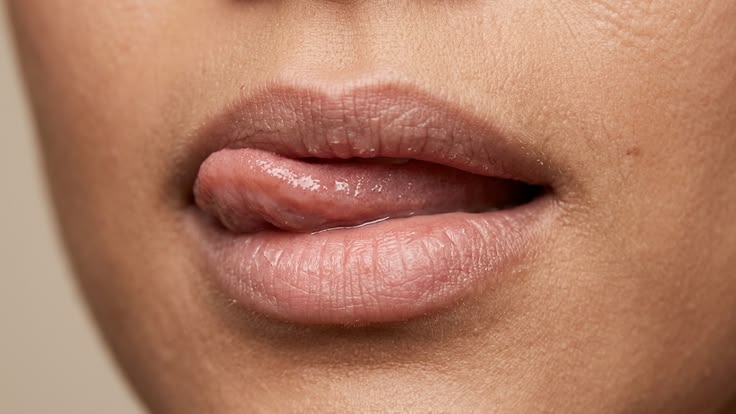
Photo: Pinterest
Lip licking can make dryness worse. Saliva evaporates quickly, and repeatedly wetting the lips can contribute to further irritation. Picking or biting peeling skin can also delay healing.
It is also worth checking the ingredients in your lip products. Menthol, camphor, eucalyptus, fragrance and some flavourings may irritate already-chapped lips. If a product causes burning, stinging or tingling, stop using it instead of assuming the sensation means it is working.
When to see a dermatologist
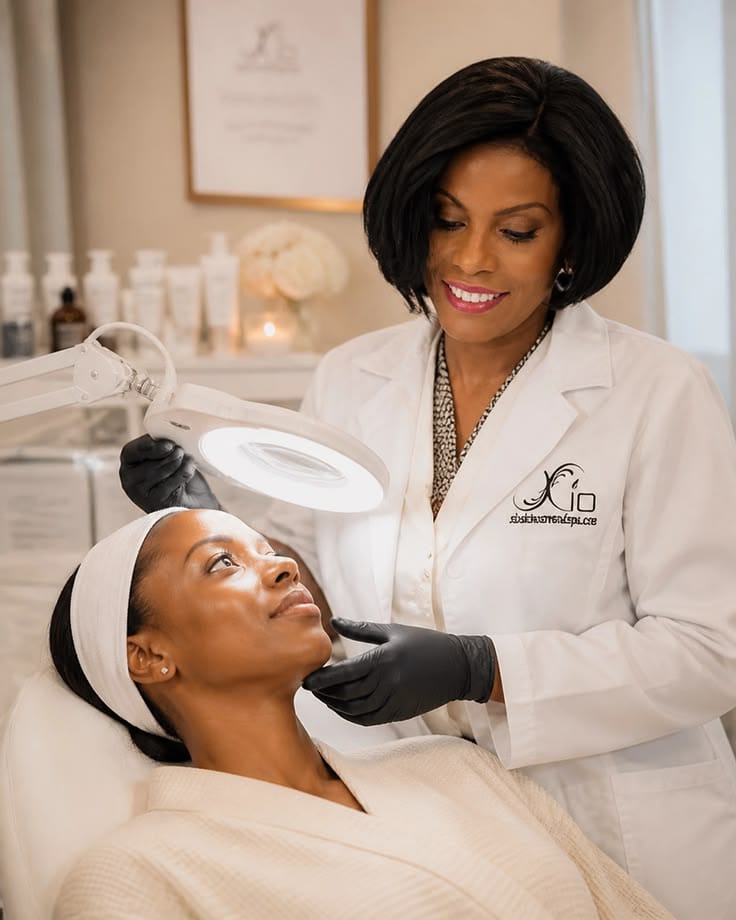
Photo: Pinterest
Most cases of dry lips can be managed with simple care, but persistent or severe cracking deserves attention. If your lips do not improve with basic care, or remain repeatedly dry, painful or cracked, speak to a dermatologist. Persistent lip problems can sometimes be associated with irritation, allergic reactions, infection or other skin conditions.
Honey can be tried as an occasional soothing ingredient, but the basics remain more important: avoid irritating the lips, keep them moisturised and use a protective ointment when they are dry or cracked.
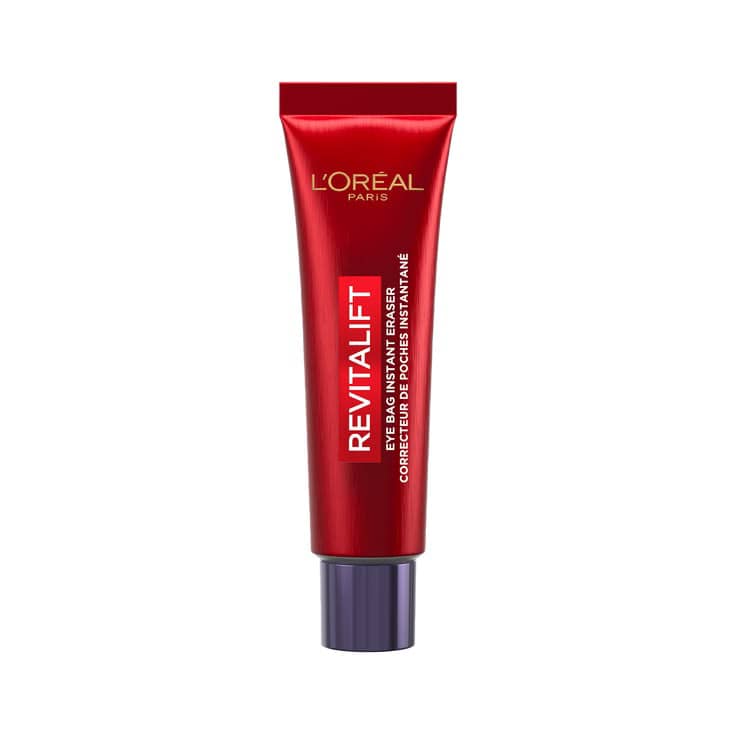
Dark circles can have several causes, including genetics, pigmentation, visible blood vessels, dehydration, allergies and the natural structure of the area beneath the eyes. This means an eye cream that works well for one person may not produce the same result for someone else.
The ingredients in an eye cream matter. Caffeine can temporarily help reduce the appearance of puffiness, while niacinamide and vitamin C are commonly used in products targeting uneven skin tone. Hyaluronic acid and ceramides can help with dryness, while retinol is often included in products aimed at fine lines and other signs of ageing.
If you are looking for an eye product available in South Africa, these five are worth considering.
CeraVe Eye Repair Cream
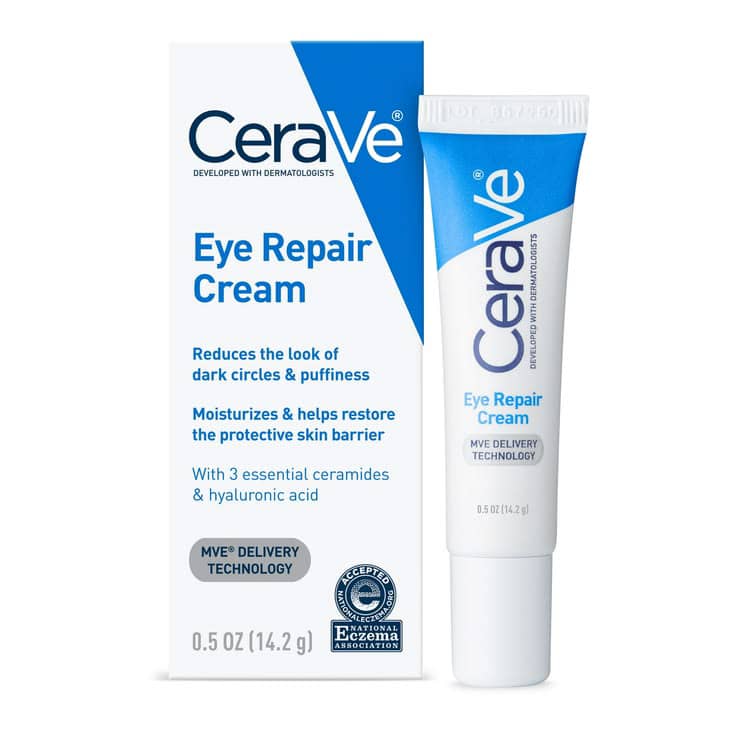
Photo: Pinterest
CeraVe Eye Repair Cream is formulated with ceramides, hyaluronic acid and niacinamide. It is designed to hydrate the delicate skin around the eyes while supporting the skin barrier.
The formula is particularly worth considering if dryness is making the under-eye area look dull or making fine lines more noticeable.
African Extracts Rooibos Advantage Rejuvenating Eye Cream
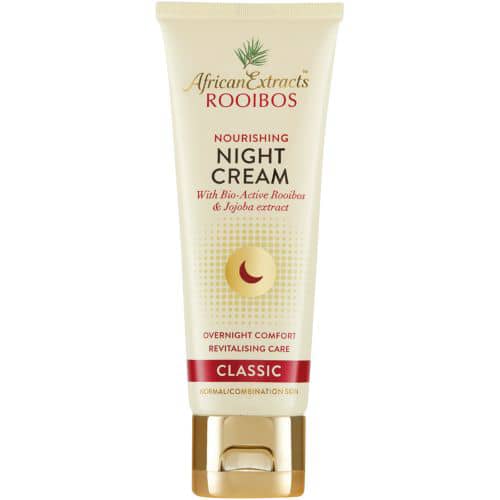
Photo: Pinterest
African Extracts offers a South African skincare option with its Rooibos Advantage Rejuvenating Eye Cream. The formula contains rooibos extract, sea fennel peptides, buckwheat seed extract and allantoin.
The product is designed for concerns including dark circles, puffiness, fine lines and dehydration, making it an option for several common under-eye concerns.
Vichy Minéral 89 Eye Fortifier
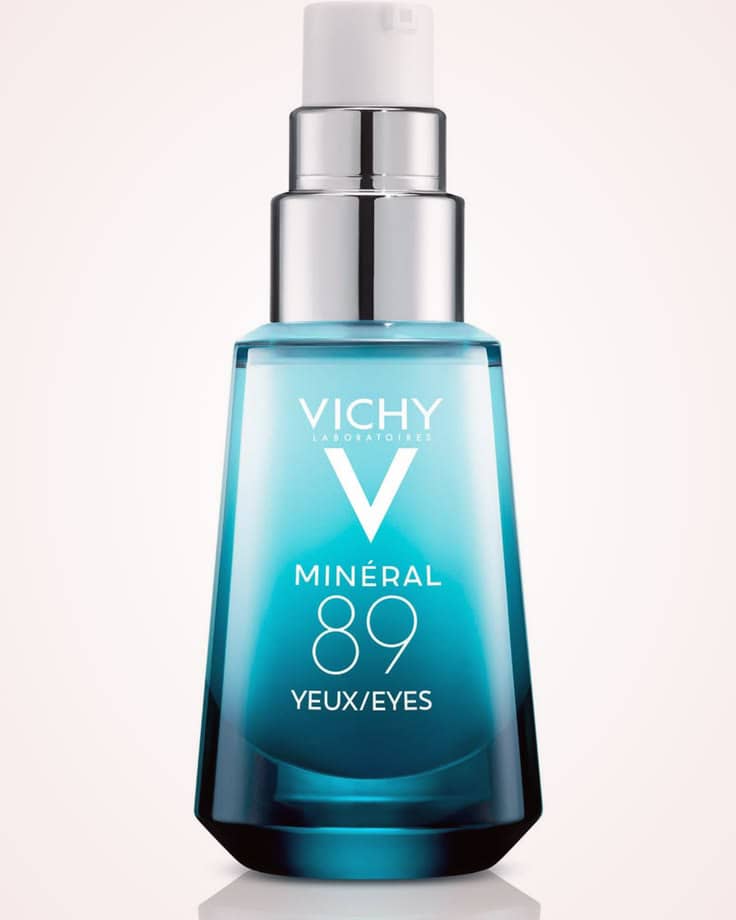
Photo: Pinterest
For those who prefer a lightweight formula, Vichy’s Minéral 89 Eye Fortifier is a gel designed to hydrate and refresh the eye area. It contains hyaluronic acid and caffeine, along with Vichy’s mineralising thermal water.
Hyaluronic acid helps the skin retain moisture, while caffeine is commonly used in eye products aimed at the appearance of puffiness.
Olay Ultimate Eye Cream
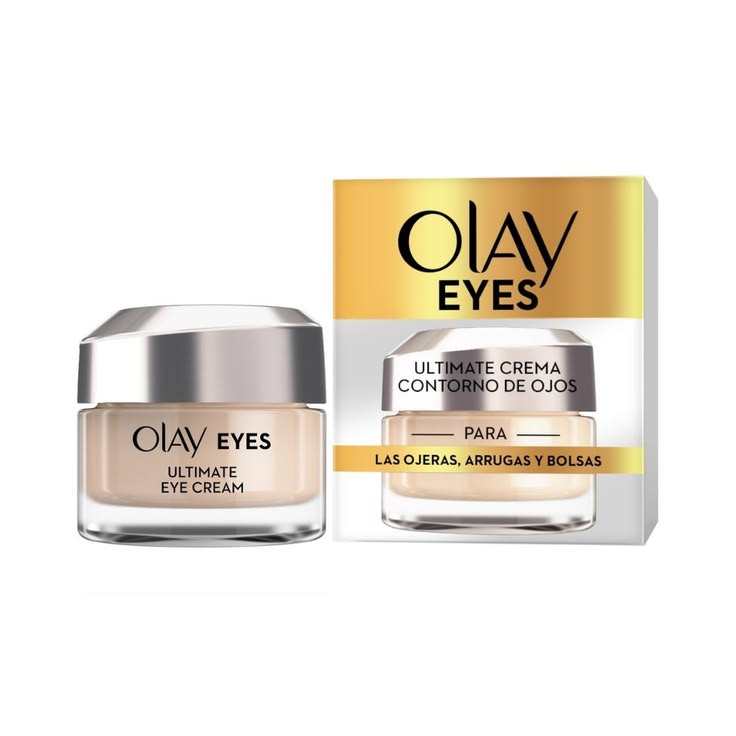
Photo: Pinterest
Olay Ultimate Eye Cream combines skincare ingredients with colour-correcting pigments. Its formula includes niacinamide and a peptide, while mineral pigments help reduce the appearance of dark circles immediately after application.
This makes it useful if you want an eye cream that provides both skincare benefits and a cosmetic brightening effect.
Neutrogena Retinol Boost Eye Cream
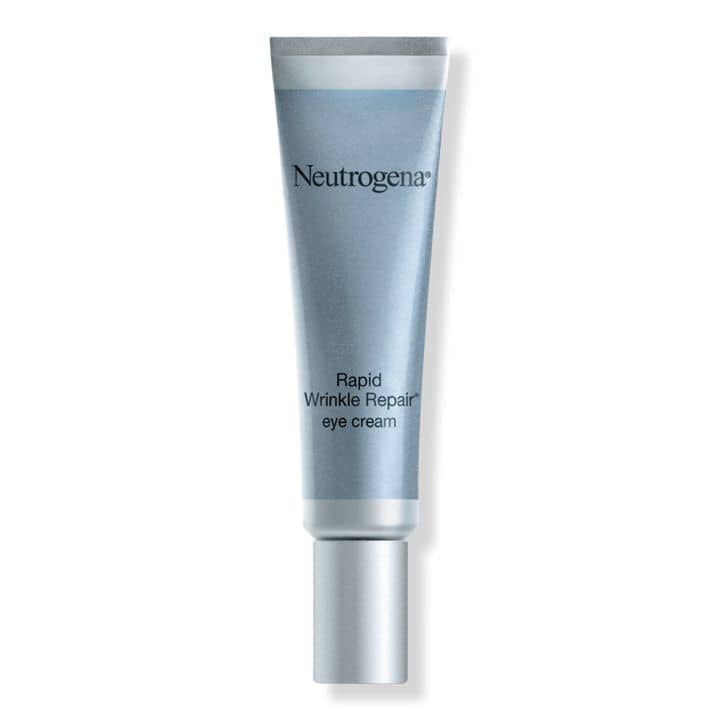
Photo: Pinterest
If fine lines are your main concern, Neutrogena Retinol Boost Eye Cream offers a retinol-based option. Retinol is a form of vitamin A commonly used in anti-ageing skincare because it can support collagen production and increase skin-cell turnover.
The eye area is sensitive, so retinol products should be introduced gradually and used according to the instructions on the packaging.
Choose according to your concern
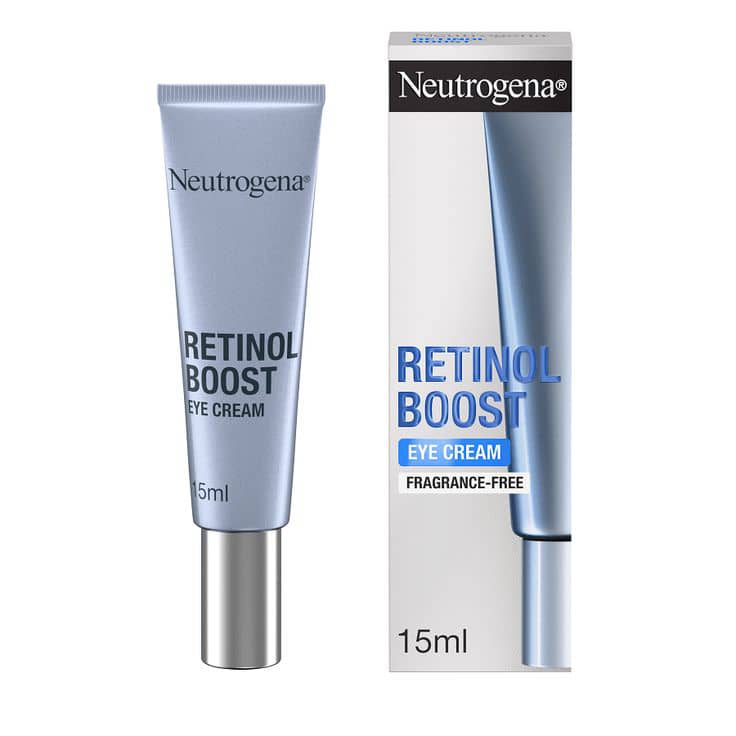
Photo: Pinterest
There is no single eye cream that can remove every type of dark circle. If pigmentation is the main issue, a formula containing brightening ingredients may be more appropriate. Caffeine can be useful when puffiness is the concern, while moisturising ingredients can help when dryness makes the area look dull.
It is also worth remembering that genetics, facial structure and hollowness beneath the eyes can contribute to dark circles. In these cases, an eye cream may improve the appearance of the skin but cannot completely change the underlying cause.
Whichever product you choose, apply only a small amount around the eye area and avoid getting the product into the eyes. If you experience persistent irritation, stop using it and consider speaking to a dermatologist.
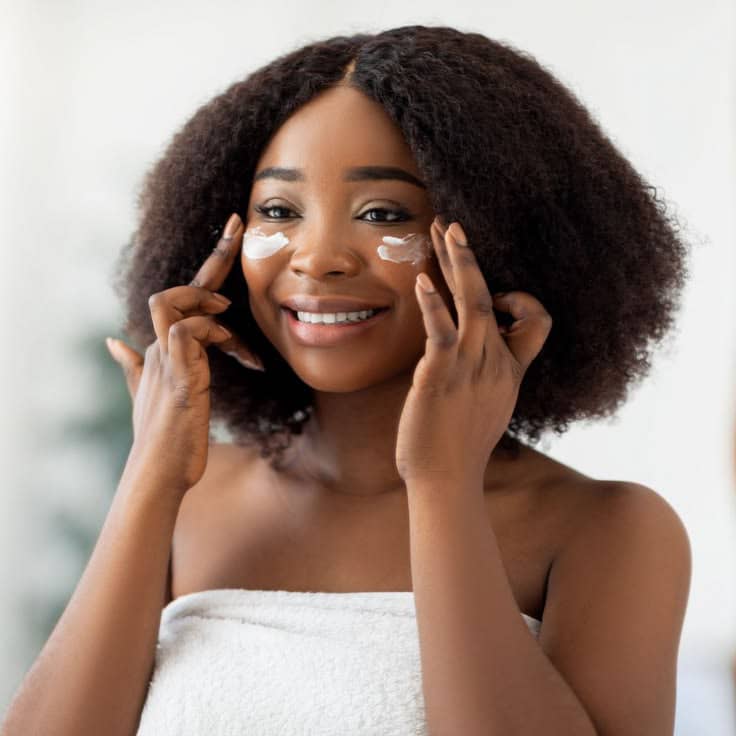
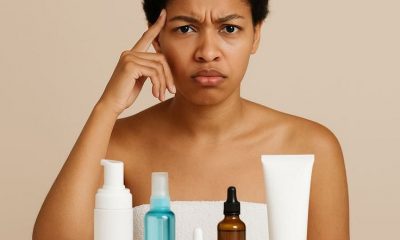
Healthy-looking skin does not require a bathroom shelf full of products. A consistent routine that cleanses, moisturises, addresses specific concerns and protects against the sun can provide a stronger foundation for the complexion. The key is choosing products that suit your skin and using them consistently.
Cleanse without overdoing it
Photo – Pinterest
Cleansing removes sweat, excess oil, sunscreen and makeup from the skin. A suitable cleanser should do this without leaving the face feeling tight or uncomfortable.
A simple routine is often easier to maintain than one built around multiple products. Start with a cleanser suited to your skin type, particularly if your skin is sensitive or prone to dryness.
At night, cleanse your skin thoroughly if you have worn makeup or sunscreen. In the morning, your routine can depend on how your skin feels. If it is dry or sensitive, a gentle cleanser may be preferable to a stronger formula.
Keep your skin moisturised
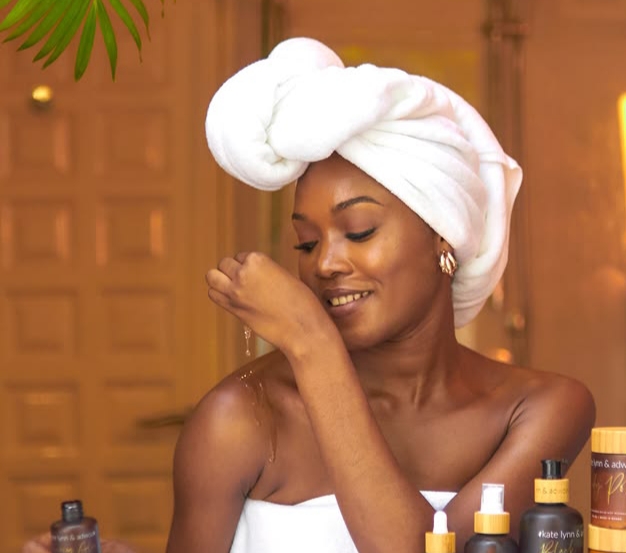
Photo – Pinterest
Hydration is important for all skin types, including oily skin. When the skin barrier is disrupted, it can become dry, flaky, tight or more sensitive.
Moisturisers containing ingredients such as glycerin, ceramides, hyaluronic acid or squalane can help support the skin’s moisture levels. The right texture also matters. Oily or acne-prone skin may be more comfortable with a lightweight lotion or gel, while dry skin may benefit from a richer cream.
Moisturising is particularly important when using active ingredients that can cause dryness or irritation. Supporting the skin barrier can make a treatment routine easier to tolerate.
Choose a treatment for your main concern
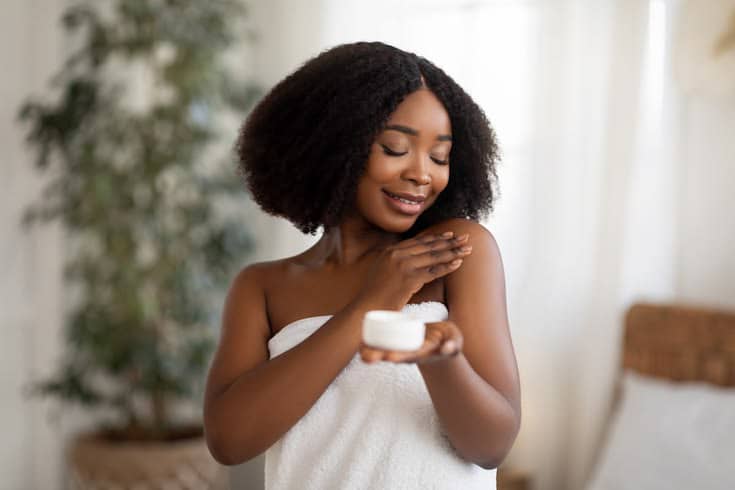
Photo – Pinterest
This is where your routine should reflect what you want to improve.
For uneven pigmentation, ingredients such as vitamin C can be considered. Salicylic acid is commonly used for acne and clogged pores, while retinoids can help with acne, uneven texture and signs of skin ageing.
Avoid introducing several strong active ingredients at the same time. Doing so can increase the risk of irritation and make it difficult to identify which product is causing a reaction. Introduce treatments gradually and give your skin time to adjust.
Most importantly, choose a treatment based on your skin concern instead of adding products simply because they are popular.
Wear sunscreen every morning
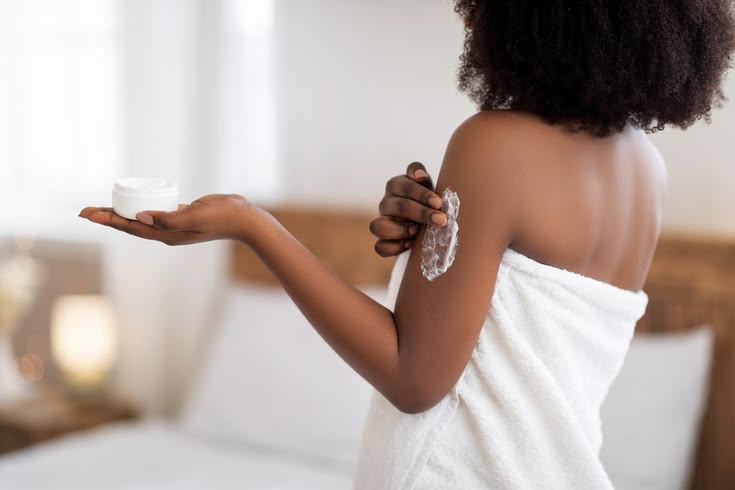
Photo – Pinterest
Sun protection should be part of your morning routine, even when the weather is overcast. UV exposure contributes to premature skin ageing, pigmentation and other forms of skin damage.
Choose a broad-spectrum sunscreen with at least SPF 30 and apply it generously to exposed skin. If you are spending extended periods outdoors, reapply as directed, particularly after sweating or swimming.
For people dealing with pigmentation, a tinted sunscreen may also be worth considering. Some tinted formulas contain iron oxides, which can provide additional protection against visible light that may worsen hyperpigmentation.
Glowing skin is not about making the face look shiny. It is more useful to think about maintaining skin that is hydrated, protected and comfortable while addressing specific concerns with appropriate products.
A routine does not have to contain numerous steps to be effective. Start with the basics, introduce treatments according to your needs and give the routine enough time to work before deciding that you need something else.


New South African Movies to Watch on Netflix

Thabsie Shows Off Toned Figure in Bikini on Tanzania Getaway

O.J. Simpson Associate’s Brother Claims He Had Bloody Hands on Night of Murders



-

 Travels3 months ago
6 Best Hotels in Cape Town
-

 Dj Men3 months ago
The Male DJs Keeping South Africa’s Nightlife Alive
-

 Health3 months ago
Apple Cider Vinegar: From Health and Skin to Everyday Uses
-

 Fitness3 months ago
How to Recover Faster After a Heavy Gym Session
-

 Netflix2 months ago
8 Mzansi Series and Films on Netflix to Watch This August
-

 Music3 months ago
Tyla Officially Releases A*POP
-

 Sex & Relashionships3 months ago
5 Ways ‘Parallel Life Syndrome’ Kills Relationships
-

 Top 202 months ago
20 Greatest South African Songs of All Time