Health
Why Women Over 35 Suddenly Feel Like Their Bodies Are Changing

Many women reach their mid-thirties and suddenly feel like their bodies are working differently. Weight becomes harder to manage, energy levels drop faster, sleep patterns shift and recovery after long days takes more time than it used to. Even women who maintain the same eating habits and fitness routines often notice changes that seem to appear without warning. Health experts say this stage is more common than many women realise.
Hormonal Changes Start Earlier Than Many Women Realise


Photo: Pinterest
One of the biggest drivers of these changes is hormone fluctuation. While menopause may still be years away, hormone levels can begin shifting much earlier than expected, affecting several systems in the body at once. Oestrogen and progesterone influence more than reproductive health; they also play a role in metabolism, sleep, appetite, mood, skin elasticity and fat storage. As these hormones fluctuate, many women begin experiencing bloating, lower energy levels, mood swings, brain fog, changes in menstrual cycles and weight gain around the stomach, often while continuing with the same lifestyle habits.
Weight Gain Becomes More Difficult to Manage

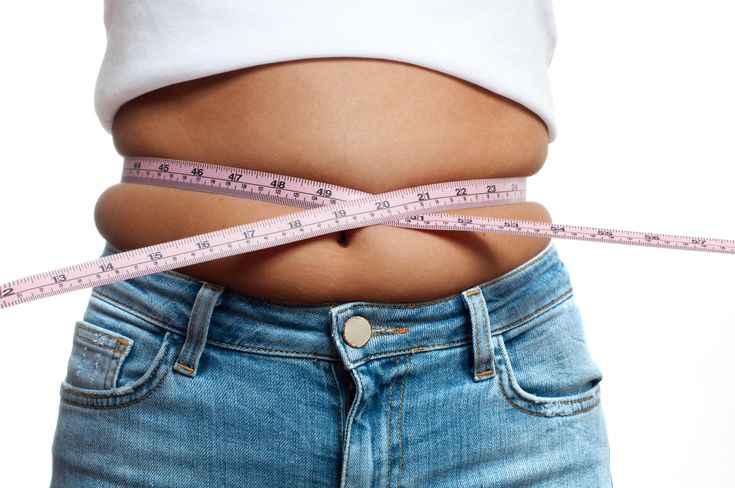
Photo: Pinterest
Weight gain is one of the most common concerns women report after 35, and it is not always linked to diet alone. Muscle mass naturally decreases with age, especially when strength training is not part of a regular routine, and since muscle supports metabolism, the body may begin burning energy less efficiently over time. This shift, combined with hormonal changes, often makes weight easier to gain and harder to lose even when eating patterns remain unchanged.
Lifestyle Pressures and Stress Begin to Show


Photo: Pinterest
Many women in their mid-thirties are managing multiple responsibilities at once, including careers, parenting, financial pressure and caregiving roles, and over time this builds chronic stress. Increased stress levels can raise cortisol, which is linked to disrupted sleep, fatigue, stronger cravings and fat distribution around the abdominal area. The result is often a body that feels less responsive, even without major changes in diet or activity.
Sleep Patterns Start to Shift

Photo: Pinterest
Sleep also begins to feel different after 35, with many women reporting lighter rest or waking up more frequently during the night. Hormonal changes and ongoing stress both contribute to these disruptions, and poor sleep in turn affects appetite regulation, mood, concentration and metabolism. Over time, this creates a cycle where tiredness, cravings and low energy begin to reinforce each other.
Skin and Hair Changes Become More Noticeable

Photo: Pinterest
Changes in skin and hair are also common during this stage of life as collagen production naturally slows with age, affecting skin firmness and elasticity. Alongside this, some women notice drier skin, thinning hair, changes in texture and more visible fine lines. These shifts are influenced not only by age but also by hydration, nutrition, stress levels and sleep quality, all of which play a role in how the skin and hair respond.
More Women Are Talking Openly About It

Photo: Pinterest
In recent years, conversations around women’s health and ageing have become more open, with more women discussing perimenopause, hormonal changes, metabolism shifts and body image after 35. Social media and health platforms have helped normalise these discussions, making it easier for women to recognise that these experiences are shared rather than isolated or unusual.
The Focus Is Shifting Toward Long-Term Health
Health experts increasingly encourage women over 35 to focus less on appearance-based pressure and more on long-term wellbeing, including strength training, balanced nutrition, regular movement, stress management, better sleep habits and routine medical check-ups. Understanding these changes helps many women make sense of what is happening in their bodies and respond with adjustments that support long-term health rather than self-blame.