Entertainment
Tyrese Gibson Defends Tyla Amid ‘Coloured’ Identity Debate

Tyrese Gibson has backed Tyla after fresh criticism over her use of the term “Coloured” to describe her identity. The debate resurfaced after the South African singer addressed the backlash during an appearance on Apple Music’s The Ebro Show. Gibson defended Tyla, saying many people outside South Africa do not understand the country’s racial and cultural context.
During the interview, Tyla explained that people from her community are classified as “Coloured”. However, in the United States, the meaning differs. In her words :
“Initially it was very difficult because prior to ‘The Breakfast Club’, I did answer that question and already I started getting backlash. And I was like, ‘Whoa’, I don’t know what else to say about it because I never had to explain myself,”
“You know, I was just always myself and living. At the time, 22 years of my life, all I knew was that I’m Coloured and that’s what I was told.”

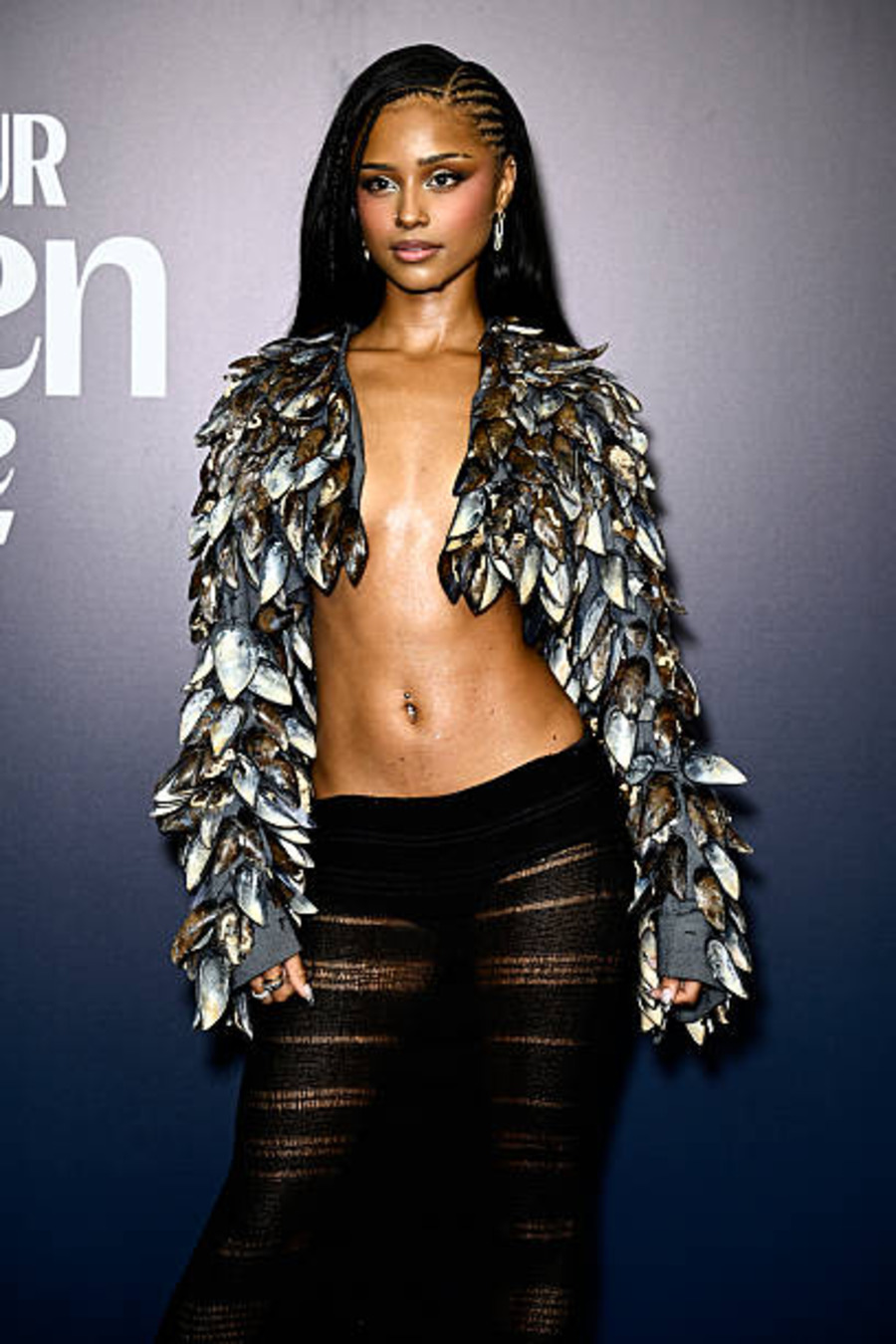
Photo: Instagram
Tyla stressed that being colored is part of her culture, but she understands why the word upsets many people. The singer said the experience gave her a better understanding about how races are interpreted.
Read Also: Tyla Set for AfroNation Festival Performance in Portugal
Tyrese Gibson came to Tyla’s aid on social media. He said he was surprised by the amount of criticism Tyla got and questioned the “selective outrage.” Gibson argued that many critics failed to understand South Africa’s history before judging Tyla. He said:
“I didn’t say anything but I was definitely shocked at the beatdown online and found myself feeling sad to see her career take a hit,”
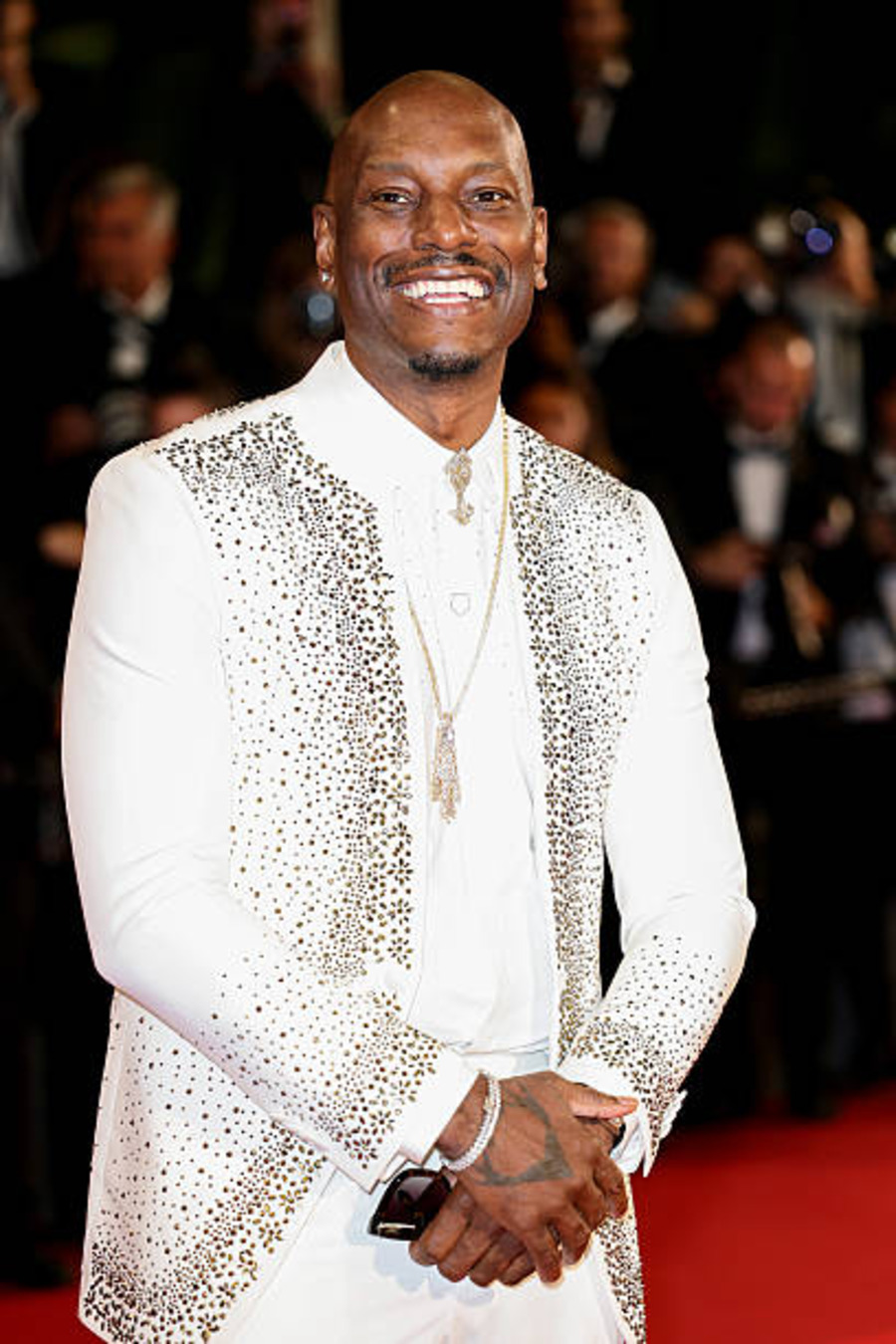
Photo: Instagram
Gibson said visiting South Africa opened his eyes about the country’s culture and history. He urged people to understand South Africa’s racial classifications before criticising Tyla. He explained;
“I’ve been to South Africa at least eight times. Do your research on apartheid. All of the trauma that apartheid inflicted and is still inflicting to this day on Africans.”
Controversies like this are not new. Similar discussions came up in 2024 after an interview on The Breakfast Club. Tyla released a statement saying she didn’t deny being Black.
These discussions highlight how racial identity is understood differently across countries. Many South Africans argue that Tyla’s identity should be interpreted within South Africa’s historical and social context.